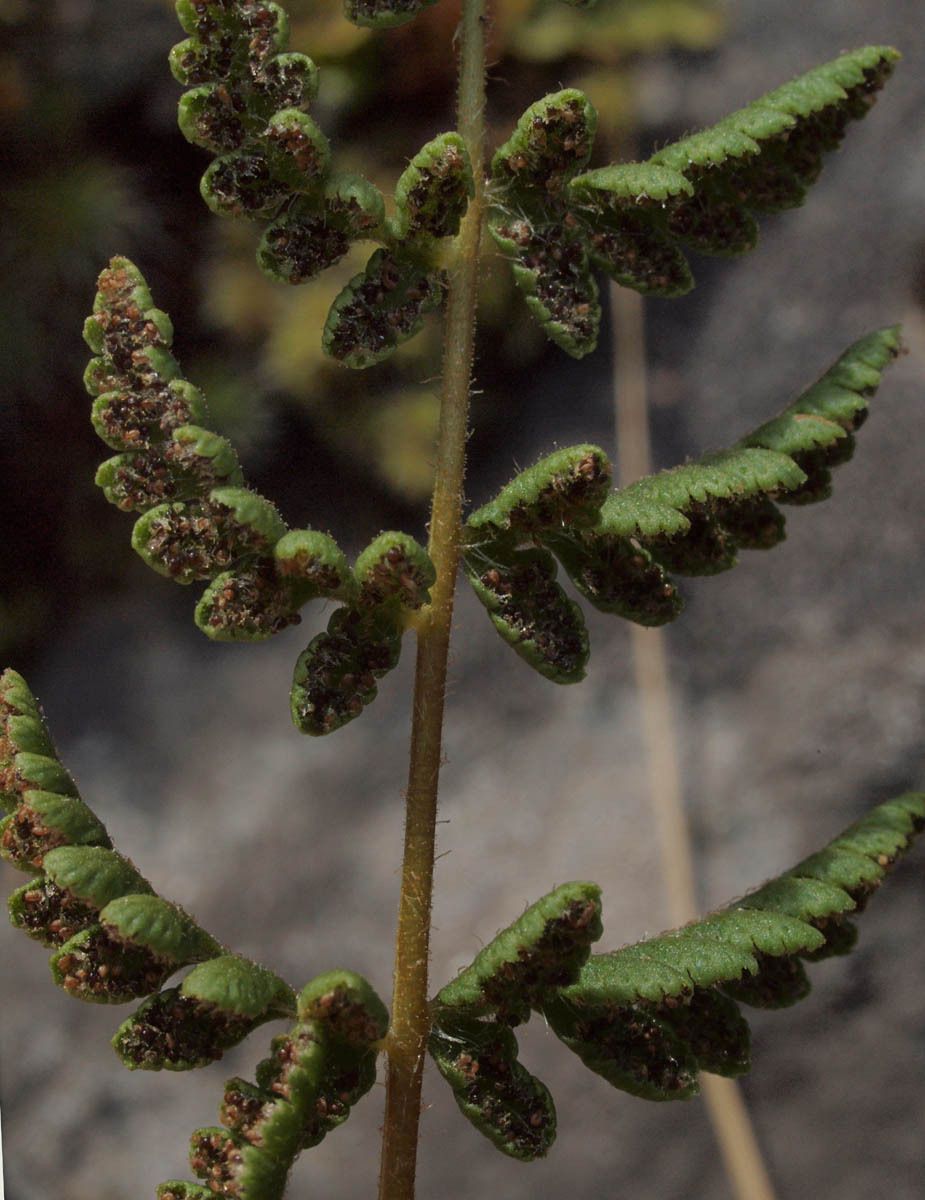
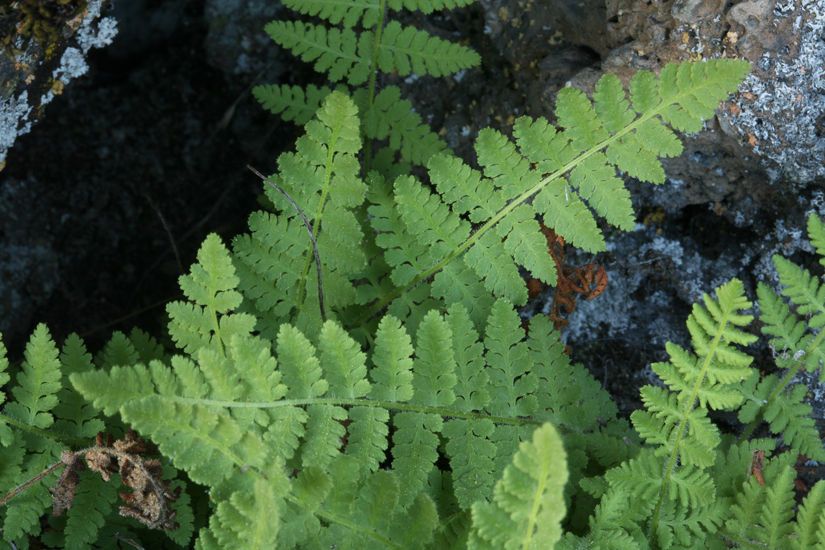
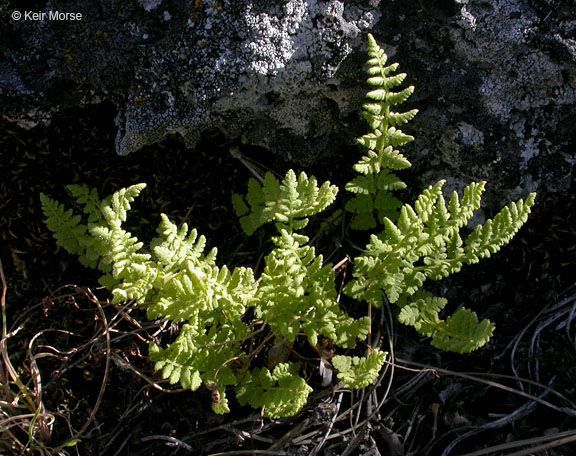
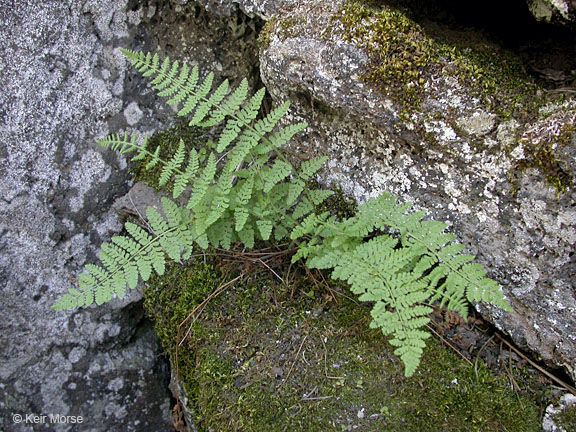
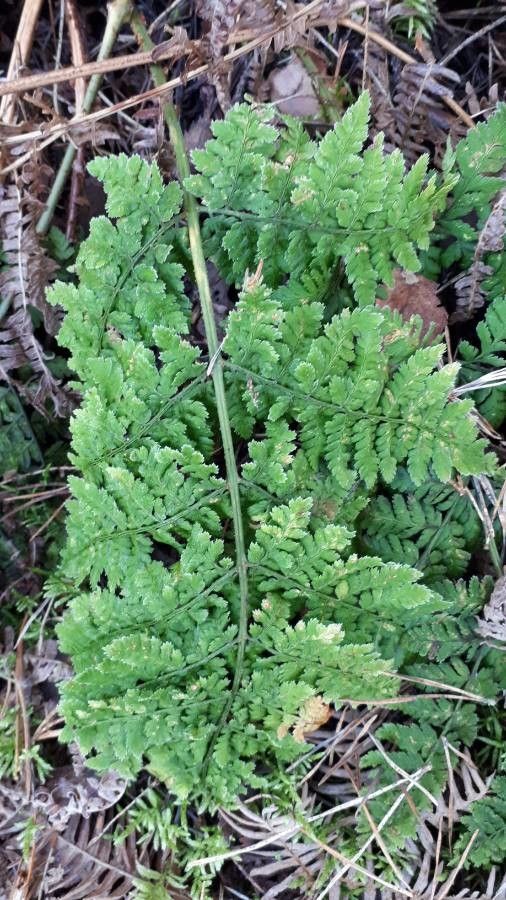
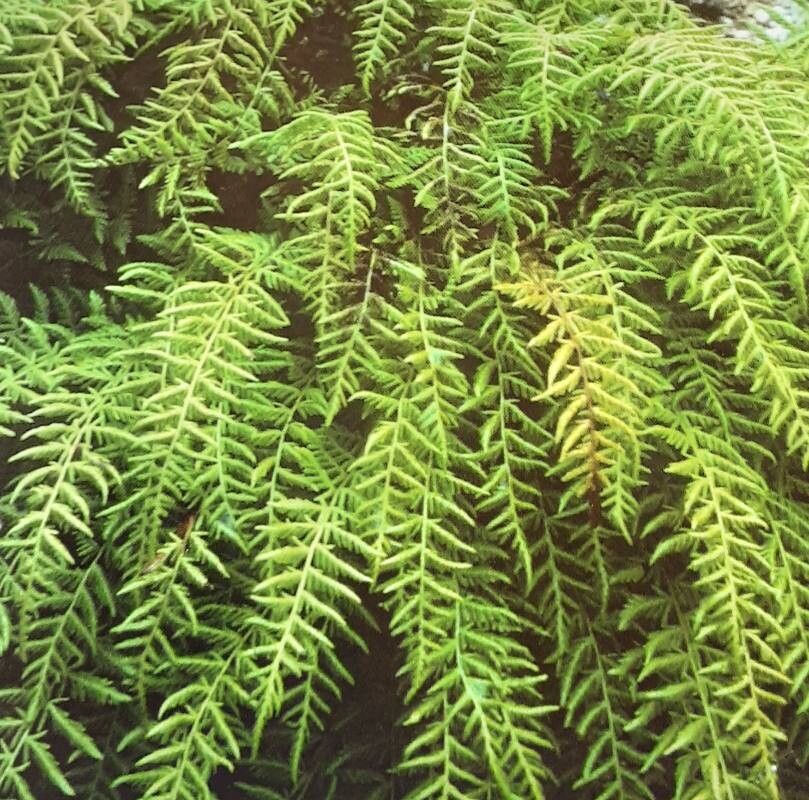
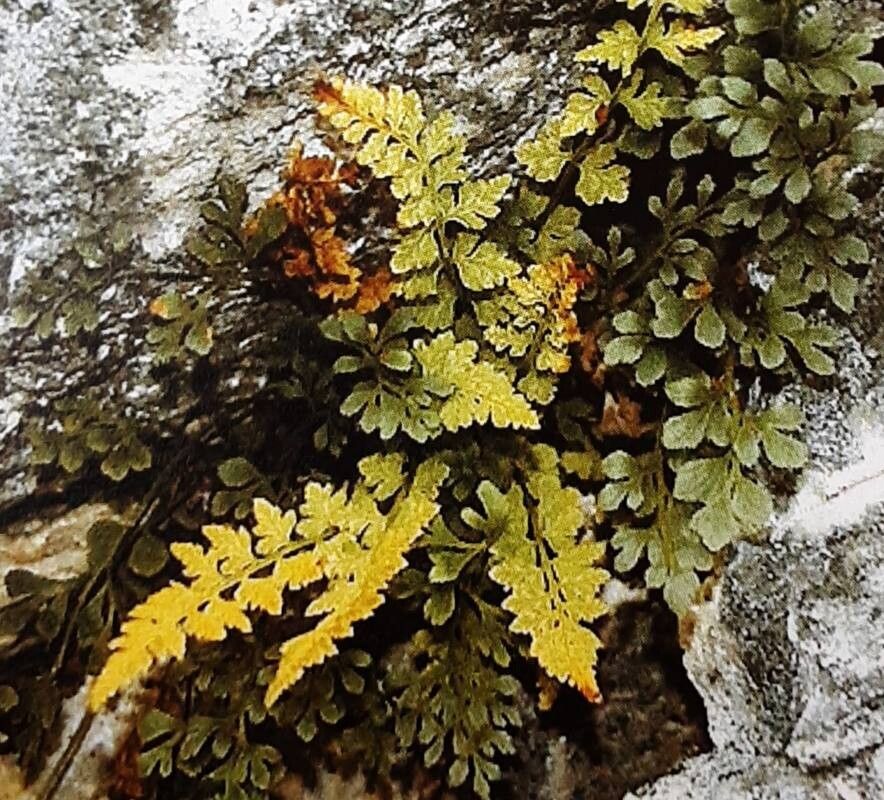
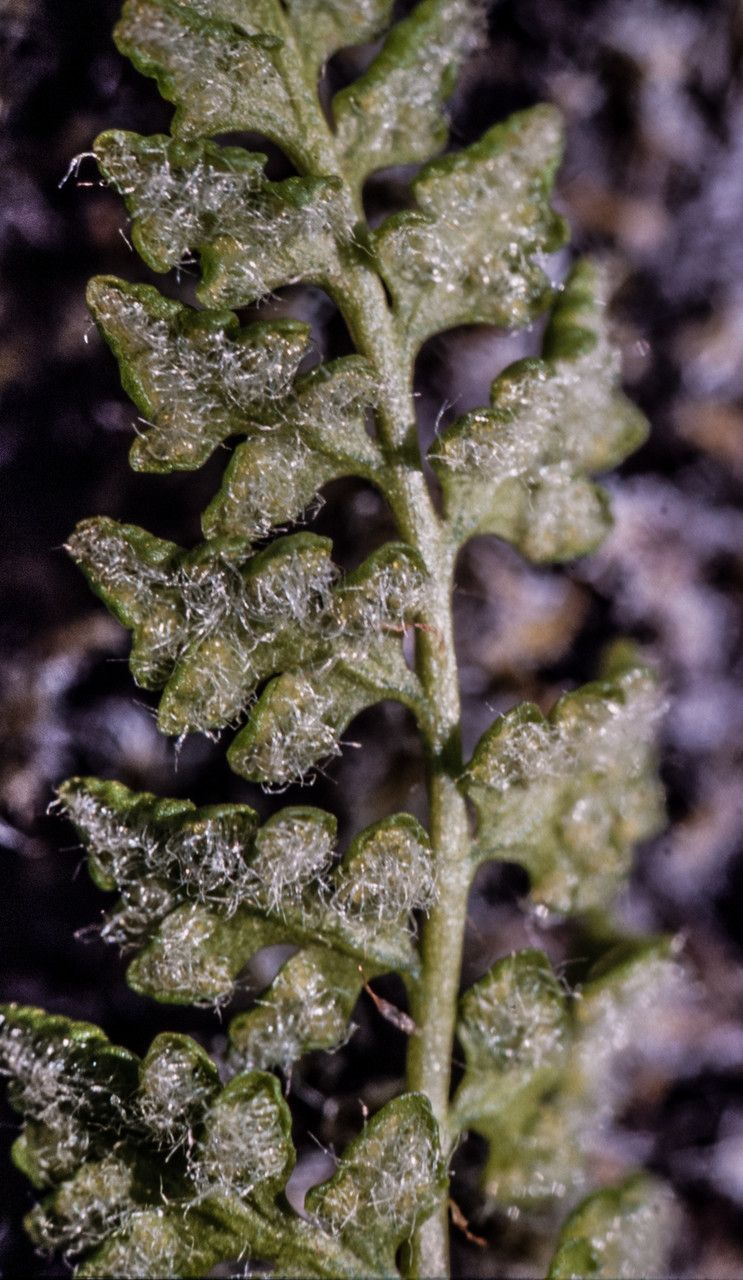
Woodsia scopulina, common name Rocky Mountain woodsia, is a deciduous perennial fern in the family Woodsiaceae. This plant is native to the western and northern United States and Canada. W. scopulina is a small to medium sized fern, 10-30 centimeters high, which grows in mesic to dry rock crevices.
Rocky Mountain cliff fern is fairly disease-resistant and typically not prone to illnesses. Still, it can be vulnerable to pests and diseases present in its environment. Such infections are generally mild. Regarding care, this plant needs moderate maintenance. It requires regular pruning to keep an attractive appearance and healthy growth. Fertilizing can also help encourage flowering. Rocky Mountain cliff fern is appropriate for anyone with an outdoor area, like a garden or patio, and does not demand extensive care experience. It may need extra attention when grown indoors.
How to keep Woodsia Scopulina.
Light
Rocky mountain cliff fern is native to habitats like forest understories and rocky sites, where it naturally grows in shade. It prefers partial sun but can tolerate full sun or full shade, illustrating its hardy, adaptable nature.
Water
The Rocky Mountain cliff fern flourishes in moist, shaded environments and needs weekly watering to replicate its natural habitat. Although it is drought-tolerant and can endure brief dry spells, when grown outdoors, it benefits from rainfall and stores water in its fronds. This helps reduce the need for manual watering during dry periods.
Temperature
Native to temperate regions, the rocky mountain cliff fern does best in temperatures of 41 to 77 °F (5 to 25 ℃). Seasonal temperature adjustments may be needed to replicate its natural habitat. Avoid subjecting it to extreme cold or heat.
Fertilizer
Usually one fertilizer application in spring is enough for Rocky mountain cliff fern, though several feedings can help it reach maximum growth. Apply fertilizer every month to every month and a half. Fertilizing improves the leaves' appearance and function, helping maintain even color and a healthy texture. It also encourages root development and better nutrient uptake, supporting the plant's long-term health.
Pruning
The Rocky Mountain Cliff Fern flourishes in rocky environments and benefits from being pruned annually, ideally between early and late spring. To enhance air circulation and promote the plant's overall health, remove any dead fronds. Minimal trimming helps to keep the Rocky Mountain Cliff Fern looking tidy and can also help prevent diseases. For the best care practices, consult reputable sources.
Botanical profile.
- Plant Type
- Herb
- Life Cycle
- Perennial
- Genus
- Woodsia
- Family
- Aspleniaceae
- Hardiness Zone
- 5
- Mature Height
- 20 cm to 46 cm
- Mature Spread
- 20 cm to 46 cm
- Leaf Color
- Green, Dark Green
- Leaf Type
- Deciduous
- Planting Time
- Spring, Summer, Autumn
Other names.
Reader questions.
What are the sunlight requirements for Rocky Mountain Cliff Fern?
The Rocky Mountain Cliff Fern thrives in varying sunlight conditions, making it a versatile plant for different garden spots. It prefers partial sun, requiring about 3-6 hours of sunlight per day, but it can also grow well in full shade, with less than 3 hours of sunlight. Observing how sunlight moves through your garden helps in choosing optimal locations for planting, ensuring the plants' well-being by providing the right balance of light and shade.
What is the optimal temperature range for growing Rocky Mountain Cliff Fern?
The Rocky Mountain Cliff Fern, with its botanical name Woodsia scopulina, thrives best in a temperate climate. Ideally, it prefers a temperature range of 41 to 77 °F (5 to 25 °C). To ensure its health and growth, it's important to adjust seasonal temperatures to closely mimic the plant's natural environment. This involves protecting the fern from exposure to extreme cold or heat, as such conditions can be detrimental to its well-being.
What are the essentials for growing Rocky Mountain Cliff Fern?
Native to forest understories or rocky areas, the Rocky Mountain Cliff Fern is accustomed to natural shade, flourishing in partial sun to full shade environments. This perennial herbaceous plant's adaptability makes it suitable for various garden settings. For indoor plants, where natural light may be insufficient, especially during winter or in darker areas, artificial lighting comes to the rescue. LED lights, customizable to provide specific wavelengths, help in supplementing light, ensuring healthy plant growth. The artificial light requirement varies based on the plant's sunlight needs, with full sun plants requiring 30-50W/sq ft, partial sun plants 20-30W/sq ft, and full shade plants 10-20W/sq ft. Proper placement and duration of artificial light are crucial for mimicking natural sunlight conditions.
How does Rocky Mountain Cliff Fern respond to cold weather, and what measures should be taken in winter?
Rocky Mountain Cliff Fern is highly resistant to cold temperatures, eliminating the need for additional frost protection measures during the winter months. However, to prepare for winter, it's advisable to water the plant generously before the first freeze of autumn. This ensures the soil around the fern remains moist and enters a frozen state properly, preventing drought and water scarcity concerns for the plant during the cold season and into early spring.
What are the symptoms of insufficient light for Rocky Mountain Cliff Fern?
When the Rocky Mountain Cliff Fern does not receive adequate light, especially when grown indoors, it may exhibit several symptoms indicating light deficiency. These include smaller than usual new leaves, leggy or sparse growth, early leaf drop, ceased or slowed new growth, lighter-colored new leaves, or symptoms related to overexposure such as chlorosis, sunscald, leaf curling, wilting, and leaf scorching. These symptoms highlight the plant's struggle with adapting to insufficient or excessive light.
What should be done if the temperature falls below -25°C?
While the Rocky Mountain Cliff Fern is extremely tolerant to cold temperatures, winter temperatures should ideally remain above -25°C. If temperatures drop below this threshold, the fern may not show immediate distress, but its ability to sprout in spring could be significantly affected, with decreased sprouting or possibly no sprouting observed. To address this, in spring, it's recommended to remove any parts of the fern that have failed to sprout, encouraging healthier growth.
How can I address the light-related issues for Rocky Mountain Cliff Fern?
To optimize the Rocky Mountain Cliff Fern's growth and health in response to light-related issues, consider gradually transitioning the plant to spots with more suitable sunlight or employ artificial lighting for indoor settings. For indoor plants, shifting them to sunnier locations progressively or using grow lights for at least 8 hours daily can make a significant difference. Outdoors, moving plants gradually to sunnier spots helps in adapting to the light without causing sunburn. Reducing light obstructions, such as pruning trees that cast shade, or transplanting smaller plants to sunnier locations during their dormant periods can also improve sunlight exposure. It's important to note that while parts of the plant affected by poor light may not revive, new growth following these adjustments will be healthier.
How does Rocky Mountain Cliff Fern react to high temperatures, and how can this be managed?
The Rocky Mountain Cliff Fern is not tolerant of high temperatures. Exposure to temperatures above 25°C can halt its growth and increase its susceptibility to rot. When faced with high temperatures, it is crucial to trim away any sunburned and dried-up parts of the fern. Relocating the plant to a shaded area or employing a shade cloth to protect it from the midday and afternoon sun can be effective strategies. Additionally, watering the plant in the morning and evening will help keep the soil adequately moist and support the fern's health under hotter conditions.