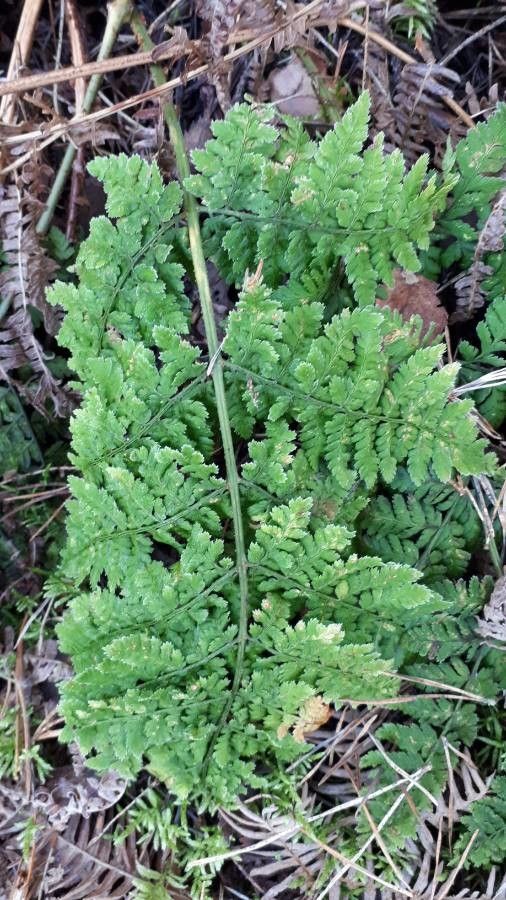
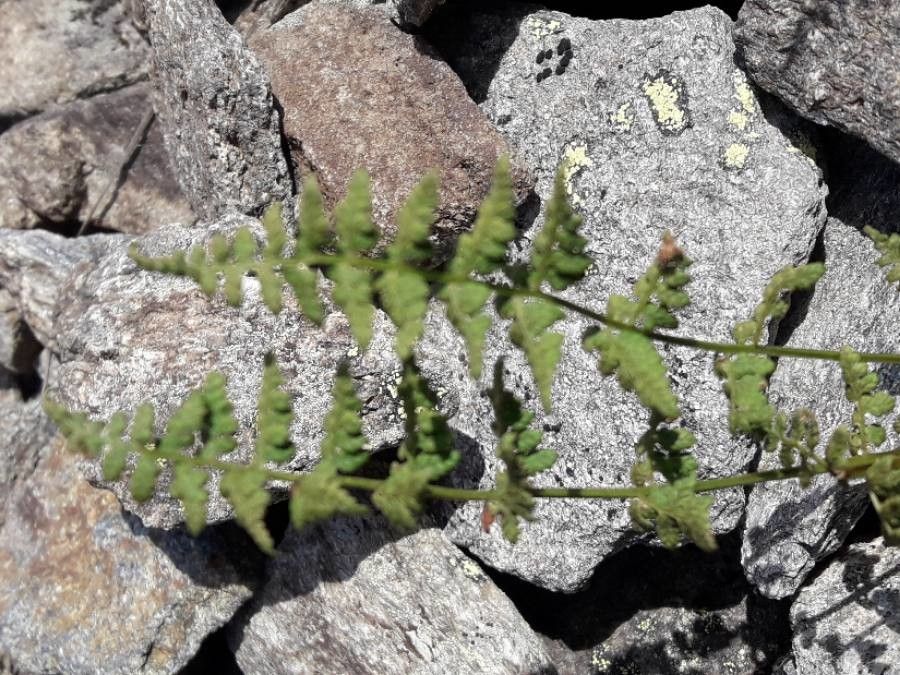
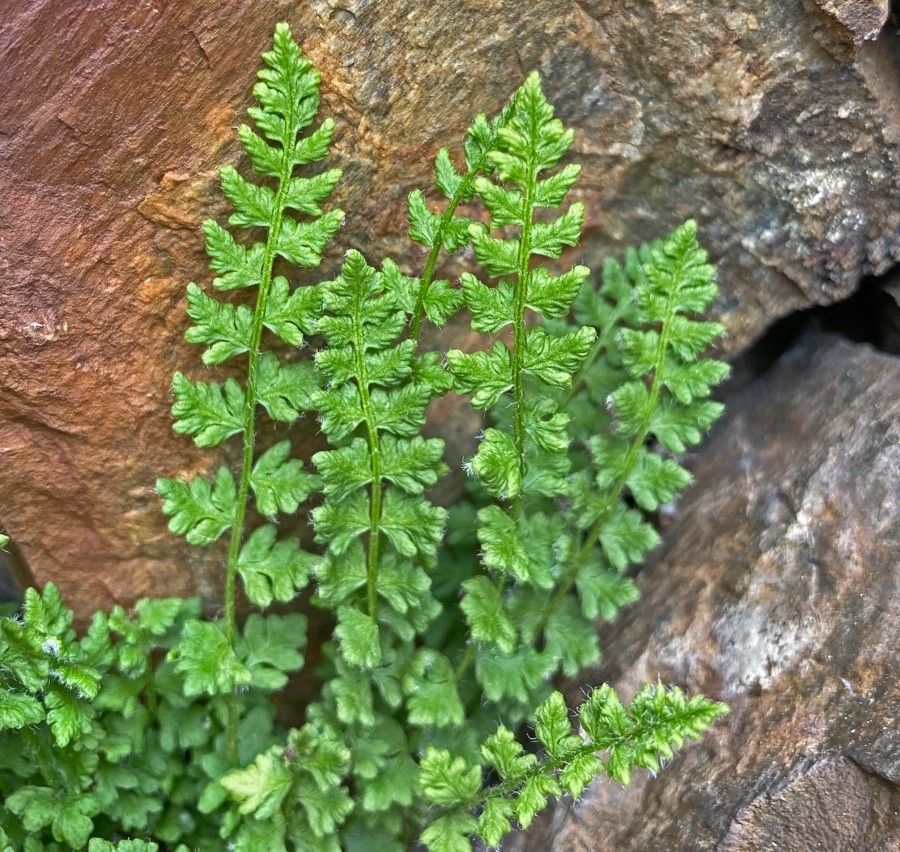
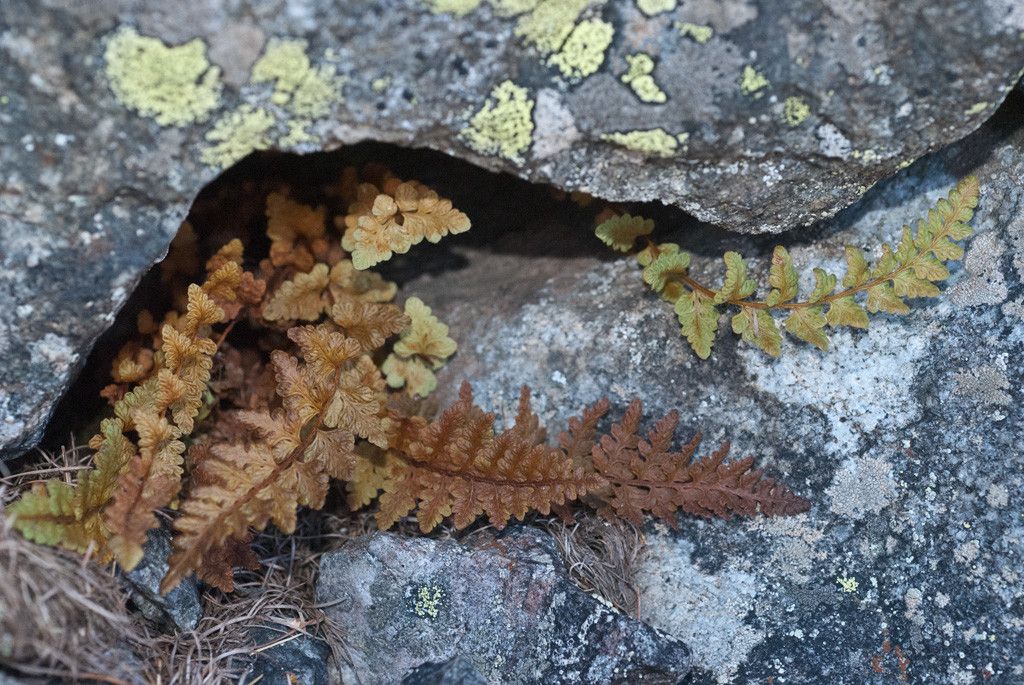
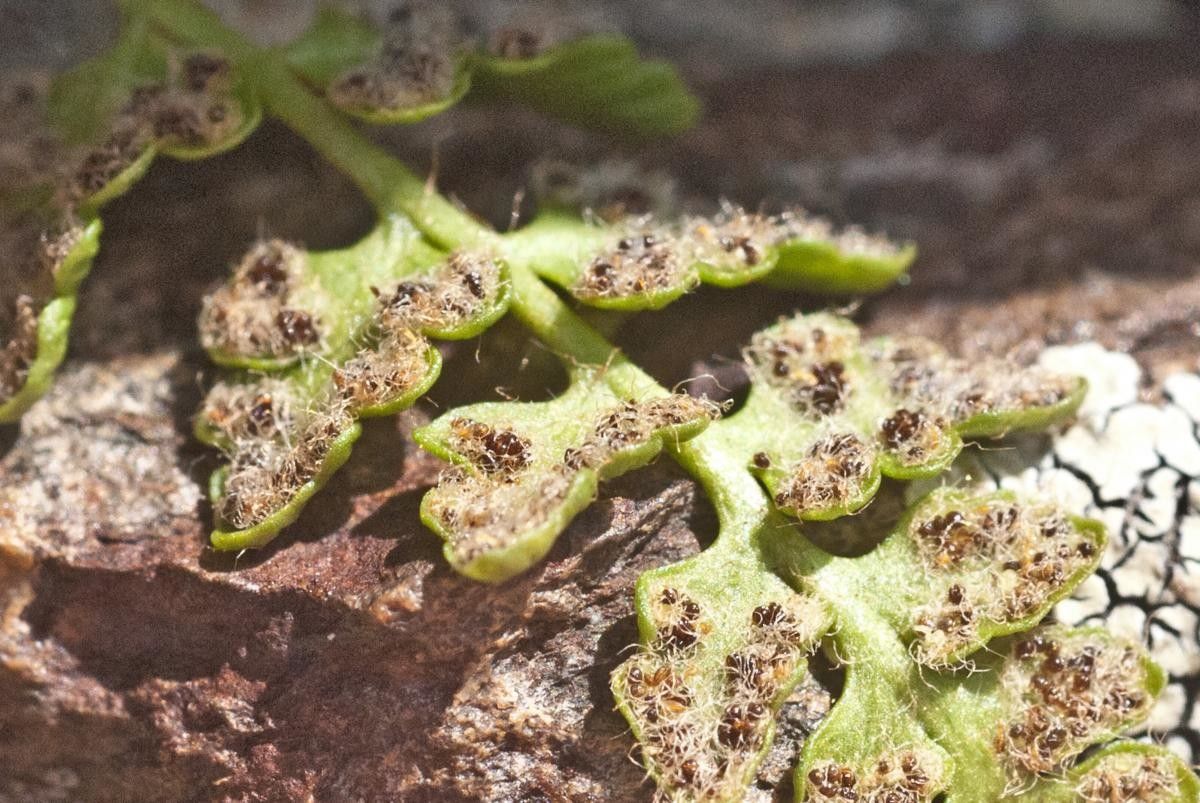
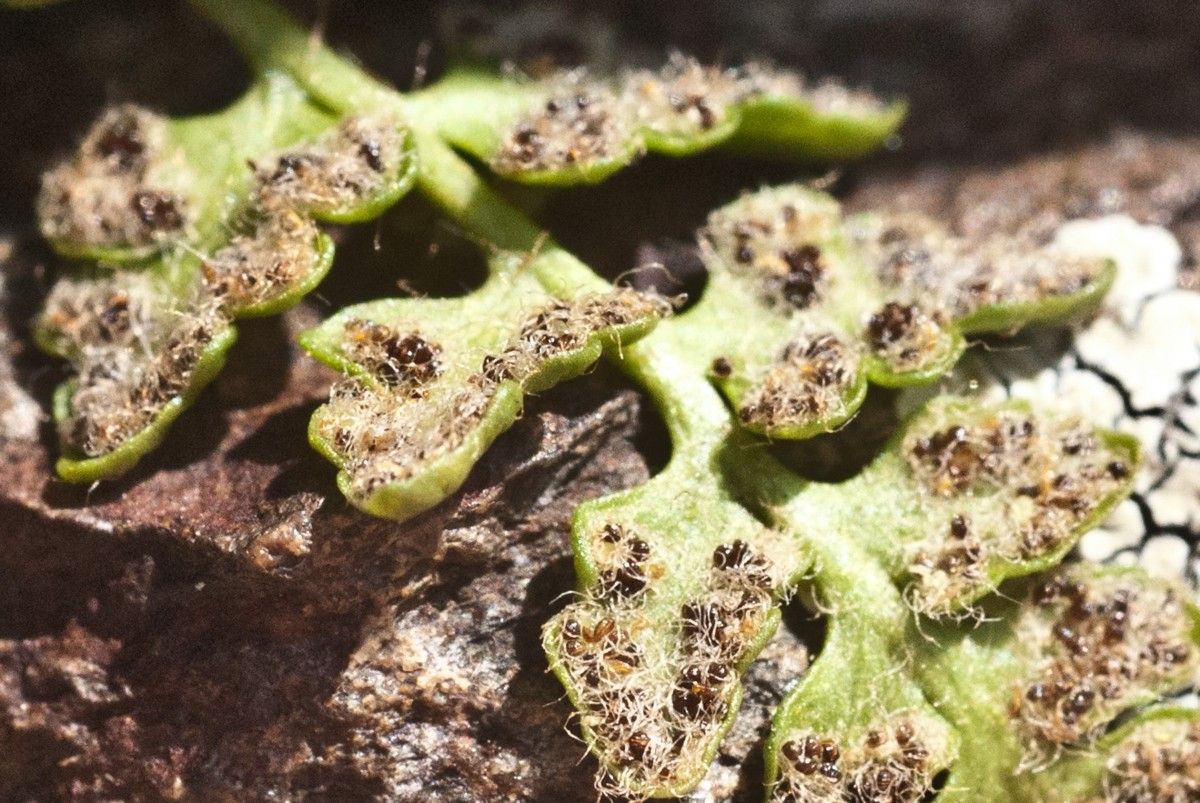
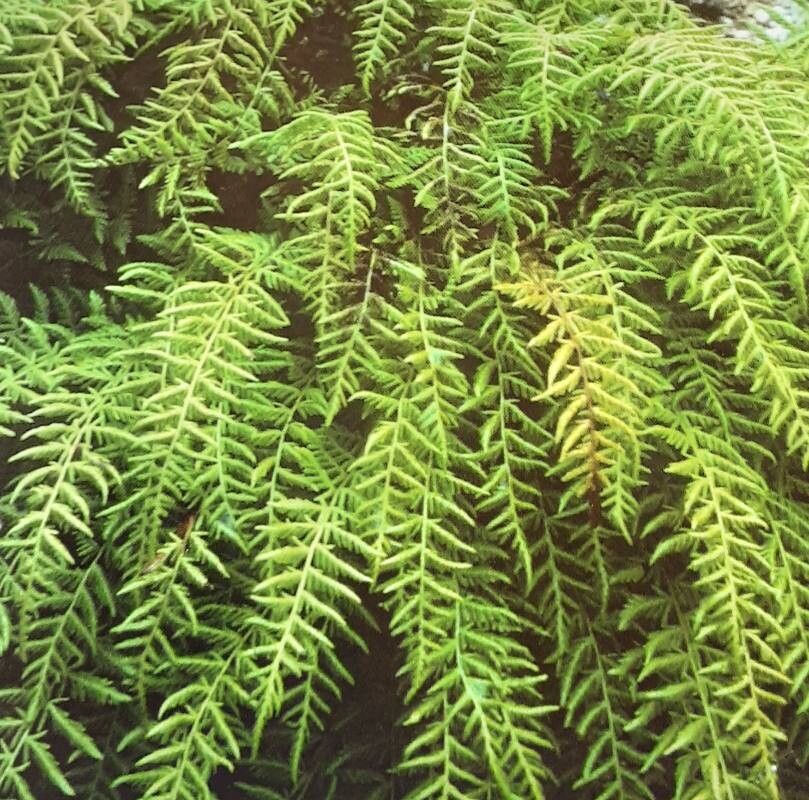
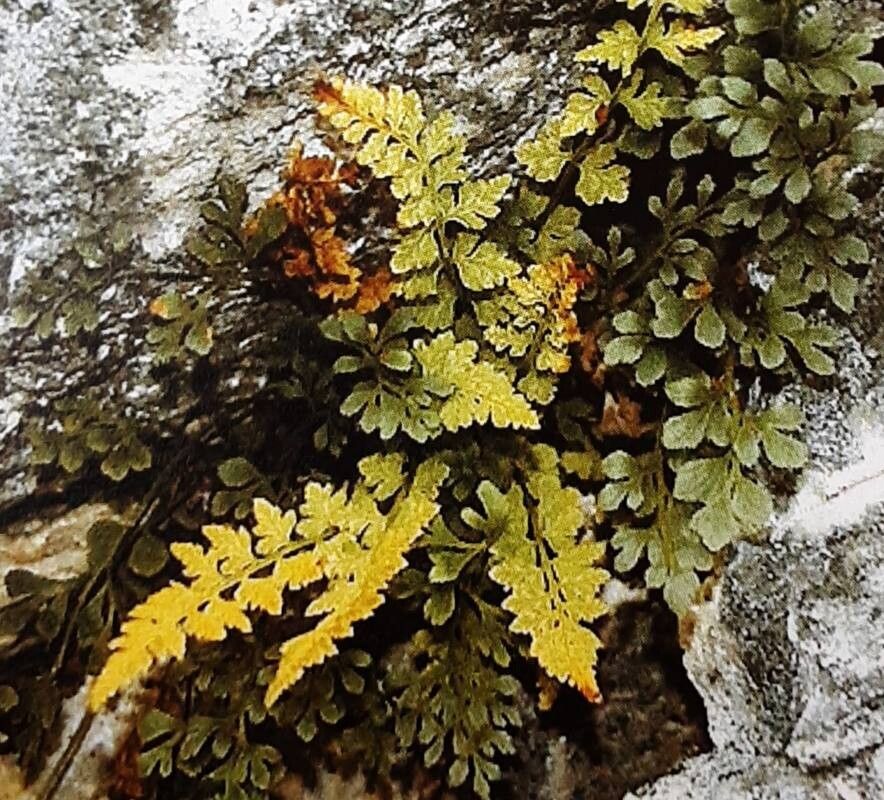
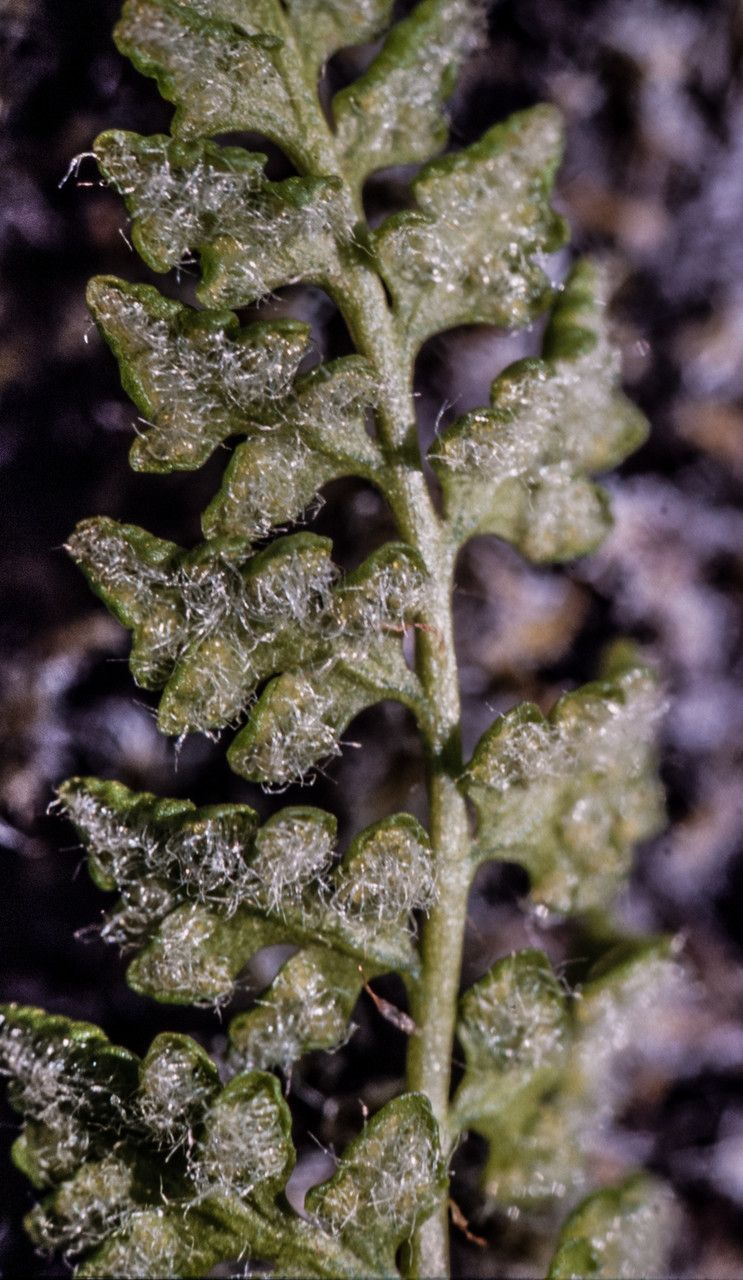
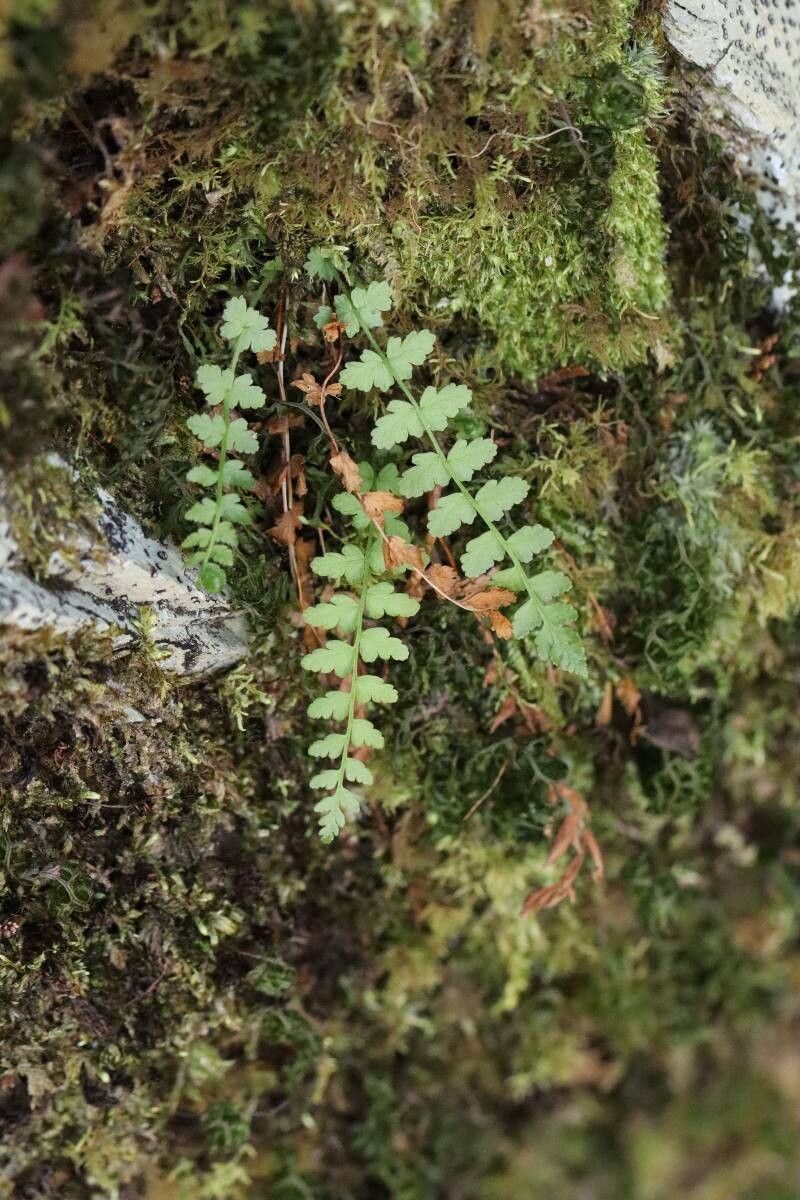
Woodsia alpina, commonly known as alpine woodsia, is a fern found in northern latitudes in North America and Eurasia. Also known as northern woodsia or alpine cliff fern, it is typically found in crevices, scree slopes and cliffs containing slate and calcareous rocks, especially limestone.
Alpine cliff fern has strong disease resistance and is generally unlikely to suffer from illnesses. Still, it can be affected by pests and diseases found in its surroundings. Such infections are usually not serious. Regarding care, this plant requires a moderate level of maintenance. It should be pruned regularly to keep a neat appearance and to support healthy growth. Fertilizing can also help encourage flowering. Alpine cliff fern is appropriate for anyone with outdoor space like a garden or patio and does not demand extensive plant-care experience. When grown indoors, it may need more attentive care.
How to keep Woodsia Alpina.
Light
The alpine cliff fern naturally occurs in habitats like forest understories and rocky sites, where it grows in natural shade. It prefers partial sun but can tolerate full sun or complete shade, showing its resilient and adaptable character.
Water
The Alpine cliff fern is native to rocky alpine regions and thrives in environments with occasional moisture and consistent humidity. While it can tolerate short dry periods, it benefits from weekly watering. This plant is well-suited to temperate climates, where it can make use of the seasonal rainfall to meet its water requirements.
Fertilizer
A single fertilizer application in spring is generally enough for Alpine cliff fern, though repeated feedings can increase growth. Apply fertilizer about once a month to every six weeks. Fertilizing improves the leaves' appearance and function, helping maintain even color and a healthy texture. It also encourages root development and better nutrient uptake, supporting the plant's long-term health.
Pruning
The Alpine cliff fern thrives in rocky alpine environments. To encourage healthy growth and improve air circulation, prune the plant from early to late spring. During pruning, remove dead fronds and trim old ones close to the base, taking care to avoid any new shoots. Regular pruning not only enhances the plant's appearance but also boosts its vigor.
Botanical profile.
- Plant Type
- Herb
- Life Cycle
- Perennial
- Genus
- Woodsia
- Family
- Aspleniaceae
- Hardiness Zone
- 3-7
- Mature Height
- 5 cm to 15 cm
- Mature Spread
- 5 cm to 10 cm
- Leaf Color
- Green, Dark Green
- Leaf Type
- Semi-evergreen
- Planting Time
- Spring
- Native Area
- Turkey, Sweden, India, Austria, Slovakia, Pakistan, Slovenia, Russia, Germany, Iceland, Romania, France, Czech Republic, Armenia, Poland, Ukraine, China, Norway, Kyrgyzstan, Kazakhstan, Italy, Spain, Switzerland, Denmark, Japan, Finland, Iran, Azerbaijan, United Kingdom, Hungary
Other names.
Reader questions.
How should I water my Alpine cliff fern to keep it healthy?
To properly water the Alpine cliff fern, it's best to use filtered water at room temperature. Tap water may contain harmful particles, so filtering is preferred. The reason the water should be at room temperature or slightly warmer is because the fern is accustomed to a warm environment and cold water can be a shock to its system. It's important to avoid overhead watering, as this can lead to foliage issues. Instead, focus on applying your filtered room temperature water directly to the soil until it is completely soaked. This method benefits the plant by providing moisture to the roots, allowing them to spread and gather necessary nutrients.
What should I do if I give my Alpine cliff fern too much water or too little water?
Overwatering is a common issue for Alpine cliff ferns and can cause wilting, yellowing, and diseases such as root rot, mold, and mildew. It is important to notice the signs of overwatering early and reduce watering if necessary. If the soil drains poorly, it should be replaced with a well-draining potting mix. Underwatering is less common, but can cause brittle and brown leaves. Simply watering more regularly can address this issue.
How frequently should I water my Alpine cliff fern?
To determine if your Alpine cliff fern needs water, follow these steps based on whether it is in a pot or planted in the ground. If your plant is in a pot, simply stick your finger into the soil. If the top two to three inches of soil are dry, it's time to water it. The same method applies if your plant is planted in the ground, where you should also check the first few inches of soil for dryness. Generally, watering once a week in the spring and early fall suffices, but during hot weather, you may need to water twice or more per week. It's worth noting that mature, well-established Alpine cliff ferns are drought-tolerant.
How much water does my cliff fern from the Alps need?
To properly water your Alpine cliff fern, you should not be stingy with the amount of water you give. Make sure the first two to three inches of soil are dry before watering. It's best to thoroughly soak the soil, adding enough water that it flows through the drainage holes in the pot. If you don't see any excess water draining, you might not have added enough water. Avoid letting water accumulate in the soil, as this can harm the plant. If water doesn't drain properly from the pot, it could indicate a problem with the soil's drainage, which is bad for the plant's health. If the plant is outdoors, it will only need about 1 inch of rain per week.
How do I water my Alpine cliff fern at different times when it's growing?
The water needs of the Alpine cliff fern vary depending on its growth stages. When the fern is in its early years or recently transplanted, it requires more water than usual. During these stages, the fern focuses on growing new roots that will support future growth, and these roots need more moisture to function optimally. As the fern becomes more mature, it will require less water. Additionally, during the bloom period, the fern may need more water due to the energy required for flower development.
How should I water my Alpine cliff fern at different times of the year?
The water needs of the Alpine cliff fern vary depending on the season. During the hottest months of the year, particularly in the summer, the plant requires the most water. You might even need to water it more than once a week, depending on how quickly the soil dries out. On the other hand, during the winter months, the plant enters a dormant phase and requires much less water. In fact, you may not need to water it at all. However, if you choose to water it during winter, it should be done no more than once a month to avoid the risk of disease.
What's the difference between watering my fern inside and outside?
The Alpine cliff fern is a popular choice for indoor gardening, especially for those who do not live in temperate or tropical regions. If you're growing this fern indoors, it's important to consider that the soil in a container can dry out faster than ground soil. Additionally, if you have drying elements like air conditioning units, your Alpine cliff fern will need more frequent watering compared to if it was planted outside. In outdoor settings, you may not need to water it much at all if you receive regular rainfall. However, for those growing it indoors, relying on rainwater to soak the soil is not an option, so you'll need to water it more frequently.