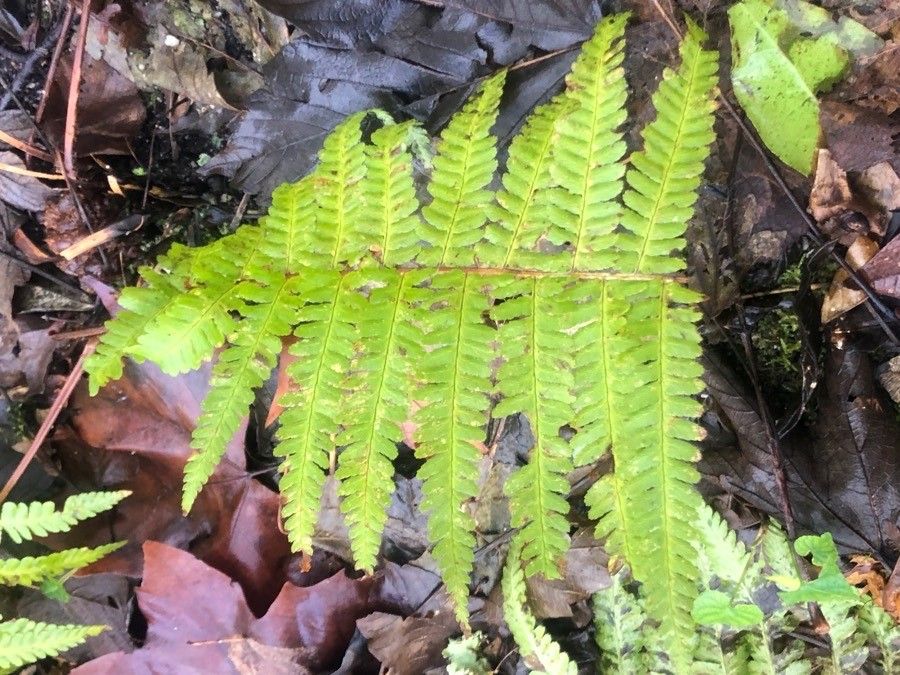
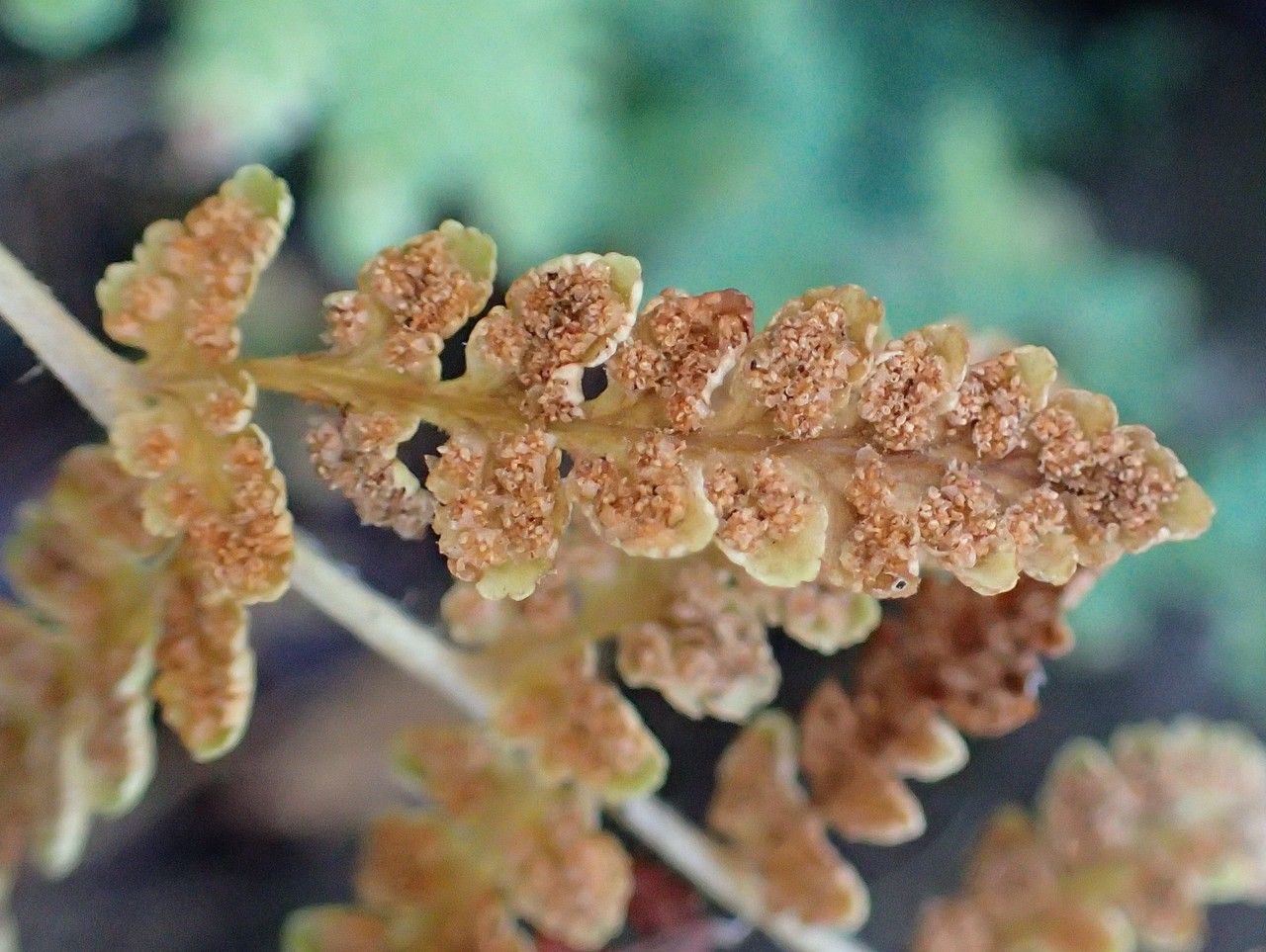
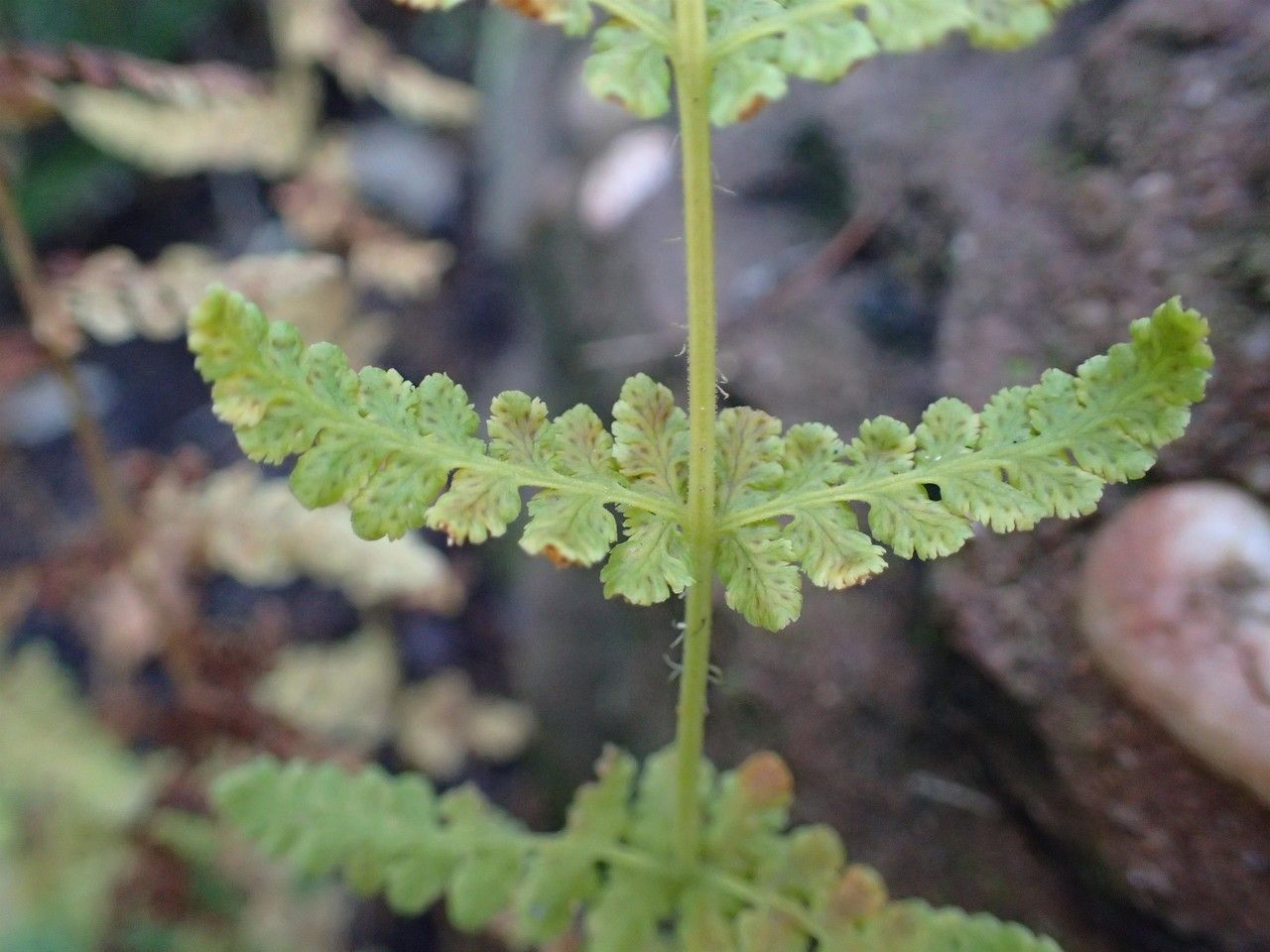
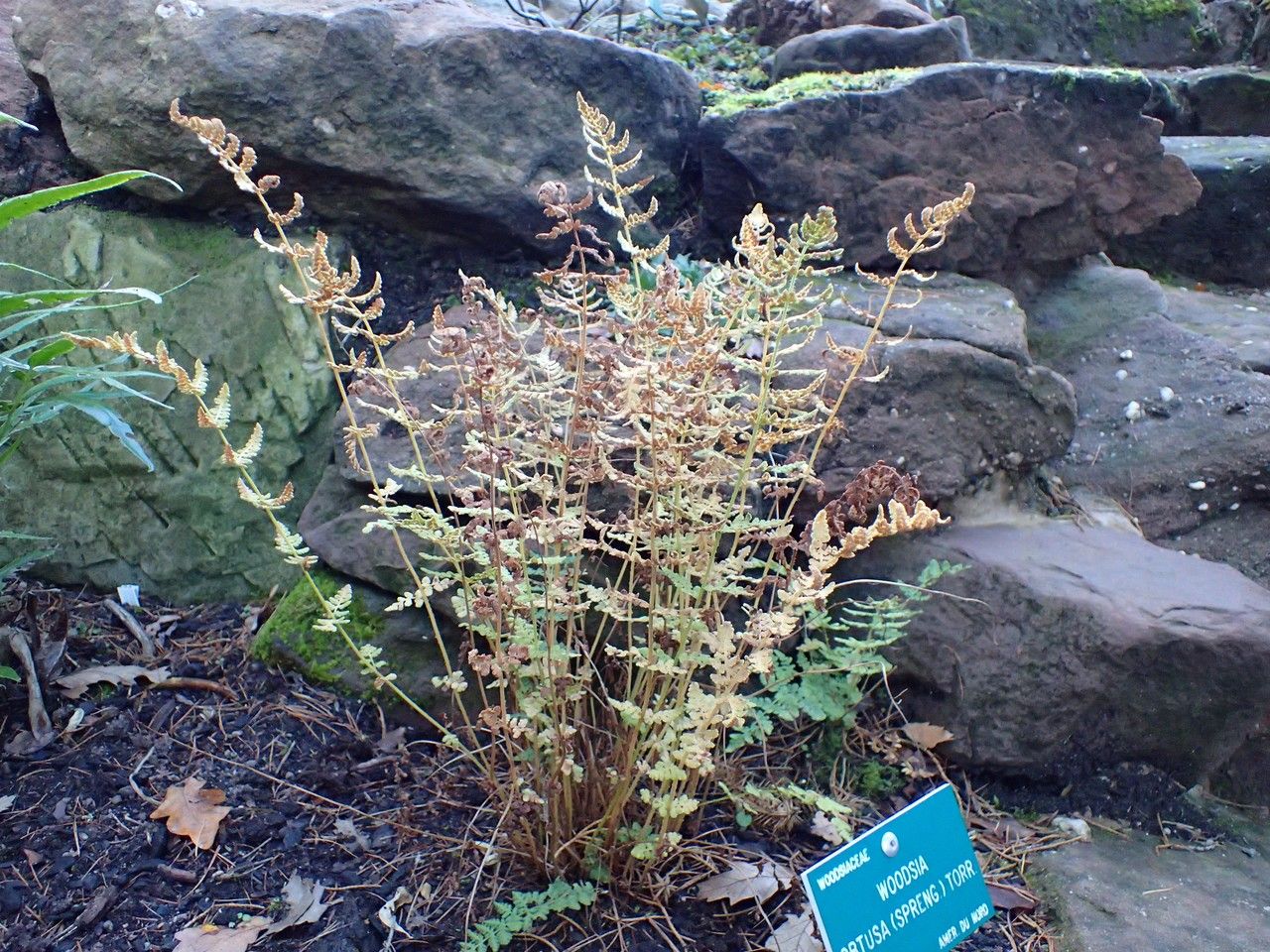
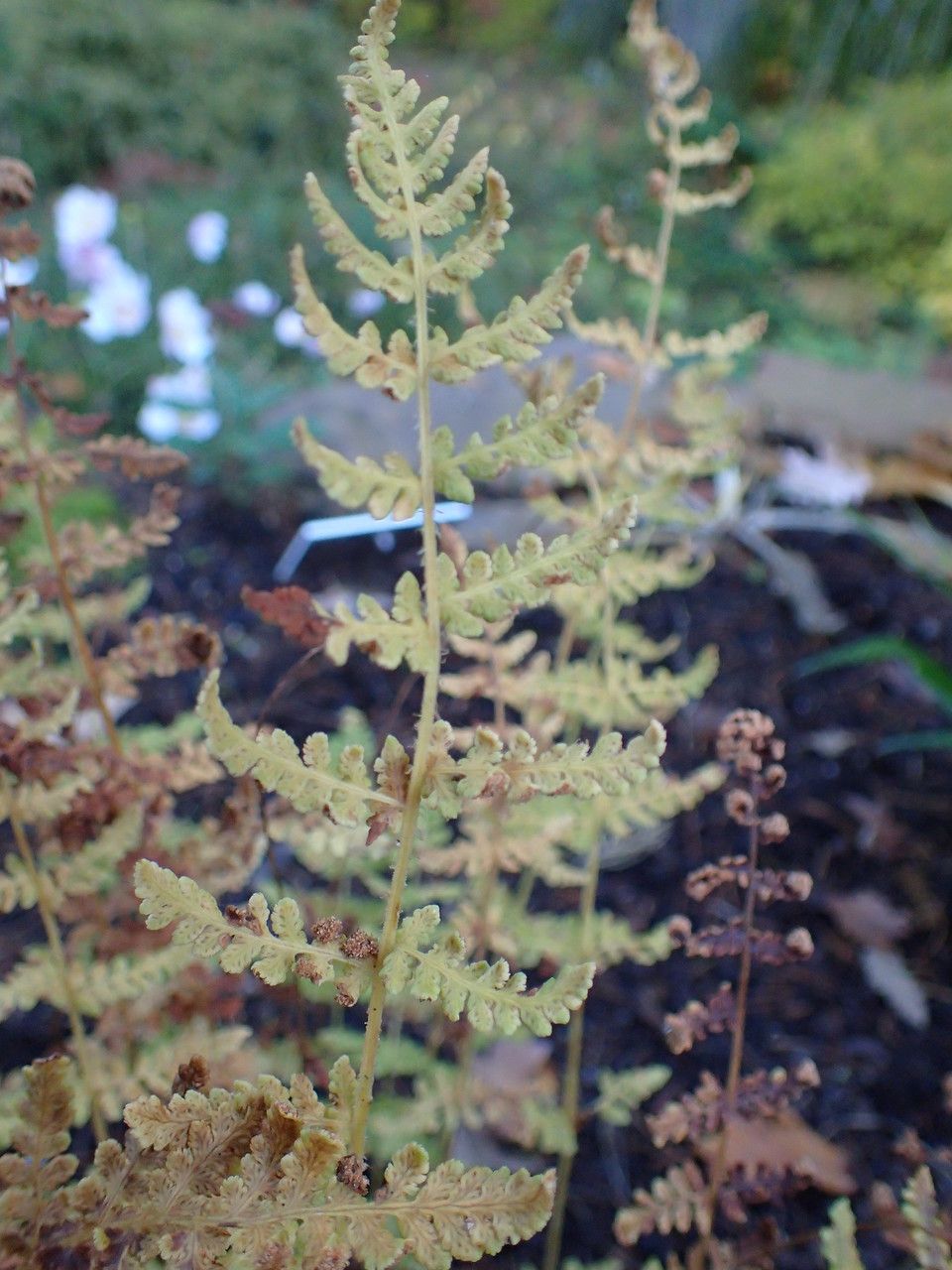
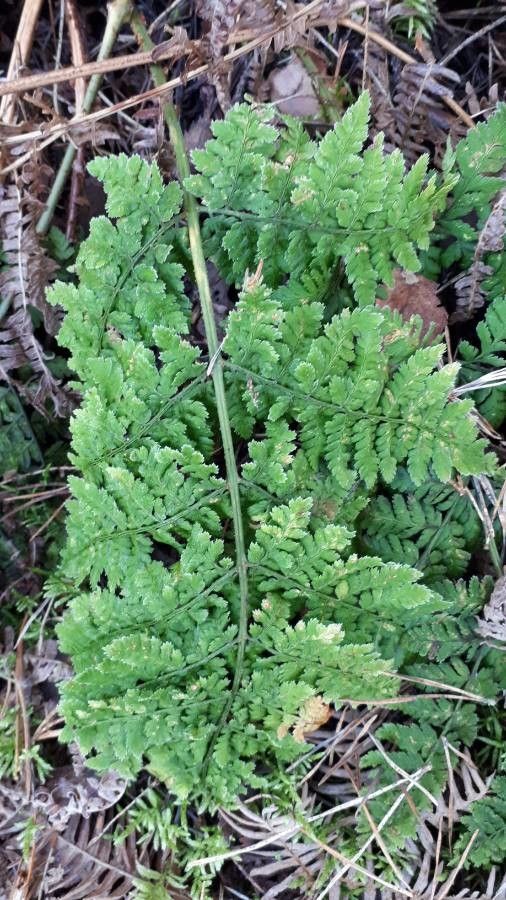
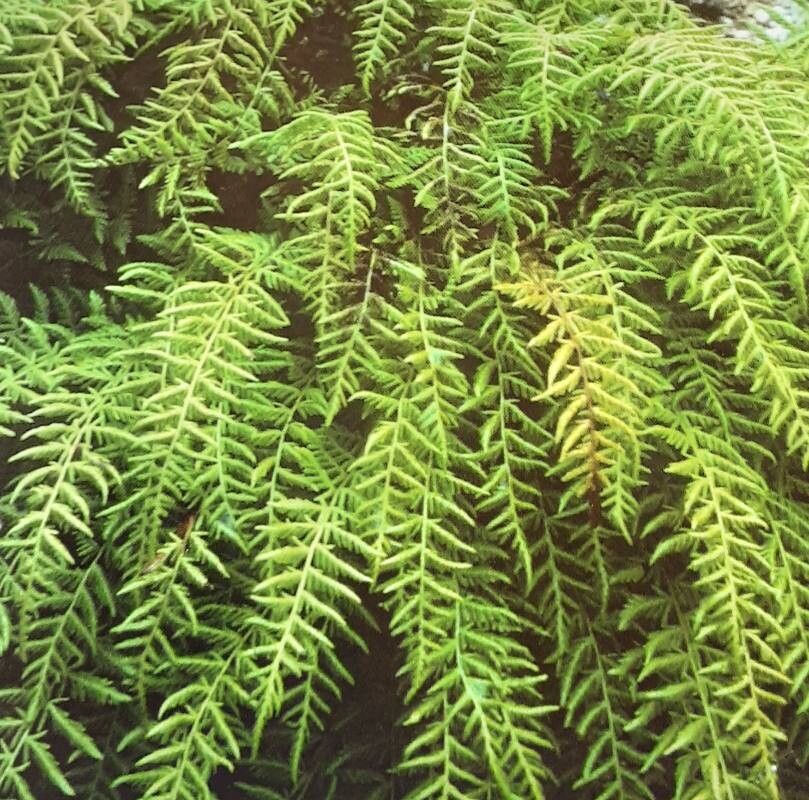
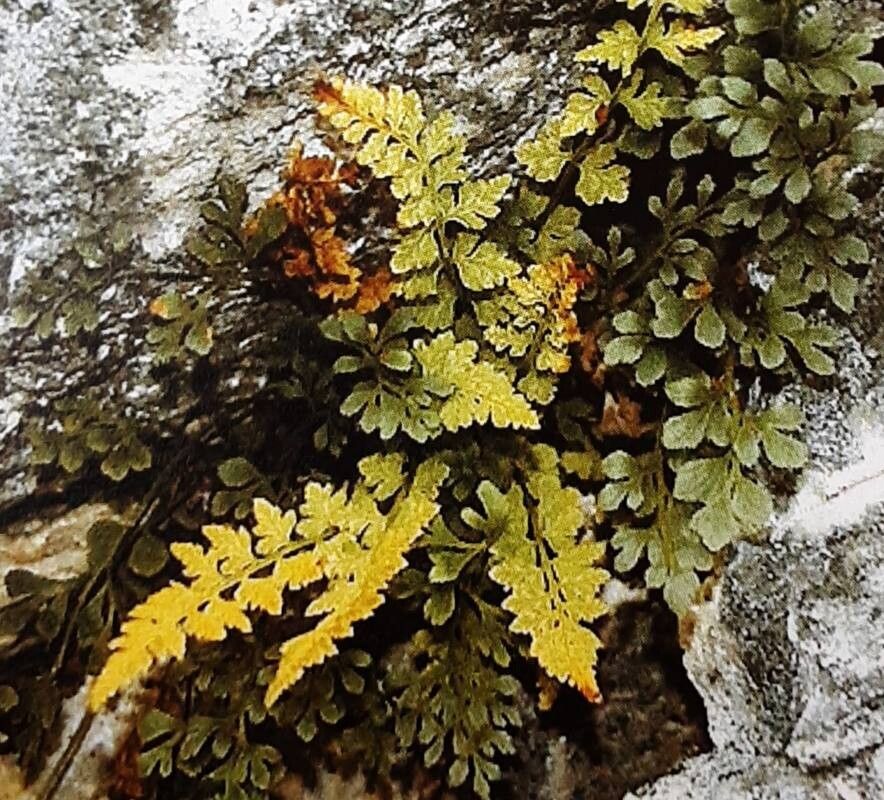
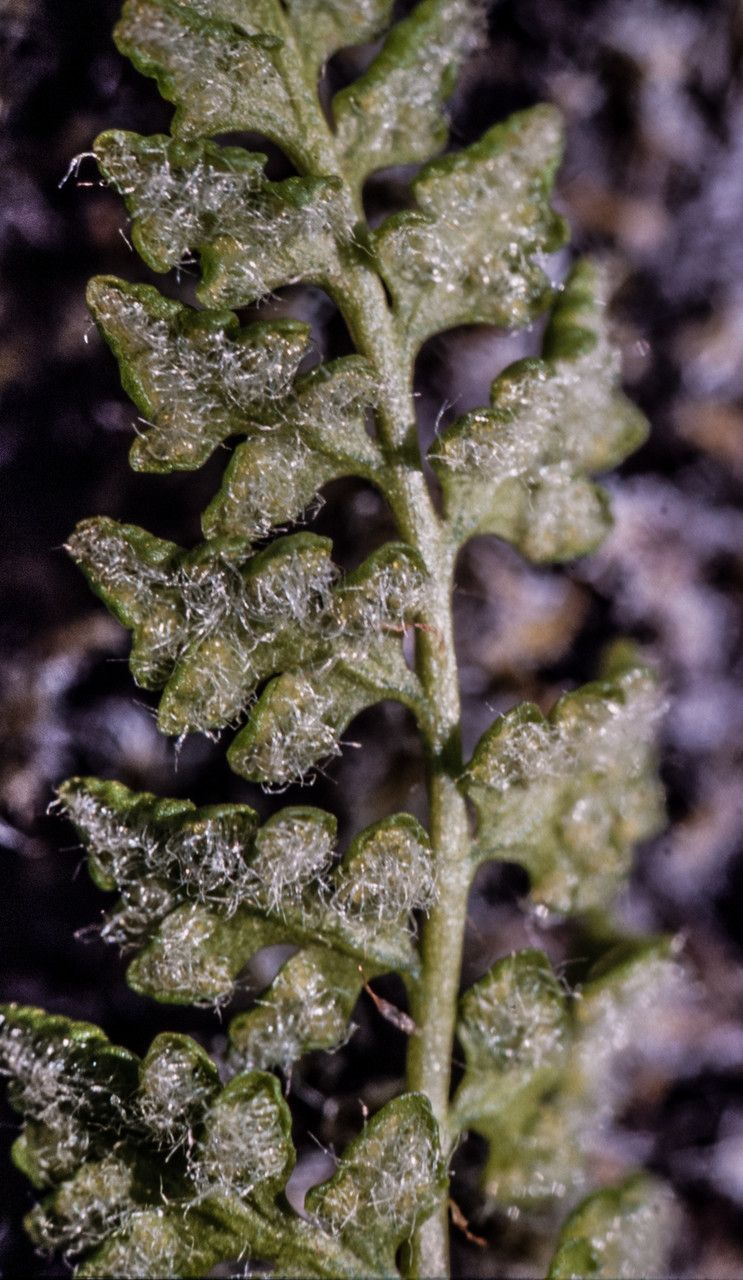
Woodsia obtusa, the bluntlobe cliff fern, is a common rock fern of Appalachia and eastern North America. It prefers a calcareous substrate, but also grows in neutral soils. It may grow on rock faces or in scree. This fern is often confused with various ferns of the genus Cystopteris but is distinguished by its hairy nature.
Bluntlobe cliff fern has good resistance to disease and is generally not prone to illnesses. Still, it can be susceptible to pests and diseases present in its environment. Such infections are usually mild. For care, the plant requires a moderate level of maintenance. It should be pruned regularly to maintain a good appearance and healthy growth. Fertilizing can also help encourage flowering. Bluntlobe cliff fern is suitable for anyone with outdoor space, such as a garden or patio, and does not need extensive care experience. It may need more attention when grown indoors.
How to keep Woodsia Obtusa.
Light
Bluntlobe cliff fern grows best with a moderate amount of sunlight, though it can tolerate lower light conditions. Native to areas with dense overstory, it is adapted to environments that combine sun and shade. Extended exposure to very strong light can be harmful because it does not match the sheltered conditions of its natural habitat.
Water
The bluntlobe cliff fern thrives in well-hydrated soil with moderate humidity, resembling the conditions of its woodland origins. To maintain its health, it requires consistent moisture, which can be achieved through weekly watering. When grown outdoors, the fern benefits from natural rainfall, which supports its growth during the active season.
Temperature
Bluntlobe cliff fern is naturally found in environments with temperatures from 32 to 95 °F (0 to 35 ℃). It prefers temperate climates. If temperature control is necessary, conditions should prevent both extreme heat and frost.
Fertilizer
One fertilizer application in spring is generally enough for Bluntlobe cliff fern, although multiple feedings can optimize growth. Feed about once a month to every six weeks. Fertilization improves the leaves' appearance and function, encouraging uniform color and a healthy texture. It also promotes root development and nutrient uptake for the plant's long-term health.
Pruning
For best results with the bluntlobe cliff fern, prune it in the spring. This encourages growth and enhances its appearance. Remove any dead or damaged fronds to improve air circulation and prevent diseases. Additionally, thin out crowded areas to promote new shoots, ensuring the plant remains robust and healthy.
Pot & Repot
When repotting Bluntlobe cliff fern, choose a pot 1-2 inches (2.5–5.1 cm) larger with ample drainage. Use a well-draining potting mix. Repot in spring or fall, ensuring the root ball sits slightly lower than the rim of the flower pot. Water thoroughly after repotting and place the pot in a warm spot with indirect sunlight.
Botanical profile.
- Plant Type
- Herb
- Life Cycle
- Perennial
- Genus
- Woodsia
- Family
- Aspleniaceae
- Hardiness Zone
- 3-10
- Mature Height
- 10 cm to 52 cm
- Mature Spread
- 30 cm
- Leaf Color
- Green, Gray, Silver
- Leaf Type
- Deciduous
- Bloom Time
- Summer, Fall
- Planting Time
- Spring, Summer, Autumn
Other names.