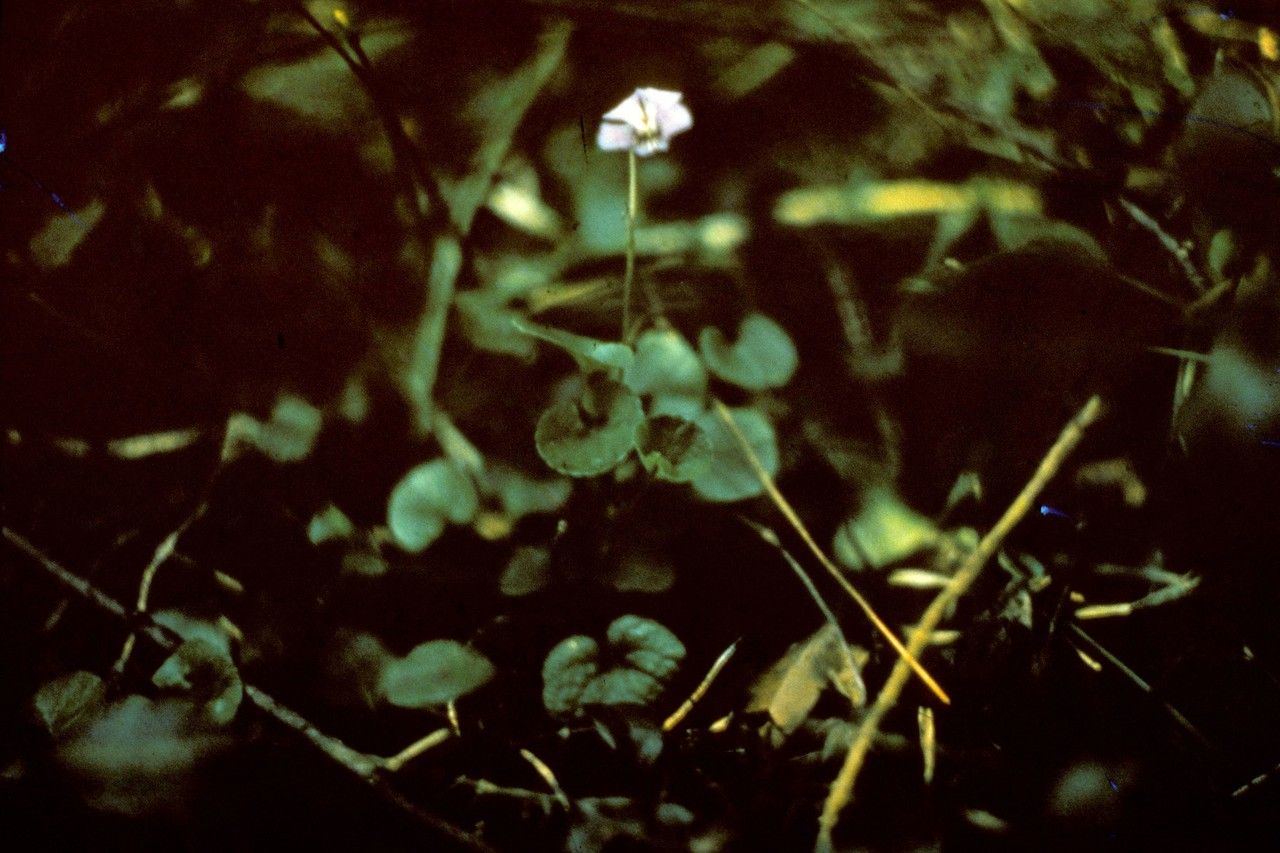
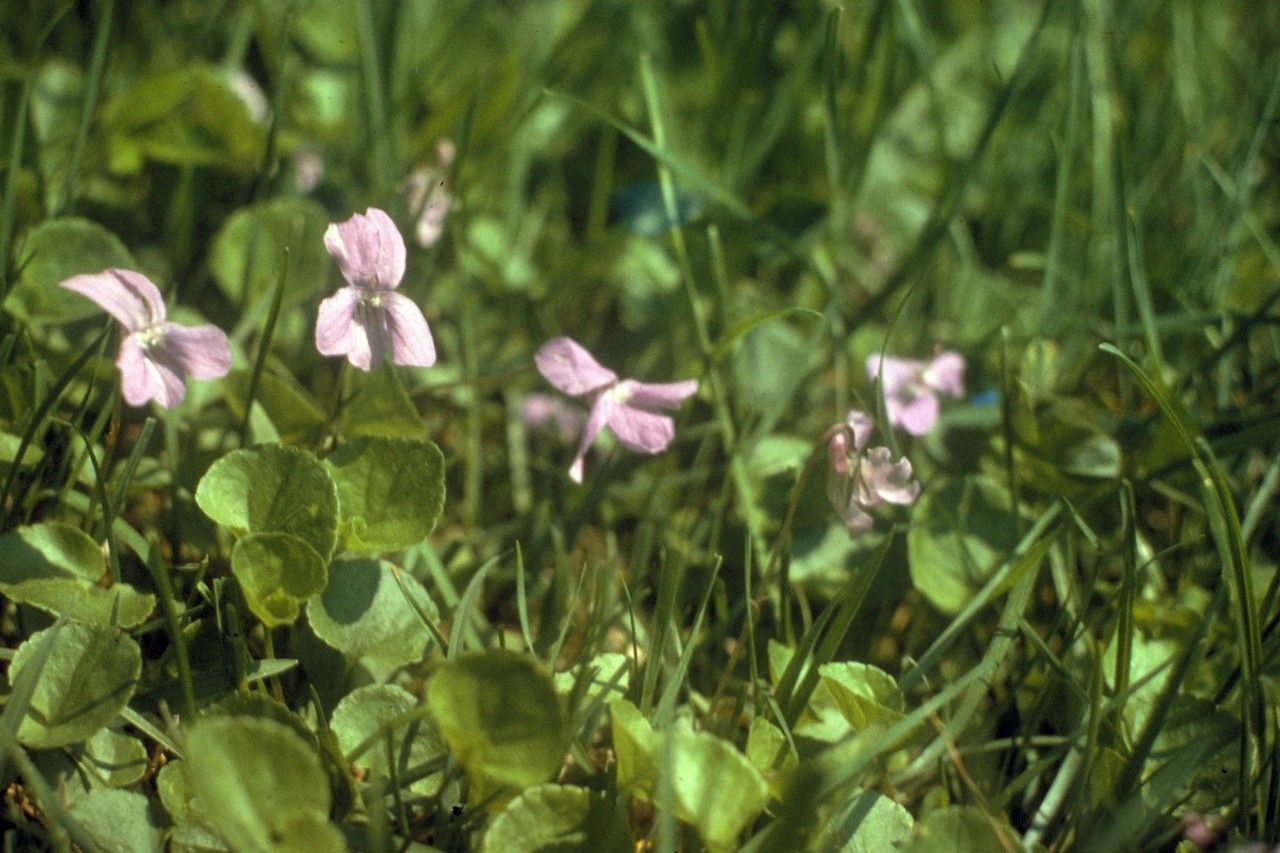
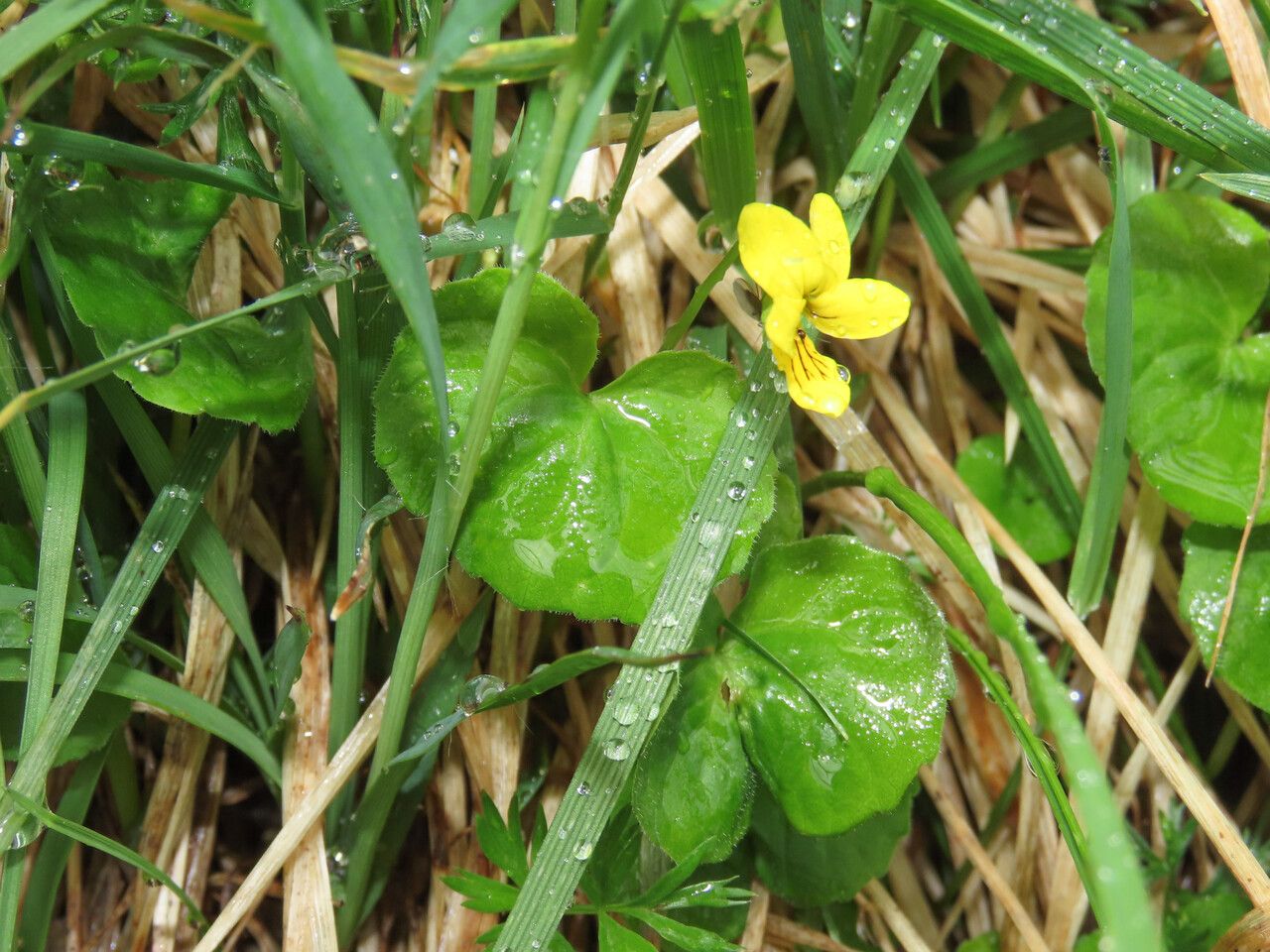
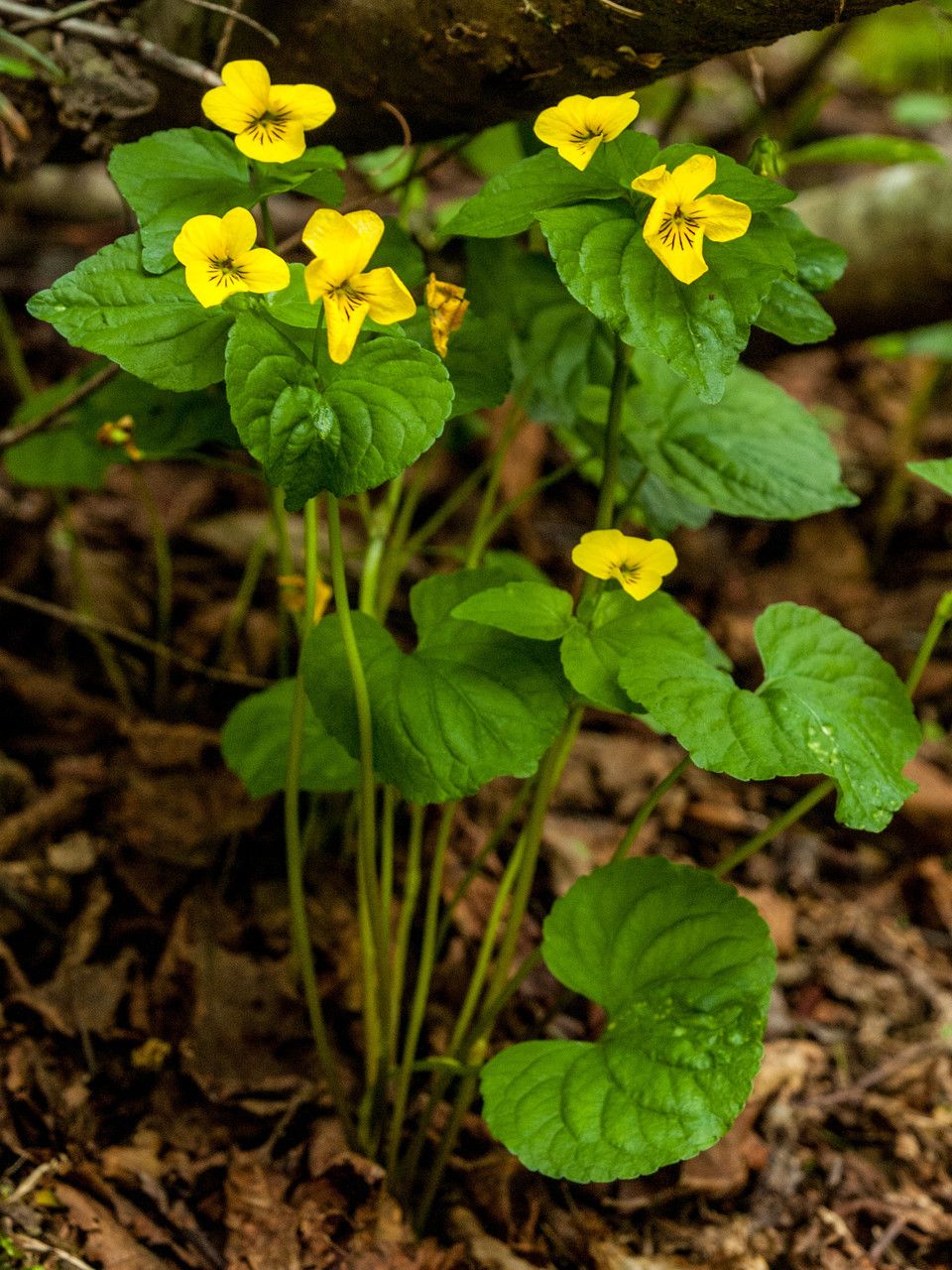
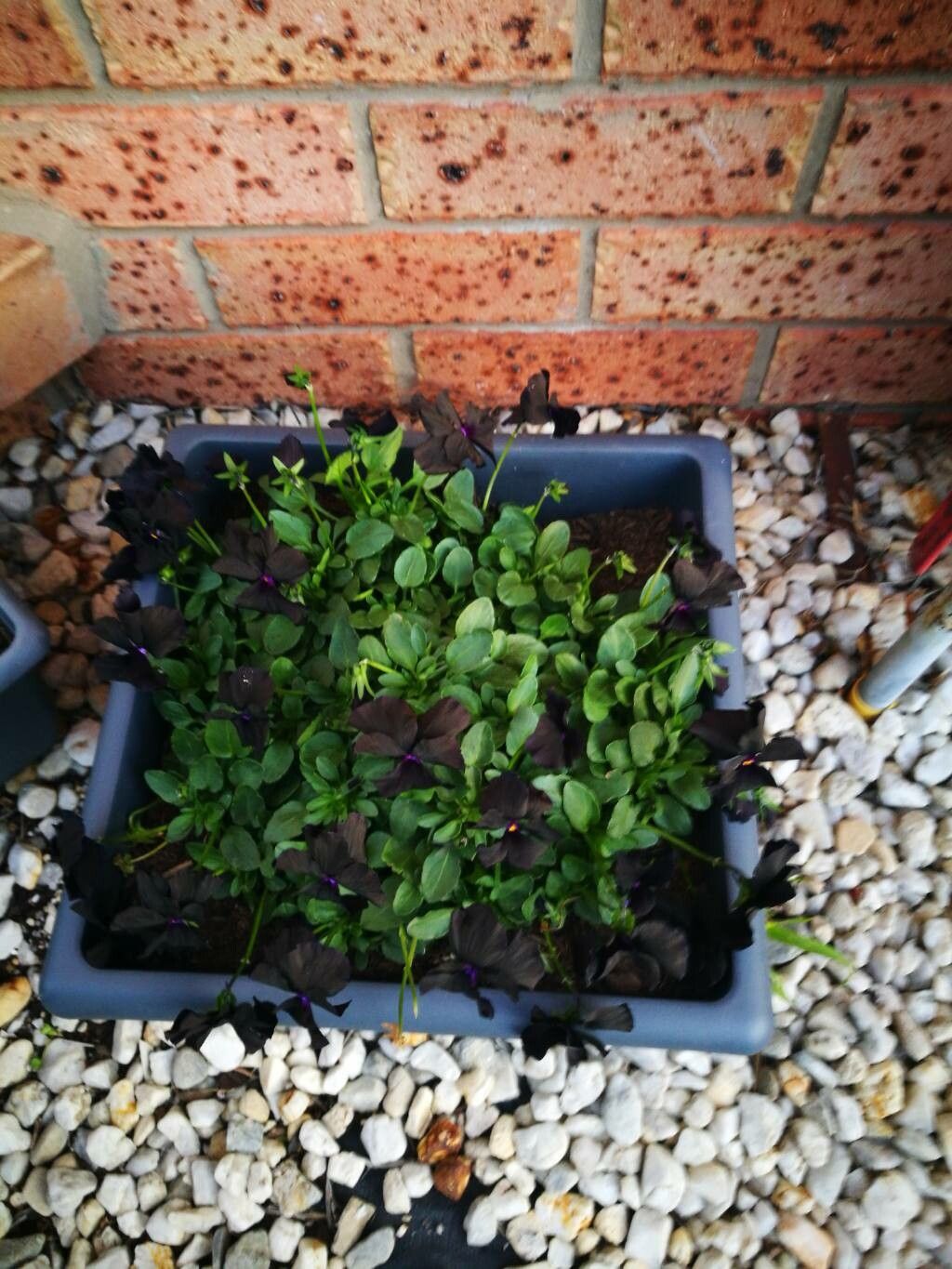
Viola walteri, commonly known as Walter's violet, is a perennial herbaceous plant belonging to the Violaceae family. Native to North America, it can be found in the eastern United States, ranging from Texas to Florida and extending up to Virginia. Typically growing up to 6 inches tall, this plant spreads outward through its rhizomes.
The leaves of Viola walteri are heart-shaped with a glossy green surface that has a slightly hairy texture. Its small flowers feature five petals that range in color from pale lavender-blue to white, with yellow centers. Blooming begins in early spring and continues through summer.
Walter's violet prefers moist soil conditions but can tolerate some drought once established. It thrives in partial shade or full sun but favors cooler temperatures during the hot summer months.
Historically, Native Americans have used Walter's violet for medicinal purposes, as it contains compounds such as salicylic acid with anti-inflammatory properties. Additionally, Viola walteri serves as an important food source for various wildlife species like deer, rabbits, and birds.
Overall, Viola walteri is an attractive perennial herbaceous plant that enhances gardens with its color and texture while providing ecological benefits, such as serving as a food source for wildlife species.
The prostrate blue violet is fairly disease-resistant and generally does not commonly get sick. However, it can be vulnerable to pests and diseases present in its environment. These issues are usually mild. For care, this plant needs a moderate level of maintenance. It should be pruned regularly to preserve a tidy appearance and support healthy growth. Fertilizing can also encourage flowering. The prostrate blue violet is well suited for anyone with outdoor space, such as a garden or patio, and does not require substantial gardening experience. It may need more attention when grown indoors.
How to keep Viola Walteri.
Light
Prostrate blue violet grows best in moderate sunlight but can also survive reasonably well in spots with limited light. Its native habitat promotes adaptability to varied light conditions. While reduced light can slow its growth, too much exposure may cause damage.
Water
The prostrate blue violet flourishes in moist woodland environments, preferring soils that remain consistently damp. Once established, it can tolerate moderate drought. For optimal growth, water the plant weekly and use mulch to help keep the soil moist. This plant grows best outdoors, thriving in cooler temperatures and benefiting from seasonal rains.
Temperature
Prostrate blue violet is native to temperate areas and prefers temperatures of 50 to 77°F (10 to 25℃). For best growth, modify the ambient temperature as the seasons change where necessary.
Fertilizer
The best time to fertilize a Prostrate blue violet is in early spring, as it comes out of dormancy and starts active growth. Fertilization supplies essential nutrients for healthy development. Although Prostrate blue violet requires relatively little fertilizer, an annual application can improve its survival and encourage better, longer-lasting blooms.
Pruning
Prostrate blue violet is a low-growing perennial herb that thrives when pruned from early to late spring. Trim away dead leaves and spent flowers to encourage new growth and improve air circulation, which helps reduce the risk of disease. Make sure to use sharp, clean tools for precise cuts, enhancing both the plant's aesthetic appeal and its vibrancy.
Botanical profile.
- Plant Type
- Herb
- Life Cycle
- Perennial
- Genus
- Viola
- Family
- Violaceae
- Hardiness Zone
- 6
- Mature Height
- 3 cm to 30 cm
- Mature Spread
- 3 cm to 30 cm
- Leaf Color
- Green
- Leaf Type
- Semi-evergreen
- Flower Color
- Purple, Blue, Lavender
- Flower Size
- 2.54 cm to 7.62 cm
- Bloom Time
- Spring
- Planting Time
- Spring, Summer, Autumn
- Harvest Time
- Early summer, Mid summer
Other names.
Reader questions.
What are the sunlight requirements for Prostrate blue violet?
Prostrate blue violet requires about 3-6 hours of sunlight daily, classifying it as a plant needing partial sun. However, it can also survive in full shade conditions, which entail less than 3 hours of sunlight per day. It's essential to observe how sunlight moves through your garden to find locations that offer a good balance of light and shade, ensuring your plants thrive.
What is the native habitat and preferred temperature range for Prostrate blue violet?
Prostrate blue violet, botanically known as Viola walteri, is native to temperate regions and thrives in temperatures ranging from 50 to 77°F (10 to 25°C). To ensure optimal growth, it's crucial to adjust the environmental temperature with the changing seasons when necessary. This plant is highly cold-tolerant and does not require extra frost protection measures during winter. However, it is beneficial to water the plant generously before the first freeze in autumn to keep the soil moist and protect it from drought and water scarcity during winter and early spring.
How does Prostrate blue violet react to different light conditions?
Prostrate blue violet is quite adaptable to various light conditions thanks to its natural habitat, which allows it a degree of versatility in light exposure. While it grows best in moderate sunlight, it can also endure lower light situations. Too little light might slow down its growth rate, whereas too much direct exposure could potentially harm it. To support growth when natural light is insufficient, especially indoors or during winter, artificial lighting such as LED lights can be employed effectively. Full sun plants require 30-50W/sq ft, partial sun plants 20-30W/sq ft, and full shade plants 10-20W/sq ft of artificial light.
How does Prostrate blue violet react to low temperatures?
Prostrate blue violet is extremely cold-tolerant, able to withstand winter temperatures as low as -25°C. While there may not be any noticeable changes during the winter even if temperatures fall below this threshold, it could lead to a decrease in sprouting or no sprouting at all come springtime. If this occurs, the recommended solution is to remove any parts of the plant that have failed to sprout once spring arrives.
What are the symptoms of insufficient or excessive light on Prostrate blue violet?
Prostrate blue violet may exhibit several symptoms under insufficient light, including smaller new leaves, leggy or sparse growth, faster leaf drop, and slower or no new growth. Leaves may become lighter colored, indicating a lack of chlorophyll. Excessive sunlight can cause chlorosis, sunscald, leaf curling, wilting, and leaf scorching, which are harmful to the plant's health and photosynthesis process.
What should I do if Prostrate blue violet is exposed to high temperatures?
Prostrate blue violet does not tolerate high temperatures well. Growth may halt and the plant becomes more prone to rot when temperatures exceed 25°C. To mitigate damage, trim away any sunburned or dried-up parts of the plant. It is also advisable to move the plant to a shaded location, especially away from the midday and afternoon sun, or use a shade cloth to protect it. Ensuring the soil remains moist by watering the plant in the morning and evening can also help.
How can I mitigate the symptoms of improper lighting for my Prostrate blue violet?
To optimize growth under insufficient light, gradually transition your Prostrate blue violet to sunnier spots until it gets 3-6 hours of sunlight. If moving the plant isn't feasible, artificial lighting such as desk or ceiling lamps, or professional plant grow lights, can supplement light for at least 8 hours daily. Outdoor plants should also be moved gradually to avoid shock from sudden light intensity changes. Pruning obstructions like tree branches or transplanting the plant during its dormant period to a sunnier location with good drainage can help alleviate light deficiencies.