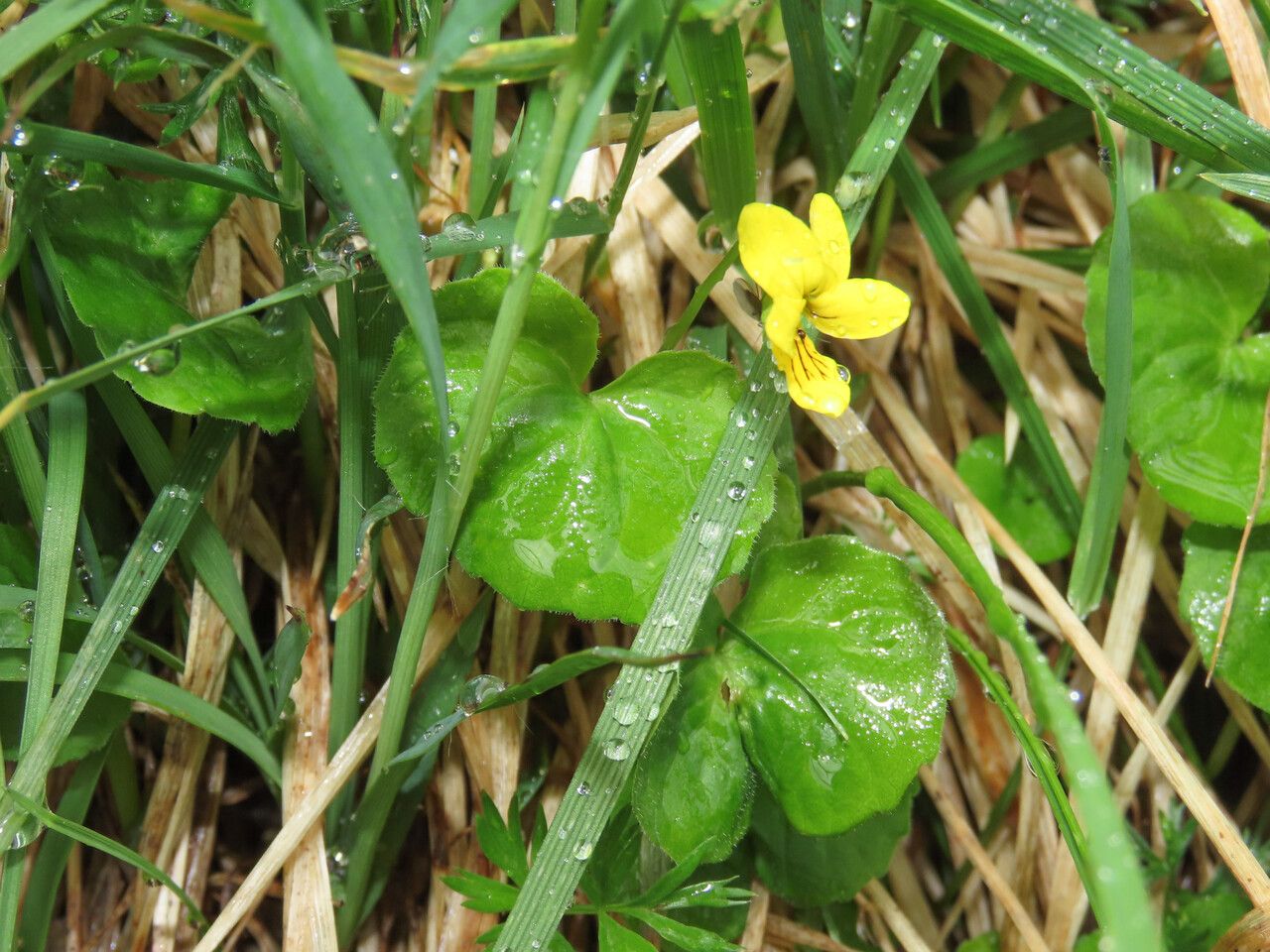
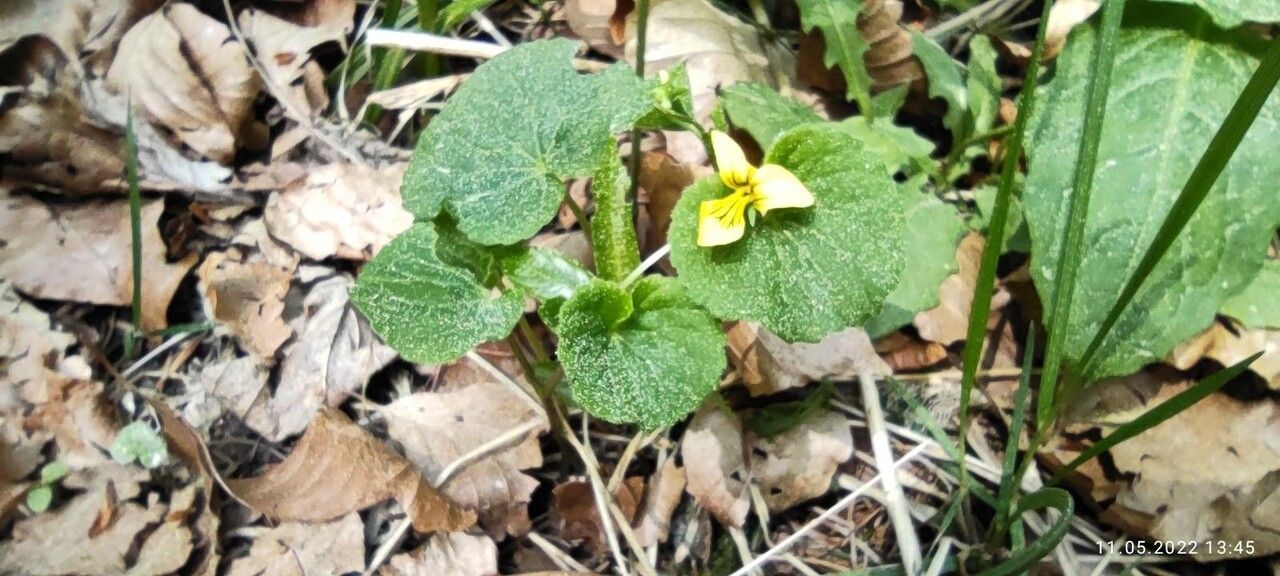
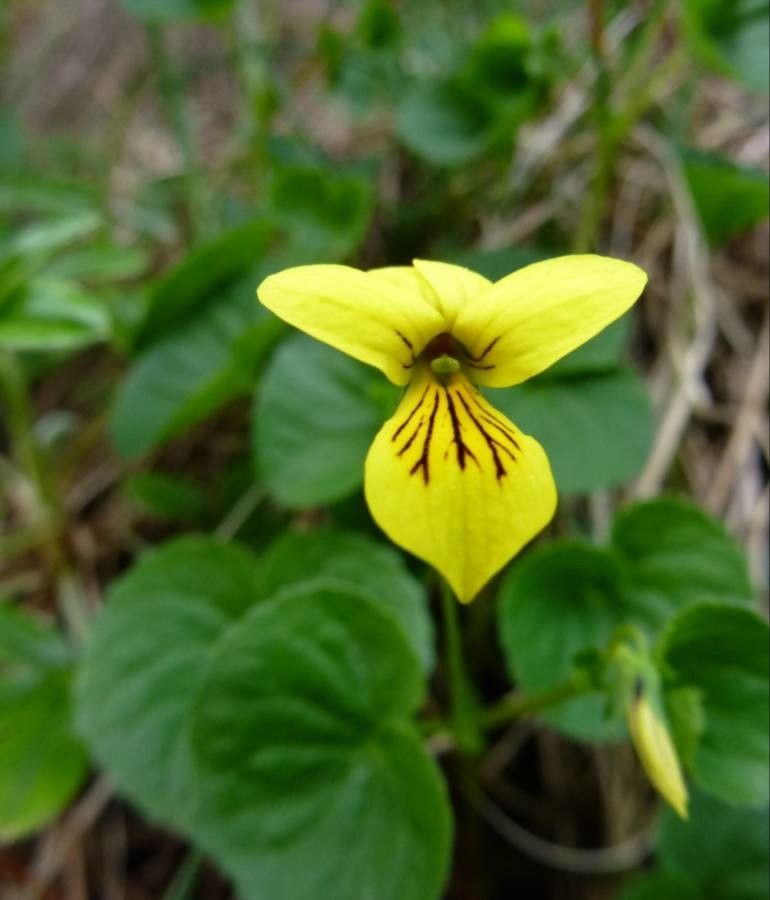
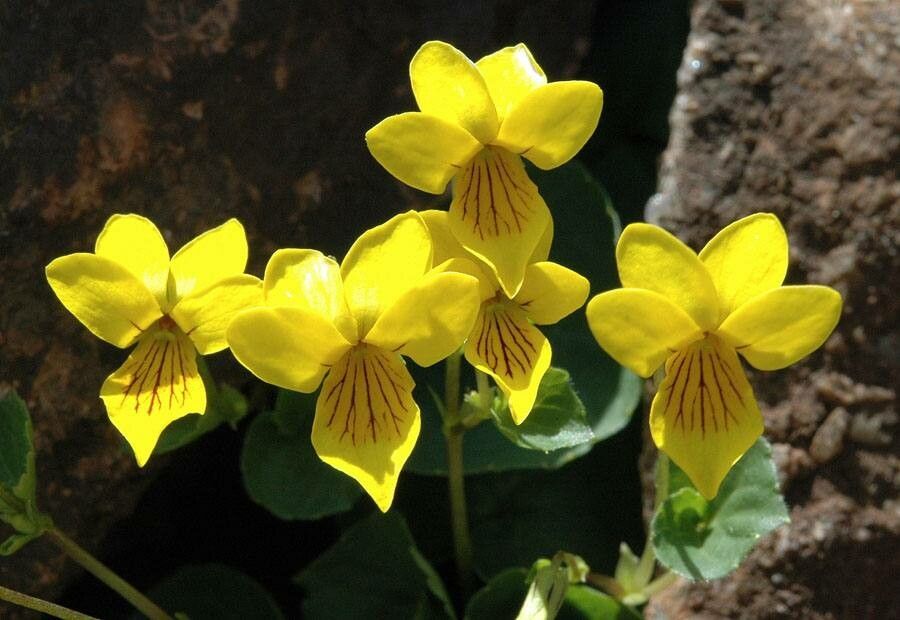
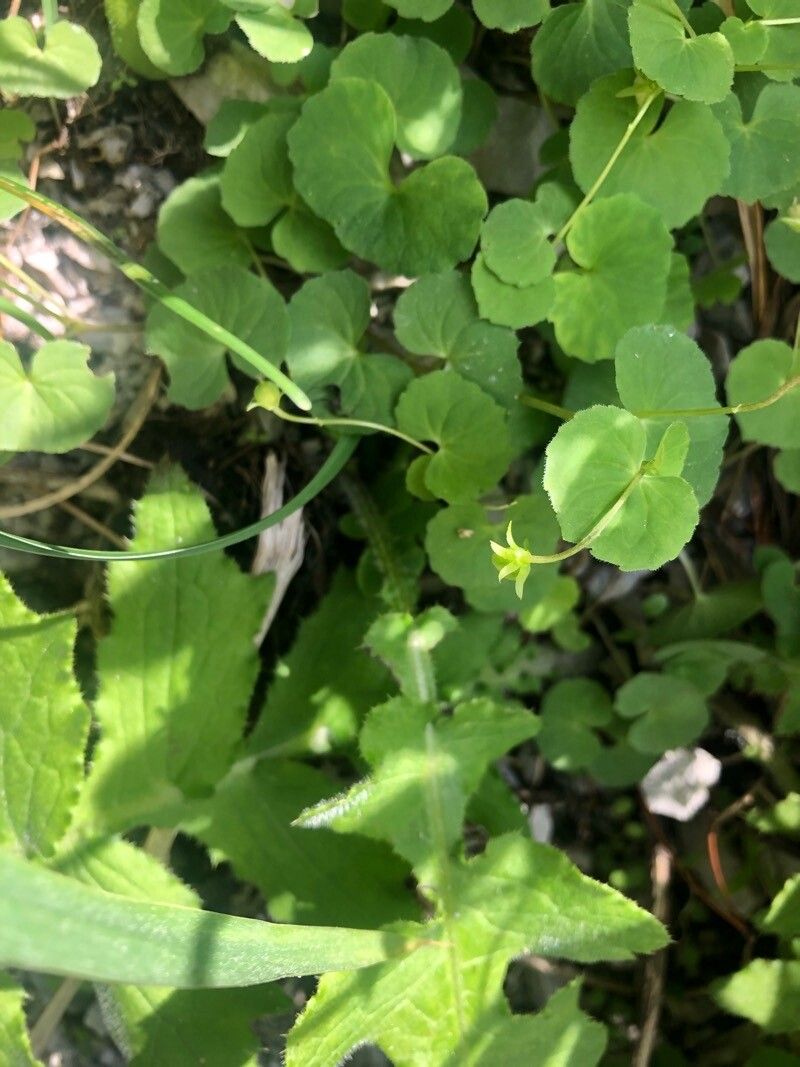
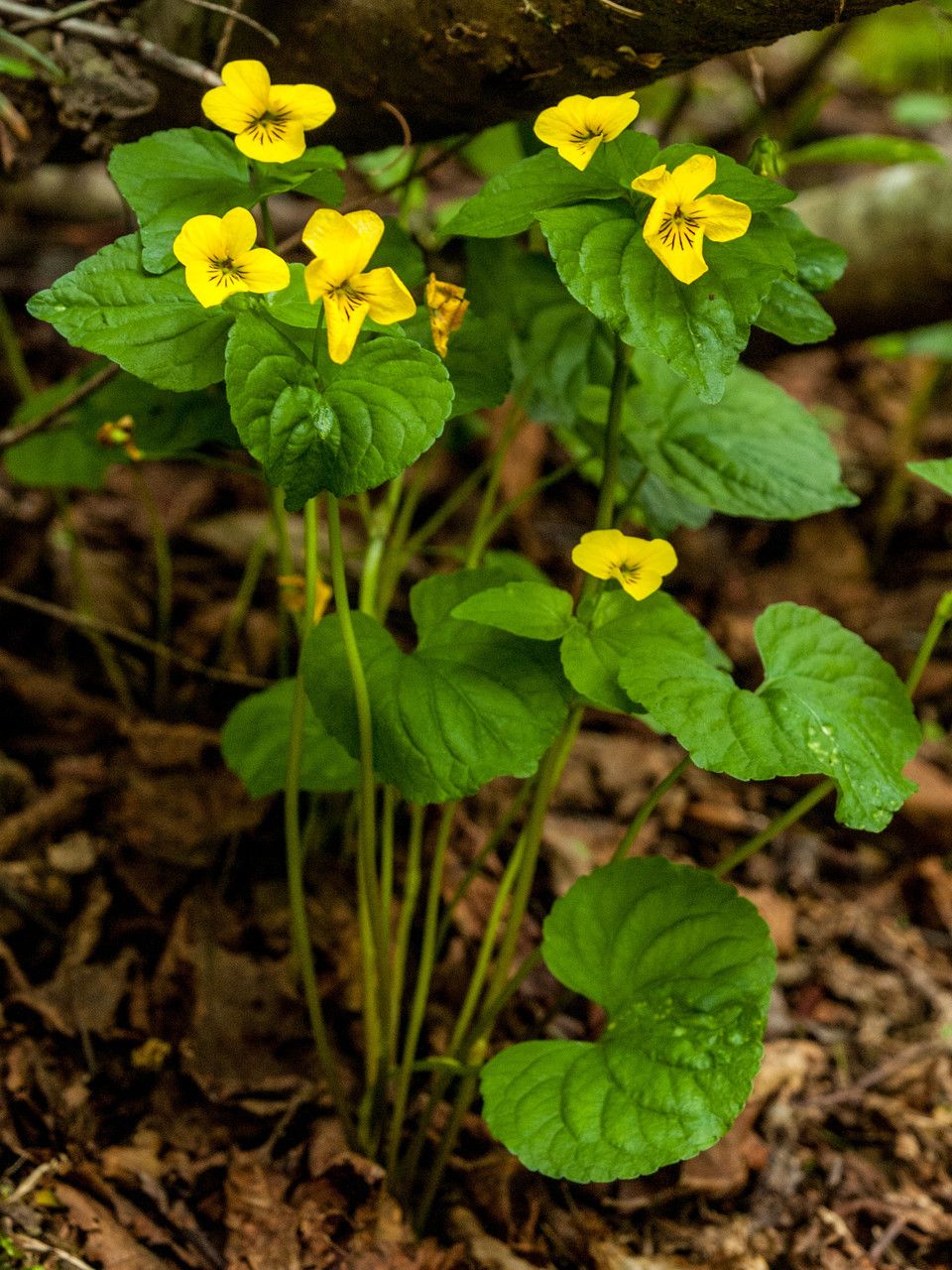
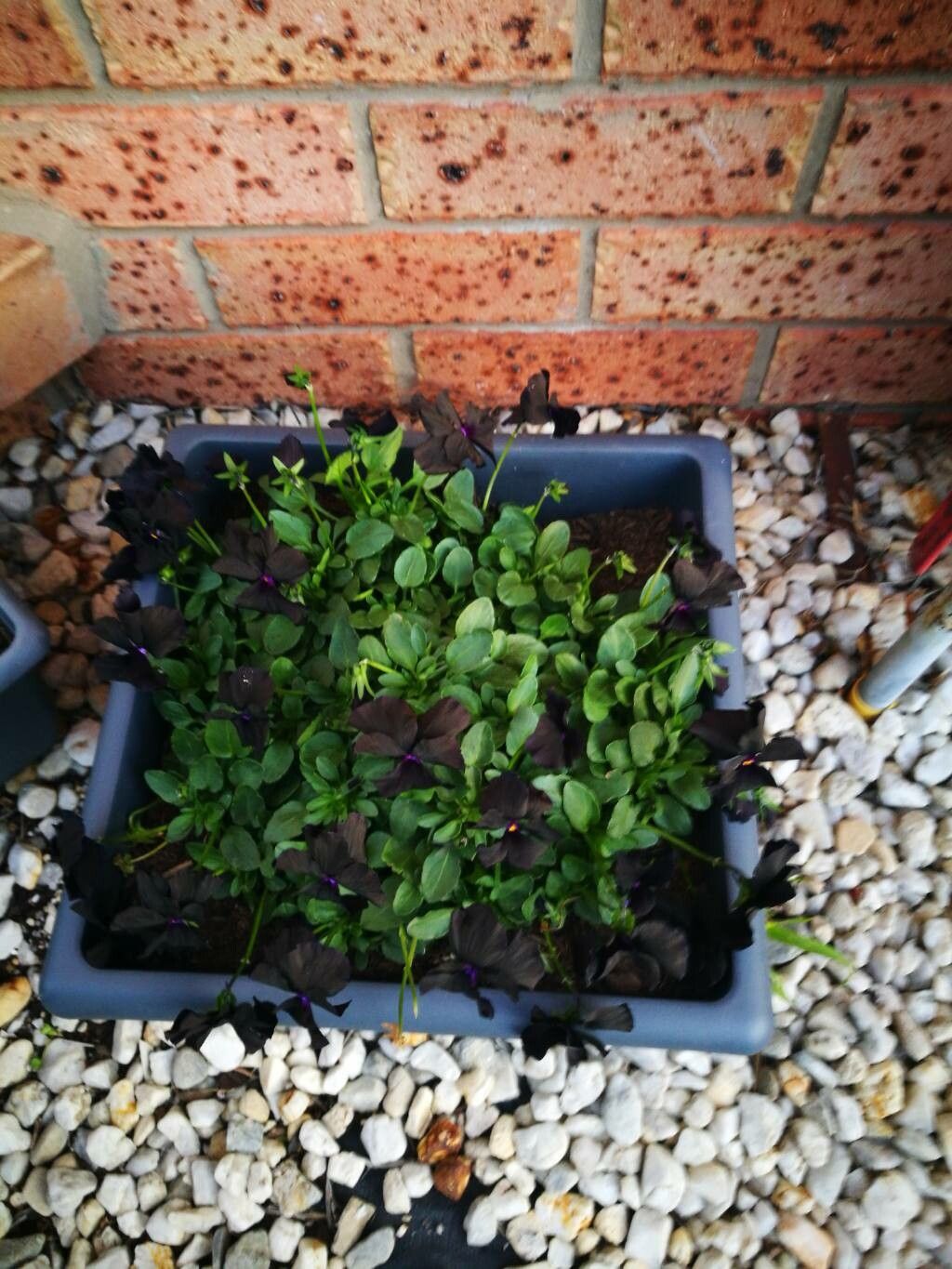
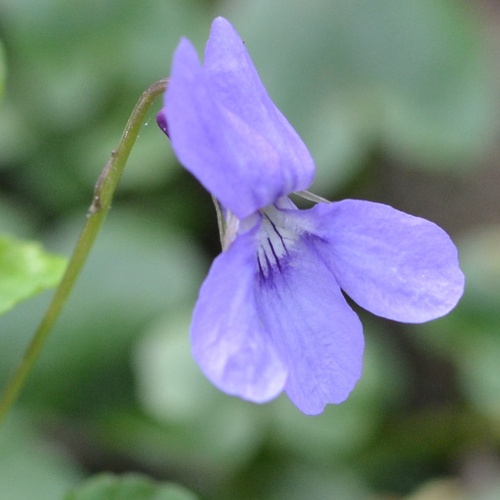
Viola biflora, commonly known as the yellow wood violet, is a perennial herbaceous plant in the Violaceae family. Native to North America, it thrives in diverse habitats such as woodlands, meadows, and rocky slopes. The plant typically grows up to 30 cm tall and features heart-shaped leaves arranged in a basal rosette. Its yellow flowers, which bloom from April to June, have five slightly asymmetrical petals and emit a sweet fragrance.
Historically, Native Americans utilized Viola biflora for its anti-inflammatory properties. Today, it is also cherished as an ornamental plant due to its attractive flowers and foliage. The yellow wood violet prefers moist soil and partial shade but can tolerate full sun if the soil remains consistently moist.
Overall, Viola biflora is a captivating wildflower that enhances natural landscapes with its beauty and offers medicinal benefits to those who seek them.
Yellow wood violet displays good resistance to disease and is generally not prone to illnesses. However, it can be vulnerable to pests and diseases present in its environment. These infections are typically mild. In terms of care, this plant requires moderate maintenance. It needs regular pruning to keep a neat appearance and support healthy growth. Fertilizing can also encourage flowering. Yellow wood violet is suitable for anyone with outdoor space, such as a garden or patio, and does not demand extensive care experience. It may need more attention if grown indoors.
How to keep Viola Biflora.
Light
The yellow wood violet does well in places with moderate sunlight but can also tolerate strong sun throughout the day. Native to habitats with alternating sun and shade, it depends heavily on sunlight for photosynthesis. Too little light may cause stunted growth, while too much can harm the leaves.
Water
The yellow wood violet comes from damp woodlands and prefers consistently moist soil. To mimic its natural environment, it should be watered weekly. This plant thrives outdoors and its growth cycle is influenced by seasonal rainfall, so you'll need to adjust watering based on your specific climate zone.
Humidity
This plant will thrive in moderate humidity, which is probably the level in your home. However, misting it a few times a week can be very beneficial. Make sure the room has good ventilation.
Temperature
Yellow wood violet is a perennial that does well in cooler climates and is native to regions where the average temperature ranges from 41 to 90 °F (5-32 °C). To promote optimal growth, keep it within this temperature range year-round.
Fertilizer
For Yellow wood violet, the primary time to apply fertilizer is in early spring when the flowers are developing. The proper fertilizer promotes better blooms and helps Yellow wood violet produce attractive flowers. Fertilizing in early spring ensures strong flowers during the season and supplies energy for dormant growth phases.
Pruning
The yellow wood violet is a low-growing perennial plant with yellow flowers and heart-shaped leaves. To encourage blooms and maintain a compact shape, prune the plant in early spring to remove dead foliage and any leggy stems. Use sterilized tools to make clean cuts, which helps prevent disease and promotes the plant's vigor and longevity.
Botanical profile.
- Plant Type
- Herb
- Life Cycle
- Perennial
- Hardiness Zone
- 4-8
- Mature Height
- 5 cm to 11 cm
- Mature Spread
- 20 cm
- Leaf Color
- Light Green, Forest Green
- Leaf Type
- Semi-evergreen
- Flower Color
- Yellow, Purple
- Flower Size
- 2.54 cm
- Bloom Time
- Mid spring, Late spring, Early summer
- Planting Time
- Spring, Summer, Autumn
- Harvest Time
- Summer
- Native Area
- India, Sweden, Austria, Slovakia, Montenegro, Pakistan, Slovenia, Croatia, Russia, Germany, Indonesia, Koppen, Romania, France, Nepal, Tajikistan, Czech Republic, Bulgaria, Poland, Ukraine, Serbia, China, Norway, Afghanistan, Kyrgyzstan, Kazakhstan, Italy, Spain, Switzerland, Myanmar, Mongolia, Japan, Finland, Bhutan, Hungary
Other names.
Reader questions.
How should I water my Yellow wood violet?
To properly care for the Yellow wood violet, use filtered water at room temperature. Tap water may harm the plant due to potential harmful particles. The water should be at room temperature or slightly warmer to avoid shocking the plant. Avoid overhead watering to prevent foliage problems. Instead, slowly apply filtered room temperature water to soak the soil completely. This helps moisten the roots and allows them to spread and collect necessary nutrients.
Why should I put plant food on my Yellow wood violet?
Fertilization plays an important role in the growth of the Yellow wood violet and other plants. It provides essential nutrients that support both above and below ground development. While the Yellow wood violet generally requires low levels of fertilization, it can still thrive without it. However, annual fertilization can greatly benefit the plant, promoting its survival and enhancing flower quality and longevity. Therefore, those wishing to maximize the beauty of their Yellow wood violet should prioritize yearly fertilization.
What are the sunlight requirements for Yellow wood violet?
Yellow wood violet requires varying amounts of sunlight to thrive, with its optimal health depending on adequate sunlight for photosynthesis. It can flourish in both modest and robust sunlight conditions, adapting well to environments that provide about 3-6 hours of sunlight (partial sun) or above 6 hours of sunlight (full sun) daily. It's important to watch how sunlight moves through your garden, choosing spots that offer a balance of light and shade to ensure the plant's health.
What is the optimal climate for growing Yellow Wood Violet?
Yellow Wood Violet is a perennial plant best suited to cooler climates, thriving in areas with an average temperature range of 41 to 90°F (5-32°C). It exhibits strong cold resistance, obviating the need for special frost protection measures in most cases. However, in environments where temperatures may drop below -30°C, it is crucial to provide extra cold protection by covering the plant with materials like soil or straw. To prepare for winter, it is advisable to water the plant abundantly before the first freeze in autumn to keep the soil moist, thereby preventing drought and water scarcity during the winter and early spring.
What should I do if I give my Yellow wood violet too much or too little water?
Overwatering is a more common issue than underwatering for Yellow wood violets, and it can cause wilting, yellowing leaves, and diseases like root rot, mold, and mildew. It's important to notice the signs of overwatering early so you can take action. If you see these signs, reduce your watering immediately and consider using well-draining potting mix if the soil doesn't drain well. Underwatering is less common, but if you notice brittle, brown leaves, simply water more regularly until the signs go away.
When should I fertilize my Yellow wood violet?
To ensure optimal growth for your Yellow wood violet, the best time to fertilize is in late winter to early spring when it emerges from dormancy and begins actively growing. Fertilizing at this time promotes healthy growth and sets the plant up for success throughout the season. Although early spring is most beneficial, fertilizing in the fall is also acceptable. However, it is not recommended to feed the Yellow wood violet during summer or winter.
How can artificial lighting benefit indoor Yellow wood violet plants?
For indoor Yellow wood violet plants, especially in conditions where natural sunlight is insufficient, artificial lighting can be a crucial alternative. It helps in promoting faster, healthier growth by providing the necessary wavelengths of light that plants need for optimal growth. LED lights are a popular choice because they can be tailored to suit the specific light requirements of your plants, with full sun plants needing 30-50W/sq ft, partial sun plants 20-30W/sq ft, and full shade plants 10-20W/sq ft. The artificial light source should be placed 12-36 inches above the plant, mimicking natural sunlight as closely as possible, and should be on for 8-12 hours per day to replicate the length of natural daylight hours.
How does low temperature affect Yellow Wood Violet, and what measures should be taken?
Yellow Wood Violet is tolerant of cold temperatures and performs best when the temperature remains above 5°C. Winter temperatures should be kept above -25°C but the plant may not show noticeable changes immediately if temperatures fall below -30°C. However, such low temperatures can result in decreased sprouting or no sprouting at all during spring. In such cases, it's recommended to remove any parts of the plant that have failed to sprout in spring as a remedial measure.
How frequently should I water my Yellow wood violet plant?
If your Yellow wood violet plant is in a pot, the most precise way to determine if it needs water is by checking the soil with your finger. If the top two to three inches of soil are dry, it's time to water it. When growing your Yellow wood violet outdoors in the ground, you can use a similar method to test the soil. Once the top few inches of soil have dried out, it's time to water it. Typically, watering once a week is sufficient during spring and early fall. However, during extremely hot weather, watering may need to be increased to twice or more per week. It's worth noting that mature, well-established Yellow wood violets have an admirable ability to tolerate drought.
When is the best time to not fertilize my Yellow wood violet?
To ensure proper fertilization for your Yellow wood violet, it is recommended to only fertilize during the late winter and early spring. This plant has low fertilization needs, so a single annual feeding during this time is sufficient. It's important to avoid overfertilization by not continuing to fertilize throughout the spring, summer, and fall. However, if you missed fertilizing in the spring, it is acceptable to feed the plant in the fall. During the winter, when the Yellow wood violet is in a dormant growth phase, fertilization is not necessary.
What are the symptoms of insufficient light in Yellow wood violet?
When Yellow wood violet is grown indoors with insufficient light, it may exhibit several symptoms indicative of light deficiency. These include smaller new leaves, leggy or sparse growth, faster leaf drop, slower or stopped new growth, and lighter-colored new leaves. In cases of excessive sunlight, symptoms like chlorosis, sunscald, leaf curling, wilting, and leaf scorching might occur, pointing to the plant's struggle with inadequate lighting conditions. Such symptoms reflect the plant's need for a better-balanced light environment to maintain its health and vitality.
How does Yellow Wood Violet react to high temperatures, and how can these effects be mitigated?
During the summer, Yellow Wood Violet should ideally be kept below 32°C. Exposure to temperatures above 35°C can lead to the leaves becoming lighter in color, prone to curling, susceptible to sunburn, and in severe cases, causing the entire plant to wilt and dry. To mitigate high temperature stress, sunburned and dried parts of the plant should be trimmed away. Moving the plant to a shadier location or using a shade cloth to protect it from midday and afternoon sun can be beneficial. Additionally, watering the plant in the morning and evening helps maintain soil moisture, further protecting the plant from heat stress.