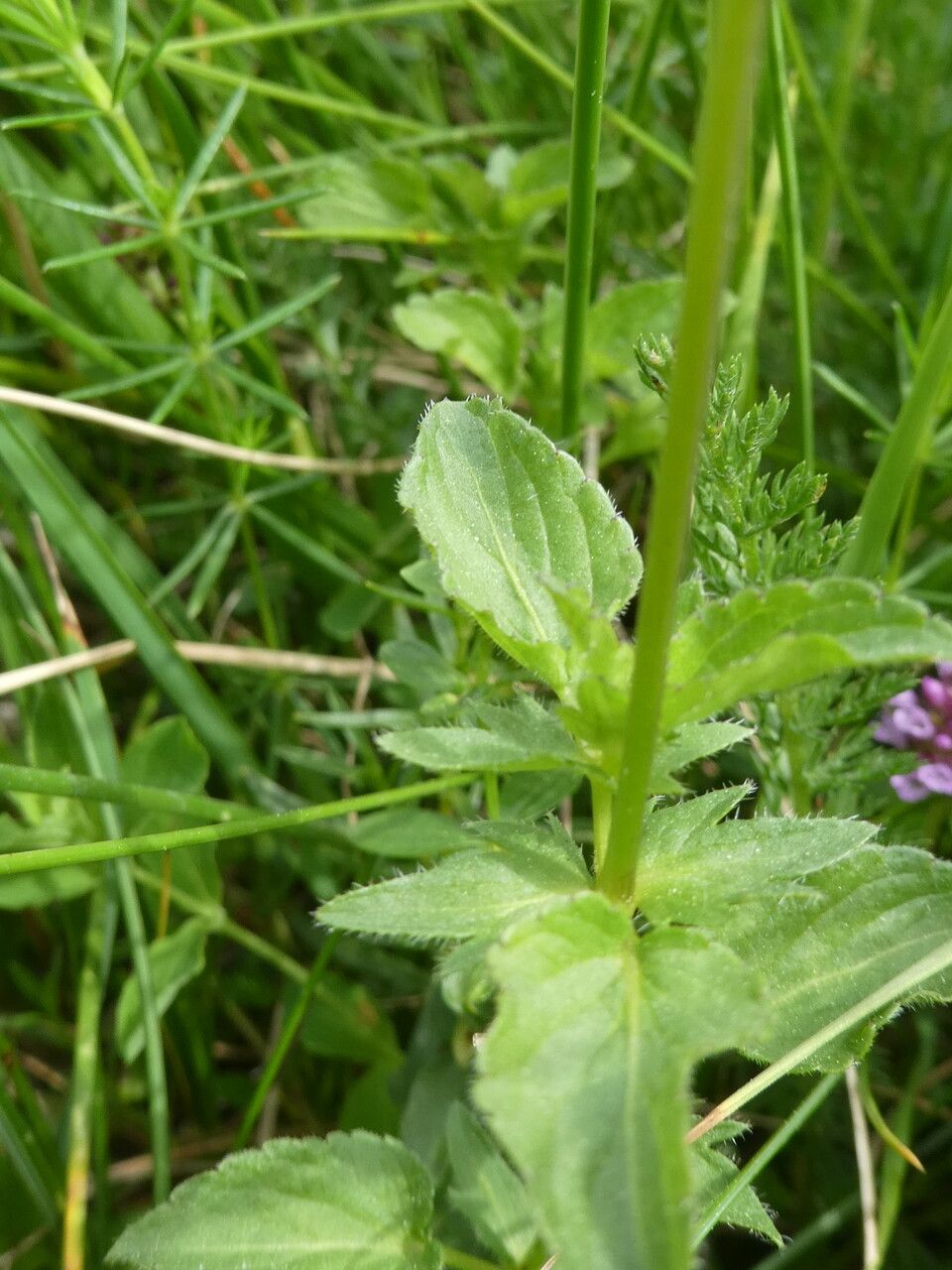
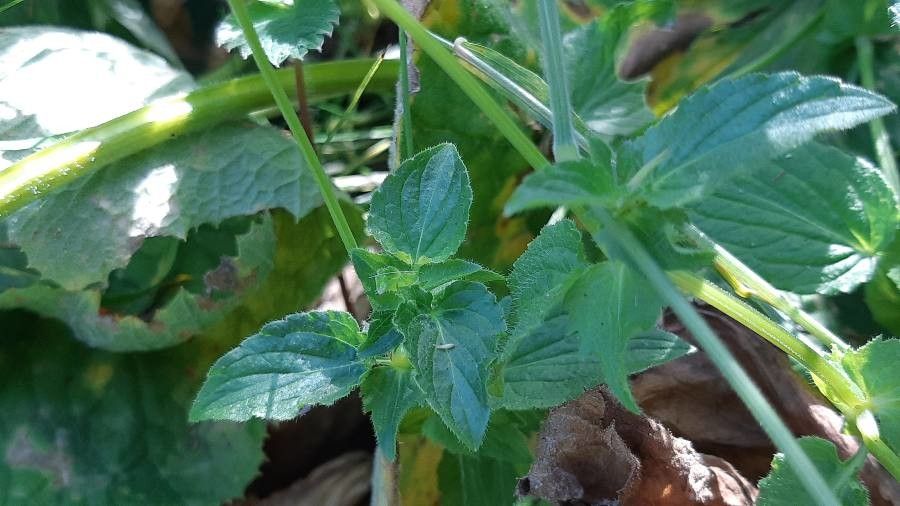
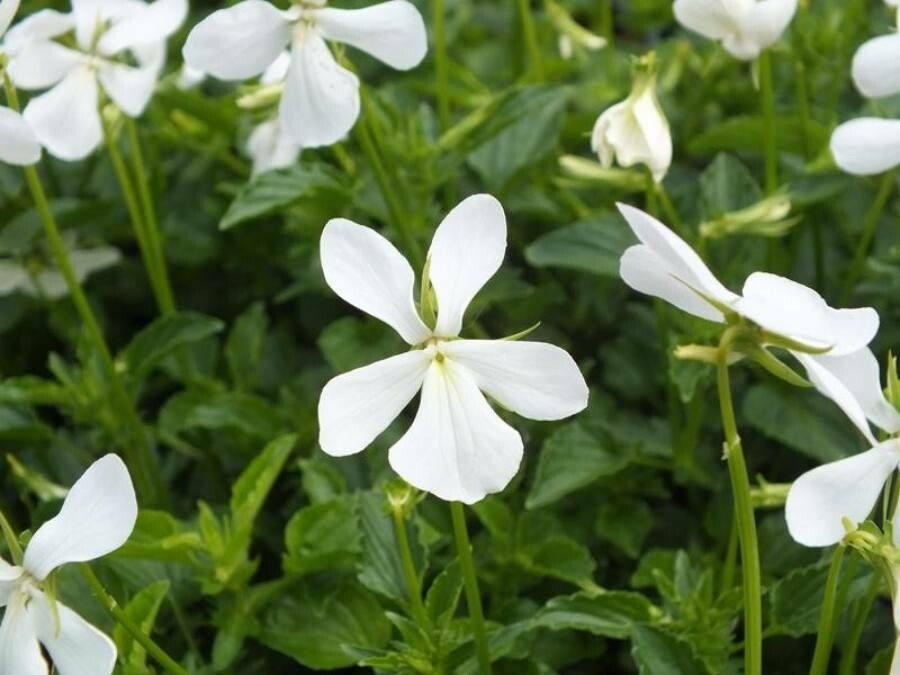
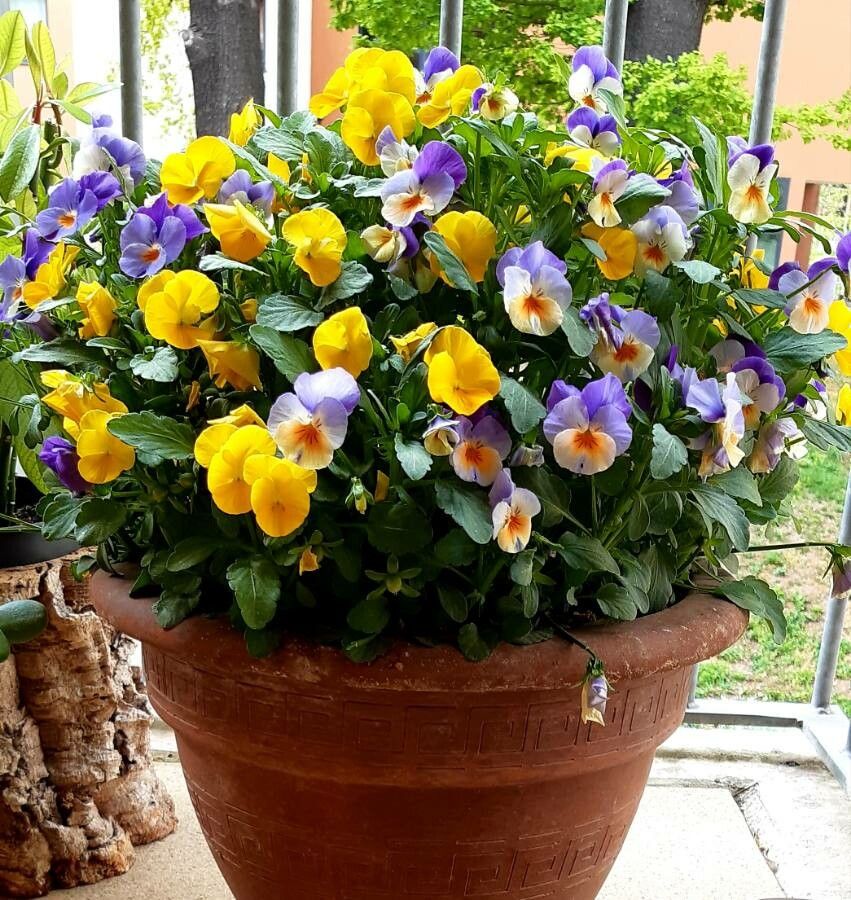
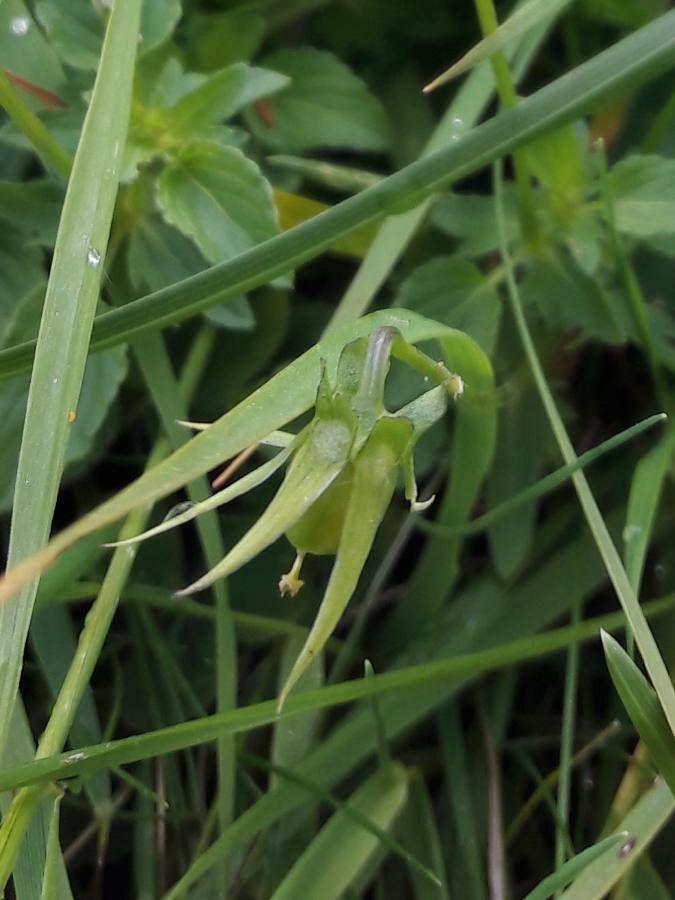
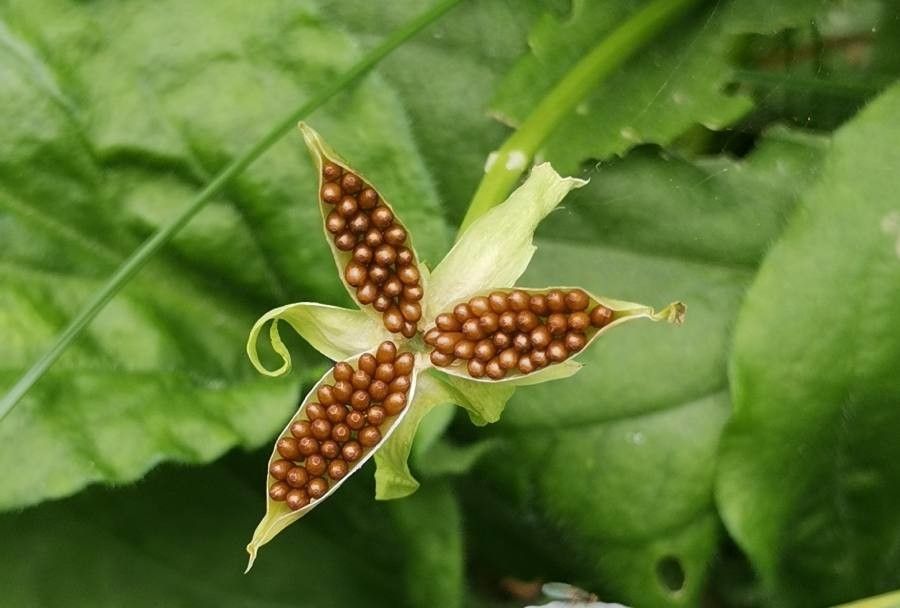
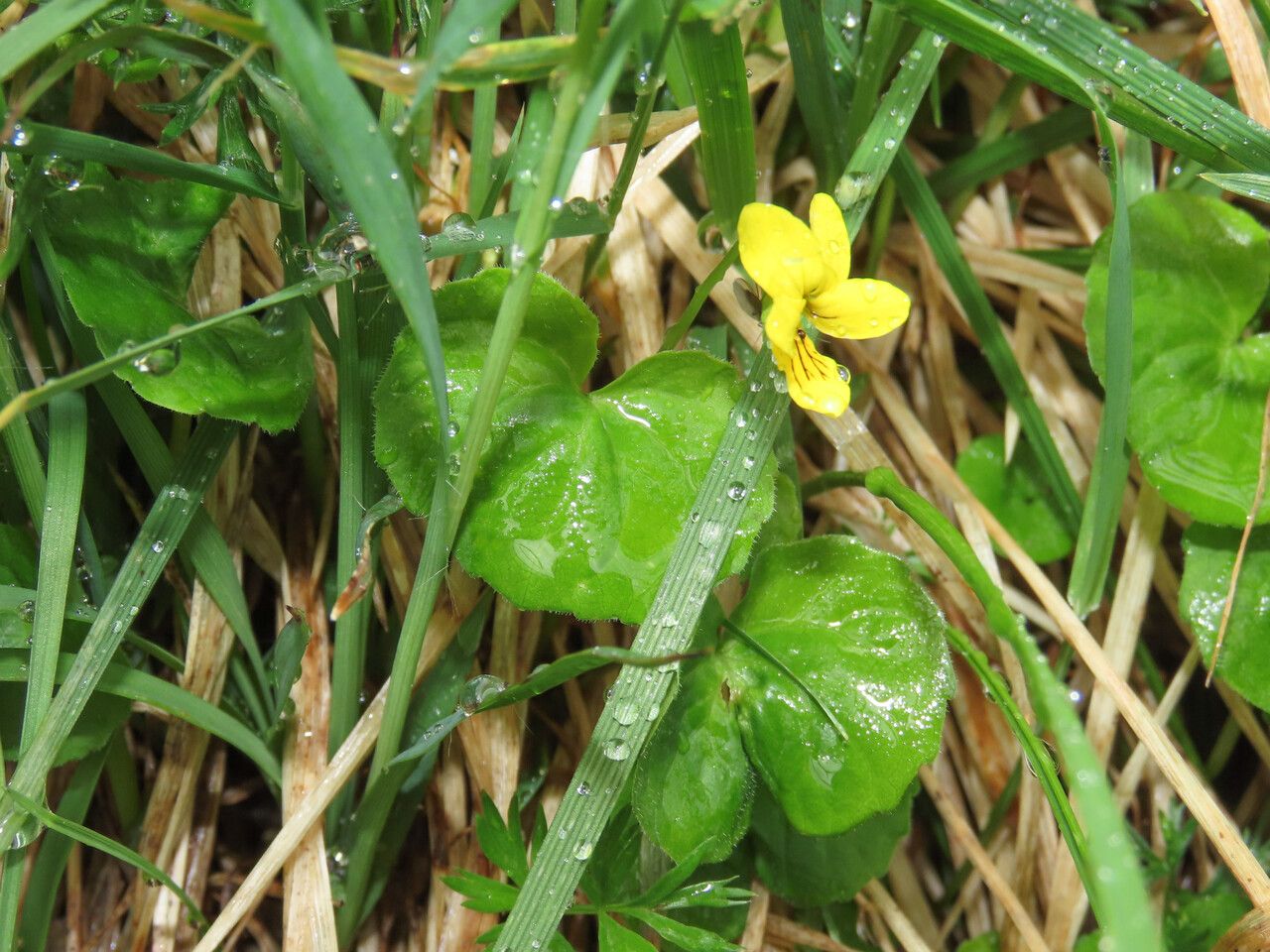
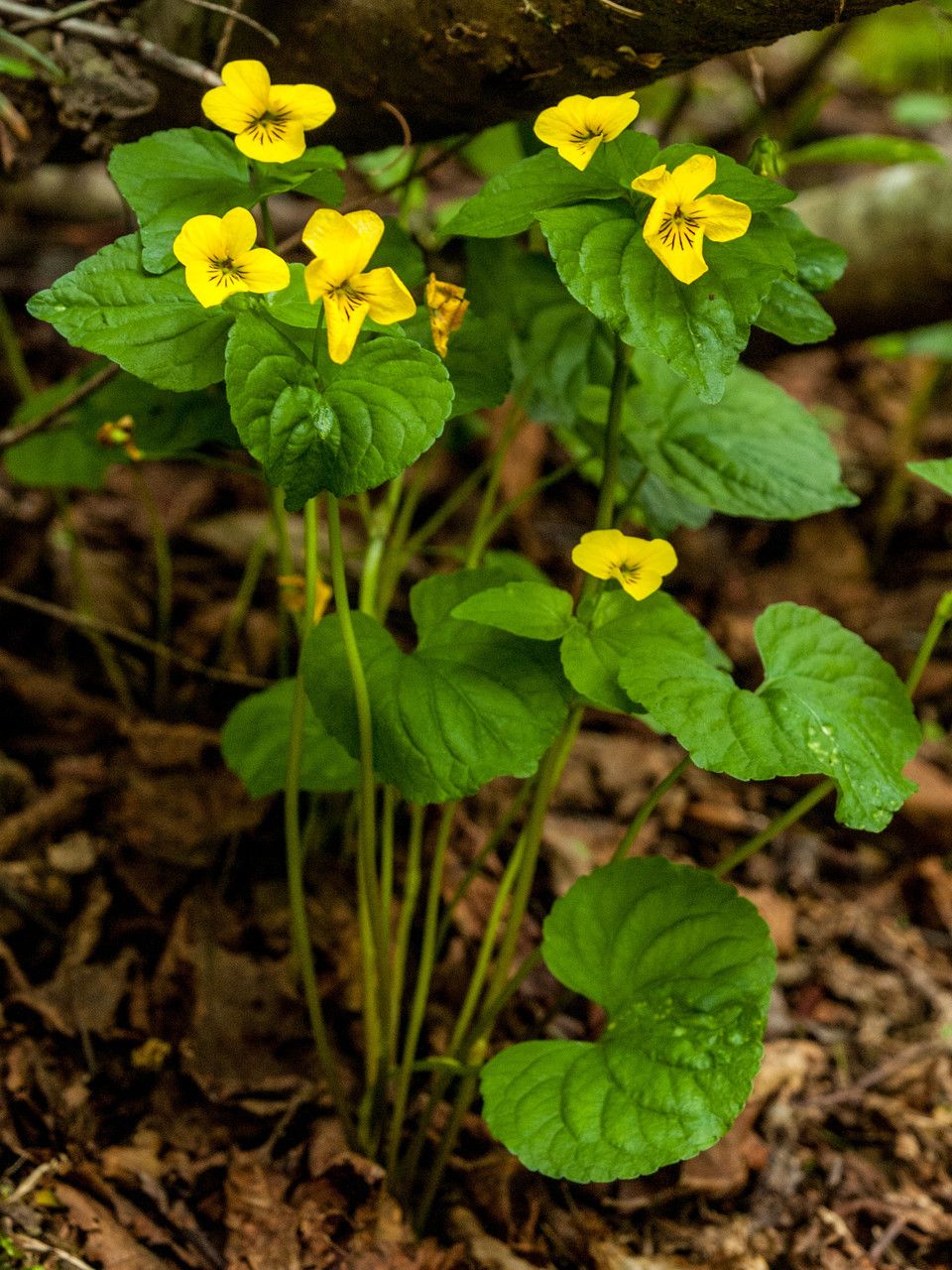
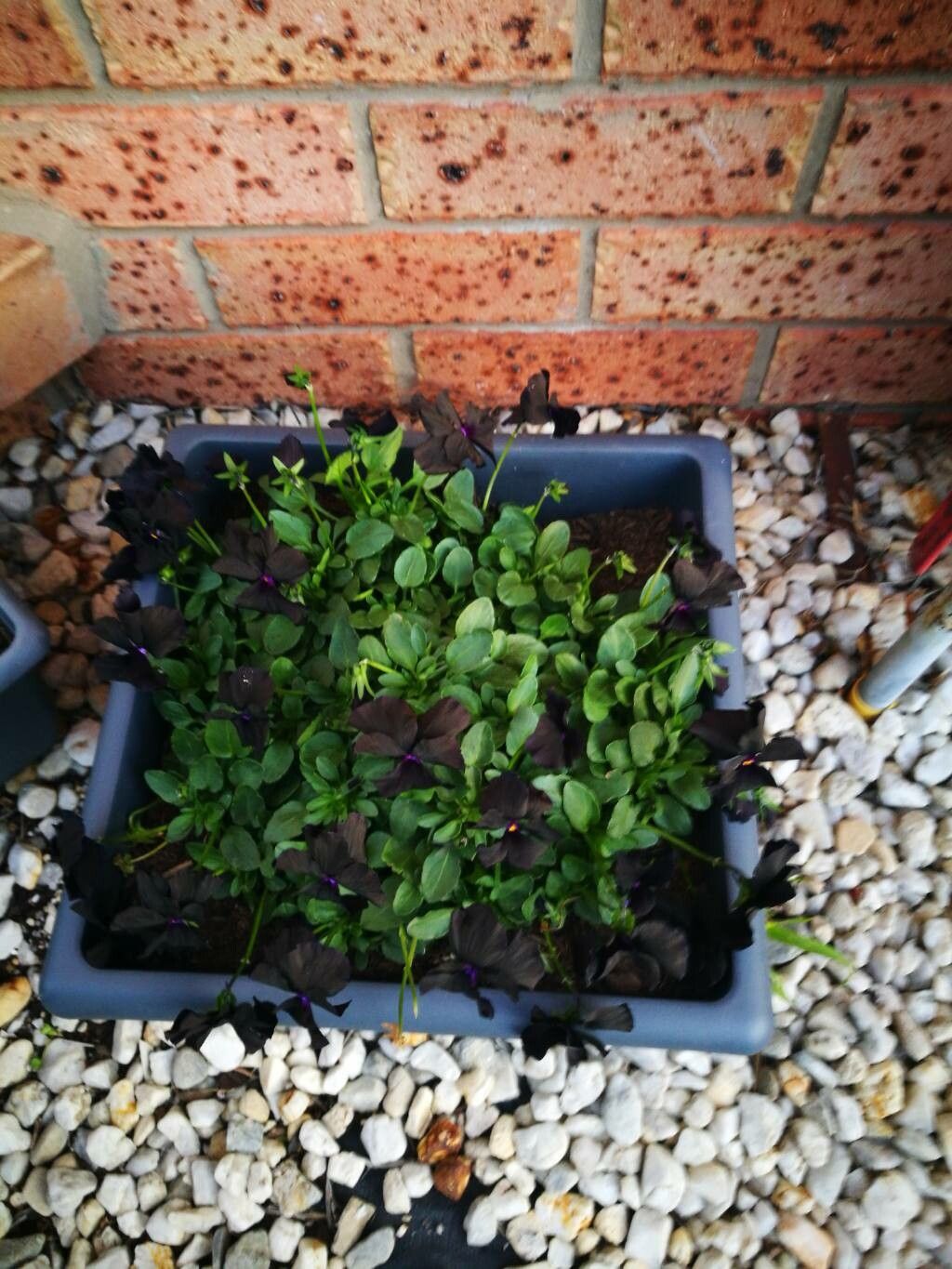
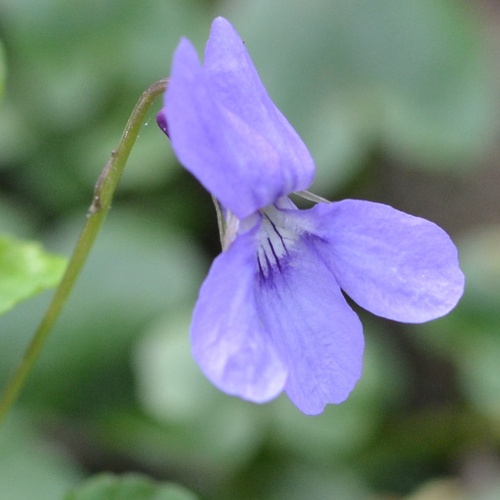
Viola cornuta, commonly known as the horned violet or tufted pansy, is a perennial flowering plant that belongs to the Violaceae family. Native to Europe and western Asia, it has been widely cultivated in gardens and landscapes around the world. The plant grows up to 15 cm in height and has a spreading habit, with small green leaves that are heart-shaped or oval. The most distinctive feature of Viola cornuta is its flowers. Typically, the flowers have five petals that are purple-blue, but they can also be white or yellow. The petals have characteristic "horns" at their base, which is how the plant gets its common name, horned violet. The flowers bloom from spring through summer, attracting pollinators such as bees and butterflies. Viola cornuta prefers well-drained soil and thrives in full sun or partial shade. It is a hardy plant that can tolerate cold temperatures down to -20°C, making it suitable for temperate climates. Historically, the horned violet has been used for medicinal purposes due to its anti-inflammatory properties. It has been employed in treating skin conditions such as eczema, psoriasis, and acne. Overall, Viola cornuta is an attractive ornamental plant with beautiful flowers that add color and interest to gardens throughout the growing season. Additionally, its medicinal benefits make it an excellent choice for garden enthusiasts looking for both beauty and functionality from their plants.
Horned violet is fairly resistant to disease and typically does not suffer from serious illnesses. However, it can be affected by pests and local diseases present in its environment. These infections are usually mild. In terms of care, the plant requires moderate maintenance. Regular pruning is needed to keep it looking good and to support healthy growth. Fertilizing can also help encourage flowering. Horned violet is suitable for anyone with outdoor space, such as a garden or patio, and does not demand extensive care experience. It may require more attention when grown indoors.
How to keep Viola Cornuta.
Light
Horned violet does well in spots with a healthy blend of sun and shade, indicating it is suited to partly sunny conditions. It can also tolerate exposure to sunlight throughout the day. However, too much sun may scorch the leaves, while too little light can stunt its growth and development.
Water
Horned violet, native to cooler regions, thrives in consistently moist soil while avoiding waterlogging. It has moderate drought tolerance and benefits from weekly watering to maintain lush growth. Typically cultivated outdoors, horned violet flourishes with evenly moist soil during the growing season, promoting vibrant blooms and robust health.
Humidity
This plant needs special care because it loves high humidity levels of 60-80% or more. The best way to achieve this is by placing a humidifier near the plant. Daily misting is also essential! Make sure the room has good ventilation.
Temperature
Horned violet grows best at temperatures of 68 to 95 °F (20 to 35 ℃). Originally thriving in climates that provide these moderate heat conditions, horned violet may require temperature adjustments as the seasons change.
Fertilizer
The best time to fertilize a Horned violet is in early spring, as it is coming out of dormancy and beginning active growth. Fertilization supplies essential nutrients needed for healthy development. Although the Horned violet has relatively low fertilizer requirements, an annual application can improve its survival and encourage better, longer-lasting blooms.
Pruning
To help horned violets thrive, consider pruning them in early spring or late winter. Begin by trimming away any dead stems to encourage new growth and more vibrant blooms. After flowering, a light pruning can extend the blooming period. Proper pruning not only helps prevent diseases but also improves air circulation and maintains the shape of the plant. Make sure to use clean and sharp tools to reduce stress and minimize injury to the plant.
Pot & Repot
Repot horned violets every 2 to 3 years during the spring, using a medium-sized pot. Select a well-draining soil mix and ensure the plant receives consistent moisture while being placed in partial shade. Avoid waterlogged soil to prevent root rot. With proper care, horned violets will thrive and retain their vibrant colors.
Botanical profile.
- Plant Type
- Herb
- Life Cycle
- Perennial, Annual, Biennial
- Hardiness Zone
- 5-9
- Mature Height
- 20 cm to 25 cm
- Mature Spread
- 25 cm to 30 cm
- Leaf Color
- Green
- Leaf Type
- Evergreen
- Flower Color
- Purple, Violet, Lavender, White
- Flower Size
- 2.54 cm to 4.06 cm
- Bloom Time
- Mid spring, Late spring, Early summer
- Planting Time
- Spring, Autumn, Winter
- Harvest Time
- Late spring, Early summer, Mid summer
- Native Area
- Spain, France
Other names.
Reader questions.
How should I water my Horned violet plant?
To properly water the Horned violet, it is best to use filtered water at room temperature. Tap water can be harmful to the plant due to the particles it contains. As the Horned violet originates from a warm environment, using cold water can shock its system. It is advised to avoid overhead watering, as this may lead to issues with the foliage. Instead, gently water the soil with filtered room temperature water until it is completely soaked. This method benefits the plant by moistening the roots and aiding them in spreading and gathering nutrients within the soil.
Why should I put fertilizer on my Horned violet?
Fertilization is important for the Horned violet for multiple reasons. It provides essential nutrients for the plant's growth above and below ground. Although Horned violets have relatively low fertilization needs, annual fertilization can greatly benefit the plant. It helps keep the plant alive and may improve the quality and longevity of its flowers. Therefore, those who want their Horned violet to thrive should consider providing annual fertilization.
What are the sunlight requirements for Horned Violet?
Horned Violet requires varying amounts of sunlight to thrive. Partial sun, which is about 3-6 hours of sunlight per day, is suitable for this plant. However, it can also prosper under full sun conditions, which means receiving more than 6 hours of sunlight daily. It's crucial to observe how sunlight moves through your garden to find the perfect balance of light and shade, ensuring the plants' well-being. Excessive sun may cause leaf scorching, while insufficient light might stunt the plant's growth and development.
What are the ideal growing temperatures for Horned Violet?
Horned violet thrives best in temperatures ranging from 68 to 95 °F (20 to 35 °C). It originates from climates that offer these moderate heat conditions, so it may require adjustments to accommodate different seasonal temperatures. Although the horned violet has strong cold resistance, making special frost protection measures typically unnecessary, it's crucial to provide cold protection if winter temperatures are expected to drop below -25°C. This can include covering the plant with soil or straw. Additionally, it's recommended to water the plant abundantly before the first freeze of autumn to ensure the soil remains moist, helping to prevent drought and water scarcity during winter and early spring.
What should I do if I give my Horned violet too much or too little water?
Overwatering is a more common problem for Horned violets and can cause wilting, yellowing, and diseases like root rot, mold, and mildew. Underwatering is less common but can make the leaves brittle and brown. It's important to notice the signs of overwatering early and reduce watering immediately. If the soil doesn't drain well, replace it with a loose, well-draining mix. If underwatering occurs, simply water more regularly until the signs improve.
When should I put fertilizer on my Horned violet?
The best time to fertilize a Horned violet is in the late winter to early spring when it is coming out of its dormant phase and starting to grow actively. Fertilizing at this time promotes healthy growth and helps the plant thrive for the season. While it is generally best to fertilize in the early spring, it is also possible to fertilize in the fall. However, it is not recommended to feed a Horned violet during summer or winter.
How can artificial lighting benefit indoor plants, and what guidelines should be followed?
Indoor plants, including the Horned Violet, require adequate lighting for optimal growth, especially when natural sunlight is not sufficient. Artificial lighting, such as LED lights, can provide the necessary wavelengths of light and promote faster, healthier growth. For full sun plants, 30-50W/sq ft of artificial light is recommended, while partial sun plants need 20-30W/sq ft, and full shade plants require 10-20W/sq ft. The light source should be placed 12-36 inches above the plant, and most plants will benefit from 8-12 hours of artificial light per day to mimic natural sunlight conditions.
How does Horned Violet react to low temperatures?
Horned violet is cold-tolerant and generally thrives best when temperatures are above 20°C. During the winter, it's advised to keep the plant's environment above 0°C. If temperatures fall below -25°C, while there may not be noticeable changes during winter, the plant may exhibit a decrease in sprouting or fail to sprout at all in the spring. As a solution, it's recommended to remove any parts of the plant that have failed to sprout come spring.
How often do I need to water my Horned violet?
If your Horned violet is in a pot, check the soil moisture by sticking your finger into the soil. If the top two to three inches are dry, it's time to water. If you have your Horned violet planted in the ground outdoors, use the same method to test the soil. Water when the top few inches are dry. Typically, you'll need to water this plant once a week in spring and early fall. In extremely hot weather, you may need to water twice or more per week. However, mature and well-established Horned violets can handle drought well.
When is it not a good time to fertilize my Horned violet?
To avoid overfertilization and its complications, it is recommended to only fertilize your Horned violet in late winter and early spring. This plant has low fertilization needs, so one annual feeding is sufficient. Not fertilizing during spring, summer, and fall is recommended, except if you missed fertilizing in spring, then it is acceptable to fertilize in fall. Additionally, there is no need to fertilize during winter because the Horned violet will be dormant and not producing new growth.
What are the signs of insufficient light in Horned Violet when grown indoors?
When Horned Violet is grown indoors with insufficient light, you may notice several symptoms indicating light deficiency. New leaves might grow smaller than the older ones; the plant may experience leggy or sparse growth, with more extended spaces between leaves or stems. Faster leaf drop can occur as the plant sheds older leaves to conserve resources. Growth may either slow down or completely halt, indicating the plant has entered survival mode. Leaves may also develop lighter colors, and in cases of excessive sunlight, symptoms like chlorosis, sunscald, leaf curling, wilting, and leaf scorching can arise due to the intense light exposure adversely affecting the plant.
What should I do if Horned Violet experiences high temperatures?
In the summer, it's important to ensure that Horned Violet is kept below 35°C. Should temperatures rise above 38°C, the plant's leaves may lighten in color, become prone to curling, suffer from sunburn, and in severe cases, the entire plant may wilt and dry out. To mitigate this, trim away any sunburned and dried parts of the plant. Consider moving the plant to a shaded location during the midday and afternoon or use a shade cloth to protect it from direct sunlight. Additionally, watering the plant in the morning and evening will help keep the soil moist, offsetting the effects of high temperatures.