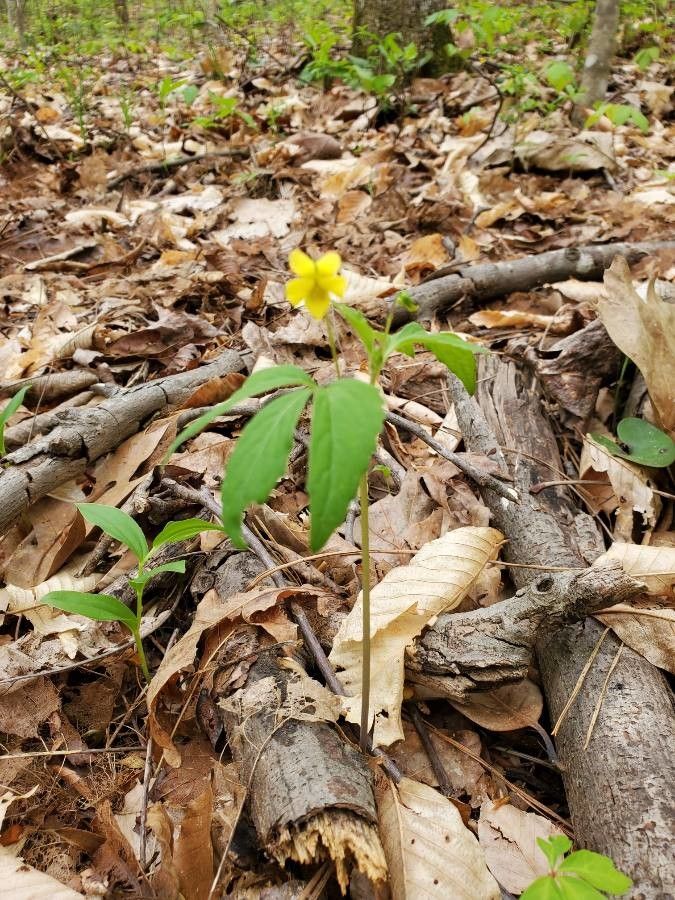
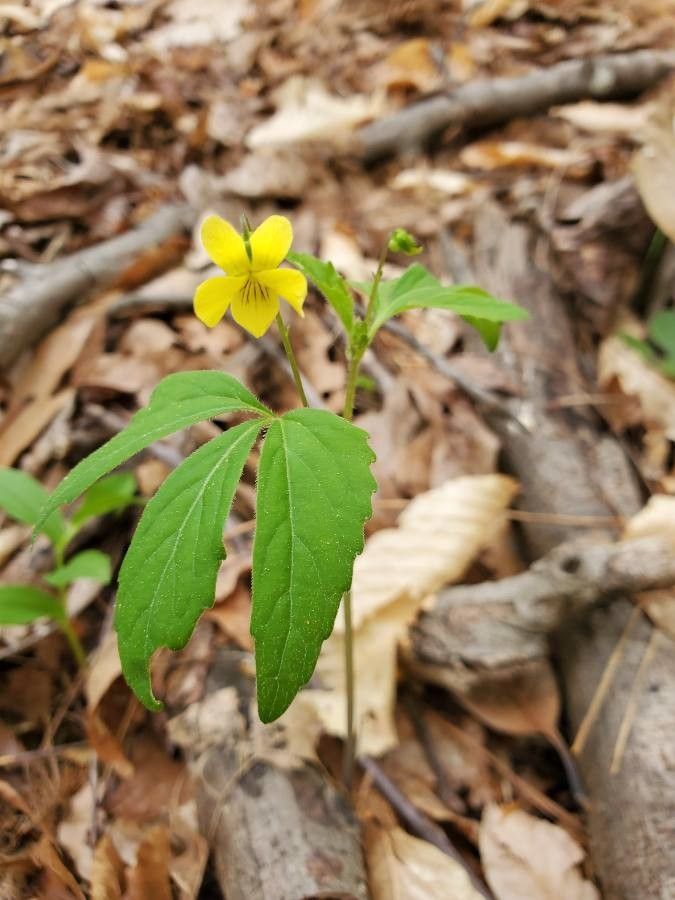
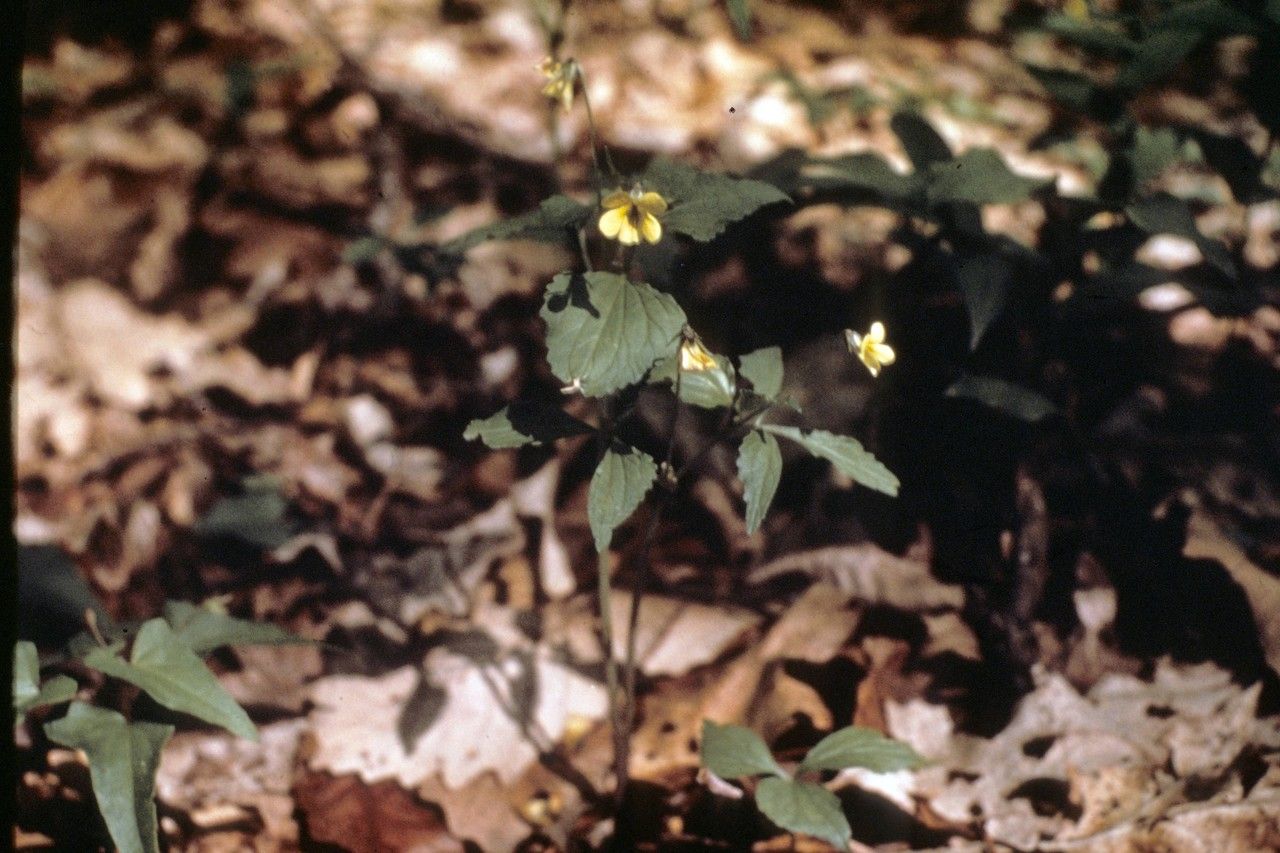
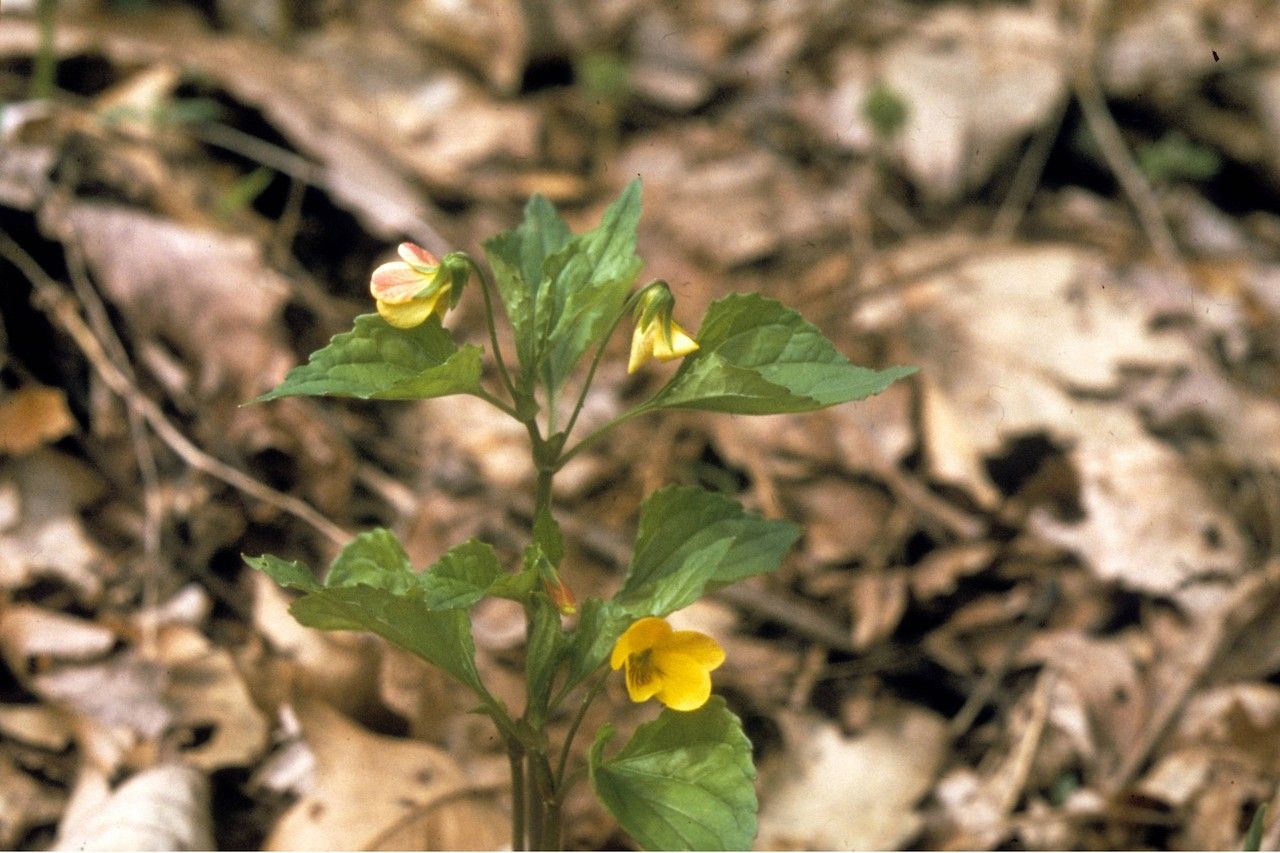
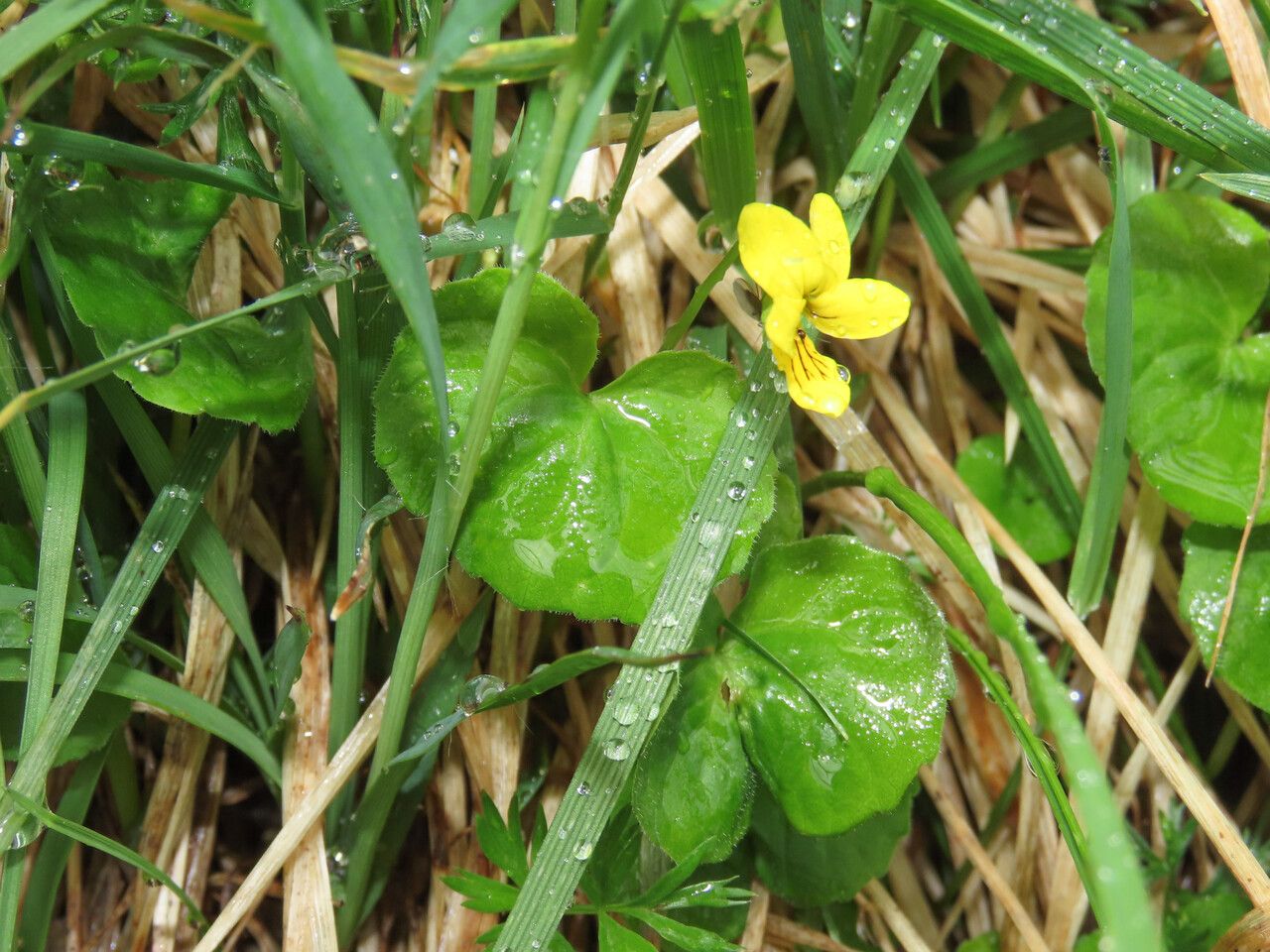
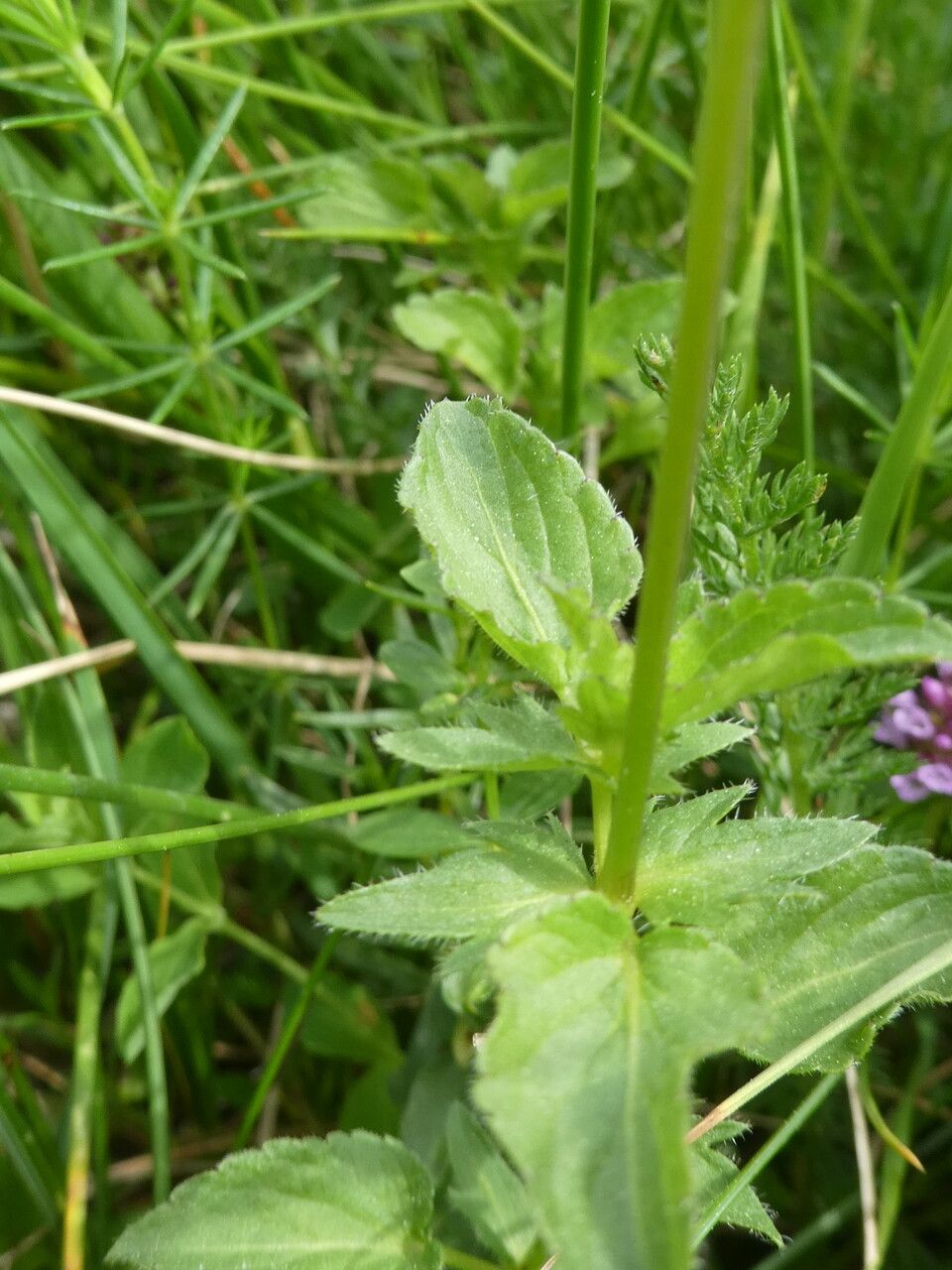
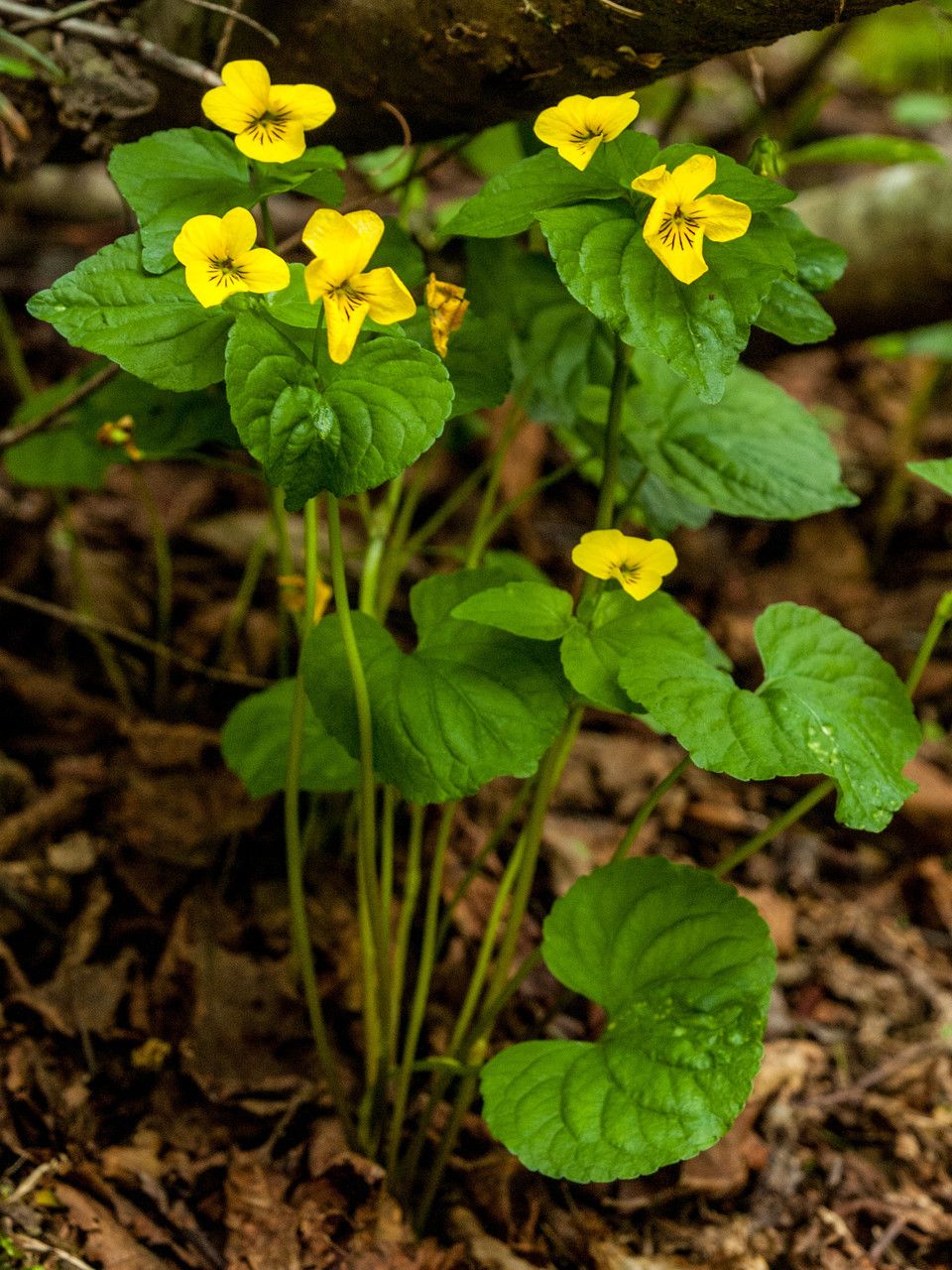
Viola tripartita is a species of violet known by the common name threepart violet. It is native to Eastern North America, being primarily found in the Southern Appalachian Mountains. Its preferred habitat is rich, mesic forests over calcareous rocks. It is a small perennial herb that has yellow flowers in the spring. It is distinguished from other caulescent yellow violets native to the area by having leaves that are wider than long which have a cuneate base.
How to keep Viola Tripartita.
Water
The three-part violet flourishes in humid forests and mountainous areas, but it requires careful watering. It is not tolerant of drought, yet overwatering can lead to decay. For garden plants, adjust your watering according to the weather conditions. For potted plants, water them thoroughly when the surface of the soil feels dry.
Pruning
Pruning three-part violets in early spring is beneficial for both their health and appearance. Start by removing any dead stems and trimming spent flowers to promote continuous blooming. Additionally, prune lightly to maintain the plant's shape. This practice improves air circulation, encourages vigorous growth, and helps the plant recover quickly, ensuring a thriving growing season.
Botanical profile.
Other names.
Reader questions.
What are the sunlight requirements for the Three-part violet (Viola tripartita)?
The Three-part violet (Viola tripartita) has specific sunlight requirements to thrive. It needs 'full sun,' meaning the plant should receive above 6 hours of sunlight daily. Alternatively, it can also grow in 'partial sun,' where it gets about 3-6 hours of sunlight. It's important to observe how sunlight moves through your garden throughout the day. This allows you to choose spots that offer the right balance of light and shade, ensuring your Three-part violet thrives.