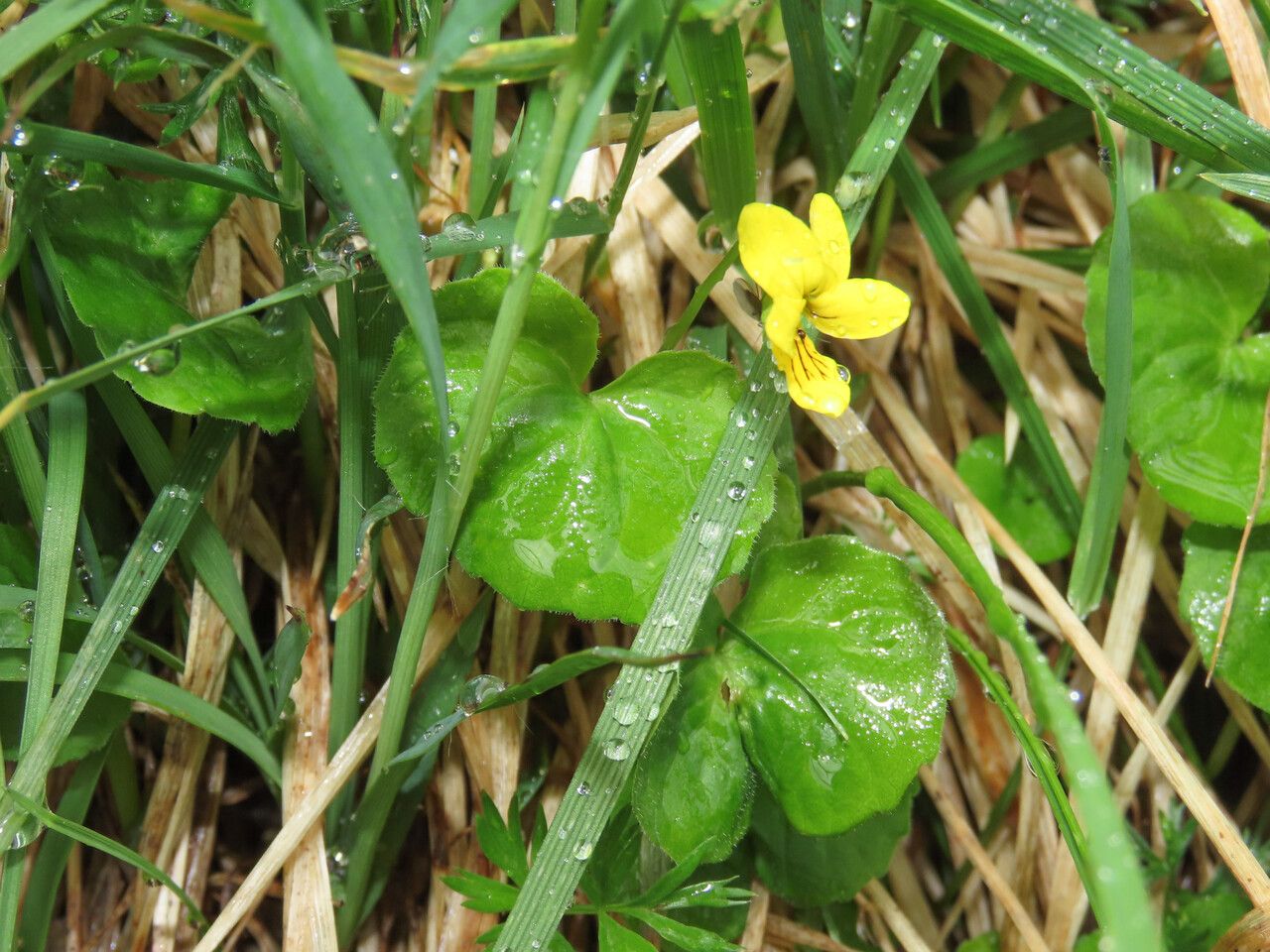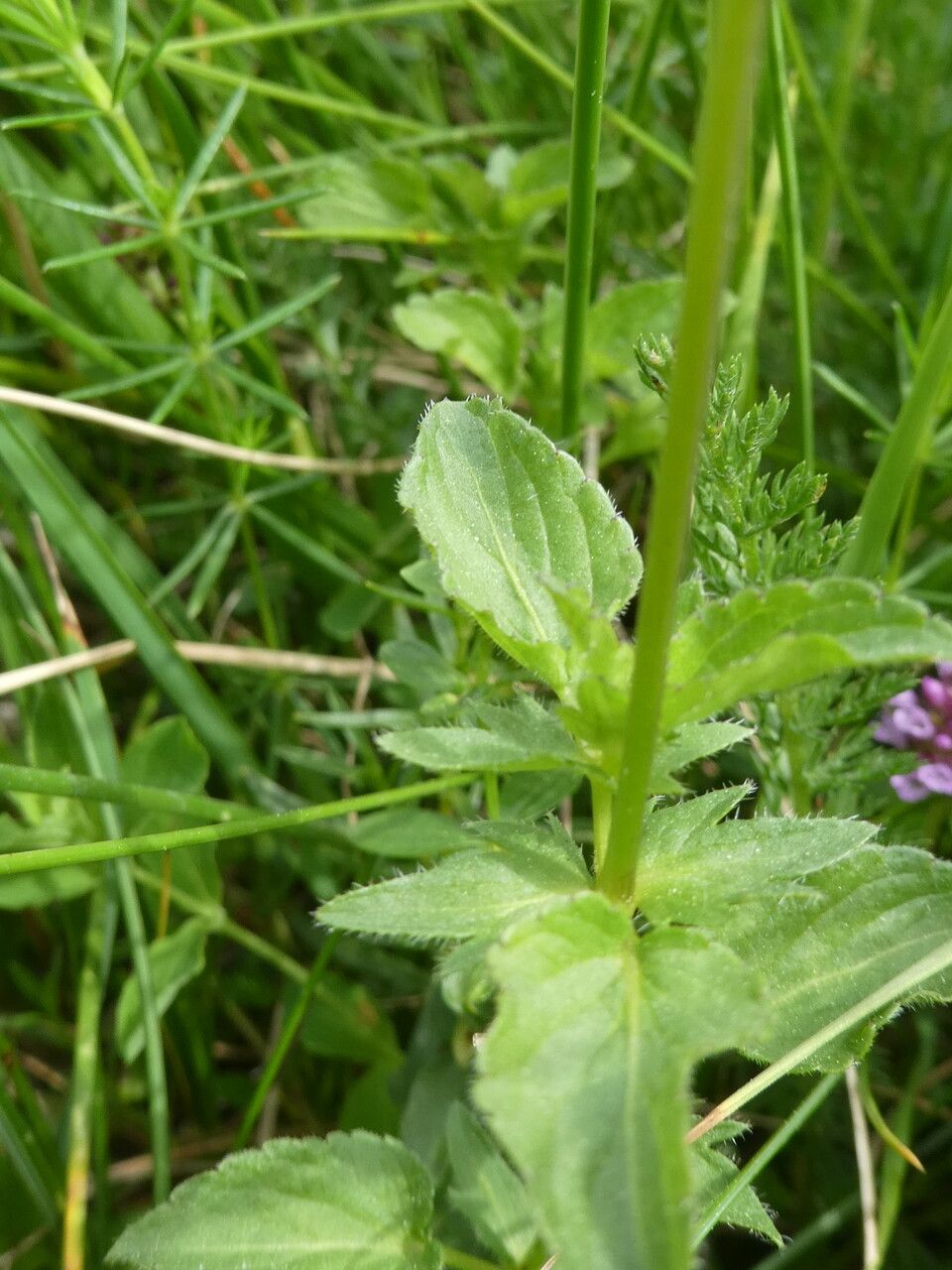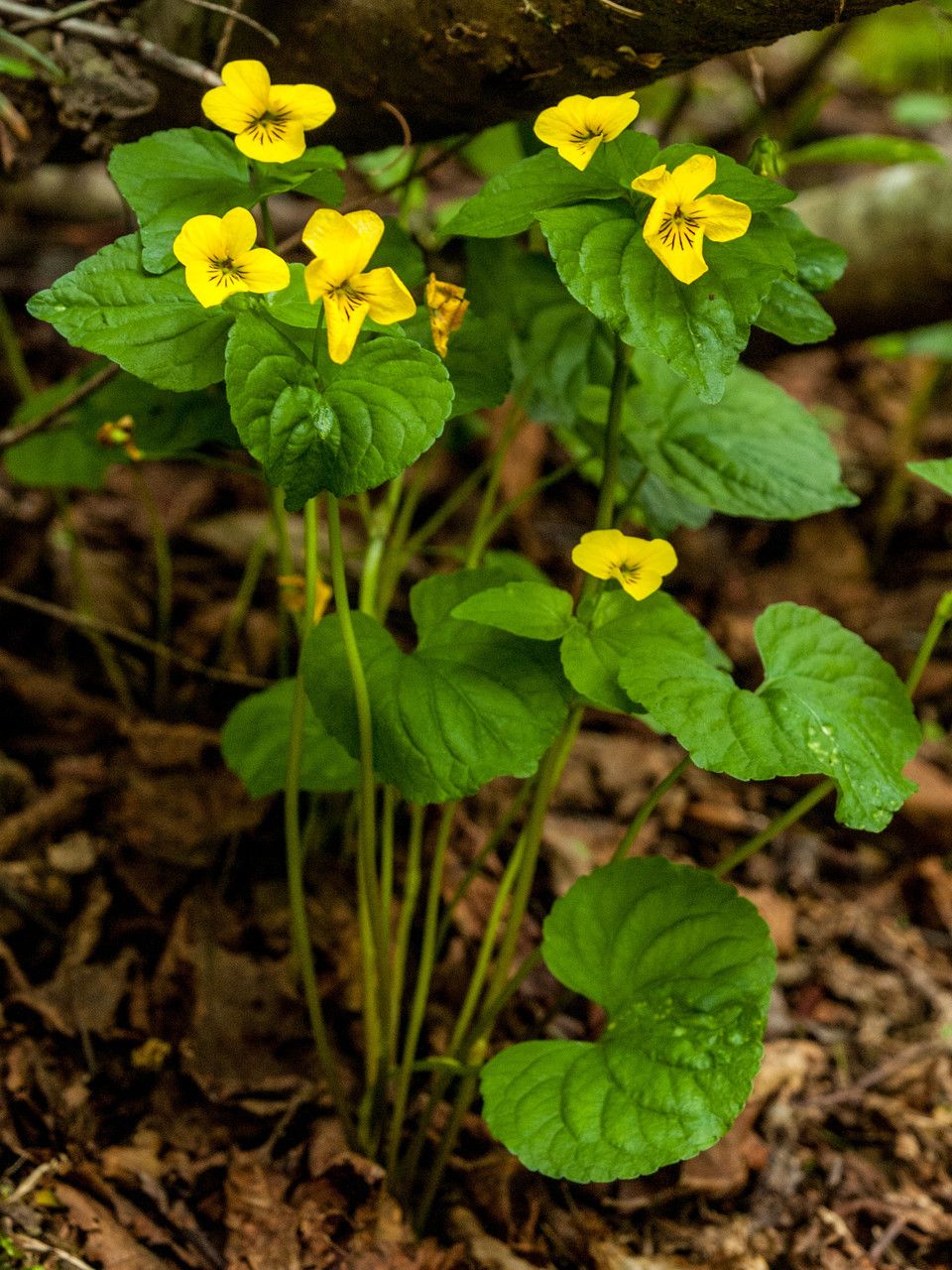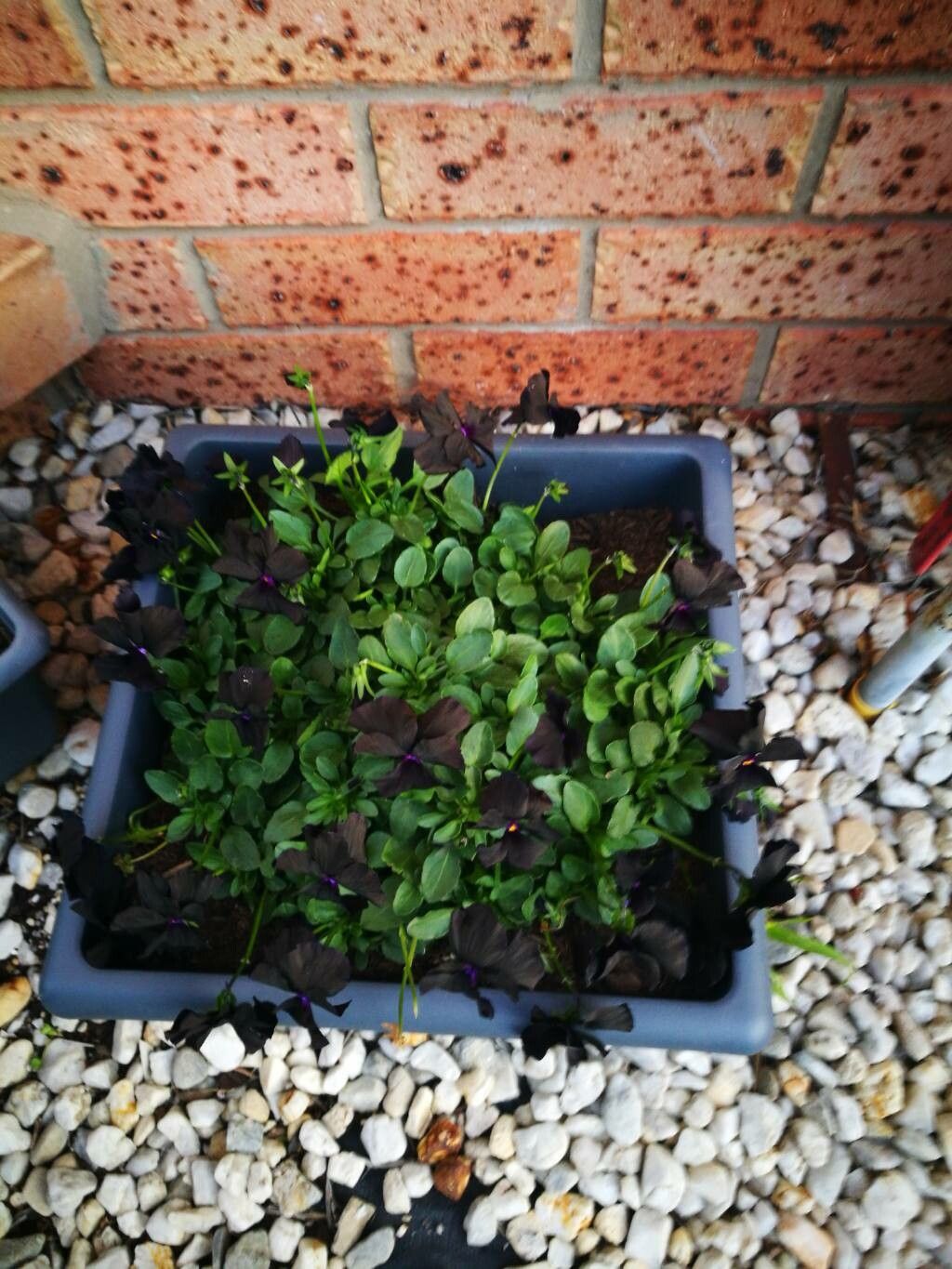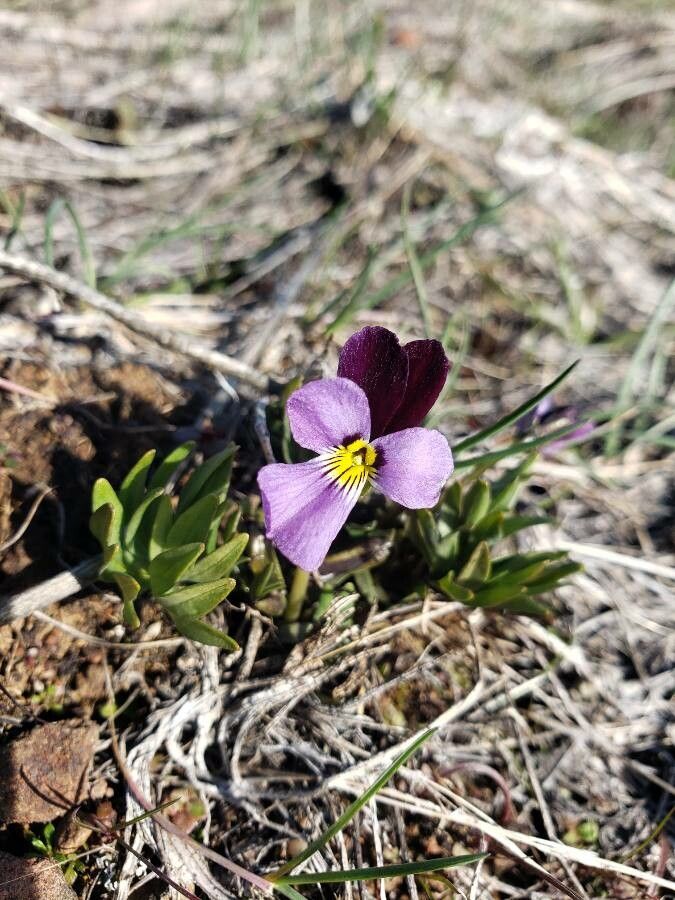
Viola trinervata, the sagebrush violet, is a species of wildflower in the Violaceae family which is found in eastern Washington and Oregon.
Rainier violet displays strong disease resistance and is usually not highly prone to illnesses. That said, it can be vulnerable to pests and diseases present in its surroundings, though these issues are typically minor. As for care, the plant requires a moderate level of maintenance. It benefits from regular pruning to preserve a good appearance and support healthy growth. Fertilizing can also encourage flowering. Rainier violet is appropriate for anyone with outdoor space, such as a garden or patio, and does not demand extensive care experience. It may, however, need more attention when cultivated indoors.
How to keep Viola Trinervata.
Light
The Rainier violet is indigenous to habitats like forest undergrowth or rocky terrains, where it naturally receives shade. It prefers partial sun exposure, yet it's capable of adjusting to either full sun or total shade, indicating its adaptable and robust characteristics.
Water
The Rainier violet flourishes in humid environments but is sensitive to drought. Be careful not to overwater, as this can lead to decay. In gardens, water only as necessary to prevent the soil from drying out. In pots, water thoroughly only when the surface becomes dry.
Temperature
The Rainier violet is capable of adjusting to diverse temperature ranges, however, various combinations of heat and water conditions could possibly restrict its dispersion. It flourishes optimally in warm summer climates with sufficient rain or irrigation. Extended durations of overcast and wet weather, as well as extended periods of intense heat, can heighten the risk of the Rainier violet perishing. During winter, appropriate safeguards against the cold can enhance the plant's chances of survival.
Fertilizer
The primary period for fertilizing Rainier violet is during the early spring when blossoms are developing. Proper fertilizer prompts enhanced bloom and aids the Rainier violet in producing delightful flowers. Fertilizing at the beginning of spring assures top-notch flowers throughout the course of the season and delivers energy for idle growth stages.
Pruning
The Rainier violet is a perennial plant cherished for its beautiful violet flowers and heart-shaped leaves. To promote healthy growth and abundant flowering, it's important to prune the plant in early spring. This practice not only encourages optimal blooms but also helps prevent disease. Be sure to trim away dead stems and any leggy growth to maintain a compact shape and vigorous blooms. For more detailed care instructions, consult horticultural sources.
Botanical profile.
- Plant Type
- Herb
- Life Cycle
- Perennial
- Genus
- Viola
- Family
- Violaceae
- Hardiness Zone
- 5-9
- Mature Height
- 5 cm to 8 cm
- Mature Spread
- 10 cm to 20 cm
- Leaf Color
- Green, Dark Green
- Leaf Type
- Deciduous
- Flower Color
- Yellow, Purple
- Flower Size
- 1.02 cm to 2.03 cm
- Bloom Time
- Early spring, Mid spring
- Planting Time
- Spring, Summer
- Harvest Time
- Late spring, Early summer
Other names.
Reader questions.
What are the sunlight requirements for Rainier violet (Viola trinervata)?
Rainier violet (Viola trinervata) thrives in varying sunlight conditions. For full sun exposure, the plant needs to receive above 6 hours of sunlight a day. In partial sun conditions, about 3-6 hours of sunlight are sufficient. It's important to observe how sunlight moves through your garden throughout the day. Identifying spots that offer the right balance of light and shade will ensure the well-being of your Rainier violet, allowing it to grow healthily and happily.
What is the botanic name of the Rainier violet?
The botanic name of the Rainier violet is Viola trinervata. This information helps in precisely identifying the plant among others in the Viola genus, ensuring accurate recognition and study.