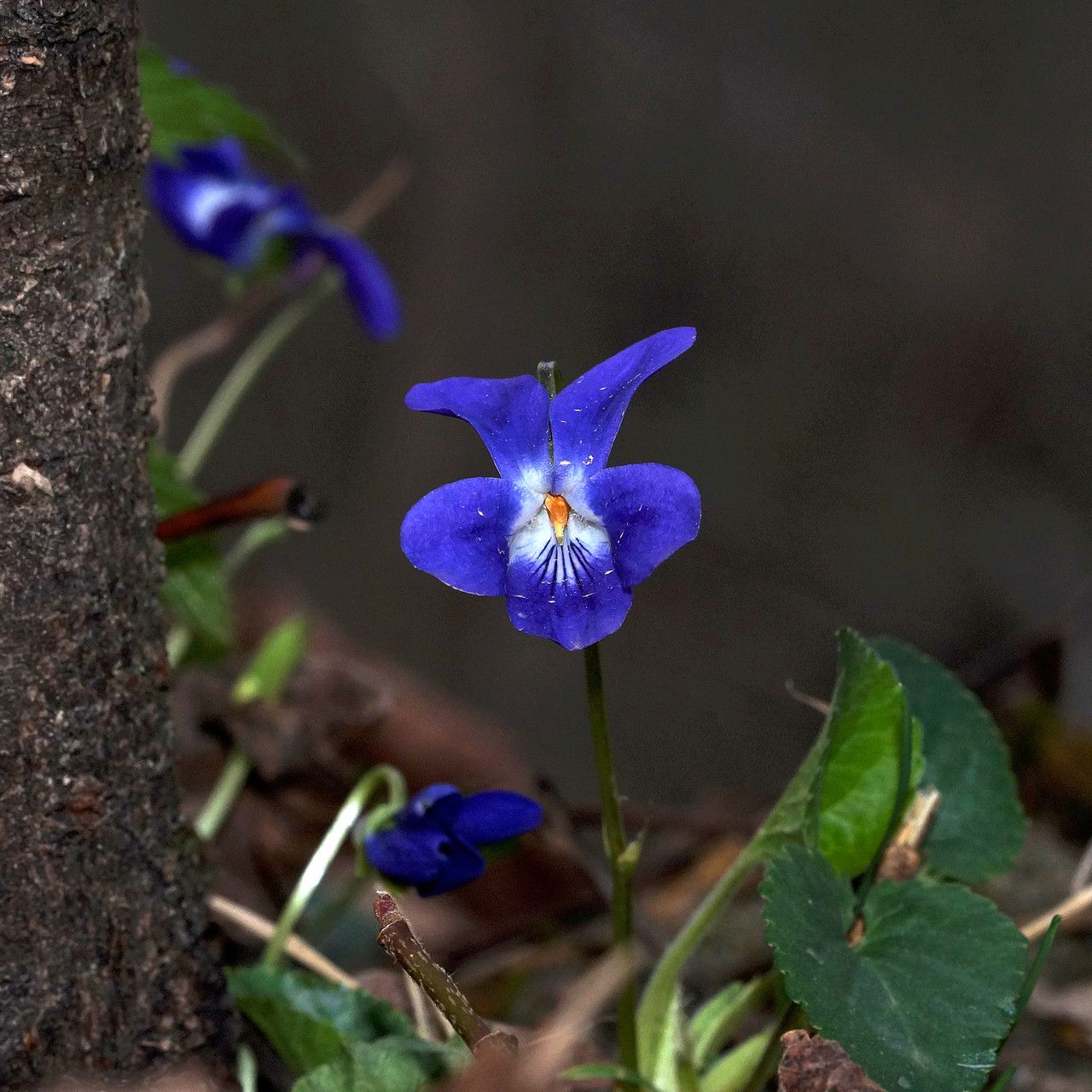
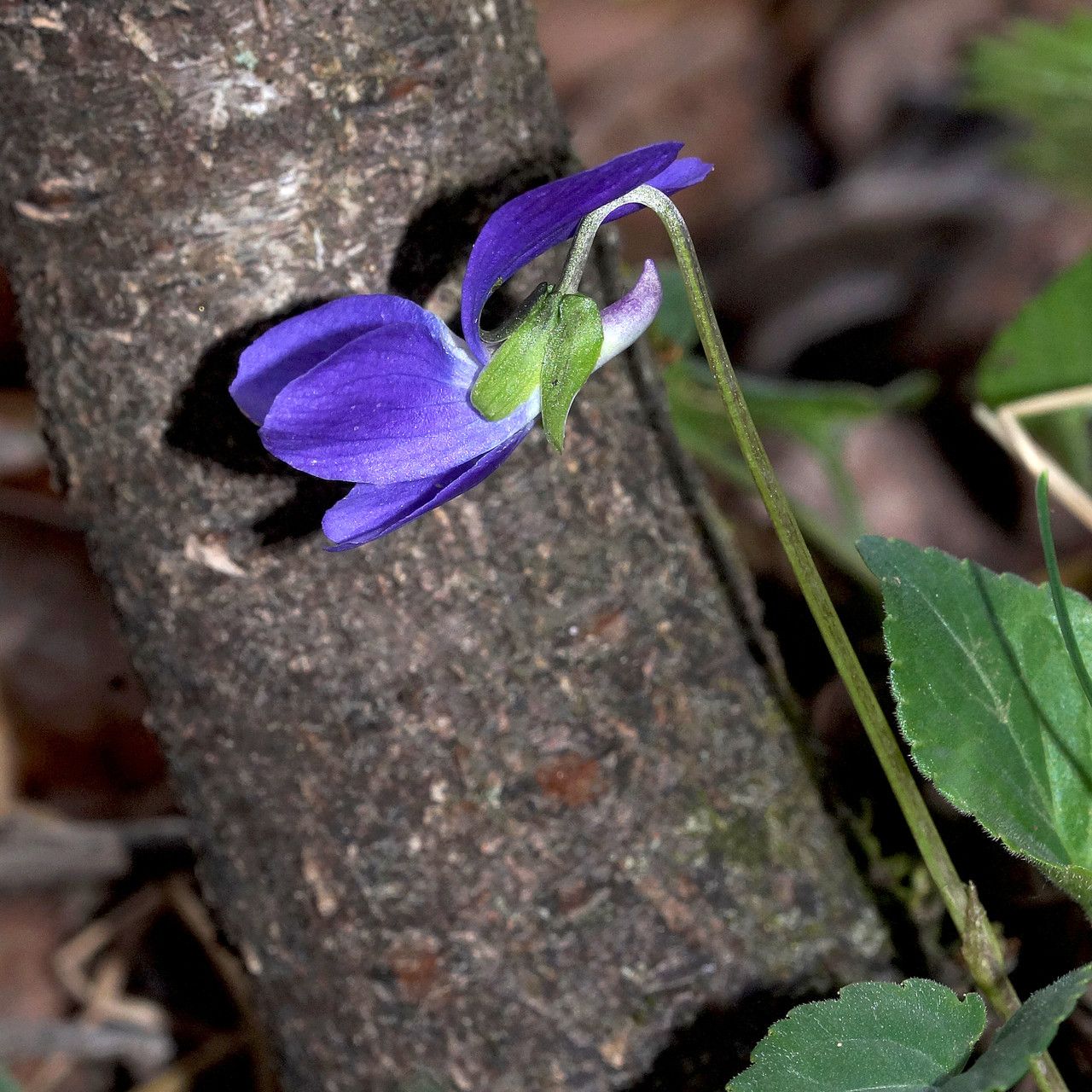
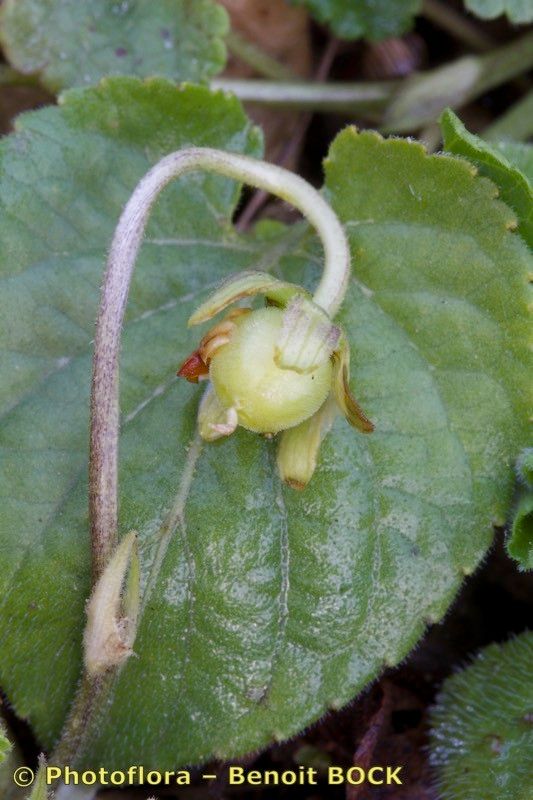
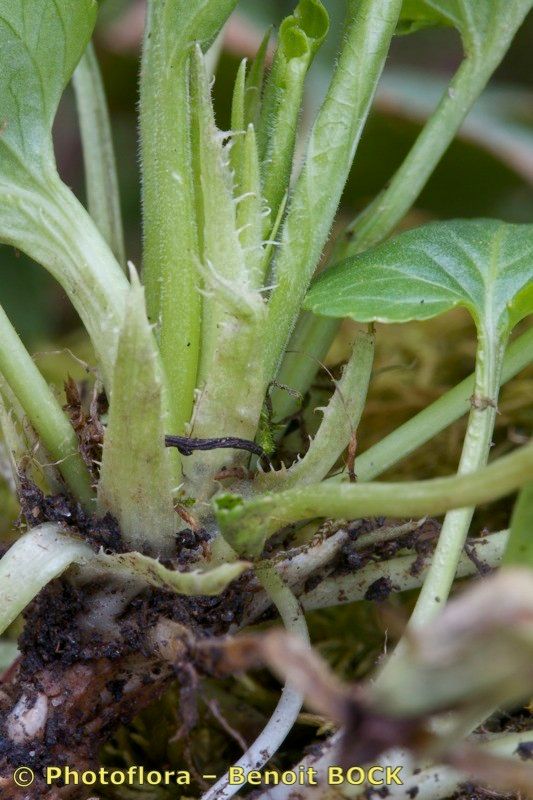
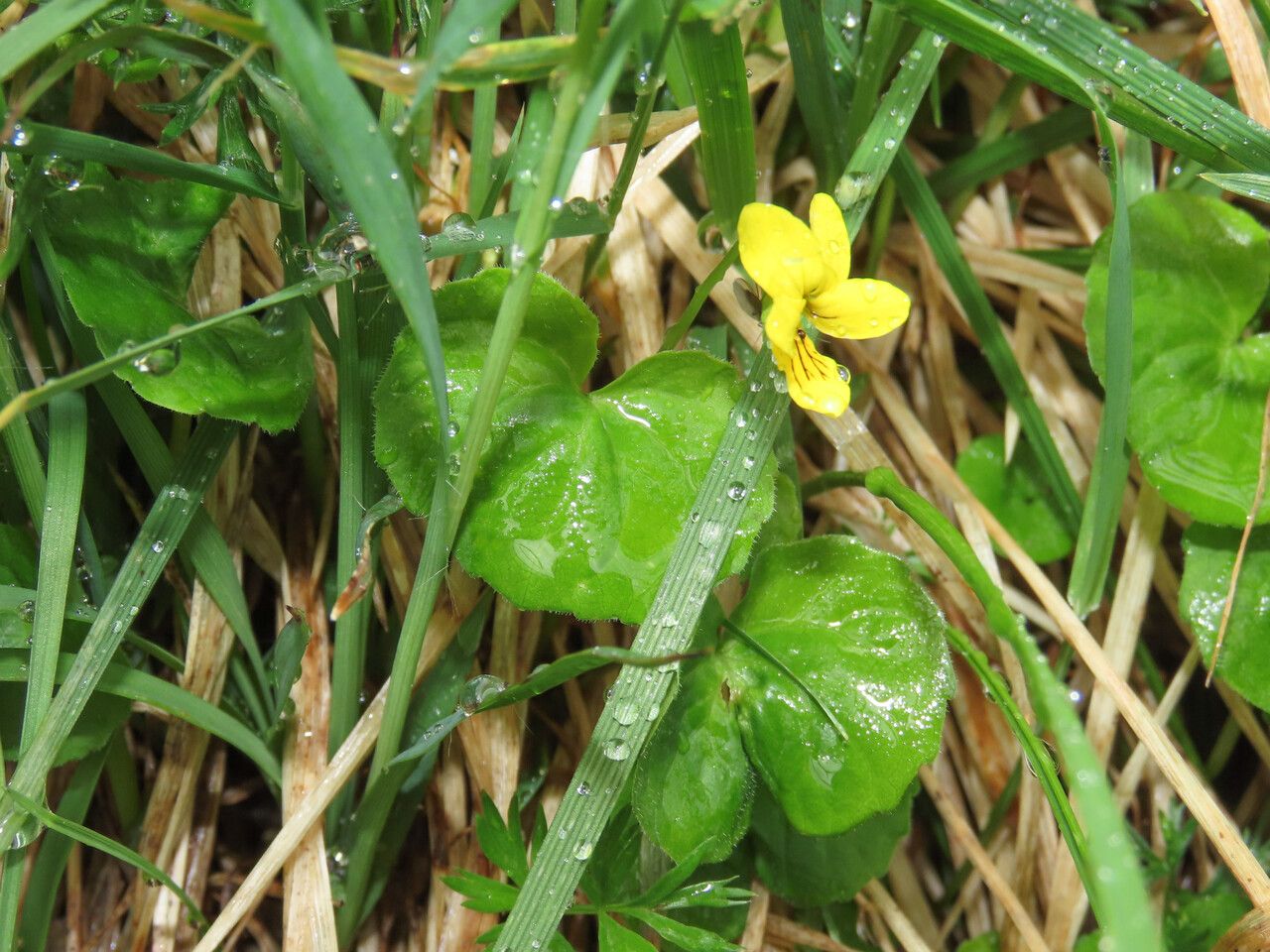
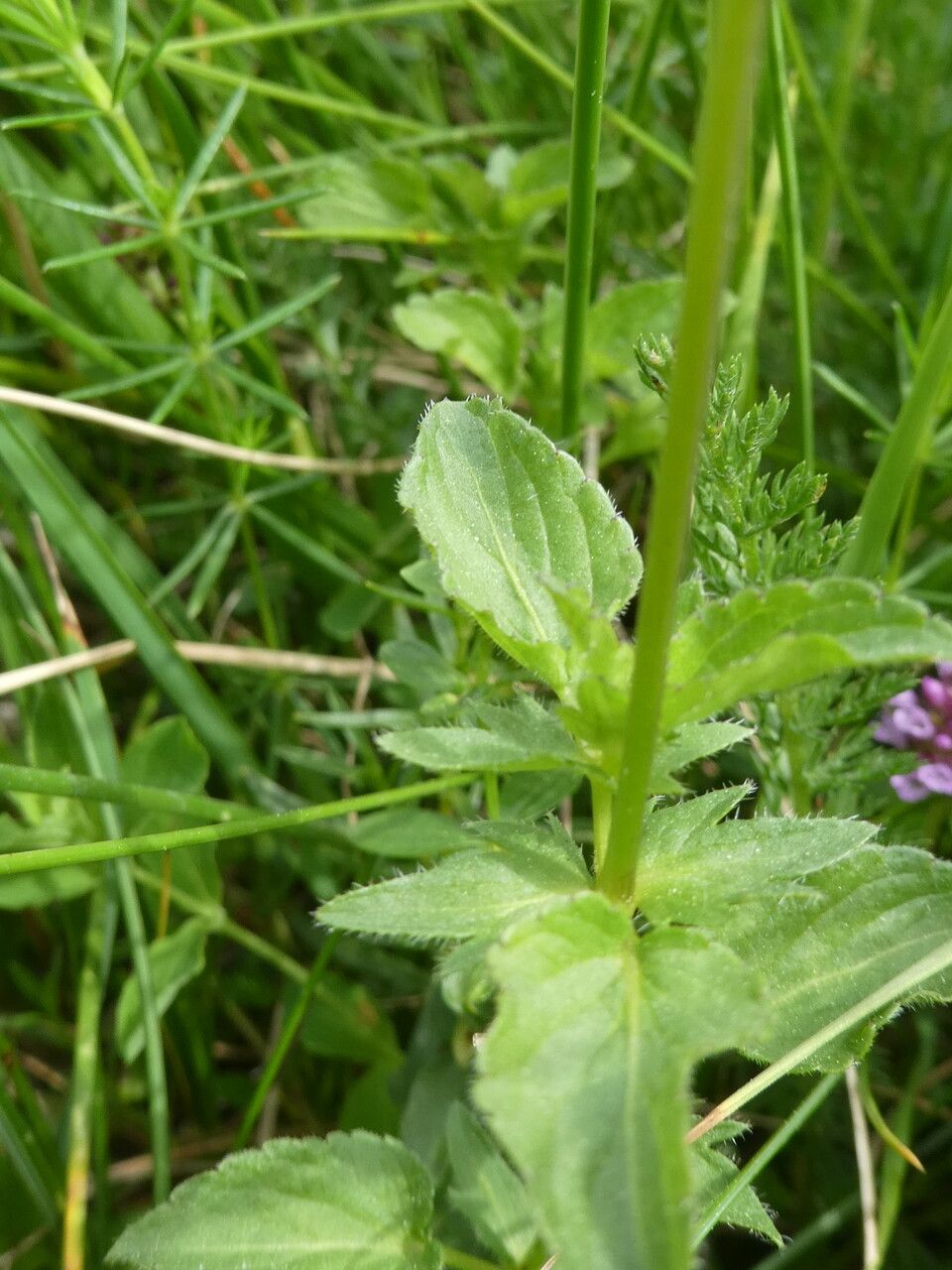
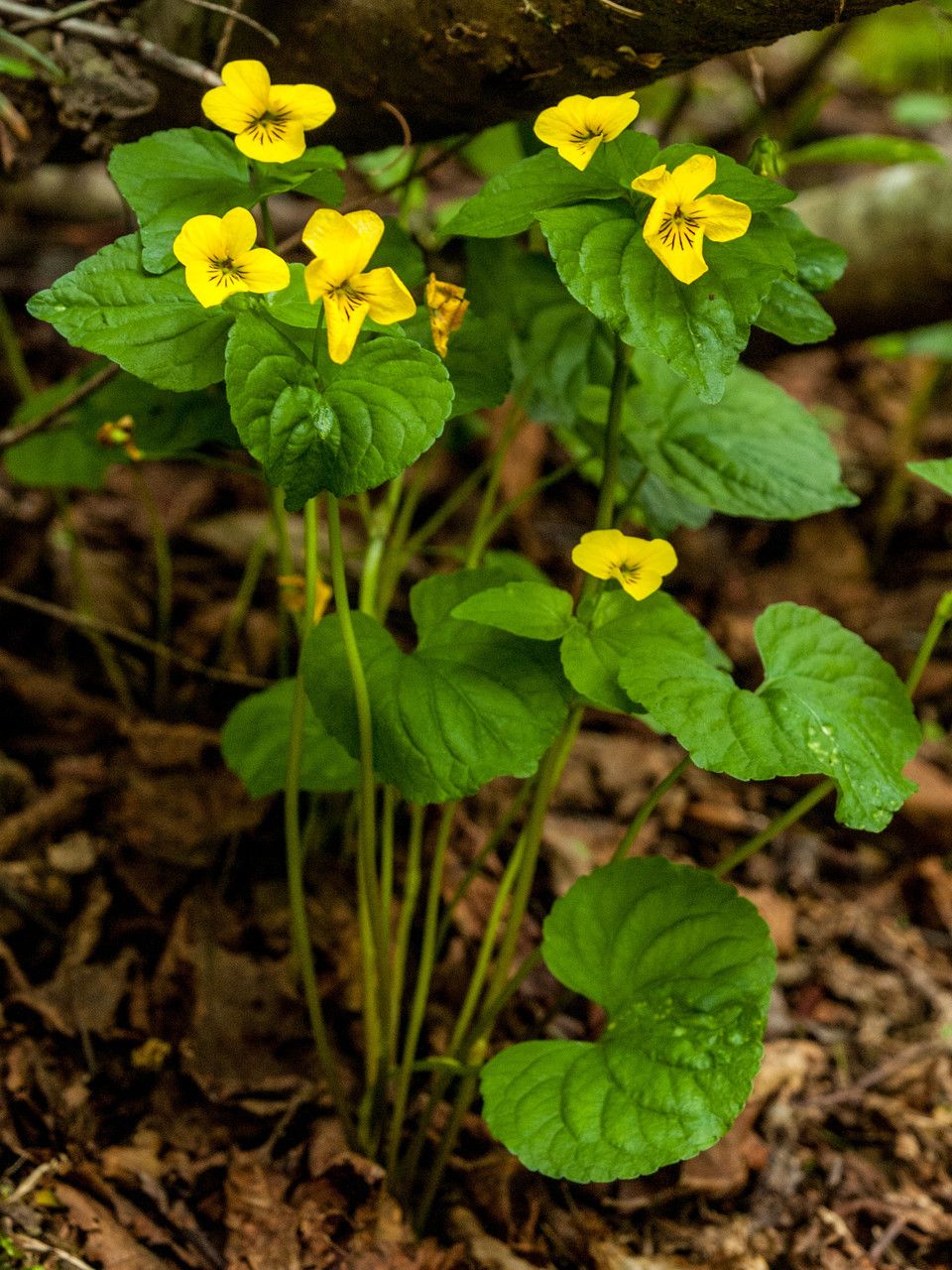
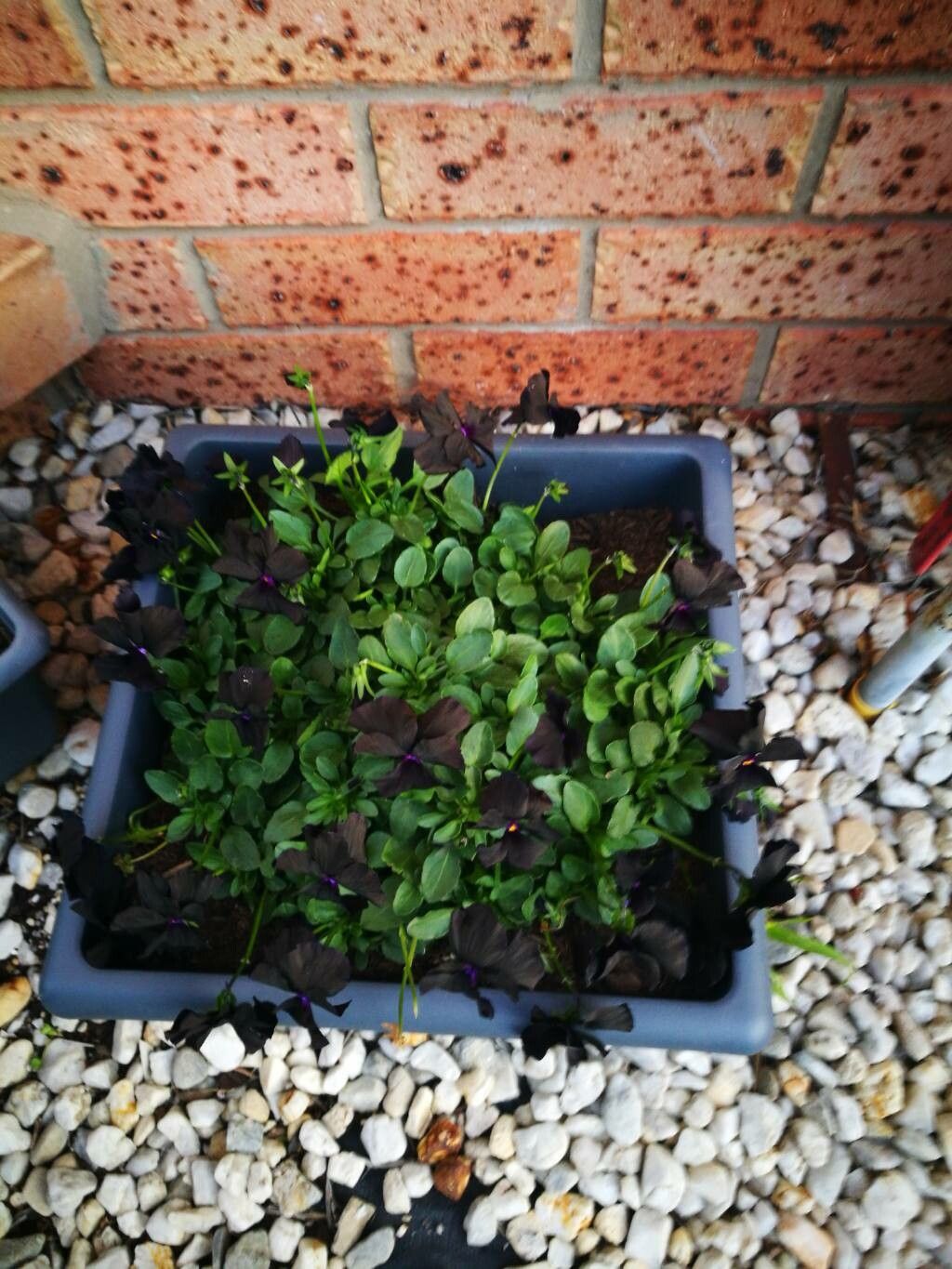
Russian violet is fairly disease-resistant and generally does not tend to develop illnesses. Nonetheless, it can be vulnerable to pests and diseases present in its environment. Such infections are typically mild. Regarding care, this plant needs moderate maintenance. Regular pruning is required to keep a tidy appearance and support healthy growth. Fertilizing can also help encourage flowering. Russian violet is suitable for anyone who has outdoor space, like a garden or patio, and it does not demand extensive care experience. It may require more attention when cultivated indoors.
How to keep Viola Suavis.
Light
Russian violet prefers a substantial amount of sunlight for healthy growth, favoring locations where sunlight is abundant, though it can tolerate sites with only occasional sun. Too much shade can hinder its development, while an excess of sun can be harmful.
Water
The Russian violet, native to temperate regions, thrives best in consistently moist soil, although it can handle moderate drought conditions. Watering it once a week is usually enough to meet its needs. As an herbaceous perennial, it grows well outdoors, particularly when it receives the benefit of seasonal rainfall, which supports its growth.
Temperature
Russian violet is native to climates that require temperatures between 59 and 95 °F (15 and 35 °C). It grows best within that range. During pronounced seasonal changes, make sure to adjust temperatures so they remain in this preferred range for optimal growth.
Fertilizer
The best time to fertilize a Russian violet is in early spring, when it is coming out of dormancy and beginning active growth. Fertilizing supplies essential nutrients needed for healthy growth. Although the Russian violet has relatively low fertilizer requirements, applying fertilizer once a year can improve its survival and encourage better, longer-lasting flowers.
Pruning
The Russian violet is known for its sweet-smelling, heart-shaped leaves. To encourage optimal blooming, it's important to prune it properly from early to late spring. Focus on cutting away dead stems and spent flowers to stimulate growth and enhance its appearance; however, avoid making heavy cuts. Regular maintenance not only promotes denser foliage but also improves air circulation, thereby reducing the risk of pests and diseases.
Botanical profile.
- Plant Type
- Herb
- Life Cycle
- Perennial
- Genus
- Viola
- Family
- Violaceae
- Hardiness Zone
- 7-9
- Mature Height
- 10 cm to 49 cm
- Mature Spread
- 15 cm to 25 cm
- Leaf Color
- Dark Green
- Leaf Type
- Deciduous
- Flower Color
- Violet, White
- Flower Size
- 1.27 cm to 1.52 cm
- Bloom Time
- Spring
- Planting Time
- Winter, Spring
- Harvest Time
- Late spring, Early summer, Mid summer
Other names.
Reader questions.
How should I water my Russian violet plant?
To effectively water your Russian violet, it's important to consider a few factors. Firstly, using filtered water at room temperature is ideal for this plant. Tap water often contains harmful particles that can negatively impact the plant's health. Additionally, the water should be at room temperature or slightly warmer as the Russian violet thrives in warm environments. Cold water can be a shock to its system. Secondly, it's best to avoid overhead watering for this plant, as it can cause problems with its foliage. Instead, gently apply filtered room temperature water directly to the soil until it's completely saturated. This not only provides moisture to the roots but also aids in their spread and nutrient absorption.
What are the sunlight requirements for Russian Violet (Viola suavis)?
Russian Violet requires a significant amount of sunlight for optimal growth, thriving in full sun conditions which involve more than 6 hours of sunlight per day. It can also grow in partial sun, where it receives about 3-6 hours of sunlight. However, it's important to note that while the plant can tolerate intermittent sun exposure, too much shade can hinder its growth, and excessive sunlight can be harmful. Observing how sunlight moves through your garden helps in choosing spots that offer a perfect balance of light and shade, ensuring the happiness of your plants.
What is the ideal temperature range for growing Russian violet?
The Russian violet thrives in a temperature range of 59 to 95°F (15 to 35°C), which is optimal for its growth. It possesses strong cold resistance, meaning special frost protection measures are usually not necessary. However, during winters with temperatures expected to drop below -15°C, it is important to protect the plant from the cold by covering it with soil or straw. Additionally, watering the plant abundantly before the first freeze of autumn to maintain moist soil can help prevent drought and water scarcity during winter and early spring.
What do I do if I give my Russian violet too much or too little water?
Overwatering and underwatering can harm your Russian violet, but overwatering is more common. When your Russian violet gets too much water, its stems and leaves may wilt and turn yellow. Overwatering for a long time can also cause diseases like root rot, mold, and mildew, which can kill your plant. Underwatering is less likely for Russian violets because they tolerate dry conditions well. However, it's still possible, and if it happens, the leaves may become brittle and brown. It's important to recognize the signs of overwatering early when caring for your Russian violet. Some diseases caused by overwatering, such as root rot, may be irreversible if you wait too long. If you notice early signs of overwatering, reduce your watering schedule immediately. Also, check the soil quality where your Russian violet grows. If it drains poorly, replace it with a loose, well-draining potting mix. If you see signs of underwatering, simply water more regularly until the signs disappear.
How can artificial lighting be used for Russian Violet indoors?
Indoor Russian Violet plants require adequate lighting to grow optimally, especially when natural sunlight is insufficient, like in winter or less sunny spaces. Artificial lights provide an essential solution, promoting faster, healthier growth. LED lights are preferred for indoor plants as they can be customized to provide specific wavelengths needed by the plants. Full sun plants need 30-50W/sq ft of artificial light, partial sun plants require 20-30W/sq ft, and full shade plants need 10-20W/sq ft. The light source should be placed 12-36 inches above the plant, mimicking natural sunlight as closely as possible, and most plants benefit from 8-12 hours of light per day.
How does low temperature affect Russian violet and what are the solutions?
Russian violet is cold-tolerant, best thriving when temperatures are above 15°C. It should be maintained above -10°C during winter. Should temperatures fall below -15°C, one might not notice immediate changes, but there could be a decrease in sprouting or even a complete lack of sprouting in the spring. The solution to this issue is to remove any parts of the plant that have failed to sprout in the spring.
How often do I need to water my Russian violet?
If your Russian violet is potted, the most accurate way to determine if it needs water is to check the soil by plunging your finger into it. If the top two to three inches of soil feel dry, then it's time to add water. Similarly, if you have planted your Russian violet outdoors, you can use the same method to test the soil. When you find that the top few inches of soil have dried out, it's time to water. Usually, during spring and early fall, following this method will require watering the plant about once a week. However, during extremely hot weather, you may need to increase watering to about twice a week or more. Nevertheless, mature and well-established Russian violets have a remarkable ability to withstand drought.
What are the common symptoms of inadequate lighting for Russian Violet?
Russian Violet shows several symptoms when exposed to inadequate lighting, including smaller new leaves compared to mature ones, leggy or sparse growth that makes the plant look weak, faster leaf drop as a survival strategy, slowed or halted growth due to survival mode, lighter-colored new leaves indicating a lack of chlorophyll and nutrients, chlorosis or yellowing of the leaves from excessive sunlight, sunscald causing damage to plant tissues, leaf curling as a defense mechanism against water loss, wilting due to rapid transpiration, and leaf scorching characterized by brown, dry edges on leaves. These symptoms highlight the importance of providing the plant with the right amount of natural or artificial light.
What are the effects of high temperature on Russian violet and how can they be mitigated?
During summer, it is important to keep the Russian violet below 35°C. Exceeding 38°C can cause the leaves to become lighter in color, prone to curling, susceptible to sunburn, and in severe cases, can lead to the entire plant wilting and drying out. To mitigate these effects, one should trim away the sunburned and dried-up parts of the plant. Moving the plant to a shade or using a shade cloth can protect it from midday and afternoon sun. Additionally, watering the plant in the morning and evening helps keep the soil moist and supports the plant's health.
How much water does my Russian violet require?
To water your Russian violet effectively, don't hesitate to give it a good amount of water. Wait until the top few inches of soil are dry, then water the plant thoroughly. Make sure to water enough to saturate the entire soil. You'll know you've added enough water when it starts to flow out of the drainage holes at the bottom of the pot. If you don't see water draining out, you've probably not given enough water. However, be cautious not to let water accumulate in the soil, as this can harm the plant. On the other hand, if water doesn't drain well, it could indicate poorly draining soil, which is not good for the health of the plant. If the plant is outdoors, 1 inch of rain per week should be adequate.
How can you address lighting issues for Russian Violet?
To address lighting issues for Russian Violet, you can take various steps tailored to indoor and outdoor settings. For indoor plants, gradually move them to sunnier locations each week until they receive at least 6 hours of direct sunlight daily, using a south-facing window and keeping curtains open during the day. If the plant is large or not easily movable, consider using artificial light, keeping a lamp on for at least 8 hours daily or investing in professional plant grow lights. Outdoors, gradually acclimate your plants to sunnier spots to avoid sunburn. Additionally, reducing obstructions like pruning trees or transplanting smaller plants to sunnier locations with good drainage can improve sunlight exposure. It's important to note that parts of the plant affected by insufficient sunlight may not recover, but new growth should be healthy once light exposure increases.
How should I water my Russian violet as it grows?
The water needs of the Russian violet can vary depending on its growth stages. In the first few years of its life or after transplanting to a new location, the plant requires more water than usual. During these stages, the focus of the plant's energy is on developing new roots that will support future growth. Therefore, it is important to keep the soil slightly more moist. As the plant matures, it will require less water. Additionally, during the bloom period, when the plant is producing flowers, it may need additional water due to the increased moisture demand for flower development.