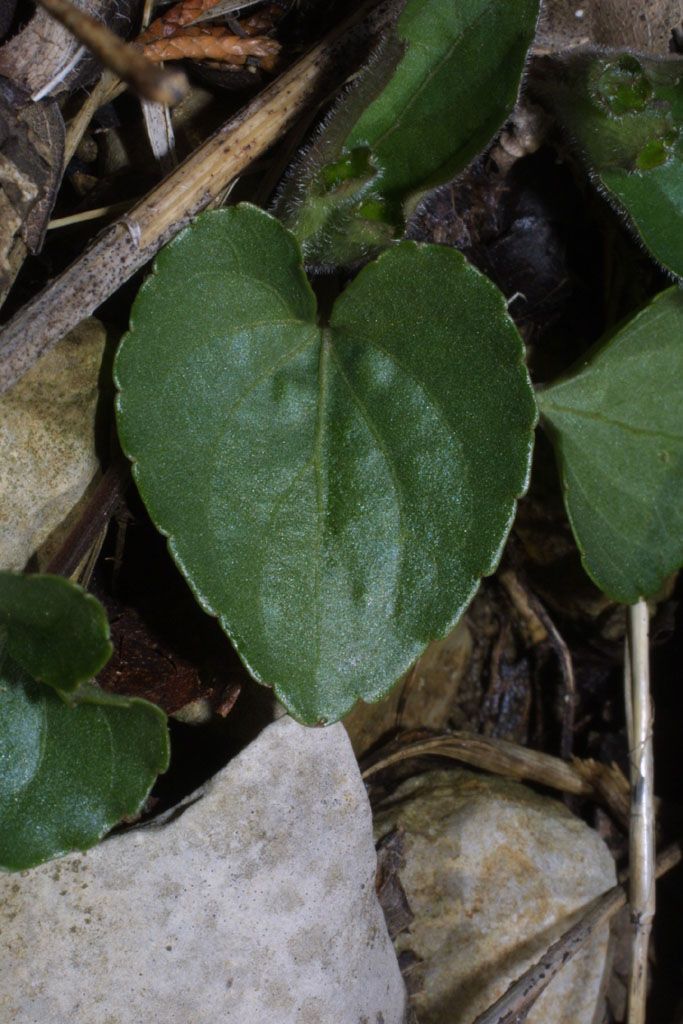
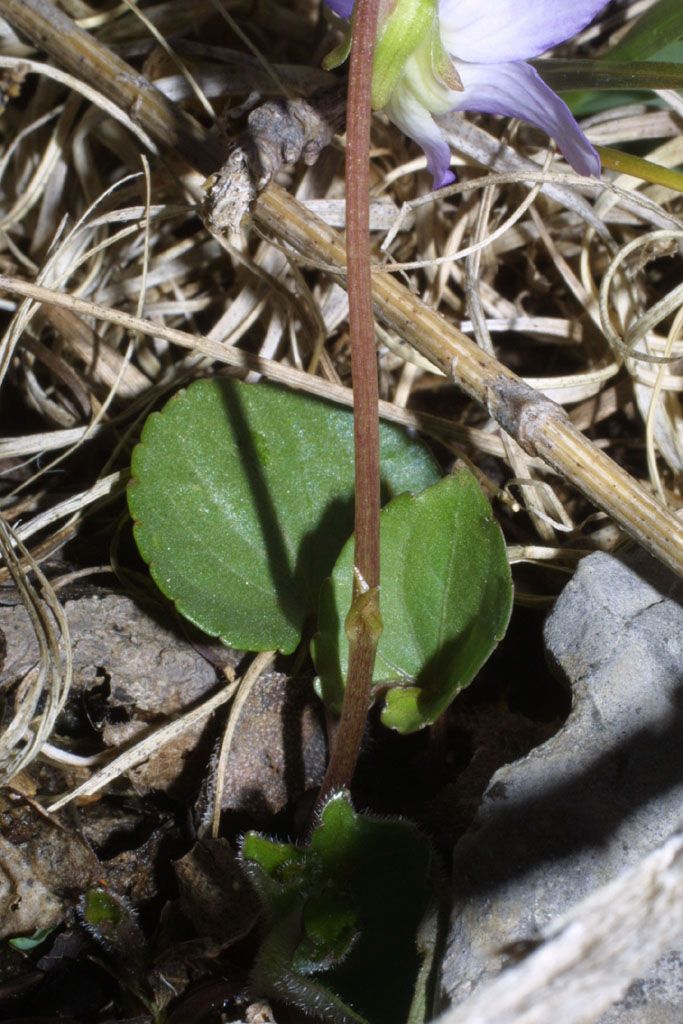
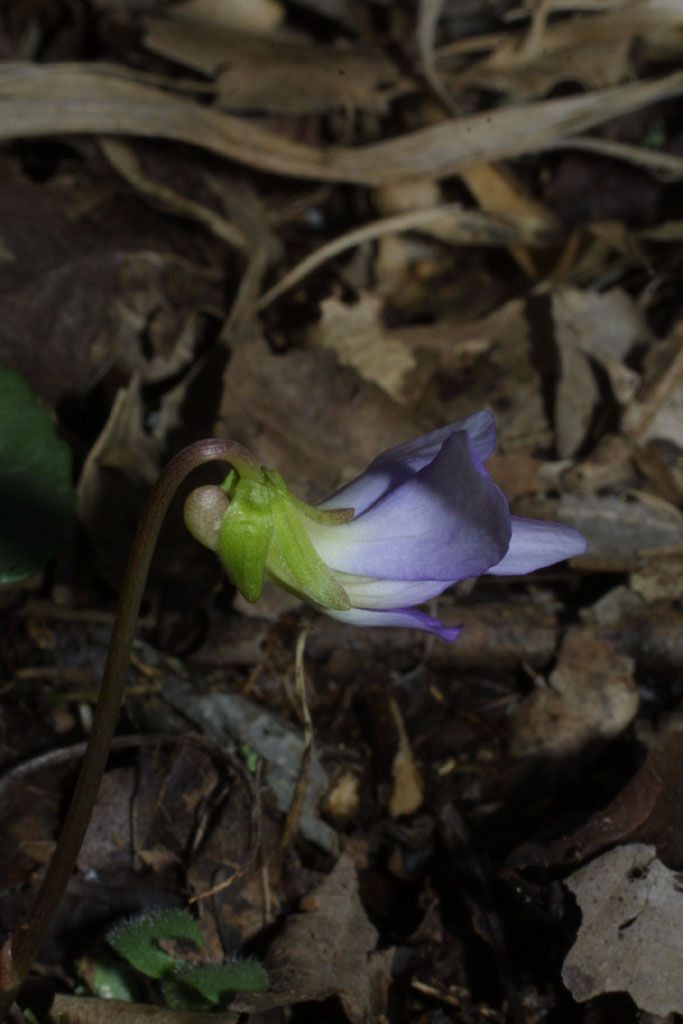
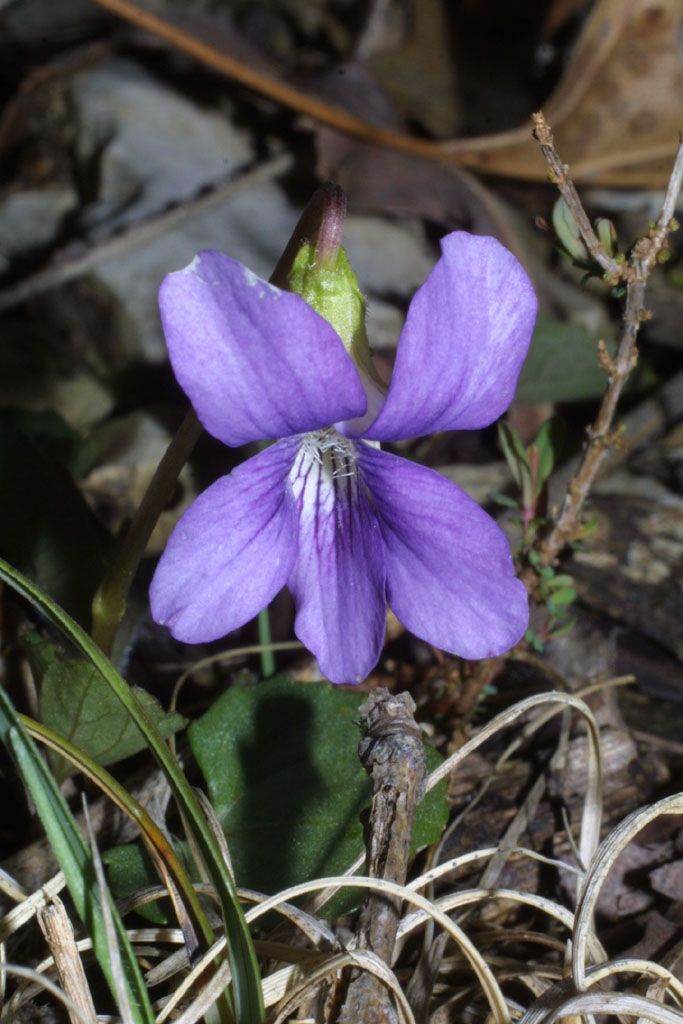
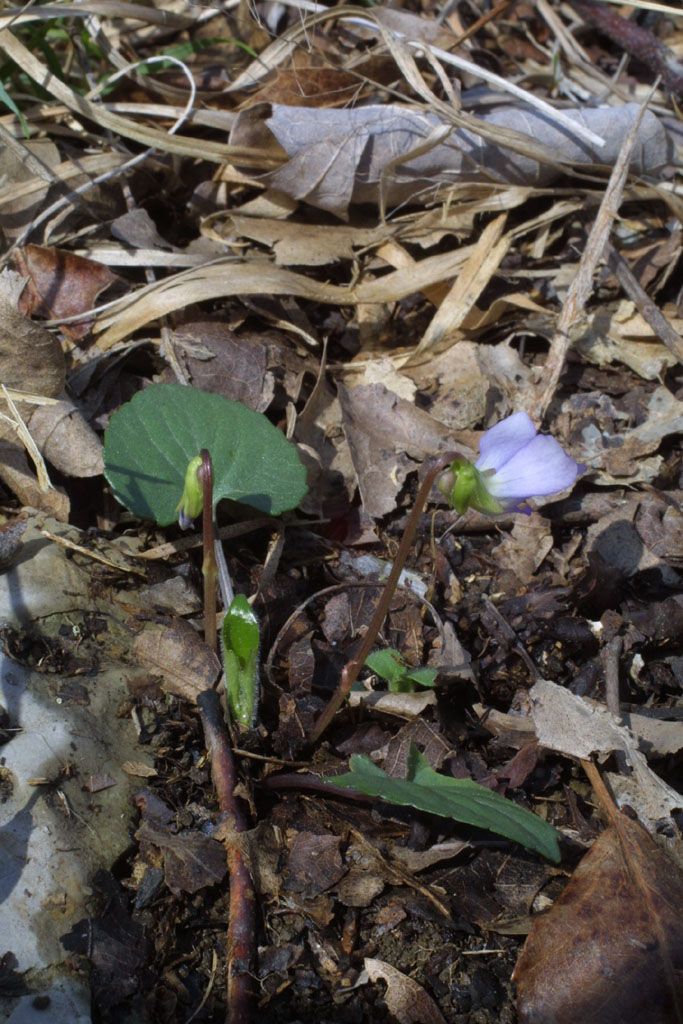
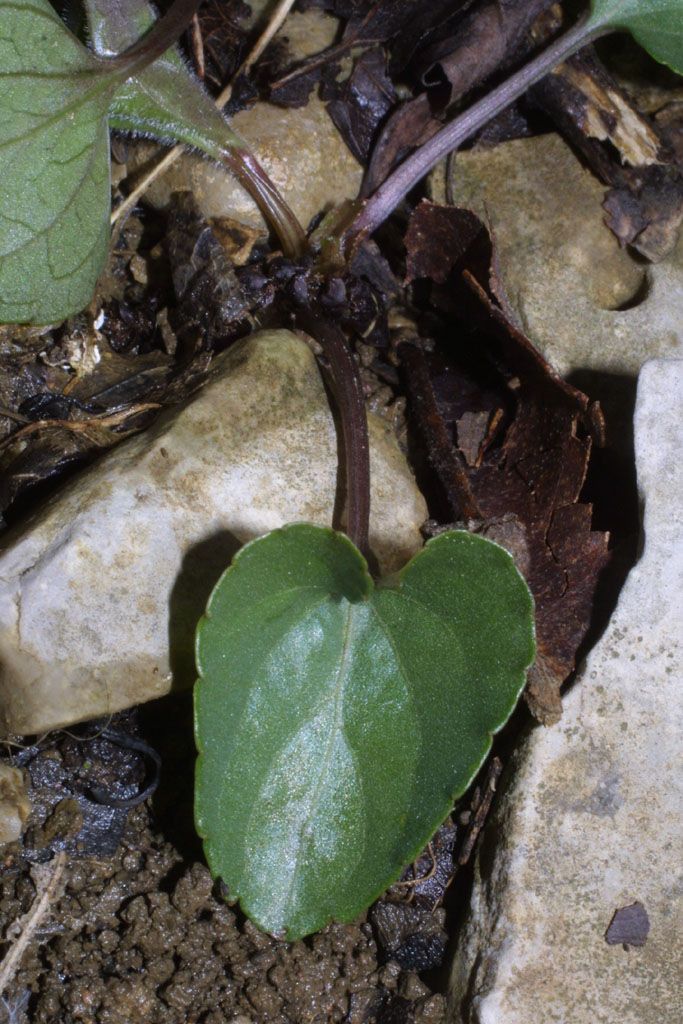
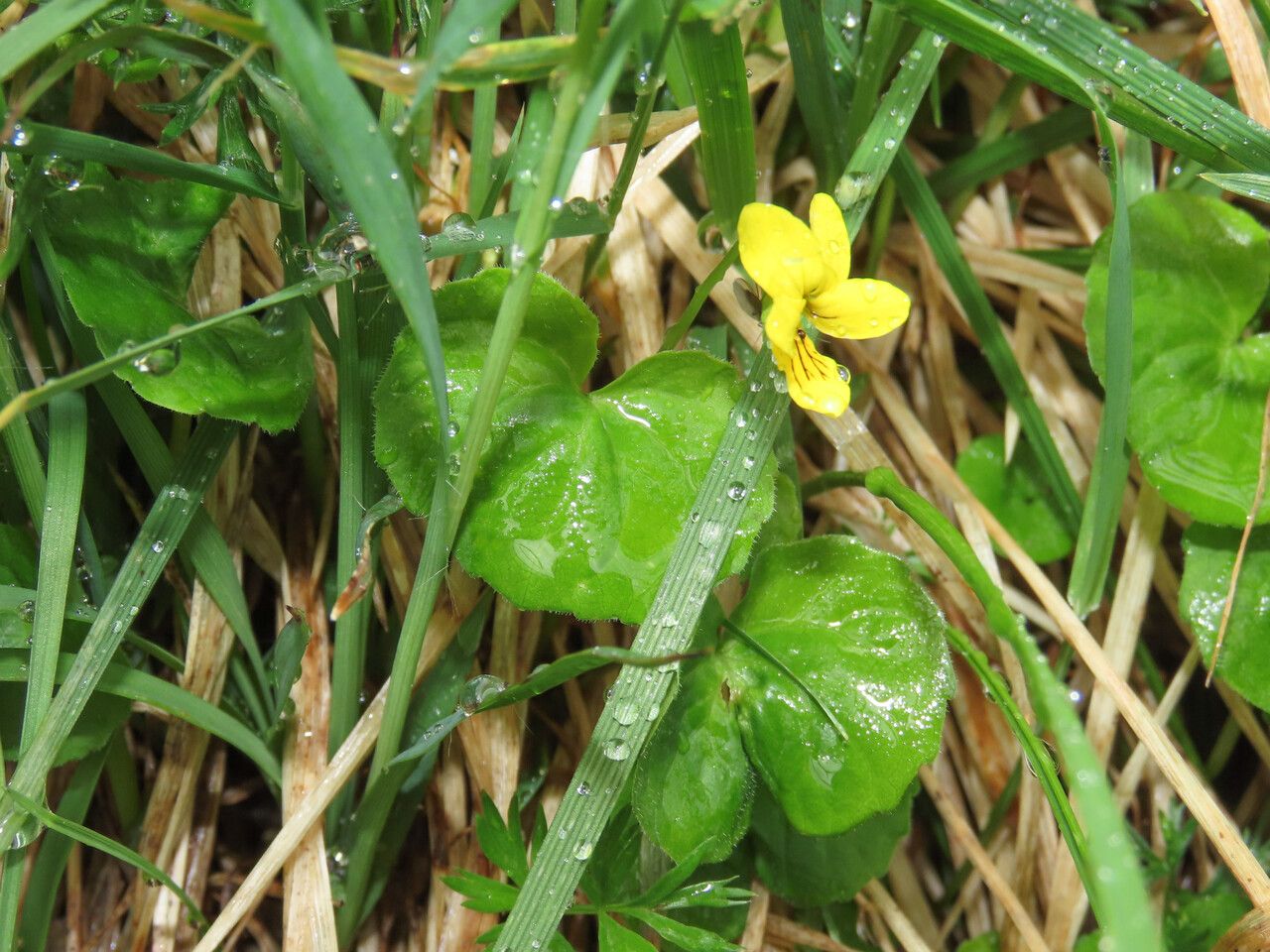
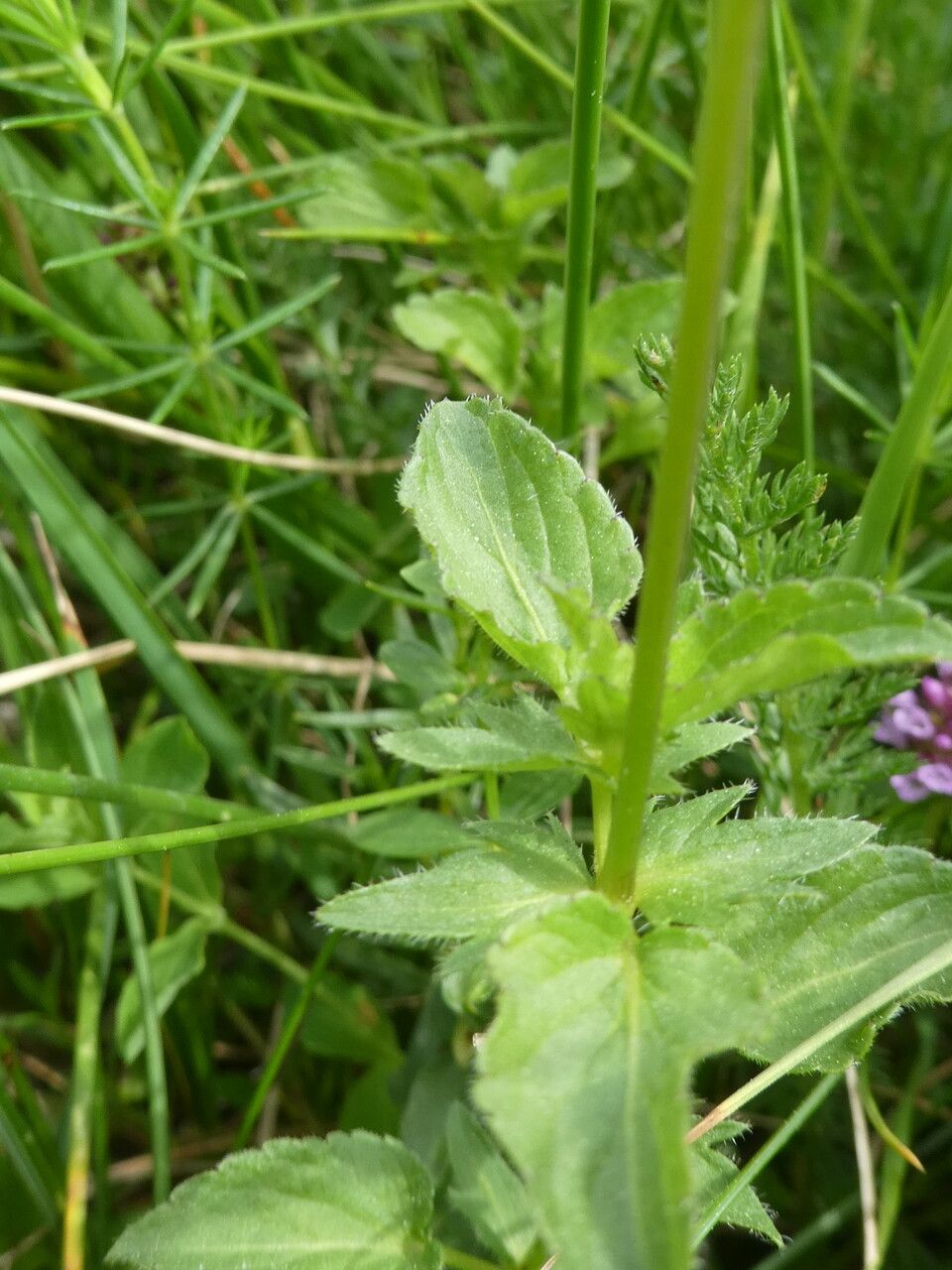
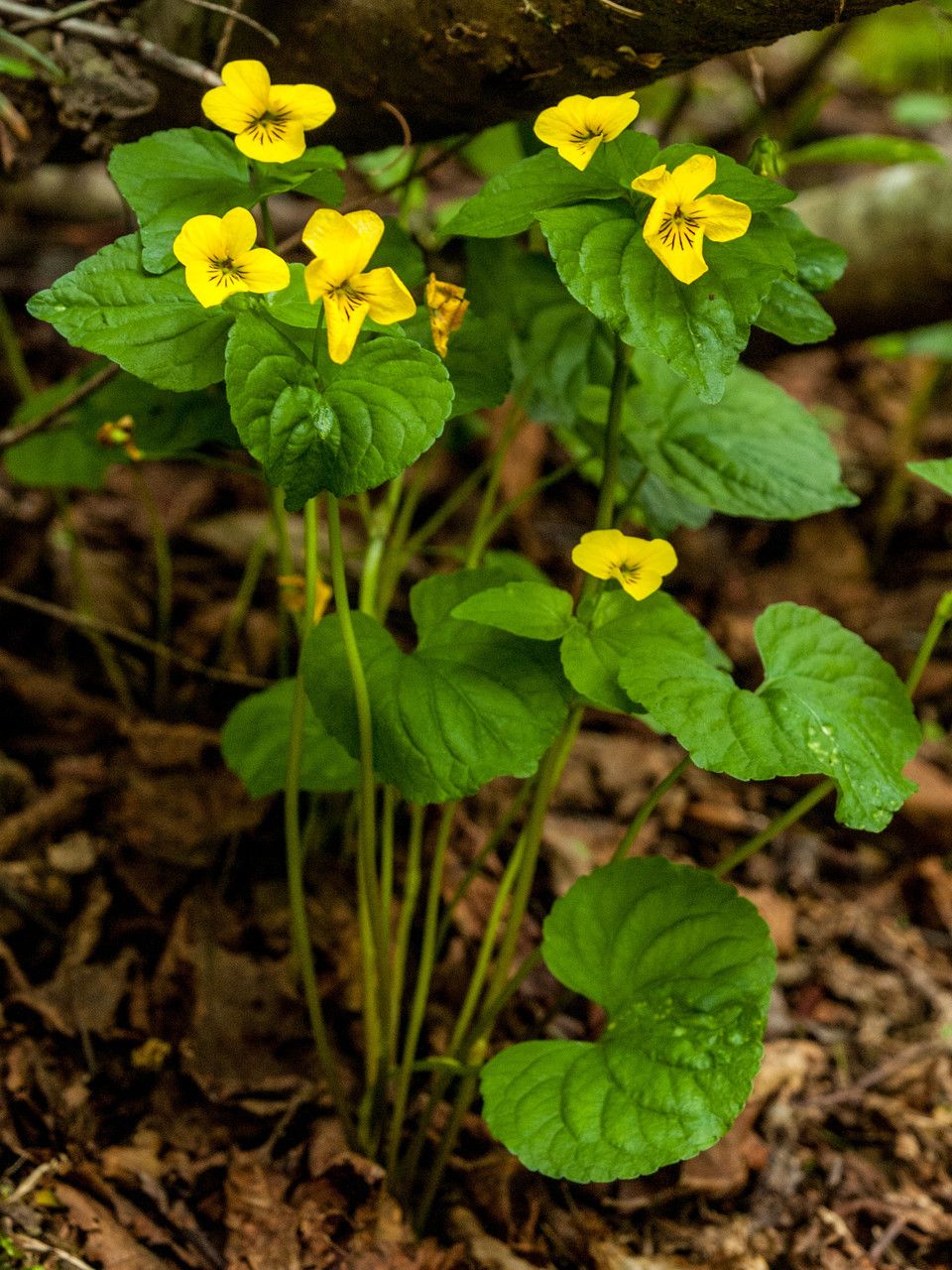
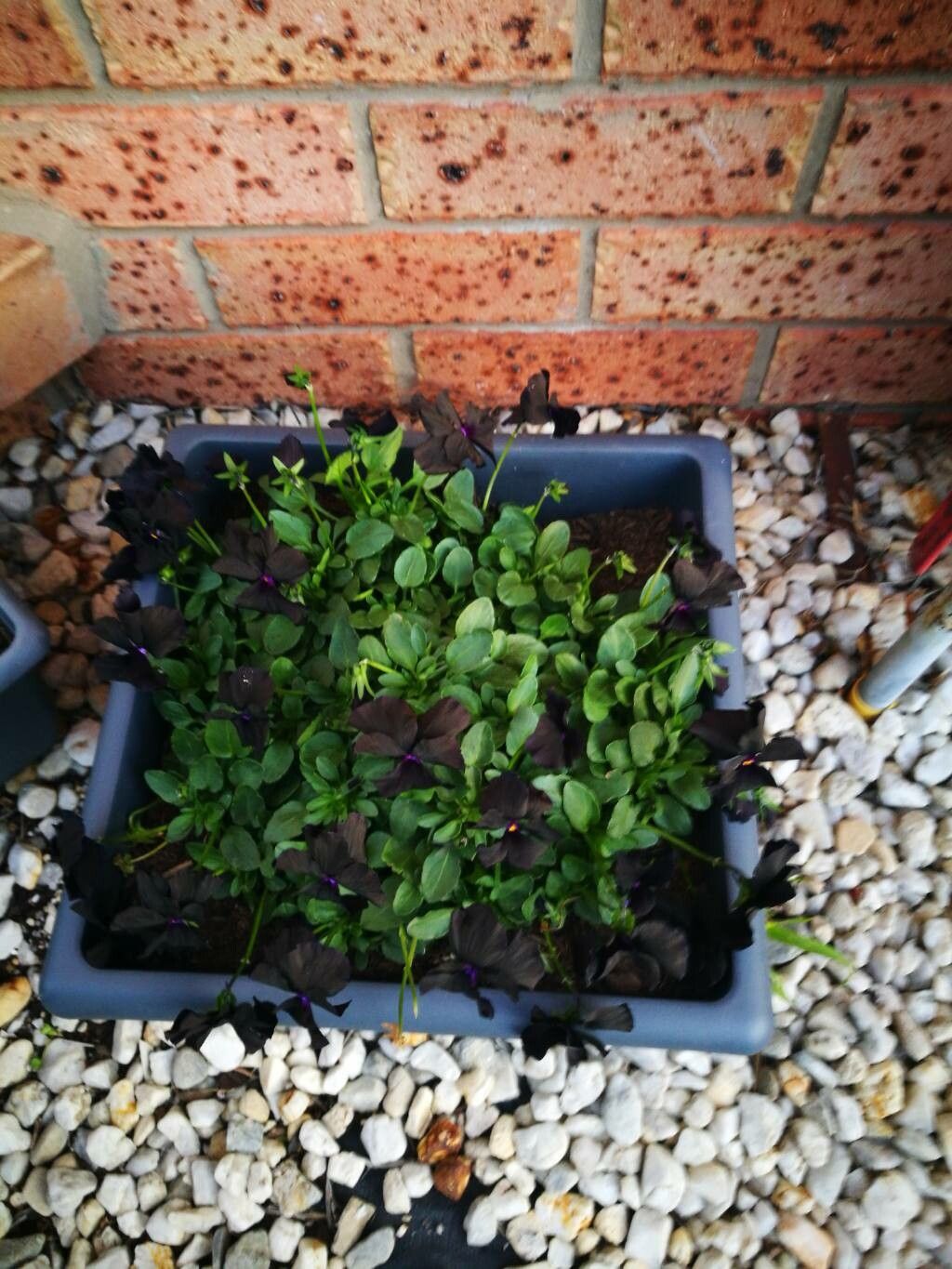
Viola septemloba, commonly known as the seven-lobed violet, is a perennial herbaceous plant belonging to the Violaceae family. Native to North America, this plant thrives in various habitats, including prairies, woodlands, and savannas.
Typically, Viola septemloba grows up to 30 cm in height and features a basal rosette of heart-shaped leaves with seven lobes. Its small flowers, which have five petals, range in color from white to purple-blue and bloom from April through June.
Native American tribes have used Viola septemloba for medicinal purposes, treating ailments such as headaches, coughs, colds, and skin irritations. The plant’s leaves contain compounds like flavonoids, which possess antioxidant properties.
The seven-lobed violet serves as an important food source for many insects, including bees, which pollinate its flowers. It can be grown in gardens or naturalized areas, where it provides attractive ground cover or acts as a border plant.
In summary, Viola septemloba is a beautiful native wildflower with medicinal properties that play a crucial role in supporting local ecosystems by providing food for pollinators like bees. Additionally, it adds aesthetic value to gardens or naturalized areas where it grows.
How to keep Viola Septemloba.
Water
The southern coastal violet thrives in humid forests and mountainous areas, where it needs consistent moisture but cannot tolerate drought. It’s important to avoid overwatering, as this can lead to decay. In gardens, adjust watering according to the weather to prevent the soil from drying out. When growing in pots, water thoroughly whenever the surface of the soil feels dry.
Fertilizer
For southern coastal violets, use slow-release commercial compound fertilizers. During the growth and blooming periods, apply a diluted liquid fertilizer every two weeks. Be sure to consult the product specifications for detailed application instructions.
Pruning
The Southern Coastal Violet is a plant with heart-shaped leaves and delicate flowers. For optimal growth, it requires pruning in early spring after the last frost. To do this, trim any dead stems and lightly shape the plant. This helps improve air circulation and promotes better blooming. Be careful to avoid heavy pruning, as this can stress the plant.
Botanical profile.
Other names.
Reader questions.
What are the sunlight requirements for Southern coastal violet (Viola septemloba)?
The Southern coastal violet (Viola septemloba) requires specific sunlight conditions to thrive. For 'Full sun' exposure, it needs above 6 hours of sunlight daily. In contrast, 'Partial sun' exposure means the plant should receive about 3-6 hours of sunlight. It's important to observe how sunlight shifts throughout your garden throughout the day to ensure you're planting your Southern coastal violet in a spot that offers an ideal balance of light and shade. This careful placement is crucial for the plant's health and happiness.
What is the Southern coastal violet?
The Southern coastal violet, known botanically as Viola septemloba, is a plant species without further provided details on its essentials or symptoms. The information available does not include descriptions of its physical appearance, growing conditions, or any specific features.