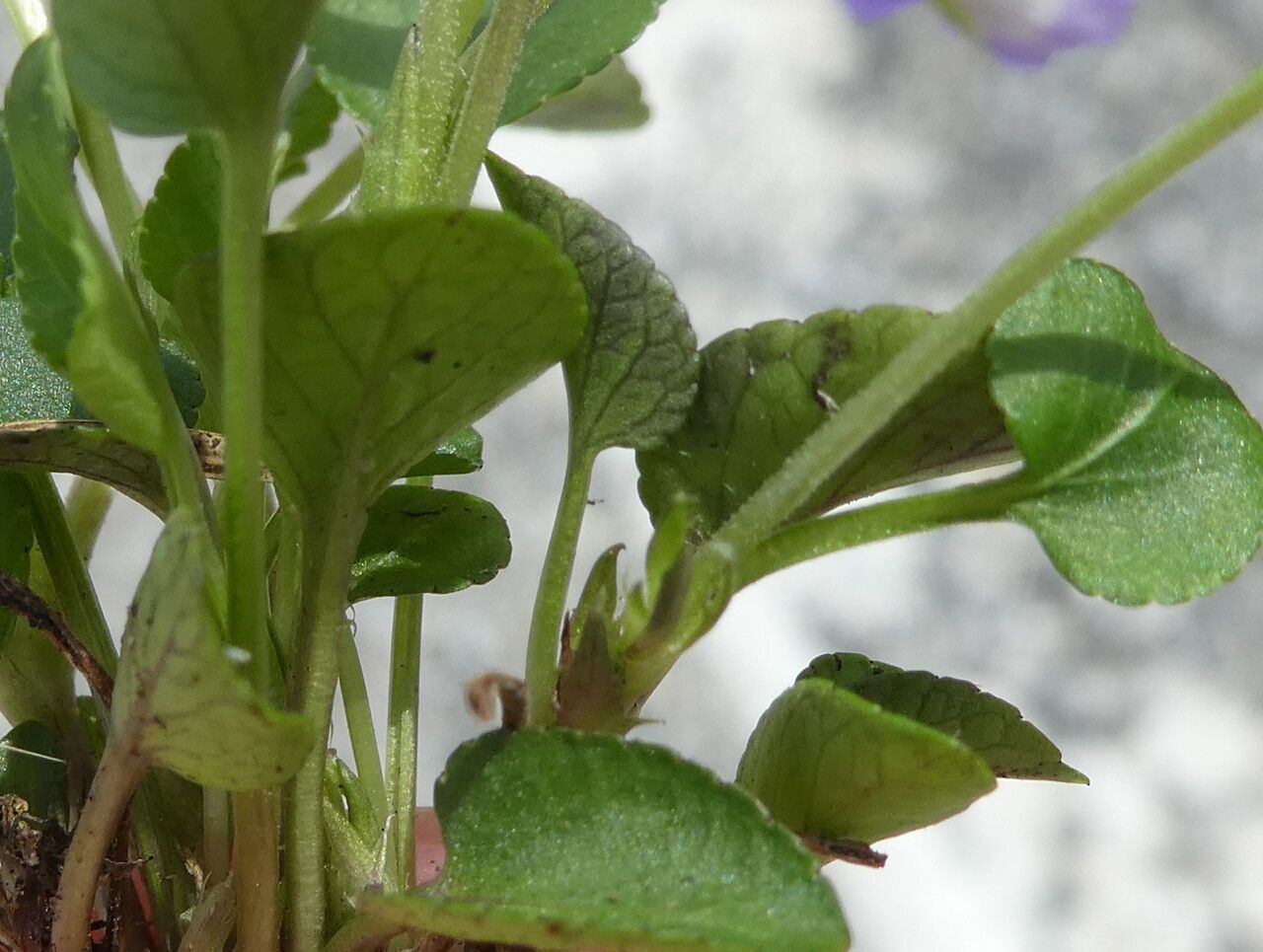
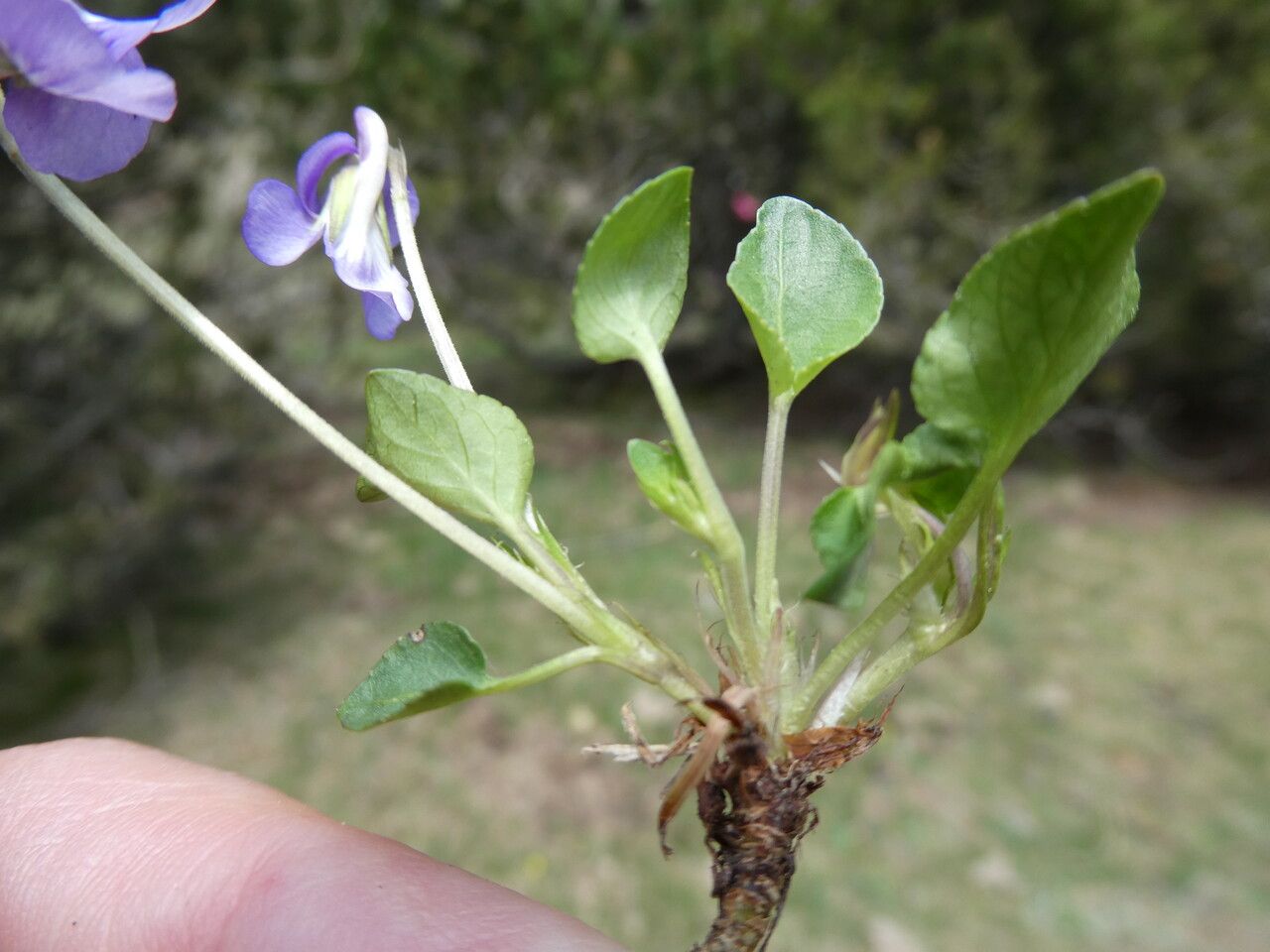
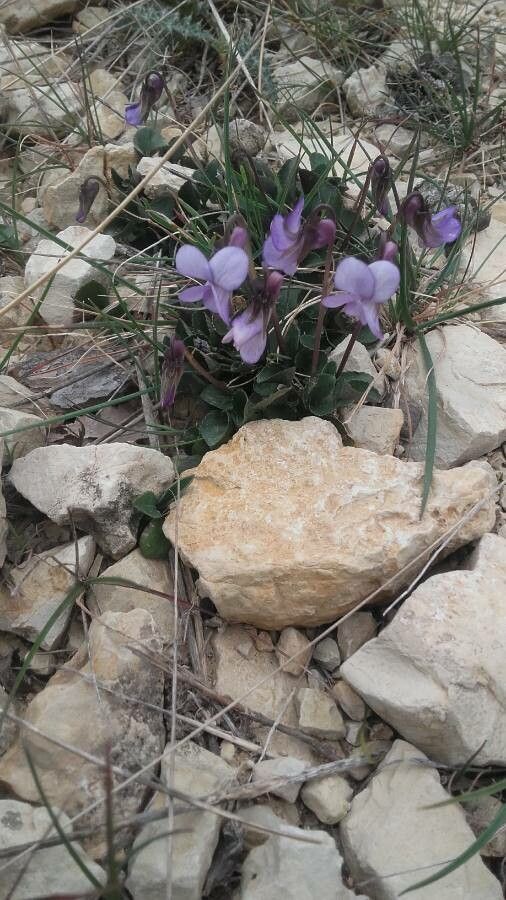
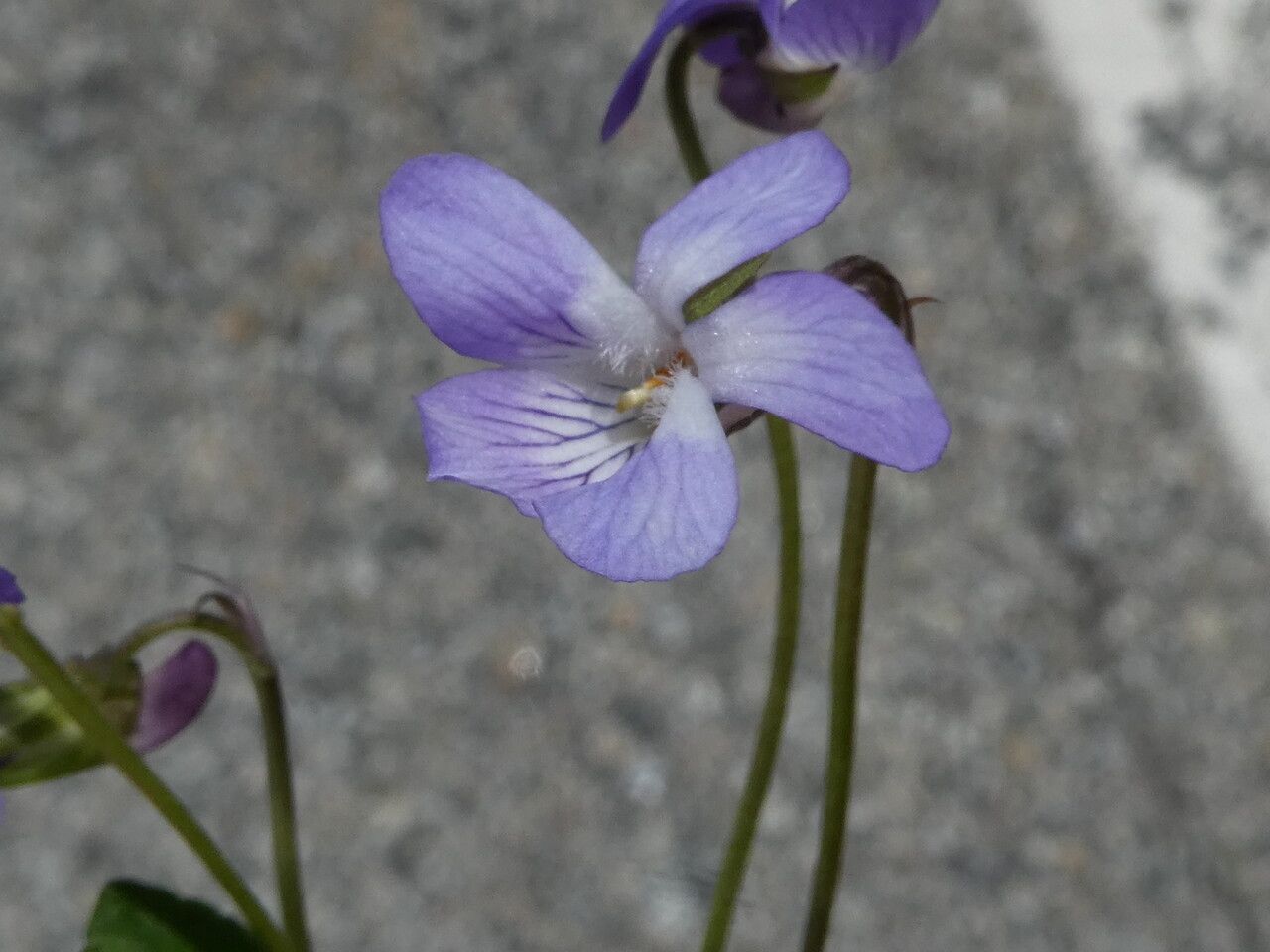
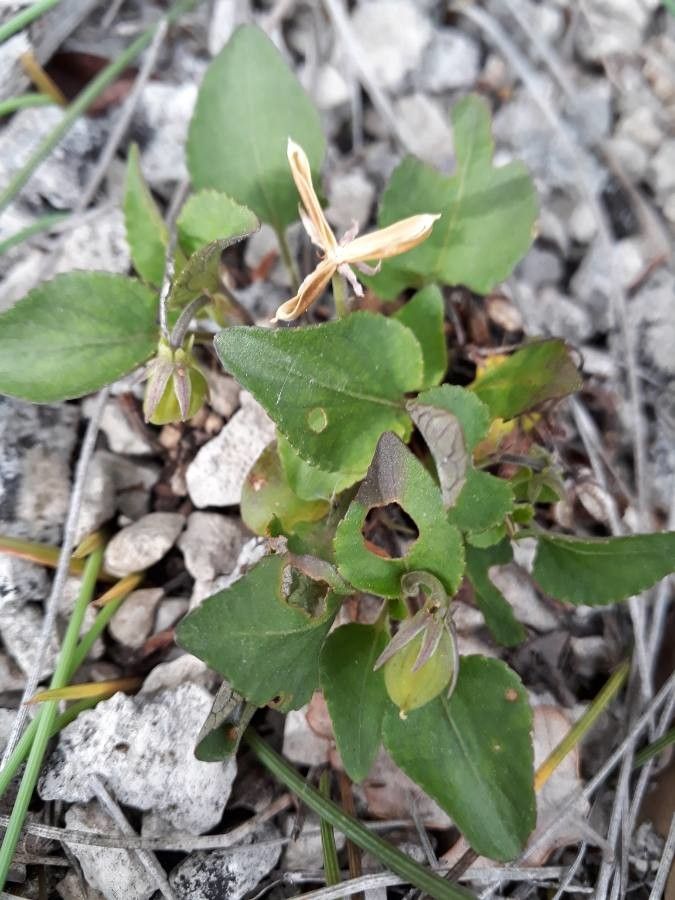
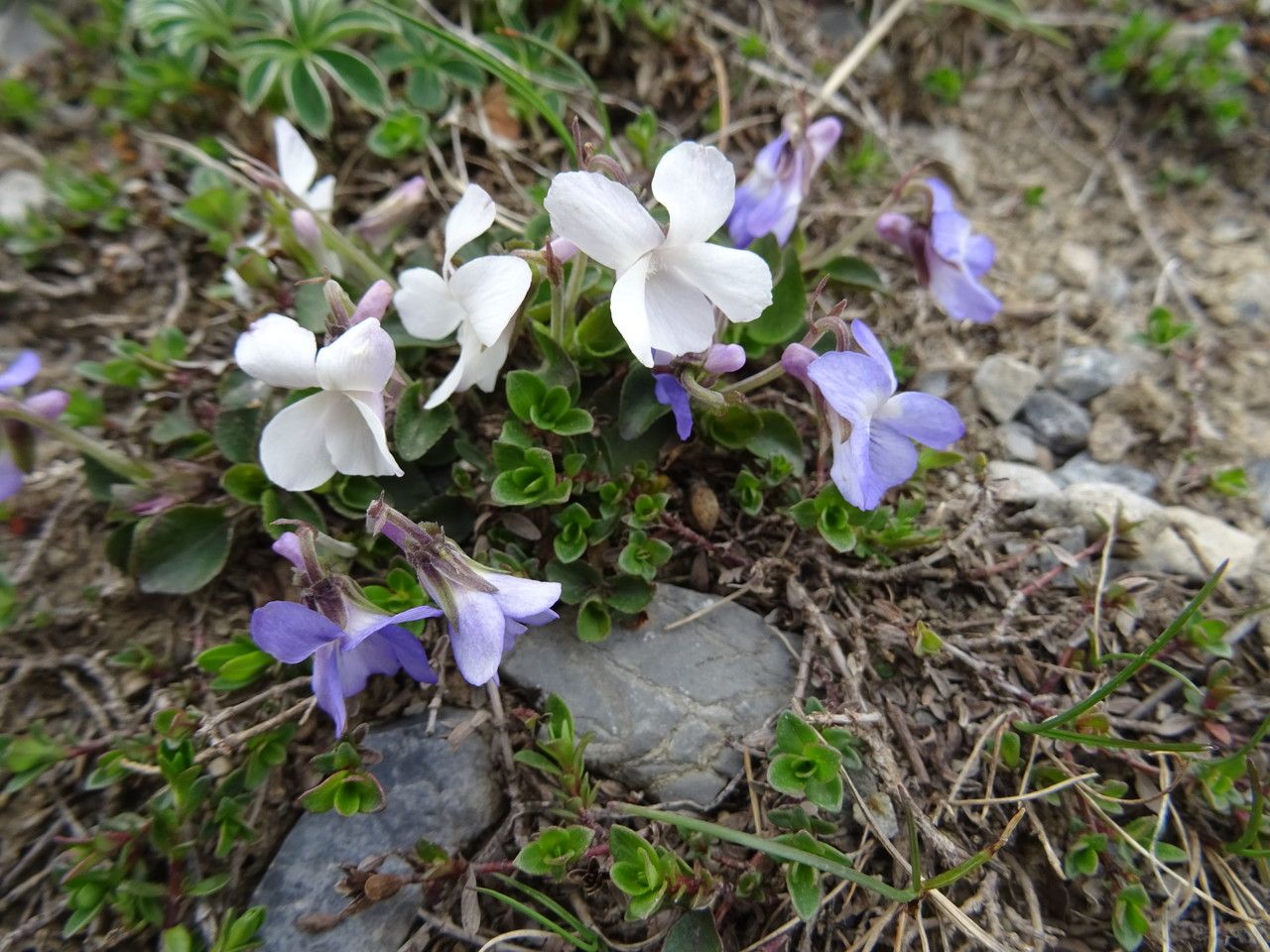
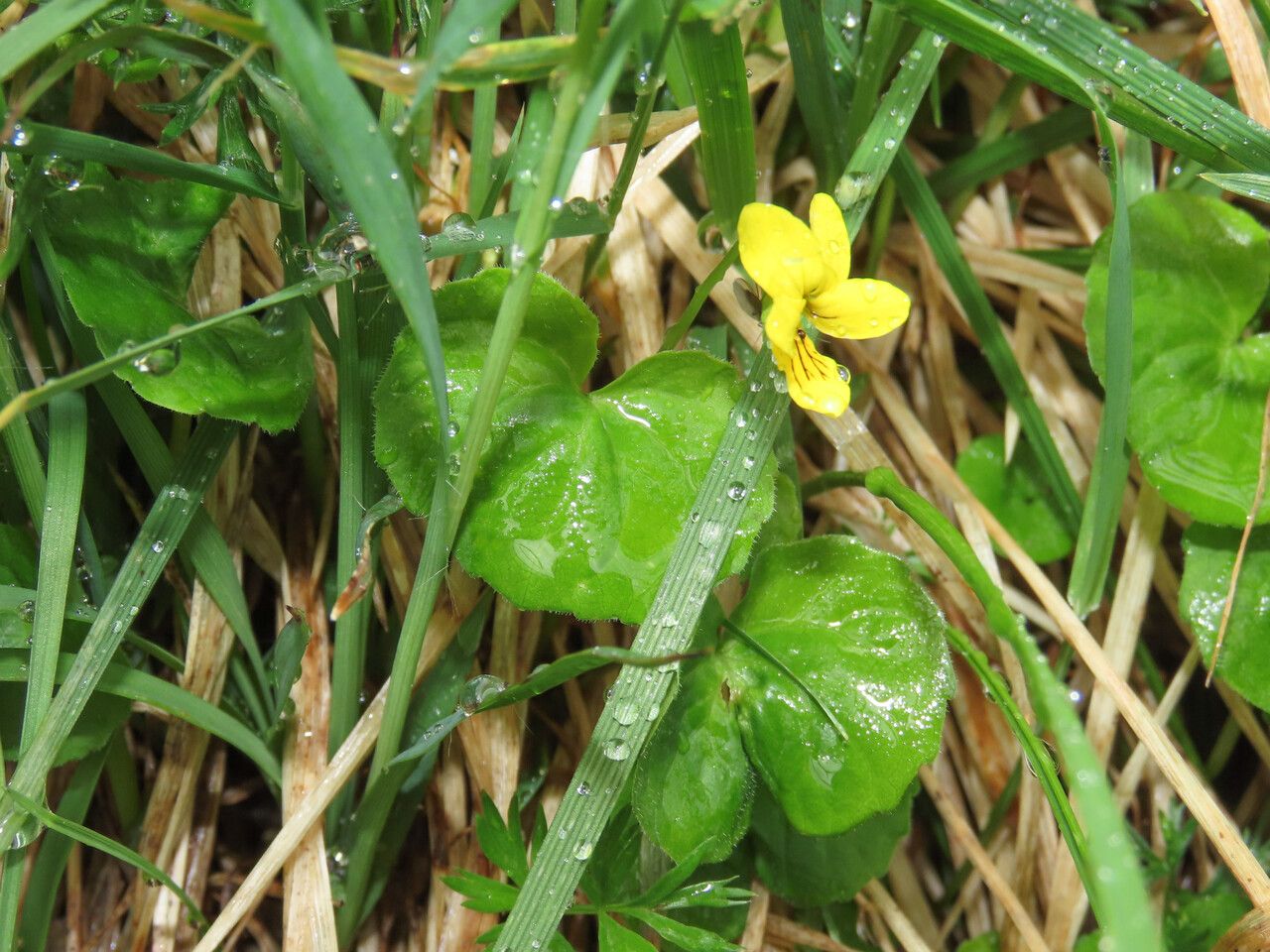
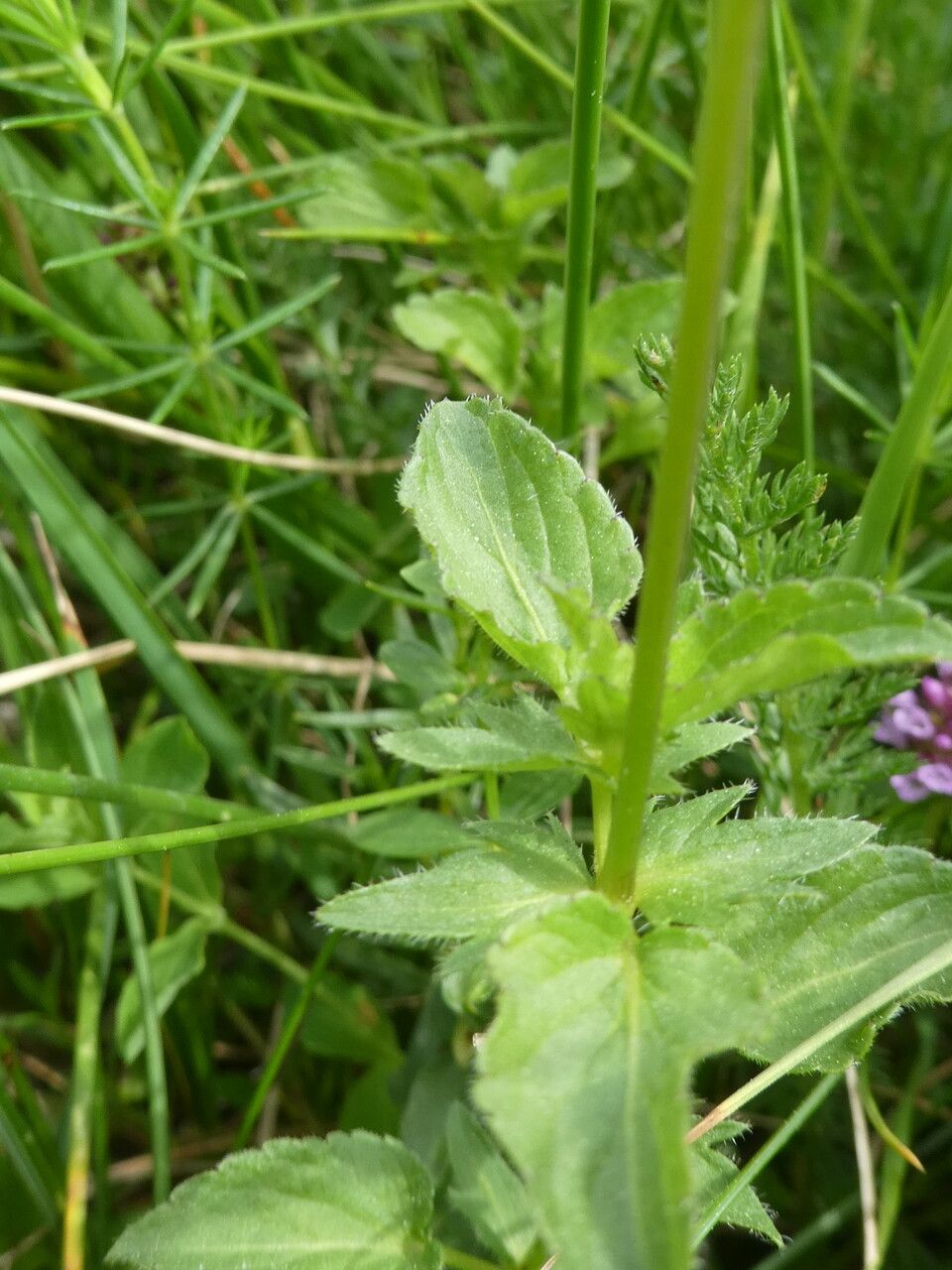
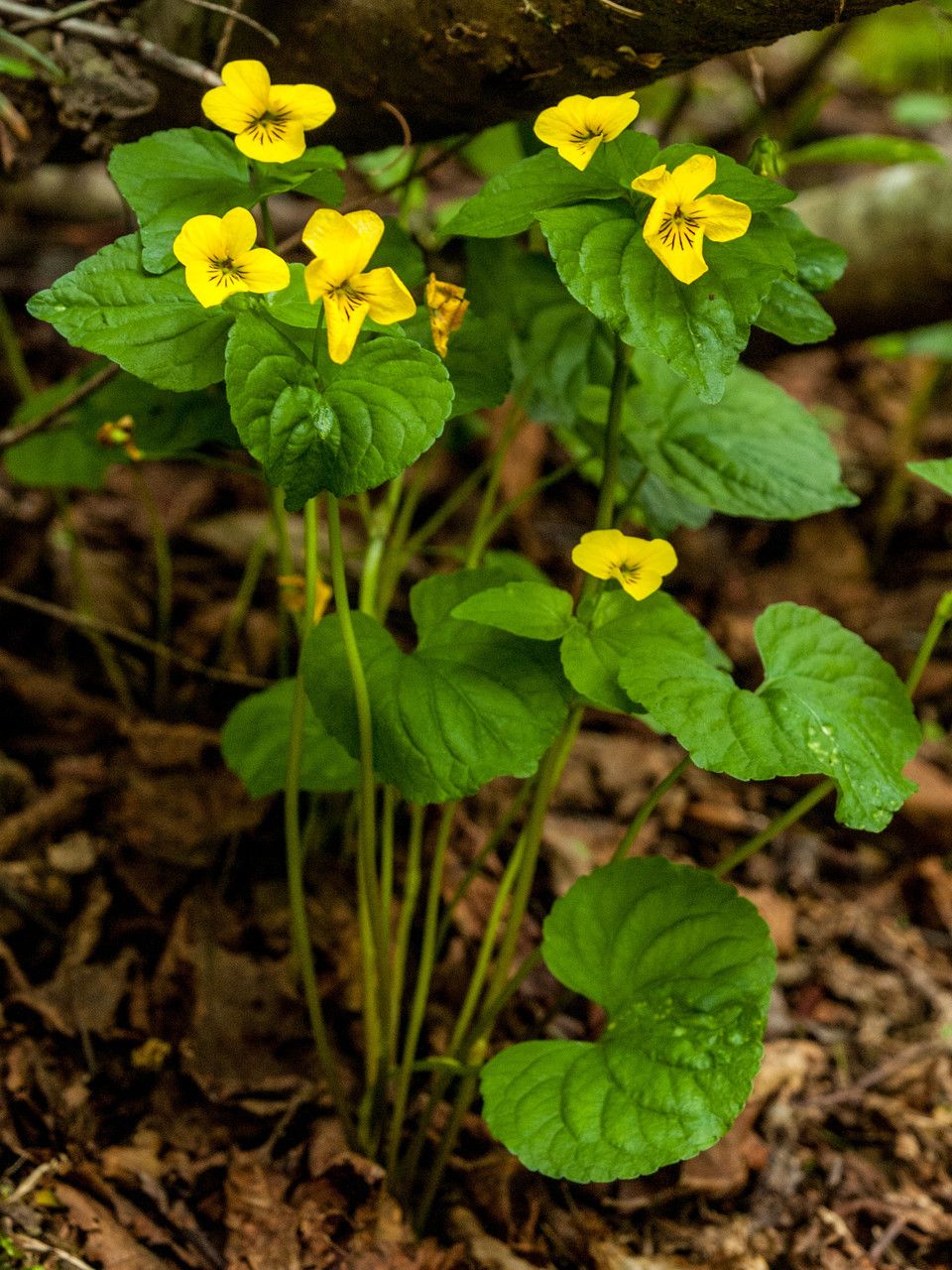
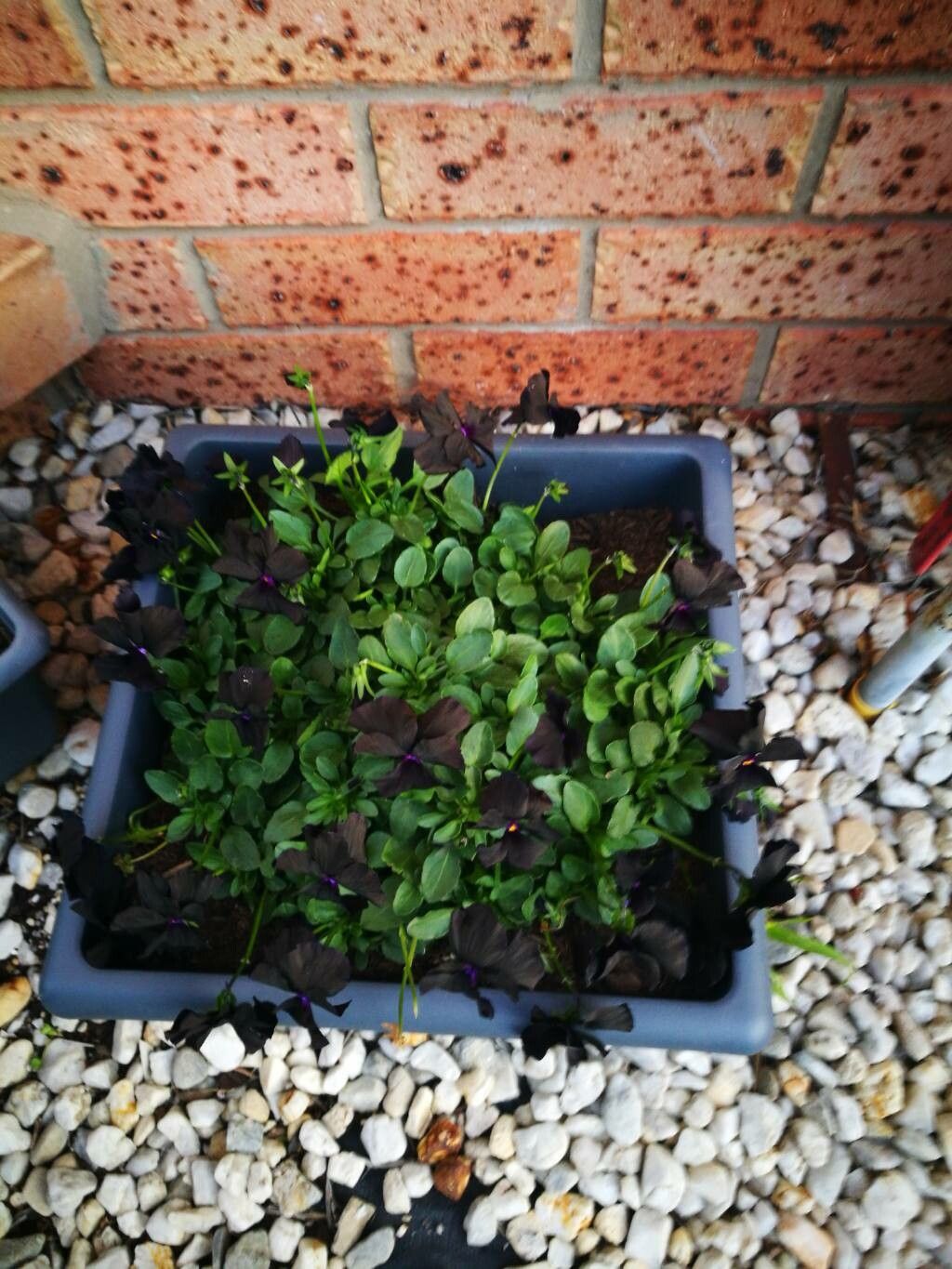
Viola rupestris is a species of flowering plant belonging to the family Violaceae.It is native to Temperate Eurasia.
Teesdale violet is fairly resistant to disease and typically not prone to illnesses. However, it can be vulnerable to pests and diseases present in its environment, though these problems are usually mild. For care, the plant requires moderate maintenance. It should be pruned regularly to maintain a neat appearance and promote healthy growth. Fertilizing can also help encourage flowering. Teesdale violet is appropriate for anyone with outdoor space, like a garden or patio, and does not need extensive care experience. It may need more attention when grown indoors.
How to keep Viola Rupestris.
Light
The Teesdale violet is a sun-loving, herbaceous perennial that comes from open habitats and often thrives in meadows and grasslands. It prefers full sun but can also tolerate partial sun.
Water
The Teesdale violet flourishes in rocky environments, where it effectively retains moisture. While it prefers regular hydration, it can withstand short periods of dryness. For optimal growth, it should be watered weekly. When grown outdoors, it benefits from natural rainfall and cooler temperatures, which help maintain ideal soil moisture levels without causing waterlogging.
Fertilizer
For Teesdale violet, the primary time to fertilize is in early spring while the flowers are forming. The proper fertilizer promotes better blooms and helps Teesdale violet produce attractive flowers. Fertilizing in early spring secures strong flowers through the season and supplies energy for dormant growth phases.
Pruning
The Teesdale violet is known for its compact growth and vibrant violet flowers. To keep the plant healthy and promote blooming, it's important to prune it from early to late spring. This practice encourages new growth and improves air circulation. During pruning, be sure to remove any spent blooms and damaged foliage while maintaining the plant's natural shape to preserve its vitality.
Botanical profile.
- Plant Type
- Herb
- Life Cycle
- Perennial
- Genus
- Viola
- Family
- Violaceae
- Hardiness Zone
- 3-8
- Mature Height
- 2 cm to 10 cm
- Mature Spread
- 10 cm to 15 cm
- Leaf Color
- Green, Dark Green
- Leaf Type
- Semi-evergreen
- Flower Color
- Violet
- Flower Size
- 1.02 cm to 2.03 cm
- Bloom Time
- Spring
- Planting Time
- Spring, Summer
- Harvest Time
- Summer
Other names.
Reader questions.
What are the sunlight requirements for growing Teesdale violet (Viola rupestris)?
Teesdale violet, botanically known as Viola rupestris, thrives in specific lighting conditions to ensure its health and happiness. For 'Full sun' exposure, it requires above 6 hours of sunlight daily. Those with 'Partial sun' conditions provide about 3-6 hours of sunlight. It's important to observe the movement of sunlight through your garden carefully, selecting spots that offer the ideal mixture of light and shade suitable for your Teesdale violets.