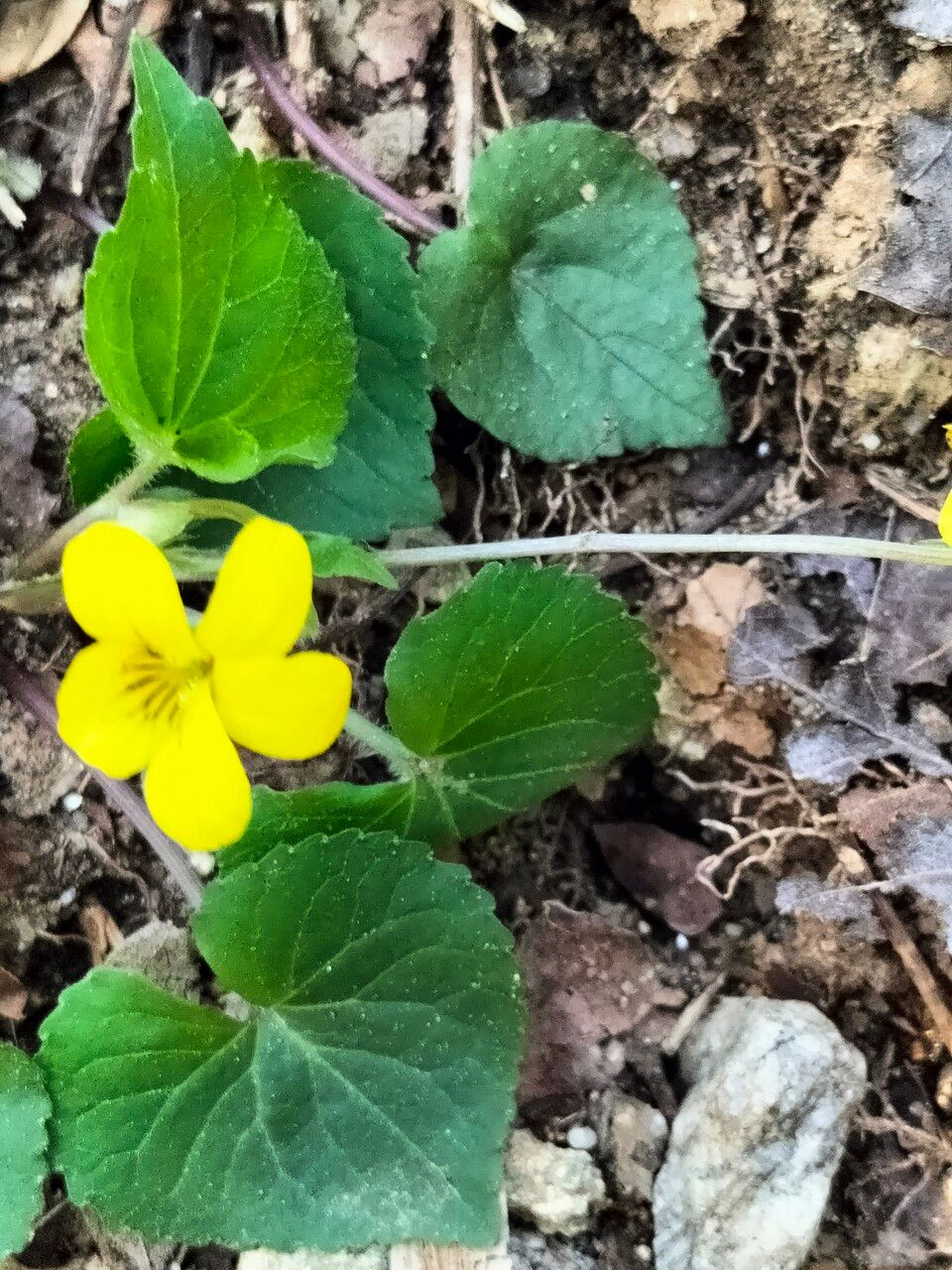
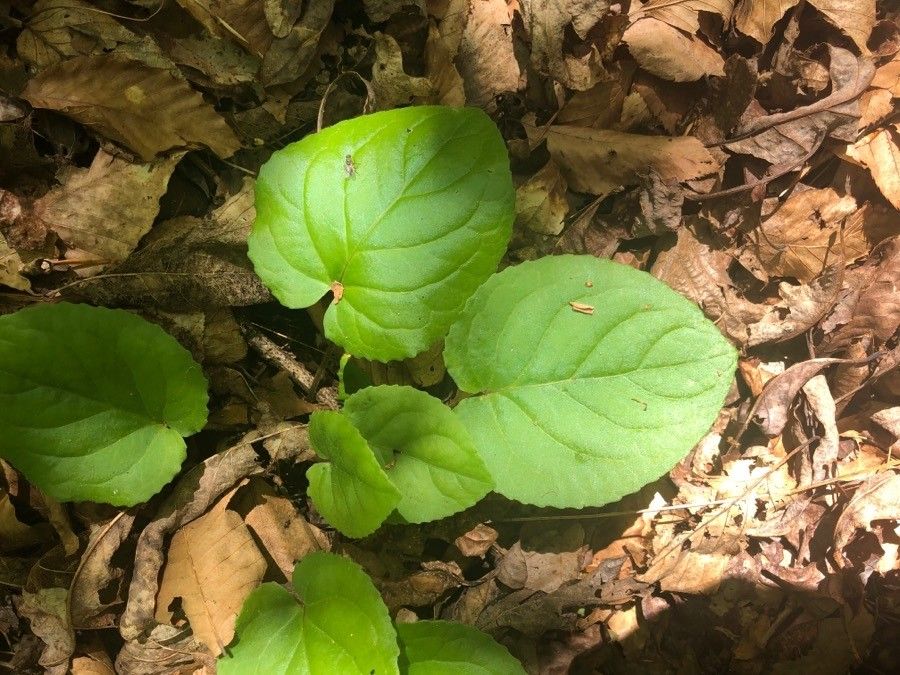
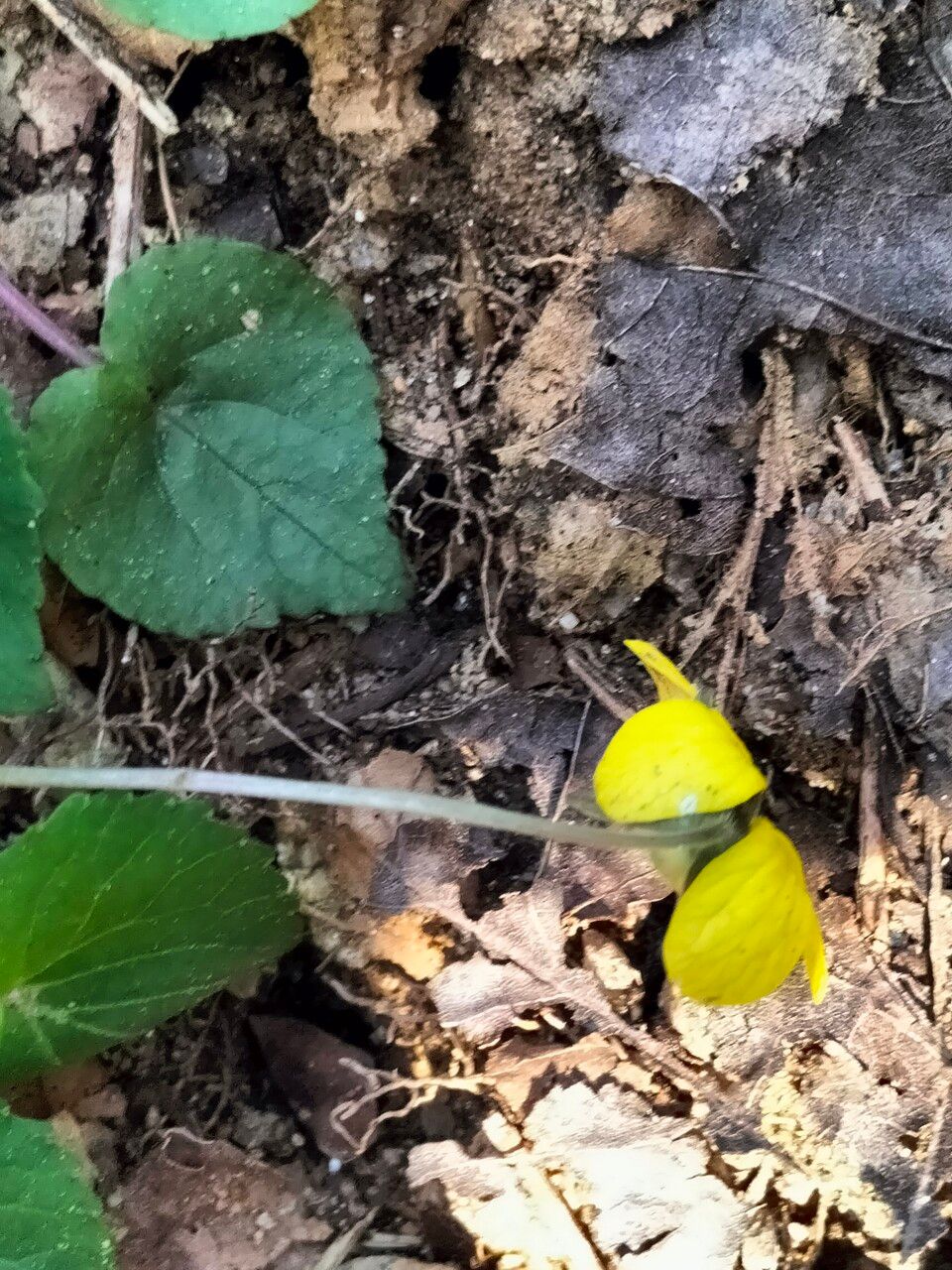
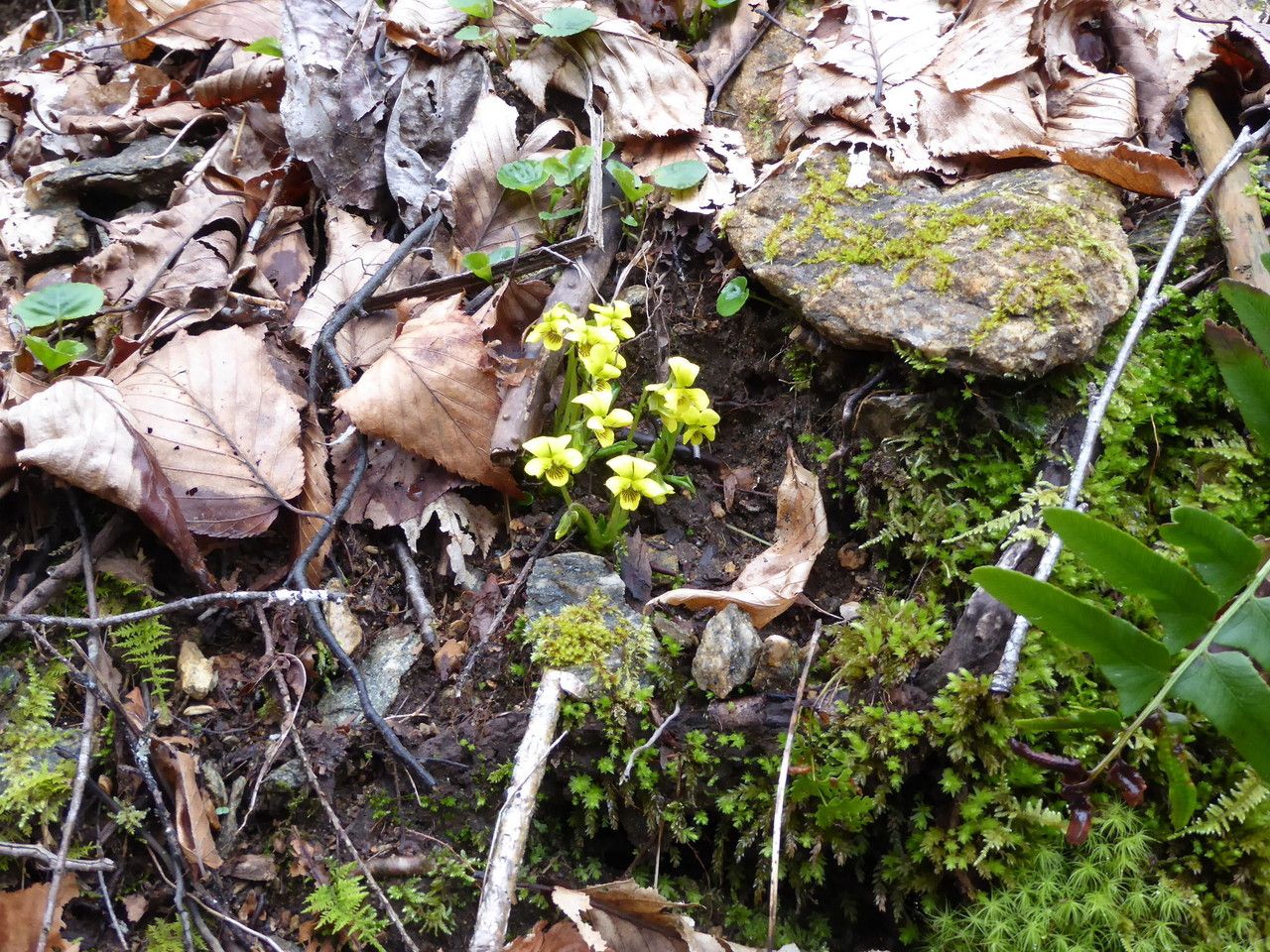
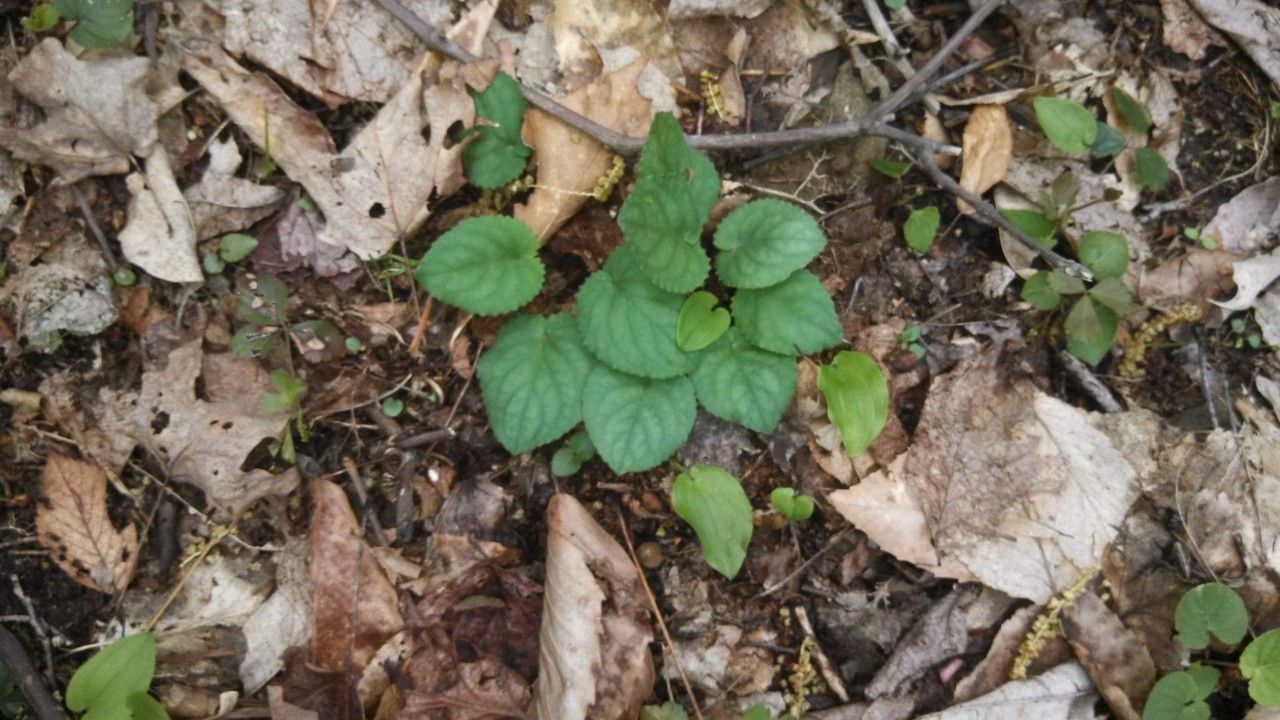
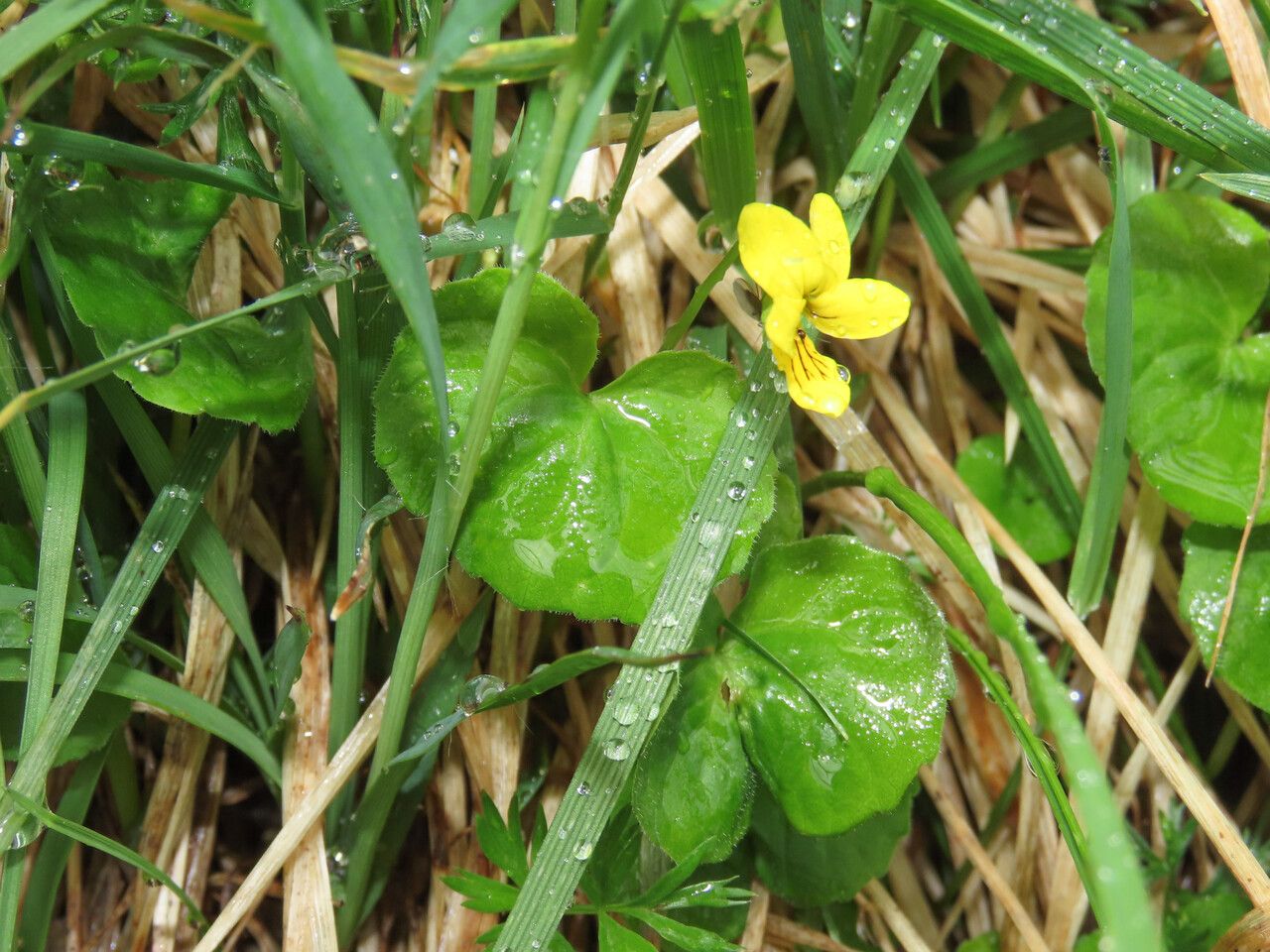
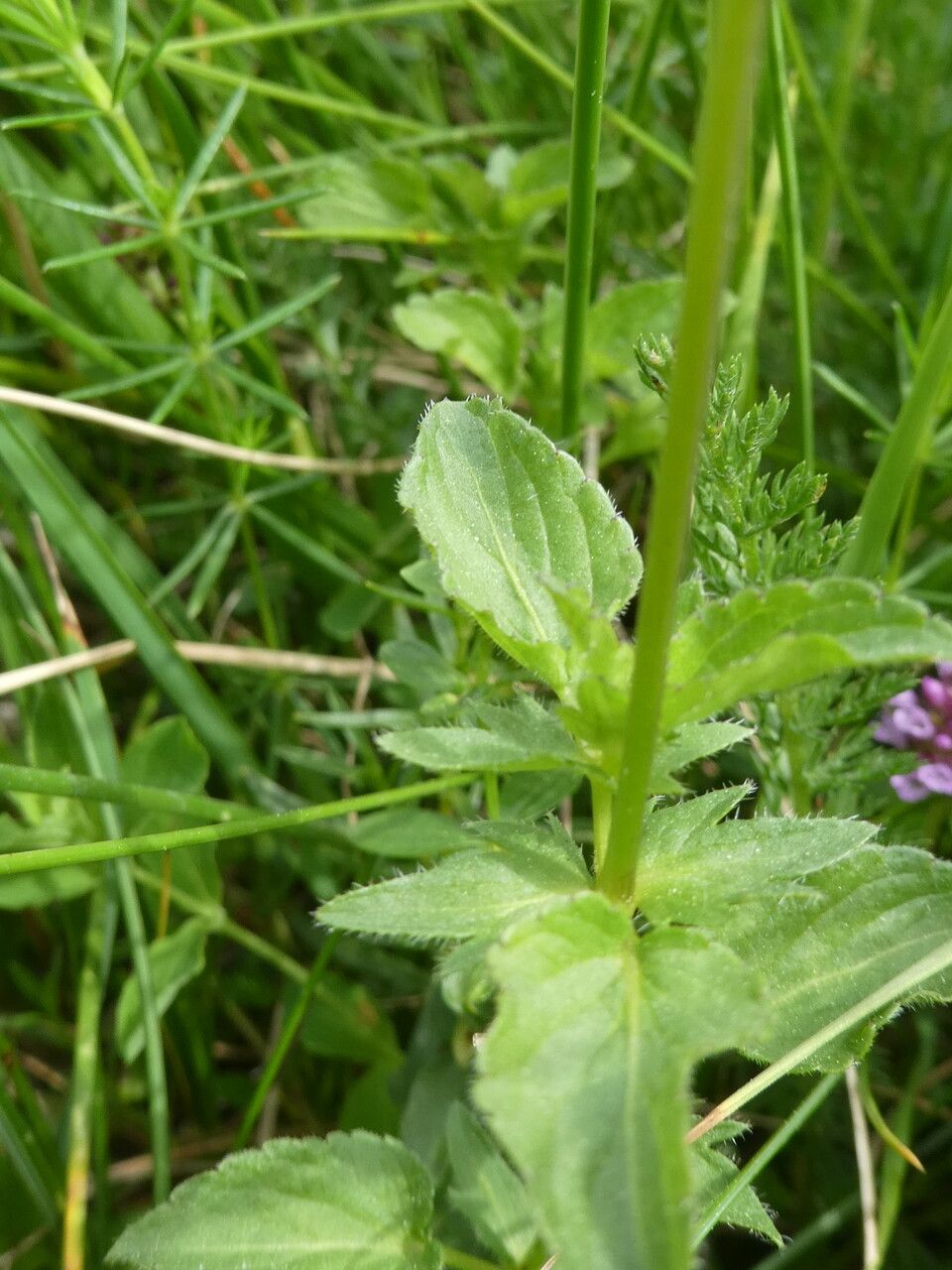
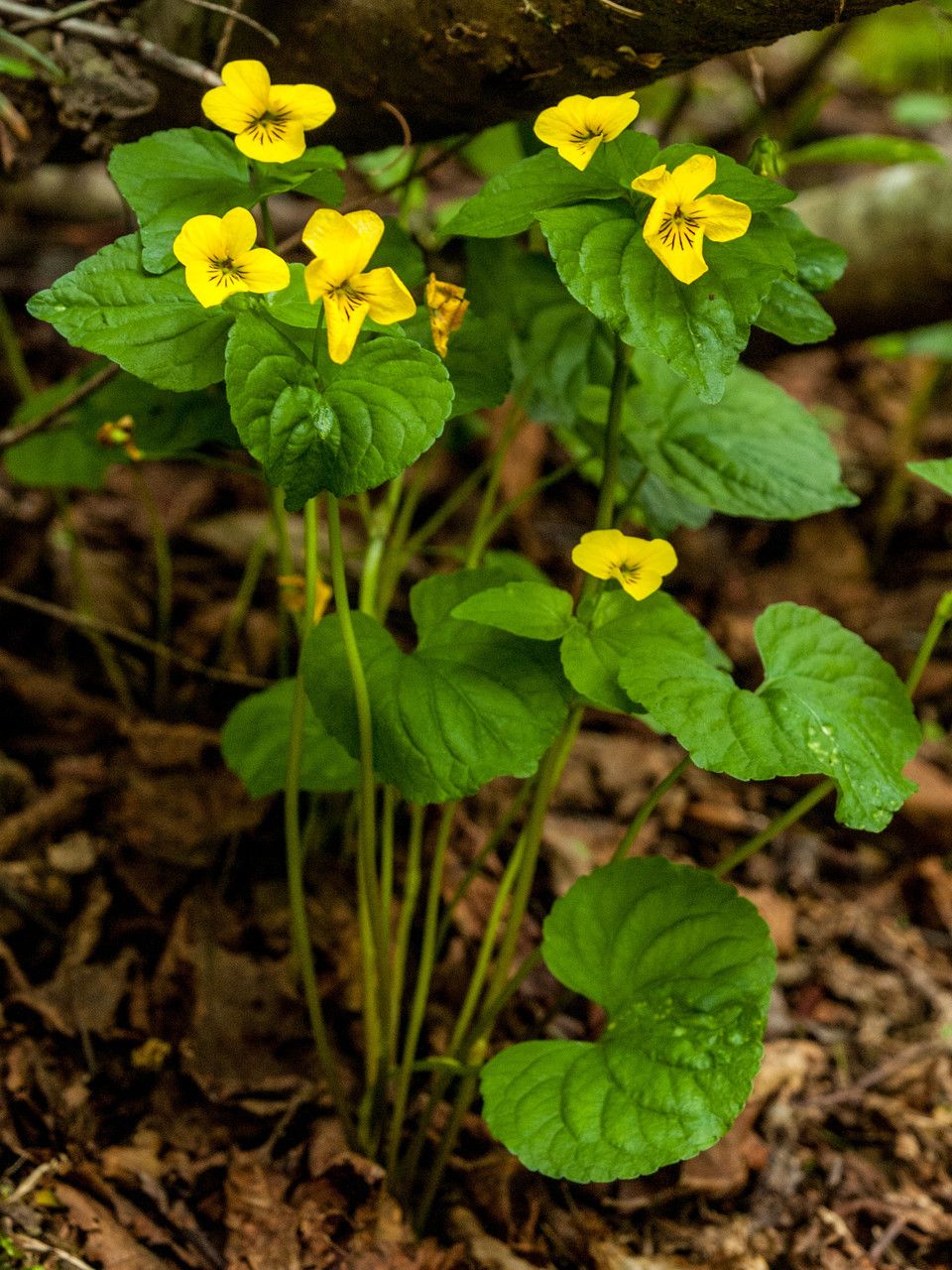
Viola rotundifolia, common name roundleaf yellow violet, is a plant species of the genus Viola. It is found in mesic habitat areas of the eastern United States and Canada; from Tennessee and Kentucky south to Georgia. It grows 2 to 4 inches tall with leaves and flowers on separate stalks.
Roundleaf yellow violet has strong disease resistance and is usually not liable to illness. However, it can be affected by pests and diseases present in its environment. Such infections are typically mild. For care, this plant requires moderate maintenance. It should be pruned regularly to keep a neat appearance and healthy growth. Fertilizing can also encourage flowering. Roundleaf yellow violet is appropriate for anyone with an outdoor area, such as a garden or patio, and does not need extensive plant-care experience. It may demand more attention when grown indoors.
How to keep Viola Rotundifolia.
Light
Roundleaf yellow violet prefers settings with reduced light and does poorly when subjected to prolonged bright exposure. Forest-edge habitats with shading canopies mirror the conditions of its native environment. Changes in light intensity can strongly impact its growth, leading to poor health or even death.
Water
The Roundleaf Yellow Violet flourishes in moist deciduous forests, where it prefers evenly moist soil and possesses moderate drought tolerance once established. To maintain proper moisture levels, it should be watered weekly. Mulching can also be very beneficial, as it helps retain soil moisture and mimics the leaf litter found in its native habitat, supporting optimal growth.
Temperature
Roundleaf yellow violet comes from temperate habitats with temperatures ranging from 32 to 90 °F (0 to 32 ℃). It prefers cooler conditions and should be moved to a shaded spot during hotter seasons to maintain that preference.
Fertilizer
The best time to fertilize a Roundleaf yellow violet is in early spring, as it comes out of dormancy and starts active growth. Fertilization supplies essential nutrients for healthy development. Although the Roundleaf yellow violet has fairly low nutrient needs, giving it fertilizer once a year can improve its survival and produce better, longer-lasting flowers.
Pruning
The roundleaf yellow violet features round leaves and yellow flowers. It requires minimal pruning, mainly after its late spring blooms. Regular light pruning can promote growth and enhance flowering, while also helping to prevent disease by improving airflow. However, heavy pruning should be avoided, as this plant is delicate. (Source: American Horticultural Society)
Botanical profile.
- Plant Type
- Herb
- Life Cycle
- Perennial
- Genus
- Viola
- Family
- Violaceae
- Hardiness Zone
- 3-7
- Mature Height
- 6 cm to 15 cm
- Mature Spread
- 10 cm to 20 cm
- Leaf Color
- Green, Blue
- Leaf Type
- Semi-evergreen
- Flower Color
- Yellow
- Flower Size
- 2.54 cm
- Bloom Time
- Early spring, Mid spring
- Planting Time
- Spring
- Harvest Time
- Late spring, Early summer
Other names.
Reader questions.
How should I water my Roundleaf yellow violet?
When watering the Roundleaf yellow violet, it is important to use filtered water at room temperature. Tap water may contain harmful particles for this plant. Additionally, the water should be at room temperature or slightly warmer to avoid shocking the plant, which is used to a warm environment. Avoid overhead watering as it can cause foliage issues. Instead, slowly apply filtered room temperature water to thoroughly soak the soil. This helps moisten the roots and allows them to spread and collect nutrients effectively.
What are the sunlight requirements for Roundleaf yellow violet?
Roundleaf yellow violet thrives under specific sunlight conditions, which include full shade, where it receives less than 3 hours of sunlight, and partial sun, with about 3-6 hours of sunlight exposure. It is crucial to monitor how sunlight moves through your garden throughout the day to select spots that provide a balanced environment of light and shade, ensuring the well-being of your plants. This mindful placement mimics the plant's natural habitat and promotes its health and growth.
What is the native climate for Roundleaf yellow violet?
Roundleaf yellow violet, also known by its botanical name Viola rotundifolia, is native to temperate environments where the temperature ranges from 32 to 90 °F (0 to 32 °C). It flourishes in cooler climates and prefers to be situated in shady spots during the hotter seasons to maintain its cool temperature preference.
What should I do if I give my Roundleaf yellow violet too much or too little water?
Overwatering is a more common issue and can cause wilting, yellowing, and diseases like root rot, mold, and mildew, which can be fatal for your Roundleaf yellow violet. Underwatering is less common but can lead to brittle, brown leaves. To prevent overwatering, look for early signs and reduce watering immediately. Replace poorly draining soil with a loose and well-draining potting mix. For underwatering, increase watering until signs of dehydration subside.
How does artificial lighting benefit Roundleaf yellow violet indoors?
When natural sunlight is insufficient, especially during winter or in areas of your home that do not receive enough sunlight, artificial lighting can significantly benefit Roundleaf yellow violet. Adequate lighting is essential for optimal growth. For instance, LED lights are favorable due to their adaptability in providing necessary wavelengths of light. Depending on the type of plant, the artificial light intensity should vary: full sun plants require 30-50W/sq ft, partial sun plants need 20-30W/sq ft, and full shade plants need 10-20W/sq ft. The light source should be placed 12-36 inches above the plant for 8-12 hours per day to simulate natural daylight hours, encouraging healthier and robust growth.
How does Roundleaf yellow violet handle cold temperatures and winter?
The Roundleaf yellow violet is highly tolerant of cold temperatures and doesn't require additional frost protection measures during winter. To prepare it for the winter months, it's recommended to water the plant generously before the first freeze in autumn. This ensures the soil is moist when it freezes, helping to prevent drought and water scarcity for the plant during the winter and early spring.
How frequently do I need to water my Roundleaf yellow violet?
If your Roundleaf yellow violet is in a pot, the most precise way to determine if it needs water is by checking the moisture level in the soil. Simply plunge your finger into the soil and if you find that the top two to three inches are dry, it's time to water. If you have planted your Roundleaf yellow violet outdoors in the ground, you can also use this method to test the soil. When the top few inches of soil have dried out, it's a sign that it needs to be watered. Typically, during the spring and early fall, you may need to water this plant about once a week using this method. However, in extremely hot weather, you may need to increase the frequency to about twice or more per week. It's worth noting that mature and well-established Roundleaf yellow violets have a remarkable ability to withstand drought.
What symptoms indicate insufficient light in Roundleaf yellow violet when grown indoors?
Roundleaf yellow violet may show various symptoms if it receives inadequate light indoors. These include the presence of smaller leaves than usual, leggy or sparse growth, leading to a thin and stretched appearance of the plant, premature leaf drop to conserve resources, and delayed or halted growth. Additionally, new leaves may develop irregular color patterns or appear pale, indicating a lack of chlorophyll and essential nutrients. Insufficient sunlight also exposes the plant to risks like chlorosis (where leaves lose their green color), sunscald, leaf curling as a defense mechanism against excessive sunlight, wilting from increased water loss, and leaf scorching, characterized by brown, dry edges on leaves.
What should I do if the winter temperature drops below -35°C?
Though Roundleaf yellow violet is extremely cold-tolerant, winter temperatures should ideally be kept above -35°C. If temperatures fall below this level, the plant might not show immediate changes during the winter but could experience reduced sprouting or fail to sprout at all come spring. In such cases, it's advised to remove any parts of the plant that have failed to sprout in the spring.
How much water does my Roundleaf yellow violet require?
When watering your Roundleaf yellow violet, don't be afraid to give it a good amount of water. Make sure the first two to three inches of soil are dry before watering. Water thoroughly enough to soak the soil completely, allowing excess water to drain through the holes at the bottom of the pot. If you don't see excess water draining, you may have underwatered the plant. On the other hand, be cautious not to let water collect in the soil, as this can harm the plant. If water isn't draining properly, it could indicate poor soil drainage, which is harmful to the plant's health and should be avoided. If the plant is outside, one inch of rain per week is enough.
What are the solutions for addressing insufficient light for Roundleaf yellow violet?
To address insufficient light conditions for Roundleaf yellow violet, consider moving the plant to a spot where it can receive ample filtered light, including brief direct morning sunlight, ideally 1-2 meters away from a window. If the plant is large or not easily movable, using artificial light such as a desk or ceiling lamp for at least 8 hours a day or professional plant grow lights can provide sufficient light. Outdoors, gradually acclimatize your plant to sunnier conditions to prevent sunburn. If the environment blocks too much sunlight, consider pruning obstructions or transplanting smaller plants during their dormant period to areas with better sunlight and drainage. It's important to note that while affected parts may not recover, new growth can be healthy with improved light exposure.
How does Roundleaf yellow violet react to high temperatures?
Roundleaf yellow violet struggles with high temperatures. When temperatures exceed 32°C, the plant's growth will halt, and it becomes more prone to rot. To counteract damage from high temperatures, you should trim away any sunburned or dried-up parts. Additionally, relocating the plant to a shaded area or utilizing a shade cloth to protect it from midday and afternoon sun can be beneficial. Ensuring the soil remains moist by watering the plant in the morning and evening is also crucial.