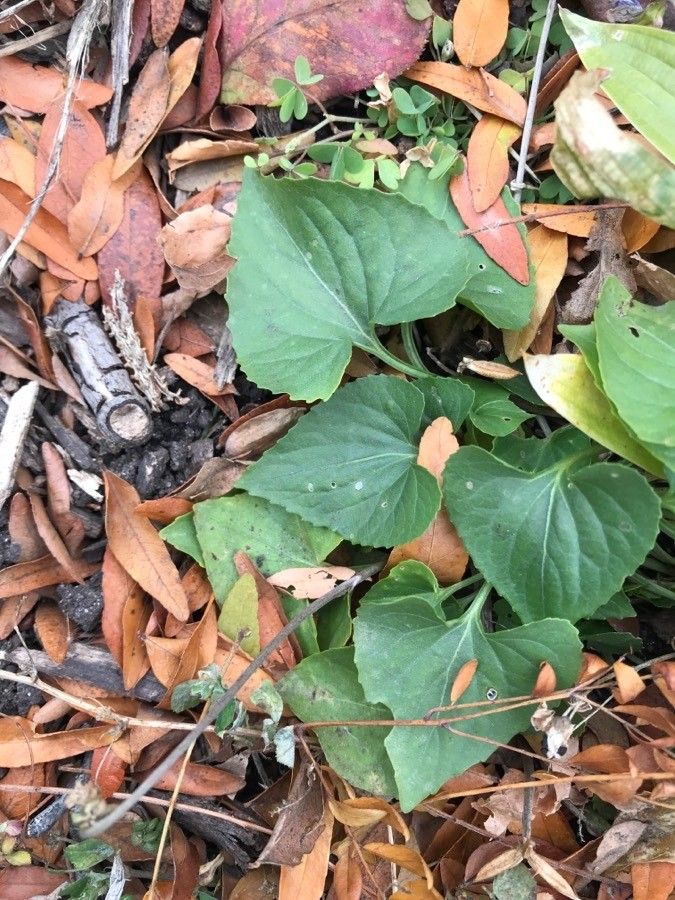
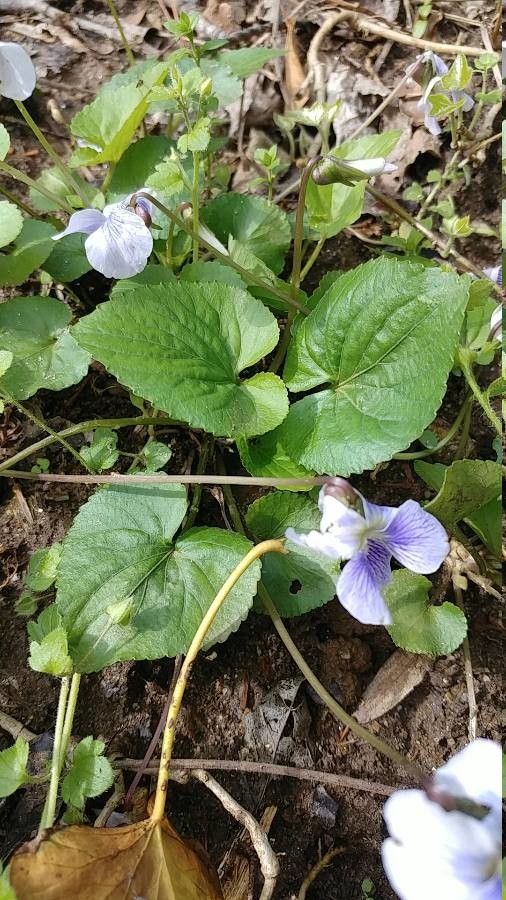
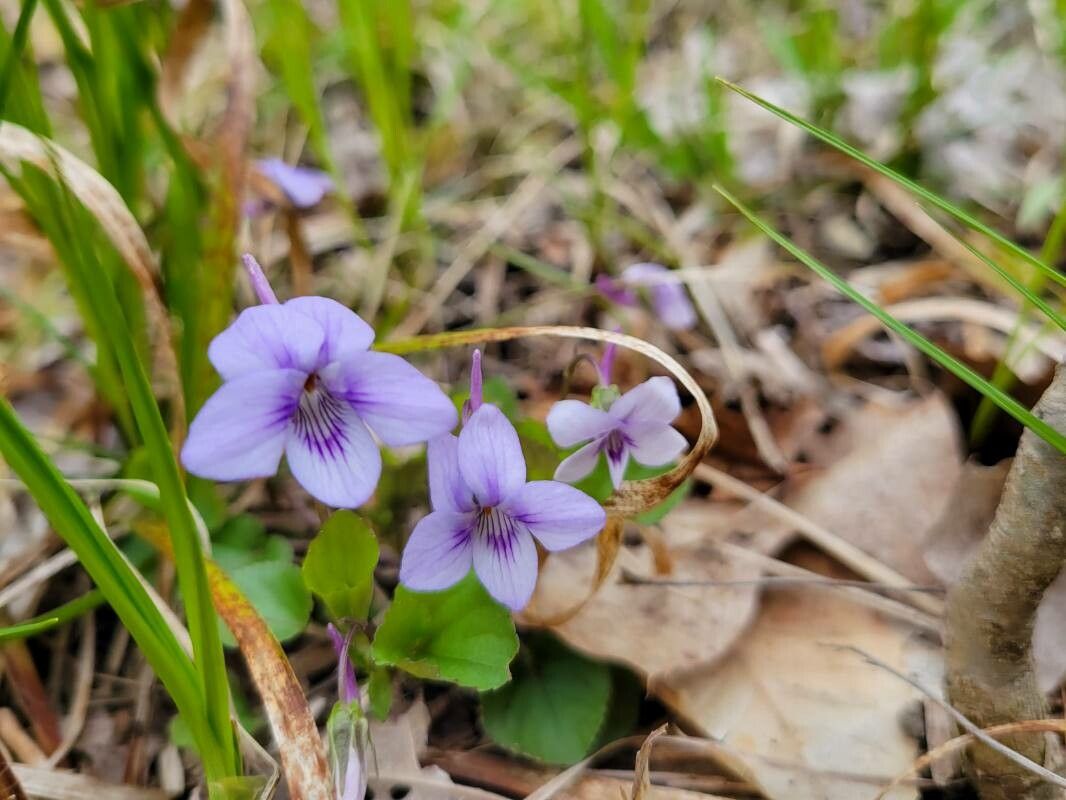
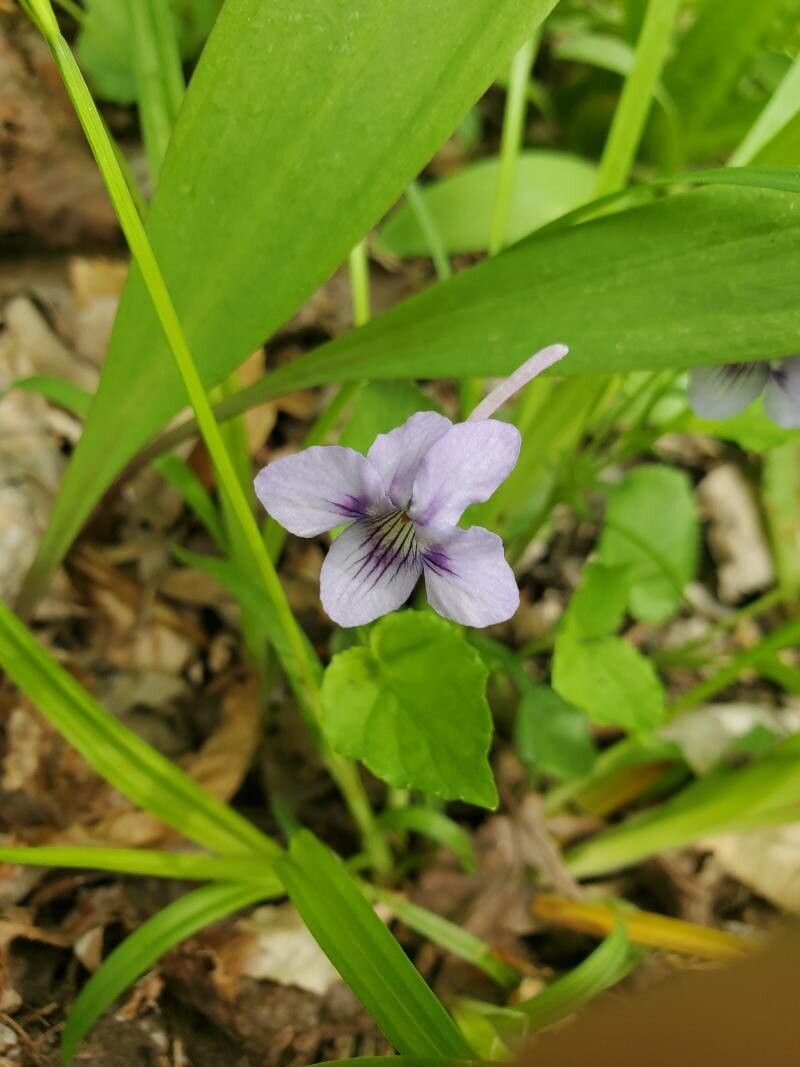
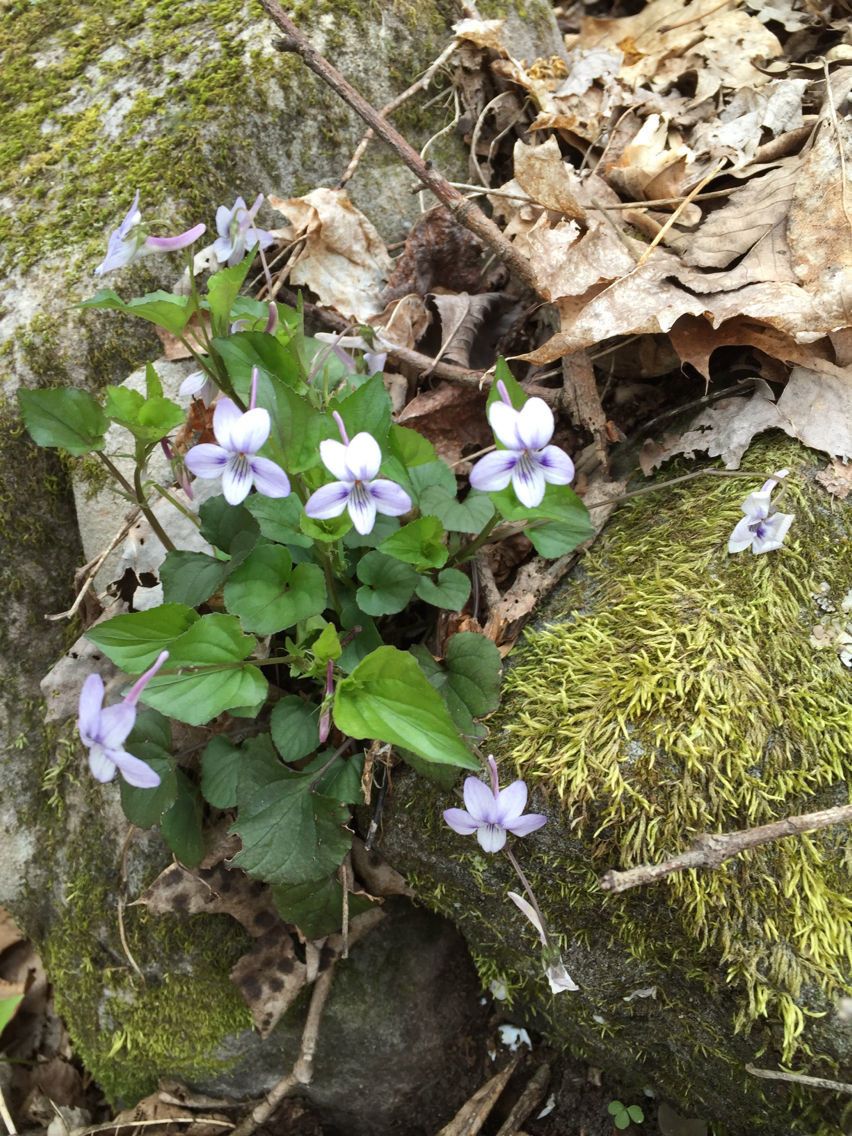
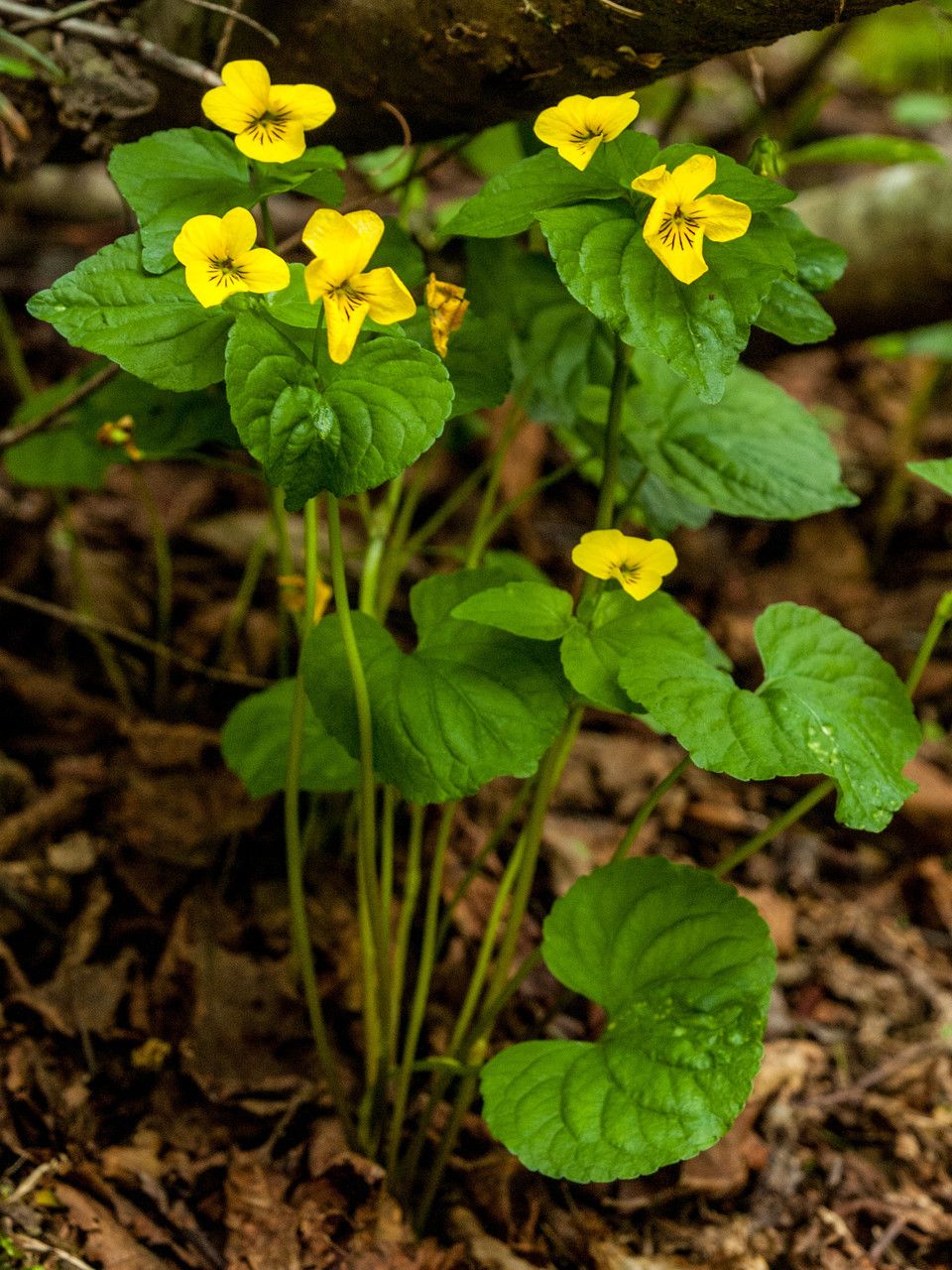
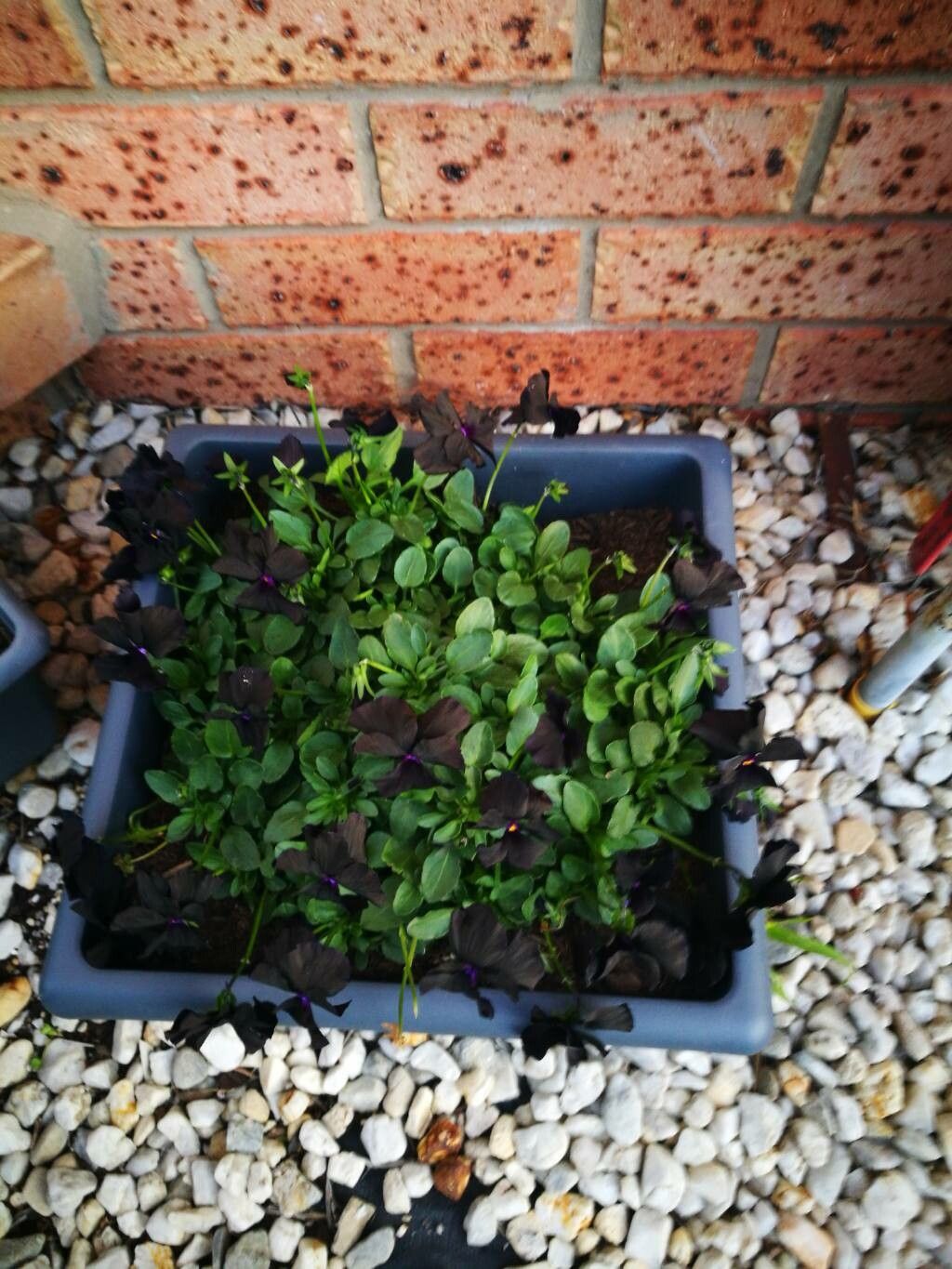
Viola rostrata, commonly known as the long-spurred violet, is a perennial herbaceous plant in the Violaceae family. Native to North America, it thrives in various habitats, including wet meadows, swamps, and open woods. The plant can reach up to 30 cm in height, featuring a basal rosette of heart-shaped leaves with toothed margins. Its blue-violet flowers, characterized by long spurs extending backward from the petals, bloom from April to June and attract pollinators such as bees and butterflies.
Historically, Viola rostrata has been used for medicinal purposes by Native Americans to treat ailments such as headaches, coughs, colds, and feverish conditions. The plant contains compounds like saponins, known for their anti-inflammatory properties.
In addition to its medicinal uses, Viola rostrata is also valued in landscaping for its attractive flowers, which bring vibrant color to gardens and natural areas. While it prefers moist soil, it can tolerate some drought once established.
Overall, Viola rostrata is an appealing wildflower with significant medicinal properties, contributing to the biodiversity and conservation efforts of North American flora.
Longspur violet has strong resistance to disease and is generally not prone to illness. However, it can be vulnerable to pests and diseases found in its environment. These problems are typically not severe. Regarding care, this plant needs moderate upkeep. It should be pruned regularly to maintain a tidy appearance and support healthy growth. Applying fertilizer can also help encourage flowering. Longspur violet is appropriate for anyone with an outdoor area, such as a garden or patio, and does not demand extensive care experience. It may need more attention if grown indoors.
How to keep Viola Rostrata.
Light
Longspur violet favors moderate sunlight like that of its original sparse woodland habitat, but it does not need it in large amounts. Excessive light can potentially harm the plant. Still, it can thrive without abundant sunlight, showing its adaptability.
Water
The longspur violet flourishes in high humidity and prefers moist environments, which means it requires weekly watering. While it doesn't tolerate drought, it also doesn't need excessive moisture. As an herbaceous perennial, the longspur violet grows best outdoors, benefiting from plenty of rainfall during its growing season.
Temperature
Longspur violet is native to cool, temperate regions. It prefers temperatures from 41 to 89.6 °F (5 to 32 °C) and performs best in cool springs and warm summers. To accommodate seasonal shifts, provide additional shade in summer and frost protection in winter.
Fertilizer
The ideal time to fertilize a Longspur violet is in early spring, when it is coming out of dormancy and entering active growth. Fertilizing supplies essential nutrients for healthy growth. Although Longspur violet has relatively low fertilizer needs, annual fertilization can enhance its survival and encourage better, longer-lasting flowers.
Pruning
The longspur violet is known for its delicate flowers with long spurs. To keep your plant healthy, it's important to prune it carefully from early to late spring. You should remove any spent blooms and damaged stems to promote the plant's overall health. Light pruning can also help improve air circulation, but be careful not to cut too much, as heavy pruning can hinder flowering. For the best care tips, consult reliable sources.
Pot & Repot
When repotting Longspur violet, select a pot 1-2 inches (2.5–5.1 cm) larger with ample drainage. Use a well-draining potting mix. Repot in spring or fall, making sure the root ball sits slightly lower than the rim of the flower pot. Water thoroughly after repotting and place in a warm spot with indirect sunlight.
Botanical profile.
- Plant Type
- Herb
- Life Cycle
- Perennial
- Genus
- Viola
- Family
- Violaceae
- Hardiness Zone
- 4-7
- Mature Height
- 15 cm
- Mature Spread
- 30 cm
- Leaf Color
- Green
- Leaf Type
- Deciduous
- Flower Color
- Lavender
- Flower Size
- 1.27 cm
- Bloom Time
- Spring
- Planting Time
- Spring, Autumn, Winter
- Harvest Time
- Late spring, Early summer, Mid summer
- Native Area
- Japan
Other names.
Reader questions.
How should I water my Longspur violet plant?
When watering the Longspur violet, it is best to use filtered water at room temperature or slightly warmer. Tap water should be avoided as it may contain harmful particles. The Longspur violet prefers warm conditions, so cold water can be a shock to its system. Instead of overhead watering, it is recommended to directly apply filtered room temperature water to the soil until it is completely soaked. This method helps moisten the roots and allows them to spread and absorb nutrients from the soil.
Why should I put fertilizer on my Longspur violet?
The Longspur violet's leaves are an essential part of its structure, and fertilization is crucial for maintaining their appearance and function. Proper fertilization ensures that the leaves maintain a consistent color and healthy texture. Additionally, fertilization has benefits below the soil's surface, as it promotes the growth of new roots and helps maintain existing ones. This not only keeps the plant healthy in the present but also enhances its ability to absorb nutrients from the soil in the future.
What are the sunlight requirements for Longspur Violet?
Longspur violet thrives in environments with moderate sunlight exposure, which is typical of its native sparse woodlands habitat. It requires about 3-6 hours of sunlight daily, known as partial sun exposure. Too much sunlight can harm the plant, but it is adaptable and can grow even without excessive sunlight. It's advised to watch how sunlight moves through your garden and select spots that offer a balance of light and shade to ensure the plant's well-being.
What is the native climate of the Longspur violet?
The Longspur violet, or Viola rostrata, is native to cool, temperate regions. It flourishes in temperatures ranging from 41 to 89.6 °F (5 to 32 °C), enjoying the cool springs and warm summers typical of these areas. To help it adjust to seasonal changes, more shade can be provided during the summer months, and while it is highly cold-tolerant, watering it generously before the first freeze of autumn to ensure the soil remains moist can be beneficial, as this helps the plant fend off drought and water scarcity during winter and early spring.
What do I do if I give my Longspur violet too much water or too little water?
Overwatering is a common problem for Longspur violets and can cause wilting, yellowing leaves, as well as diseases like root rot, mold, and mildew. Underwatering is less common, but it can cause brittle, brown leaves. It's important to notice the signs of overwatering early to prevent irreversible damage. Reduce watering if you see signs of overwatering and check the soil drainage. Replace soil if it drains poorly. If underwatering is the issue, water more regularly until the signs improve.
When should I fertilize my Longspur violet plant?
If you grow your Longspur violet outdoors each year, the plant will send out new growth in early spring. This is when you should start fertilizing. Usually, one application of fertilizer is enough for the Longspur violet to do well. However, if you want to maximize its growth, you can feed it multiple times throughout the spring and early summer. If you choose this option, you can fertilize your Longspur violet about once every month to a month and a half.
How can artificial lighting be used for Longspur Violet indoors?
For indoor Longspur violet plants, adequate lighting is crucial, especially when natural light is insufficient, like in winter or less sunny spaces. Artificial lights, such as LEDs, are recommended because they can be customized to provide specific wavelengths needed by your plants. Full sun plants need 30-50W/sq ft of artificial light, partial sun plants require 20-30W/sq ft, and full shade plants need 10-20W/sq ft. The light source should be placed 12-36 inches above the plant to mimic natural sunlight, and most plants benefit from 8-12 hours of light per day.
How does the Longspur violet react to low temperatures?
The Longspur violet is extremely tolerant of cold conditions and can manage well even in winter temperatures that drop below -30°C. Despite this high tolerance, if temperatures fall below this threshold, it may not show immediate damage during the winter, but you could see a reduction in or even a complete lack of sprouting in the following spring. To mitigate this, any parts of the plant that fail to sprout in spring should be removed.
How often should I give water to my Longspur violet?
If your Longspur violet is in a pot, check the soil by placing your finger in it. If the top two to three inches are dry, it needs watering. For Longspur violets grown outdoors, use the same method. Water when the top few inches of soil are dry. Usually, watering once a week in spring and early fall is sufficient. In extremely hot weather, increase watering to about twice or more per week. However, mature and well-established Longspur violets can tolerate drought well.
When is it a bad idea to add fertilizer to my Longspur violet?
During the late fall and winter, your Longspur violet will go into a dormant phase and stop growing. It's best to avoid fertilizing it during this time. In the spring and summer, if you choose to fertilize, gradually reduce the amount as summer comes closer because the growth rate of the plant will also slow down. It's never a good idea to fertilize the Longspur violet when it's very hot or if the soil is excessively dry, as this can cause the plant to become stressed and die prematurely.
What are the signs of insufficient light for Longspur Violet?
Longspur violet may exhibit several symptoms under low light conditions, including smaller new leaves, leggy or sparse growth, faster leaf drop, slowed or halted growth, paler new leaves, and conditions like chlorosis, sunscald, leaf curling, wilting, and leaf scorching. These symptoms indicate the plant's struggle with the light condition, impacting its health and growth.
What should I do if the Longspur violet is exposed to high temperatures?
When the Longspur violet is exposed to temperatures above 32°C, it becomes intolerant to the heat, which halts its growth and increases its susceptibility to rot. To address this, trim away all sunburned and dried parts of the plant. Additionally, relocating the plant to an area that provides shade during the midday and afternoon sun, or employing a shade cloth, can offer protection. Ensuring the soil remains moist by watering the plant in the morning and evening can also be beneficial.