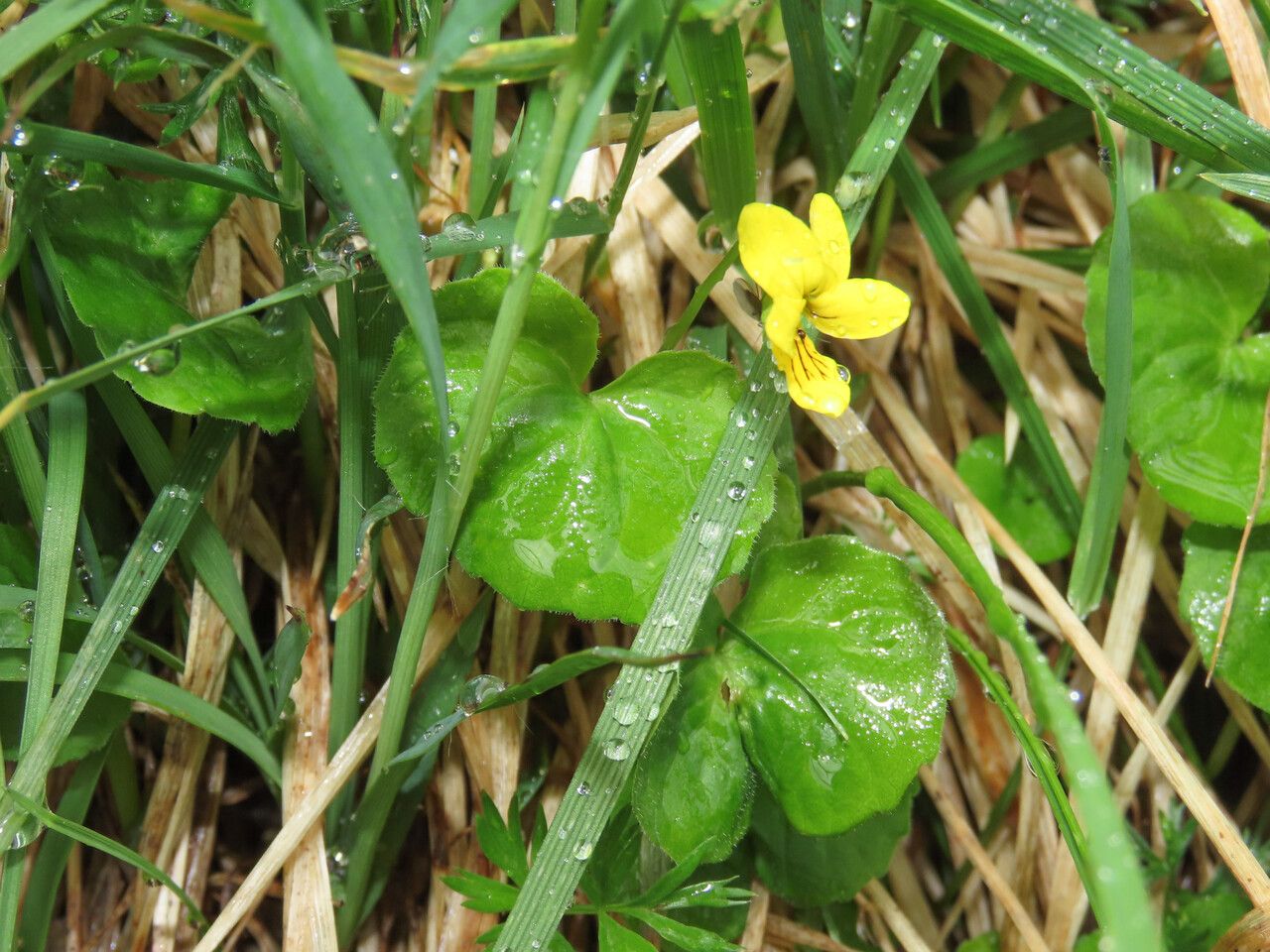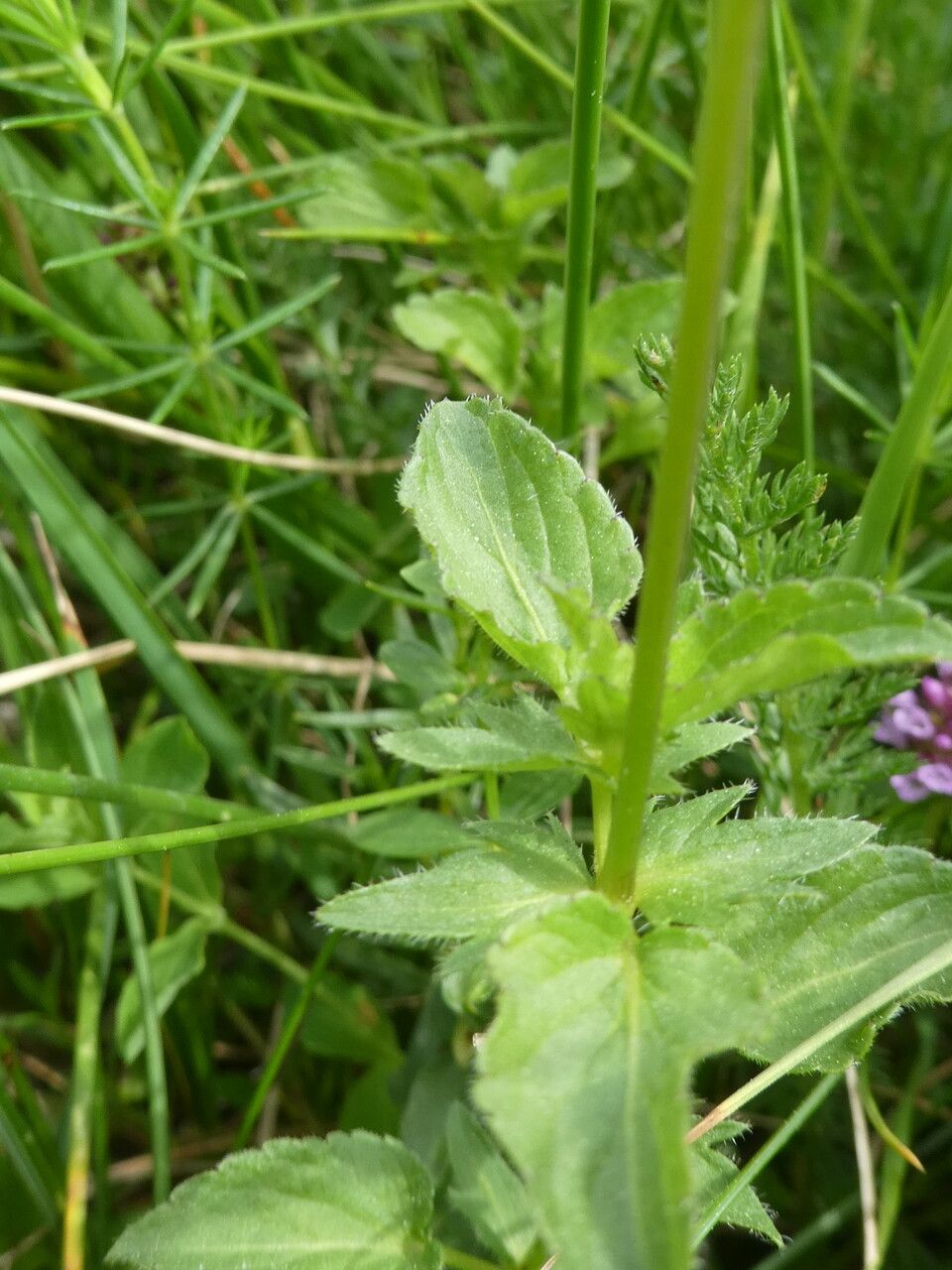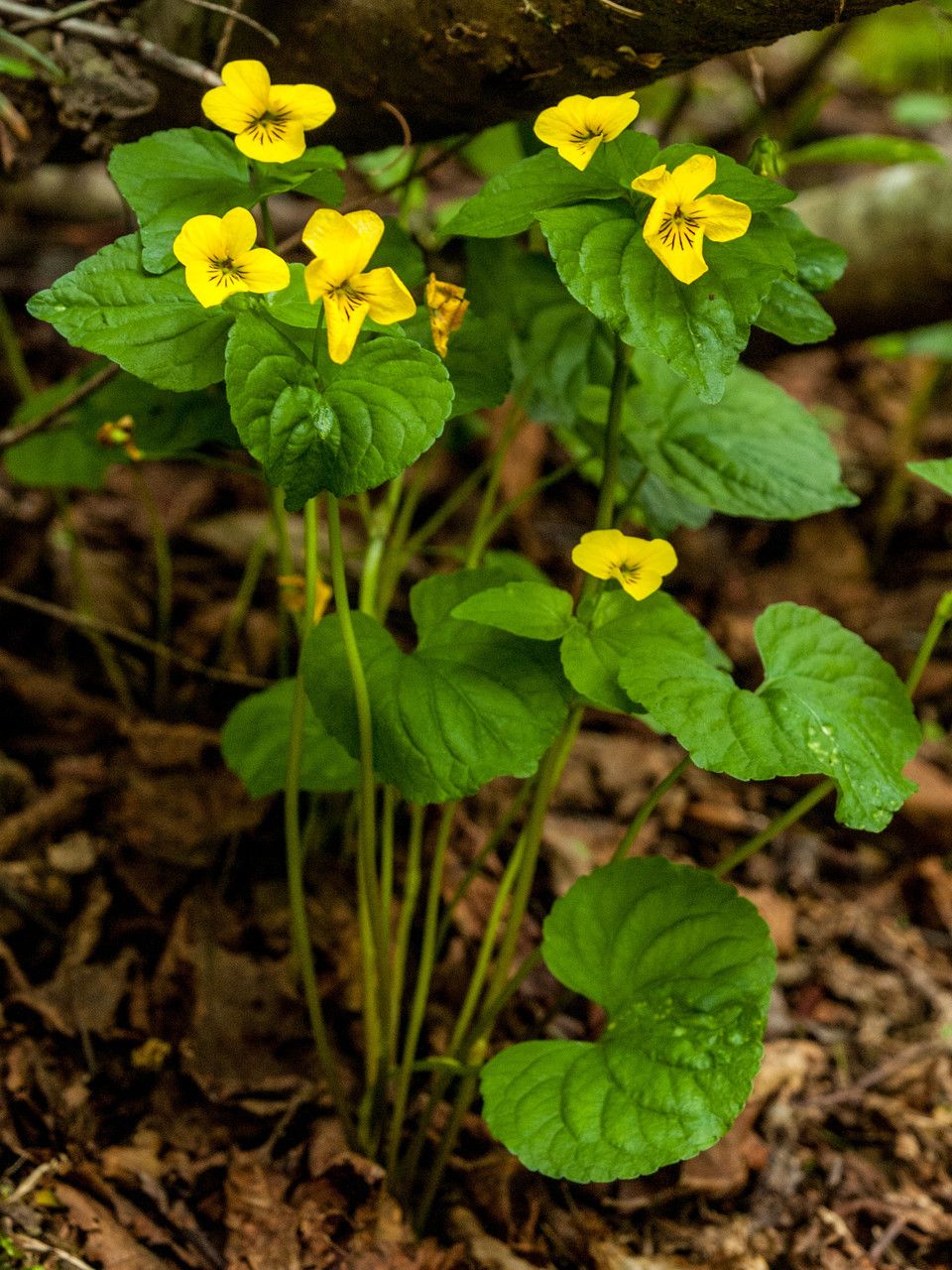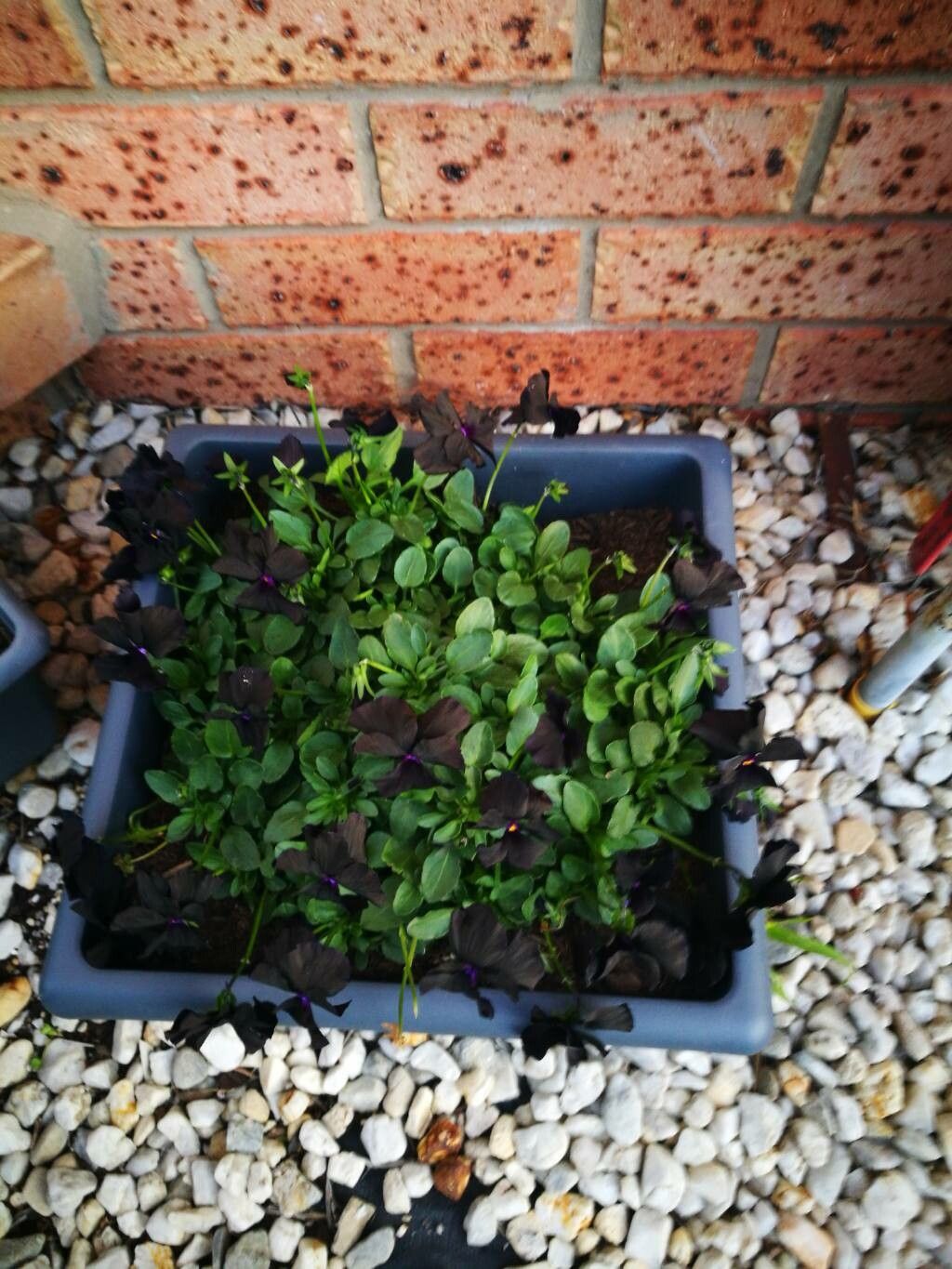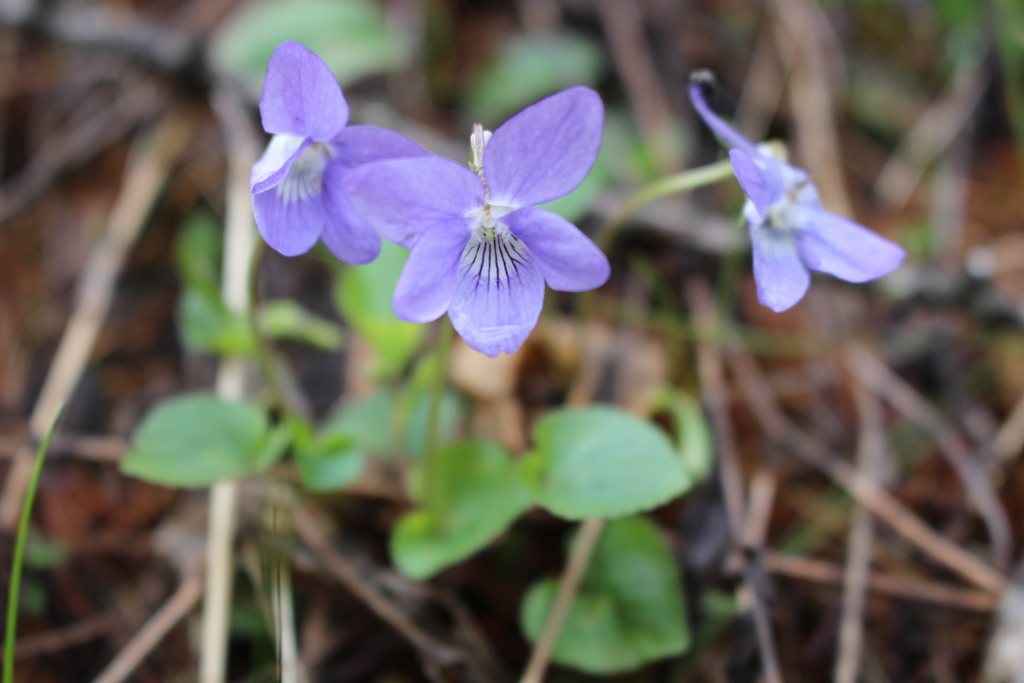
Viola riviniana, the common dog-violet, is a species of flowering plant in the family Violaceae, native to Eurasia and Africa. It is also called wood violet and dog violet. It inhabits woodland edges, grassland and shady hedge banks. It is found in all soils except those which are acid or very wet. Growing to 10 cm (3.9 in) tall and 50 cm (20 in) broad, this prostrate perennial has dark green, heart-shaped leaves and produces multiple violet coloured flowers in May and June.Viola riviniana was voted the county flower of Lincolnshire in 2002, following a poll by the wild plant conservation charity Plantlife.
Common dog‑violet has good resistance to disease and is generally not vulnerable to illnesses. However, it can be affected by pests and diseases present in its environment. These infections are usually not serious. For care, this plant requires moderate maintenance. It needs regular pruning to keep a neat appearance and support healthy growth. Fertilizing can also encourage flowering. Common dog‑violet is suitable for anyone with outdoor space, such as a garden or patio, and does not demand extensive gardening experience. It may need more attention when kept indoors.
How to keep Viola Riviniana.
Light
The common dog-violet does best with alternating periods of light and shade. Although it can tolerate long periods of sunlight, too much sun may damage the plant. Conversely, insufficient light can stunt its growth and cause it to wilt. This trait comes from its native habitat, which has varied light conditions.
Water
The common dog-violet thrives in cool temperate regions and prefers to be watered consistently, ideally every week. However, it can tolerate occasional dry spells. This plant is mainly grown outdoors and flourishes when the soil moisture matches the cooler seasons, which promotes vibrant flowering cycles.
Temperature
The common dog‑violet is native to habitats where temperatures range from 41 to 90 °F (5 to 32 ℃). It performs best within this span, and some temperature adjustments across seasons may be required to ensure optimal growth.
Fertilizer
The best time to fertilize a Common dog-violet is in early spring, when it is coming out of dormancy and starting active growth. Fertilization supplies essential nutrients for healthy development. Although the Common dog-violet has fairly low fertilizer needs, an annual application can improve its survival and encourage healthier, longer-lasting flowers.
Pruning
The common dog-violet is a hardy perennial known for its heart-shaped leaves and violet flowers. To keep the plant healthy and encourage new growth, it's best to prune it from early to late spring. This process involves removing dead wood and shaping the plant. Light pruning improves air circulation, reduces the risk of disease, and maintains the plant's vigor, according to reliable sources.
Toxicity
Viola riviniana has no toxic effects reported.
Further reading →
The toxicity and danger assessments provided are for reference only. We do not assure their accuracy, so it's crucial not to depend on them. Seek professional advice when necessary for accurate guidance.
Botanical profile.
- Plant Type
- Herb
- Life Cycle
- Perennial
- Genus
- Viola
- Family
- Violaceae
- Hardiness Zone
- 4-8
- Mature Height
- 2 cm to 30 cm
- Mature Spread
- 40 cm
- Leaf Color
- Green
- Leaf Type
- Evergreen
- Flower Color
- Purple, Violet, Lavender
- Flower Size
- 0.51 cm to 0.76 cm
- Bloom Time
- Mid spring, Late spring, Early summer
- Planting Time
- Autumn, Spring
- Harvest Time
- Early summer, Mid summer
- Native Area
- Sweden, Austria, Slovakia, Montenegro, Slovenia, Morocco, Croatia, Belarus, Russia, Germany, Iceland, Estonia, Romania, Latvia, Belgium, Portugal, Netherlands, France, Tunisia, Czech Republic, Bulgaria, Poland, Greece, Serbia, Lithuania, Norway, Italy, Spain, Switzerland, Denmark, Finland, Albania, Ireland, United Kingdom, Hungary, Algeria
Other names.
Reader questions.
How should I water my Common dog-violet plant?
To properly water the Common dog-violet, it is recommended to use filtered water at room temperature. Tap water may have harmful particles, so filtered water is preferred. The Common dog-violet is accustomed to a warm environment, so it is best to avoid using cold water to prevent any shock to the plant. Additionally, overhead watering should be avoided as it can cause issues with the foliage. Instead, simply water the plant by applying filtered room temperature water directly to the soil until it is thoroughly soaked. This method benefits the plant by providing moisture to the roots and helping them spread and gather essential nutrients from the soil.
Why should I add plant food to my Common dog-violet?
The main structure of the Common dog-violet is made up of its leaves. Fertilization is an impactful way to ensure that the leaves not only look great but also fulfill their function. Proper fertilization helps the Common dog-violet maintain consistent leaf color and a healthy texture. Additionally, fertilization benefits the plant below the soil's surface by promoting the growth of new roots and maintaining existing roots. This means that fertilization not only keeps the plant healthy currently but also enhances its ability to absorb soil nutrients in the future.
What are the sunlight requirements for Common dog-violet?
The Common dog-violet (Viola riviniana) thrives in conditions that offer a mix of light and shade, akin to its natural habitat. It can tolerate full sun (above 6 hours of sunlight) but requires partial sun (about 3-6 hours of sunlight) to truly flourish. It's important to observe how sunlight moves through your garden to find spots with the ideal balance for your plants. Excessive sunlight can harm the plant, while insufficient light may stunt its growth and cause wilting.
What is the ideal temperature range for Common dog-violet?
Common dog-violet, botanically known as Viola riviniana, thrives in environments where the temperature ranges from 41 to 90 °F (5 to 32 °C). This range is crucial for its optimal growth, indicating that temperature adjustments might be necessary across different seasons to maintain this ideal climate.
What should I do if I give my Common dog-violet too much water or too little water?
Overwatering is a more common problem for the health of your Common dog-violet. When this happens, the stems and leaves may wilt and turn yellow. It can also lead to root rot, mold, and mildew, which can kill the plant. Underwatering is less common but can result in brittle, brown leaves. It's important to recognize the signs of overwatering early on to prevent irreversible damage. Reduce watering and replace poorly draining soil if necessary. If underwatering is the issue, water more regularly until the plant recovers.
When should I fertilize my Common dog-violet?
If you grow your Common dog-violet outdoors each year, it will start new growth in early spring. This is the time to fertilize the plant. Usually, one application of fertilizer in the spring is enough. But if you want to maximize growth, you can feed it multiple times from spring to early summer. In this case, feed your Common dog-violet about once every month to a month and a half.
How can artificial lighting support Common dog-violet growth indoors?
When natural sunlight is not enough, especially during winter or in less sunny spaces, artificial lights can significantly benefit indoor plants by promoting healthier, faster growth. For Common dog-violet, choosing the right type of artificial light, such as LED lights, is crucial as it allows for customization to provide specific wavelengths needed by the plant. Depending on the plant's sunlight requirements, the artificial light intensity should range between 10-50W/sq ft. To mimic natural sunlight conditions, the light source should be placed 12-36 inches above the plant for 8-12 hours per day.
Does Common dog-violet need frost protection during winter?
Common dog-violet possesses strong cold resistance and generally does not require special frost protection measures during the winter. However, if temperatures are expected to plummet below -30°C, it is important to protect the plant by covering it with materials like soil or straw. Additionally, watering the plant abundantly before the first freeze in autumn is recommended to ensure the soil stays moist and enters a frozen state, which helps prevent drought and water scarcity during winter and early spring.
How often should I water my Common dog-violet? Can you please clarify?
If your Common dog-violet is in a pot, the best way to know if it needs water is by checking the soil. Stick your finger in the soil and if the top two to three inches are dry, it's time to water it. If you have your Common dog-violet planted outdoors, you can use the same method to test the soil. When the top few inches of soil are dry, it's time to water. During the spring and early fall, you'll probably water this plant about once a week using this method. In extremely hot weather, you may need to water it twice a week or more. However, mature and well-established Common dog-violets can tolerate drought quite well.
When is the best time to not fertilize my Common dog-violet plant?
During late fall and winter, the Common dog-violet goes into a dormant phase and stops growing. It's important not to fertilize it during this time. In spring and summer, if you choose to fertilize, gradually reduce the amount as summer approaches since the plant's growth rate slows down. It's not a good idea to fertilize the Common dog-violet when the weather is unseasonably hot or when the soil is excessively dry, as this can stress and prematurely kill the plant.
What are the symptoms of light deficiency in Common dog-violet?
When grown indoors with insufficient light, Common dog-violet may exhibit several symptoms indicating light deficiency. These include smaller new leaves, leggy or sparse growth, premature leaf drop, slowed or halted growth, lighter-colored new leaves, and conditions such as chlorosis and sunscald. Leaf curling, wilting, and leaf scorching are also common symptoms that signal either overexposure or underexposure to sunlight, affecting the plant's health and ability to photosynthesize effectively.
How does low temperature affect Common dog-violet and what are the solutions?
Common dog-violet can tolerate cold well and performs best when temperatures are above 5°C. During winter, it is advisable to keep temperatures above -25°C. When temperatures fall below -30°C, there might not be noticeable changes during the winter, but you could see a decrease in sprouting or no sprouting at all during spring. In such cases, removing parts that have failed to sprout in the spring is recommended.