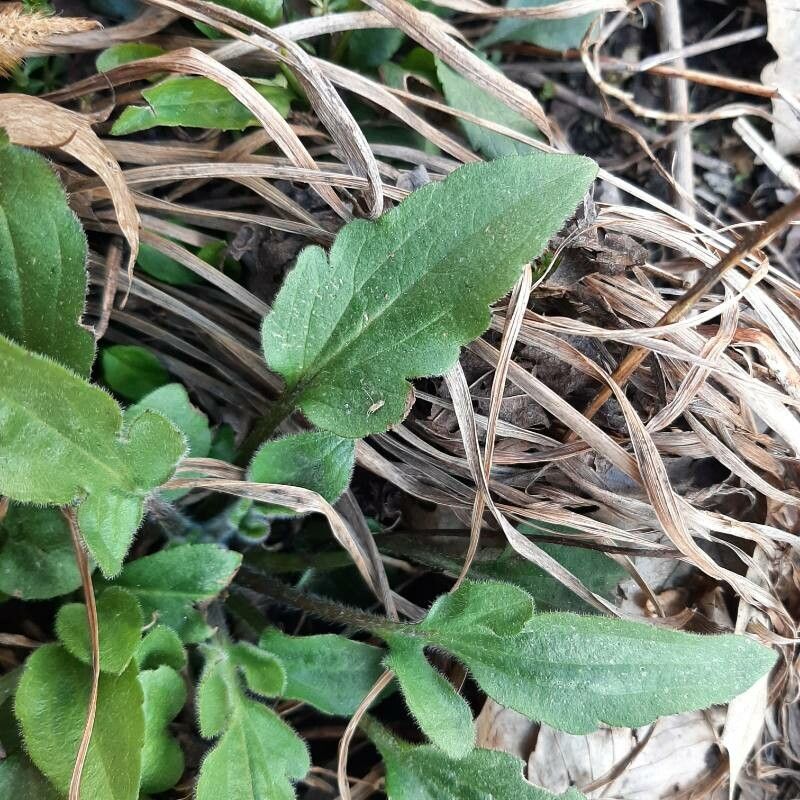
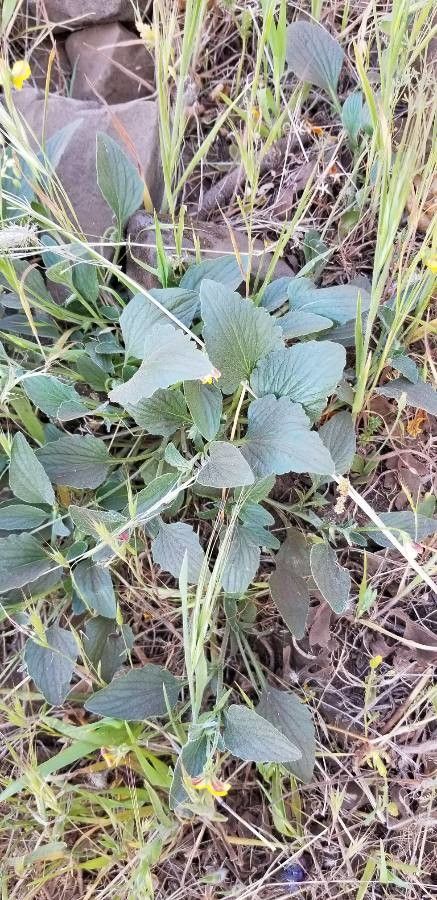
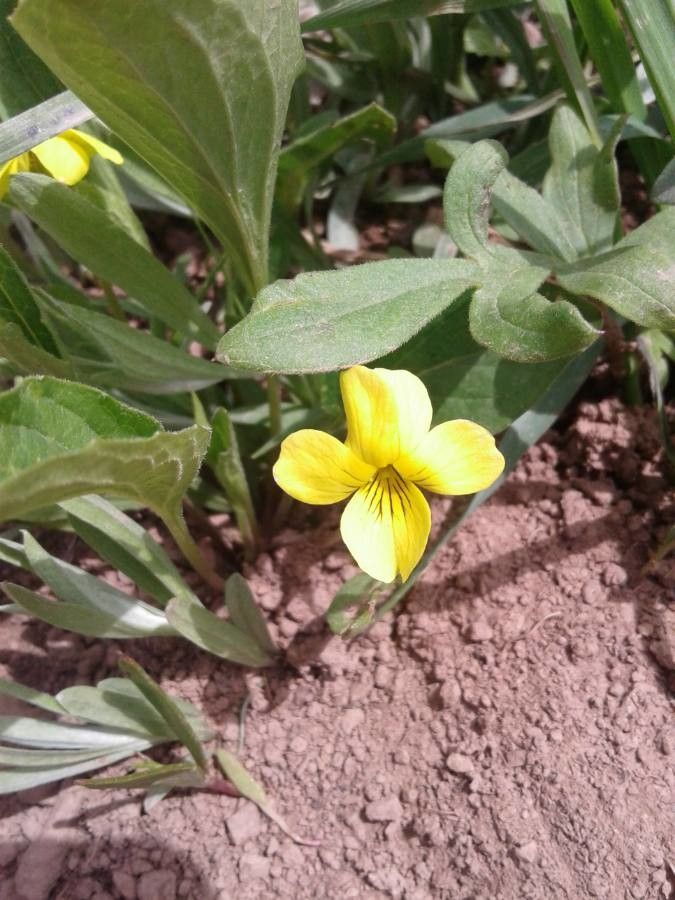
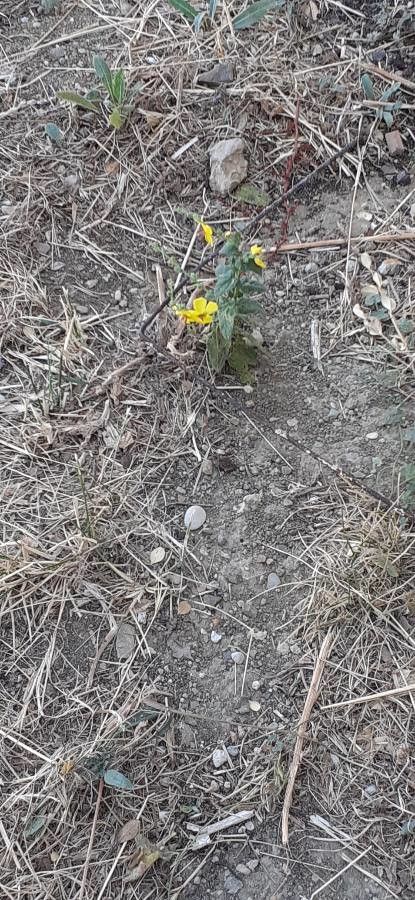
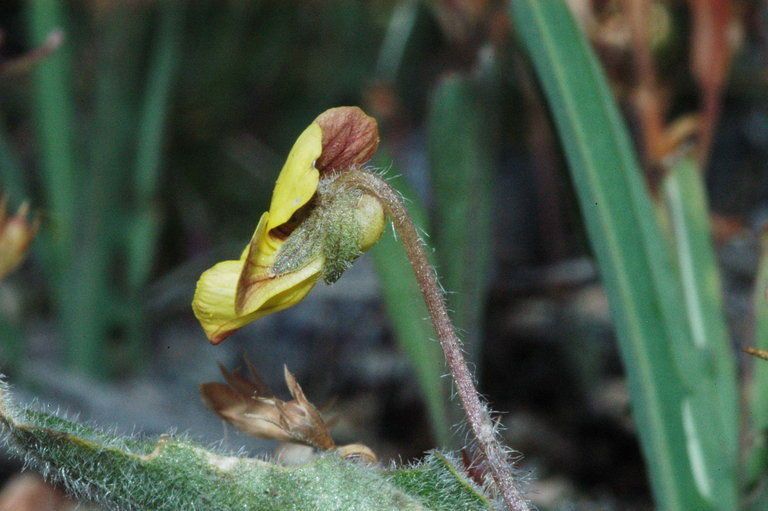
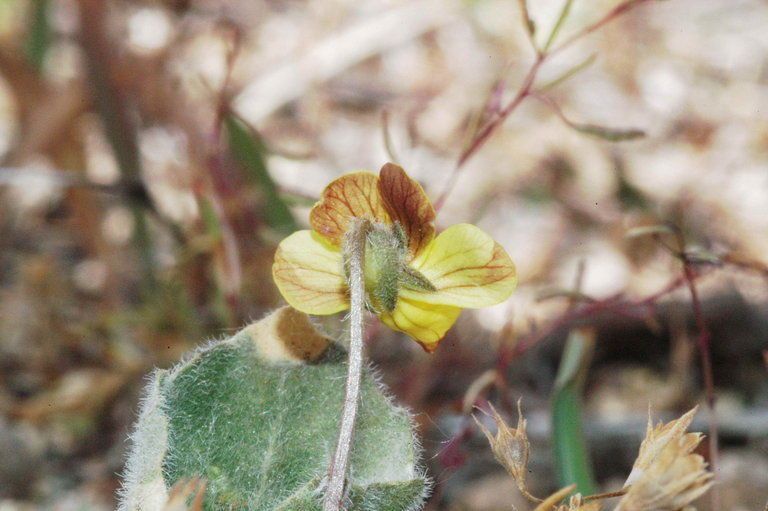
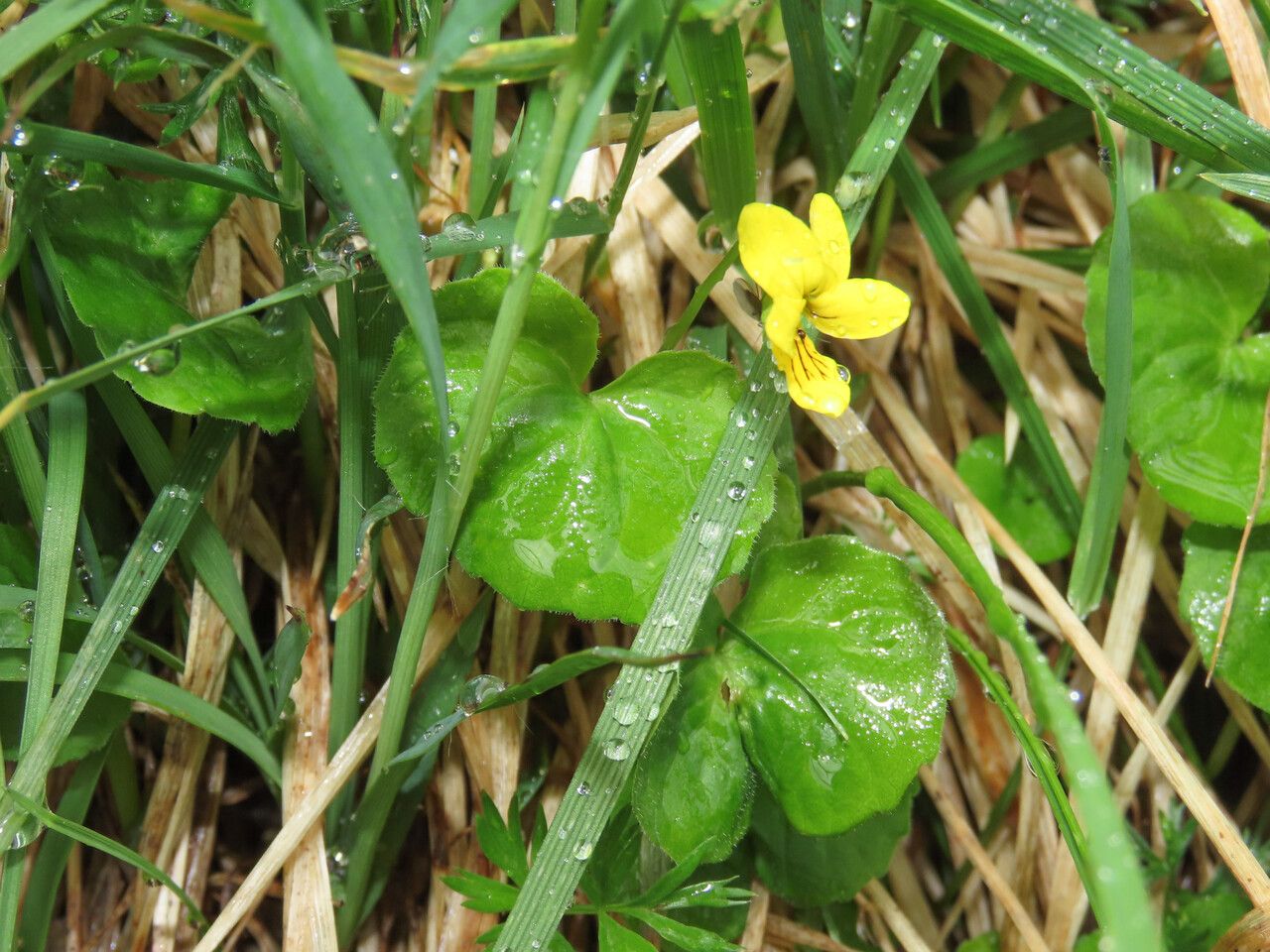
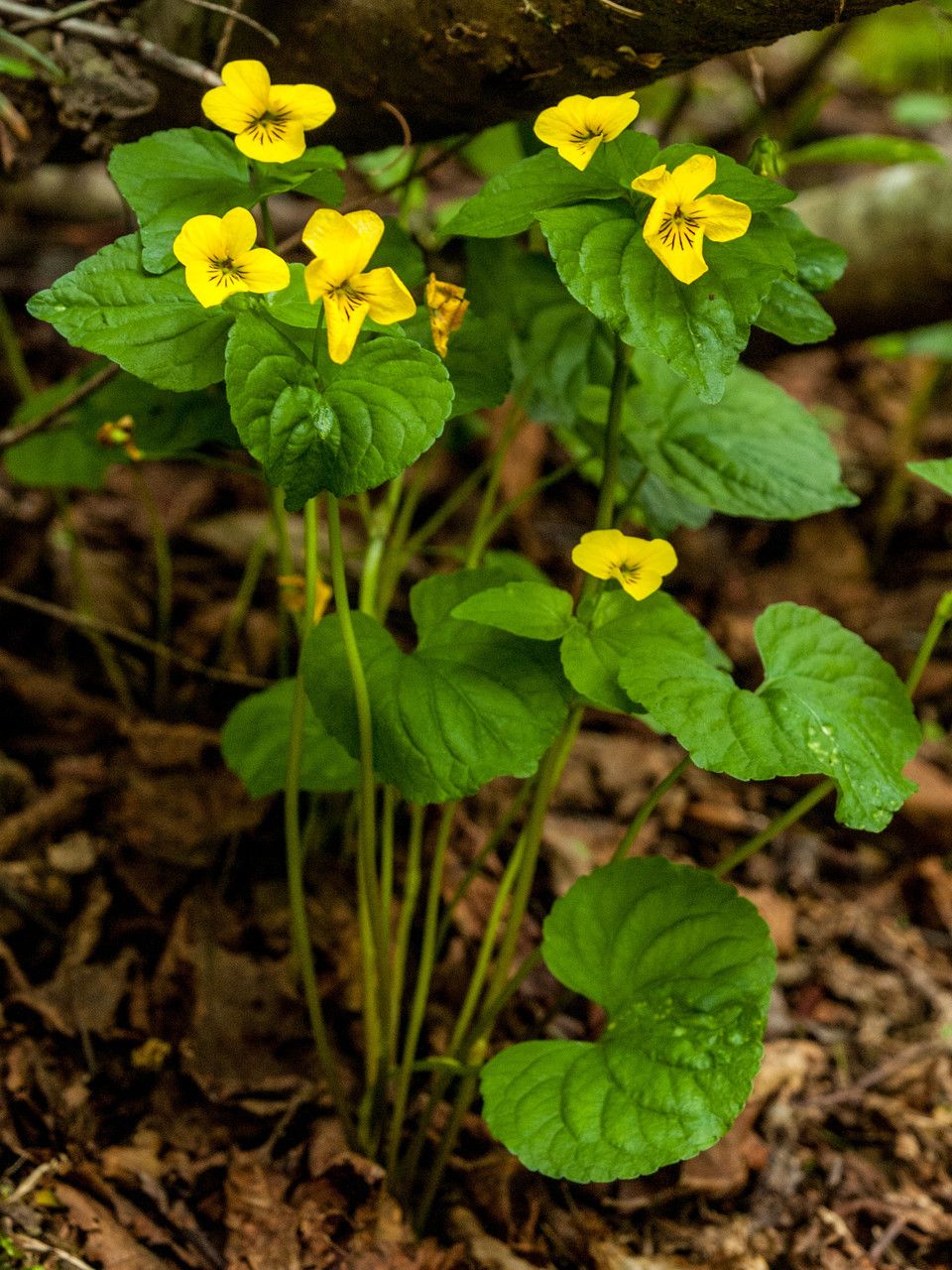
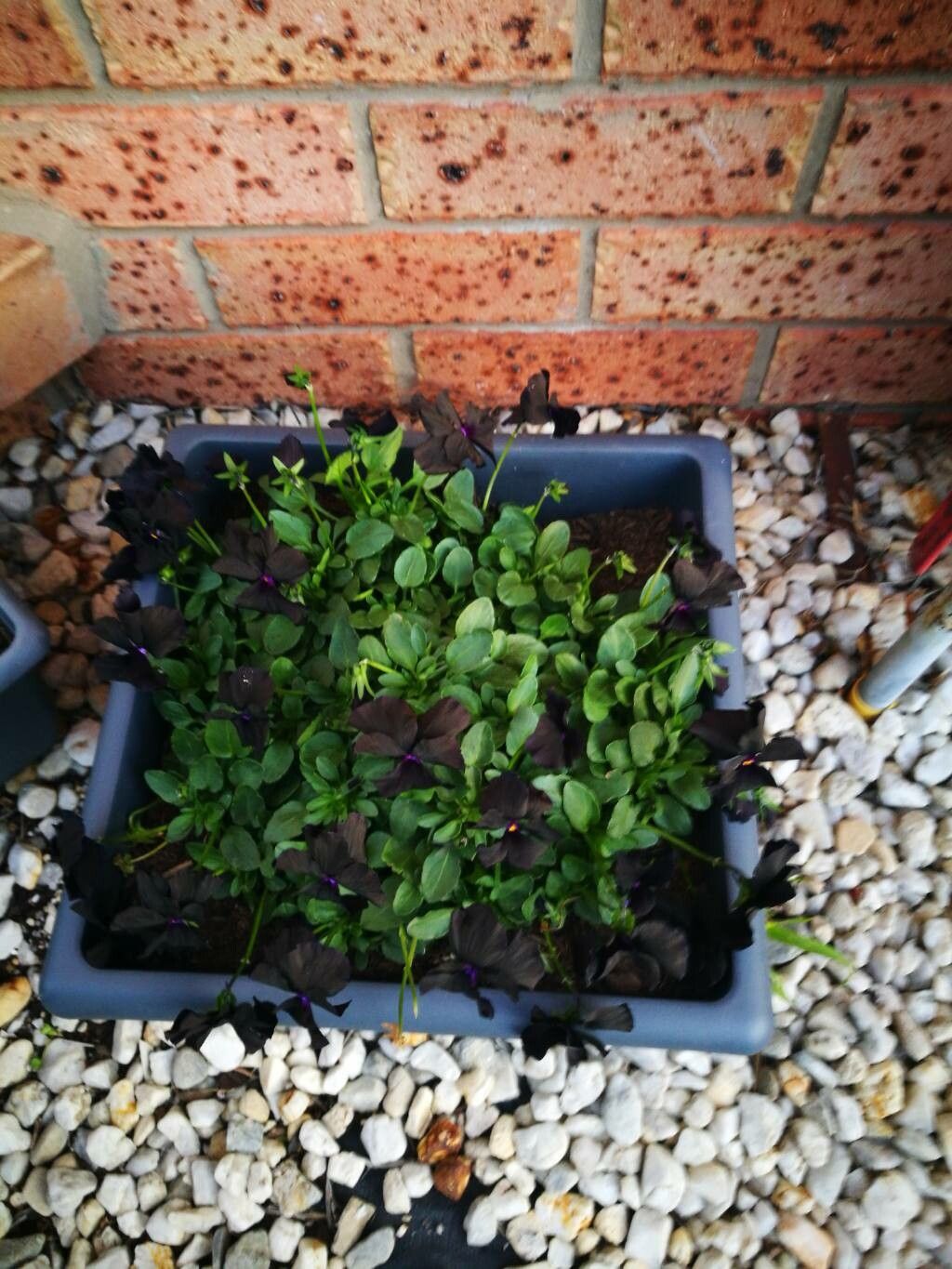
Viola purpurea, commonly known as the purple violet, is a perennial flowering plant in the Violaceae family. Native to Europe and Asia, it thrives in meadows, woodlands, and along riverbanks. This plant can grow up to 20 cm tall and features heart-shaped, dark green leaves. The striking flowers are purple with five petals, each showcasing a distinctive white or yellow center.
Blooming from April to June, the purple violet attracts pollinators like bees and butterflies. It also has medicinal uses due to its anti-inflammatory properties.
While the plant prefers moist soil conditions, it can tolerate some drought once established. Propagation is possible through seeds or by dividing the root system.
Viola purpurea is a beautiful addition to any garden or natural area, boasting vibrant flowers and beneficial medicinal properties.
Goosefoot violet has good disease resistance and is generally not susceptible to illnesses. However, it can be affected by pests and diseases present in its environment. Such infections are typically mild. In terms of care, this plant needs moderate maintenance. Regular pruning is necessary to keep it looking good and to encourage healthy growth. Fertilizing can also help stimulate flowering. Goosefoot violet is suitable for anyone with outdoor space, such as a garden or patio, and does not require extensive gardening experience. It may need more care when cultivated indoors.
How to keep Viola Purpurea.
Light
Goosefoot violet grows best in locations flooded with plentiful sunlight, though it can adjust to spots with reduced but adequate light. In its native habitat, full sun is typical. Both insufficient and excessive light can inhibit growth, leading to poor development and potential decline.
Water
The goosefoot violet thrives in moist environments and needs consistent hydration. It prefers soil that remains evenly moist and does not tolerate drought well. To mimic its natural habitat, it should be watered weekly. In temperate regions, rainfall can help maintain the necessary moisture, but during dry spells, additional watering is required to support its flowering potential.
Temperature
Preferring cooler climates, goosefoot violet does best at temperatures of 41 to 77 °F (5 to 25 °C). Natively grown in these conditions, they may need extra shade during extreme heat to remain within their preferred range.
Fertilizer
The best time to fertilize a Goosefoot violet is in early spring, as it emerges from dormancy and starts active growth. Fertilization supplies essential nutrients for healthy development. Although Goosefoot violet has relatively low fertilizer requirements, applying fertilizer annually can improve its survival and encourage better, longer-lasting flowers.
Pruning
The goosefoot violet showcases beautiful purple flowers and unique leaves. To encourage healthier growth and better air circulation, prune them from early to late spring. During this time, remove any spent flowers and dead stems. Regular pruning not only enhances blooming and growth but also helps prevent damage and disease. Be sure to use clean, sharp tools for the best results.
Botanical profile.
- Plant Type
- Herb
- Life Cycle
- Perennial
- Genus
- Viola
- Family
- Violaceae
- Hardiness Zone
- 5
- Mature Height
- 1 cm to 10 cm
- Mature Spread
- 30 cm
- Leaf Color
- Green, Dark Green
- Leaf Type
- Semi-evergreen
- Flower Color
- Purple, Violet
- Flower Size
- 1.02 cm to 2.03 cm
- Bloom Time
- Spring
- Planting Time
- Spring, Summer, Autumn
- Harvest Time
- Summer
Other names.
Reader questions.
How should I water my Goosefoot violet?
To properly water the Goosefoot violet, it is recommended to use filtered water at room temperature. This is because tap water may contain harmful particles. Additionally, it is important to use water that is not too cold, as the Goosefoot violet is accustomed to warm environments and cold water can be a shock to its system. Avoid watering the plant from above, as this can lead to issues with the foliage. Instead, pour the filtered room temperature water directly onto the soil until it is completely soaked. This provides moisture to the roots, allowing them to spread and gather nutrients from the soil.
What are the sunlight requirements for Goosefoot violet?
Goosefoot violet thrives best in full sun, which means it should receive above 6 hours of sunlight, but it can also adapt to partial sun, with about 3-6 hours of sunlight. It's important to watch how sunlight moves through your garden to find spots that offer a perfect balance of light and shade, ensuring the plants' happiness and optimal growth. In its native ecosystem, full sun is the norm for Goosefoot violet, and either too little or too much light can affect its growth negatively.
What is the preferred climate for goosefoot violet?
Goosefoot violet thrives in cooler climates, with an ideal temperature range of 41 to 77 °F (5 to 25 °C). Originating from regions with these conditions, the plant may need more shade during extremely hot weather to stay within its preferred temperature range. It's highly cold-tolerant, not needing special frost protection in winter. However, to avoid drought and ensure moisture throughout winter and early spring, it's advisable to water the plant generously before the first freeze of autumn.
What should I do if I give too much or too little water to my Goosefoot violet?
Overwatering is a more common issue than underwatering for Goosefoot violets, and it can cause wilting, yellowing leaves, and various diseases like root rot, mold, and mildew that can be fatal for the plant. While underwatering is less common due to the plant's drought tolerance, it can still occur, resulting in brittle, brown leaves. It is important to be attentive to signs of overwatering, as some diseases like root rot cannot be reversed if left unaddressed. If you notice early signs of overwatering, immediately reduce watering and consider the quality of the soil for proper drainage. Conversely, if your Goosefoot violet shows signs of insufficient water, increase the frequency of watering until the signs disappear.
How can artificial lighting help Goosefoot violet's growth indoors?
When natural sunlight is insufficient, especially in winter or in less sunny spaces, artificial lights provide a vital solution for Goosefoot violet's indoor growth. LED lights are recommended because they offer customizable wavelengths specific to your plants' needs. The required wattage varies: 30-50W/sq ft for full sun plants, 20-30W/sq ft for partial sun, and 10-20W/sq ft for full shade plants. The light source should be placed 12-36 inches above the plant, mimicking natural sunlight, and it's crucial to mimic the natural daylight hours, with most plants needing 8-12 hours of light per day.
How does goosefoot violet react to low temperatures?
Goosefoot violet exhibits exceptional cold tolerance and can withstand winter temperatures down to -25°C. Although the plant might not show noticeable changes during winter at such low temperatures, there could be a reduced sprouting rate or even no sprouting during spring. To address this, it's recommended to remove any parts of the plant that fail to sprout once spring arrives.
How many times should I water my Goosefoot violet?
If your Goosefoot violet is in a pot, the most precise way to determine if it needs water is to stick your finger into the soil. If the top two to three inches of soil feel dry, it's time to water. If you have your Goosefoot violet planted outdoors in the ground, you can use the same method to test the soil. Once the top few inches of soil have dried, it's time to water. Usually, in spring and early fall, you'll need to water this plant about once a week using this method. However, during extremely hot weather, you may need to water it twice or more per week. Nevertheless, mature and well-established Goosefoot violets have a remarkable ability to withstand drought.
What are the important symptoms indicating that Goosefoot violet is receiving inadequate light?
Symptoms of light deficiency in Goosefoot violet include smaller new leaves, leggy or sparse growth, faster leaf drop, slower or no new growth, lighter-colored new leaves, chlorosis (loss of leaf greenness), sunscald, leaf curling, wilting, and leaf scorching. These symptoms signal that the plant is not receiving the optimal amount of light it needs to thrive, either too little, which can lead to slowed growth and weakened plants, or too much, which can cause damage to the plant tissues.
What should I do if the goosefoot violet is exposed to high temperatures?
When faced with high temperatures above 25°C, goosefoot violet's growth may halt, and its susceptibility to rot increases. To mitigate heat stress, trim away sunburned and dried parts of the plant. Moving it to a shaded location or using a shade cloth to shield it from the midday and afternoon sun can also be beneficial. Additionally, watering the plant in the morning and evening helps keep the soil moist, further aiding in its health and growth under higher temperatures.
How much water does my Goosefoot violet require?
When watering your Goosefoot violet, it's important not to be hesitant with the amount of water you give. Wait until the top two to three inches of soil are dry, then give the plant a thorough watering. Make sure to water enough so that the soil is completely soaked, causing excess water to drain out of the pot's drainage holes. If you don't see excess water draining, it means you haven't watered enough. However, be careful not to let water accumulate in the soil, as this can harm the plant. On the other hand, if water doesn't drain from the pot, it could mean the soil doesn't drain well, which is not good for the plant's health. If the plant is outdoors, one inch of rain per week is sufficient.
What solutions can help improve the light conditions for Goosefoot violet?
To enhance light conditions for Goosefoot violet, gradually move the plants to ensure they receive at least 6 hours of direct sunlight daily. Use south-facing windows and keep curtains open during the day for indoor plants. Consider artificial lighting like desk or ceiling lamps, or invest in professional plant grow lights for plants that are large or not easily movable. Outdoors, move plants to sunnier locations gradually to avoid sunburn. If trees block sunlight, pruning may help. For smaller plants, consider transplanting during the dormant period to a location with better sunlight and drainage. Remember, parts of the plant damaged by insufficient light may not recover, but new growth will be healthy after adjusting the light conditions.
What is the botanical name of goosefoot violet?
The botanical name of goosefoot violet is Viola purpurea.