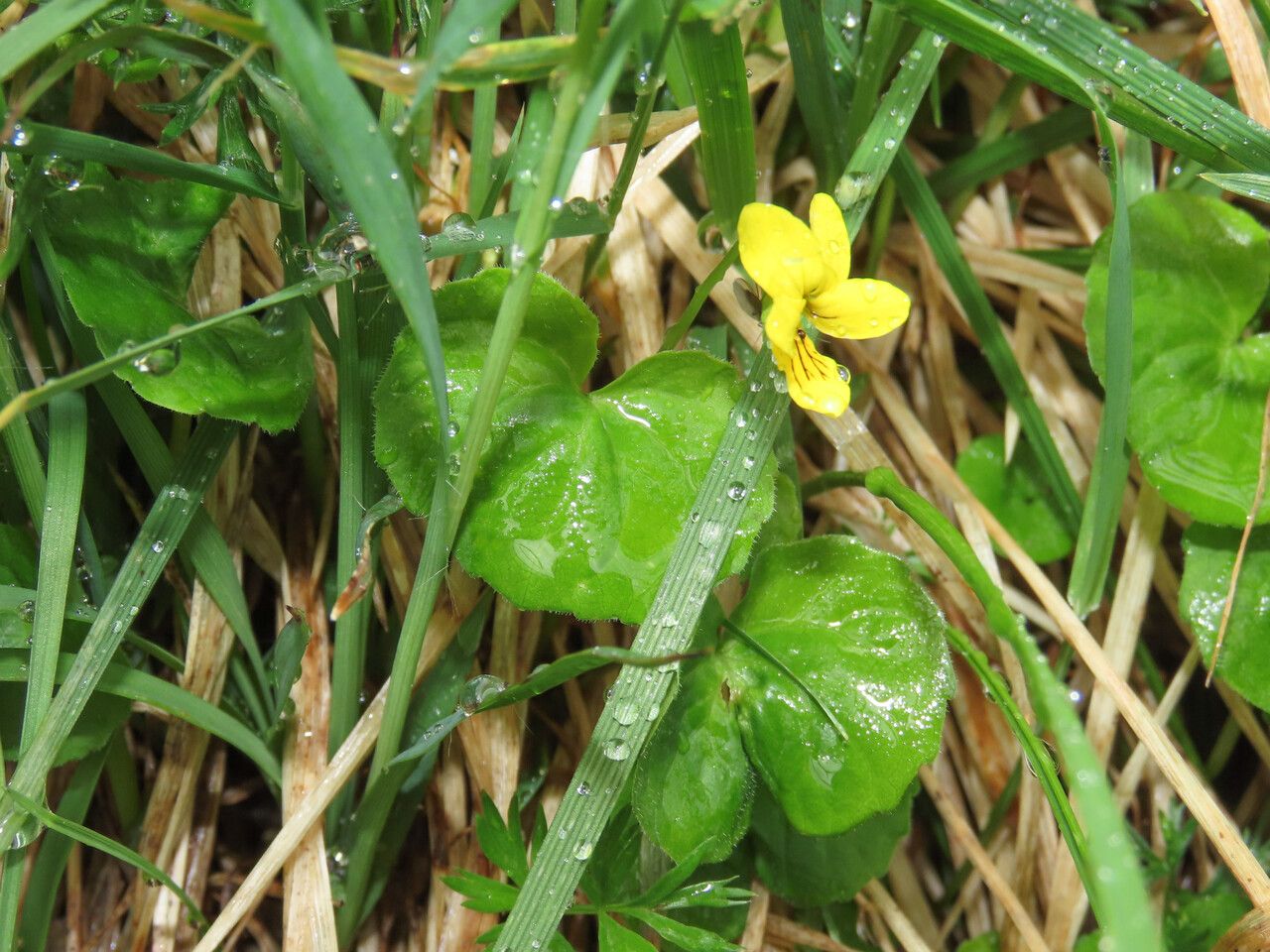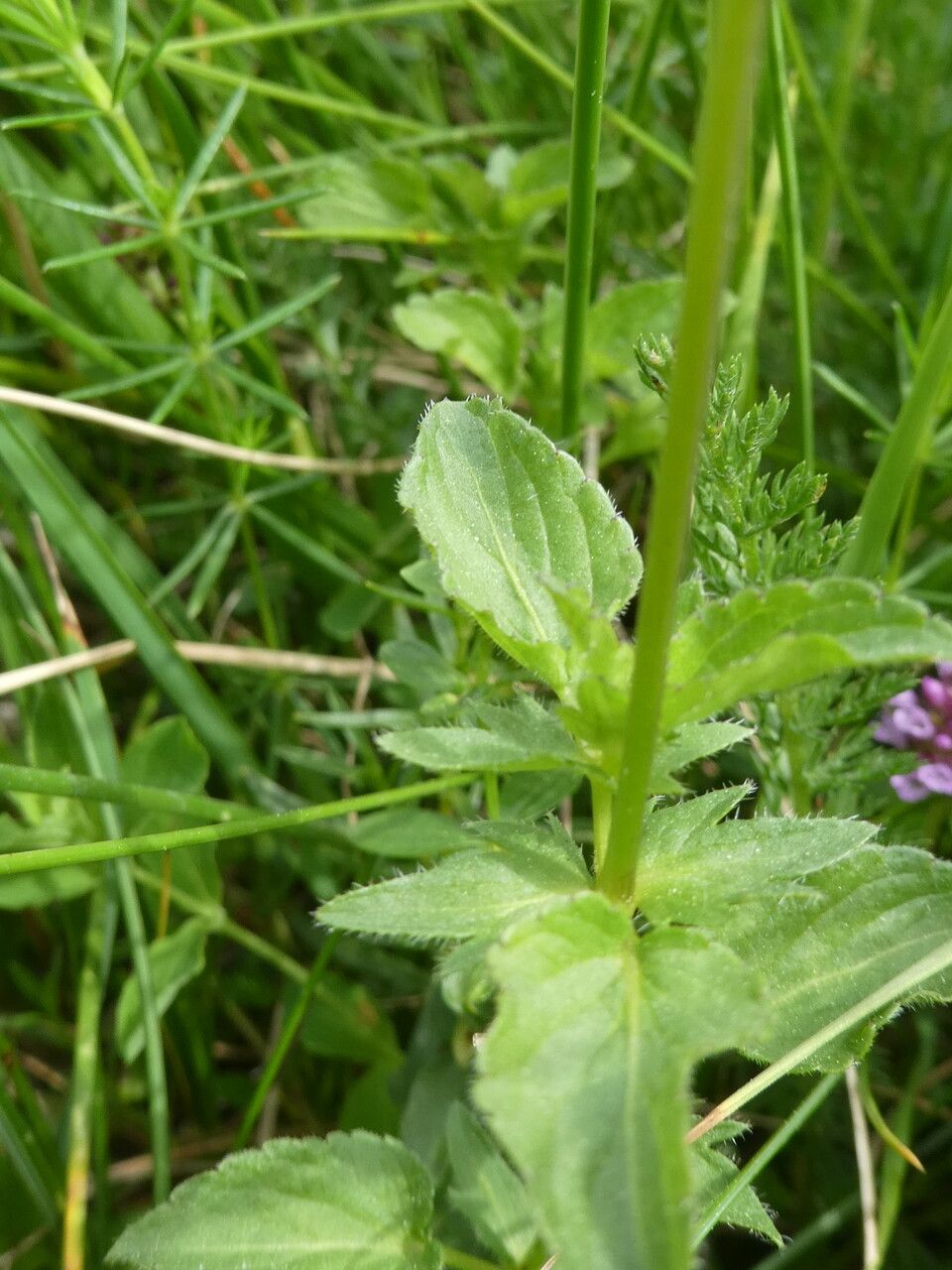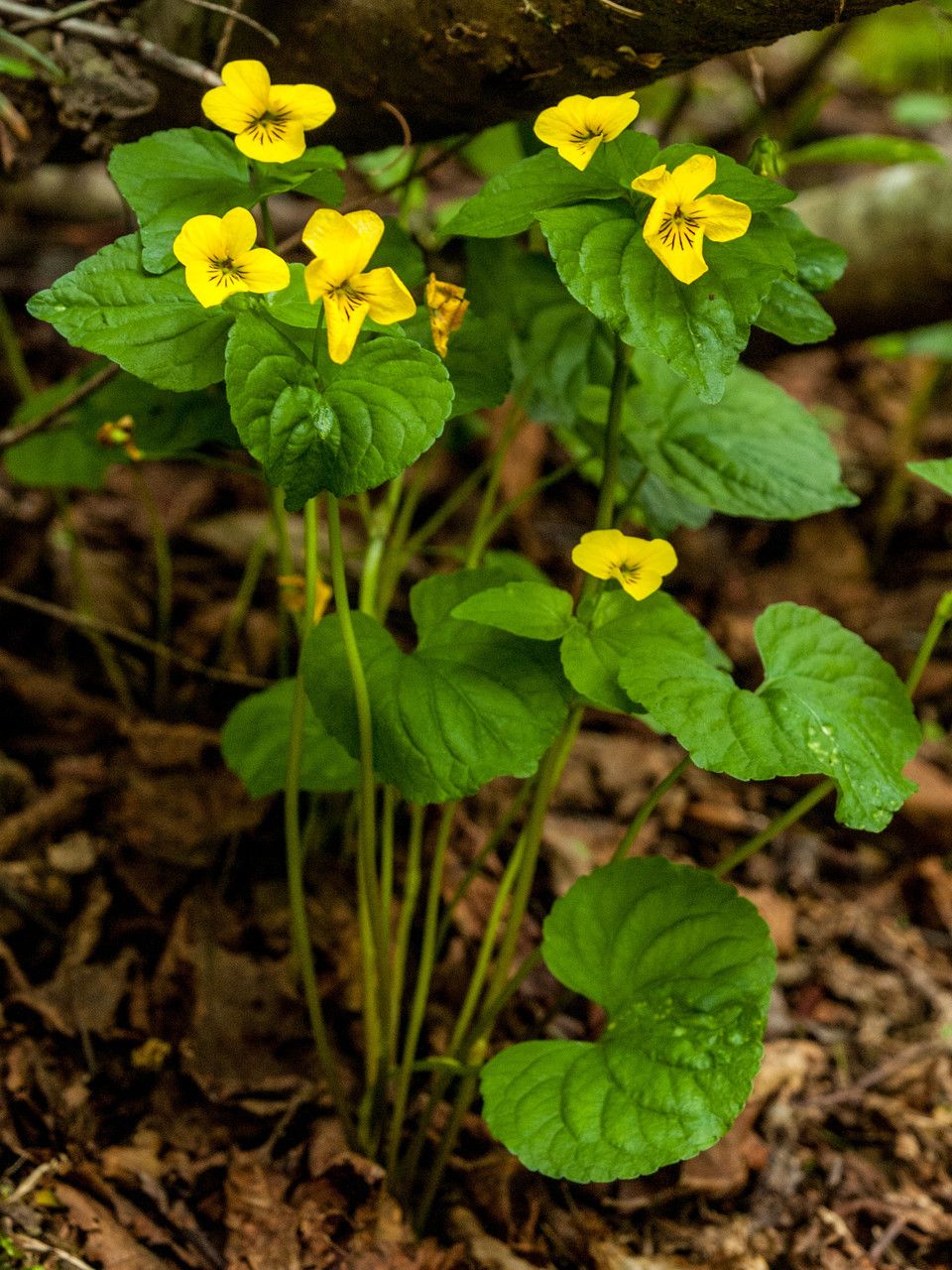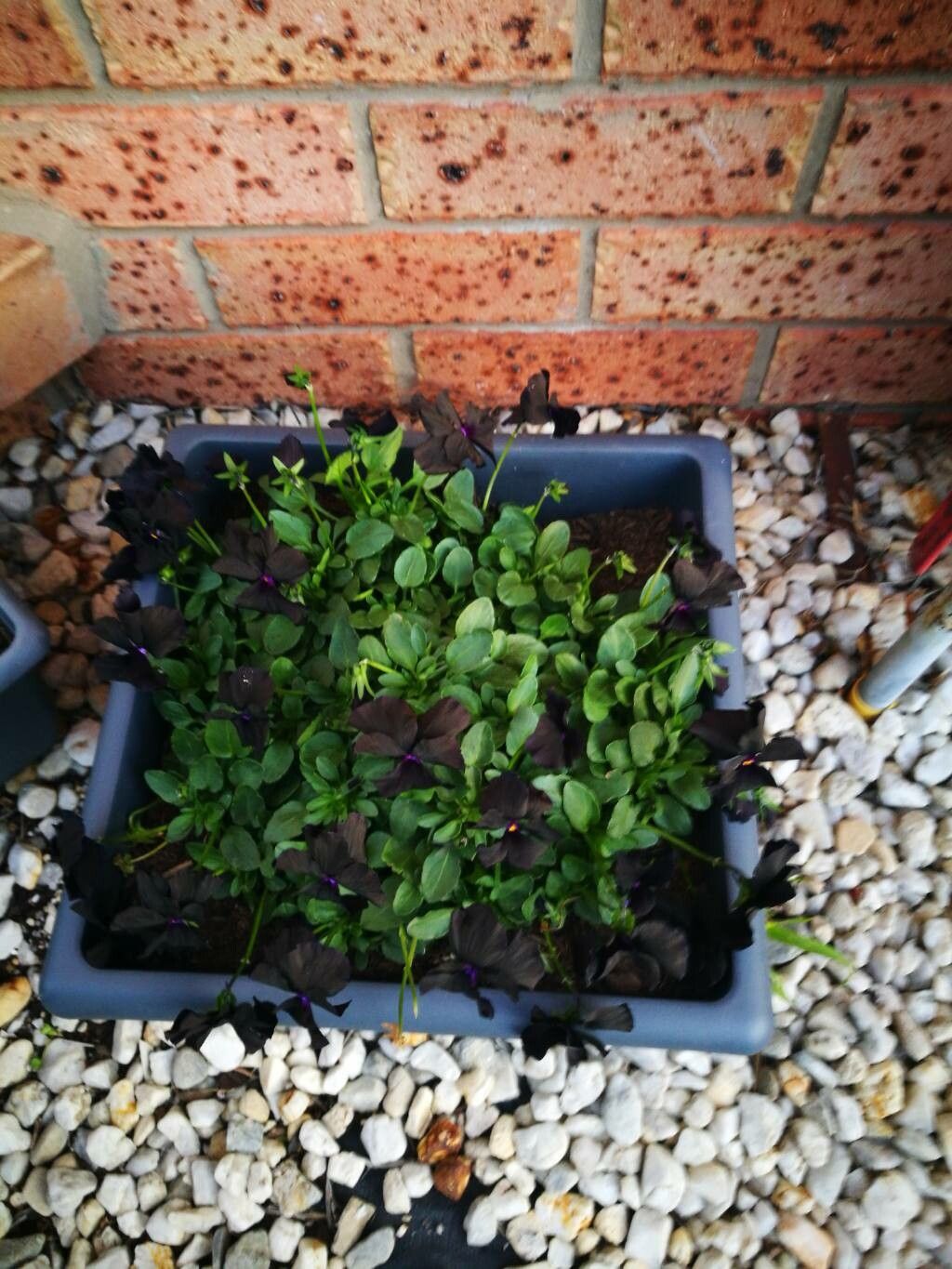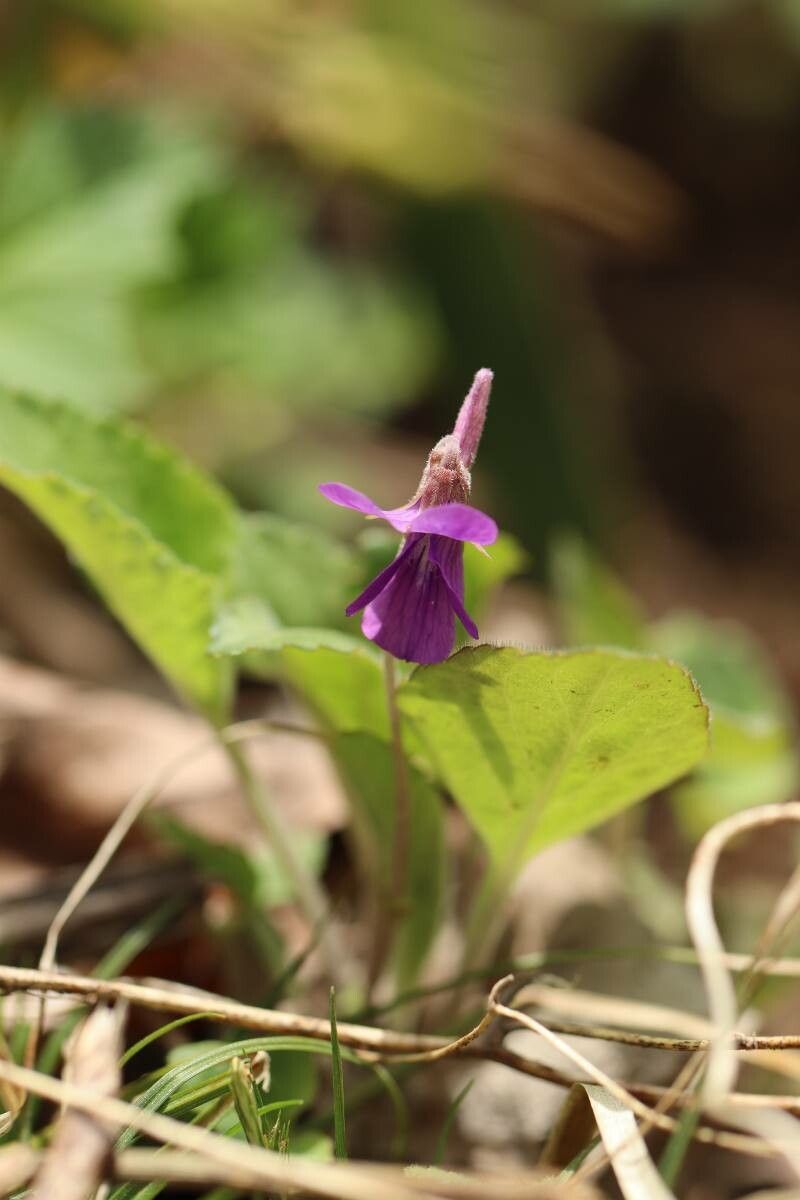
Viola phalacrocarpa is fairly resistant to disease and, in general, does not tend to suffer from illnesses. Nevertheless, it can be vulnerable to pests and diseases present in its surroundings. Such infections are typically not serious. For care, this plant requires moderate maintenance. It should be pruned regularly to keep a neat appearance and support healthy growth. Fertilizing can also help encourage flowering. Viola phalacrocarpa is well suited for anyone with outdoor space like a garden or patio and does not demand extensive care experience. It may need more attention when grown indoors.
How to keep Viola Phalacrocarpa.
Light
Viola phalacrocarpa is indigenous to settings like forest undergrowth or stony regions, where it naturally encounters shade. Its optimal sunlight exposure is partial sun, however, it is capable of adjusting to both full sun and entire shade, showcasing its adaptable and robust character.
Water
Viola phalacrocarpa flourishes in humid, mountainous areas, but it is not tolerant of drought conditions. While it requires regular watering, overwatering can lead to root rot. In garden settings, adjust the watering schedule according to weather conditions to prevent the soil from becoming too dry. For potted plants, water thoroughly whenever the soil surface feels dry.
Temperature
The Viola phalacrocarpa plant is capable of adjusting to a broad spectrum of temperature environments. However, certain mixtures of water and heat conditions might restrict its dispersal. This plant flourishes most effectively in summer heat, provided there is sufficient rainfall or watering. Extensive durations of overcast and wet weather, in addition to sustained high temperatures, can escalate the chances of the Viola phalacrocarpa perishing. During the cold winter season, appropriate protection against the cold can enhance the plant's chances of surviving.
Fertilizer
The optimal period for fertilizing a Viola phalacrocarpa is during the early stages of spring, as it transitions from dormancy into active growth. Fertilization supplies crucial nutrients for robust growth. Even though the Viola phalacrocarpa doesn't require much fertilization, applying it yearly can boost its longevity and encourage superior, enduring flowers.
Pruning
The perennial Viola phalacrocarpa features delicate violet flowers and can adapt to a variety of soil types. To encourage blooming, improve air circulation, and prevent disease, prune the plant between early and late spring to remove any dead stems. Be sure to use clean tools when making cuts, and consult reputable sources for more detailed care instructions.
Botanical profile.
- Plant Type
- Herb
- Life Cycle
- Perennial
- Genus
- Viola
- Family
- Violaceae
- Hardiness Zone
- 4-8
- Mature Height
- 18 cm
- Mature Spread
- 15 cm to 20 cm
- Leaf Color
- Green
- Leaf Type
- Deciduous
- Flower Color
- Purple, Violet
- Flower Size
- 1.52 cm to 2.03 cm
- Bloom Time
- Spring
- Planting Time
- Spring
- Harvest Time
- Summer
- Native Area
- Russia, Japan, Koppen, South Korea, China
Reader questions.
What are the sunlight requirements for Viola phalacrocarpa?
Viola phalacrocarpa thrives in conditions with specific sunlight requirements. For 'Full sun' exposure, it needs above 6 hours of sunlight per day, while 'Partial sun' requires about 3-6 hours of sunlight daily. It's important to observe the way sunlight moves through your garden to find spots that offer the right balance of light and shade, ensuring the plants remain healthy and happy.