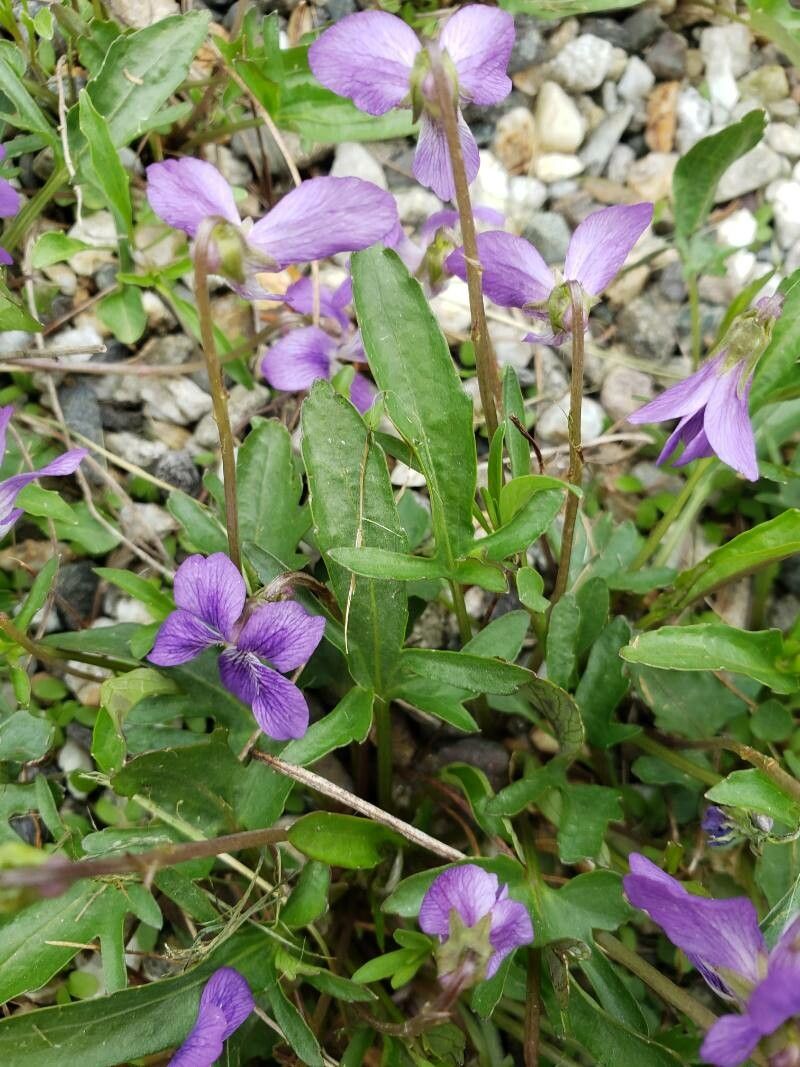
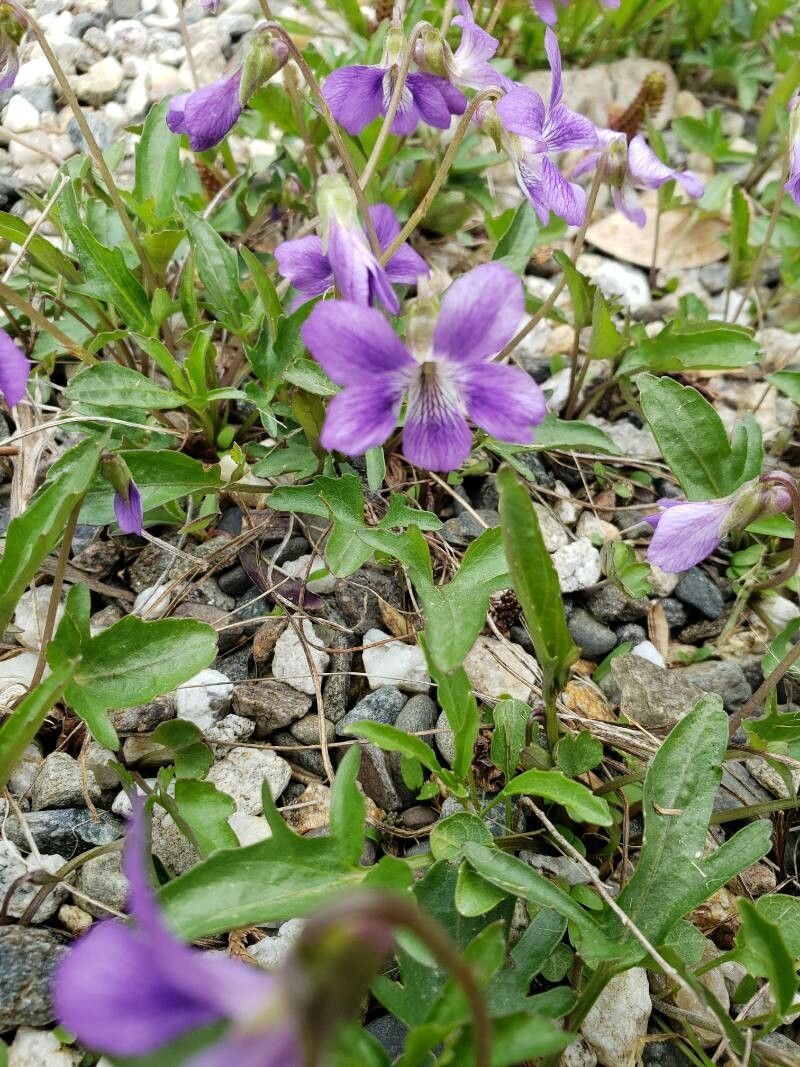
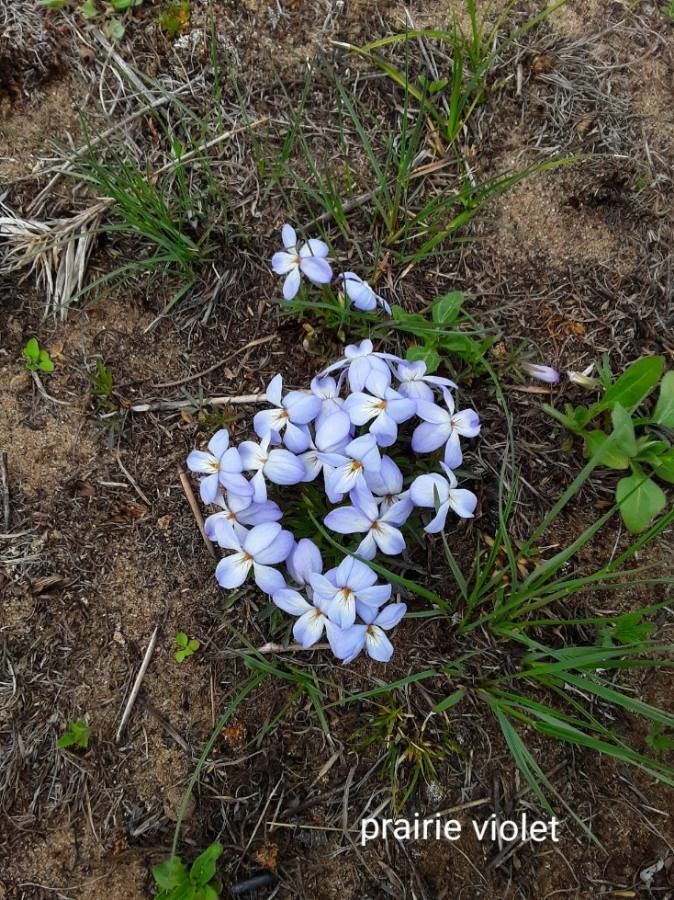
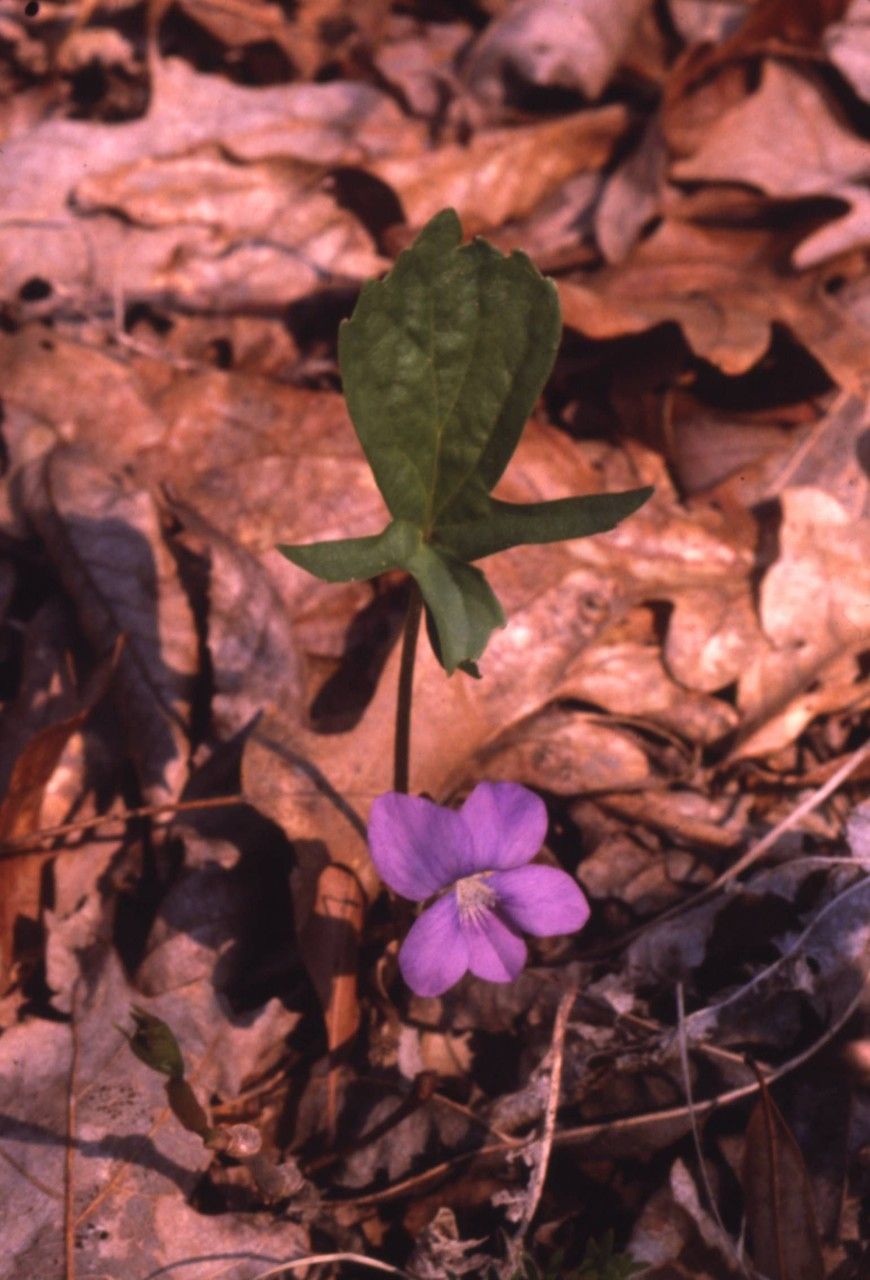
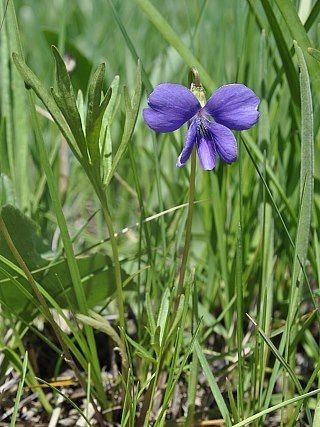
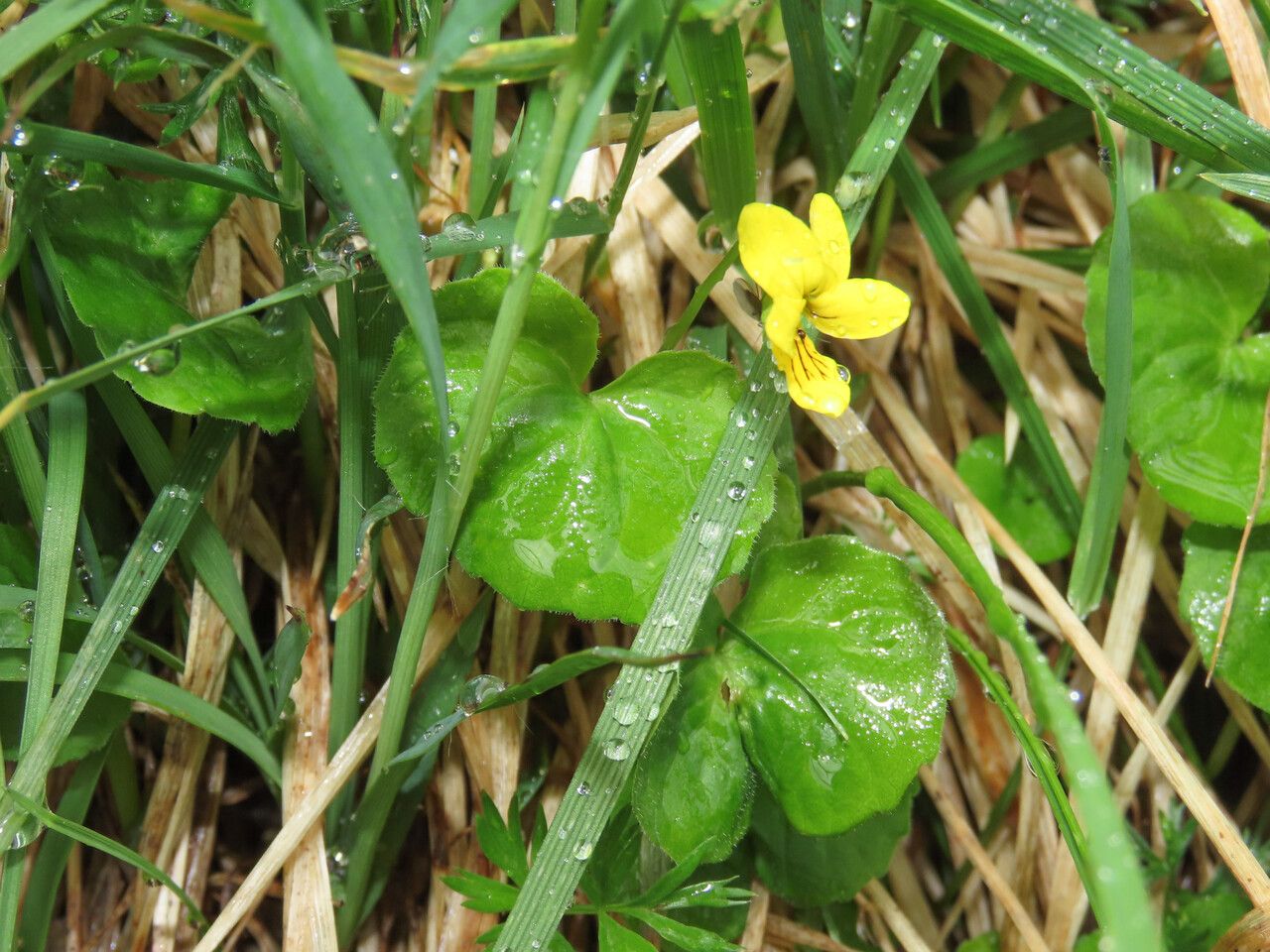
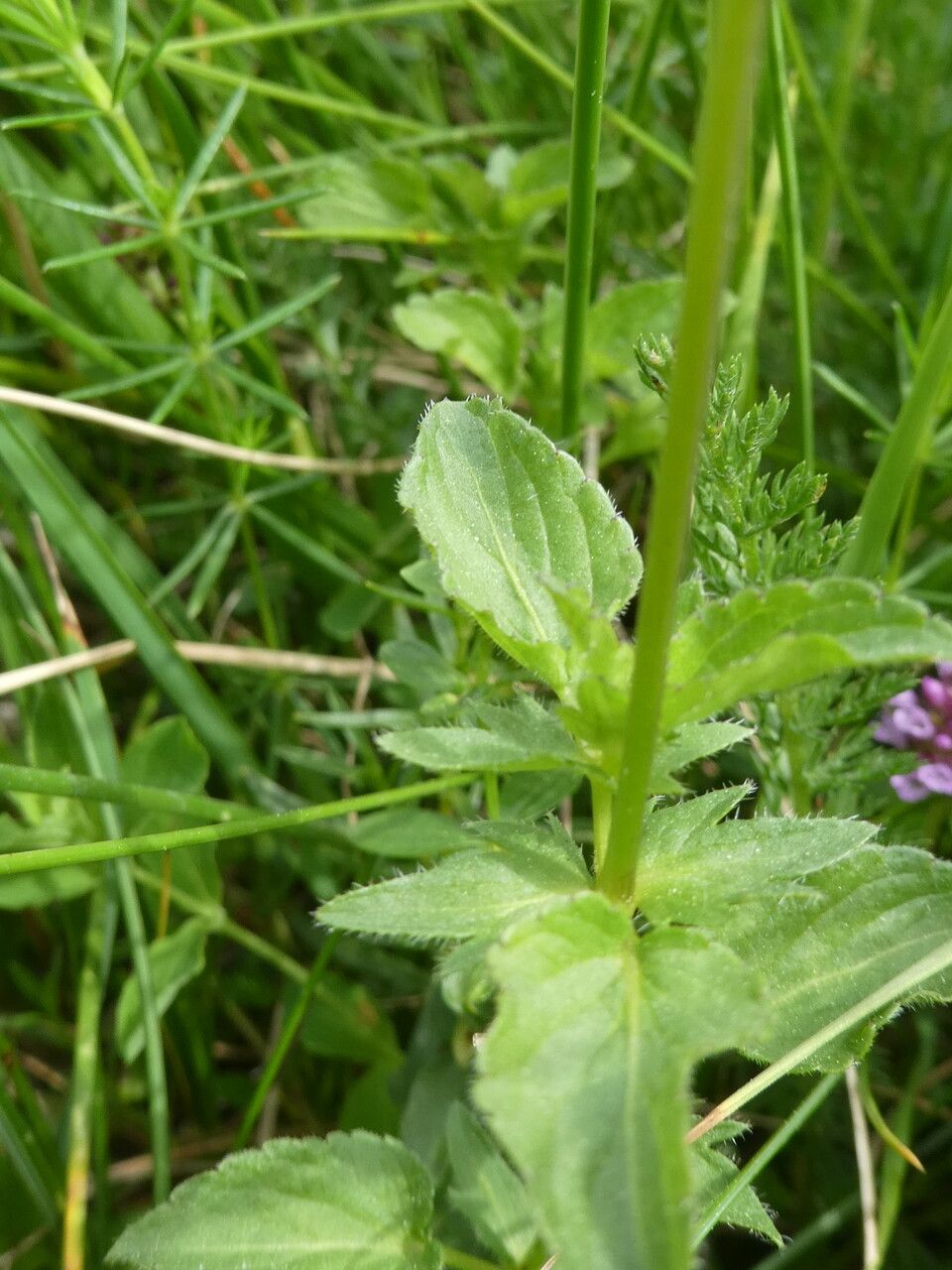
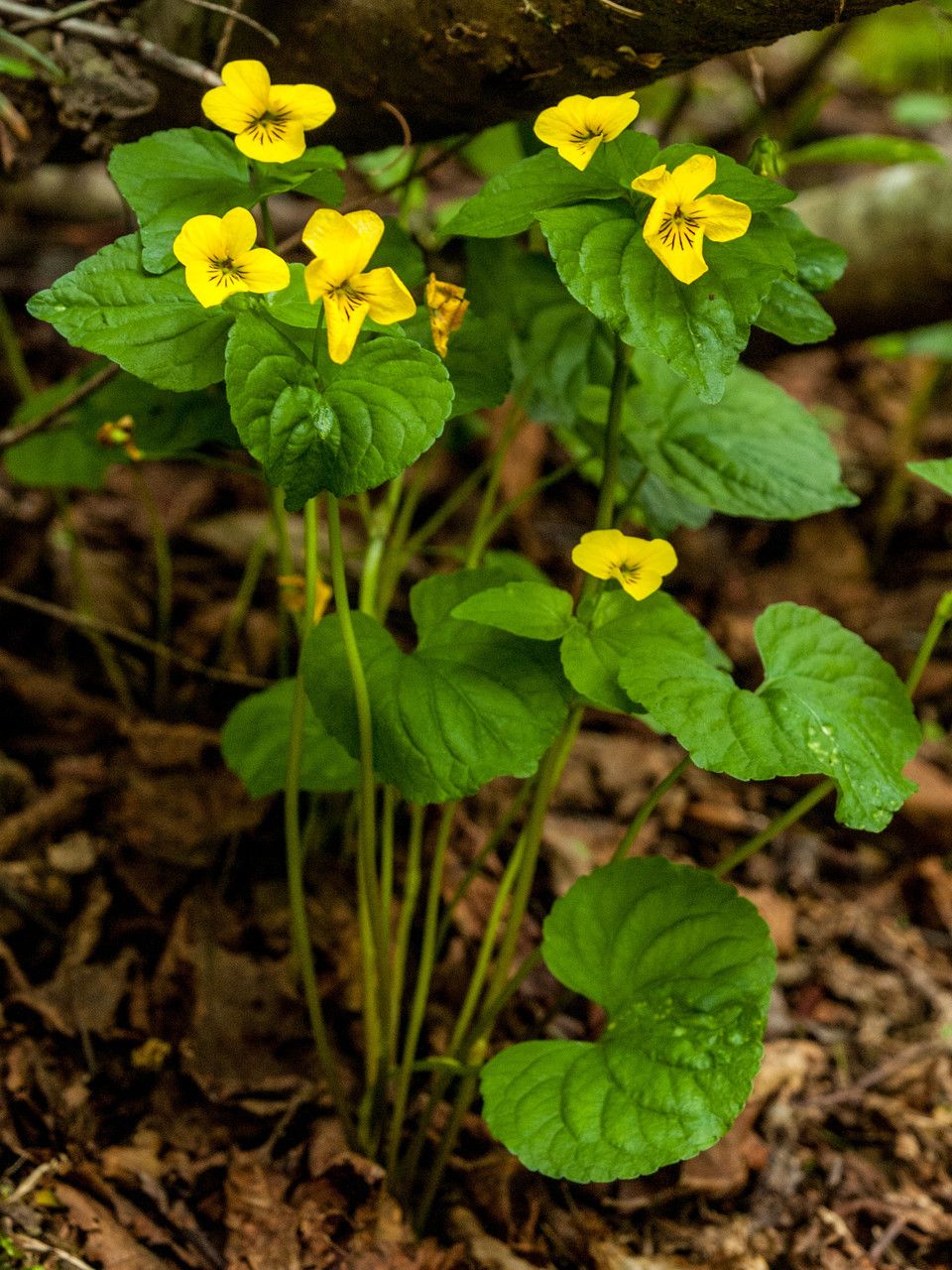
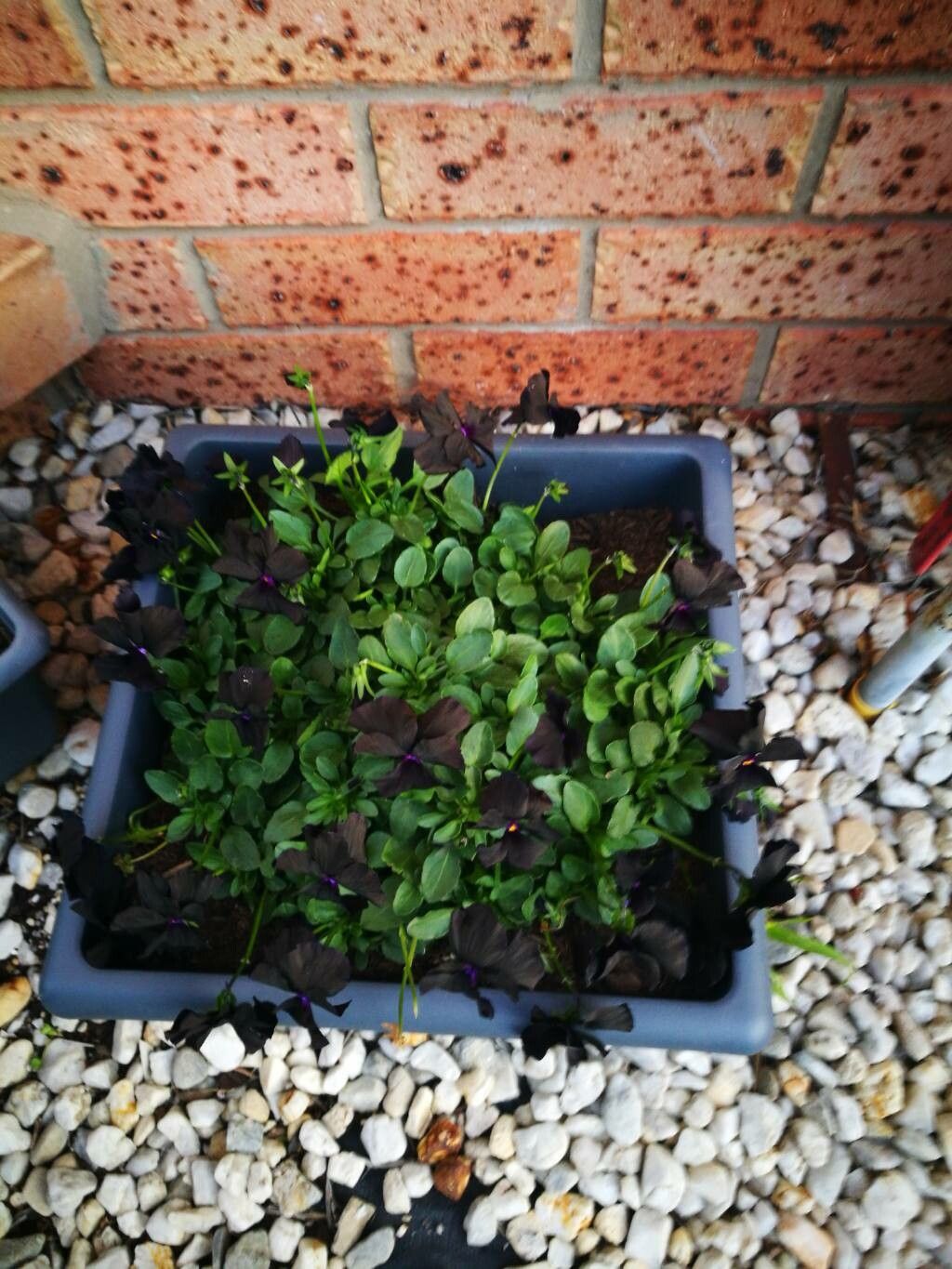
Viola pedatifida, known variously as prairie violet, crow-foot violet, larkspur violet, purple prairie violet, and coastal violet, is a perennial herbaceous plant in the Violet family (Violaceae). It is native to Canada and the United States.
Prairie violet has good disease resistance and is generally not prone to illnesses. However, it can be susceptible to pests and diseases present in its surroundings. These infections are usually not severe. In terms of care, this plant requires a moderate level of maintenance. It should be pruned regularly to keep a neat appearance and support healthy growth. Fertilizing can also help encourage flowering. Prairie violet is suitable for anyone with an outdoor area, such as a garden or patio, and does not need extensive care experience. It may require more attention when grown indoors.
How to keep Viola Pedatifida.
Light
The prairie violet prefers settings with diffused or dappled sunlight, though it can also tolerate direct, unshaded sun. Native to habitats with moderate light levels, it thrives under those conditions. However, its development can be hindered by either excessive exposure or insufficient light.
Water
The prairie violet flourishes in grassland environments, where it prefers moderate humidity and consistent moisture levels, though it can endure short periods of drought. To ensure optimal hydration, it's best to water it weekly. As a herbaceous perennial, its growth and flowering are influenced by seasonal rainfall patterns.
Temperature
Prairie violet comes from a habitat with temperature needs between 32 and 90 °F (0 to 32 ℃). It prefers the cooler end of that range. Seasonal temperature changes may require adjustments, for example providing shade during hot summers.
Fertilizer
The best time to fertilize a Prairie violet is early in spring, as it emerges from dormancy and begins active growth. Applying fertilizer supplies essential nutrients for healthy growth. Although the Prairie violet requires relatively little fertilization, applying it once a year can boost its survival and encourage healthier, longer-lasting flowers.
Pruning
Prairie violet is a hardy perennial known for its finely divided leaves and vibrant purple flowers. To encourage healthy growth and improve airflow, prune the plant in early spring or late winter. Focus on removing dead stems. Be sure to use sharp, clean tools to prevent the spread of disease, and avoid heavy pruning to preserve the plant’s natural shape.
Pot & Repot
Repot prairie violets every 2 to 3 years in the spring to promote healthy growth. Select a shallow container that is slightly larger than the current one, as prairie violets have delicate root systems. After repotting, ensure the plant receives plenty of indirect light and keep the soil consistently moist to support optimal recovery and growth.
Botanical profile.
- Plant Type
- Herb
- Life Cycle
- Perennial
- Genus
- Viola
- Family
- Violaceae
- Hardiness Zone
- 3-8
- Mature Height
- 15 cm to 23 cm
- Mature Spread
- 15 cm
- Leaf Color
- Green, Dark Green
- Leaf Type
- Evergreen, Deciduous
- Flower Color
- Violet, Purple
- Flower Size
- 2.03 cm
- Bloom Time
- Spring
- Planting Time
- Spring, Summer
- Harvest Time
- Late spring, Early summer, Mid summer
Other names.
Reader questions.
What are the temperature requirements for Prairie violet?
Prairie violet thrives in environments where the temperature ranges from 32 to 90°F (0 to 32°C), with a preference for cooler conditions within this range. It has a strong resistance to cold and special frost protection measures are usually not necessary. However, in regions where winter temperatures might drop below -35°C, it's important to protect the plant by covering it with soil or straw and watering it abundantly before the first freeze in autumn. This ensures the soil remains moist and protects the plant from drought and water scarcity during winter and early spring.
What should I do if my Prairie violet is exposed to temperatures below -35°C?
Although Prairie violet is cold-tolerant, exposure to temperatures below -35°C can affect its ability to sprout in the spring. If you observe a lack of sprouting or a decrease in sprouting during spring after such cold exposures, you should remove any parts of the plant that have failed to sprout. This step helps in the recovery and maintenance of the plant's health.
How does high temperature affect Prairie violet and what are the solutions?
High temperatures, especially those exceeding 35°C, can cause the leaves of Prairie violet to lighten in color, become prone to curling, suffer sunburn, and in severe cases, lead to the wilting and drying of the entire plant. To address this, trim away any sunburned or dried-up parts of the plant. Moving the plant to a shaded location or using a shade cloth can protect it from the harsh midday and afternoon sun. Additionally, watering the plant in the morning and evening can help keep the soil moist and support the plant's health in high temperatures.