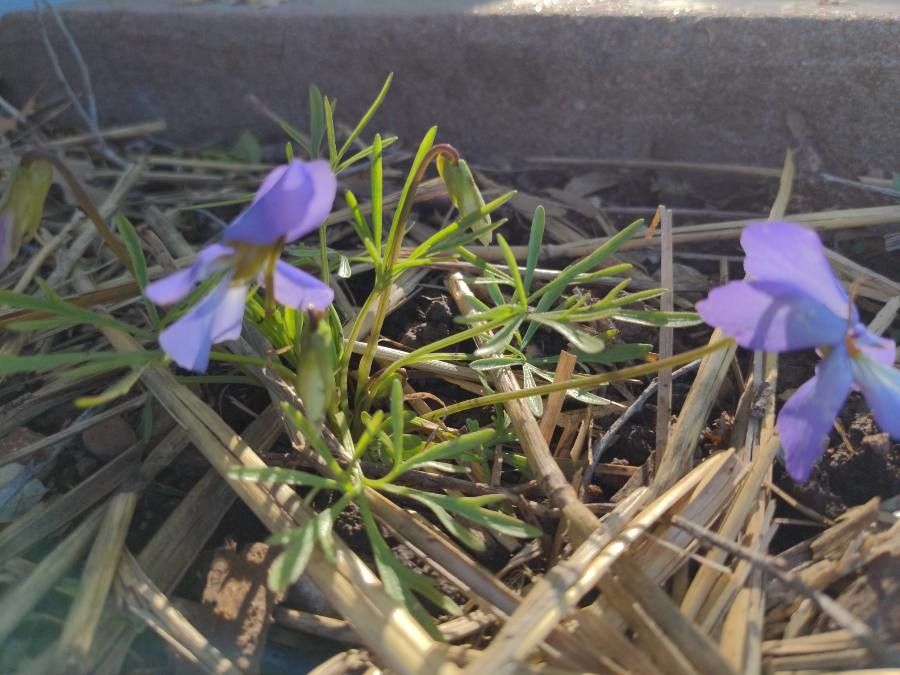
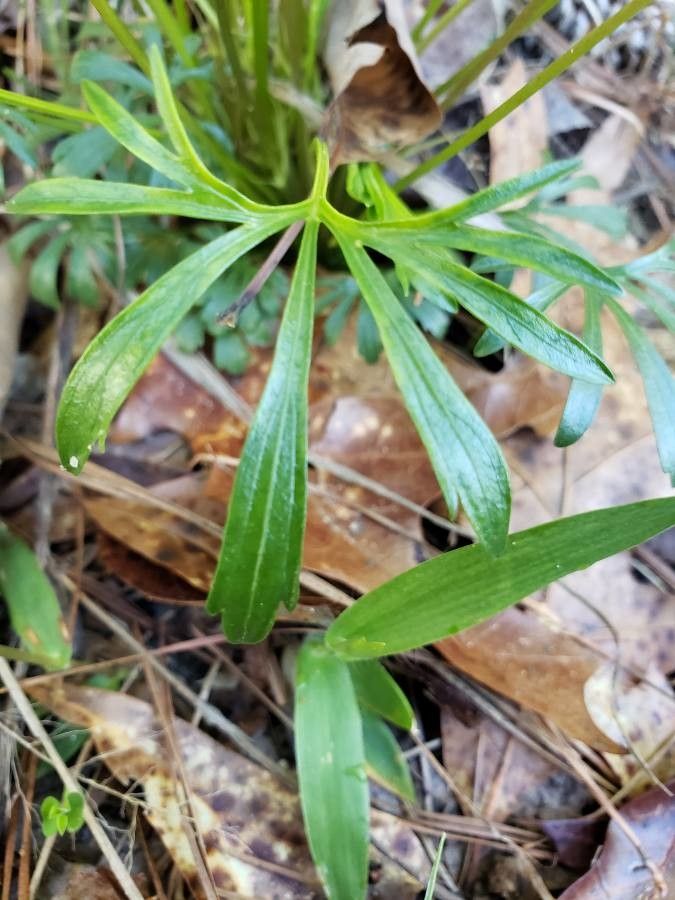
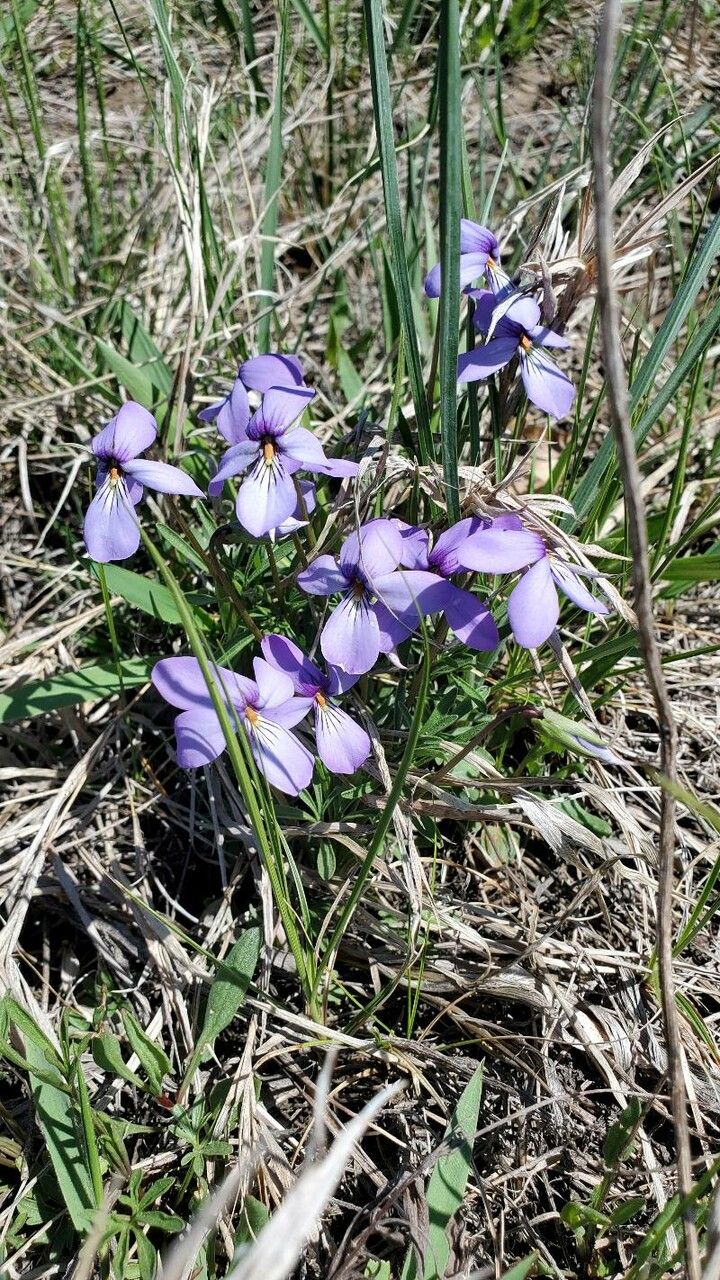
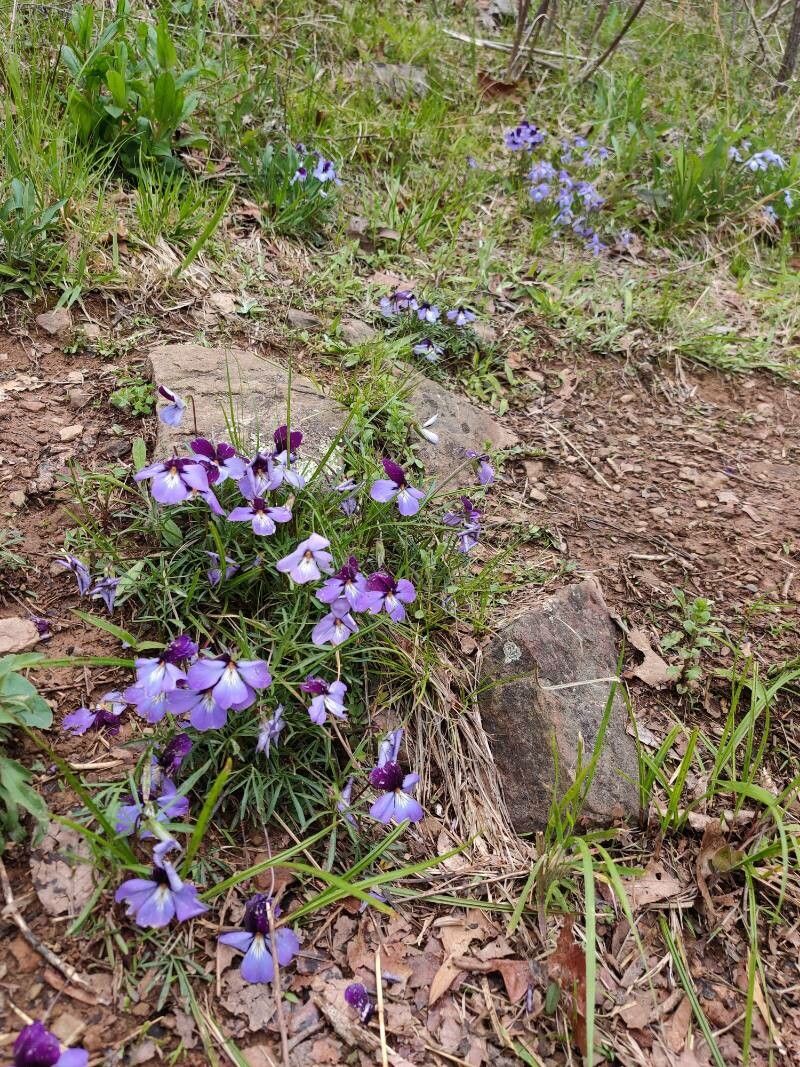
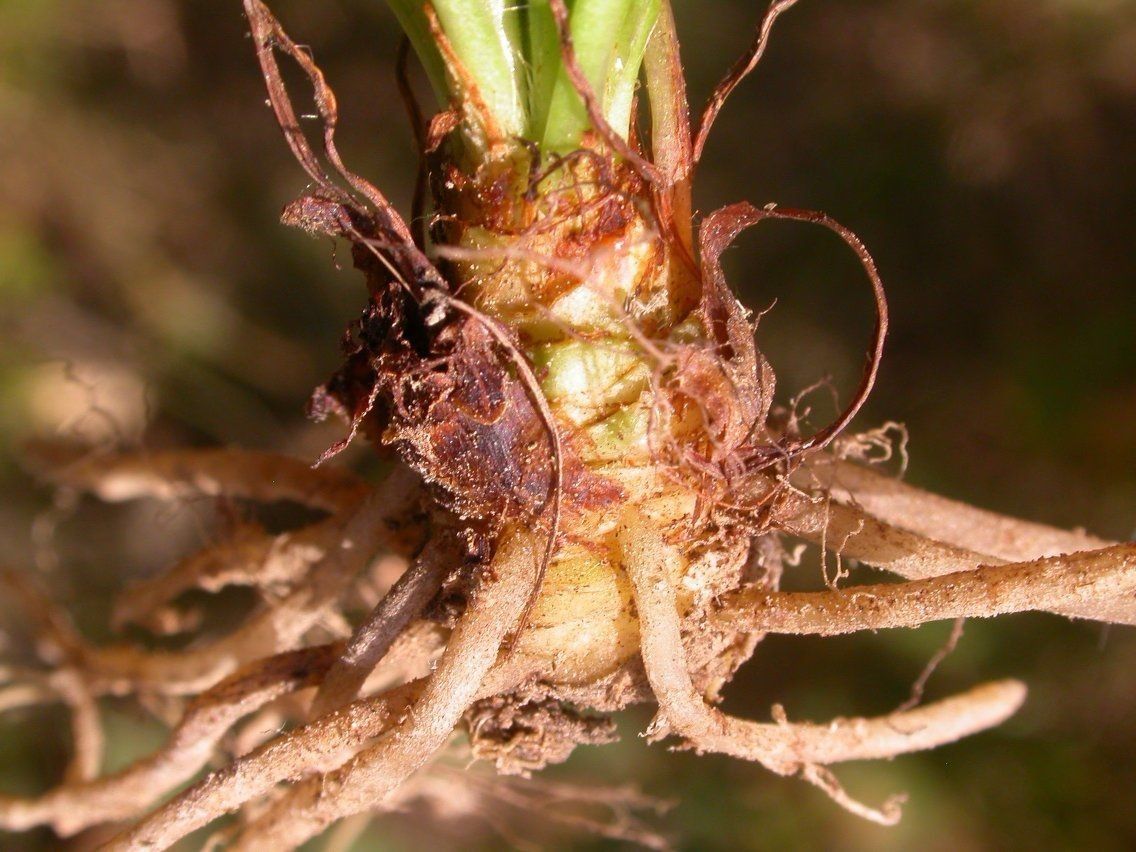
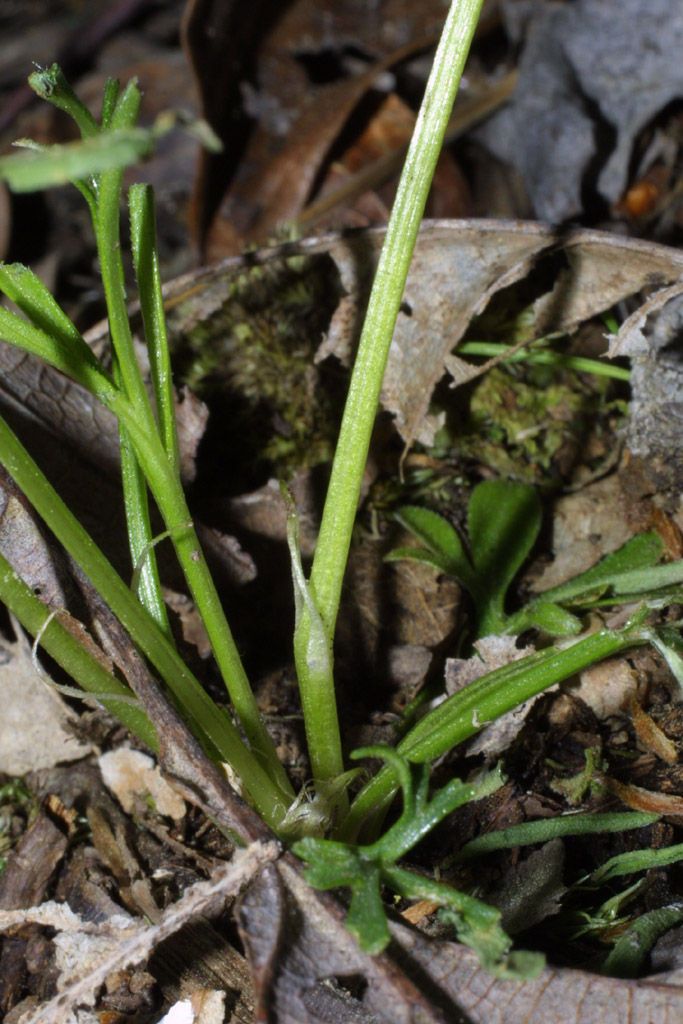
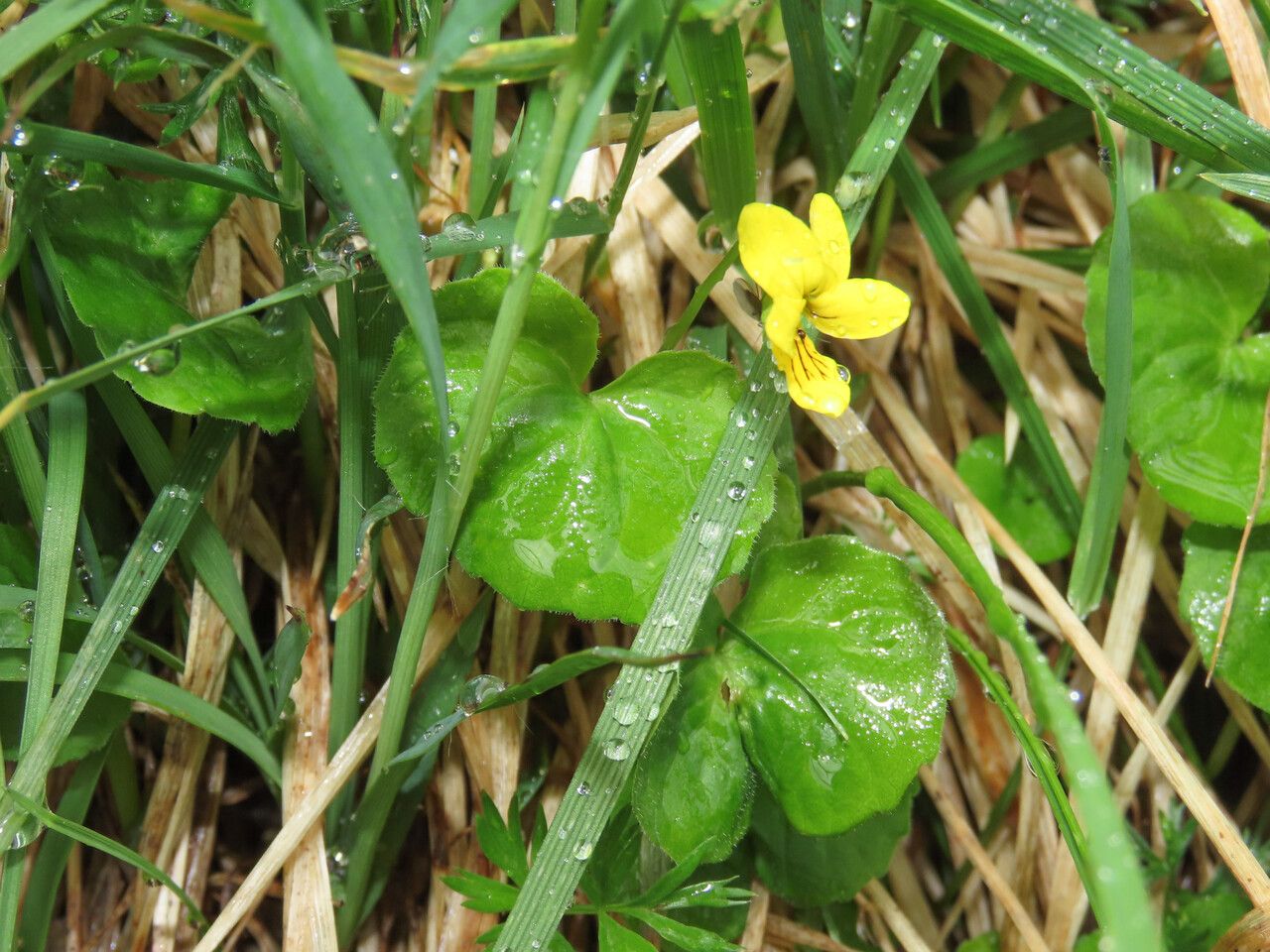
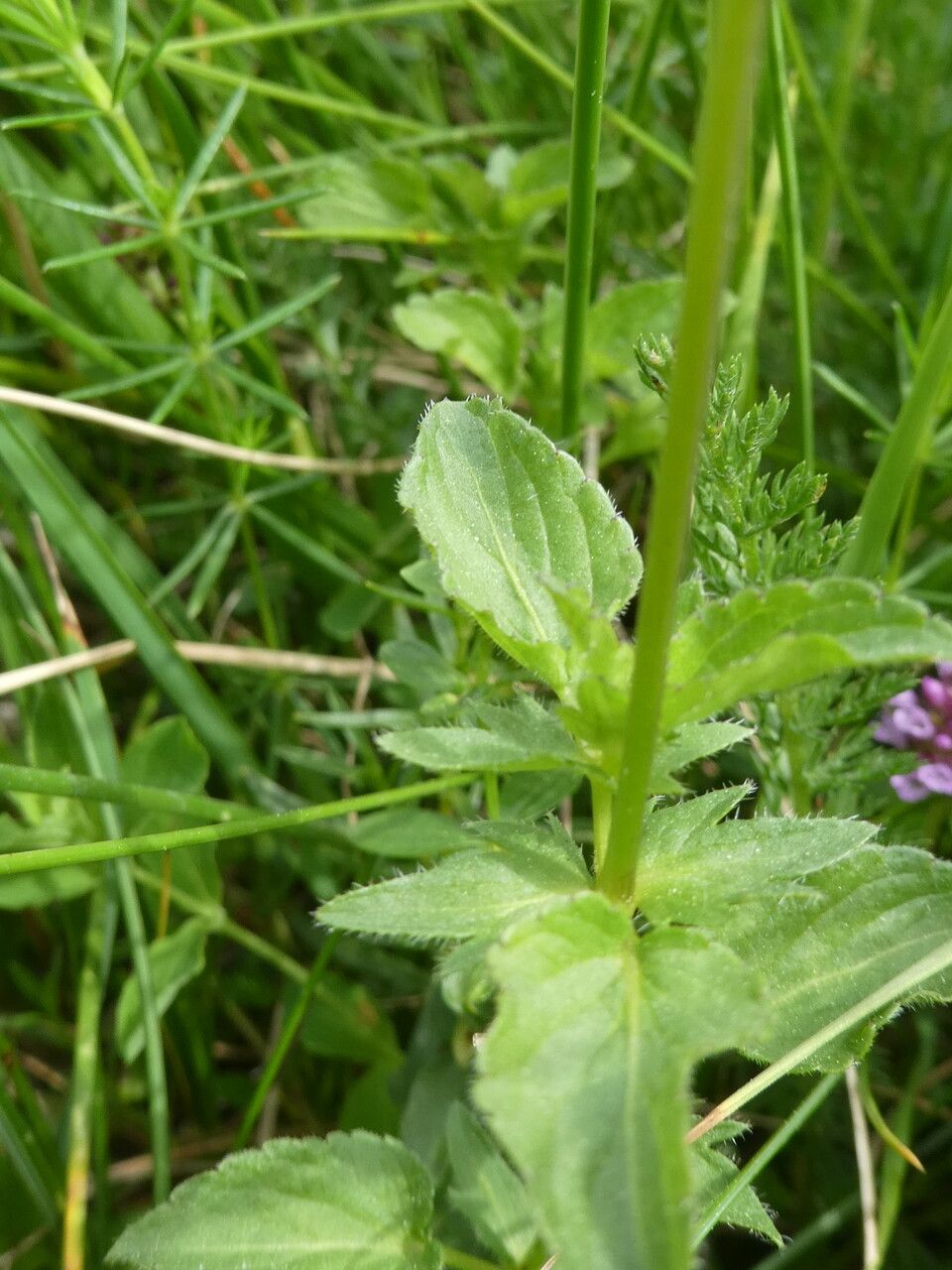
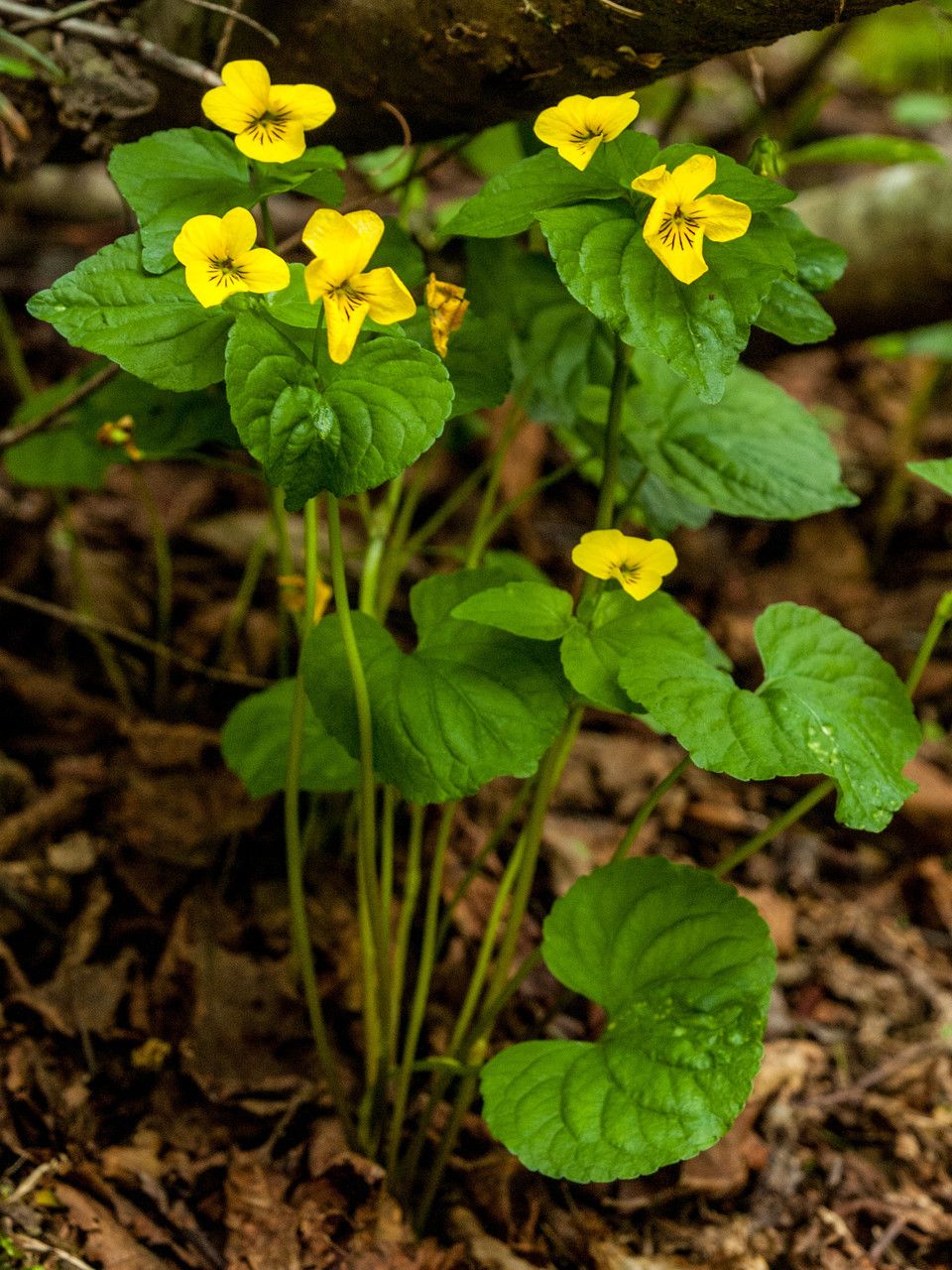
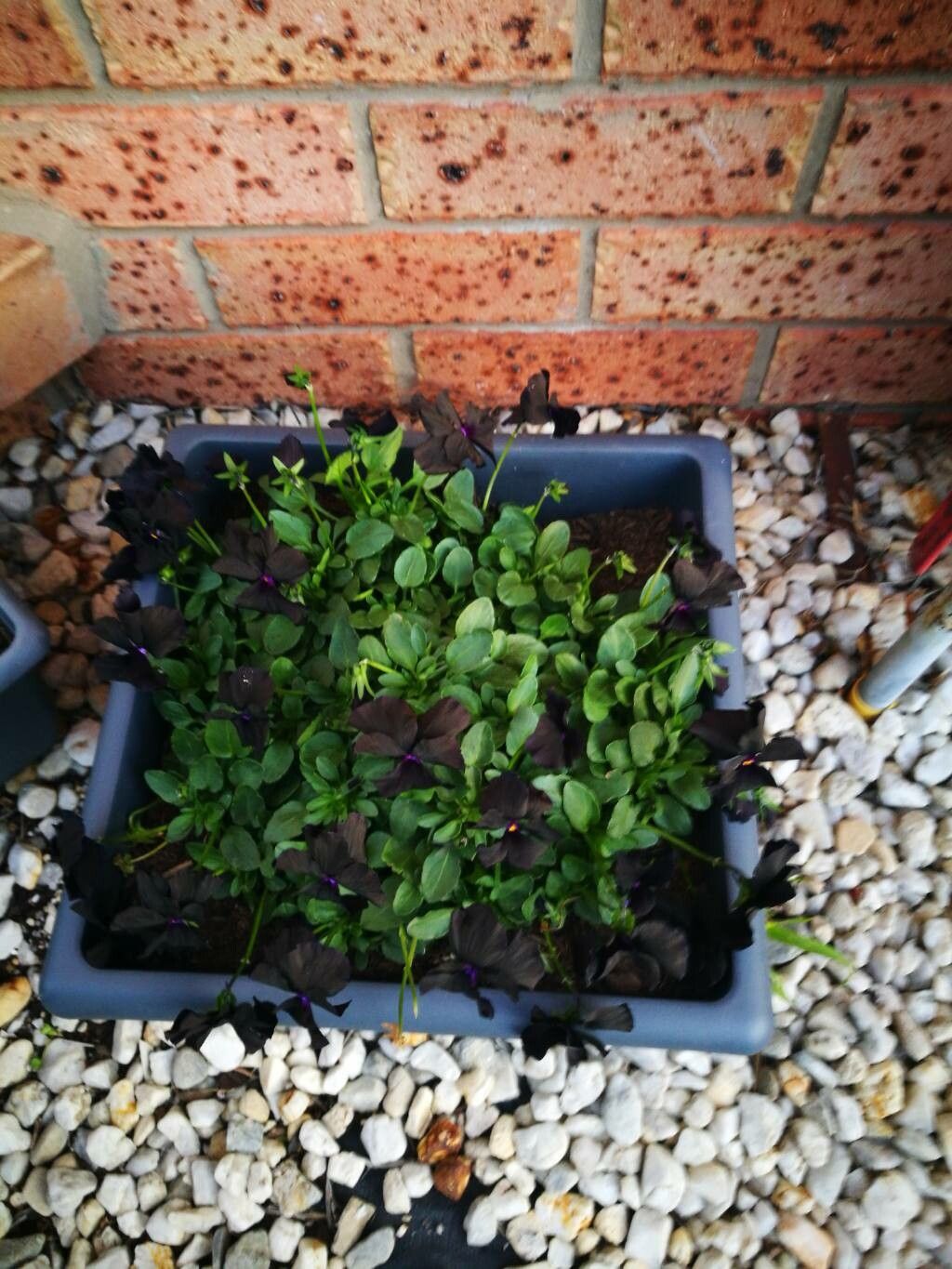
Viola pedata, commonly known as bird's foot violet, is a perennial herbaceous plant in the Violaceae family. Native to North America, it thrives in various habitats, including prairies, woodlands, and savannas. This plant typically reaches a height of 6-8 inches and spans 6-12 inches in width.
The leaves of Viola pedata are deeply lobed, often with five or seven segments resembling a bird's foot. Its flowers are solitary, with five petals that can range in color from blue-violet to lavender or white, blooming from April through June.
Bird's foot violet prefers well-drained soils and partial shade, though it can tolerate full sun in cooler climates. It is an excellent choice for rock gardens, borders, or naturalized areas.
Historically, Native Americans used the plant for medicinal purposes, treating ailments such as headaches, coughs, and colds, owing to its anti-inflammatory properties.
Additionally, Viola pedata attracts pollinators like bees and butterflies, making it a valuable addition to any garden or landscape design project.
Birdfoot Violet has strong disease resistance and is usually not prone to illnesses. Still, it can be affected by pests and diseases present in its surroundings, although these problems are typically mild. Regarding care, this plant is medium maintenance. It should be pruned regularly to maintain a neat appearance and healthy growth. Fertilizing can also help encourage flowering. Birdfoot Violet is suitable for anyone with outdoor space, such as a garden or patio, and does not demand extensive gardening experience. It may need more attention if grown indoors.
How to keep Viola Pedata.
Light
Birdfoot Violet generally does well with moderate sunlight but can tolerate strong sun. It has evolved to endure the conditions of its native habitat, which offers ample light. Still, too much or too little sunlight can damage the plant's health.
Water
The Birdfoot Violet thrives in moderate moisture with consistent humidity. To encourage its vibrant flowering, it's important to maintain a balanced watering schedule, ideally on a weekly basis, especially during the growing season. This herbaceous perennial is typically grown outdoors and benefits greatly from regular care.
Temperature
Birdfoot Violet is native to habitats with a broad temperature range of 41 to 95 °F (5 to 35 ℃). It is adaptable and does best within that temperature span. Seasonal climate adjustments are recommended only if temperatures fall outside this range.
Fertilizer
The best time to fertilize a Birdfoot Violet is in early spring, as it comes out of dormancy and begins active growth. Fertilizing supplies essential nutrients needed for healthy growth. Although the Birdfoot Violet has comparatively low fertilizer requirements, feeding it once a year can improve its survival and encourage better, longer-lasting flowers.
Pruning
Birdfoot Violet, known for its vibrant, birdfoot-shaped flowers, thrives with some light pruning from early to late spring. To encourage healthy growth and prolong its blooming period, you should remove any dead foliage and spent flowers. However, be careful to avoid heavy pruning, as it can stress the plant. With consistent care, you can help maintain the plant's shape and vitality.
Pot & Repot
Repot the birdfoot violet every 2 to 3 years into a slightly larger, well-draining container. The best time to do this is in early spring. The plant needs bright, indirect light and consistent moisture. Use a breathable terracotta pot, and handle the plant gently, as it is sensitive after being relocated. This will help ensure healthy growth and blooming.
Botanical profile.
- Plant Type
- Herb
- Life Cycle
- Perennial
- Genus
- Viola
- Family
- Violaceae
- Hardiness Zone
- 4-9
- Mature Height
- 10 cm to 20 cm
- Mature Spread
- 8 cm to 15 cm
- Leaf Color
- Green, Blue, Gray, Silver
- Leaf Type
- Deciduous
- Flower Color
- Purple, White, Yellow, Lavender
- Flower Size
- 2.54 cm to 7.62 cm
- Bloom Time
- Spring
- Planting Time
- Autumn, Spring
- Harvest Time
- Late spring, Early summer, Mid summer
Other names.
Reader questions.
How should I water my Birdfoot Violet plant?
To ensure the health of your Birdfoot Violet plant, it is best to use filtered water at room temperature. Tap water may contain harmful particles, so filtered water is preferable. Because the Birdfoot Violet is accustomed to warm environments, it is important to avoid using cold water as it could shock the plant. Additionally, overhead watering should be avoided to prevent foliage complications. Instead, you should apply filtered room temperature water directly to the soil until it is completely soaked. This method of watering benefits the plant by moistening the roots and aiding their growth and nutrient absorption.
Why do I have to put fertilizer on my Birdfoot Violet?
Fertilization plays an important role in the growth of the Birdfoot Violet and other plants. It provides vital nutrients that support the plant's overall development above and below the ground. Despite this, the Birdfoot Violet has relatively low fertilization requirements and can sometimes survive without it. However, annual fertilization can greatly benefit the Birdfoot Violet by promoting its survival and enhancing the quality and longevity of its flowers. Therefore, those who wish to cultivate a thriving Birdfoot Violet should consider implementing regular fertilization practices.
What are the sunlight requirements for Birdfoot Violet?
Birdfoot Violet requires moderate exposure to sunlight but can also withstand intense sun exposure. It thrives in environments with plenty of light, which is essential for its health. The plant can benefit from partial sun, about 3-6 hours of sunlight, or full sun, which is above 6 hours of sunlight daily. It's important to observe the movement of sunlight through your garden to find spots that offer the right balance of light and shade, ensuring the plant's happiness and healthy growth. Additionally, when natural sunlight is insufficient, especially in winter or less sunny spaces, artificial lighting can be a vital solution for indoor plants, promoting their growth.
What is the optimal temperature range for Birdfoot Violet?
Birdfoot Violet thrives in environments where the temperature ranges between 41 to 95 °F (5 to 35 °C). This range allows it to adapt well and flourish. It's important to make seasonal climate adjustments for the Birdfoot Violet only if temperatures fall outside this range, ensuring the plant continues to grow healthy.
What should I do if I give my Birdfoot Violet too much water or too little water?
Both overwatering and underwatering can harm the health of your Birdfoot Violet, but overwatering is more common. If the plant gets too much water, the stems and leaves may wilt and turn yellow. Overwatering for a long time can also cause diseases like root rot, mold, and mildew, which can be fatal. Underwatering is less likely for the Birdfoot Violet because it can tolerate drought, but it is still possible. In this case, the leaves may become brittle and brown. It's important to notice the signs of overwatering early when taking care of your plant. Some diseases caused by overwatering, such as root rot, cannot be fixed if you wait too long. If you see early signs of overwatering, reduce your watering schedule immediately. You should also check if the soil drains poorly and replace it with well-draining potting mix if needed. If you notice signs of underwatering, simply water the plant more regularly until the signs improve.
When should I fertilize my Birdfoot Violet plant?
The best time to fertilize a Birdfoot Violet is in late winter to early spring when it is transitioning from dormancy to active growth. Fertilizing during this time promotes healthy growth and sets the plant up for a successful season. Although it is generally recommended to fertilize in early spring, it is also acceptable to fertilize in the fall. However, it is not advisable to feed a Birdfoot Violet during summer or winter.
What symptoms indicate light deficiency or excess in Birdfoot Violet?
Symptoms of light deficiency in Birdfoot Violet include smaller new leaves, leggy or sparse growth, faster leaf drop, slower or no new growth, and lighter-colored new leaves. These symptoms suggest the plant is not receiving adequate light. Conversely, signs of excessive light or sunlight include chlorosis, sunscald, leaf curling, wilting, and leaf scorching. These symptoms indicate the plant is receiving too much light, leading to damage and affecting its ability to photosynthesize effectively.
Does Birdfoot Violet require special frost protection in winter?
Birdfoot Violet has strong cold resistance and usually does not require special frost protection measures during winter. However, in extreme conditions where winter temperatures may drop below -30°C, it's crucial to provide some form of cold protection. This can include covering the plant with protective materials like soil or straw. Additionally, watering the plant abundantly before the first freeze in autumn to keep the soil moist is recommended, as it helps prevent drought and ensures the plant has enough water during the colder months.
How frequently should I give water to my Birdfoot Violet?
If your Birdfoot Violet is in a pot, the most precise way to determine when it needs water is to stick your finger into the soil. If the first two to three inches are dry, it's time to water. The same method can be used if you have your Birdfoot Violet planted outdoors. When the upper inches of soil have dried out, it's time to water. Typically, during spring and early fall, watering once a week should be enough. However, during extremely hot weather, you may need to water twice or more per week. It's worth noting that mature and well-established Birdfoot Violets are quite drought-tolerant.
When is the best time to not use fertilizer on my Birdfoot Violet?
To properly care for your Birdfoot Violet, it is recommended to only fertilize during the late winter and early spring. This plant has low fertilization needs and a single annual feeding is sufficient. Overfertilization can be easily avoided by refraining from fertilizing in spring, summer, and fall, with the exception of fall if no previous fertilizer was applied in spring. Additionally, it is unnecessary to fertilize during winter as the plant goes through a dormant growth phase and does not experience new growth. Therefore, it is best to avoid fertilization for most of the growing season and during most of winter.
How can I address light-related issues for Birdfoot Violet?
To address light-related issues in Birdfoot Violet, follow these steps: For indoor plants, gradually shift them to sunnier spots each week until they receive 3-6 hours of direct sunlight daily. If the plant is large or not easily movable, consider using artificial light, keeping a desk or ceiling lamp on for at least 8 hours daily or investing in professional grow lights. For outdoor plants, move them gradually to sunnier locations each week to avoid sudden changes in light intensity that could result in sunburn. If sunlight is obstructed, consider pruning obstructions like tree branches. For smaller plants, transplanting during the dormant period, usually late winter or early spring, to a location with ample sunlight and good drainage can improve light exposure. It's important to note that parts of the plant affected by insufficient light might not recover, but new growth will be healthy with proper light exposure.
How does Birdfoot Violet react to low temperatures and what are the solutions?
Birdfoot Violet is cold-tolerant, preferring temperatures to stay above 5°C. If winter temperatures don't fall below -25°C, the plant generally copes well. However, when temperatures plummet below -30°C, Birdfoot Violet may not show immediate damage during winter, but its ability to sprout in spring could be diminished, with sprouting either decreased or entirely absent. The solution in spring for any parts of the plant that failed to sprout is simply to remove them, encouraging healthier growth.