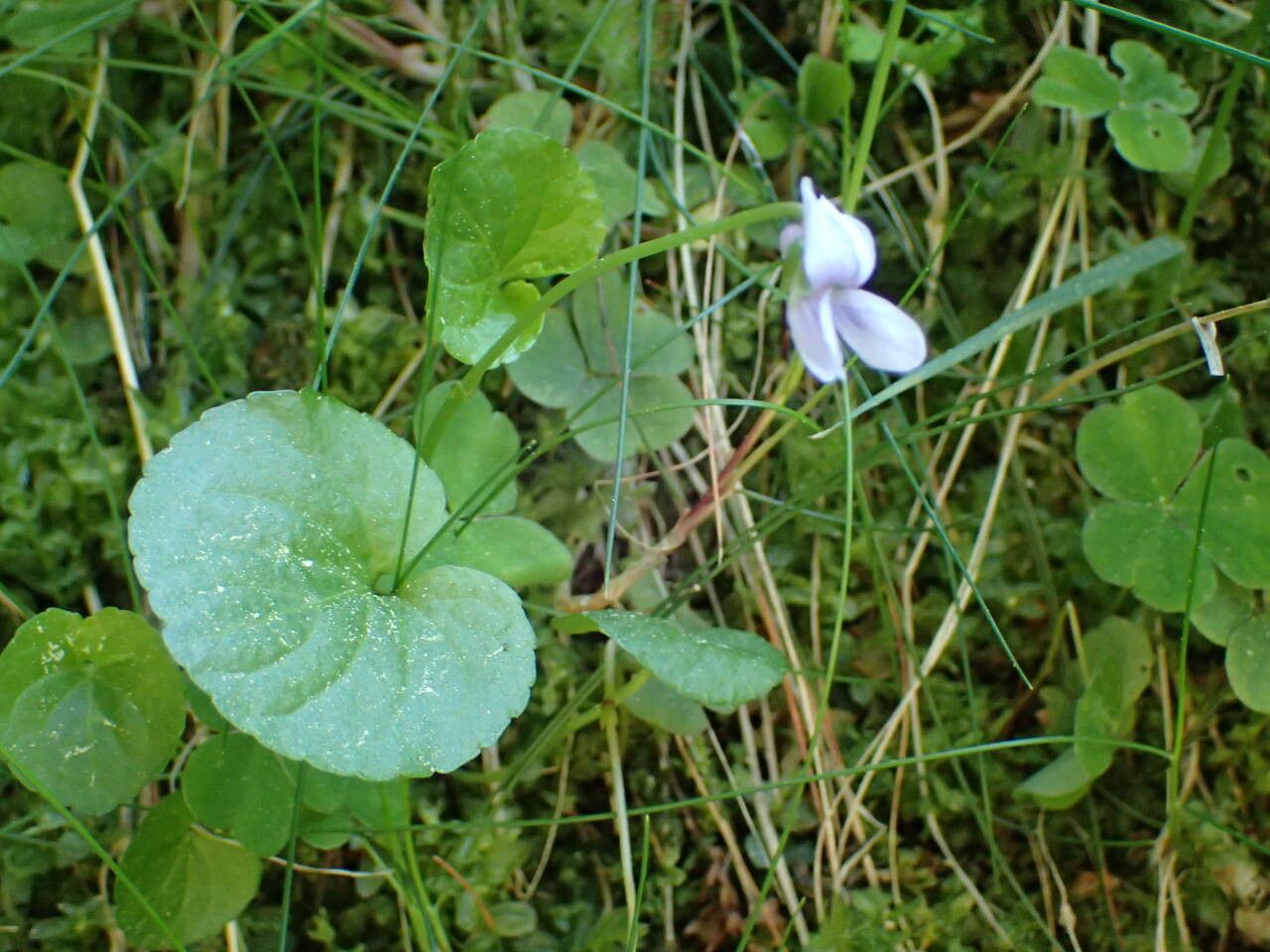
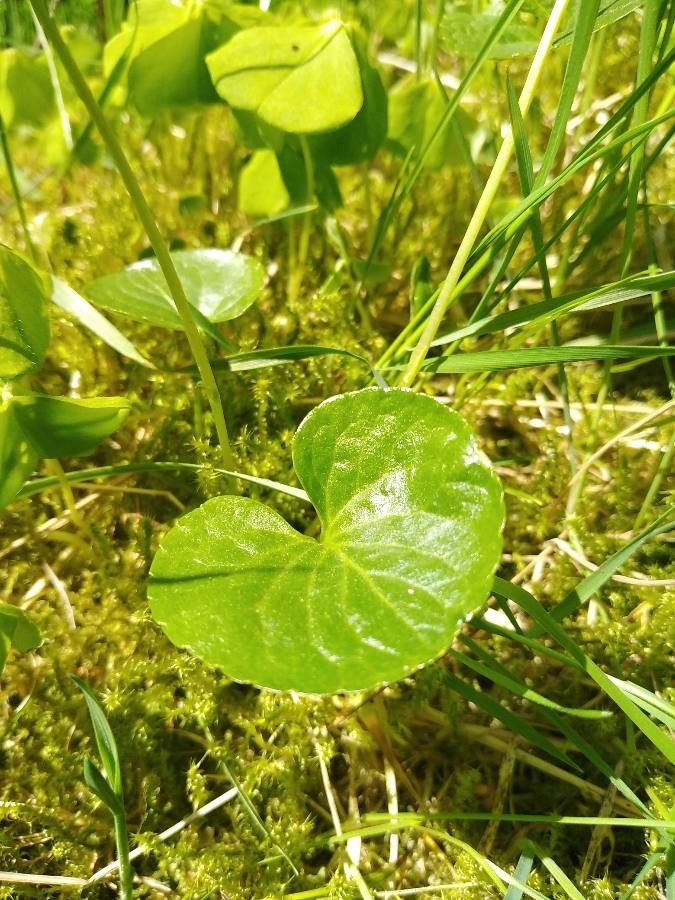
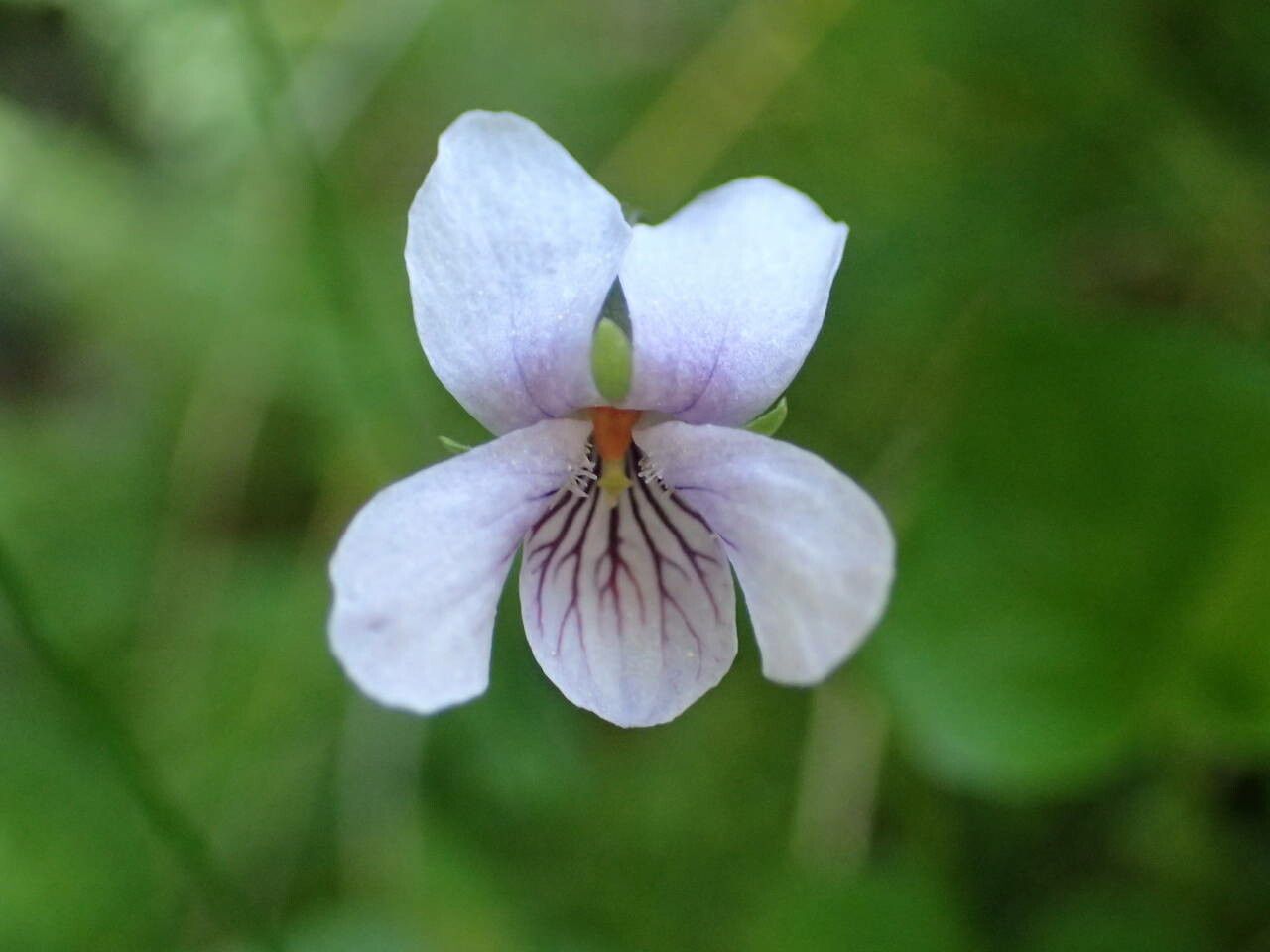
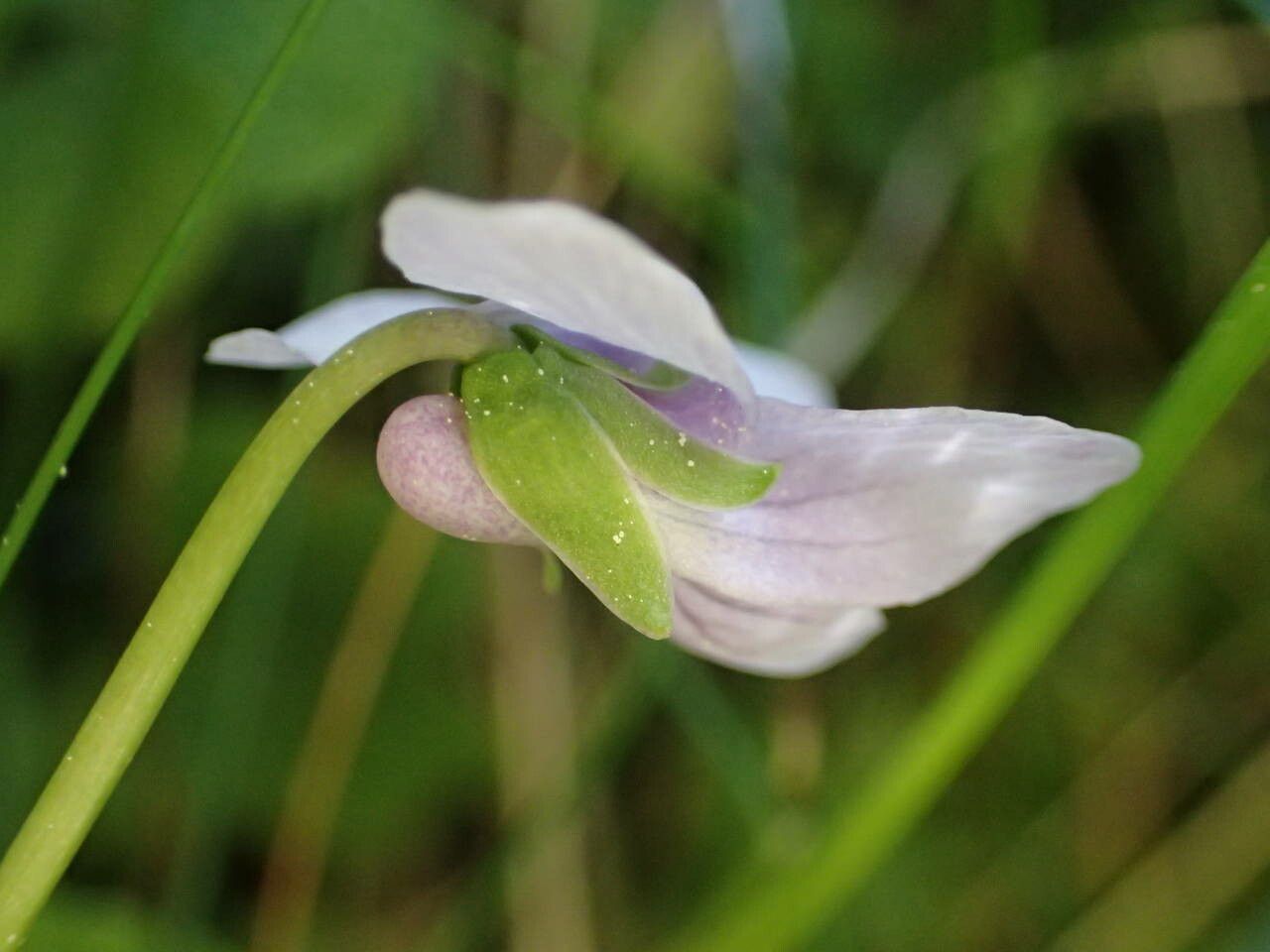
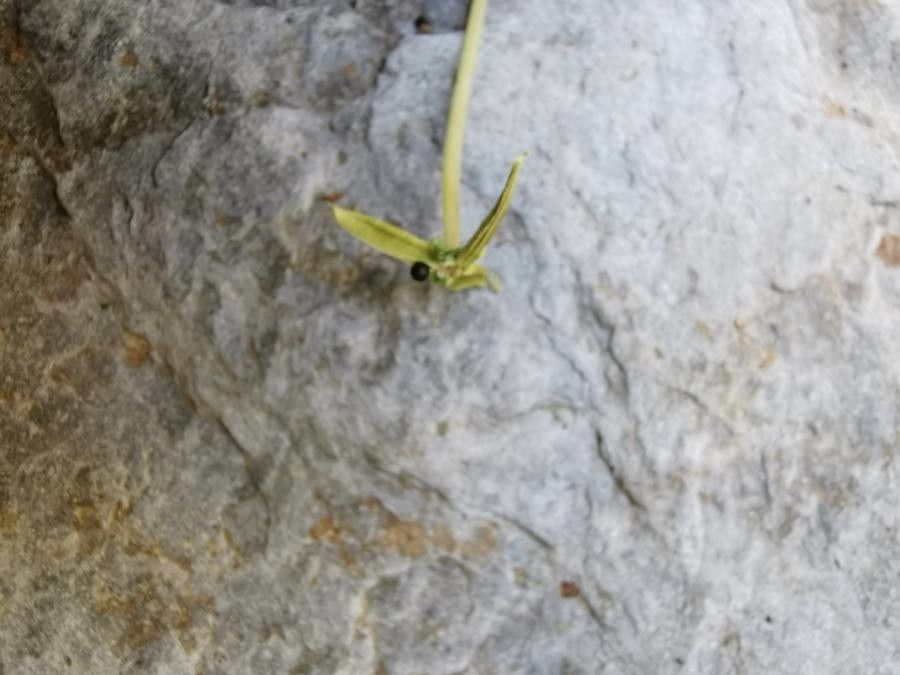
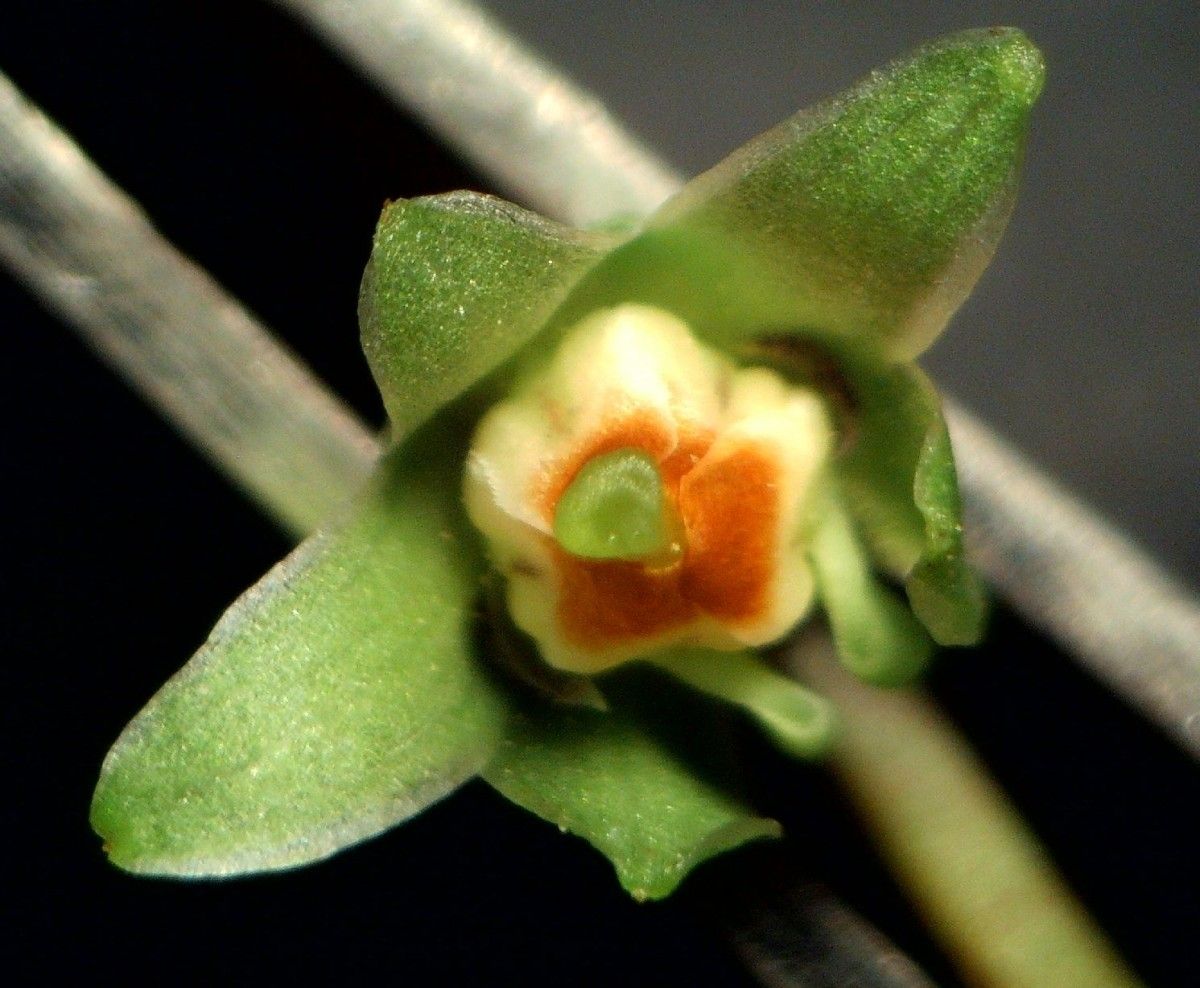
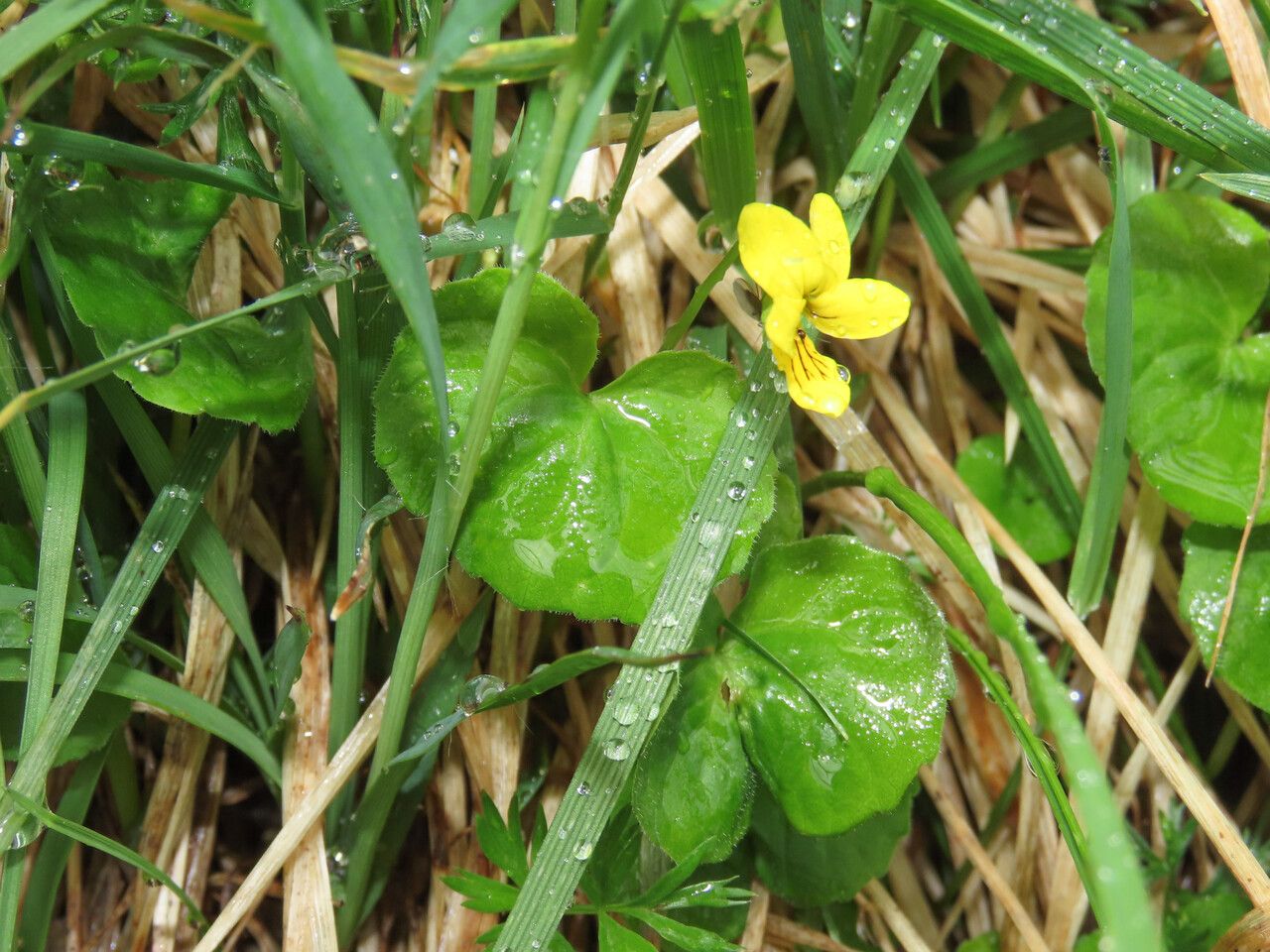
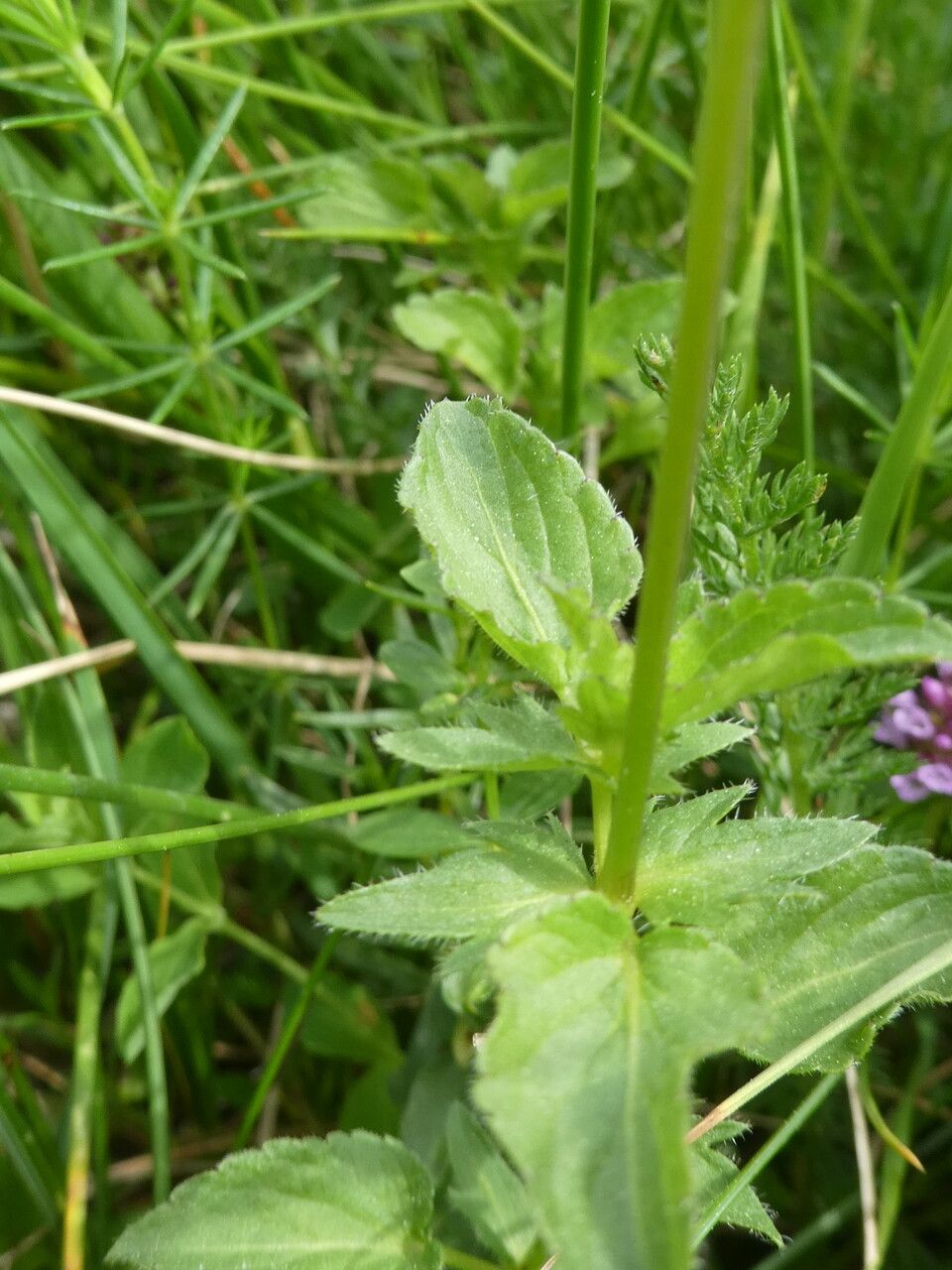
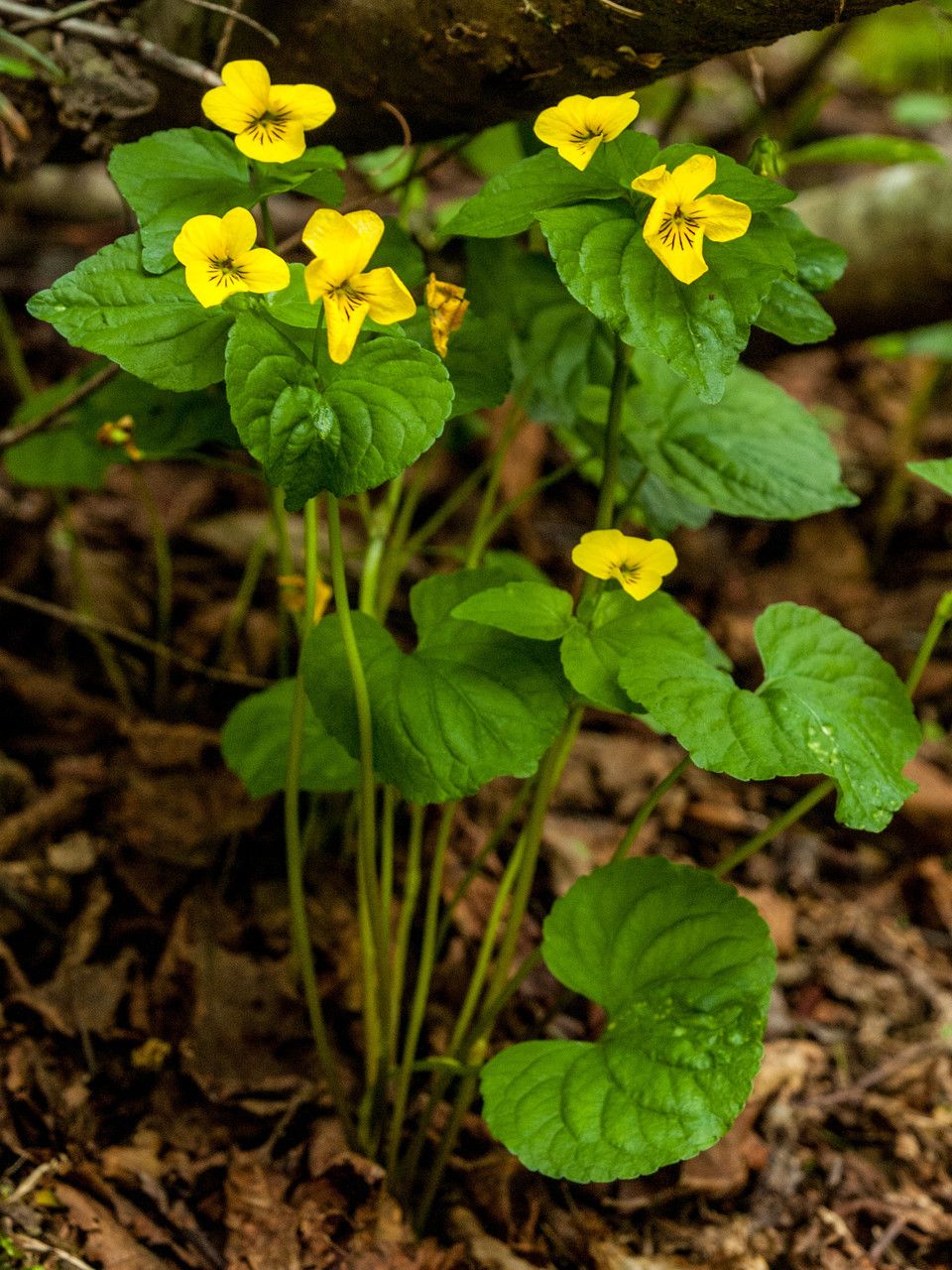
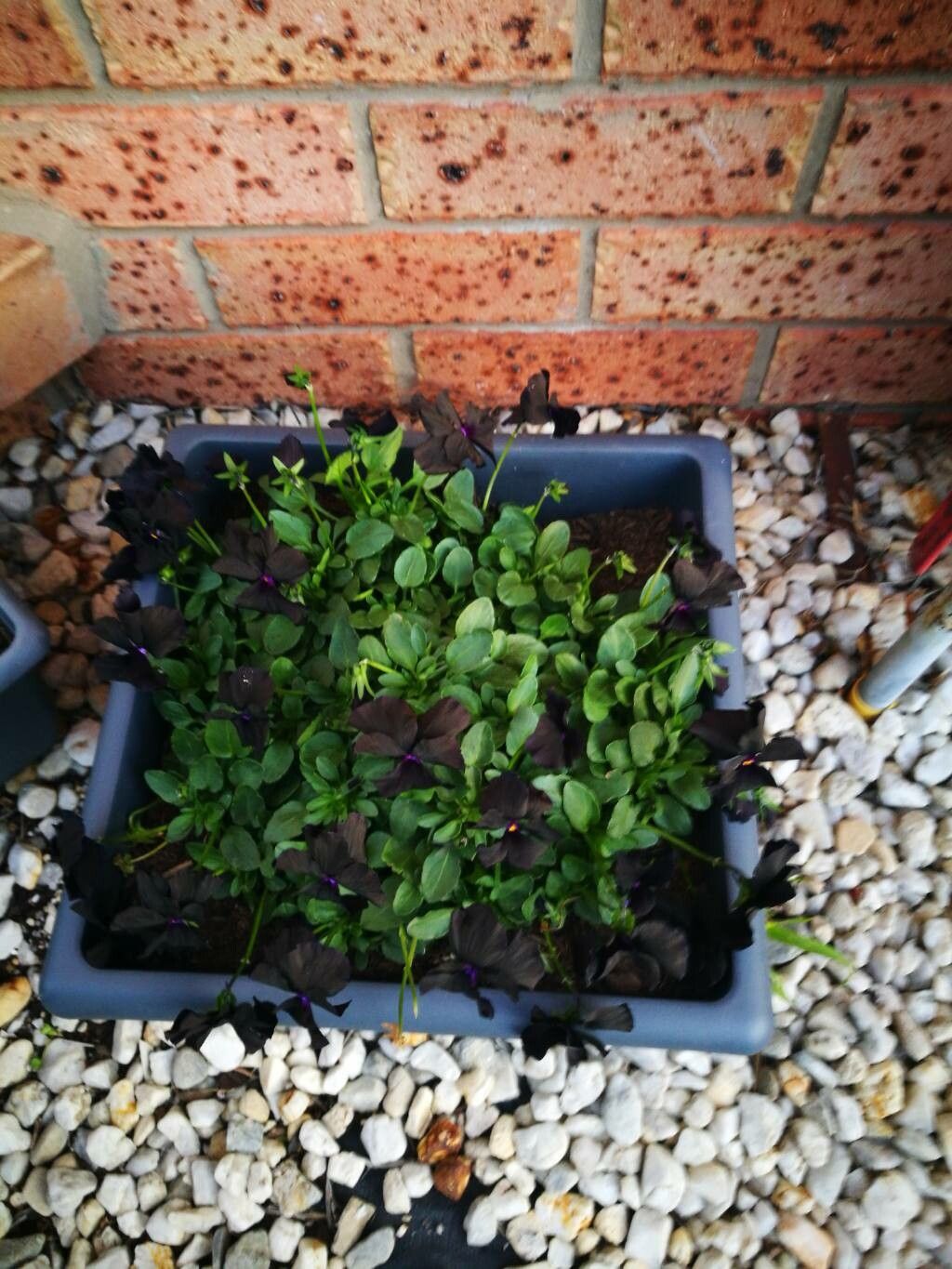
Viola palustris, commonly known as marsh violet, is a perennial herbaceous plant in the Violaceae family. Native to Europe and Asia, it thrives in wetlands, marshes, bogs, and other damp areas. The plant features a short stem that produces basal leaves with heart-shaped, dark green blades. Its flowers, typically blue-violet or purple, have five petals arranged in a distinctive irregular shape. Blooming from April to June, these flowers attract pollinators such as bees and butterflies.
Marsh violet has a long history of medicinal use, known for its anti-inflammatory properties. Traditionally, it has been used to treat respiratory ailments like coughs and bronchitis, as well as skin conditions such as eczema.
Beyond its medicinal uses, Viola palustris is also valued for ornamental purposes. Its attractive flowers make it an excellent addition to gardens or landscapes with moist soil conditions.
Overall, Viola palustris is an intriguing plant species, offering both aesthetic appeal with its beautiful flowers and potential health benefits through traditional medicinal practices.
Marsh violet has strong resistance to disease and is usually not susceptible to illnesses. Nevertheless, it can be affected by pests and diseases present in its environment. These problems are generally mild. Regarding care, the plant requires moderate attention. It should be pruned regularly to keep a neat appearance and support healthy growth. Fertilizing can also encourage flowering. Marsh violet is well suited to anyone with outdoor space, such as a garden or patio, and does not demand extensive care experience. It may need more attention when cultivated indoors.
How to keep Viola Palustris.
Light
The marsh violet does best with abundant sunlight, which is essential for its healthy development. Its native environment has allowed it to adapt to a range of light levels, so it can also tolerate less sunlit areas. Excessive intense light can harm the plant's growth and vigor.
Water
The marsh violet flourishes in moist wetland environments and needs to be watered weekly to stay healthy. It strikes a balance with its water needs, meaning it is neither drought-tolerant nor dependent on excessive moisture. During dry seasons, the marsh violet enters a dormancy period, which helps it conserve water and survive.
Temperature
Marsh violet is native to cool temperate climates and prefers growing in temperatures between 41 and 89.6 °F (5 to 32 ℃). Exposure to temperatures below this range can be damaging. Seasonal temperature adjustments are necessary, particularly in colder winters.
Fertilizer
The primary time to fertilize Marsh violet is in early spring when the flowers are beginning to form. Choosing an appropriate fertilizer promotes improved blooms and aids the Marsh violet in producing attractive flowers. Feeding in early spring helps deliver strong flowers throughout the season and supplies energy for its dormant growth phases.
Pruning
Marsh violet features heart-shaped leaves and violet flowers. To encourage healthy growth and improve airflow, prune it by removing any dead leaves and stems from early to late spring. Keep the trimming minimal and avoid heavy pruning. Always use clean tools to prevent disease and to help your plants remain robust and visually appealing.
Botanical profile.
- Plant Type
- Herb
- Life Cycle
- Perennial
- Genus
- Viola
- Family
- Violaceae
- Hardiness Zone
- 4-8
- Mature Height
- 5 cm to 20 cm
- Mature Spread
- 10 cm to 30 cm
- Leaf Color
- Green, Dark Green
- Leaf Type
- Semi-evergreen
- Flower Color
- Lavender
- Flower Size
- 1.02 cm to 1.27 cm
- Bloom Time
- Spring
- Planting Time
- Spring, Autumn
- Harvest Time
- Early summer, Mid summer
- Native Area
- United States, Canada
Other names.
Reader questions.
How should I water my Marsh violet?
To care for the Marsh violet, it is important to use filtered water at room temperature. Tap water may have particles that harm the plant. Since the Marsh violet is accustomed to warm environments, it is best to avoid cold water as it can shock the plant. Additionally, overhead watering should be avoided to prevent foliage issues. Instead, water the plant by applying filtered room temperature water to the soil until it is completely soaked. This helps moisten the roots and aids in their spread and nutrient absorption.
Why should I add fertilizer to my Marsh violet?
The Marsh violet's leaves play a major role in its structure. Fertilization is key to ensuring that these leaves are vibrant and functional. By fertilizing correctly, you can maintain consistent leaf color and a healthy texture. Additionally, fertilization also supports the growth and maintenance of the plant's roots below the surface. This means that fertilizing not only keeps your plant healthy in the present, but also helps it absorb nutrients from the soil more effectively in the long run.
What are the sunlight requirements for Marsh Violet?
Marsh Violet (Viola palustris) flourishes with plentiful exposure to sunlight, crucial for its healthy growth. It thrives in full sun, which is defined as more than 6 hours of sunlight a day, and can also survive in partial sun, receiving about 3-6 hours of sunlight. This adaptability comes from its natural habitat, which has conditioned it to withstand various light conditions. However, too much exposure to intense light can be detrimental to its growth and vigor. Observing how sunlight moves through your garden and selecting locations that offer a balance of light and shade is important for ensuring the plants' well-being.
What is the ideal temperature range for growing marsh violets?
Marsh violets thrive in cool temperate climates, with an ideal temperature range for growth being 41 to 89.6°F (5 to 32°C). It's important to adjust temperatures with the change of seasons, particularly to protect the plant from colder winters. Despite their strong cold resistance, extreme cold below -30°C requires taking measures such as covering the plant with soil or straw for protection.
What should I do if I give my Marsh violet too much or too little water?
Both overwatering and underwatering can harm the health of your Marsh violet, but overwatering is more commonly observed. When the Marsh violet gets too much water, its stems and leaves may wilt and turn yellow. Overwatering for an extended period can also lead to diseases like root rot, mold, and mildew, which can kill the plant. Underwatering is less likely for the Marsh violet since it can tolerate drought to some extent. However, underwatering can still occur, and in such cases, you may notice brittle and brown leaves. It's important to recognize signs of overwatering early on when caring for your Marsh violet. Certain diseases resulting from overwatering, such as root rot, may become irreversible if you delay taking action. If you notice early signs of overwatering, reduce your watering schedule immediately. Also, check the soil quality where your Marsh violet grows. If the soil drains poorly, replace it with a loose, well-draining potting mix. On the other hand, if you suspect your Marsh violet is not receiving enough water, simply water it more regularly until the signs improve.
When should I fertilize my Marsh violet for best results?
When you grow your Marsh violet outdoors, it will sprout new growth in early spring as a sign to start fertilizing it. Usually, applying fertilizer once in the spring is sufficient for the plant's well-being. However, if you want your Marsh violet to grow as much as possible, you can fertilize it multiple times during the spring and early summer. To do this, you can feed your Marsh violet approximately once every month to a month and a half.
Can artificial lighting be used for Marsh Violet and how?
Yes, artificial lighting can be employed for Marsh Violets, especially when natural sunlight is insufficient, such as during winter or in less sunny areas. Adequate lighting is vital for optimal growth. LED lights are recommended due to their ability to provide specific wavelengths needed by plants. Full sun plants require 30-50W/sq ft, partial sun plants need 20-30W/sq ft, and full shade plants 10-20W/sq ft of artificial light. The light source should be placed 12-36 inches above the plant, mimicking natural sunlight as closely as possible, and most plants need 8-12 hours of light per day.
How can marsh violets be protected during extreme winters?
Marsh violets have a notable cold resistance, meaning they typically don't need special frost protection in winter. However, during winters where temperatures are expected to fall below -30°C, providing cold protection becomes crucial. This can be done by covering the plants with soil or straw. Additionally, watering the plant abundantly before the first freeze in autumn helps keep the soil moist, ensuring the plant remains hydrated during the cold season.
How often do I need to water my Marsh violet?
If your Marsh violet is in a pot, the most effective way to determine if it needs water is to stick your finger into the soil. If the top two to three inches of soil are dry, it's time to water it. If you have your Marsh violet planted outdoors, you can use the same method to check the soil. Once the first few inches of soil are dry, it's time to water. Typically, during the spring and early fall, you'll need to water this plant about once a week using this method. However, during extremely hot weather, you might need to water it twice a week or even more. Despite this, mature and well-established Marsh violets can impressively endure drought.
When is the best time to not fertilize my Marsh violet?
During the late fall and winter, your Marsh violet will go into a dormant phase and stop producing new growth. It is important to refrain from fertilizing your Marsh violet during this time. If you choose to fertilize during the spring and summer, gradually decrease the amount of fertilizer as summer approaches, since the growth rate of your Marsh violet will also slow down. Avoid fertilizing your Marsh violet during unusually hot weather or when the soil is extremely dry, as this can cause stress and premature death.
What are the symptoms of light deficiency in Marsh Violet?
When Marsh Violet does not receive adequate lighting, it may exhibit signs such as smaller new leaves, leggy or sparse growth, faster leaf drop, and slower or halted new growth. Leaves may develop lighter colors or show signs of chlorosis, where they lose their green color and turn yellow. Excessive sunlight can cause sunscald, leaf curling, wilting, and leaf scorching, impacting the plant's health and ability to photosynthesize effectively.
What are the symptoms of marsh violets being affected by low temperatures?
Marsh violets are quite tolerant to cold and prefer temperatures above 5°C. If winter temperatures dip below -25°C, the plant may not show immediate changes, but there's a risk of decreased sprouting or a complete lack of sprouting in spring. If temperatures fall below -30°C, it's vital to remove any parts of the plant in spring that have failed to sprout as a solution to this issue.