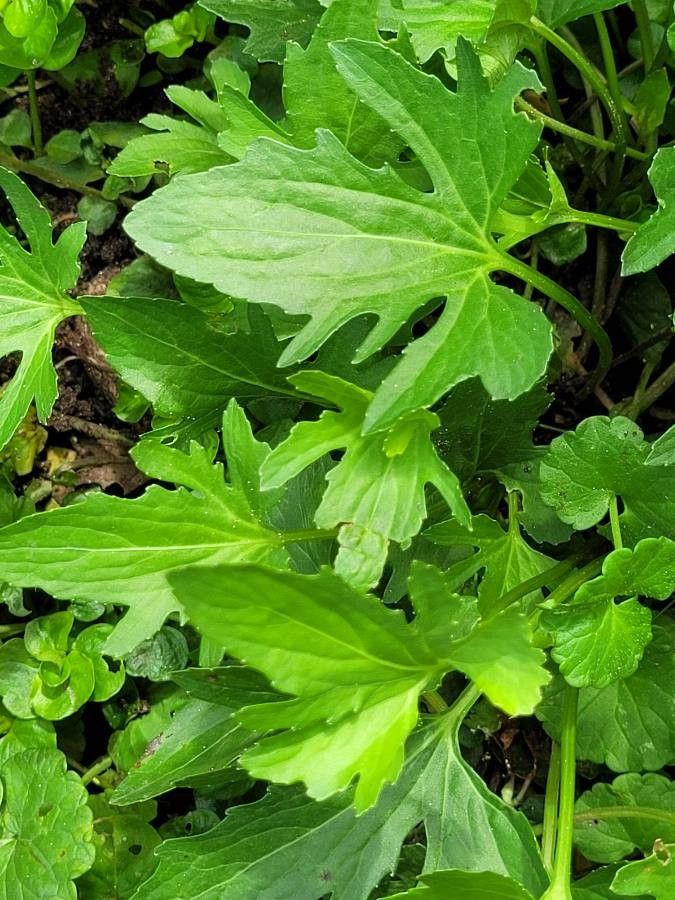
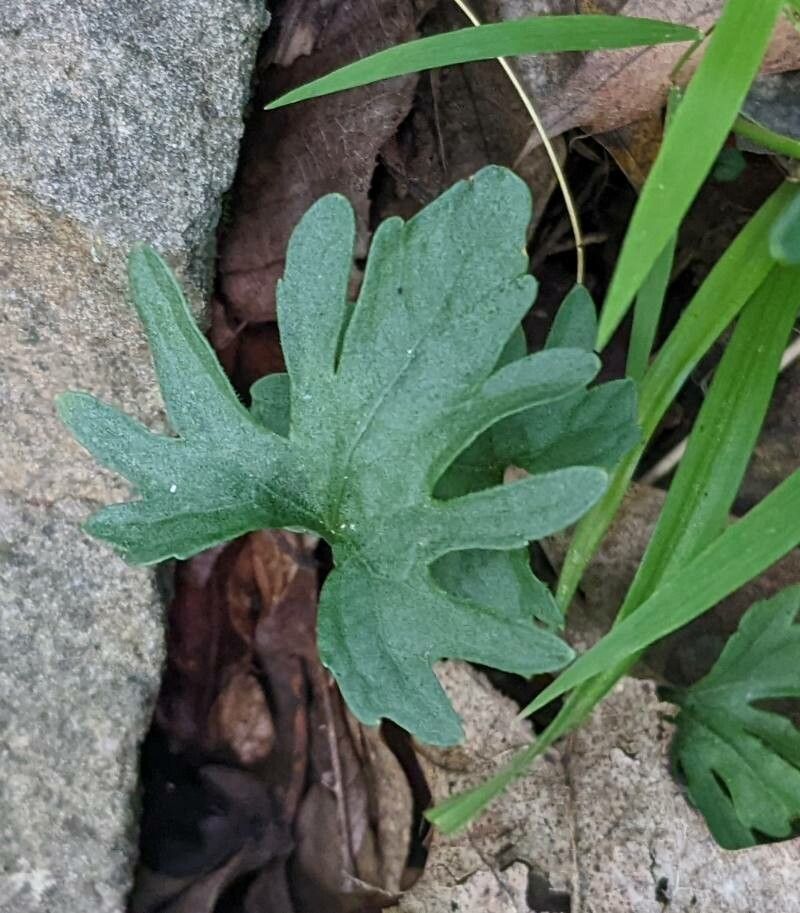
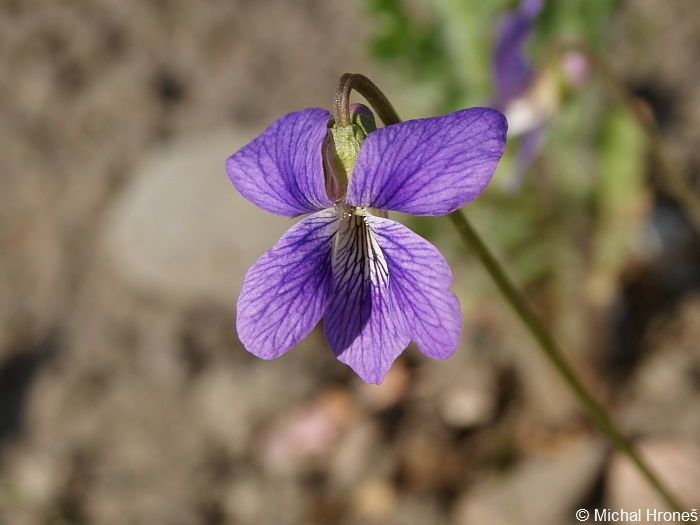
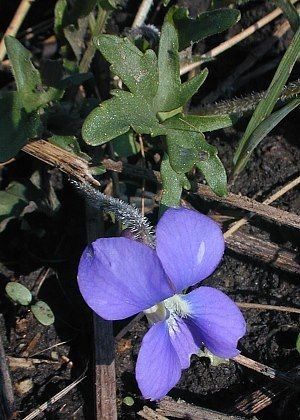
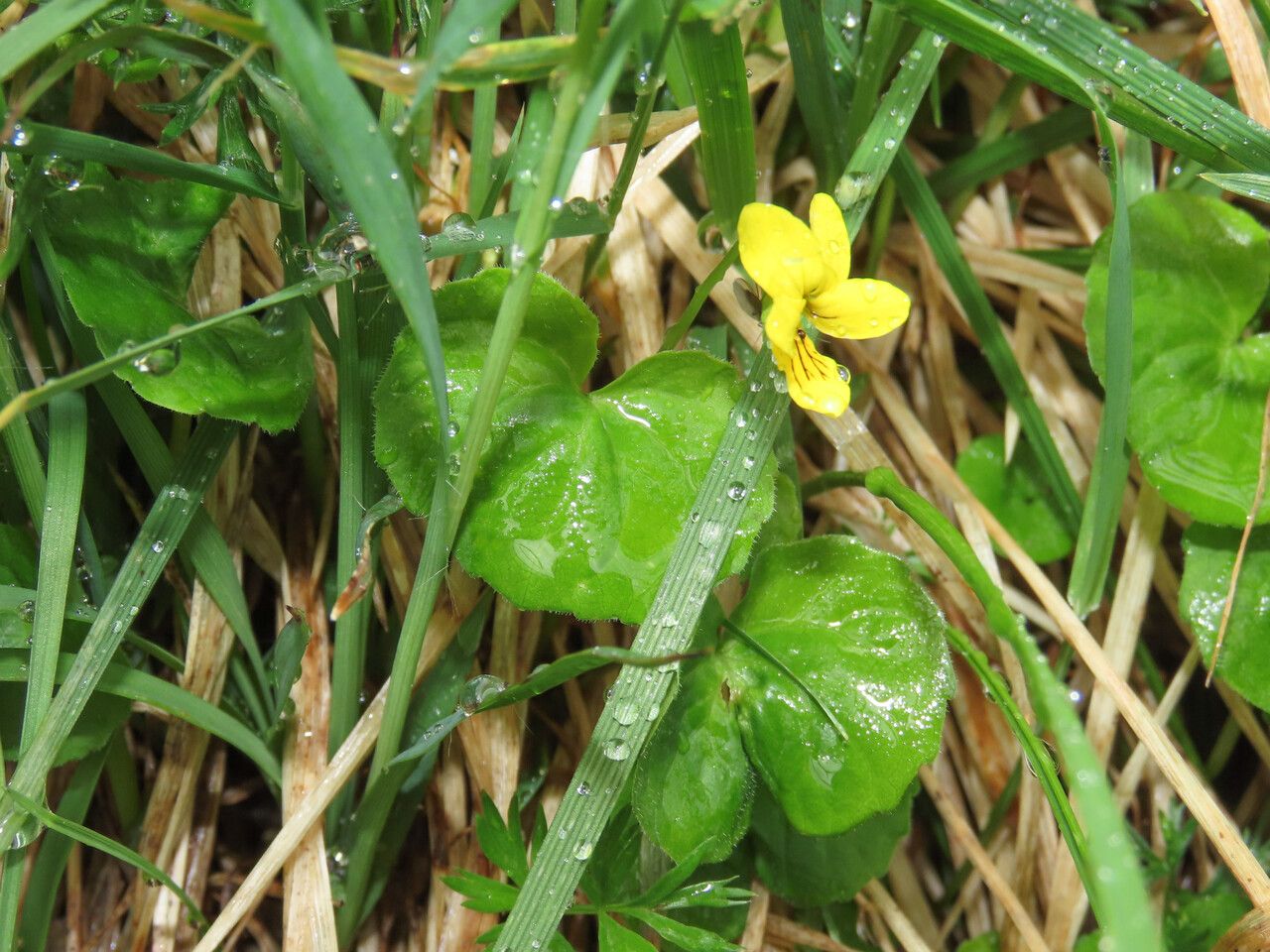
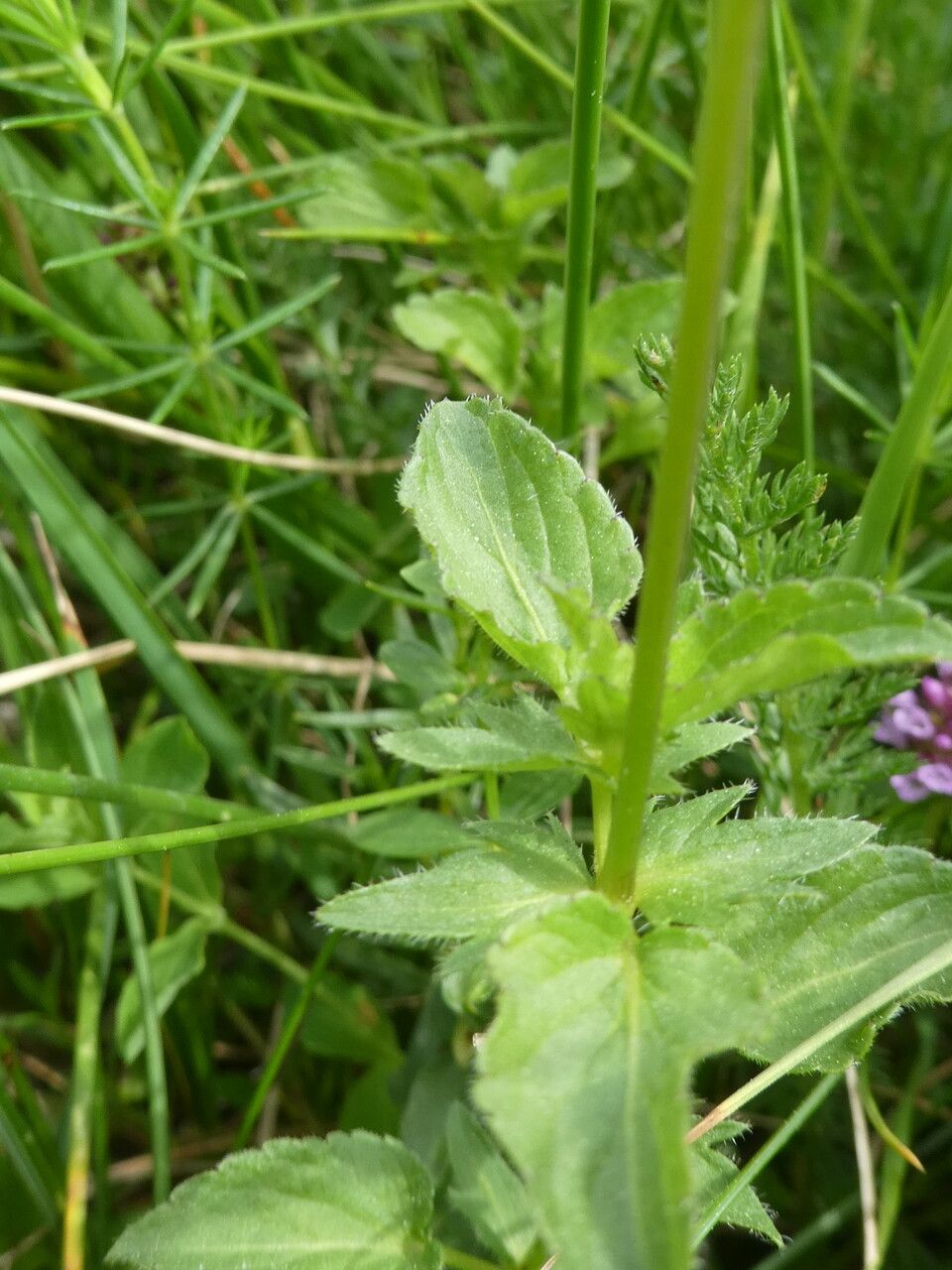
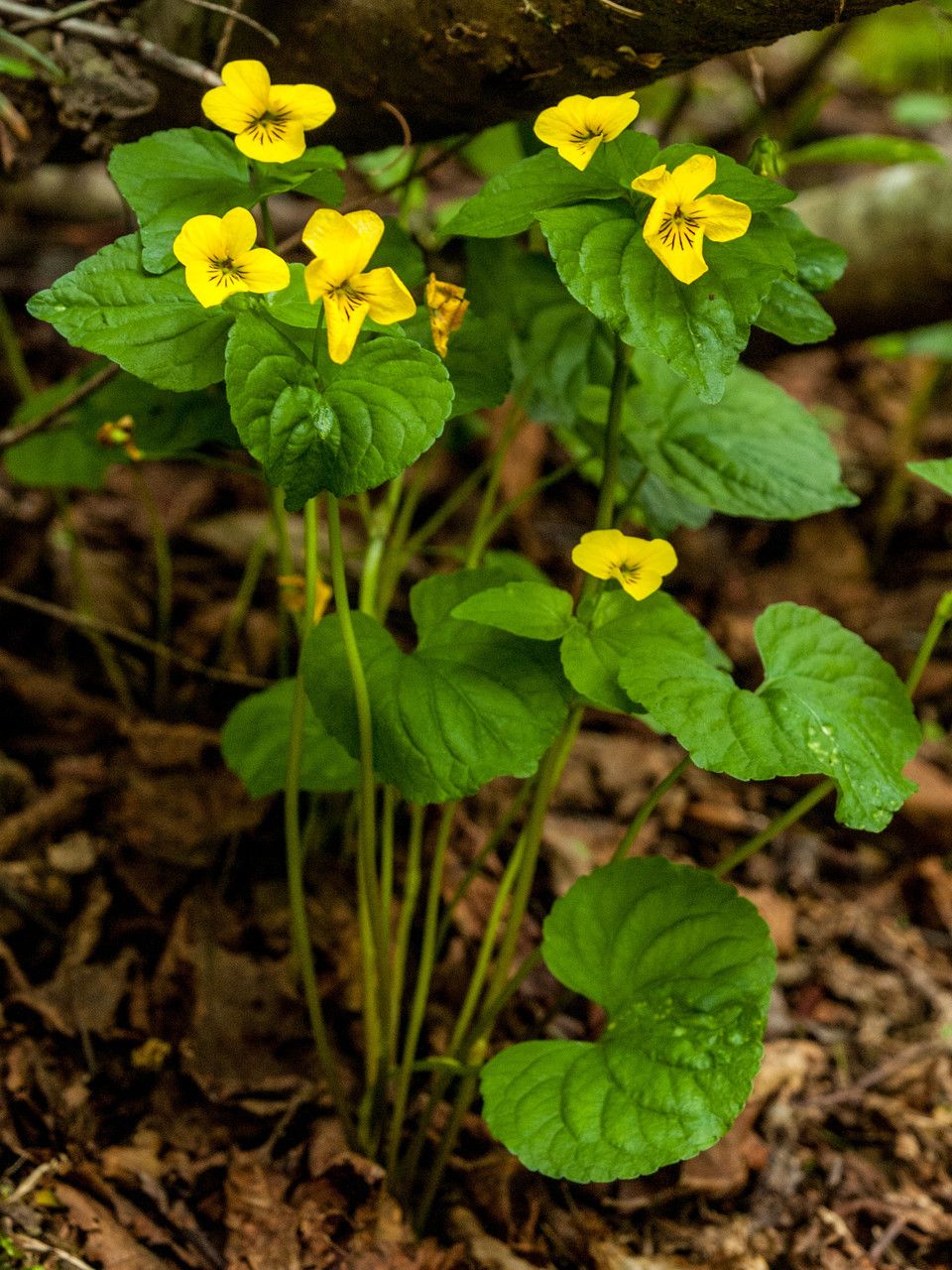
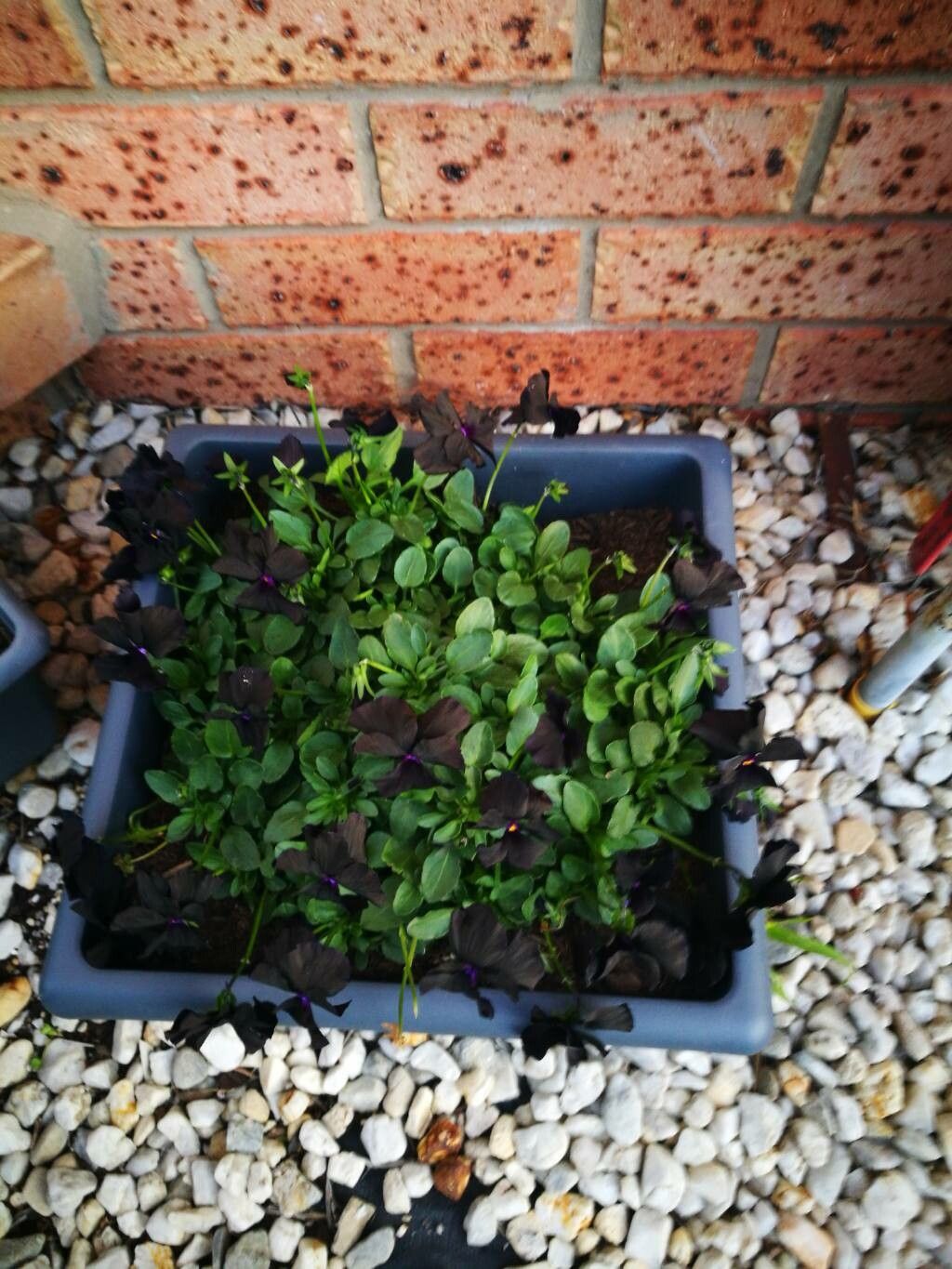
Viola palmata, the trilobed violet, early blue violet, or wood violet, is a species of flowering plant in the family Violaceae. Viola palmata is native to southeastern Canada as well as the eastern half of the United States. Often confused with Viola triloba, V. palmata is a member of a class familiarly known as "blue stemless violets", characterized by its cleistogamous flowers on short prostrate peduncles, and often concealed under dead leaves or soil.
Early blue violet shows good resistance to disease and is generally not prone to illnesses. However, it can be vulnerable to pests and diseases present in its surroundings. These infections are usually minor. For care, this plant requires moderate maintenance. It should be pruned regularly to preserve a neat appearance and support healthy growth. Fertilizing can also encourage flowering. Early blue violet is suitable for anyone with outdoor space, such as a garden or patio, and does not demand extensive care experience. It may need more attention when grown indoors.
How to keep Viola Palmata.
Light
The early blue violet naturally occurs in places like forest understories and rocky sites where it grows in natural shade. It prefers partial sun but can tolerate full sun or full shade, showing its hardy and adaptable nature.
Temperature
The Early blue violet can tolerate a wide range of temperatures, though its distribution may still be restricted by different combinations of moisture and heat. It grows best in warm summer conditions with sufficient rainfall or watering. Long stretches of cloudy, rainy weather, as well as extended periods of high temperatures, can increase the chance of the Early blue violet dying. In winter, adequate protection from cold can enhance the plant's survival rate.
Fertilizer
The best time to fertilize an Early blue violet is in early spring, when it is coming out of dormancy and starting active growth. Fertilizing supplies essential nutrients for healthy development. Although the Early blue violet has relatively low fertilizer requirements, an annual application can improve its survival and encourage better, longer-lasting flowers.
Pruning
Pruning early blue violet in the spring, from early to late, helps enhance growth by removing dead leaves and spent flowers. This promotes continuous blooming and prevents overcrowding. Thinning out older growth improves air circulation and reduces the risk of disease, aligning with the plant's optimal growth phases for sustained vitality throughout the season.
Botanical profile.
- Plant Type
- Herb
- Life Cycle
- Perennial
- Genus
- Viola
- Family
- Violaceae
- Hardiness Zone
- 4-8
- Mature Height
- 0 cm to 30 cm
- Mature Spread
- 15 cm to 30 cm
- Leaf Color
- Green, Dark Green
- Leaf Type
- Evergreen
- Flower Color
- Purple, Violet
- Flower Size
- 2.03 cm to 3.05 cm
- Bloom Time
- Spring
- Planting Time
- Spring, Summer
- Harvest Time
- Summer
- Native Area
- Mexico
Other names.
Reader questions.
What are the sunlight requirements for Early Blue Violet?
Early Blue Violet thrives in environments that mimic its native habitats, such as forest understories or rocky areas, where it's naturally shaded. It prefers partial sun, needing about 3-6 hours of sunlight a day, but it can also grow in full shade. Full sun, which is more than 6 hours of sunlight a day, is also tolerated. When planning your garden, it's essential to observe how sunlight moves through your space to find the best spots that offer the ideal mix of light and shade for your plants.
What is the Early blue violet?
The Early blue violet, known botanically as Viola palmata, is a plant species without further provided details regarding its essentials, content, or symptoms related to it.
Can I use artificial lighting for Early Blue Violet?
Yes, artificial lighting can be a beneficial solution for Early Blue Violet, especially when natural sunlight is insufficient. It's a particularly useful strategy during winter or in spaces that receive less sunlight. LED lights are recommended for indoor plant lighting as they can be tailored to provide the necessary wavelengths your plants require. For adequate growth, full sun plants need 30-50W/sq ft, partial sun plants require 20-30W/sq ft, and full shade plants need 10-20W/sq ft of artificial light. The light source should be placed 12-36 inches above the plant, and most plants will thrive with 8-12 hours of artificial light per day.
What are the symptoms of light deficiency in Early Blue Violet?
Early Blue Violet shows several symptoms when exposed to inadequate light. These include smaller new leaves, leggy or sparse growth, faster leaf drop, slowed or halted growth, lighter-colored or irregularly patterned new leaves, and chlorosis. Conditions like leaf curling, wilting, leaf scorching, and sunscald may also occur, particularly when the plant is exposed to excessive sunlight. These symptoms indicate the plant's struggle with the light conditions, signifying the need for adjustments in their lighting environment.
How can I address light deficiency in Early Blue Violet?
To manage light deficiency in Early Blue Violet, gradually acclimate your plant to more sunlight by moving it to sunnier spots each week until it receives the optimal amount of direct sunlight (3-6 hours daily). For indoor plants that are large or difficult to move, consider supplementing with artificial light, keeping a desk or ceiling lamp on for at least 8 hours daily, or using professional plant grow lights. When addressing outdoor plants, ensure a gradual adaptation to prevent sunburn by moving them weekly to increasingly sunny locations. If necessary, reduce obstructions like overhanging branches or consider transplanting smaller plants during their dormant period to a sunnier location with good drainage.