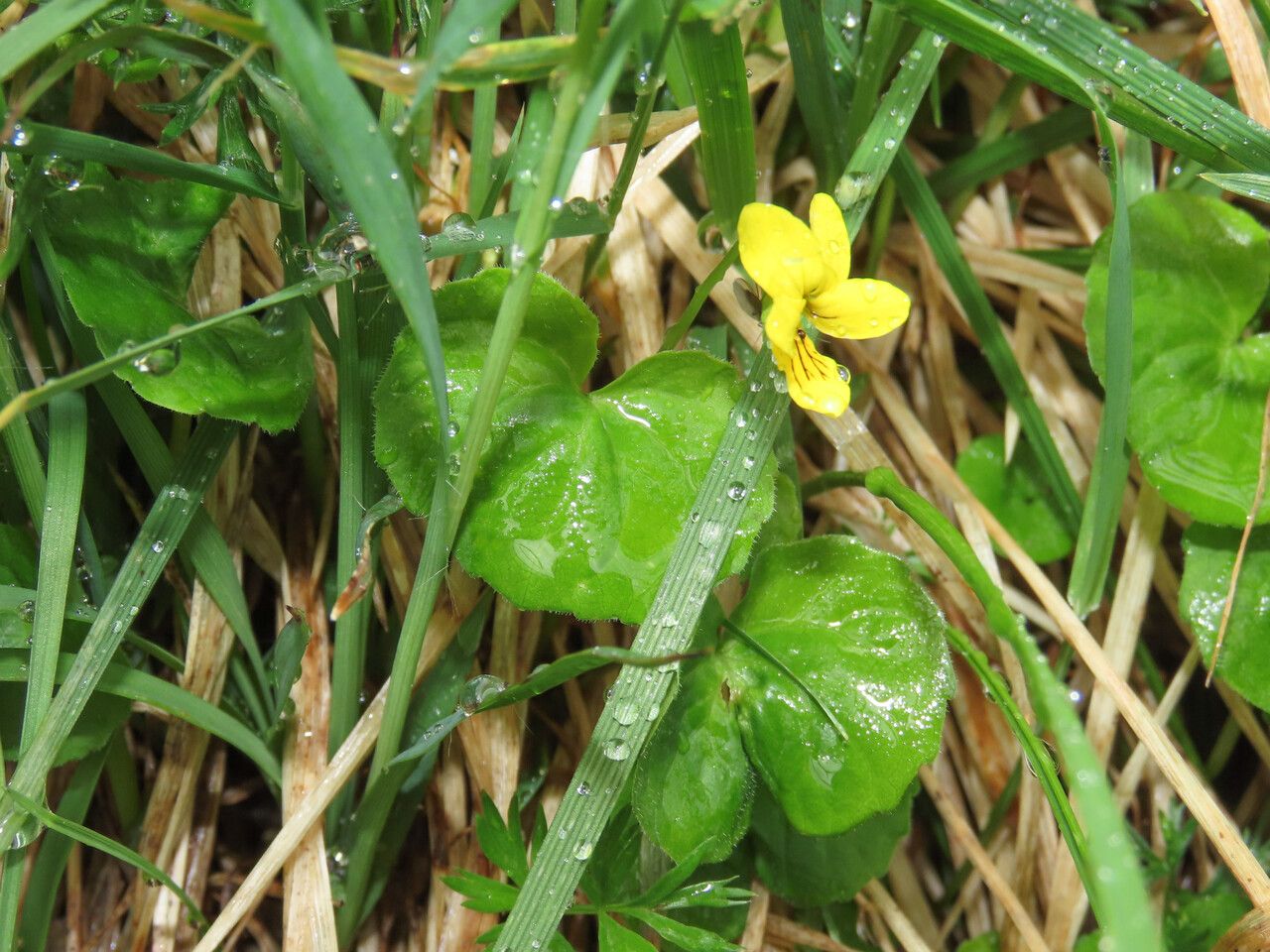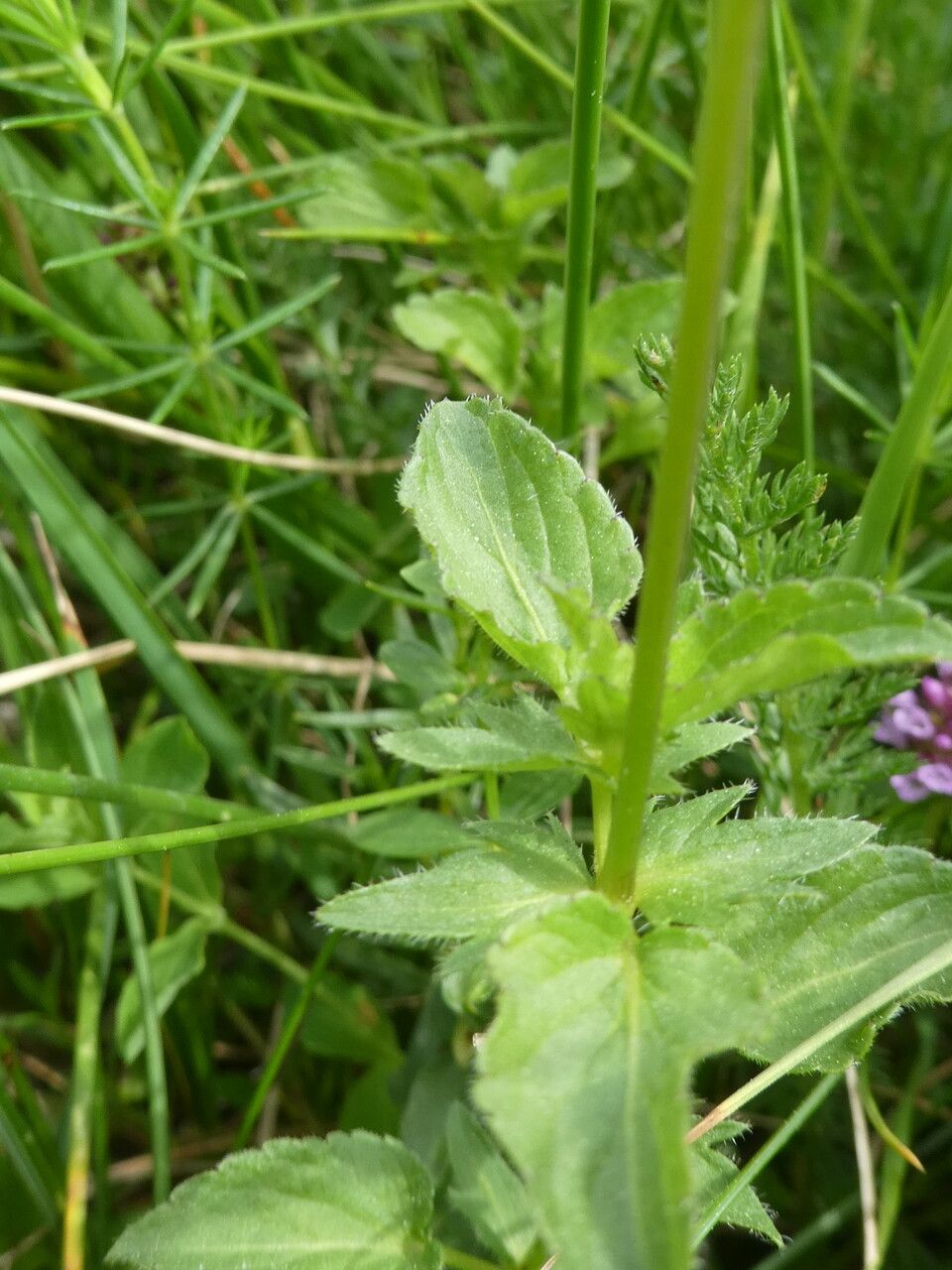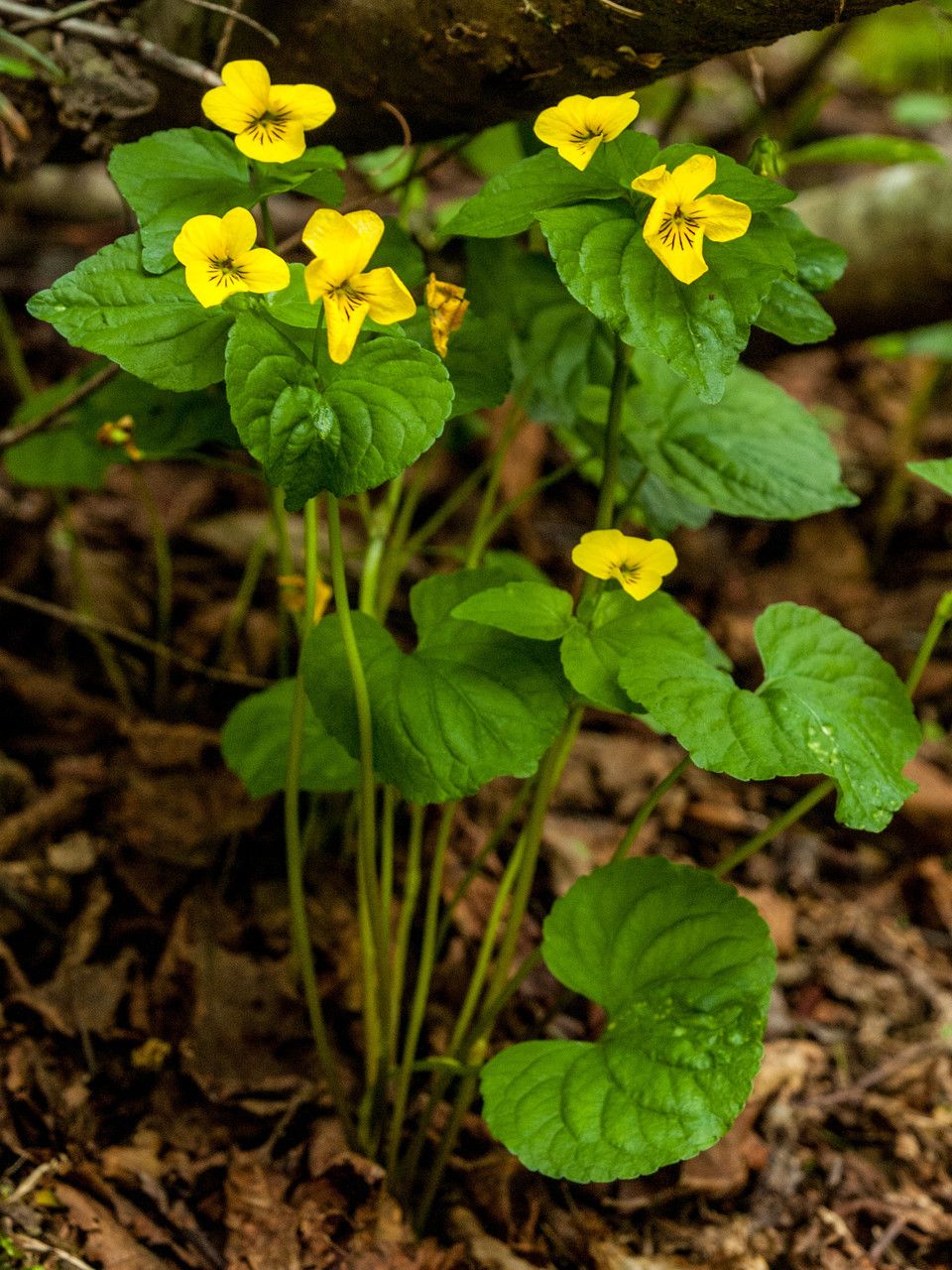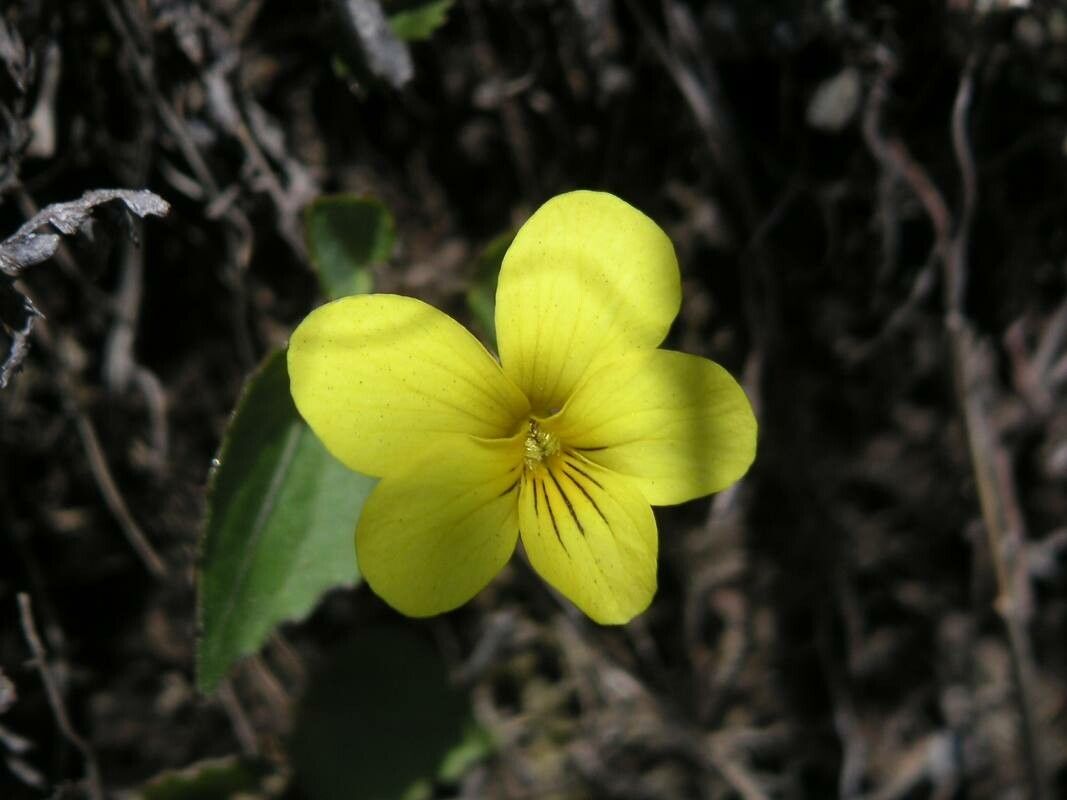
Kisumire violet is fairly resistant to disease and is generally not prone to illnesses. However, it can be affected by pests and diseases present in its surroundings. Those infections are typically mild. For care, this plant needs moderate maintenance. It should be pruned regularly to preserve a neat appearance and support healthy growth. Fertilizing can also help encourage flowering. Kisumire violet is suitable for anyone with outdoor space, such as a garden or patio, and does not demand extensive care experience. It may need extra attention when grown indoors.
How to keep Viola Orientalis.
Light
The Kisumire violet is indigenous to habitats like forest undergrowth or rocky terrains, where it naturally encounters shading. Partly sunny conditions are its favored sunlight state, but it can acclimate to complete sun exposure or total shade, showcasing its adaptable and tough character.
Water
The Kisumire violet flourishes in humid conditions and does not tolerate drought well. Overwatering can lead to rot. In gardens, adjust watering according to the weather to avoid the soil becoming too dry. For potted plants, water thoroughly when the surface of the soil feels dry.
Temperature
The Kisumire violet can acclimate to various temperature ranges, however, its distribution could still be constrained by diverse combinations of thermal and aquatic conditions. It flourishes optimally in balmy weather during summers, provided there's sufficient rainfall or irrigation. Extended spells of overcast and rainy climate, along with sustained high temperatures can exacerbate the chances of Kisumire violet's demise. In the colder months, appropriate cold safeguards can enhance the survival prospects of the plant.
Fertilizer
The optimal time to fertilize Kisumire violets is at the beginning of spring, while the flowers are budding. Proper fertilizer promotes enhanced blossoming and assists the Kisumire violet to generate beautiful flowers. By fertilizing in the initial period of spring, you ensure outstanding flowers throughout the season and supply energy for the periods of dormant growth.
Pruning
The Kisumire violet features heart-shaped leaves and vibrant flowers. To promote growth and prevent disease, prune the plant from early to late spring, removing spent blooms and damaged leaves. Focus on light pruning to enhance air circulation, which will boost blooming and overall vitality. For techniques specific to your climate, consult horticultural resources.
Botanical profile.
- Plant Type
- Herb
- Life Cycle
- Perennial
- Genus
- Viola
- Family
- Violaceae
- Hardiness Zone
- 4-8
- Mature Height
- 10 cm
- Mature Spread
- 15 cm to 20 cm
- Leaf Color
- Green
- Leaf Type
- Semi-evergreen
- Flower Color
- Yellow
- Flower Size
- 2.03 cm
- Bloom Time
- Spring
- Planting Time
- Spring
- Harvest Time
- Summer
- Native Area
- Russia, Japan, Koppen, South Korea, China
Other names.
Reader questions.
What are the sunlight requirements for Kisumire violet?
Kisumire violet (Viola orientalis) requires specific conditions when it comes to sunlight. For full sun exposure, it needs above 6 hours of sunlight daily. In the case of partial sun exposure, about 3-6 hours of sunlight per day is adequate. It's important to observe how sunlight moves through your garden throughout the day. Finding spots that offer a balanced mix of light and shade is crucial for the happiness and health of your Kisumire violet.
What is the botanical name of Kisumire violet?
The botanical name of Kisumire violet is Viola orientalis. This plant is noted for its distinctive characteristics and belongs to the wider family of violets.