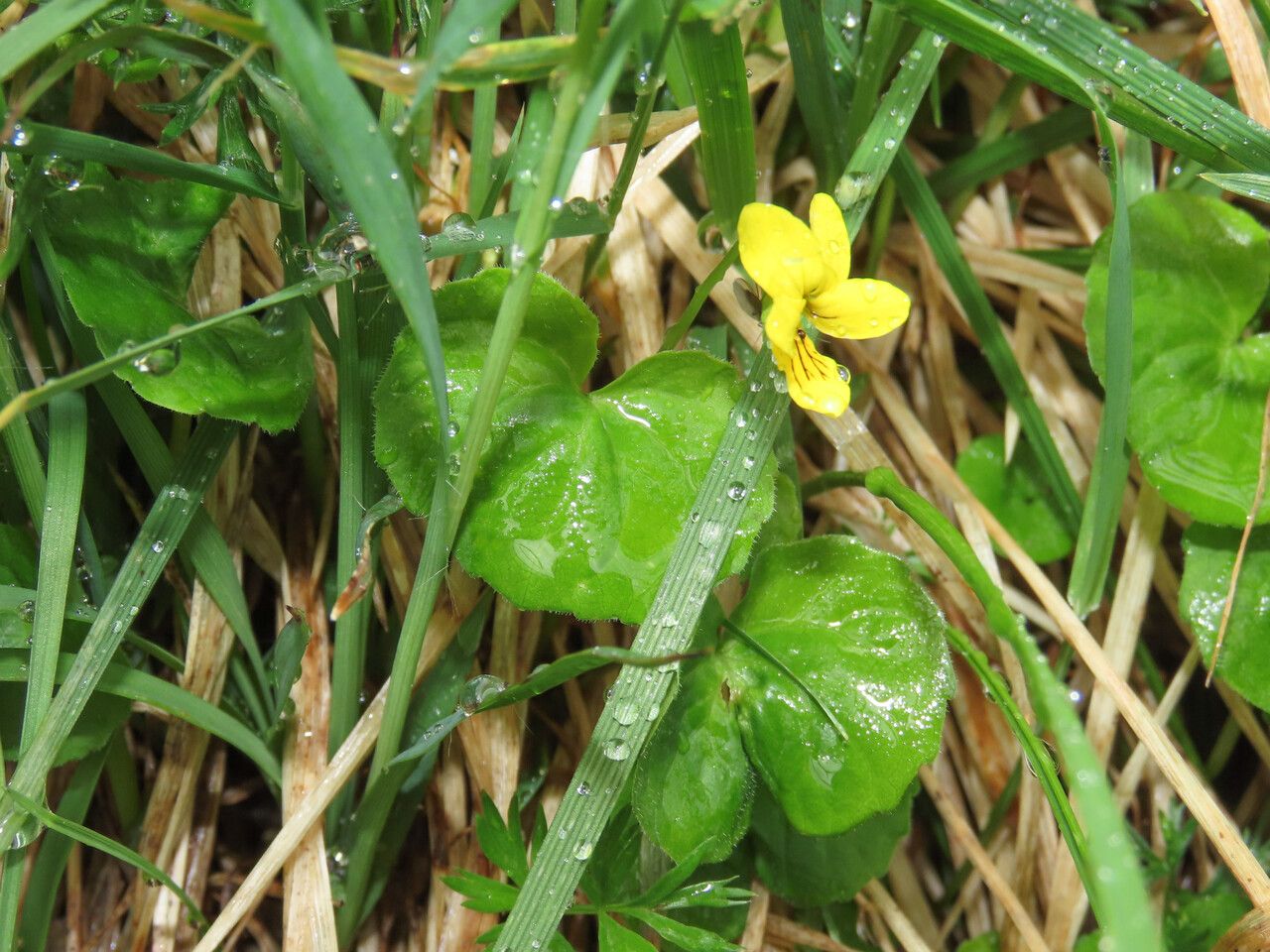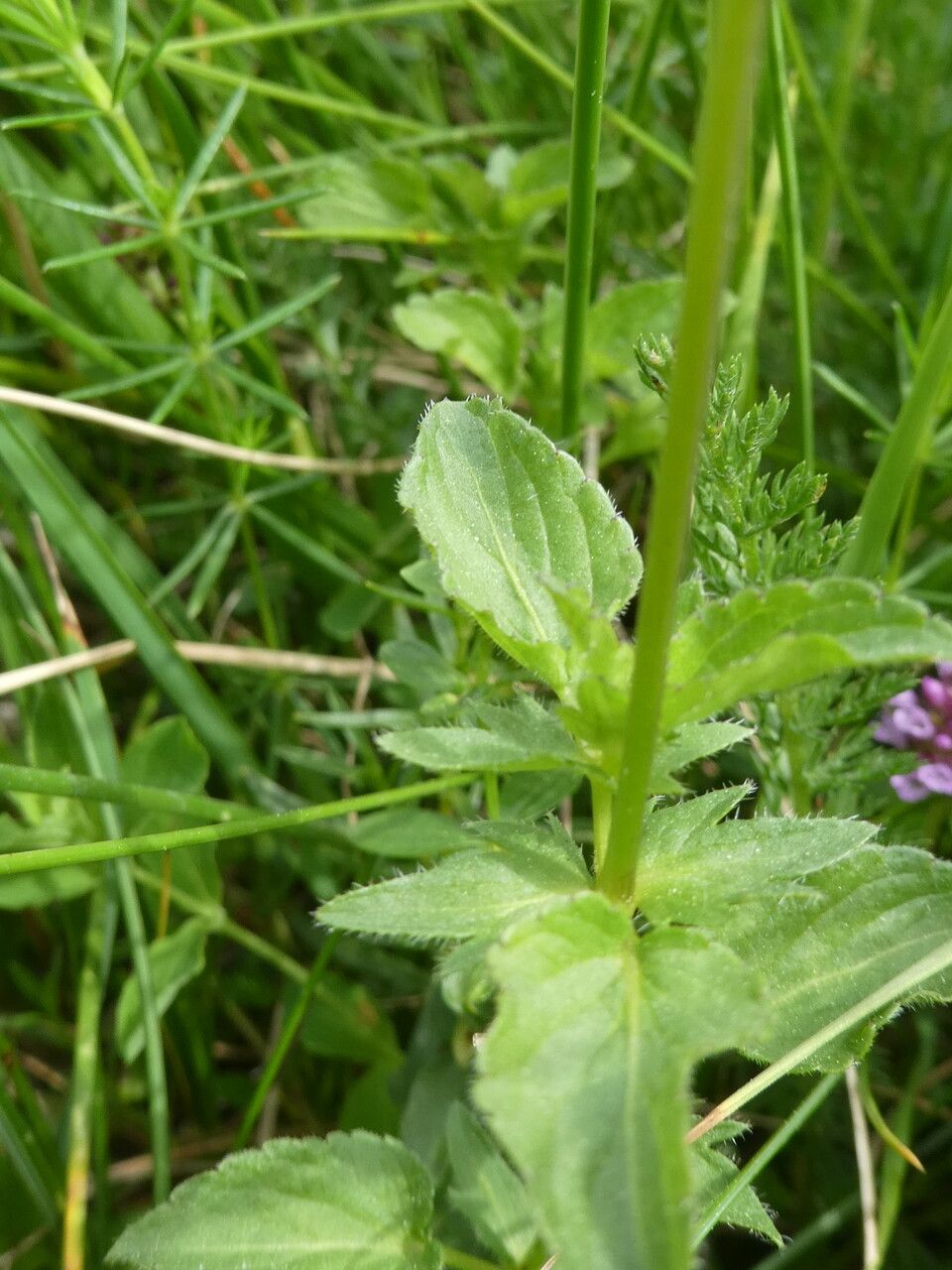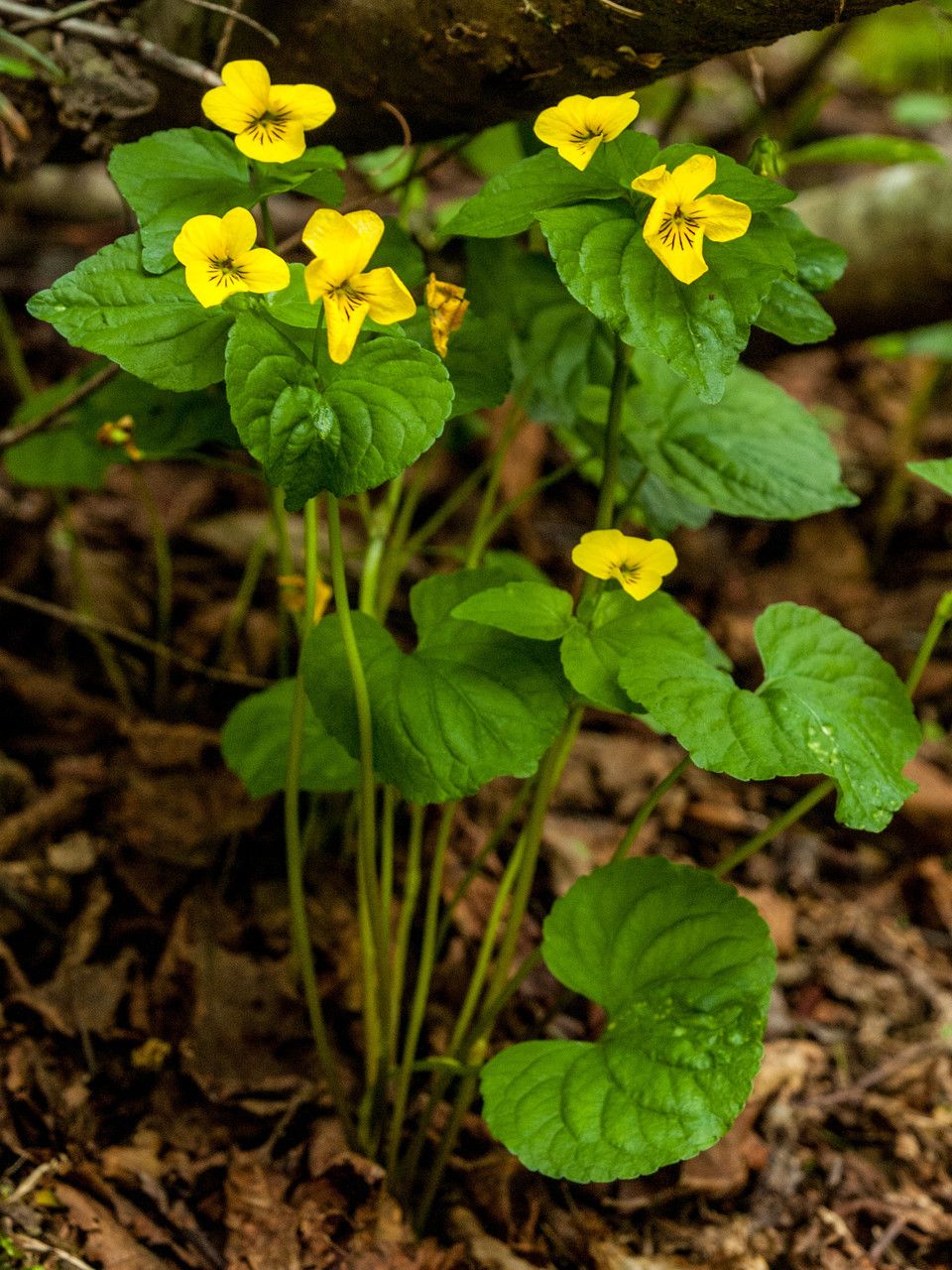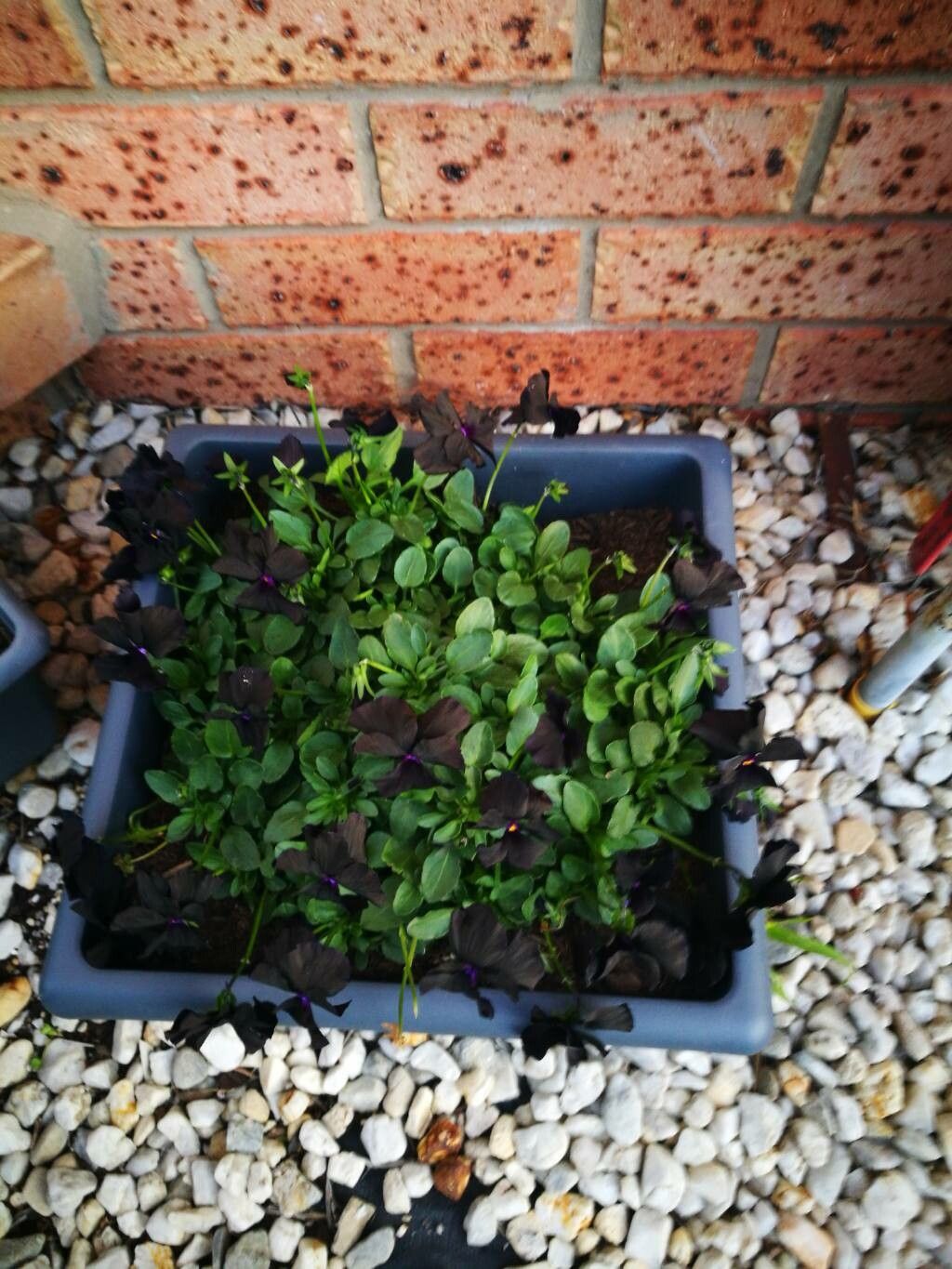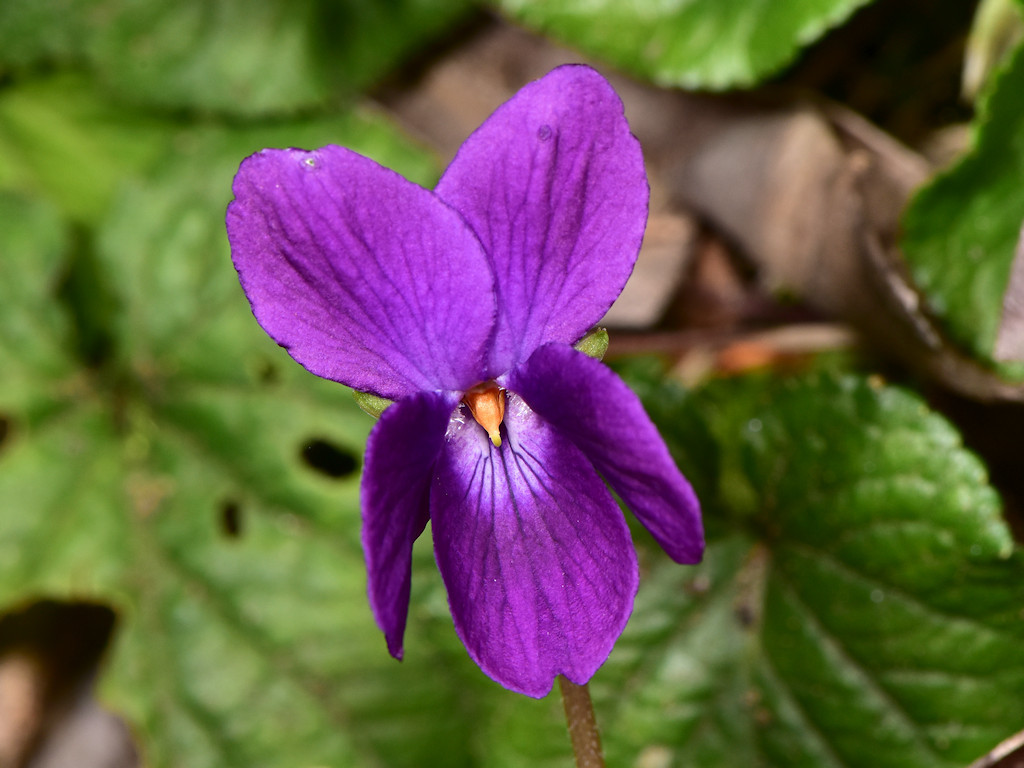
Viola is a genus of flowering plants that belong to the family Violaceae. Commonly known as violets, these plants are native to the temperate regions of the world. Viola plants are small, herbaceous perennials that grow up to 15 cm in height. They feature heart-shaped leaves with scalloped edges.
The flowers of Viola plants are typically purple, blue, or white and consist of five petals with a distinctive spur at the base. These plants prefer moist soil and partial shade but can tolerate full sun in cooler climates. They bloom from early spring until late fall, offering continuous color throughout the growing season, making them an excellent choice for gardeners.
Beyond their ornamental value, Viola plants have been used for medicinal purposes for centuries due to their anti-inflammatory properties. They are also used as ingredients in perfumes and cosmetics.
Overall, Viola is a beautiful and versatile plant that brings color and charm to any garden or landscape, while also providing potential health benefits through its medicinal properties.
Sweet violet is fairly disease-resistant and typically does not become diseased. However, it can be vulnerable to pests and diseases present in its environment. Such infections are generally mild. In terms of care, the plant needs moderate maintenance. Regular pruning is required to keep a neat appearance and encourage healthy growth. Applying fertilizer can also help stimulate flowering. Sweet violet is suitable for anyone with an outdoor area, such as a garden or patio, and does not demand extensive care experience. It may need more attention when grown indoors.
How to keep Viola Odorata.
Light
The sweet violet thrives on abundant warmth and sunlight, although it can adapt to lower light levels. Its parental environment is sunny habitats. Insufficient light can cause stunted growth, while too much light may scorch the plant.
Water
Sweet violet flourishes in moderate humidity and needs to be watered weekly to stay healthy, mirroring the consistent rainfall of its native habitat. This herbaceous perennial can be grown either in containers or directly in the ground, and it benefits from natural rainwater throughout the growing season.
Temperature
Sweet violet typically does well in temperate regions where temperatures fall between 68 and 95 °F (20 to 35 ℃). It prefers warmer conditions, so during cooler seasons you may need to make adjustments to keep the temperature within its optimal range.
Fertilizer
One fertilizer application in spring is generally enough for Sweet violet, though several feedings can boost growth to its fullest. Apply fertilizer about once every month to six weeks. Fertilizing improves the look and function of the leaves, encouraging even color and a healthy texture. It also promotes root development and nutrient uptake, supporting the plant’s long-term health.
Pruning
Sweet violet, cherished for its fragrant flowers, flourishes when proper pruning techniques are applied. These include removing damaged leaves and thinning out overcrowded areas. The ideal time for pruning is from early to late spring. This practice enhances air circulation, reduces the risk of disease, and encourages healthy new growth.
Pot & Repot
When repotting Sweet violet, choose a pot 1-2 inches (2.5–5.1 cm) larger with ample drainage. Use a well-draining potting mix. Repot in spring or fall, ensuring that the root ball is slightly lower than the rim of the flower pot. Water thoroughly after repotting and place in a warm spot with indirect sunlight.
Botanical profile.
- Plant Type
- Herb
- Life Cycle
- Perennial, Annual
- Genus
- Viola
- Family
- Violaceae
- Hardiness Zone
- 4-9
- Mature Height
- 5 cm to 15 cm
- Mature Spread
- 20 cm to 61 cm
- Leaf Color
- Green
- Leaf Type
- Evergreen
- Flower Color
- White, Blue, Purple, Violet, Pink
- Flower Size
- 2.03 cm to 3.05 cm
- Bloom Time
- Spring
- Planting Time
- Spring, Autumn, Winter
- Harvest Time
- Late spring, Early summer, Mid summer
- Native Area
- Europe
Other names.
Reader questions.
When Should I Water My Sweet Violet?
Timely watering is vital for the health of your sweet violet, promoting strong foliage growth, fragrant flower production, and overall plant vitality. The primary signal to water your sweet violet is the soil condition; if the top 1 to 2 inches of soil feel dry, it's time for watering. Additionally, look for signs in the plant itself such as wilting or curling leaves, a loss of leaf turgidity, and reduced flowering or premature blossom drop, which also indicate dehydration. Moreover, if the soil dries out too quickly after watering, it's a hint that more frequent watering might be needed. It's important to strike a balance in watering practices, as both under- and over-watering can have detrimental effects on sweet violet's health.
Why is it important to add fertilizer to my Sweet violet?
The Sweet violet's leaves are essential for its structure, and fertilization has a significant impact on their appearance and function. By properly fertilizing your Sweet violet, you can ensure that its leaves have vibrant color and a healthy texture. Furthermore, fertilization also benefits your plant's root system by promoting the growth of new roots and maintaining existing ones. This means that fertilization not only keeps your plant healthy in the present but also improves its ability to absorb nutrients from the soil in the long run.
What are the sunlight requirements for Sweet Violet (Viola odorata)?
Sweet Violet (Viola odorata) thrives when exposed to the proper balance of sunlight. It requires 'full sun' conditions, which means it should receive more than 6 hours of direct sunlight daily. However, it can also grow in 'partial sun,' with about 3-6 hours of sunlight. Observing how sunlight moves through your garden will help in choosing spots that ensure the plant receives the ideal balance of light and shade, contributing to its overall happiness.
What is the optimal temperature range for Sweet violet?
Sweet violet thrives in temperate climates, with optimal temperatures ranging from 68 to 95°F (20 to 35°C). It prefers a warmer environment, requiring adjustments during cooler seasons to maintain this temperature range. Despite its strong cold resistance, special frost protection measures are typically unnecessary, unless winter temperatures are expected to plummet below -30°C.
How Should I Water My Sweet Violet?
Sweet violet prefers a delicate balance in moisture and is sensitive to overwatering due to its susceptibility to root rot. The most effective watering method for this plant is bottom-watering, which allows the roots to absorb moisture directly without oversaturating the soil's surface. Implement this method by placing the pot in a tray of water for about an hour, then remove any excess water to prevent waterlogging. Utilize a watering device with a long, narrow spout for precise watering and consider using a moisture meter to judge when watering is necessary accurately. Focus on moistening the soil and root zone while avoiding the leaves and crown of the plant to prevent disease. Finally, water early in the morning or late in the evening to maximize absorption and support a humid environment around your sweet violet.
When should I put fertilizer on my Sweet violet plant?
If you grow your Sweet violet outdoors, it will start growing new leaves in early spring, which is a sign that it's time to fertilize. Usually, one application of fertilizer is sufficient, but if you want maximum growth, you can fertilize multiple times during the spring and early summer. In that case, feed your Sweet violet about once every month to a month and a half.
What essential light conditions do Sweet Violets need?
Sweet Violets relish in the warmth and light provided by the sun, preferring sunny habitats that mimic their natural environment. These plants can adapt to less intense light conditions, but inadequate light may lead to stunted growth, and excessive exposure could cause scorching. In spaces where natural sunlight is insufficient, especially during winter, artificial lighting can provide a solution. It's recommended to use artificial lights such as LEDs, adjusting for the right type, distance, and duration to mimic natural conditions as closely as possible, ensuring optimal growth.
How can Sweet violet be protected against extreme cold?
To protect Sweet violet from extreme cold, especially when temperatures are expected to drop below -30°C, the plant can be covered with materials such as soil or straw. Before the first freeze in autumn, it's advisable to water the plant abundantly to ensure the soil remains moist and enters a frozen state. This preparation helps prevent drought and water scarcity during winter and early spring.
How Much Water Does Sweet Violet Really Need?
Sweet violet requires consistent but light watering to match its shallow root system's needs, ensuring the soil remains moist without drying out completely. The amount of water needed varies by factors such as pot size and plant size; a medium-sized plant in a 6-inch pot generally requires about 200-250ml of water every 7-10 days. Signs of adequate hydration include healthy leaves, consistent blooming, and a strong fragrance. Conversely, signs of dehydration or overwatering can manifest in droopy leaves or a reduction in flowering, indicating the need to adjust your watering approach. Keep in mind that sweet violet's watering needs may slightly differ depending on the specific cultivar and growing conditions.
When is it not a good idea to add fertilizer to my Sweet violet?
During late fall and winter, your Sweet violet will go into a dormant phase and stop producing new growth. Therefore, it is not recommended to fertilize it during this time. If you do decide to fertilize your Sweet violet in spring and summer, remember to decrease the frequency as summer approaches because the plant's growth rate will slow down. In general, avoid fertilizing your Sweet violet during excessively hot weather or when the soil is extremely dry as this can cause stress and premature death of the plant.
What are the symptoms of inappropriate light exposure in Sweet Violets?
Symptoms of inappropriate light exposure in Sweet Violets include small or pale new leaves, leggy or sparse growth, faster leaf drop, and a complete halt in growth, indicating insufficient light. Conversely, excessive sunlight can lead to chlorosis, sunscald, leaf curling, wilting, and leaf scorching. These signs suggest that the plant is struggling with the balance of light it's receiving, whether it's too little or too much, affecting its health and appearance.
What should be done if Sweet violet experiences low temperatures?
Sweet violet is cold-tolerant and thrives best when temperatures are above 20°C, but it should be kept above 0°C during winter. If temperatures fall below -30°C, there may not be noticeable changes during winter, but sprouting may decrease or not occur at all during spring. In such cases, it's recommended to remove any parts of the plant that have failed to sprout in spring.