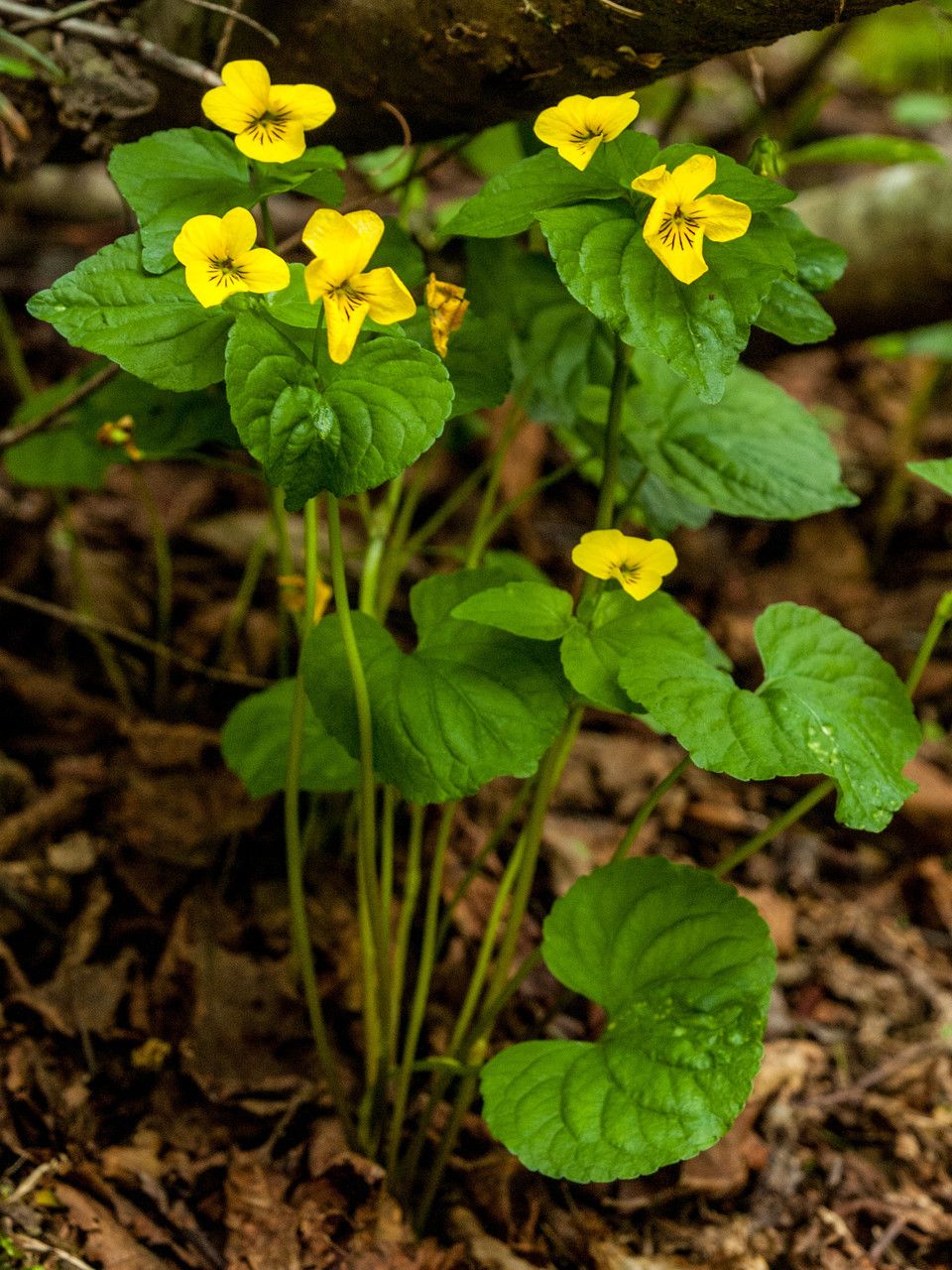
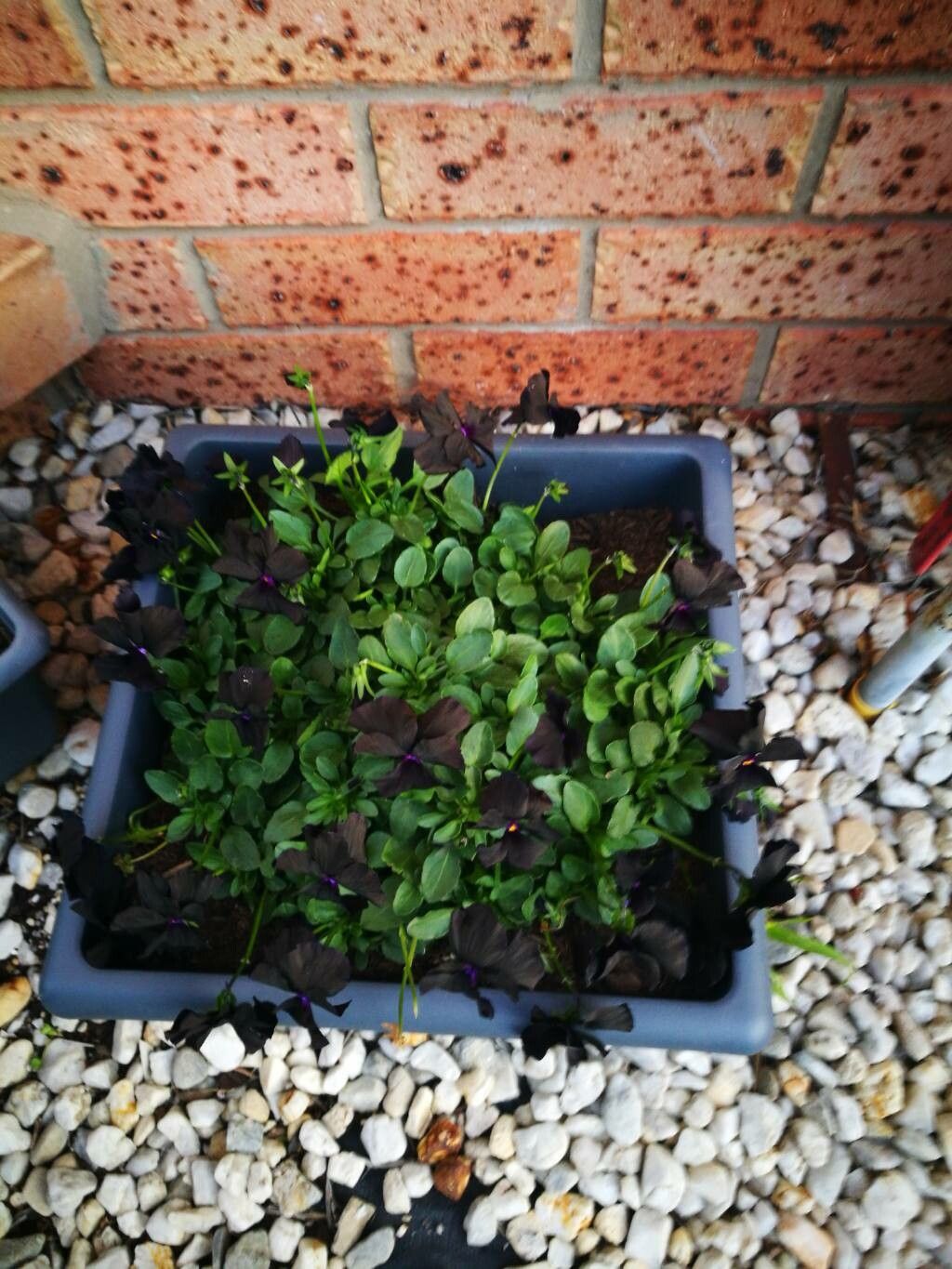
Viola nephrophylla (northern bog violet, Leconte violet, or kidney leaved violet) syn. Viola nephrophylla Greene f. albinea (Farw.), Viola pratincola Greene, Viola retusa Greene ) is an annual or perennial forb in the Violet family (Violaceae) native to North America. Viola nephrophylla was named by Edward Lee Greene in 1896 from specimens he collected near Montrose, Colorado. The species name, nephrophylla, is from the Greek for "kidney shaped leaves".
The Northern bog violet is fairly disease-resistant and generally not prone to illness. However, it can be affected by pests and diseases present in its surroundings. These issues are usually not severe. For care, the plant requires a moderate level of maintenance. It should be pruned regularly to preserve a neat appearance and support healthy growth. Fertilizing can also help encourage flowering. The Northern bog violet is suitable for anyone with outdoor space, such as a garden or patio, and does not demand extensive care experience. It may need more attention when grown indoors.
How to keep Viola Nephrophylla.
Light
The northern bog violet is native to habitats with dappled light, such as forest understories or rocky sites that offer natural shade. It does best in partial sun but can also tolerate full sun conditions.
Water
The Northern bog violet flourishes in moist environments, needing consistent moisture and high humidity to thrive. To support its growth, it should be watered twice a week. While it is usually grown outdoors and benefits from natural rainfall, its growth cycle heavily relies on effective hydration practices.
Temperature
Northern bog violet can cope with a wide range of temperatures, but its distribution may still be restricted by different combinations of water and heat. It does best in warm summer conditions with adequate rainfall or watering. Extended periods of cloudy, rainy weather or sustained high temperatures can raise the likelihood of Northern bog violet dying. In winter, proper protection from cold can improve the plant's survival rate.
Fertilizer
When most of the Northern bog violet's flowers have opened and reached full size, resume fertilizing. During the peak flowering period, apply fertilizer once every three to four weeks, weather permitting. Then, when the Northern bog violet begins producing fewer new flowers, stop fertilizing; there's no need to feed the plant when it can no longer produce more blooms.
Pruning
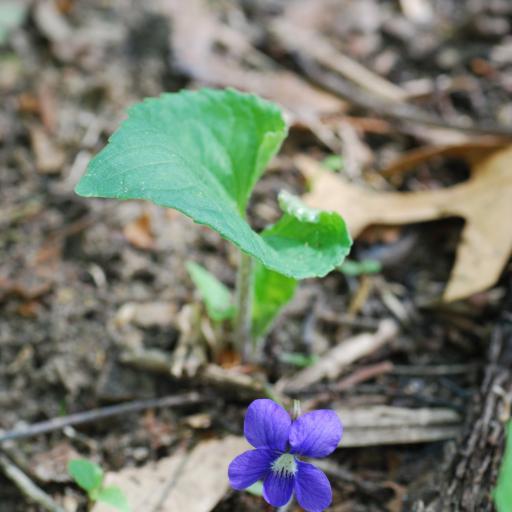
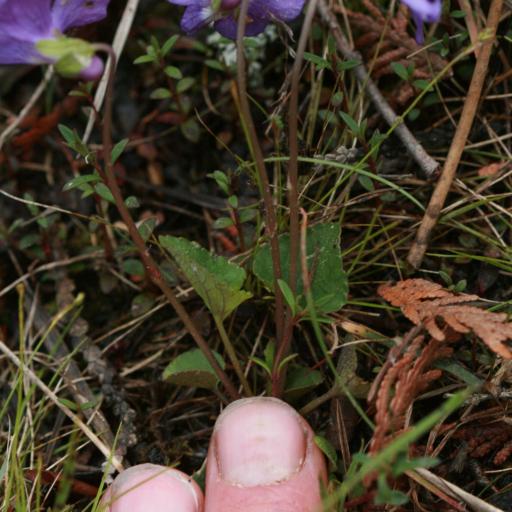
The Northern bog violet has heart-shaped leaves and purple flowers. To encourage new growth, better air circulation, and more abundant blooming, prune the plant from early to late spring. Remove any damaged flowers and overcrowded stems. This practice helps maintain overall plant health, ensuring a vibrant display throughout the growing season.
Botanical profile.
- Plant Type
- Herb
- Life Cycle
- Annual, Perennial
- Genus
- Viola
- Family
- Violaceae
- Hardiness Zone
- 3-8
- Mature Height
- 13 cm to 25 cm
- Mature Spread
- 15 cm to 20 cm
- Leaf Color
- Dark Green
- Leaf Type
- Deciduous
- Flower Color
- Purple, Violet
- Flower Size
- 2.03 cm to 3.05 cm
- Bloom Time
- Spring
- Planting Time
- Spring, Autumn
- Harvest Time
- Summer
- Native Area
- Mexico
Other names.