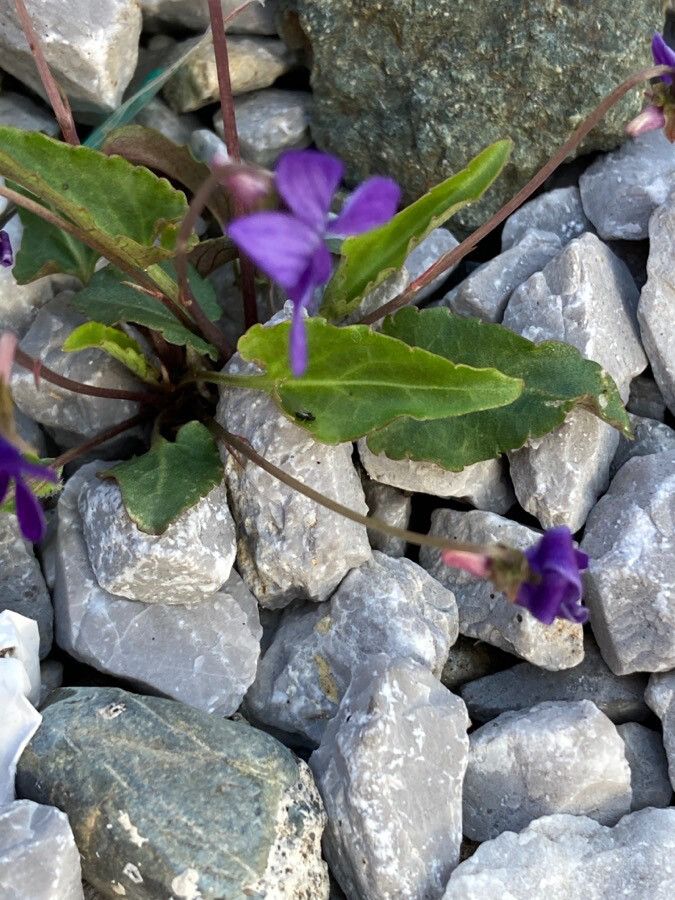
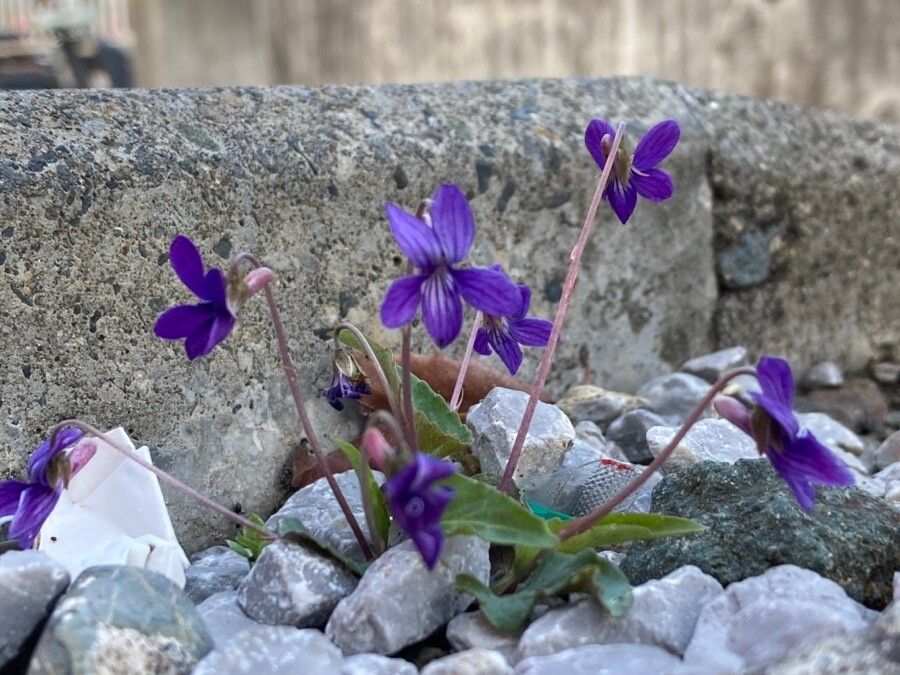
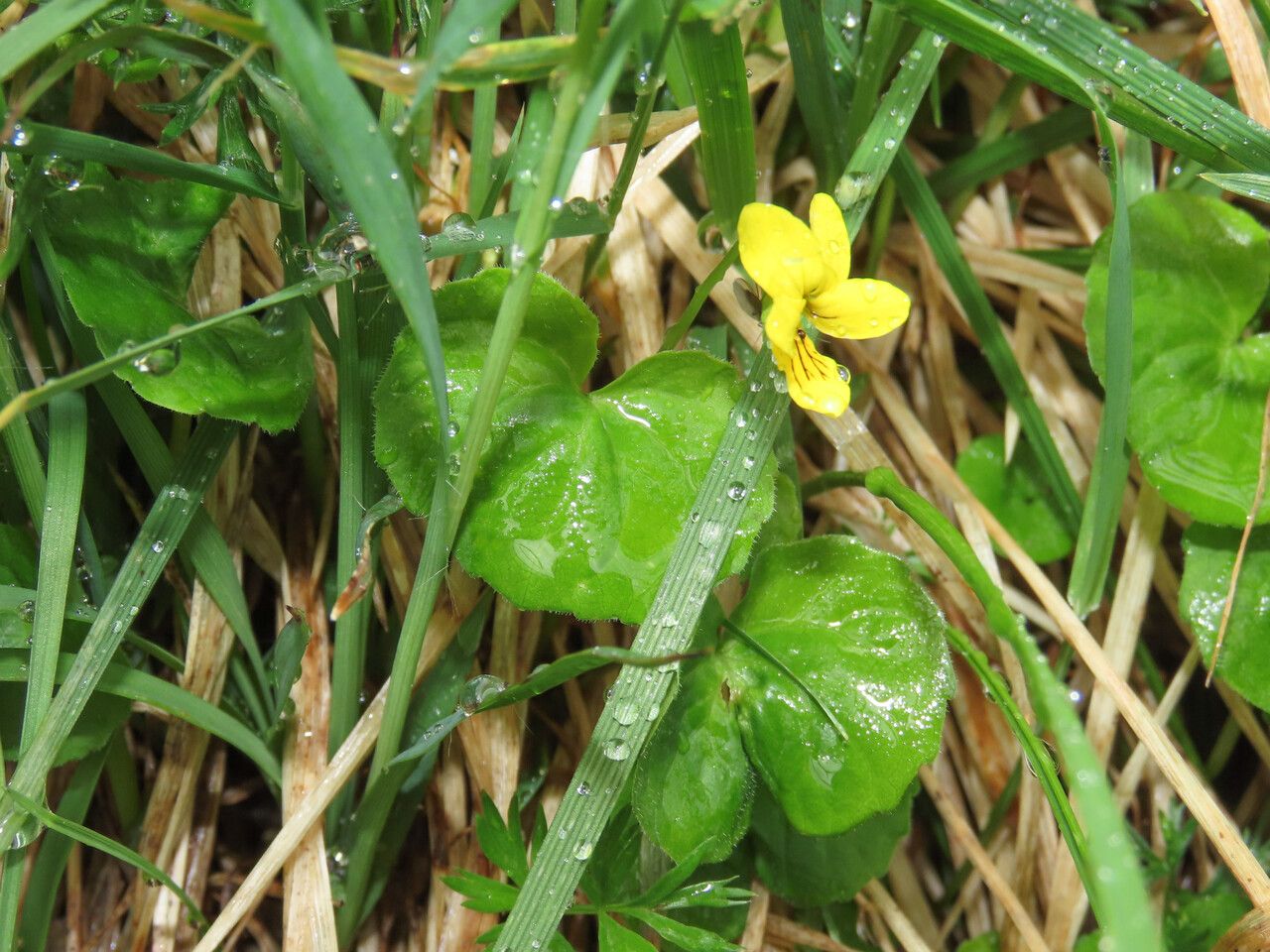
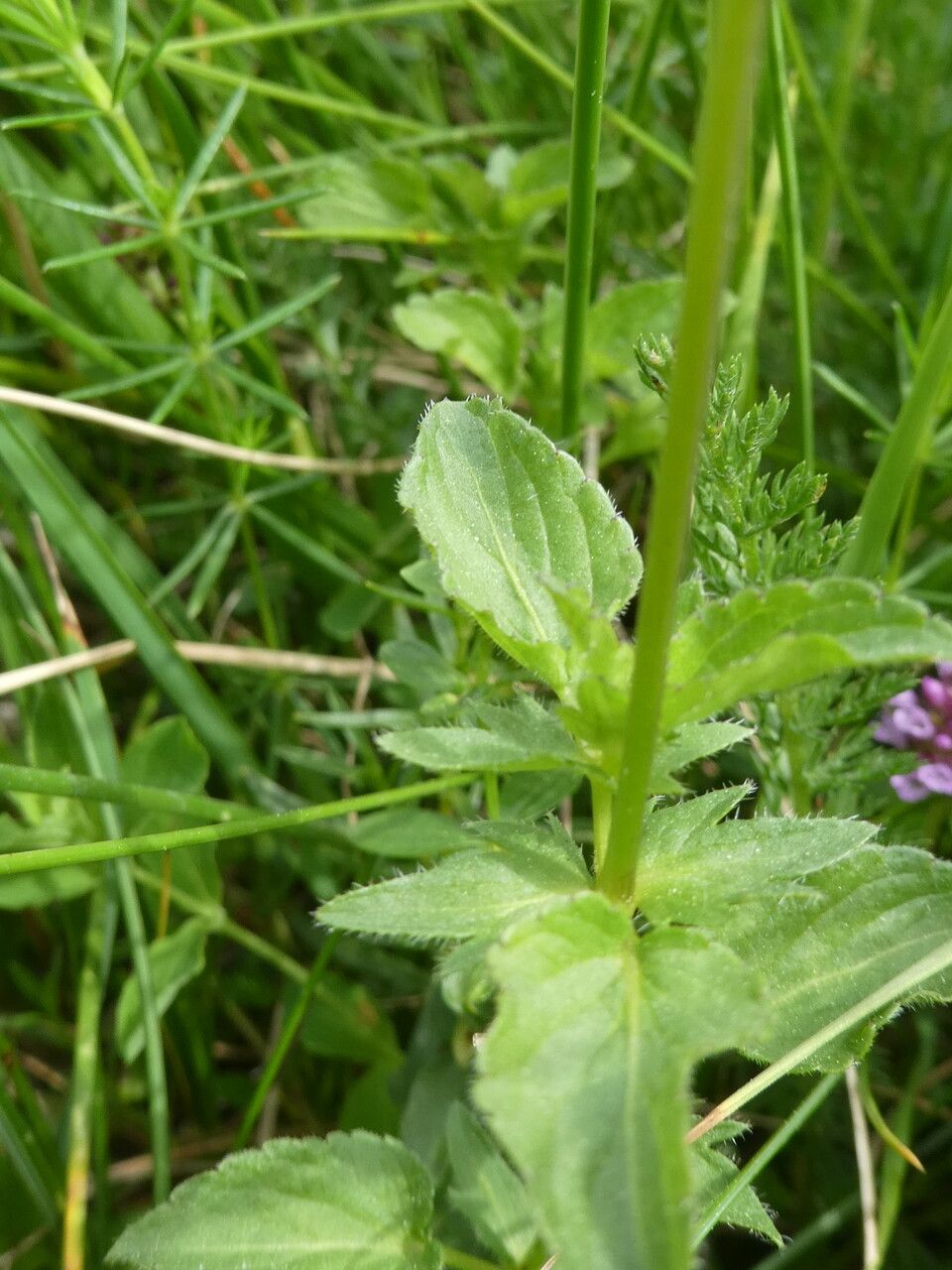
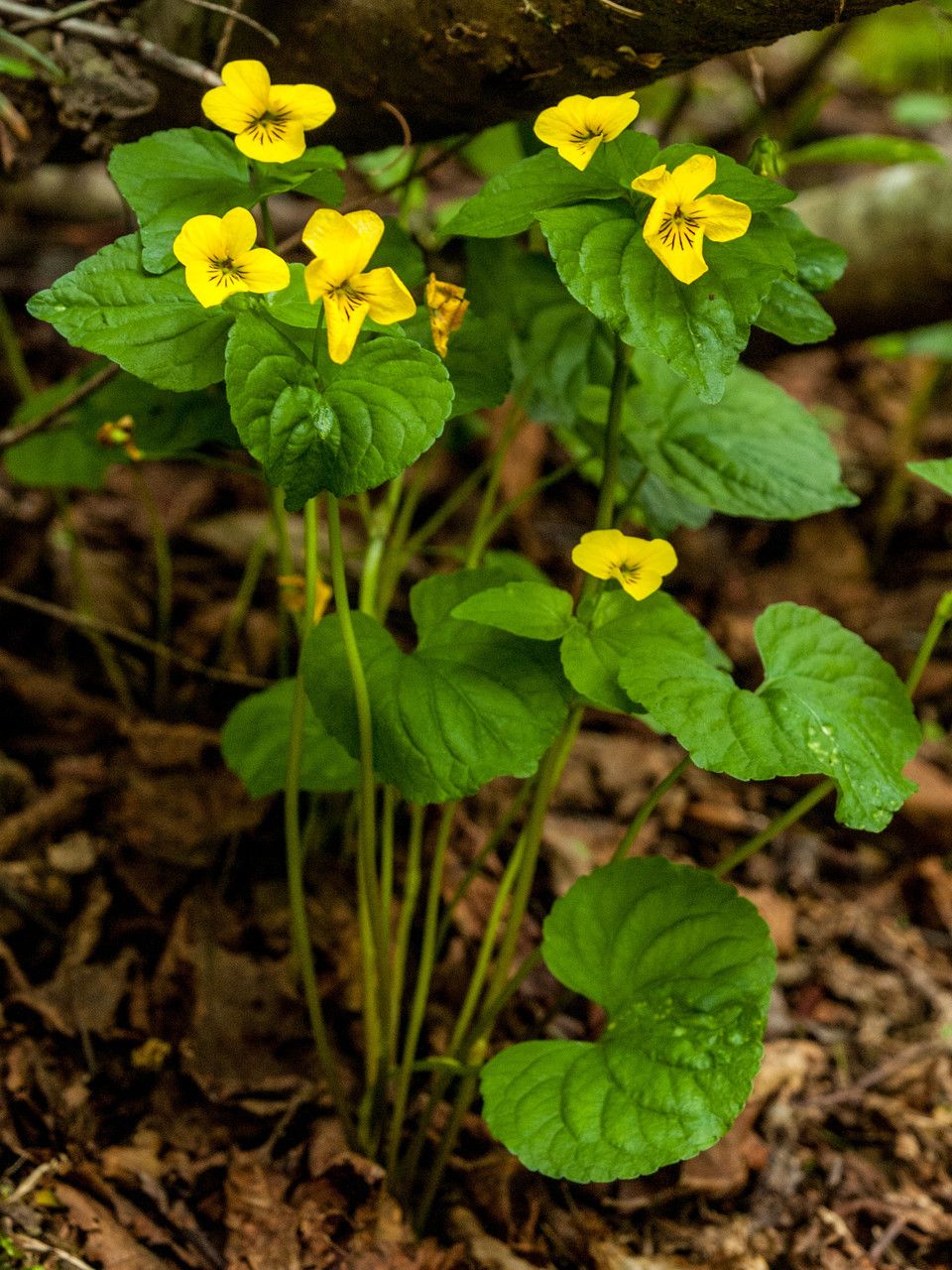
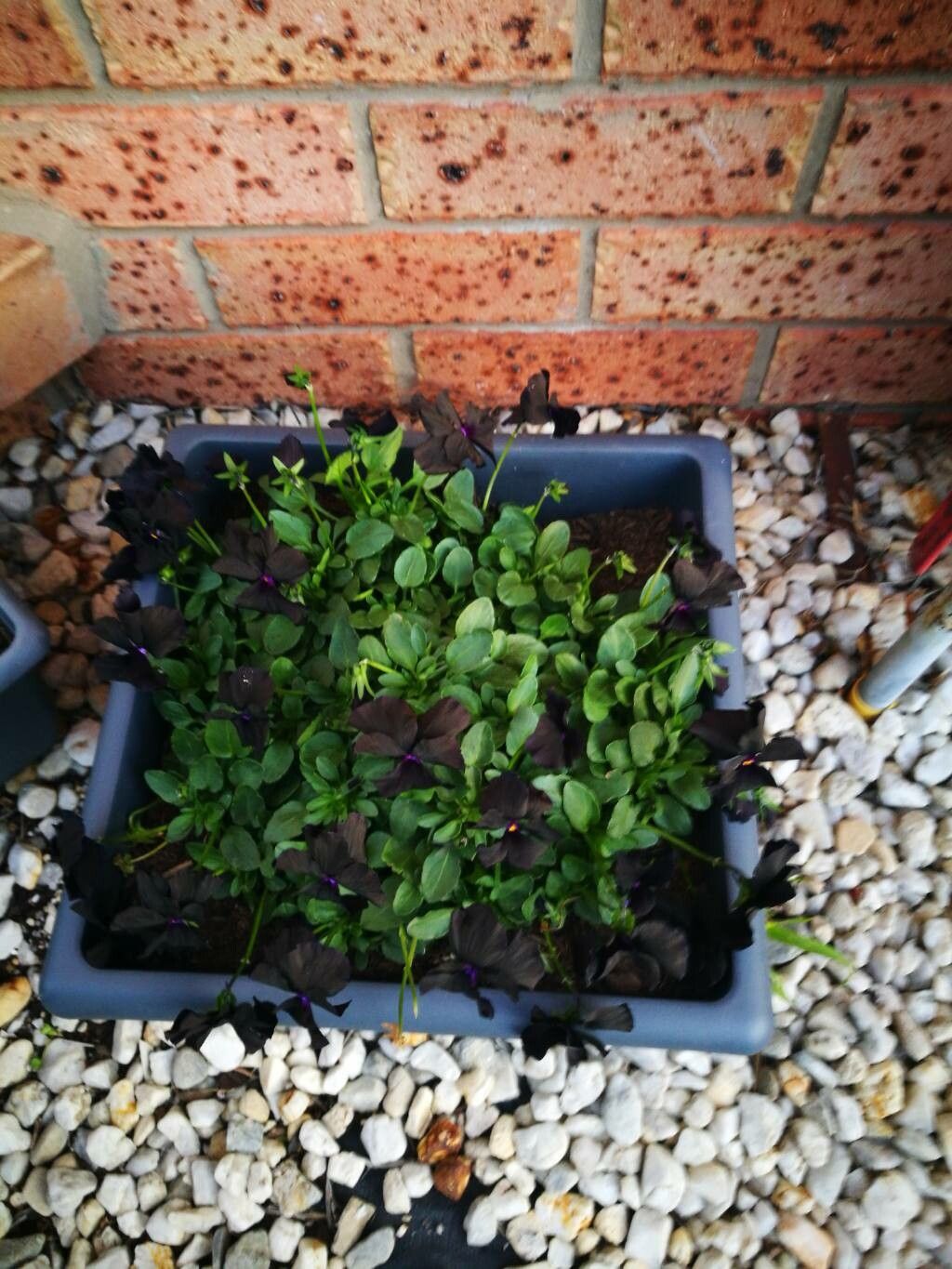
Long sepal violet possesses good resistance to disease and is generally not prone to illnesses. Still, it can be affected by pests and diseases present in its environment. These problems are typically mild. Regarding care, this plant needs moderate maintenance. It should be pruned regularly to preserve a neat appearance and healthy growth. Fertilizing can also help encourage flowering. Long sepal violet is appropriate for anyone with an outdoor area, like a garden or patio, and does not demand extensive care experience. It may need extra attention when cultivated indoors.
How to keep Viola Inconspicua.
Light
Although it can thrive in strong sunlight, the long sepal violet is also very adaptable to lower light conditions, reflecting its native, often sunlit habitat. However, excessive sun can impede its growth, just as overly dim conditions can harm its health.
Water
The long sepal violet flourishes in moist environments and requires consistently hydrated, evenly moist soil. To keep the plant healthy, it should be watered weekly, especially during its active growth periods when rainfall helps meet its water needs.
Temperature
Long sepal violet can tolerate a wide range of temperatures, but its distribution may still be restricted by different combinations of moisture and heat. It performs best in warm summer climates with adequate rainfall or watering. Extended periods of cloudy, rainy weather, as well as prolonged high temperatures, can raise the likelihood of Long sepal violet dying. In winter, protecting it from cold can improve the plant's survival chances.
Fertilizer
One fertilizer application in spring is generally adequate for Long sepal violet, though repeated feedings can maximize growth. Feed every month to every month and a half. Fertilization improves leaf appearance and function, promoting uniform color and a healthy texture. It also encourages root growth and nutrient uptake for the plant's long-term health.
Pruning
For optimal growth, the long sepal violet benefits from annual pruning conducted between early and late spring. To improve air circulation and reduce the risk of diseases, be sure to remove any dead or crowded stems. Regularly trim away spent flowers to promote further blooming and to help maintain the plant's shape, vigor, and the longevity of its flowers.
Botanical profile.
- Plant Type
- Herb
- Life Cycle
- Perennial
- Genus
- Viola
- Family
- Violaceae
- Hardiness Zone
- 5-9
- Mature Height
- 5 cm to 20 cm
- Mature Spread
- 10 cm to 20 cm
- Leaf Color
- Green, Dark Green
- Leaf Type
- Deciduous
- Flower Color
- White, Lavender
- Flower Size
- 1.02 cm to 1.02 cm
- Bloom Time
- Spring
- Planting Time
- Spring, Autumn
- Harvest Time
- Late spring, Early summer, Mid summer
- Native Area
- India, Malaysia, Indonesia, Vietnam, Myanmar, Philippines, China
Other names.
Reader questions.
What are the sun requirements for a Long Sepal Violet?
Long Sepal Violet thrives in full sun, requiring above 6 hours of sunlight, but it can also grow under partial sun conditions, which means about 3-6 hours of sunlight. It's important to watch how sunlight moves through your garden, choosing spots that offer a balance of light and shade, ensuring the best growth conditions for your plants.
What is the common name of Viola inconspicua?
Viola inconspicua is commonly known as the Long sepal violet.
What essentials should be considered for the growth of Long Sepal Violet?
Long Sepal Violet is adaptable and can grow under intense solar exposure, reflecting its origin in sun-drenched habitats. However, it's also capable of thriving in less illuminated environments. Overexposure or insufficient sunlight can affect its growth negatively. Indoor plants may require artificial lighting for optimal growth, especially when natural sunlight is not adequate. LED lights are a popular solution, providing the necessary wavelengths of light. The amount of artificial light needed varies depending on whether the plant needs full sun, partial sun, or shade, with required wattage per square foot also varying. The light source should be placed 12-36 inches above the plant to mimic natural sunlight and should be on for 8-12 hours per day.
What are the common symptoms of light deficiency in Long Sepal Violet?
When Long Sepal Violet is placed in rooms with inadequate lighting, several symptoms can appear. These include smaller new leaves, leggy or sparse growth, faster leaf drop, slower or no new growth, and lighter-colored new leaves. Excessive sunlight can lead to chlorosis, where leaves lose their green color and turn yellow, sunscald leading to damaged plant tissue, leaf curling as a defense mechanism against intense sunlight, wilting due to high transpiration rates, and leaf scorching characterized by brown, dry edges on leaves.
How can I address insufficient light exposure or overexposure for Long Sepal Violet?
To address light exposure issues, gradually move plants to a sunnier location to receive at least 6 hours of direct sunlight daily. For indoor plants, consider using artificial light if the plant is not easily movable, keeping a light source on for at least 8 hours daily. For outdoor plants, avoid sudden changes in light intensity to prevent sunburn. Obstructions blocking sunlight should be minimized by pruning or relocating plants to brighter areas. Note that parts of the plant affected by insufficient sunlight may not recover, but new growth should be healthy after adjusting the light exposure.