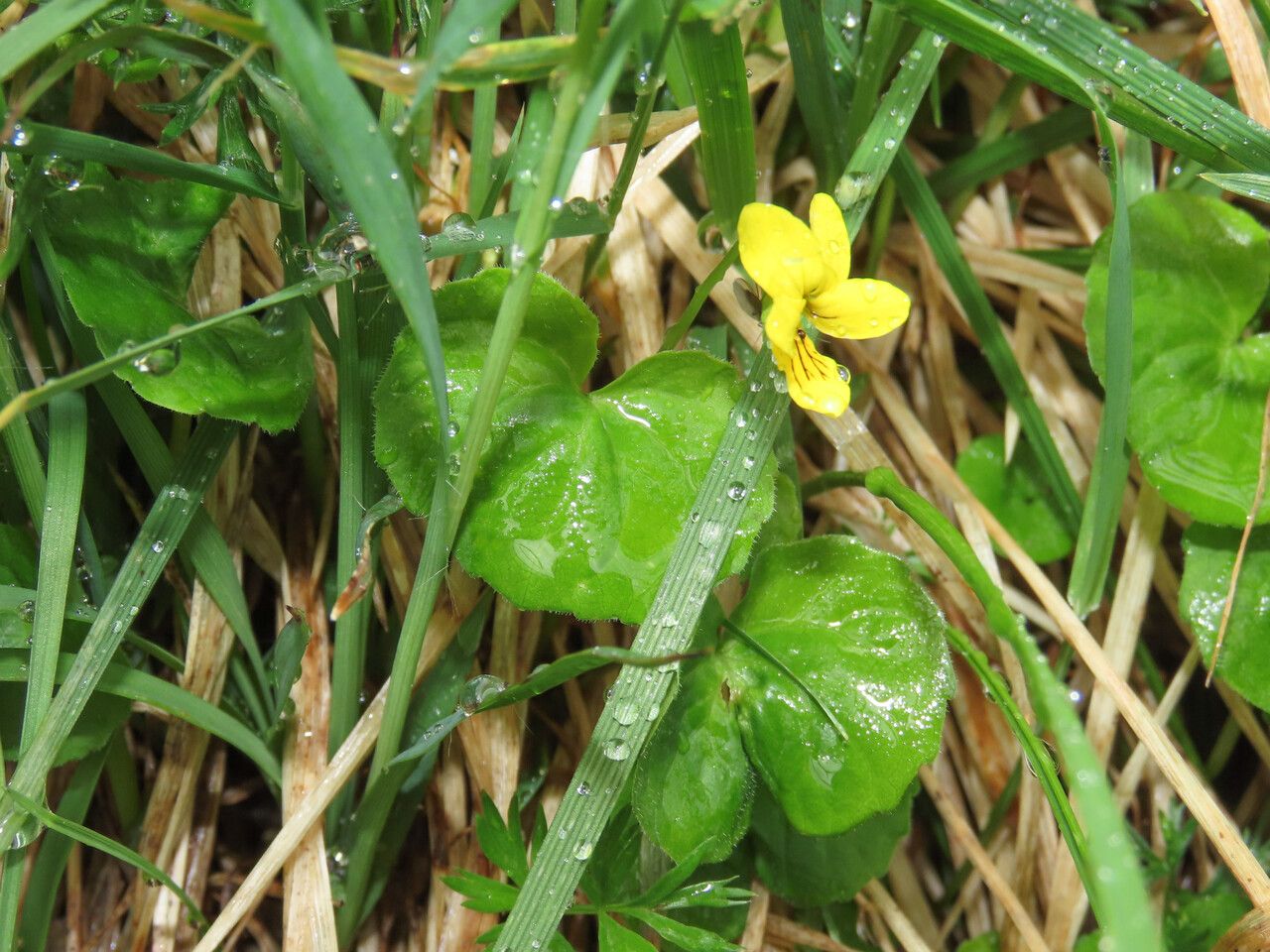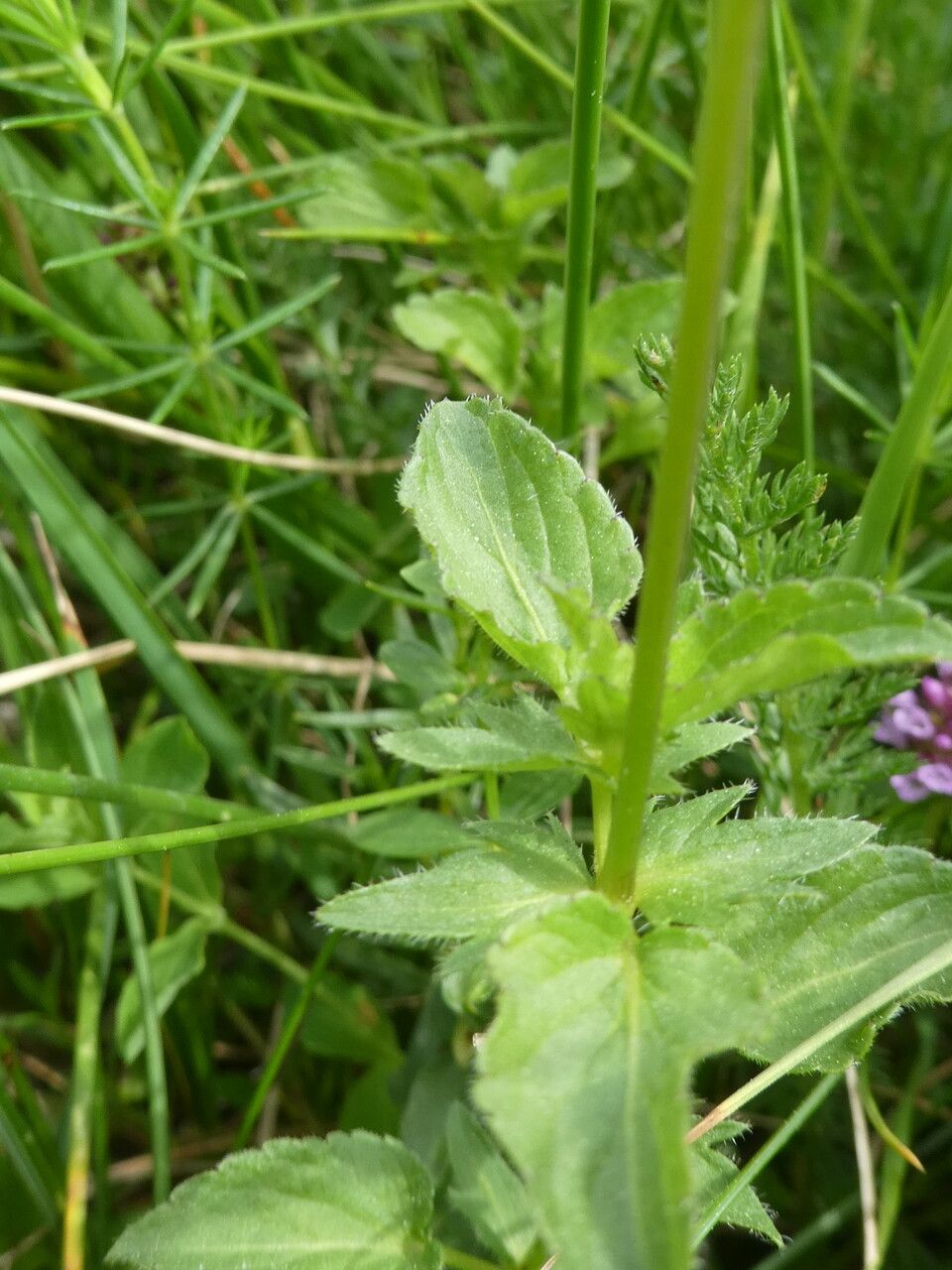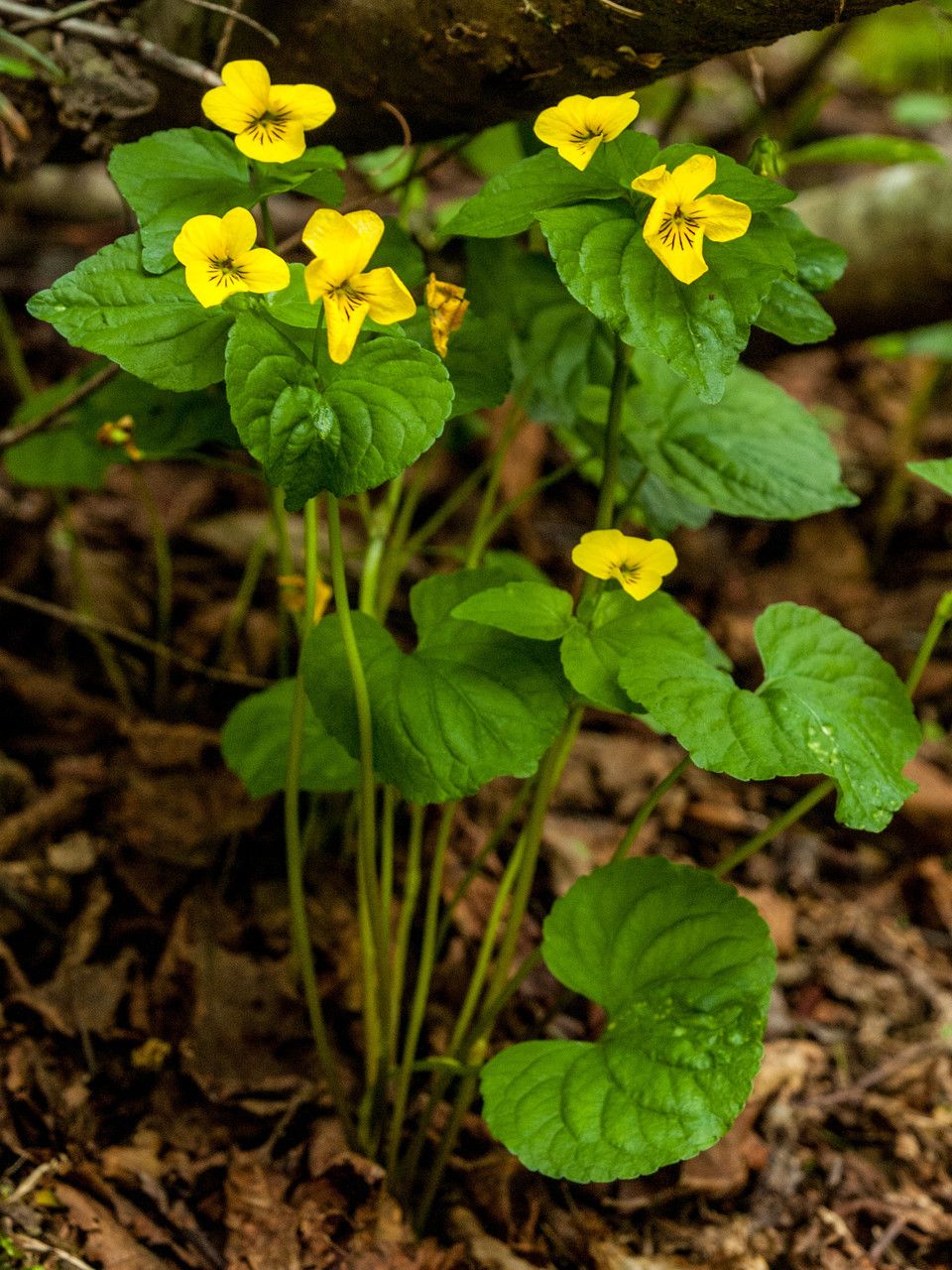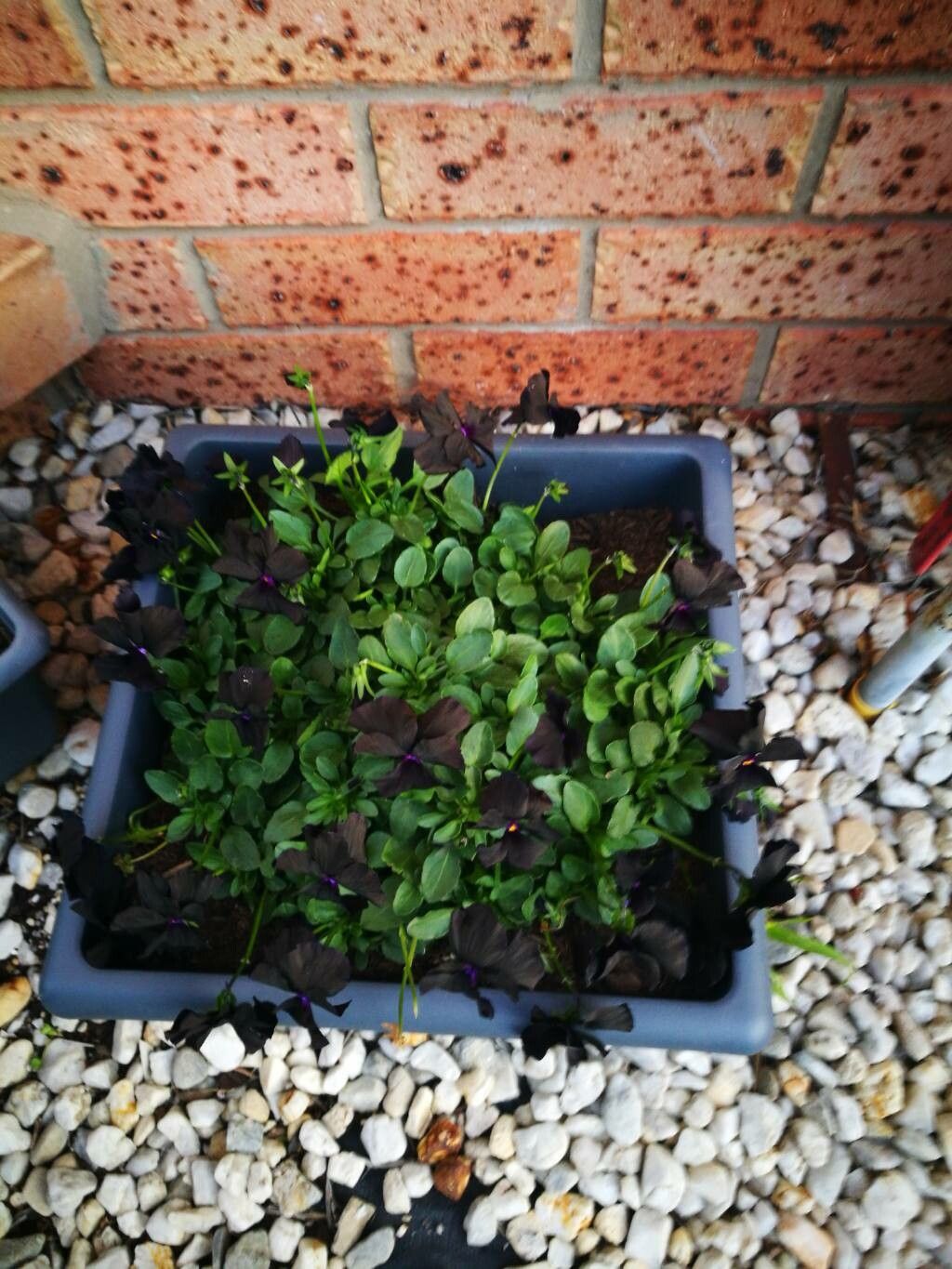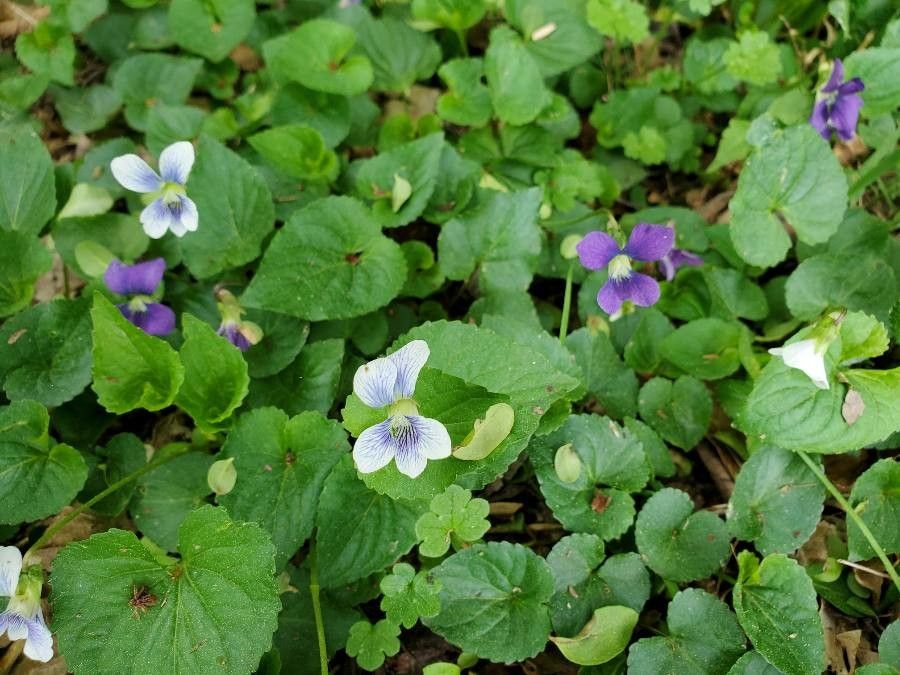
Viola hirsutula, commonly known as the hairy violet, is a perennial herbaceous plant belonging to the Violaceae family. Native to North America, this plant thrives in various habitats such as meadows, forests, and wetlands. It typically grows up to 30 cm in height, featuring hairy stems and heart-shaped leaves that are also covered in fine hairs.
The flowers of Viola hirsutula are small, with five petals that range in color from white to purple or blue. Blooming from April through June, these flowers attract pollinators such as bees and butterflies. Additionally, the plant produces small fruits known as capsules, which contain numerous seeds.
Native Americans have used Viola hirsutula for medicinal purposes to treat ailments such as headaches, coughs, colds, fevers, and skin irritations. In modern herbal medicine, it is valued for its anti-inflammatory properties.
Overall, Viola hirsutula is a beautiful wildflower that adds vibrant color to natural landscapes while offering medicinal benefits.
Southern woodland violet is fairly disease-resistant and usually not prone to illness. That said, it can be attacked by pests and diseases found in its vicinity. Such infections tend to be mild. For care, this plant requires a moderate level of maintenance. It should be trimmed regularly to preserve a neat appearance and support healthy growth. Fertilizing can also encourage more blooms. Southern woodland violet works well for anyone with outdoor space, such as a garden or patio, and does not demand extensive care experience. It may need additional attention when kept indoors.
How to keep Viola Hirsutula.
Light
Southern woodland violet is a sun-loving perennial herbaceous plant native to open habitats, commonly found in meadows and grasslands. It prefers full sun but can also tolerate partial sun conditions.
Water
The southern woodland violet thrives in moist environments and prefers consistently damp soil. It should be watered weekly, taking care not to overwater it. This plant is usually grown outdoors and benefits from mulching, which helps retain moisture and mimics the leaf litter found in its natural woodland habitat.
Fertilizer
One fertilizer application in spring is generally enough for Southern woodland violet, although repeated feedings can enhance growth. Apply fertilizer about every month to month and a half. Fertilization improves the leaves’ appearance and function, maintaining even color and a healthy texture. It also promotes root development and nutrient uptake for long-term plant health.
Pruning
The Southern woodland violet is known for its delicate violet flowers and heart-shaped leaves, and it thrives in shady areas. To maintain its health, prune the plant from early to late spring, after the last frost. During pruning, remove any dead stems and leggy growth to promote a bushier appearance. Regular pruning not only encourages more blooms but also helps control the plant's spread. Remember to use clean tools to prevent the spread of disease.
Botanical profile.
Other names.
Reader questions.
What are the sunlight requirements for Southern woodland violet?
Southern woodland violet, known botanically as Viola hirsutula, is a sun-loving perennial herb that thrives in full sun but can also tolerate partial sun conditions. Full sun is characterized by more than 6 hours of sunlight daily, while partial sun refers to about 3-6 hours of sunlight. It's essential to observe how sunlight moves through your garden to select spots that ensure the plants' growth and happiness, balancing light and shade adequately.
What is the botanical name of the Southern woodland violet?
The botanical name of the Southern woodland violet is Viola hirsutula.
Can Southern woodland violet be grown with artificial lighting?
Yes, Southern woodland violet can be grown with artificial lighting, which becomes particularly crucial in environments where natural sunlight is insufficient, such as during winter or in less sunny spaces. Optimal artificial lighting involves: selecting LED lights for their ability to provide specific light wavelengths needed by plants, ensuring the light intensity is sufficient (30-50W/sq ft for full sun plants, 20-30W/sq ft for partial sun plants), placing the light source 12-36 inches above the plant, and mimicking natural daylight hours by keeping the artificial lights on for 8-12 hours per day.
What are the symptoms of inadequate light exposure in Southern woodland violet?
Inadequate light exposure in Southern woodland violet can lead to several noticeable symptoms including small and lighter-colored new leaves, leggy or sparse growth, early leaf dropping, delayed growth or a complete halt in new leaf production, chlorosis (the leaves losing their green color), sunscald with pale or necrotic spots, leaf curling as a defense against excessive sunlight, wilting from loss of water retention, and leaf scorching characterized by brown, crispy edges on the leaves.
How can I address insufficient sunlight for Southern woodland violet indoors?
To address insufficient sunlight for Southern woodland violet indoors, gradually move your plant to a sunnier location, aiming for at least 6 hours of direct sunlight daily, ideally near a south-facing window. If the plant is large or not easily movable, supplement with artificial light, using a desk or ceiling lamp for at least 8 hours daily or invest in professional plant grow lights. This gradual transition helps in avoiding sunburn and ensures the plant's adaptation to increased light exposure.
What are some outdoor solutions for insufficient sunlight for Southern woodland violet?
For outdoor plants, gradually acclimate your Southern woodland violet to more sunlight by moving it to a sunnier spot each week, avoiding sudden changes in light intensity to prevent sunburn. If trees or other elements are shading your plant, consider pruning to let more sunlight through. For smaller plants that can be moved, transplanting them during their dormant period, late winter or early spring, to a location with better sunlight and drainage can also be beneficial. Remember, while parts of the plant that have been damaged by insufficient sunlight may not recover, new growth should be healthy with improved light conditions.