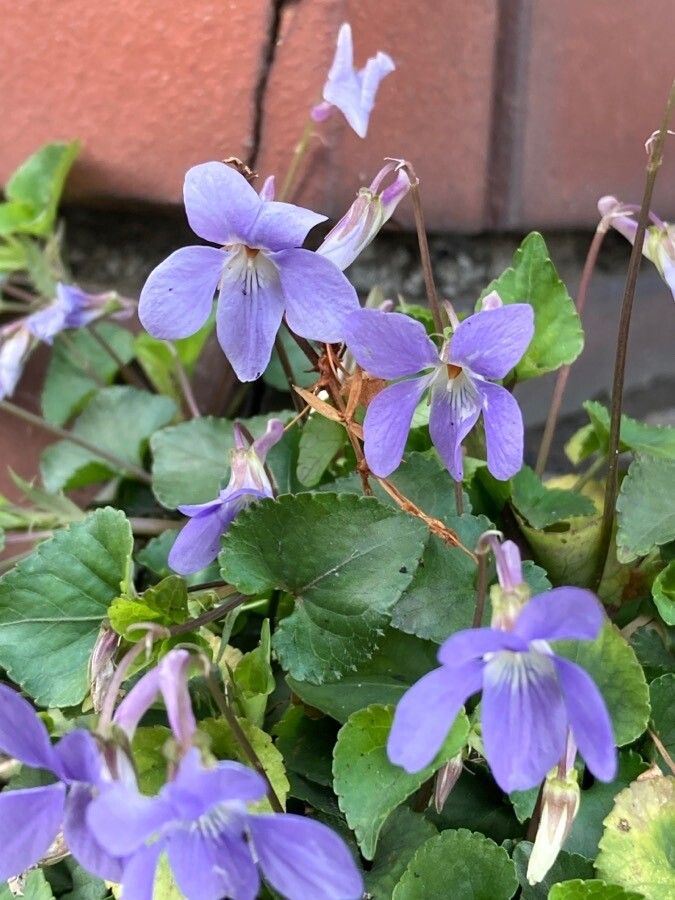
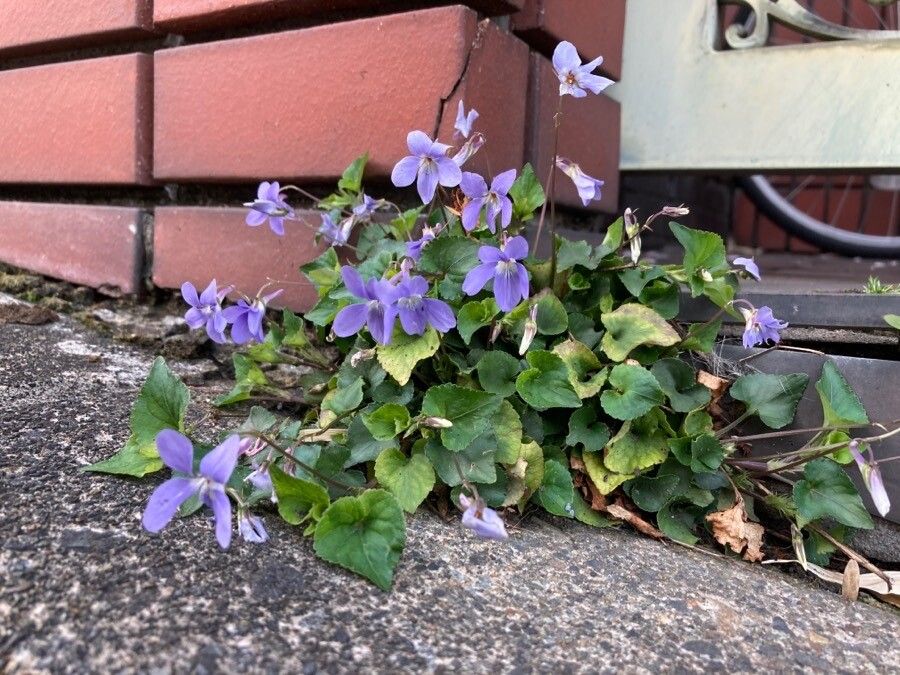
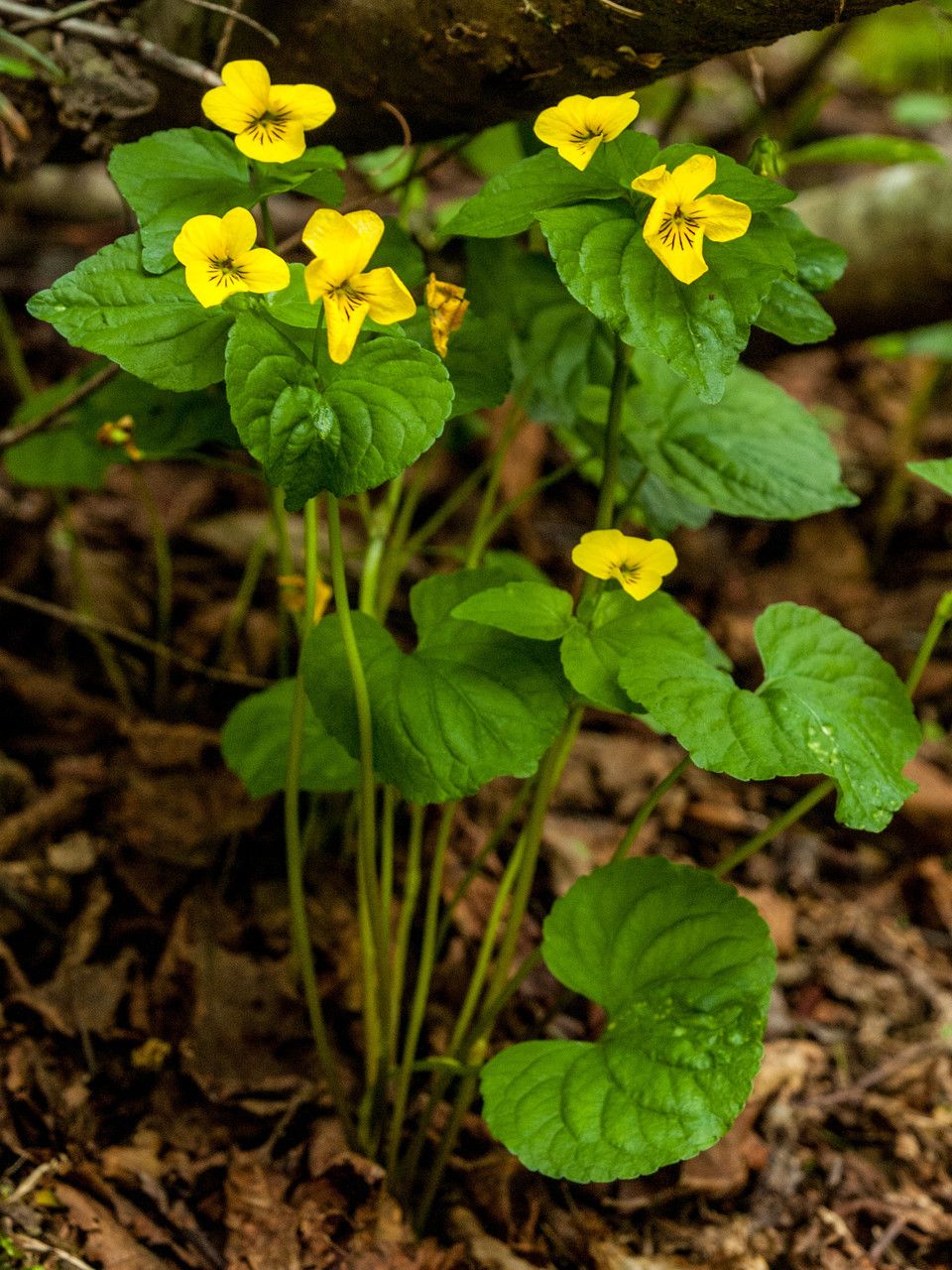
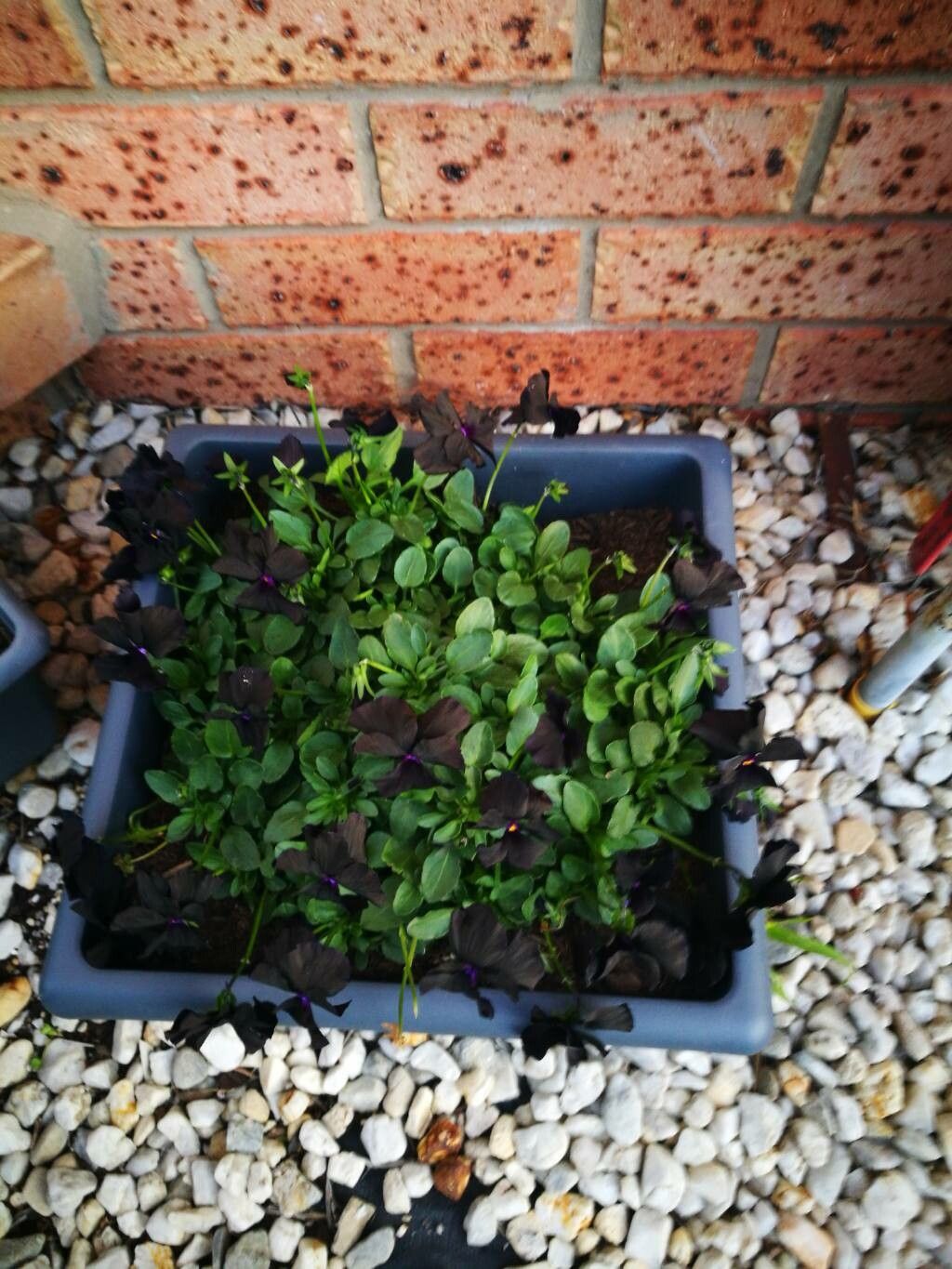
Tachitsubo sumire is fairly resistant to disease and generally does not suffer from illnesses. Nonetheless, it can be vulnerable to pests and diseases present in its surroundings. Such infections are usually mild. Care-wise, this plant needs moderate maintenance. Regular pruning is necessary to keep it looking good and to encourage healthy growth. Applying fertilizer can also help stimulate flowering. Tachitsubo sumire is suitable for anyone with an outdoor area, like a garden or patio, and does not require extensive care experience. It may need more attention when cultivated indoors.
How to keep Viola Grypoceras.
Light
Tachitsubo sumire does best in places with ample filtered light each day, especially during its growing stage. It can, however, tolerate stronger light exposure. Its native habitat favors this partial-to-abundant light preference. Both too little and too much light can affect Tachitsubo sumire's overall health.
Water
Tachitsubo sumire thrives in moist, shaded environments and requires consistent soil moisture without becoming waterlogged. To keep the plant healthy, it is essential to water it weekly. Typically found in understory habitats, Tachitsubo sumire benefits from stable humidity and shows optimal growth in the cool, damp conditions common in temperate regions.
Temperature
Tachitsubo sumire is native to areas with moderate temperatures and prefers a range of 41 to 90 °F (5 to 32 °C). Seasonal adjustments to handle higher or lower temperatures may be necessary to ensure optimal growth.
Fertilizer
For Tachitsubo sumire, the primary time to apply fertilizer is in early spring while the flowers are forming. The appropriate fertilizer promotes better blooms and helps Tachitsubo sumire produce attractive flowers. Fertilizing in early spring helps ensure excellent flowers during the season and supplies energy for dormant growth phases.
Pruning
Tachitsubo sumire is a small perennial plant featuring heart-shaped leaves and purple flowers. To encourage growth and more blooms, prune the plant in early spring or late winter. Remove any damaged parts to improve air circulation. Always use clean tools for pruning to stimulate new growth and enhance the plant’s ornamental appeal.
Botanical profile.
- Plant Type
- Herb
- Life Cycle
- Perennial
- Genus
- Viola
- Family
- Violaceae
- Hardiness Zone
- 4-8
- Mature Height
- 10 cm
- Mature Spread
- 20 cm
- Leaf Color
- Green, Dark Green
- Leaf Type
- Evergreen
- Flower Color
- Lavender, Purple
- Flower Size
- 2.54 cm
- Bloom Time
- Spring
- Planting Time
- Autumn, Spring
- Harvest Time
- Late spring, Early summer, Mid summer
- Native Area
- Russia, South Korea, Japan, China
Reader questions.
What are the sunlight requirements for Tachitsubo sumire?
Tachitsubo sumire thrives best in conditions that align with its natural habitat, which involves receiving daily filtered light, particularly during its growth phase. This plant can handle varying degrees of light exposure, from partial to full sunlight, and adapatarility is key to its care. Partial sun is defined as about 3-6 hours of sunlight daily, while full sun exceeds 6 hours. It's crucial to watch the sunlight's movement through your garden to find spots that strike a balance between light and shade, ensuring your plants' wellbeing.
What is the ideal temperature range for growing Tachitsubo sumire?
Tachitsubo sumire thrives in moderate temperature ranges, specifically between 41 to 90 °F (5 to 32 °C). The plant prefers these conditions for optimal growth, and seasonal adjustments may be necessary to keep temperatures within this range for the plant's health.
How can artificial lighting benefit indoor Tachitsubo sumire plants?
For indoor Tachitsubo sumire plants, artificial lighting is essential when natural sunlight is insufficient, especially in less sunny spaces or during the winter. Optimal growth is supported by adequate lighting, with LED lights being a popular choice because they can be customized to provide specific wavelengths needed by plants. Full sun plants require 30-50W/sq ft, partial sun plants need 20-30W/sq ft, and full shade plants need 10-20W/sq ft of artificial light. The light source should be placed 12-36 inches above the plant, mimicking natural sunlight as closely as possible, and most plants will need 8-12 hours of light per day.
How does Tachitsubo sumire handle cold weather, and what precautions should be taken?
Tachitsubo sumire has a strong resistance to cold and usually does not need special frost protection measures during winter. However, in environments where winter temperatures are expected to plummet below -30°C, it's important to protect the plant. Covering it with soil or straw can provide necessary insulation. Additionally, watering the plant abundantly before the first freeze of autumn is recommended to ensure the soil remains moist and enters a frozen state, helping to prevent drought and water scarcity during winter and early spring.
What symptoms indicate insufficient light for Tachitsubo sumire?
When Tachitsubo sumire doesn't receive enough light, particularly when grown indoors, it may display symptoms such as smaller new leaves, leggy or sparse growth, faster leaf drop, slower or ceased new growth, and lighter-colored new leaves. These signs suggest the plant is not getting the required amount of light for optimal growth, causing it to conserve resources and potentially enter survival mode. Additionally, symptoms of too much direct sunlight such as chlorosis, sunscald, leaf curling, wilting, and leaf scorching, indicate that while the plant is versatile in adapting to light, both extremes can negatively impact its health.
What should be done if Tachitsubo sumire is exposed to temperatures below -25°C?
While Tachitsubo sumire can generally withstand cold, exposure to temperatures below -25°C may reduce its ability to sprout in the spring. There may not be noticeable changes during the winter, but the plant might show a decrease in sprouting or fail to sprout when warmer weather arrives. In such cases, it is advisable to remove any parts of the plant that have failed to sprout in the spring.
How can lighting conditions be improved for Tachitsubo sumire?
Improving light conditions for Tachitsubo sumire involves several strategies, whether the plant is grown indoors or outdoors. Indoors, gradually moving the plant to sunnier spots each week until it receives 3-6 hours of sunlight daily or using artificial lights such as desk or grow lights for at least 8 hours daily can be beneficial. Outdoors, finding the best sun exposure spot and making transitions gradual is crucial. For ground plants, reducing obstructions like pruning trees or transplanting the plant during its dormant period to a location with better sunlight and drainage can help. Note that parts of the plant already affected by insufficient sunlight might not recover, but new growth should be healthy with improved light conditions.
How does Tachitsubo sumire react to high temperatures, and what are the recommended solutions?
During the summer, it's crucial to ensure that Tachitsubo sumire does not experience temperatures above 32°C. Exceeding this threshold can lead to the leaves becoming lighter, prone to curling, and susceptible to sunburn. In severe cases, the plant may wilt and become dry. To mitigate these issues, trim away any sunburned and dried-up parts of the plant, move it to a shaded area during the midday and afternoon sun, or use a shade cloth. Additionally, watering the plant in the morning and evening to keep the soil moist can help manage the effects of high temperatures.