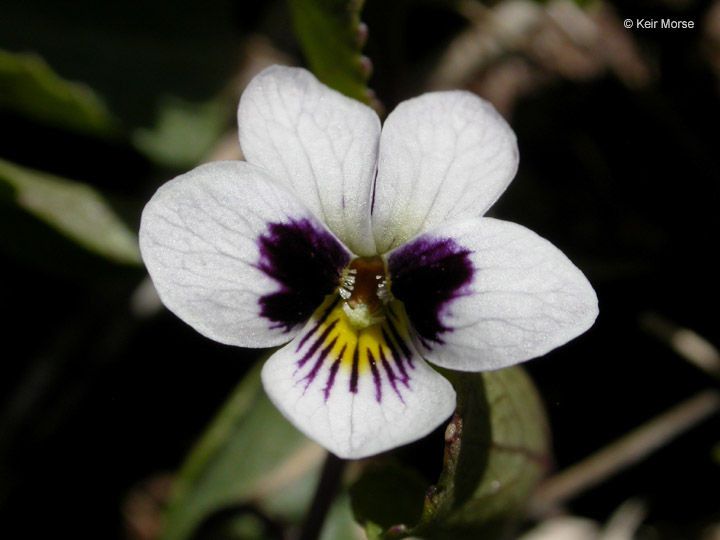
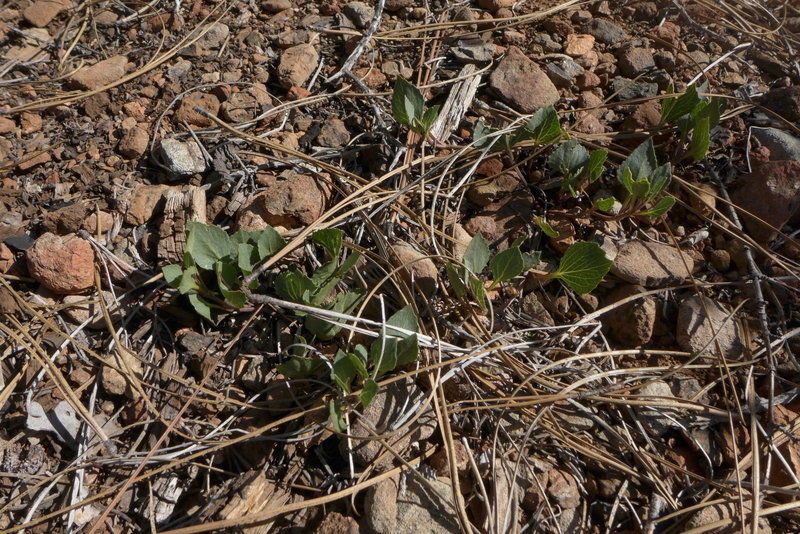
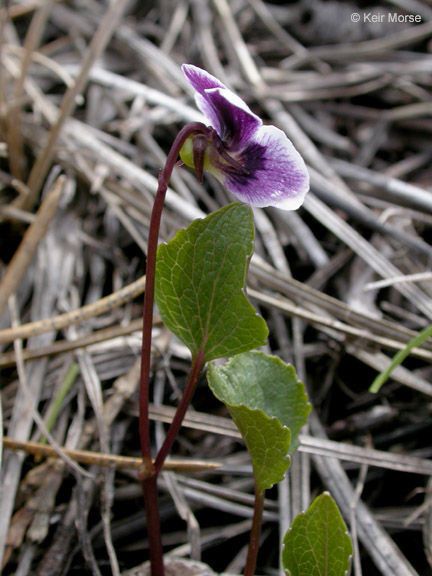
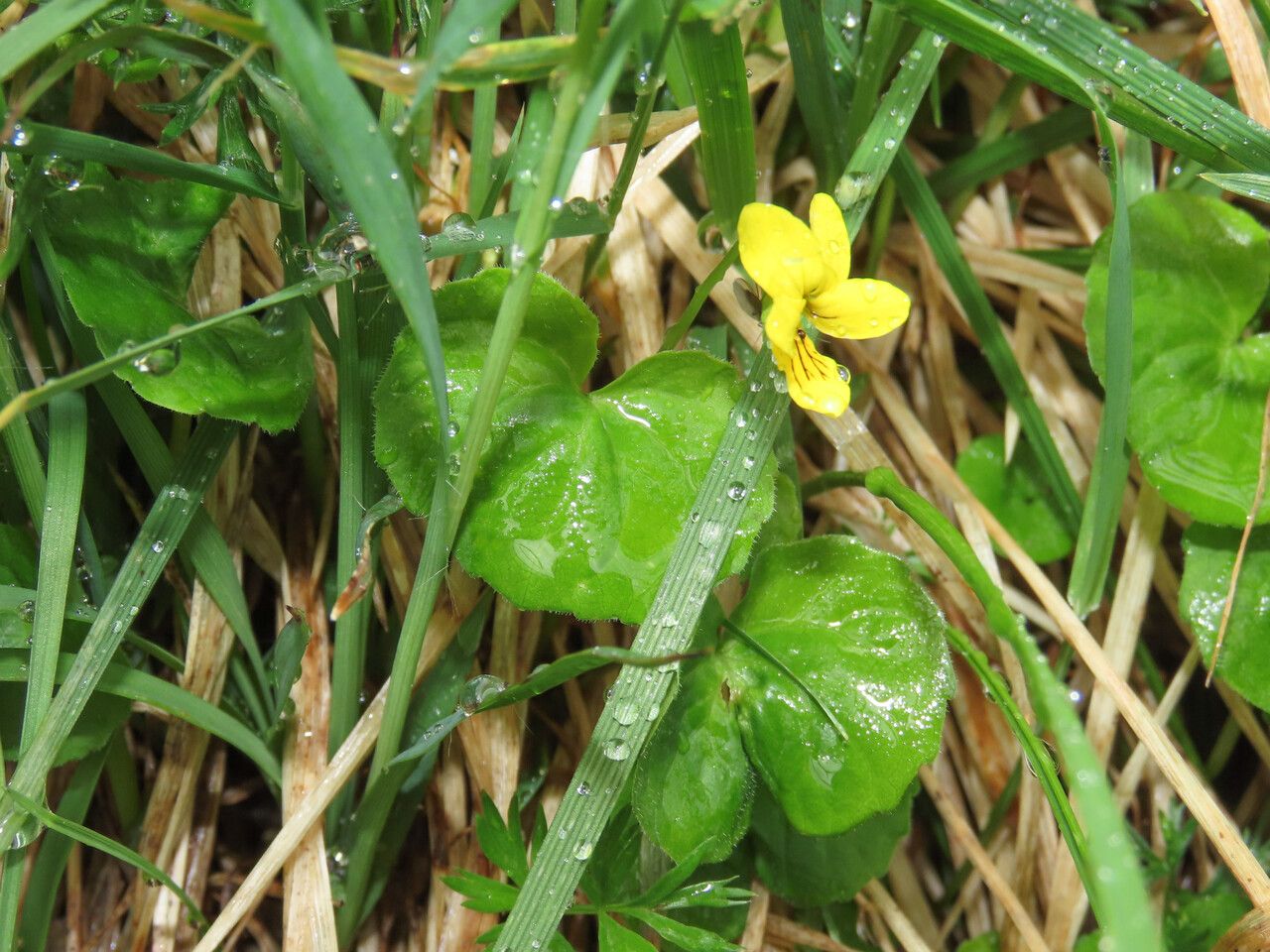
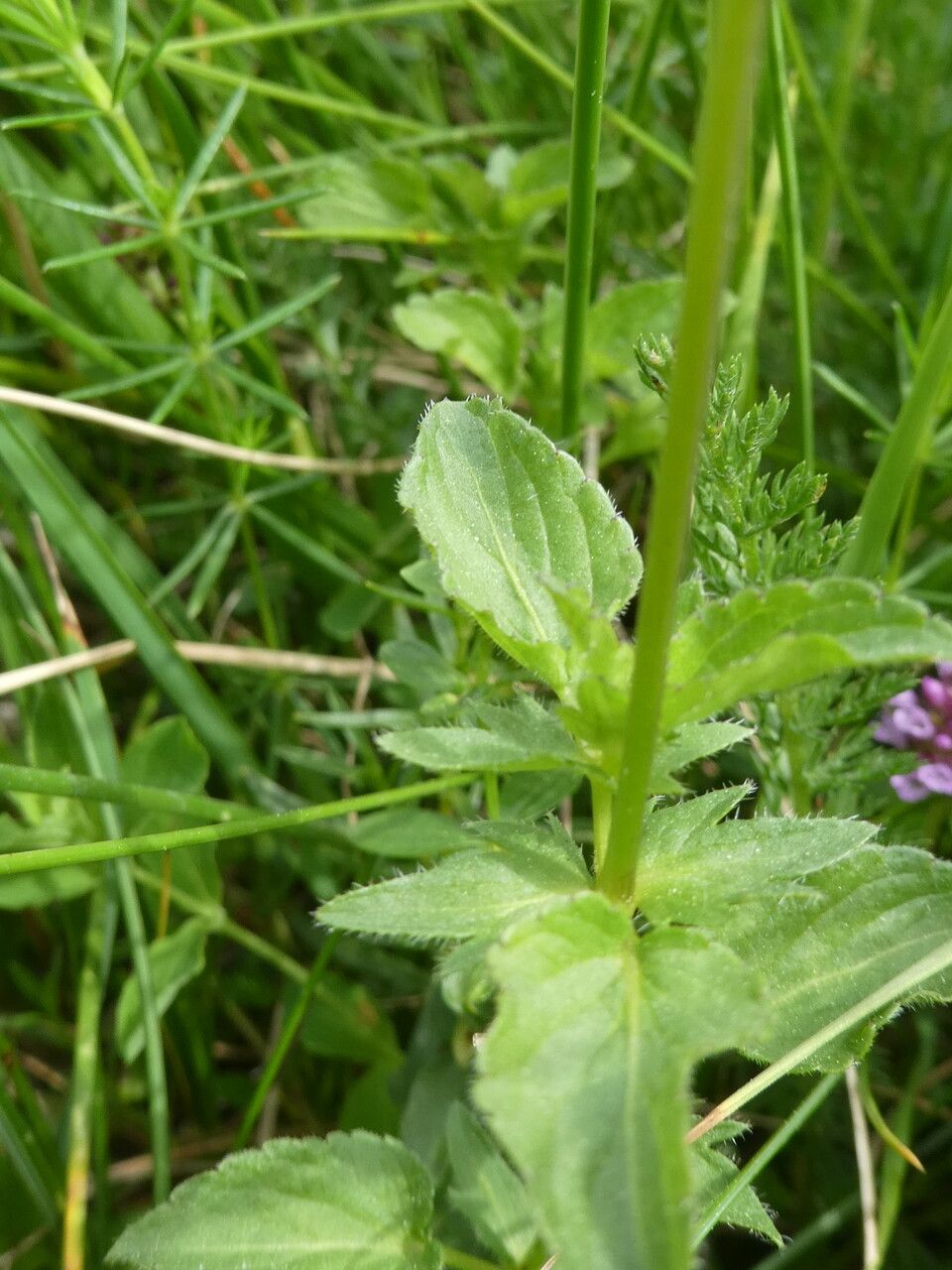
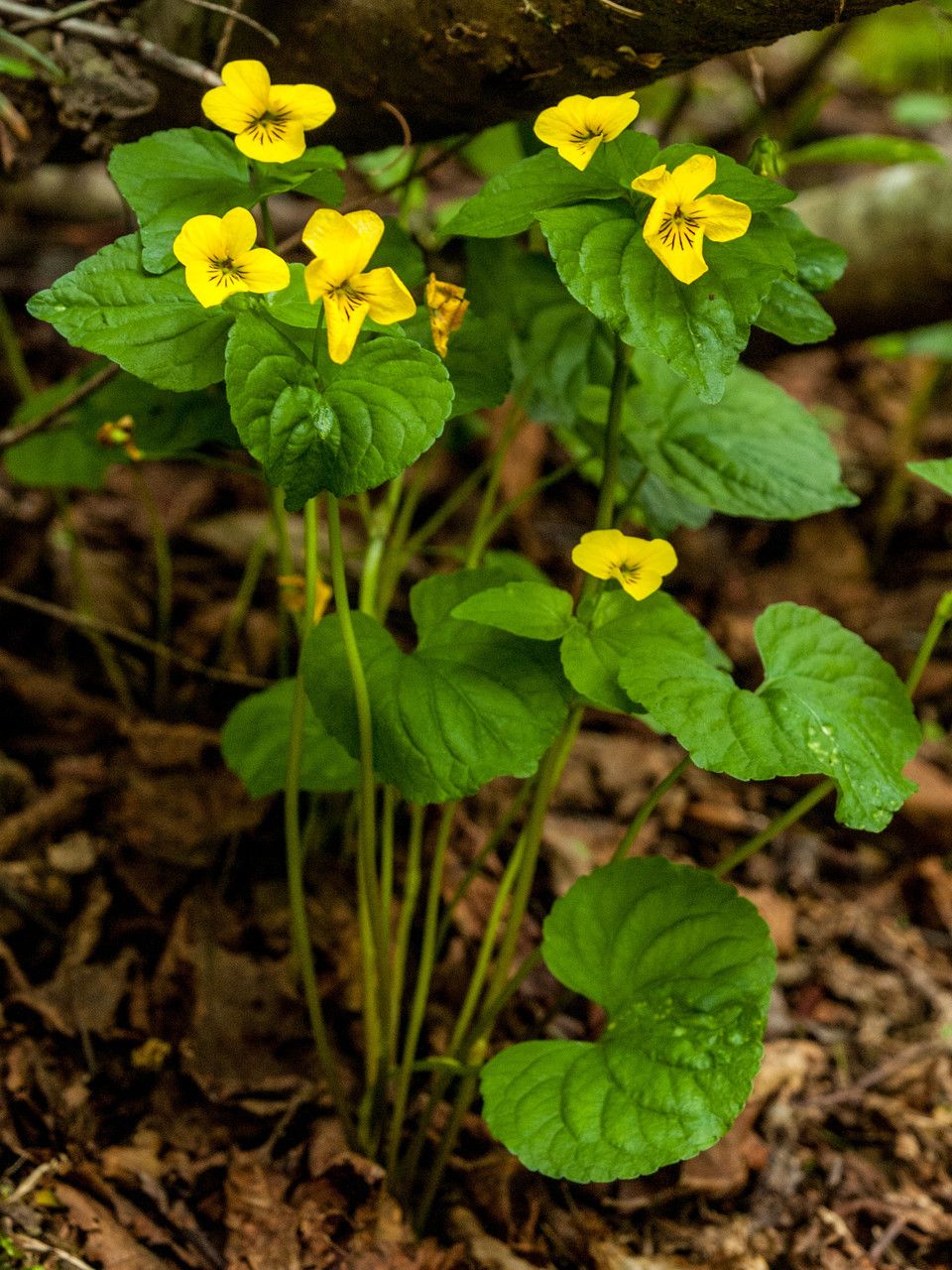
Viola cuneata is a species of violet known by the common name wedgeleaf violet. It is native to southwestern Oregon and northwestern California, where it occurs in the forests of the coastal mountain ranges, often on serpentine soils. This rhizomatous herb produces a hairless stem reaching a maximum height of a few centimeters to around 25 centimeters. The basal leaves have purple-veined green oval, rounded, or wedge-shaped blades borne on long petioles. Leaves higher on the stem are smaller. A solitary flower is borne on a very slender upright stem. It has five white petals with yellowish bases, the lateral two and usually upper two with purple spots. Their outer surfaces may be deep purple to red, and the lowest three are generally marked with purple veining.
How to keep Viola Cuneata.
Water
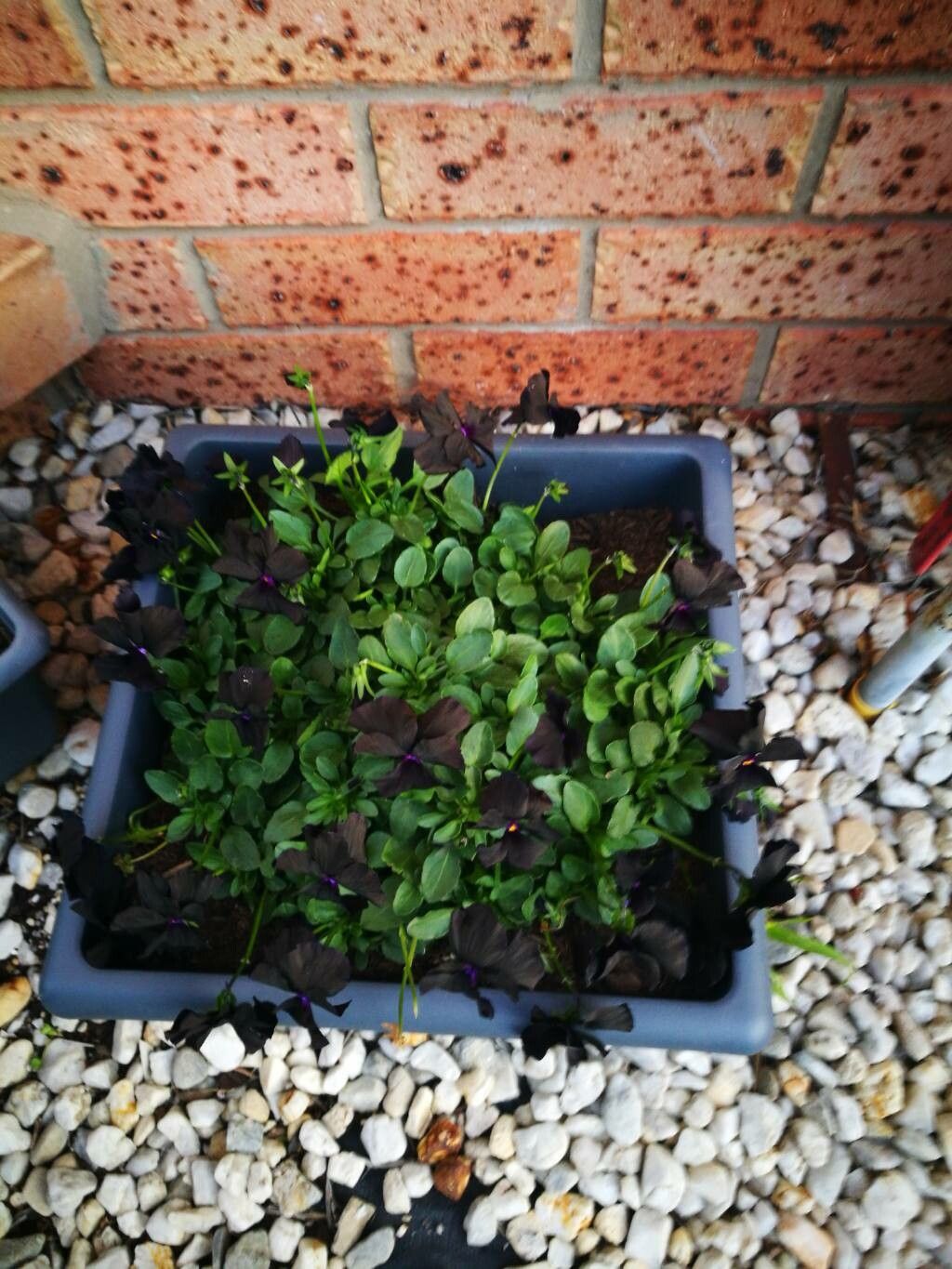
The wedgeleaf violet flourishes in humid forests and mountainous areas, needing consistent moisture but not tolerating drought conditions. It's important to avoid overwatering, as it can lead to rot. In garden settings, adjust your watering according to the weather to prevent the soil from becoming too dry. For potted plants, water them thoroughly once the surface of the soil becomes dry to the touch.
Pruning
To ensure healthy blooms and improve air circulation, Wedgeleaf violets benefit from regular pruning, especially in early spring. Important techniques include removing dead stems and cutting back old growth. Remember to clean your tools to prevent the spread of disease and consult local horticultural experts for the best results.
Botanical profile.
Other names.