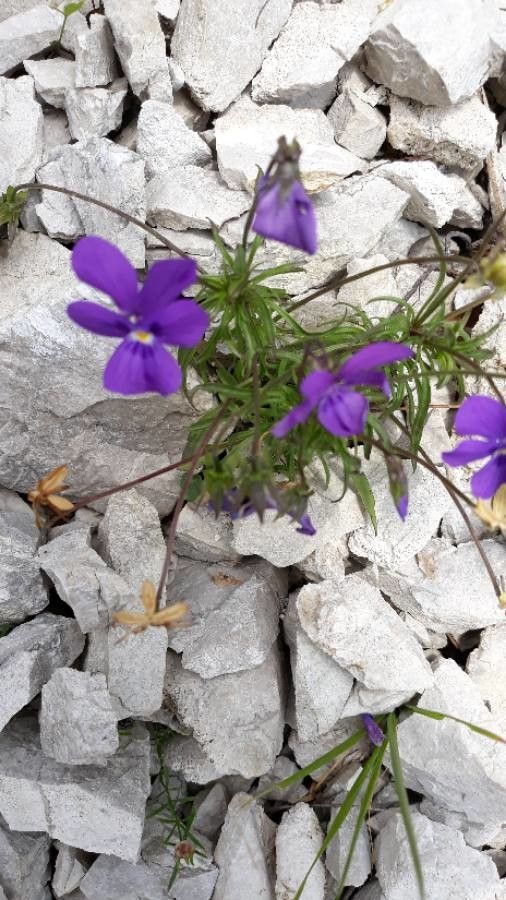
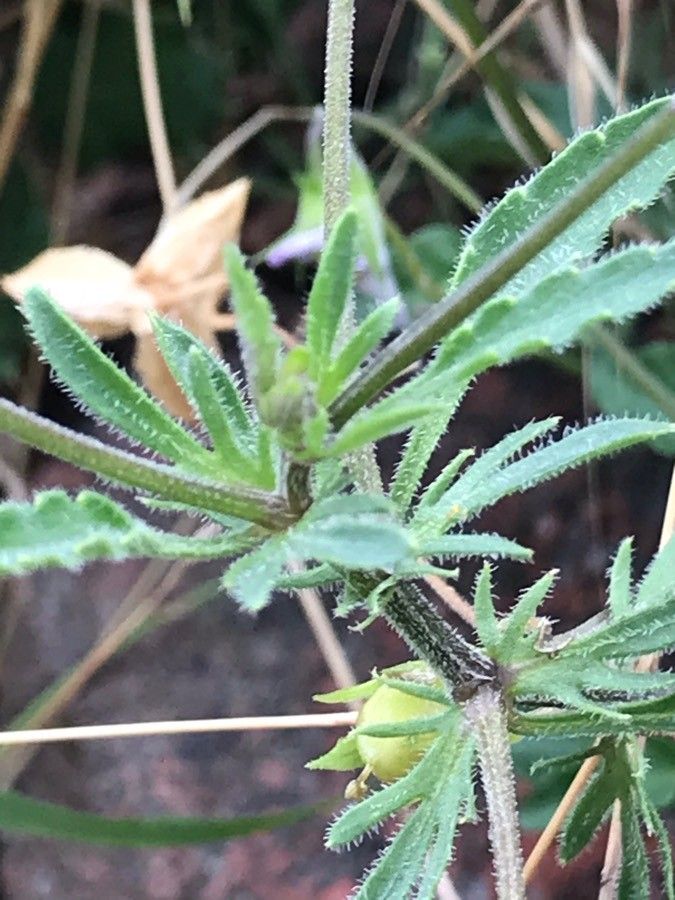
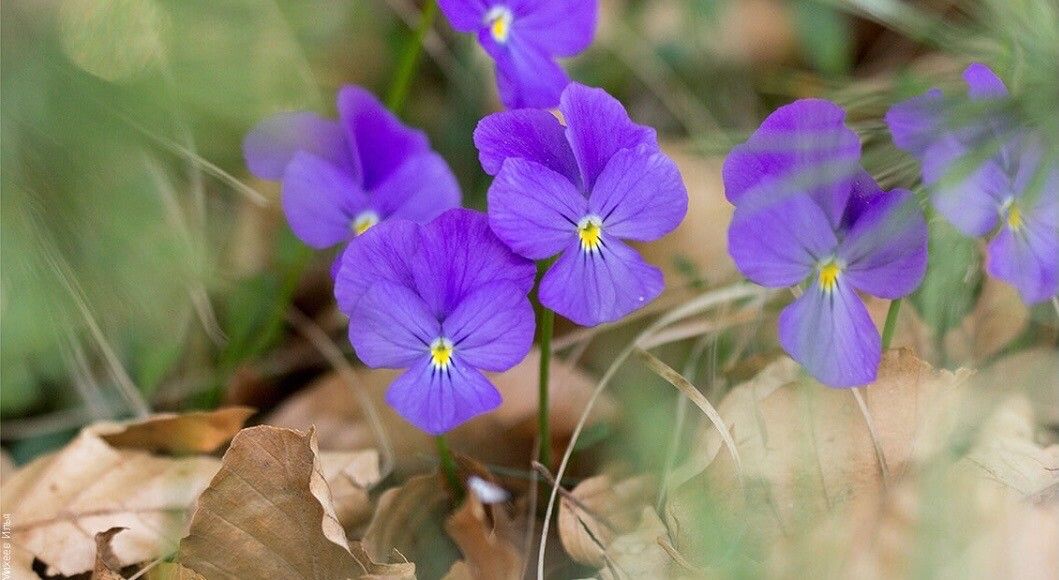
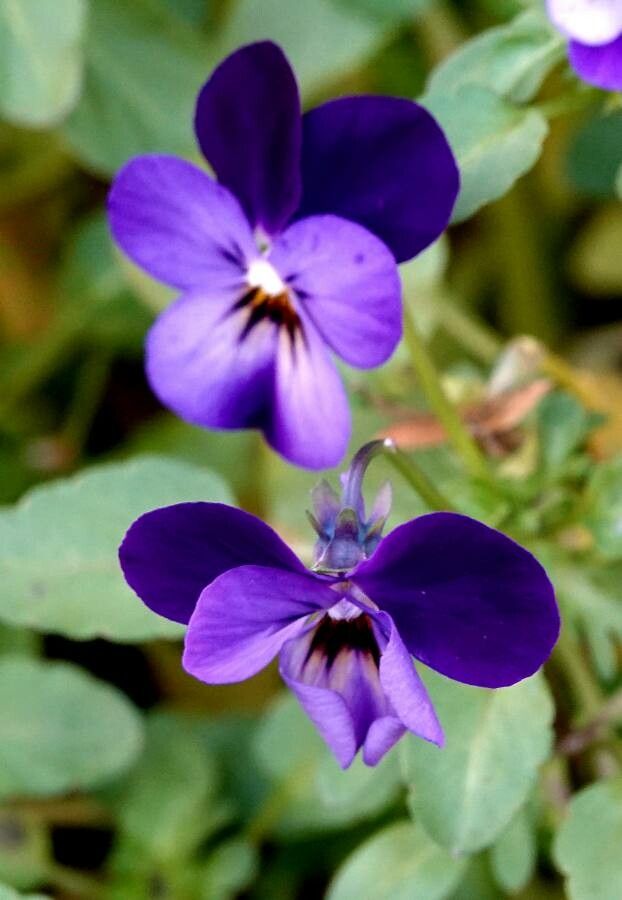
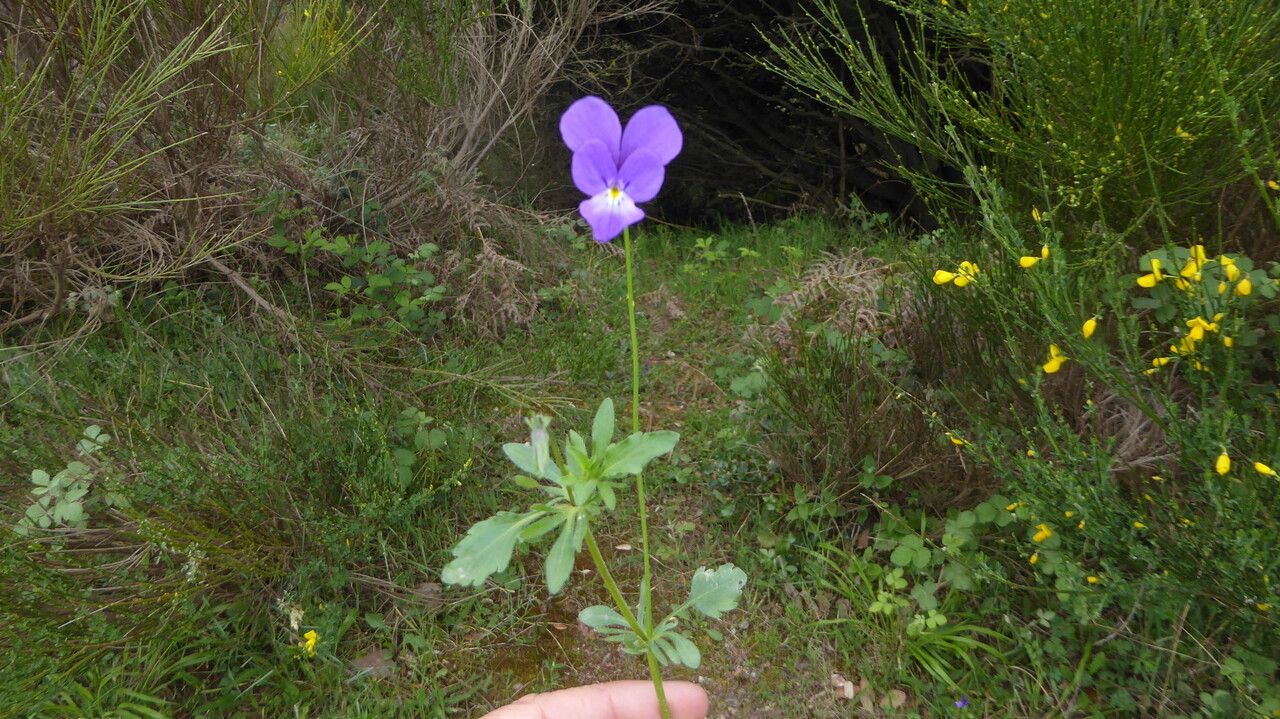
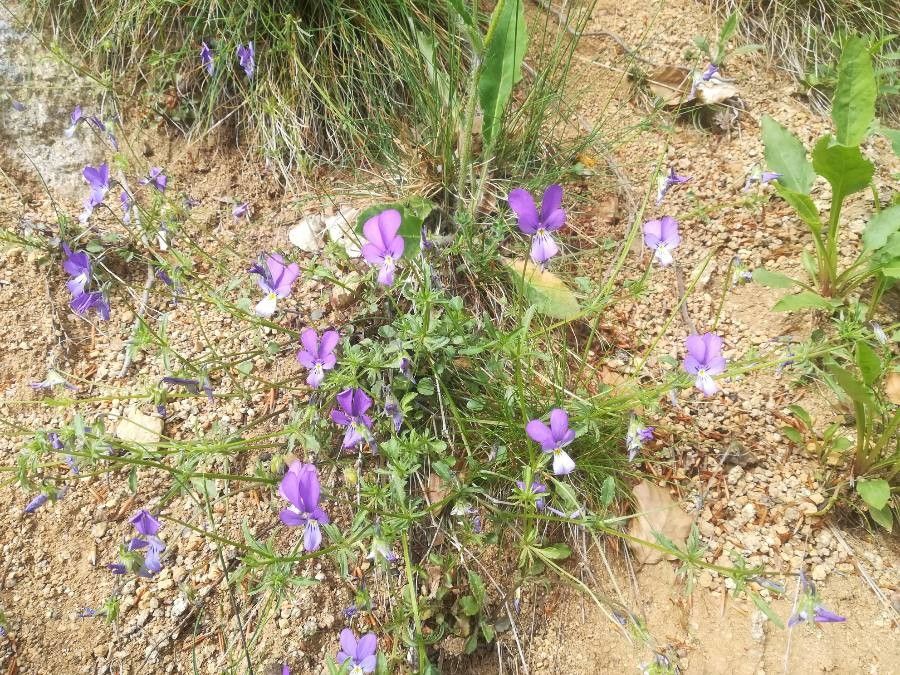
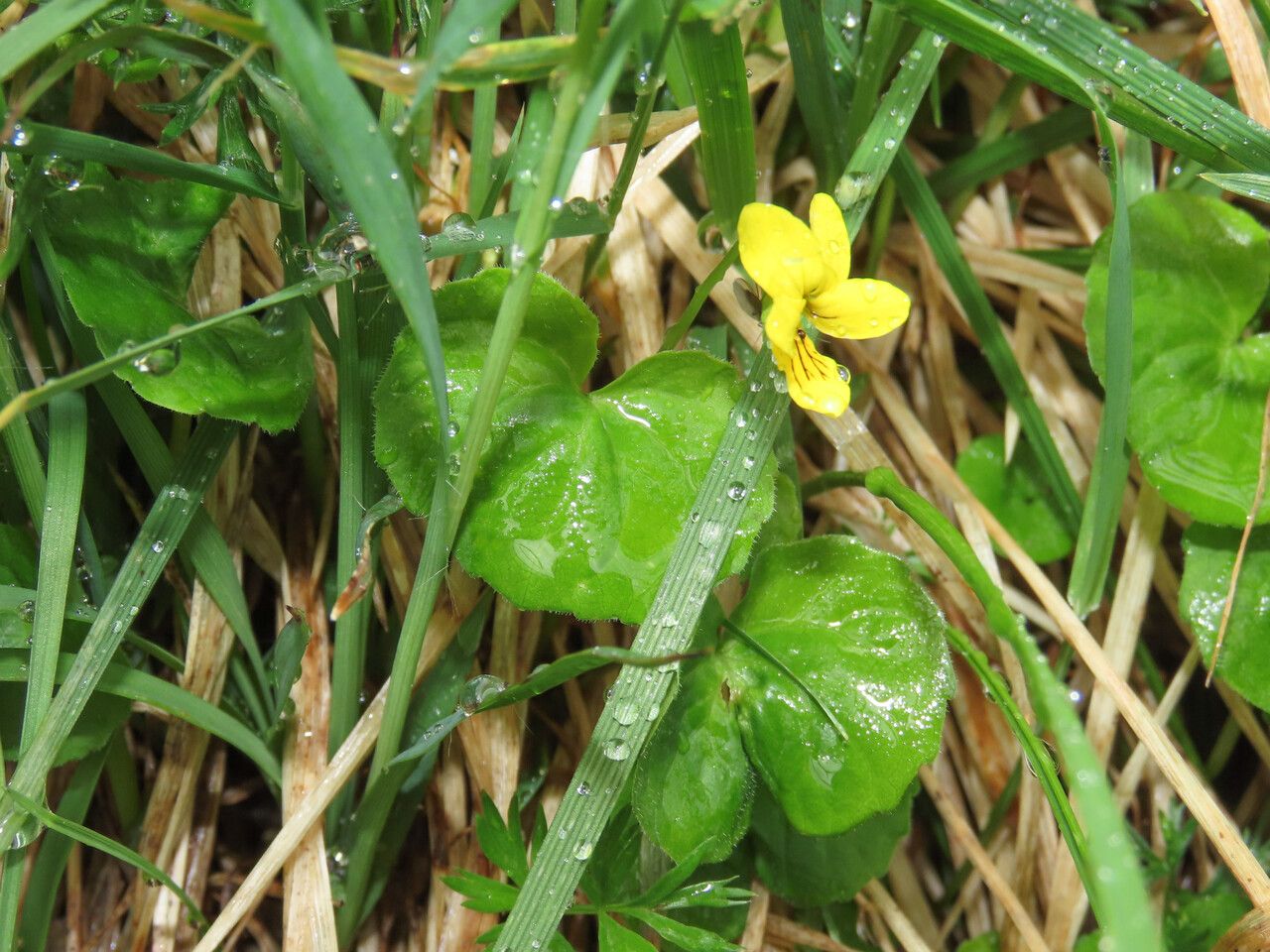
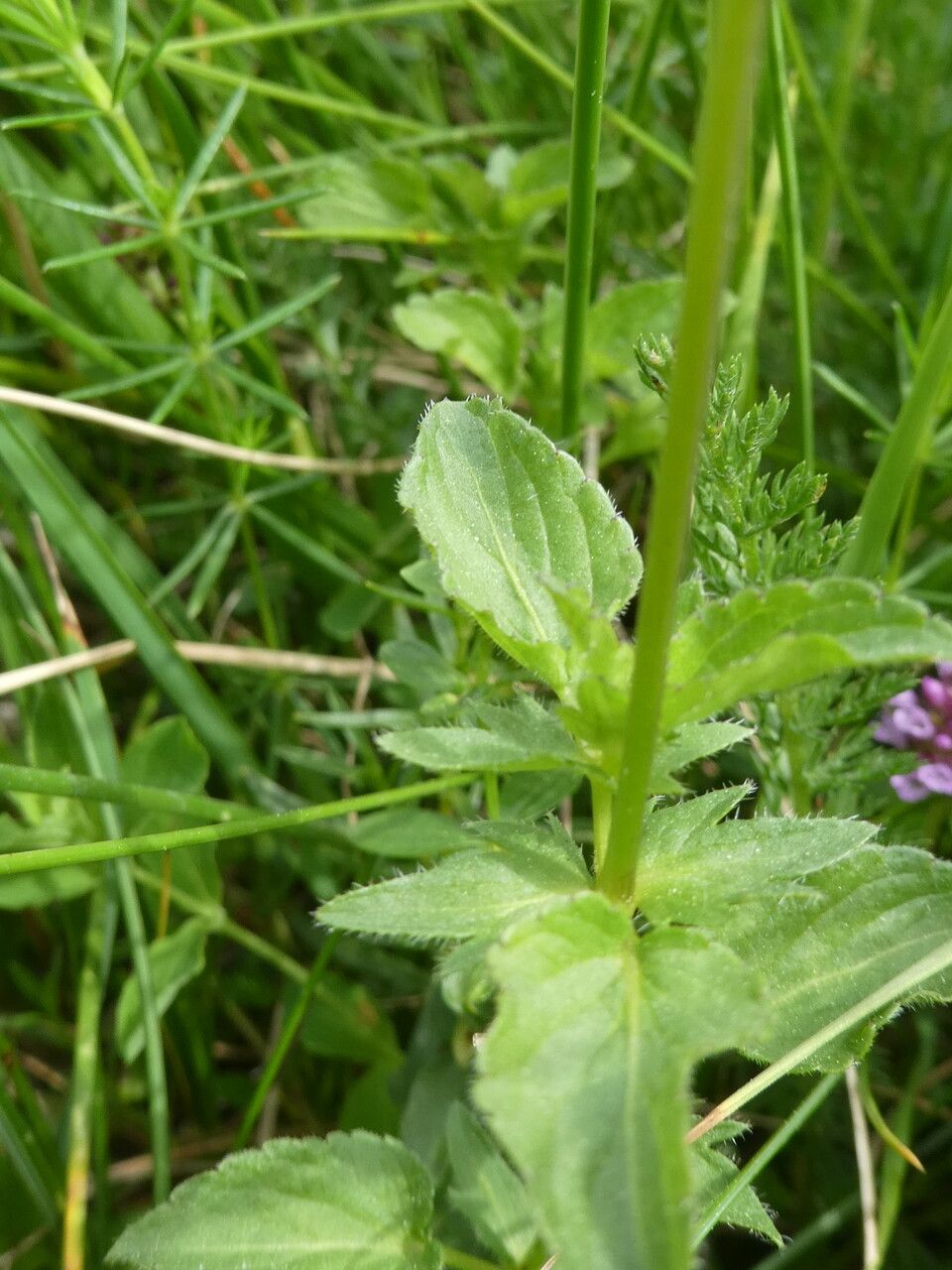
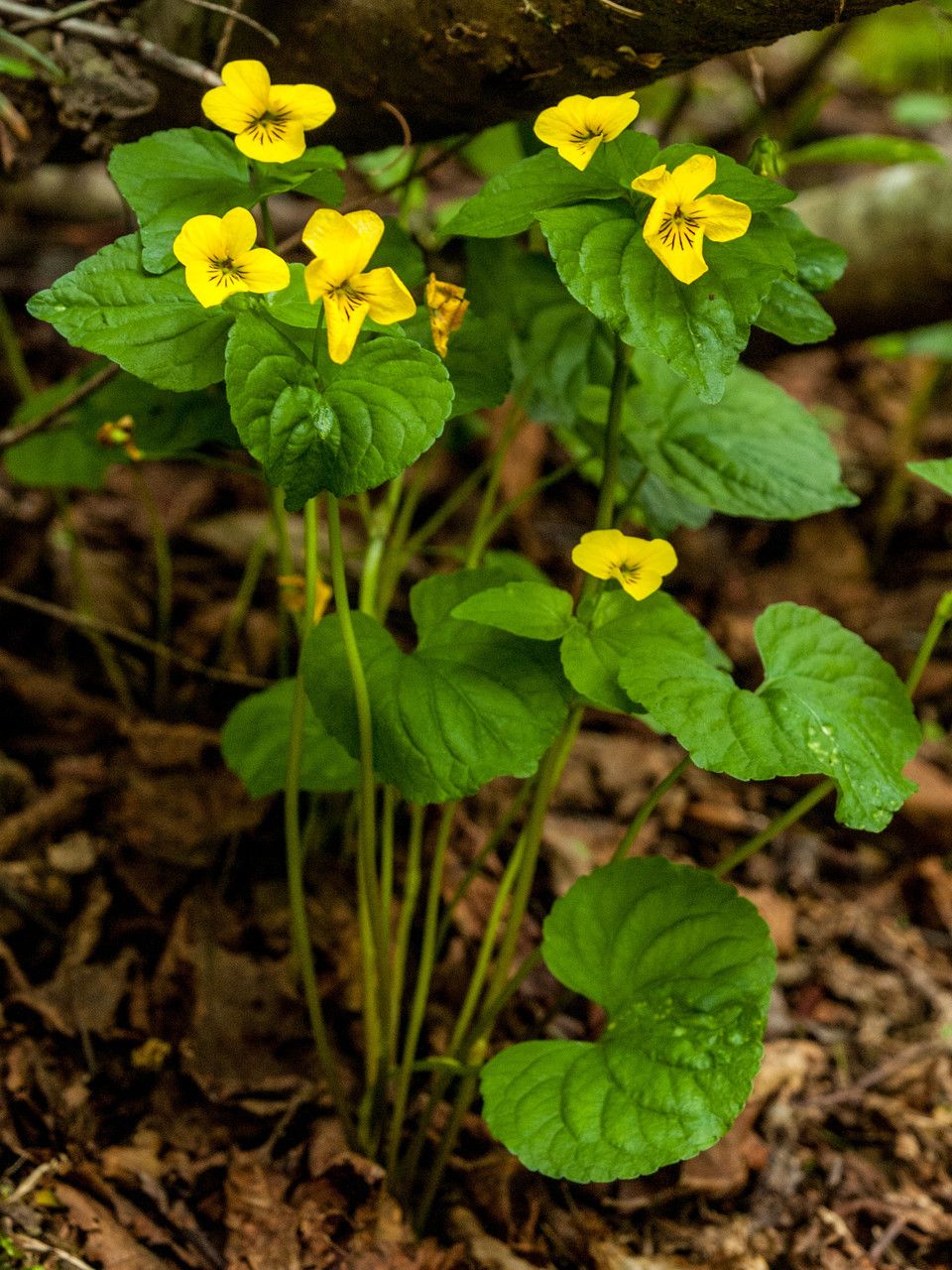
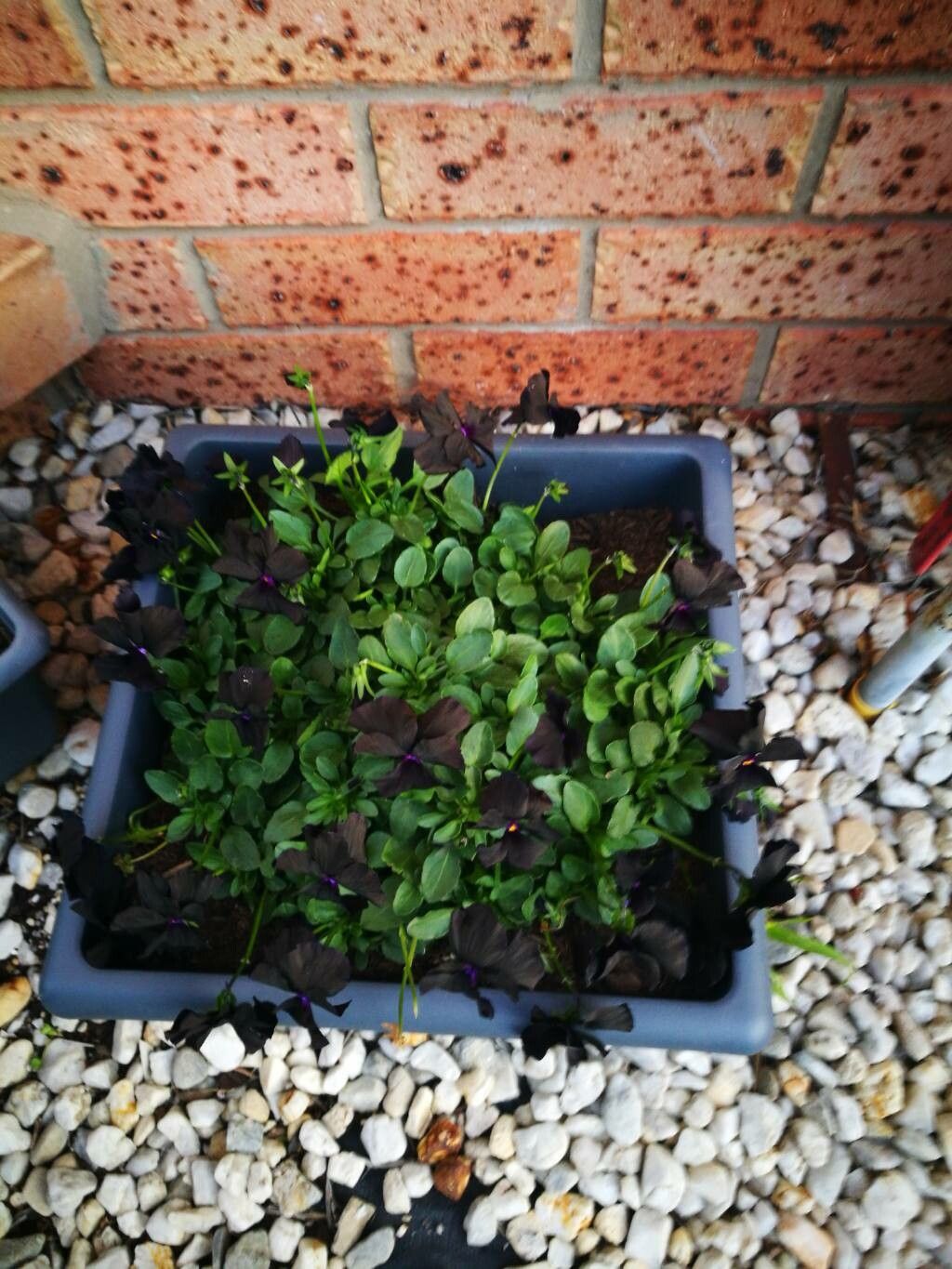
Viola bubanii has strong resistance to disease and generally does not develop illnesses. Still, it can be vulnerable to pests and diseases present in its surroundings. These problems are typically mild. For care, the plant needs a moderate amount of attention. It should be pruned regularly to keep an attractive appearance and support healthy growth. Fertilizing can also help encourage flowering. Viola bubanii is appropriate for anyone with outdoor space, such as a garden or patio, and does not demand extensive care experience. It may need more attention when grown indoors.
How to keep Viola Bubanii.
Light
Viola bubanii occurs naturally in habitats like forest understories and rocky areas, where it develops under natural shade. It favors partial sun but can adjust to full sun or full shade, illustrating its hardy, adaptable character.
Water
Viola bubanii flourishes in soil that remains consistently moist but can withstand brief dry spells. It requires watering once a week, ensuring the soil is not waterlogged. When grown outdoors in temperate regions, applying mulch helps retain moisture and offers temperature protection.
Fertilizer
Typically, a single spring application of fertilizer is enough for Viola bubanii, though repeated feedings can maximize growth. Feed every four to six weeks. Fertilizing improves leaf appearance and function, helping maintain uniform color and a healthy texture. It also promotes root development and enhances nutrient uptake for the plant's long-term health.
Pruning
To help Viola bubanii thrive, it's important to strategically prune the plant from early to late spring while it is actively growing. Focus on these key techniques: remove any damaged stems, improve air circulation, and shape the plant for aesthetic appeal. Be sure to use clean, sharp tools during pruning to prevent disease and to encourage vigorous growth and increased flower production.
Pot & Repot
When repotting Viola bubanii, select a pot 1–2 inches (2.5–5.1 cm) larger with good drainage. Use a well-draining potting mix. Repot in spring or fall, making sure the root ball is slightly lower than the rim of the flower pot. Water thoroughly after repotting and place in a warm spot with indirect sunlight.
Botanical profile.
- Plant Type
- Herb
- Life Cycle
- Perennial
- Genus
- Viola
- Family
- Violaceae
- Hardiness Zone
- 5-9
- Mature Height
- 5 cm to 15 cm
- Mature Spread
- 10 cm to 20 cm
- Leaf Color
- Green, Dark Green
- Leaf Type
- Deciduous
- Flower Color
- Yellow, Purple, Lavender
- Flower Size
- 2.03 cm to 3.05 cm
- Bloom Time
- Mid spring, Late spring, Early summer
- Planting Time
- Spring, Summer
- Harvest Time
- Summer
- Native Area
- Spain, Portugal, France