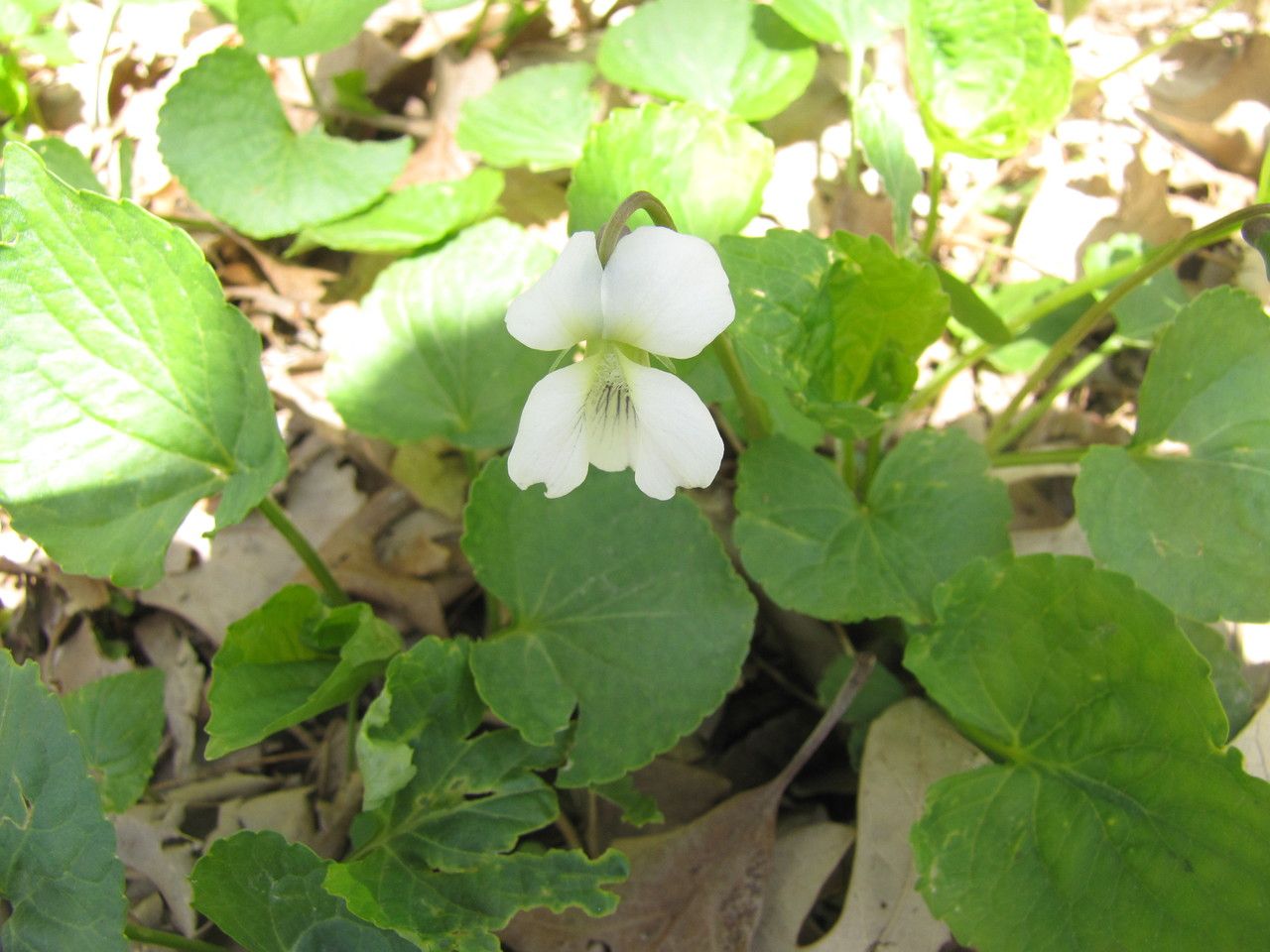
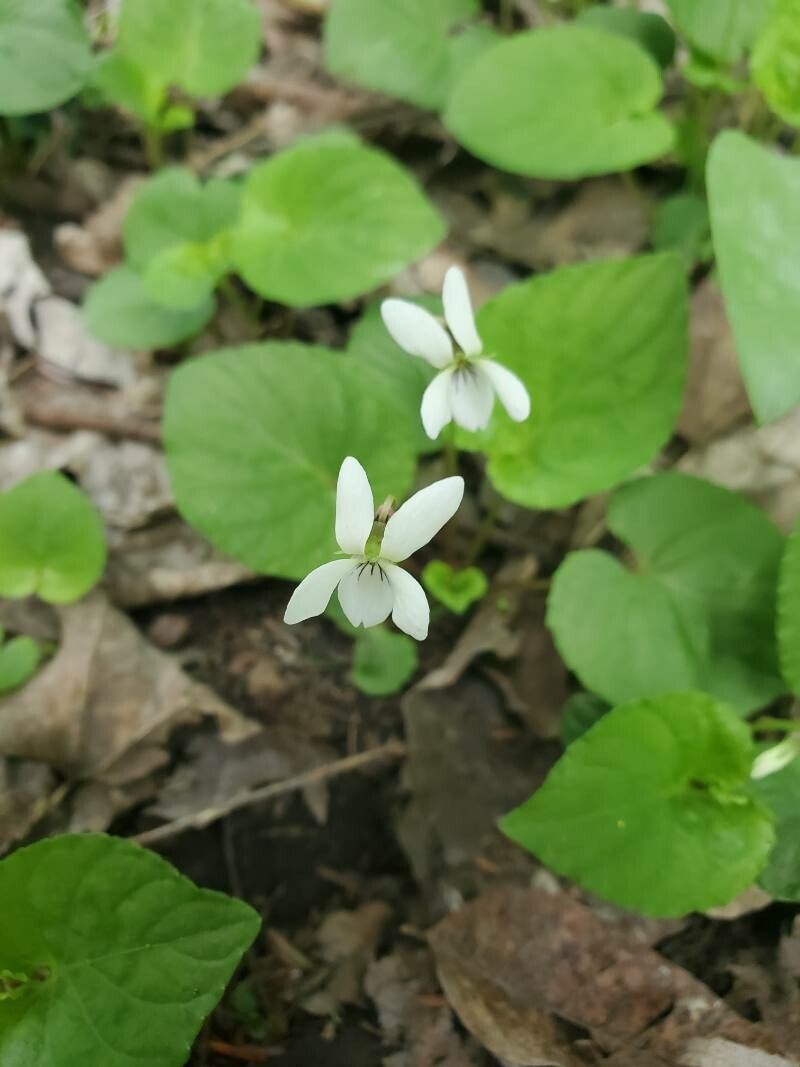
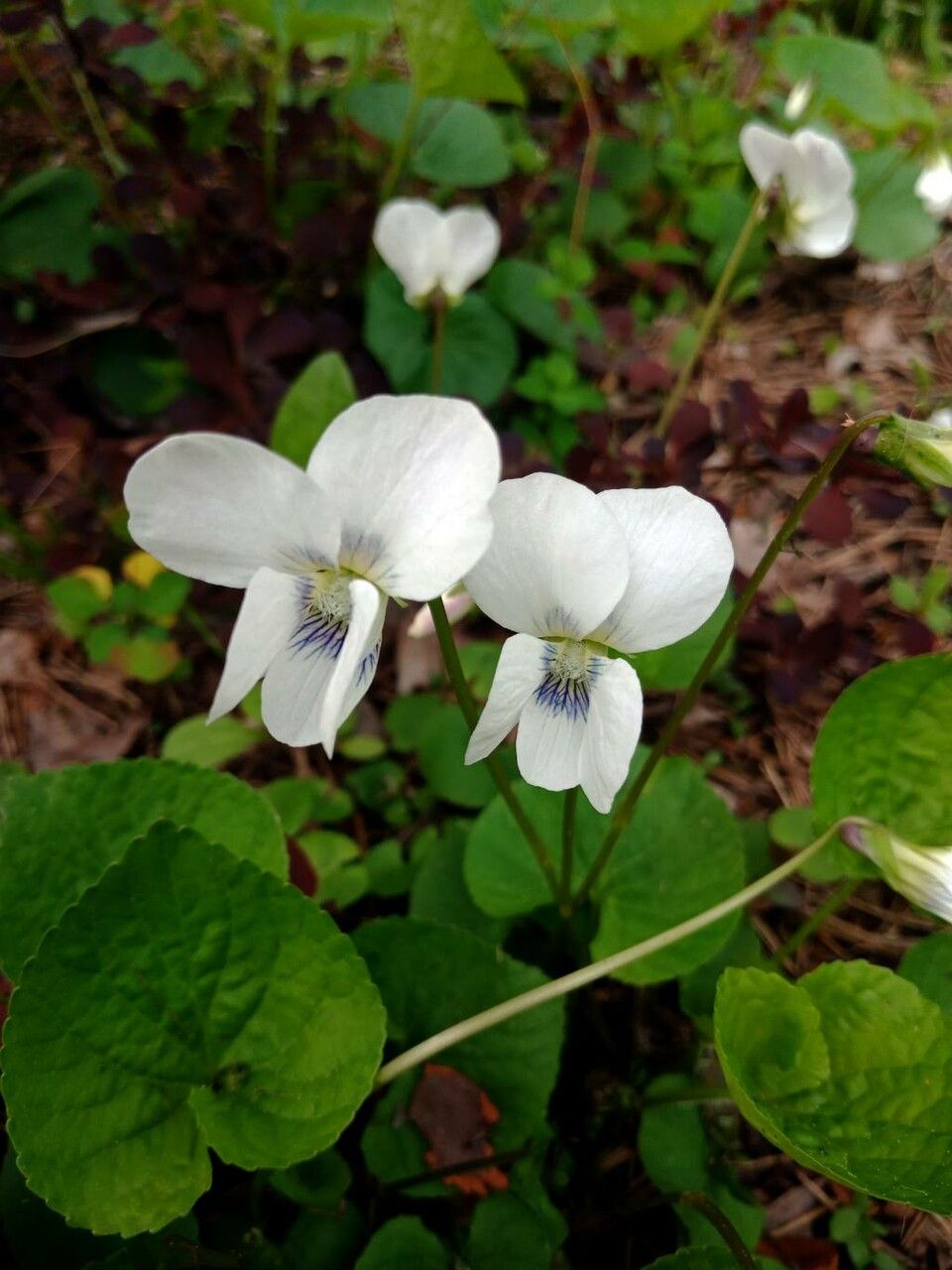
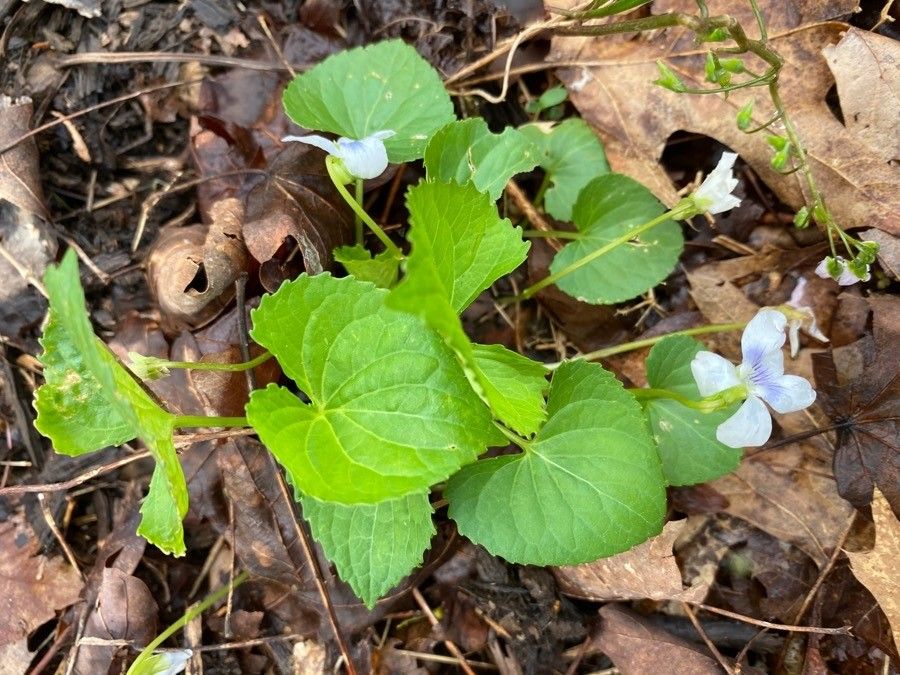
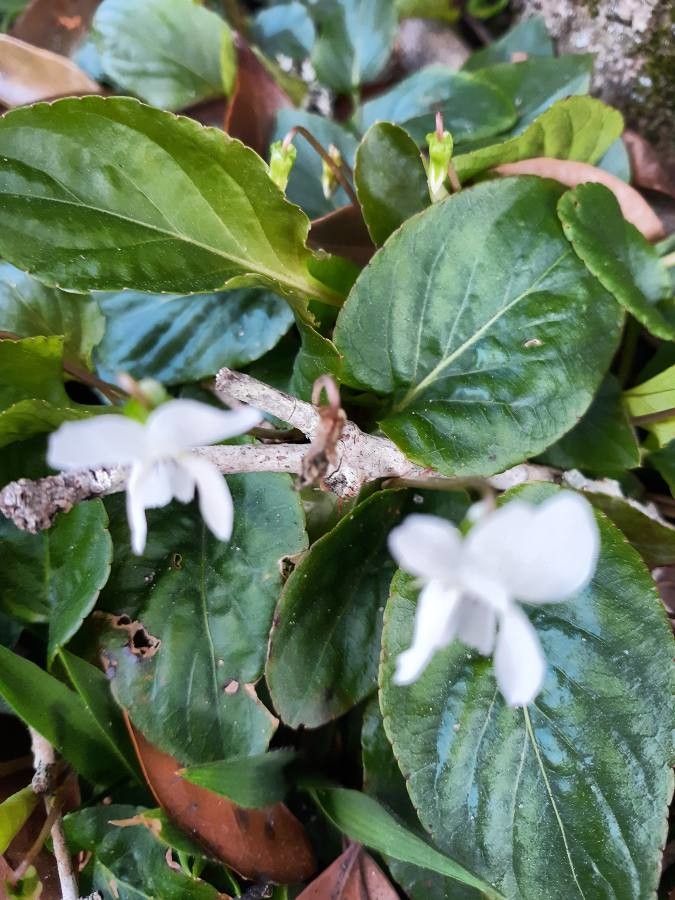
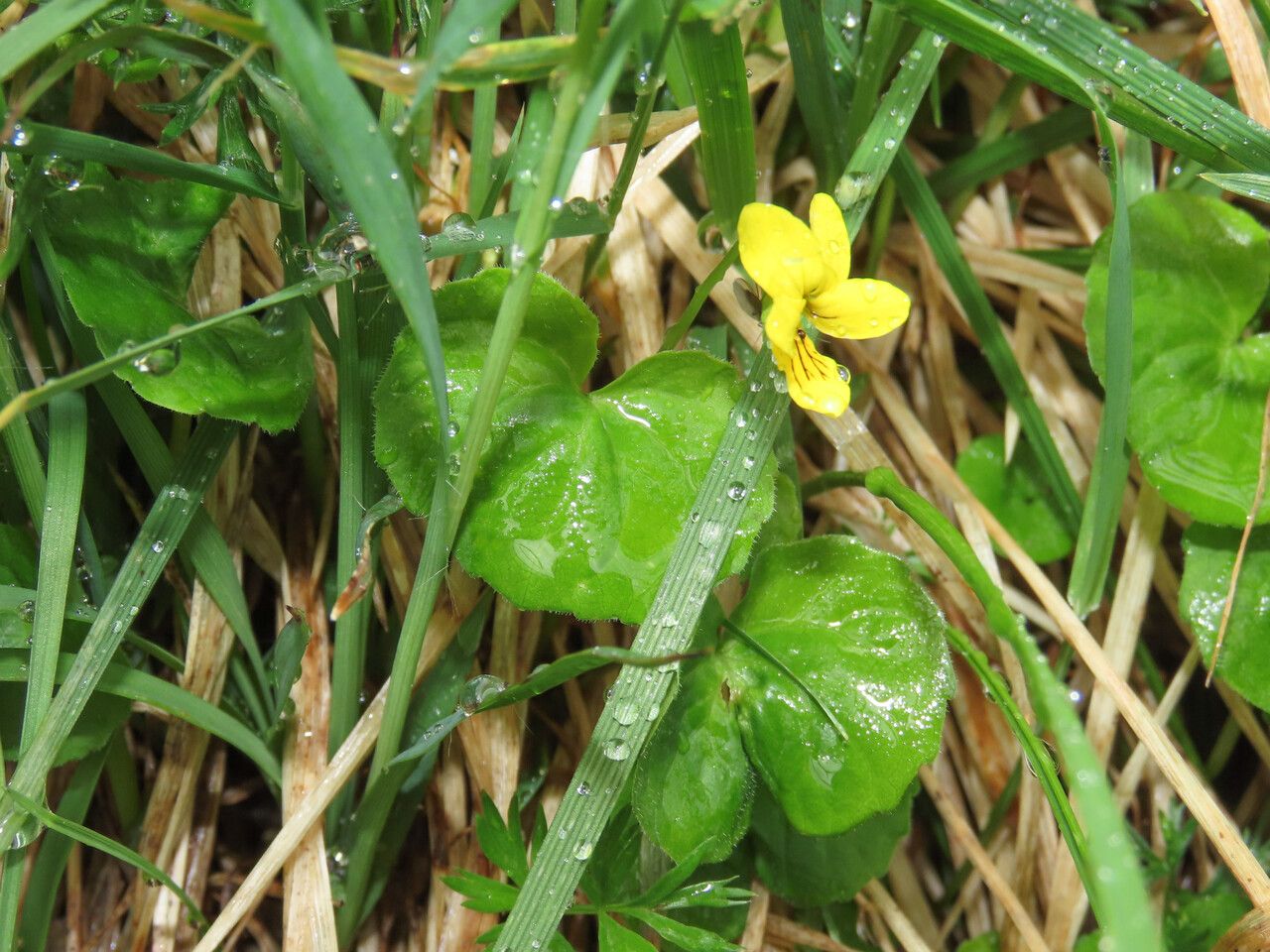
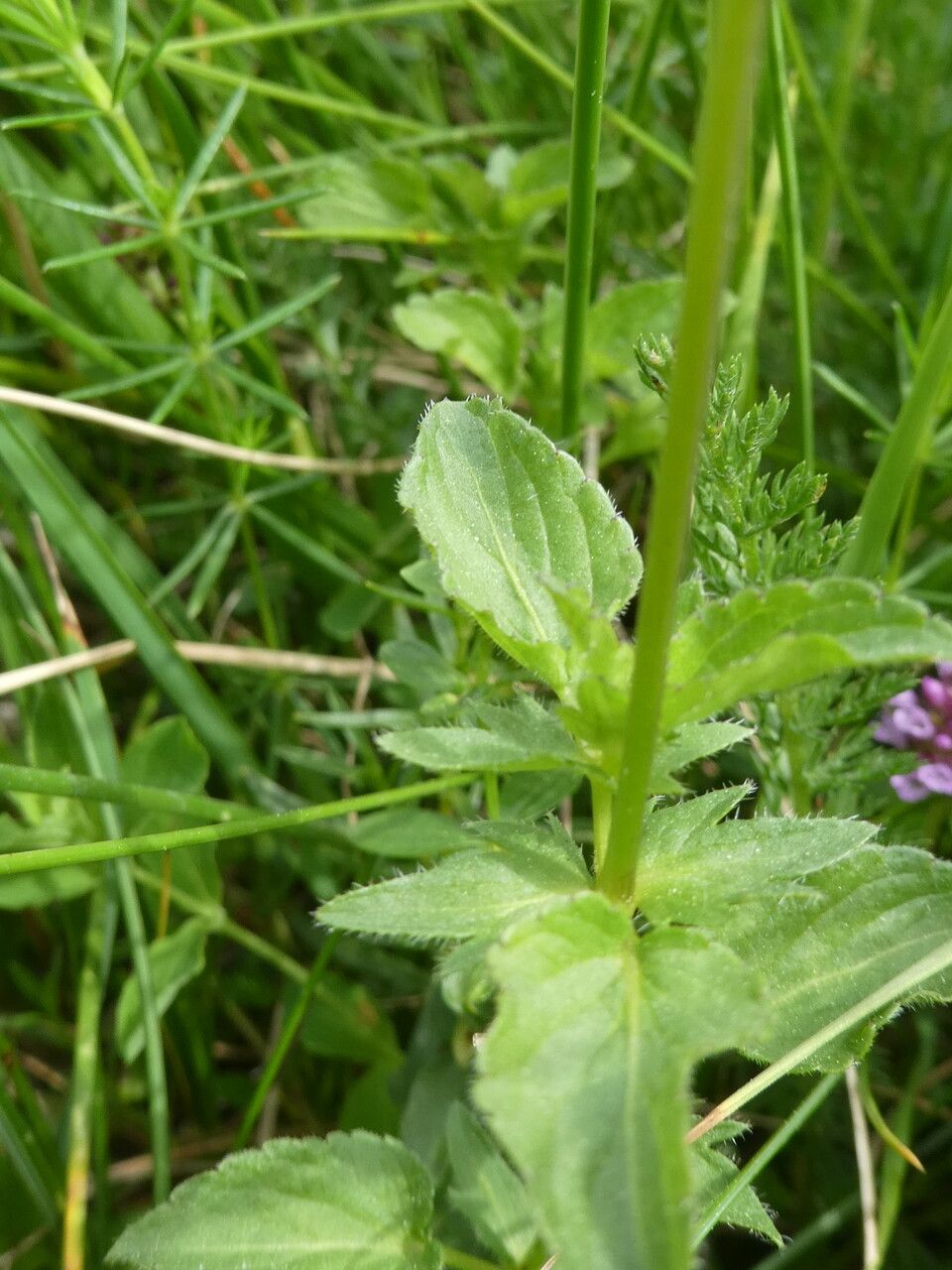
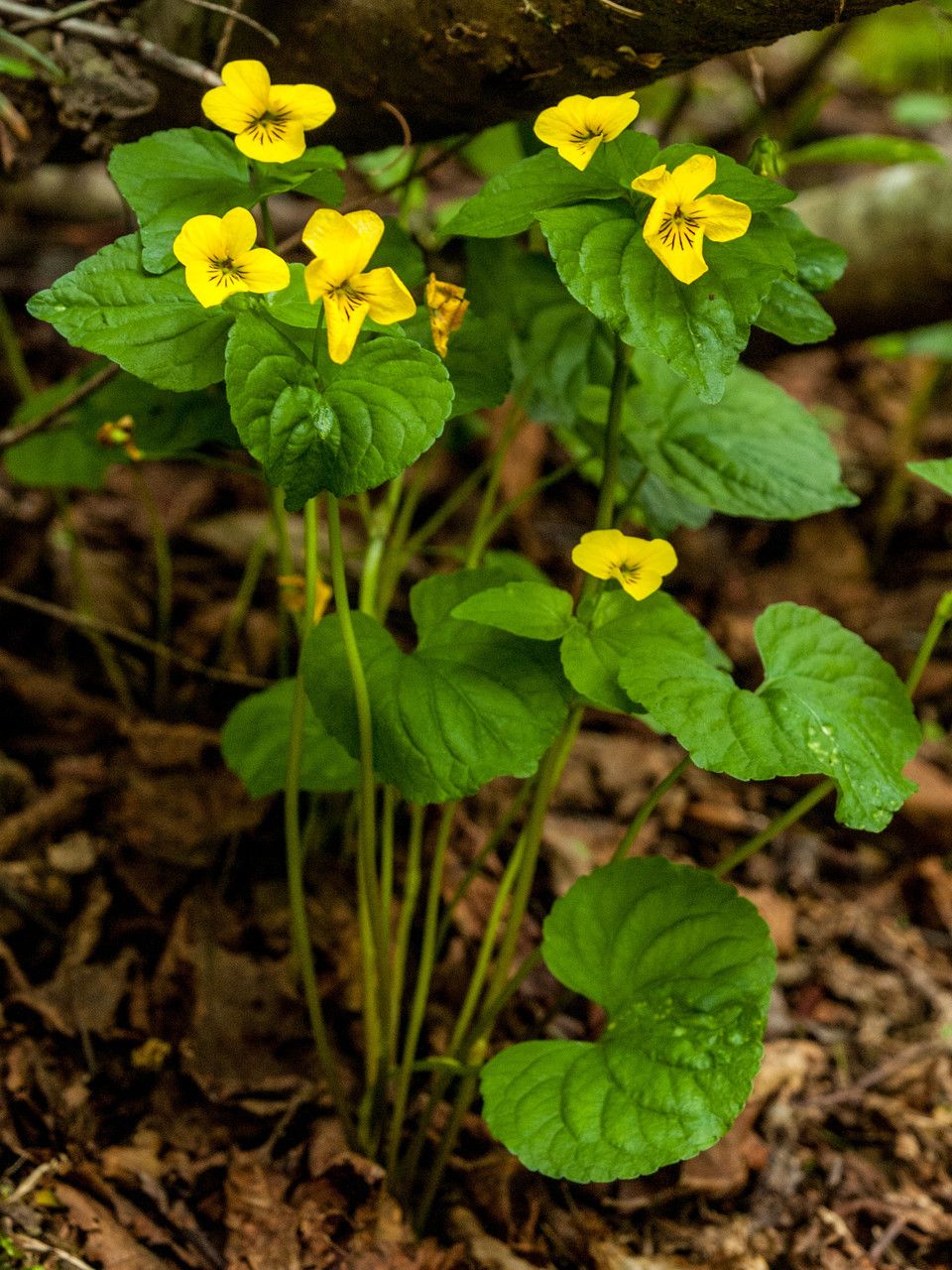
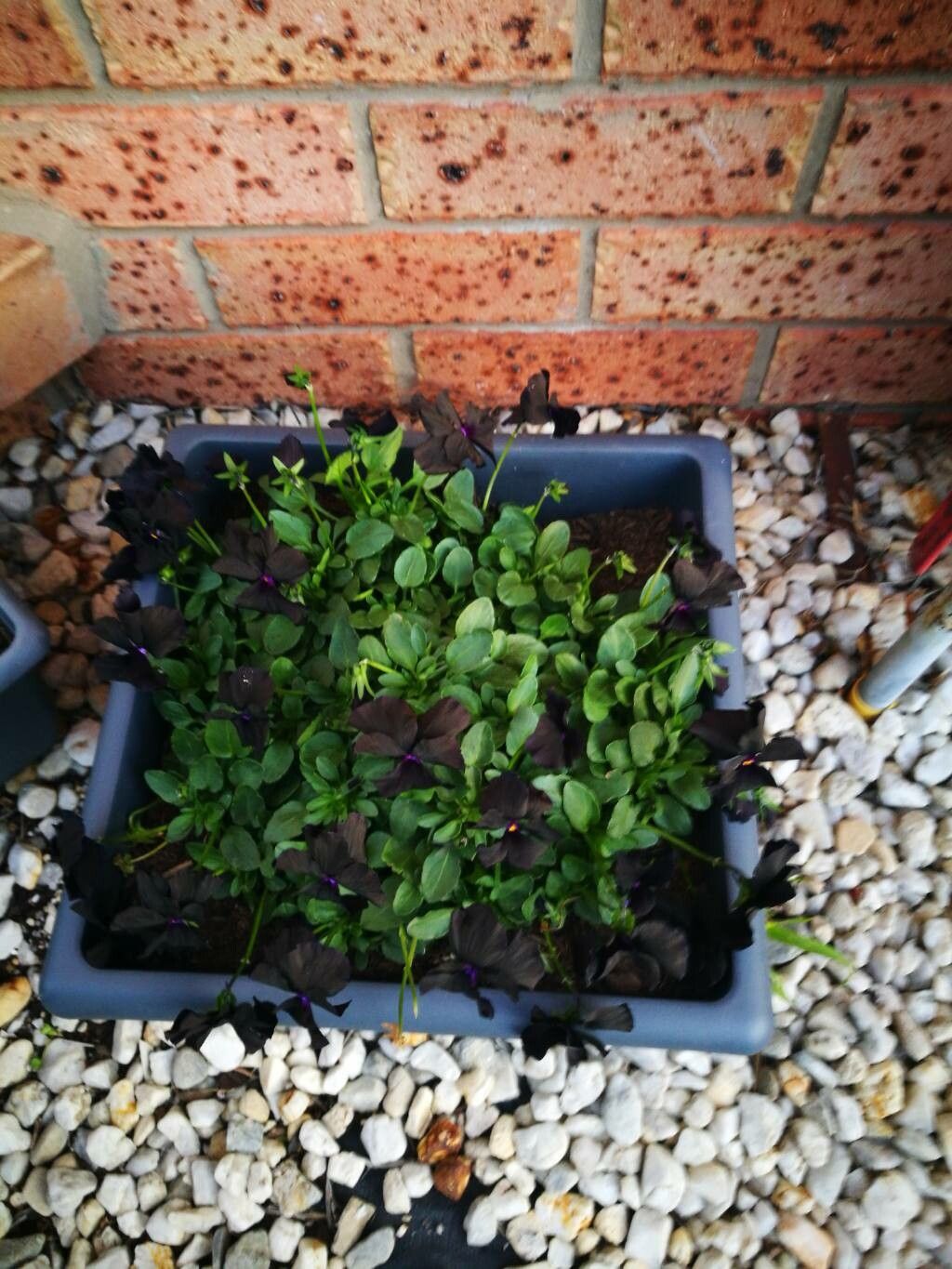
Viola blanda, commonly known as sweet white violet, is a perennial flowering plant that belongs to the Violaceae family. Native to North America, it thrives in diverse habitats such as woodlands, meadows, and wetlands. The plant reaches a height of up to 6 inches and features dark green, heart-shaped leaves. Its flowers, which are white or pale lavender with a yellow center, bloom from March to May.
Viola blanda is a crucial food source for various insects, including bees, butterflies, and moths. Additionally, it has been used for centuries by Native Americans for its medicinal properties to treat coughs, colds, headaches, and other ailments.
The plant prefers moist soil with partial shade but can also tolerate full sun exposure in cooler climates. It requires minimal maintenance but should be watered regularly during dry spells.
Overall, Viola blanda is an attractive addition to any garden or natural area due to its delicate flowers. These flowers not only provide sustenance for pollinators but also offer medicinal benefits, enhancing its appeal beyond mere aesthetics.
Horned violet is fairly resistant to disease and typically does not suffer from serious illnesses. However, it can be affected by pests and local diseases present in its environment. These infections are usually mild. In terms of care, the plant requires moderate maintenance. Regular pruning is needed to keep it looking good and to support healthy growth. Fertilizing can also help encourage flowering. Horned violet is suitable for anyone with outdoor space, such as a garden or patio, and does not demand extensive care experience. It may require more attention when grown indoors.
How to keep Viola Blanda.
Light
Horned violet does well in spots with a healthy blend of sun and shade, indicating it is suited to partly sunny conditions. It can also tolerate exposure to sunlight throughout the day. However, too much sun may scorch the leaves, while too little light can stunt its growth and development.
Water
The Sweet White Violet thrives in moist woodland environments and prefers soil that remains consistently damp, requiring weekly watering. Once established, it becomes moderately drought-tolerant. It flourishes outdoors in temperate climates with natural rainfall and benefits from humidity without the risk of excessive waterlogging.
Temperature
Horned violet grows best at temperatures of 68 to 95 °F (20 to 35 ℃). Originally thriving in climates that provide these moderate heat conditions, horned violet may require temperature adjustments as the seasons change.
Fertilizer
The best time to fertilize a Horned violet is in early spring, as it is coming out of dormancy and beginning active growth. Fertilization supplies essential nutrients needed for healthy development. Although the Horned violet has relatively low fertilizer requirements, an annual application can improve its survival and encourage better, longer-lasting blooms.
Pruning
The Sweet White Violet displays delicate white flowers and heart-shaped leaves, thriving in shady and moist environments. To promote growth and minimize the risk of disease, it is best to prune the plant from early to late spring to remove dead foliage. Regularly check for pests and mildew to ensure the plant remains healthy and continues to bloom beautifully.
Pot & Repot
Repot the sweet white violet every 2 to 3 years in early spring. Use a shallow container to allow the roots to spread. After repotting, keep the soil moist and place the plant in partial shade. This care routine supports the plant's compact growth and allows for division and propagation, enhancing your garden's appeal.
Botanical profile.
- Plant Type
- Herb
- Life Cycle
- Perennial, Annual, Biennial
- Genus
- Viola
- Family
- Violaceae
- Hardiness Zone
- 5-9
- Mature Height
- 20 cm to 25 cm
- Mature Spread
- 25 cm to 30 cm
- Leaf Color
- Green
- Leaf Type
- Evergreen
- Flower Color
- Purple, Violet, Lavender, White
- Flower Size
- 2.54 cm to 4.06 cm
- Bloom Time
- Mid spring, Late spring, Early summer
- Planting Time
- Spring, Autumn, Winter
- Harvest Time
- Late spring, Early summer, Mid summer
- Native Area
- Spain, France
Other names.
Reader questions.
How should I water my Sweet White Violet plant?
To ensure the proper care of the Sweet White Violet plant, follow these steps: 1. Use filtered water at room temperature for watering. 2. Filtered water is better because tap water can be harmful to the plant due to particles it may contain. 3. The water should be at room temperature or slightly warmer because the Sweet White Violet is accustomed to a warm environment, and cold water can be a shock to its system. 4. Avoid overhead watering as it can cause issues with the foliage. 5. Instead, directly apply the filtered room temperature water to the soil until it is fully saturated. 6. Soaking the soil benefits the plant as it moisturizes the roots and aids in nutrient absorption.
Why should I put fertilizer on my Sweet White Violet?
The Sweet White Violet depends on its leaves for structure, and fertilization plays a crucial role in maintaining their appearance and function. By providing proper fertilization, you ensure that the leaves of your Sweet White Violet stay vibrant and healthy, with consistent color and texture. In addition, fertilization also supports the plant's root system, both by promoting the growth of new roots and by sustaining existing ones. This means that fertilization not only keeps the plant healthy in the present, but also enhances its ability to absorb nutrients from the soil in the long run.
What are the sunlight requirements for Sweet White Violet?
Sweet White Violet thrives in areas with partial sun, requiring about 3-6 hours of sunlight per day. It's essential to monitor the changing patterns of sunlight in your garden to find locations that offer a healthy balance between light and shade, ensuring optimal growth. This plant is versatile, doing well in environments where sunlight is filtered and avoiding full exposure to prevent harm. Its native habitats experience moderate, consistent sunlight, making it crucial to replicate these conditions for healthy growth and flowering.
What is the native environment of Sweet White Violet?
Sweet White Violet is native to temperate environments characterized by consistent temperature fluctuations. It thrives in areas where temperatures range between 32 to 95 °F (0 to 35 °C). To grow Sweet White Violet in non-native regions, it may be necessary to make seasonal adjustments to replicate its native climatic conditions.
What do I do if I give my Sweet White Violet too much water or too little water?
Overwatering is a common issue for Sweet White Violets and can cause wilting, yellowing, and diseases like root rot. Underwatering is less likely but can cause brittle, brown leaves. It's important to notice signs of overwatering early and adjust your watering schedule. If the soil drains poorly, replace it with a well-draining mix. If the plant is not getting enough water, increase your watering frequency until the signs improve.
When should I fertilize my Sweet White Violet?
When you grow your Sweet White Violet outdoors, it will send out new growth in early spring. This is a signal that it's time to start fertilizing for the year. Usually, a single application of fertilizer in the spring is sufficient for the plant to thrive. However, if you want to maximize its growth, you can feed it multiple times during the spring and early summer. In this case, you can fertilize your Sweet White Violet once every month to a month and a half.
What essentials should be considered for Sweet White Violet's growth?
When cultivating Sweet White Violet, it's pivotal to ensure it gets sufficient sunlight without overexposure. In situations where natural light is inadequate, such as during winter or in shaded areas, artificial lighting can play a crucial role in sustaining growth. Opting for LED lights can be beneficial as they can be tailored to provide specific wavelengths needed by the plant. For optimal growth, full sun plants require 30-50W/sq ft of artificial light, partial sun plants need 20-30W/sq ft, and full shade plants benefit from 10-20W/sq ft. Placement of the light source should be 12-36 inches above the plant, simulating natural sunlight, and the duration should mimic natural daylight hours, typically 8-12 hours per day.
Does Sweet White Violet require special frost protection during winter?
Sweet White Violet has strong cold resistance and generally does not require special frost protection measures during winter. However, if winter temperatures are expected to plummet below -35°C, it's crucial to provide the plant with cold protection. This can be done by covering the plant with materials such as soil or straw. Additionally, watering the plant abundantly before the first freeze in autumn helps keep the soil moist and prevents drought and water scarcity during the colder months.
How frequently do I need to water my Sweet White Violet plant?
If you have your Sweet White Violet plant in a pot, the best way to determine if it needs water is by checking the soil moisture. Stick your finger into the soil and if the top two to three inches feel dry, it's time to water it. For those who have their Sweet White Violet growing outdoors in the ground, you can use a similar method to test the soil. Once you notice that the first few inches of soil have dried out, it's time to water. Typically, during the spring and early fall, you'll likely need to water this plant about once a week using this method. However, in very hot weather, you may need to water it twice or more per week. It's important to note that mature and well-established Sweet White Violet plants can withstand drought well.
When is it best to not use fertilizer on my Sweet White Violet?
During the late fall and winter, your Sweet White Violet goes into a dormant phase and stops producing new growth. It's best to avoid fertilizing it during this time. In spring and summer, if you do choose to fertilize, start reducing the rate as summer approaches because the plant's growth will slow down. Generally, it's not a good idea to fertilize your Sweet White Violet when the weather is excessively hot or the soil is very dry. Fertilizing in those conditions can stress the plant and lead to premature death.
What are the symptoms of light deficiency or overexposure in Sweet White Violet?
Sweet White Violet demonstrates certain symptoms when subjected to inadequate light or overexposure. Light deficiency may lead to smaller new leaves, leggy growth, early leaf drop, halted growth, and pale new leaves, signaling an issue with chlorophyll and nutrient absorption. Overexposure to sunlight can cause chlorosis, sunscald, leaf curling, wilting, and leaf scorching, indicating damage and stress. These conditions affect the plant's ability to photosynthesize and maintain health, making it crucial to monitor and adjust light exposure accordingly.
How does Sweet White Violet react to low temperatures?
Sweet White Violet is cold-tolerant and fares best when temperatures stay above 0°C. During winter, it's important to ensure the temperature does not fall below -30°C. Exposing the plant to temperatures below -35°C might not manifest noticeable changes during winter, but it can lead to a decrease in sprouting or a complete lack of sprouting in spring. To mitigate this, in spring, any parts of the plant that have failed to sprout should be removed.