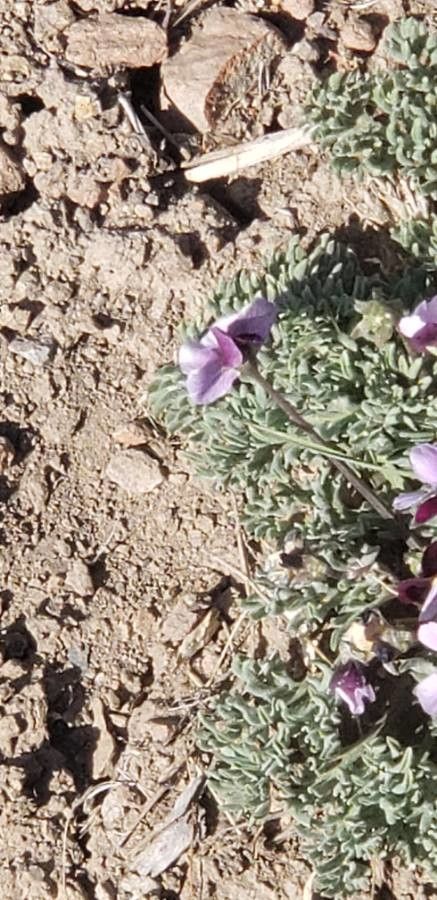
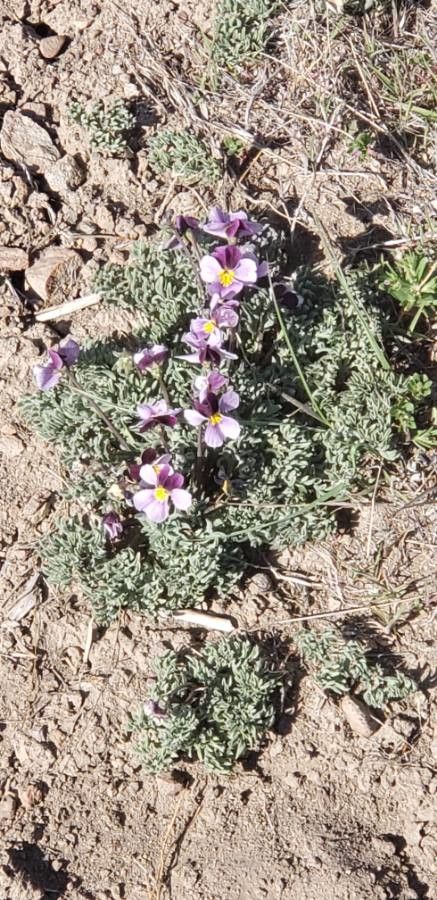
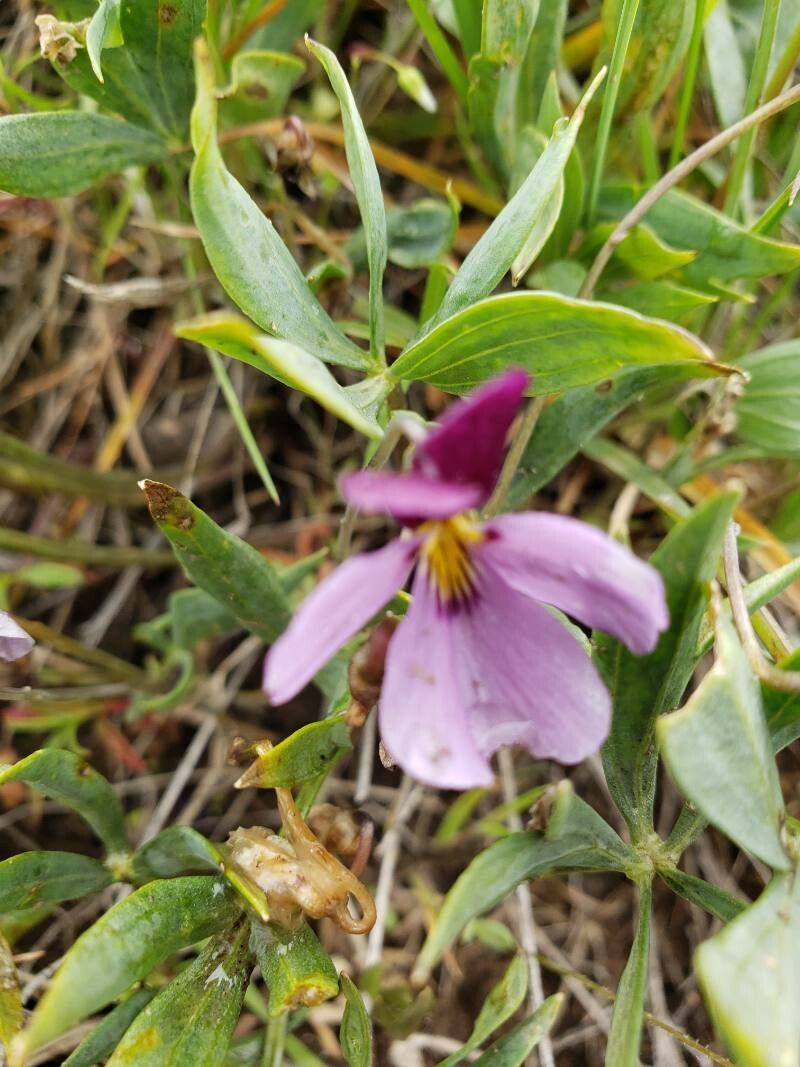
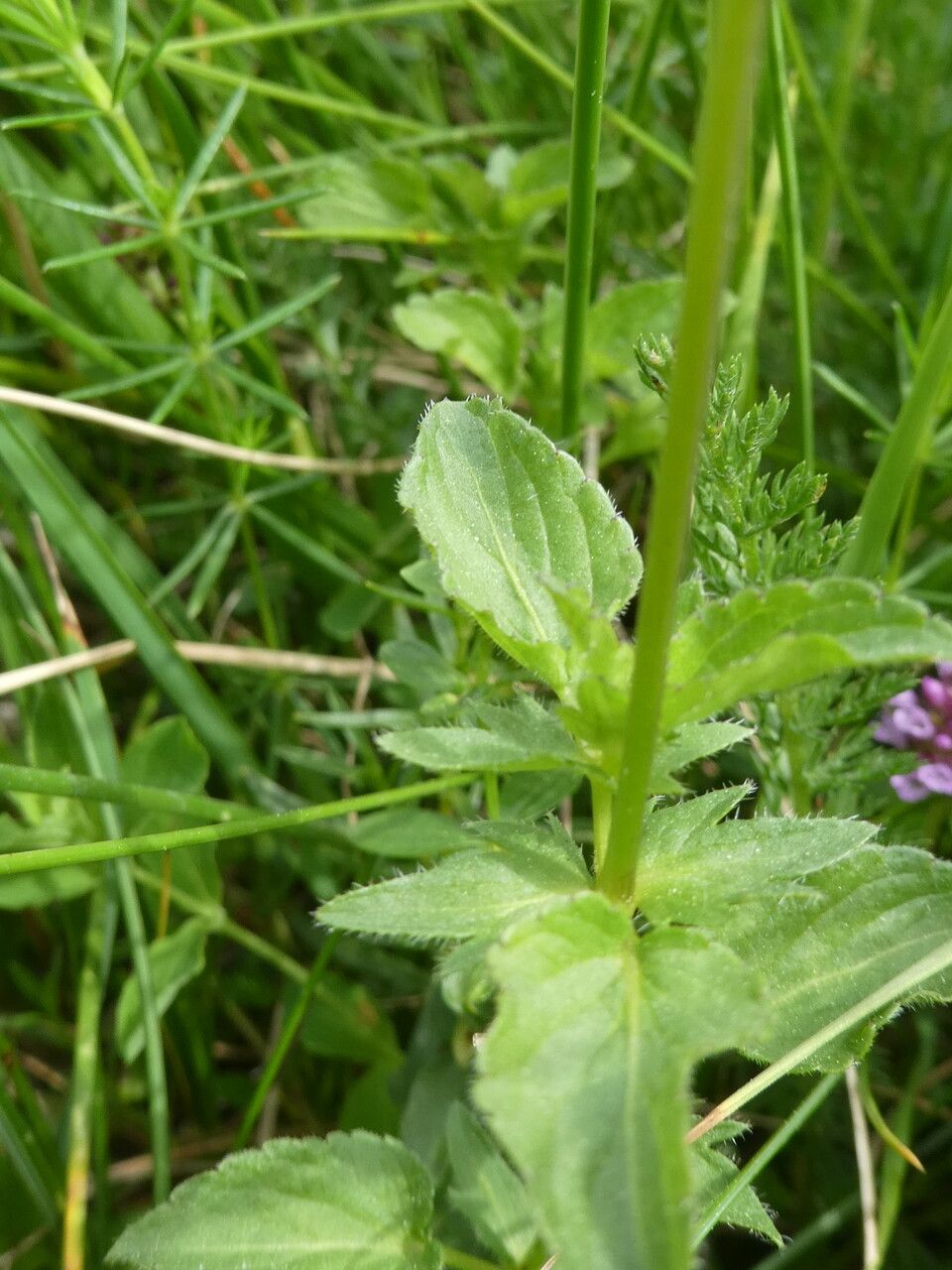
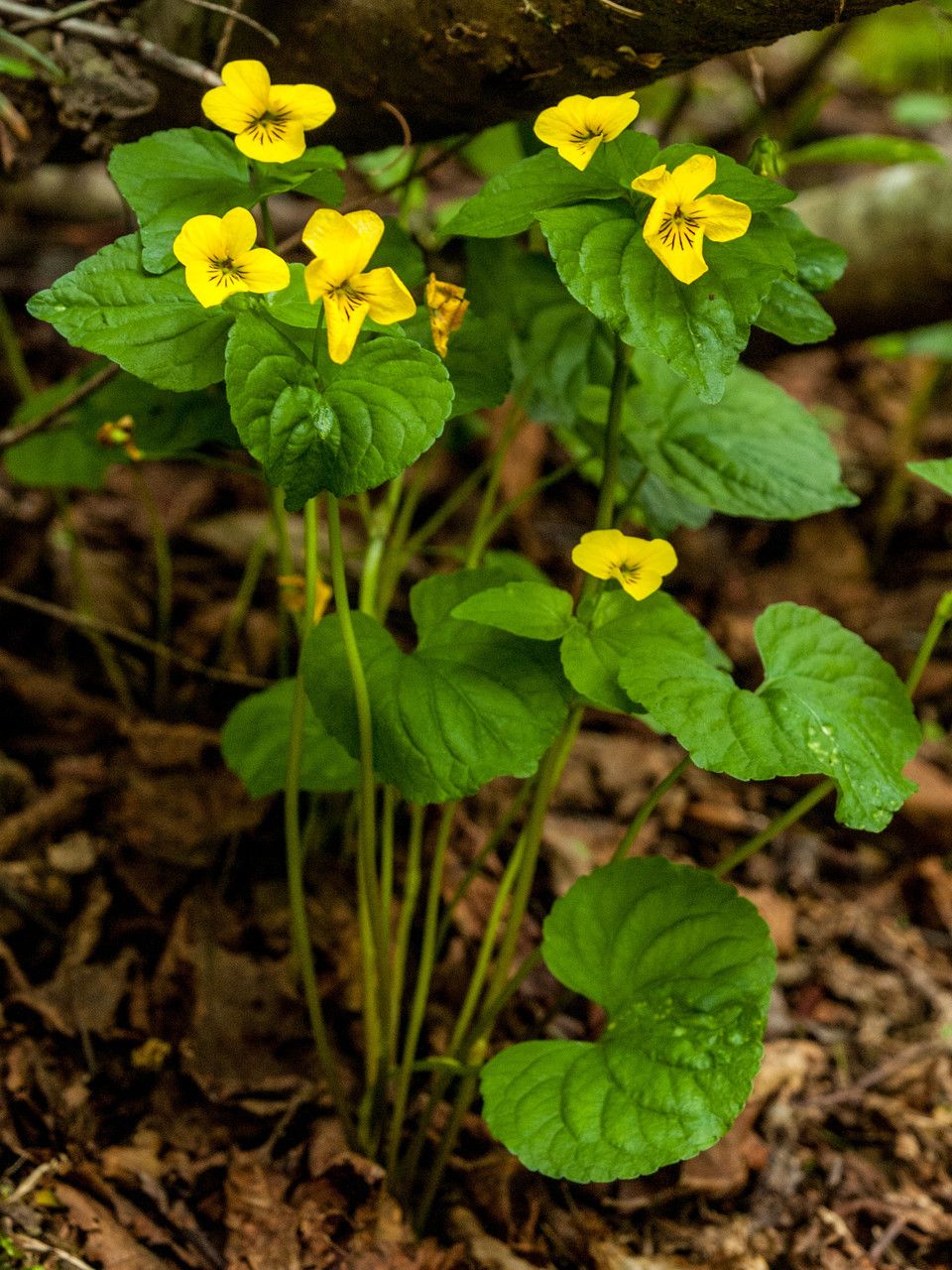
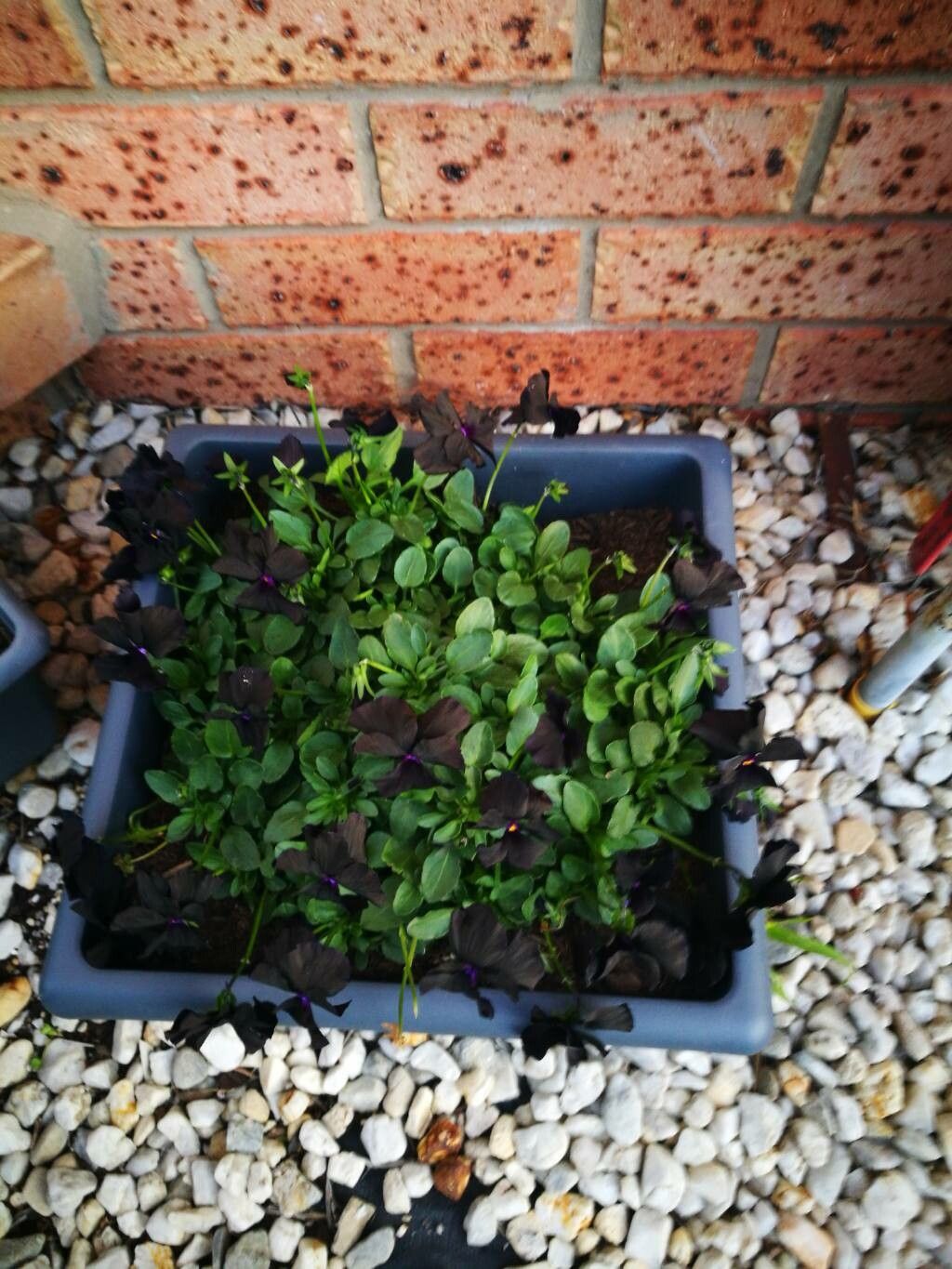
Viola beckwithii, known commonly as the Great Basin violet, Beckwith's violet, and sagebrush pansy, is a species of violet native to the western United States. It is an early-flowering plant of sagebrush (Artemisia tridentata) habitats in the Great Basin region. This is a perennial herb with several decumbent or erect stems growing from a caudex. The stems are up to about 22 centimeters long, often with much of their length underground. The fleshy compound leaves have dissected leaflets of varying shape and size. Flowers arise from the leaf axils. The upper two petals are reddish violet, and the lower three are purplish to white with purple veining and yellow or orange bases.
Beckwith's violet has strong disease resistance and is generally not likely to get diseases. However, it can be affected by pests and diseases found in its surroundings. Such infections are usually not serious. Regarding care, this plant needs moderate maintenance. It should be pruned regularly to keep a neat appearance and encourage healthy growth. Fertilizing can also help stimulate flowering. Beckwith's violet is appropriate for anyone with outdoor space, like a garden or patio, and does not demand extensive care experience. It may need more attention when grown indoors.
How to keep Viola Beckwithii.
Light
Beckwith's violet is native to habitats like forest understories and rocky sites, where it grows in natural shade. It prefers partial sun but can tolerate both full sun and full shade, illustrating its versatile and hardy nature.
Water
Beckwith's violet thrives in environments with moderate moisture and has a typical level of drought tolerance, preferring conditions with balanced humidity. For optimal health, water it weekly. As a deciduous plant, it sheds its leaves every year and adapts to seasonal changes in rainfall, making it well-suited for outdoor settings.
Temperature
Beckwith's violet can adapt to a wide range of temperatures, but its distribution may still be restricted by various combinations of moisture and heat. It performs best in warm summer climates with sufficient rainfall or regular watering. Extended periods of cloudy, rainy weather or prolonged high temperatures can raise the likelihood of Beckwith's violet dying. In winter, protecting the plant from cold can increase its chances of survival.
Fertilizer
For Beckwith's violet, the primary time to fertilize is in early spring when the flowers are forming. The proper fertilizer promotes better blooms and helps Beckwith's violet produce attractive flowers. Fertilizing in early spring ensures strong flowers throughout the season and supplies energy for dormant growth phases.
Pruning
Beckwith's violet is known for its heart-shaped leaves and vibrant violet blooms. To keep the plants healthy and encourage continuous blooming, it's important to prune them annually in early spring. This helps improve airflow, remove dead stems, and promote vigorous growth. Always use sterilized tools when pruning to minimize the risk of disease. By doing so, you can support a lush floral display and maintain an attractive garden presence.
Botanical profile.
- Plant Type
- Herb
- Life Cycle
- Perennial
- Genus
- Viola
- Family
- Violaceae
- Hardiness Zone
- 4-8
- Mature Height
- 5 cm to 52 cm
- Mature Spread
- 10 cm to 15 cm
- Leaf Color
- Green, Dark Green
- Leaf Type
- Deciduous
- Flower Color
- Purple, White
- Flower Size
- 2.03 cm to 3.05 cm
- Bloom Time
- Early spring, Mid spring
- Planting Time
- Spring, Summer
- Harvest Time
- Late spring, Early summer
Other names.
Reader questions.
What are the sunlight requirements for Beckwith's violet?
Beckwith's violet (Viola beckwithii) thrives in different sunlight conditions depending on the specific needs of the plant. For full sun exposure, it requires above 6 hours of sunlight daily. In partial sun conditions, it should receive about 3-6 hours of sunlight. It's important to observe how sunlight moves through your garden throughout the day. This observation will help you choose the best spots that offer a harmonious balance of light and shade, ensuring the plants remain happy and healthy.
What is Beckwith's violet?
Beckwith's violet, known botanically as Viola beckwithii, is a plant species with no additional information provided on its essentials or symptoms.