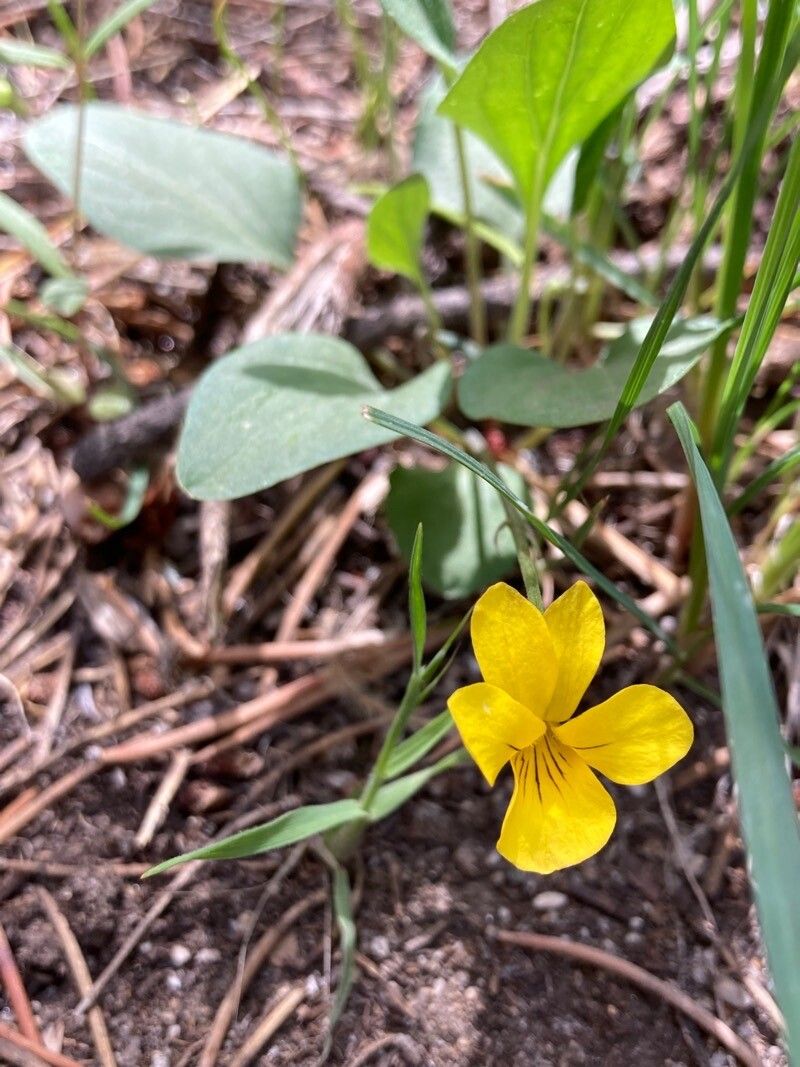
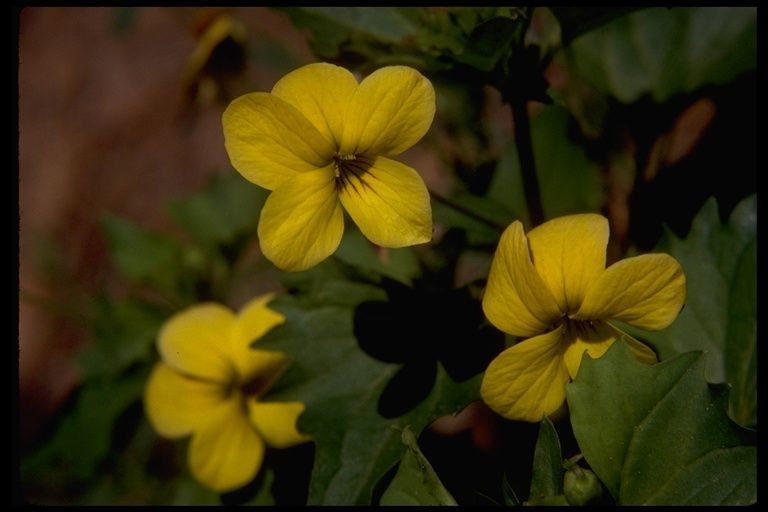
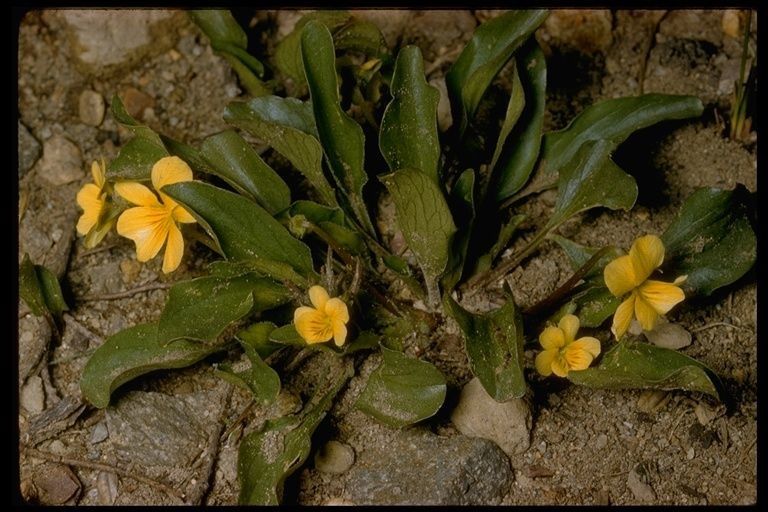
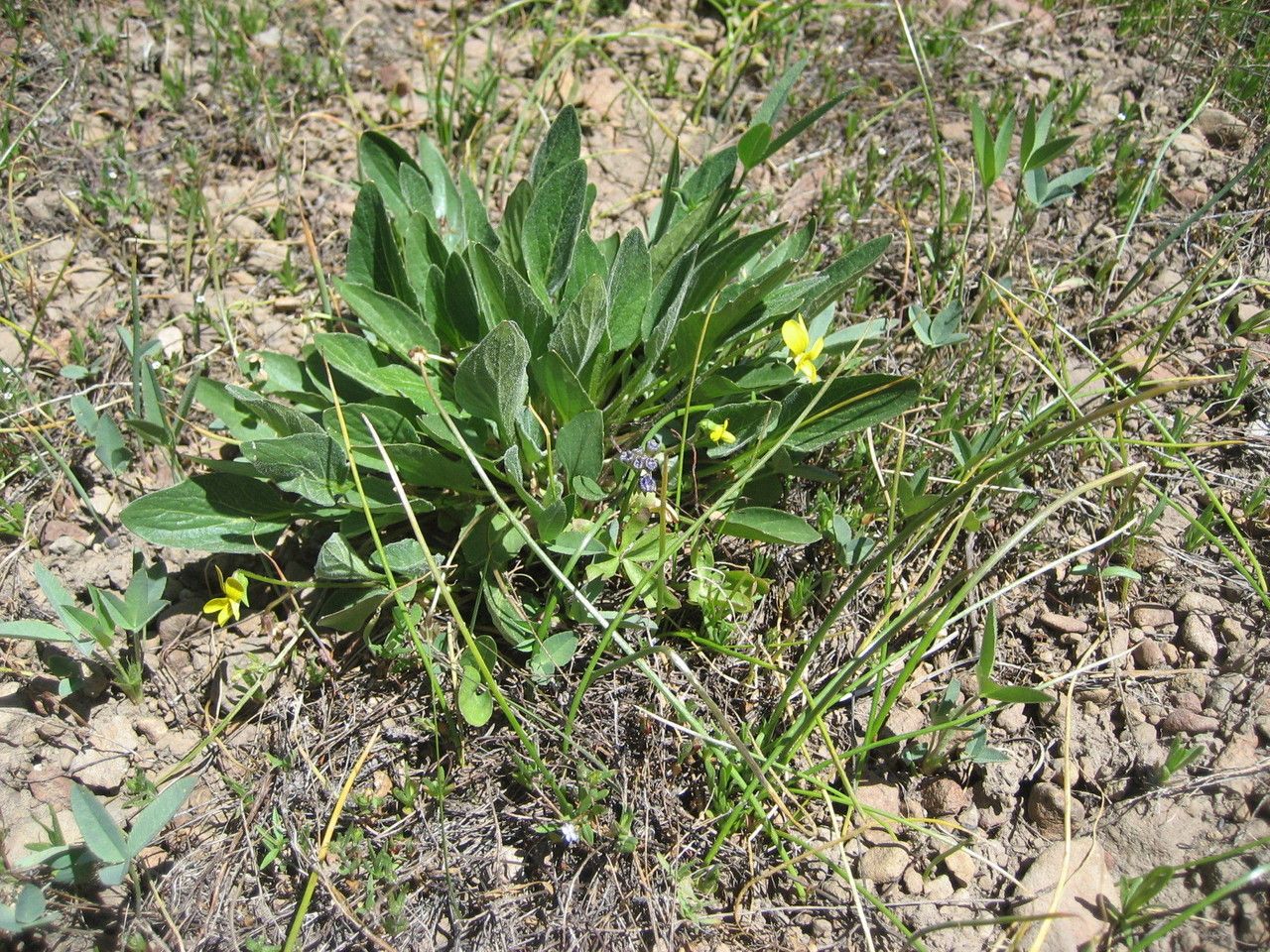
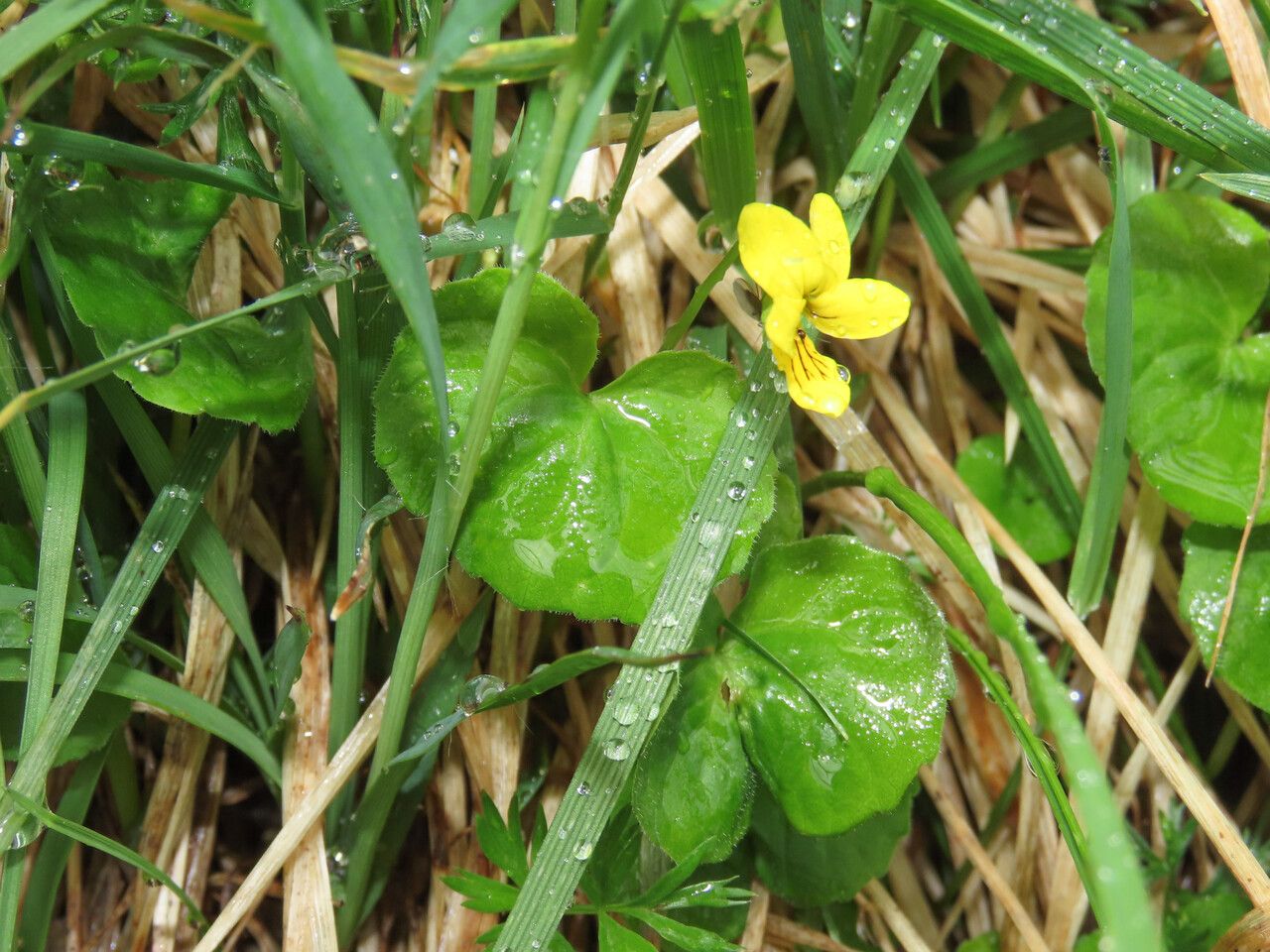
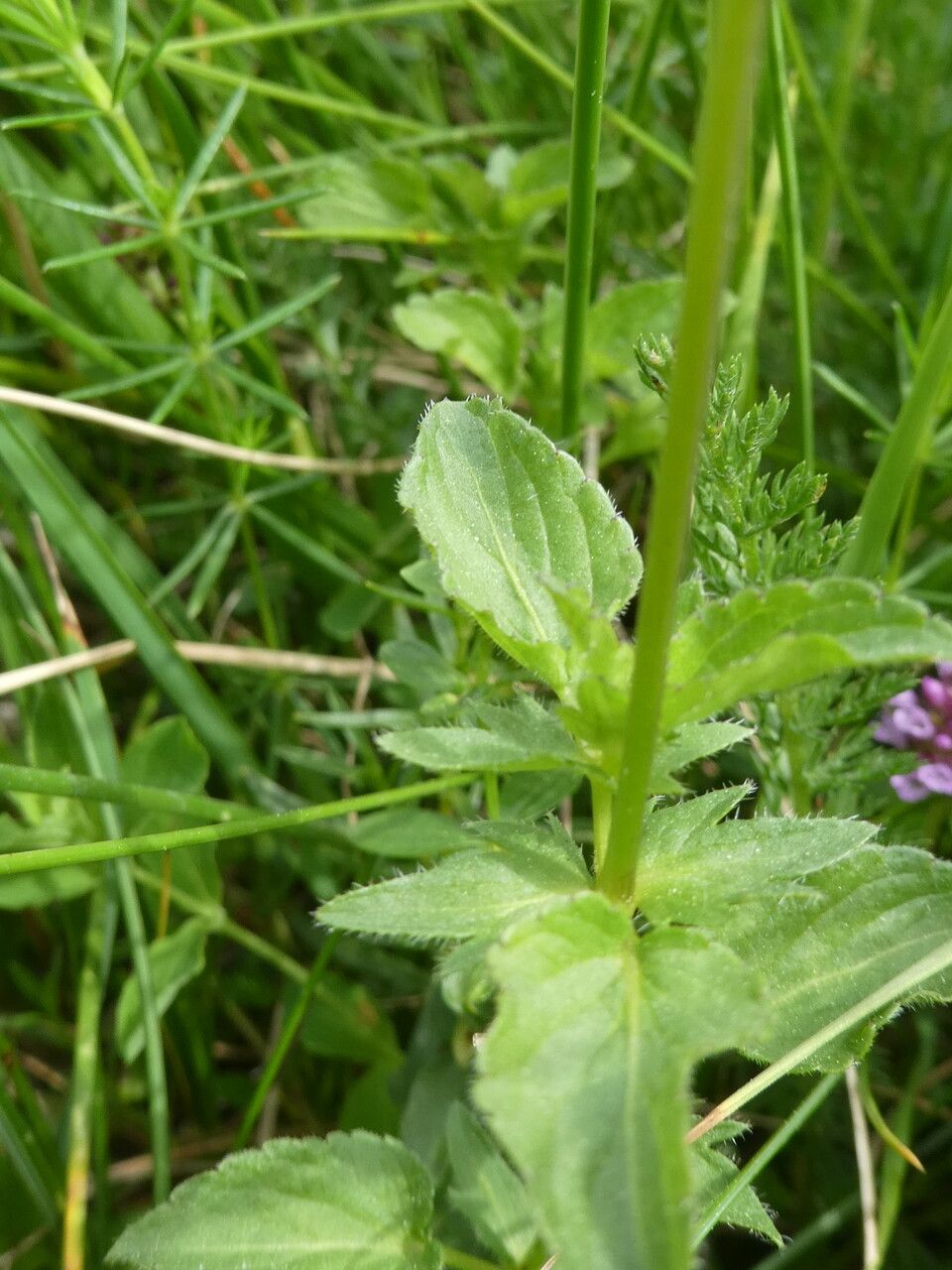
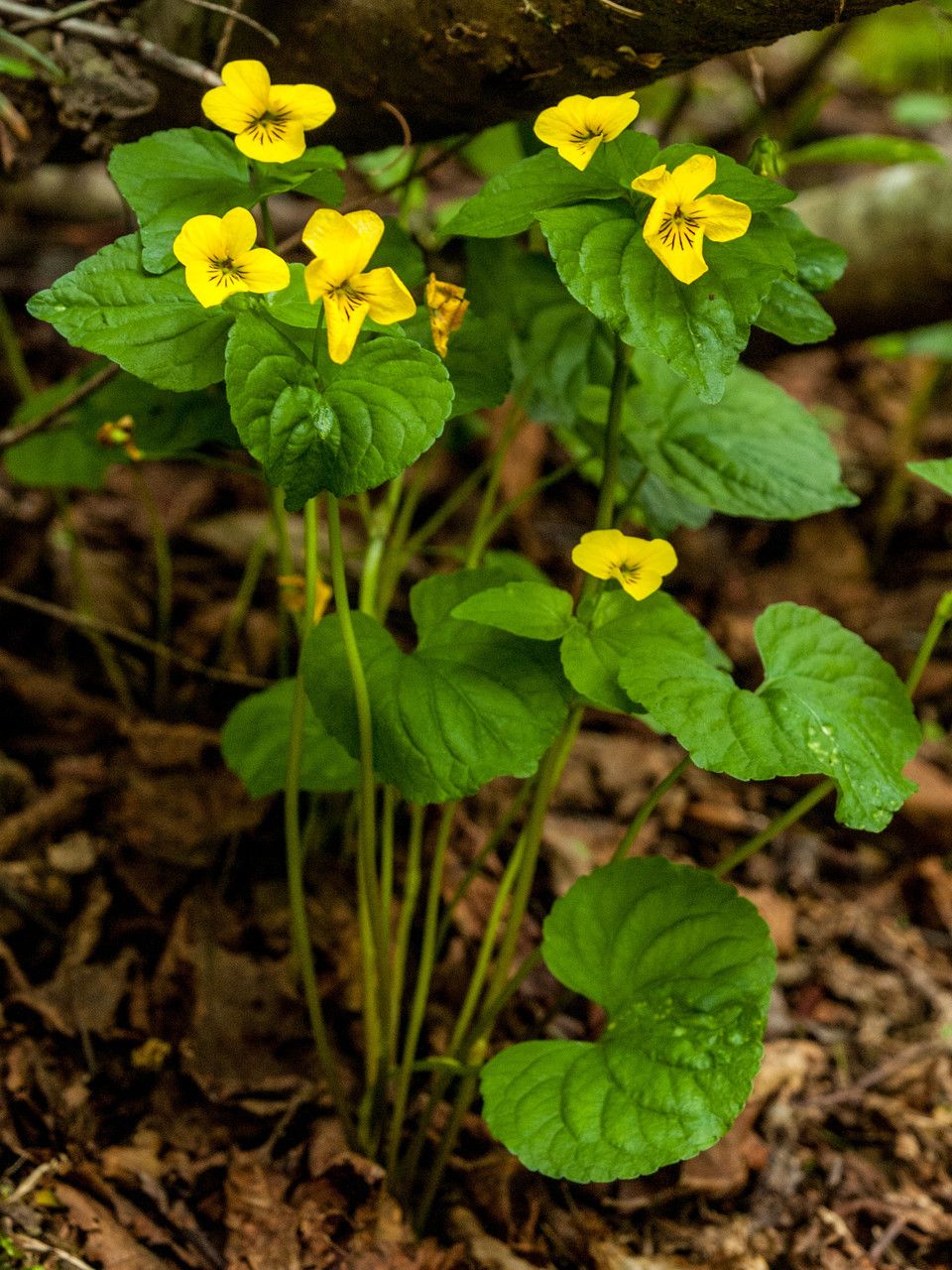
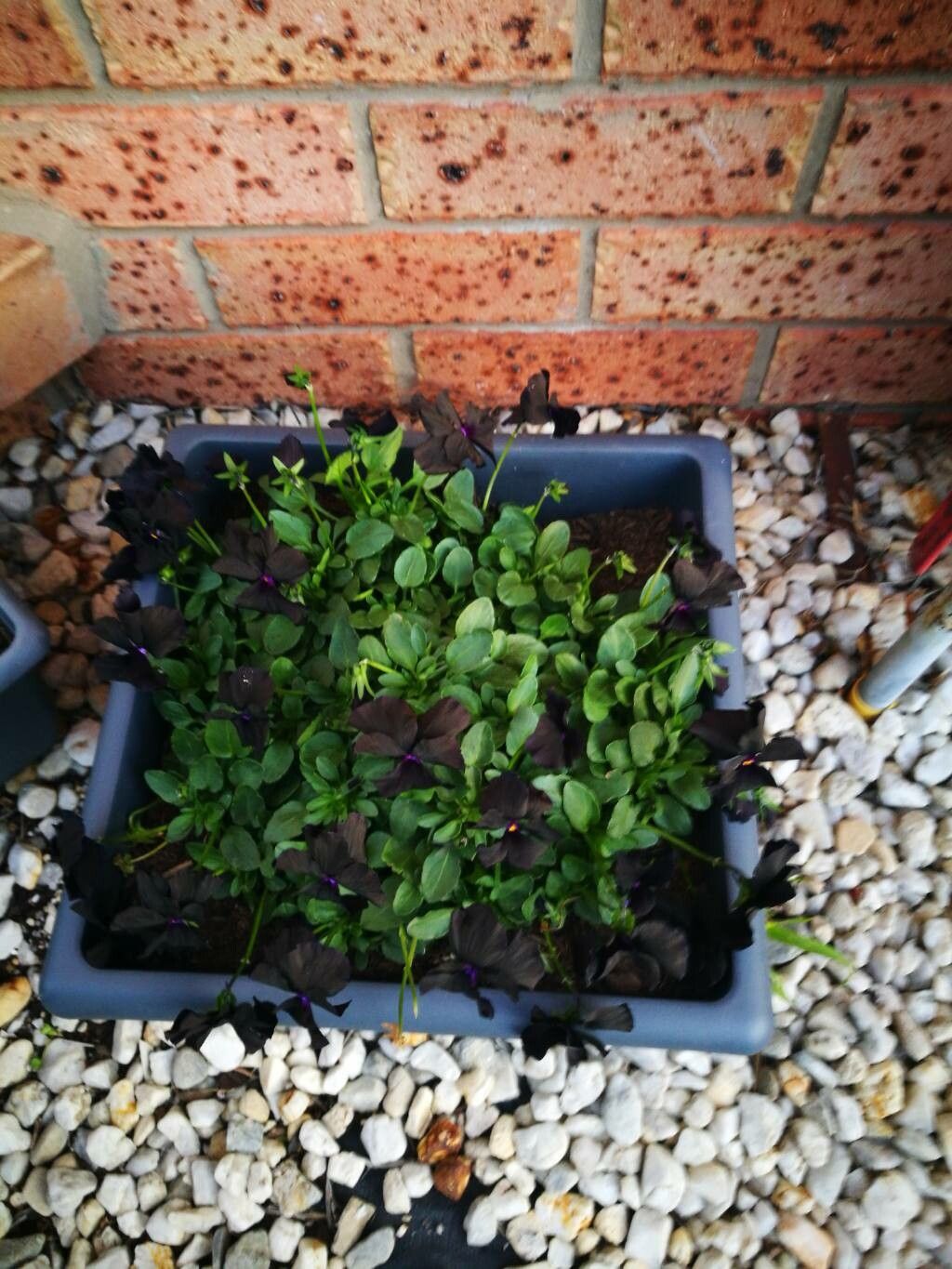
Viola bakeri is a species of violet known by the common name Baker's violet. It is native to the Western United States, from Washington and Oregon, to the mountains of northern Nevada, and in California to the southern High Sierra Nevada. The plant occurs in openings in coniferous forest habitats.
How to keep Viola Bakeri.
Water
Baker's violet flourishes in humid forests and mountainous areas but does not tolerate drought. To prevent decay, avoid overwatering. In gardens, adjust watering according to the weather to keep the soil from becoming too dry. For potted plants, water thoroughly when the surface of the soil dries out.
Pruning
Baker's violet is characterized by its vibrant violet flowers and thrives with some early spring care. To maintain its health, prune back old stems, encourage new growth, and remove faded flowers. Be sure to use clean tools to reduce the risk of infection. Regular pruning enhances airflow and promotes overall plant health, resulting in a robust and visually appealing plant.
Botanical profile.
Other names.
Reader questions.
What are the sunlight requirements for Baker's violet (Viola bakeri)?
Baker's violet (Viola bakeri) thrives in different sunlight conditions depending on the site's exposure. For plants requiring 'Full sun,' they need to receive above 6 hours of sunlight daily. Those listed under 'Partial sun' need about 3-6 hours of sunlight. It's important to observe how sunlight moves through your garden to find spots that offer the ideal mix of light and shade, ensuring your plants are healthy and happy.
What is Baker's violet?
Baker's violet, scientifically known as Viola bakeri, is a type of violet. There is no additional information provided regarding its characteristics, essential uses, or symptoms it may address.