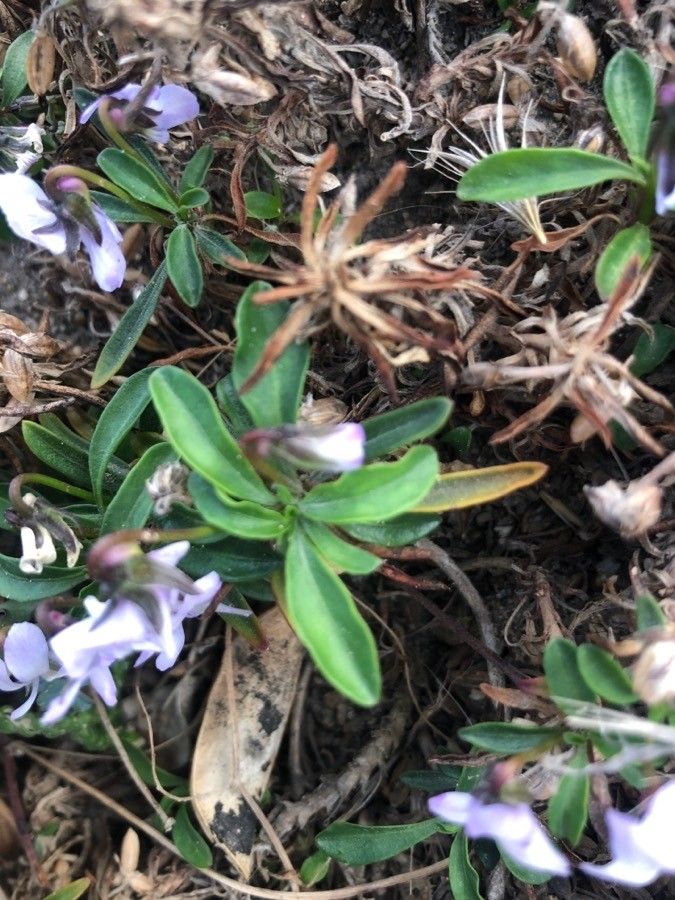
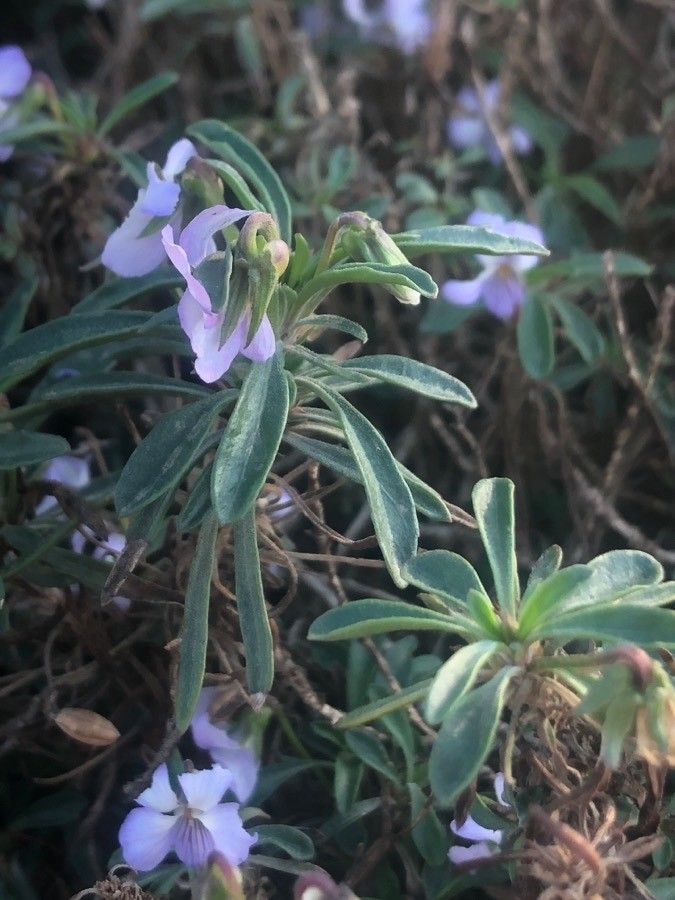
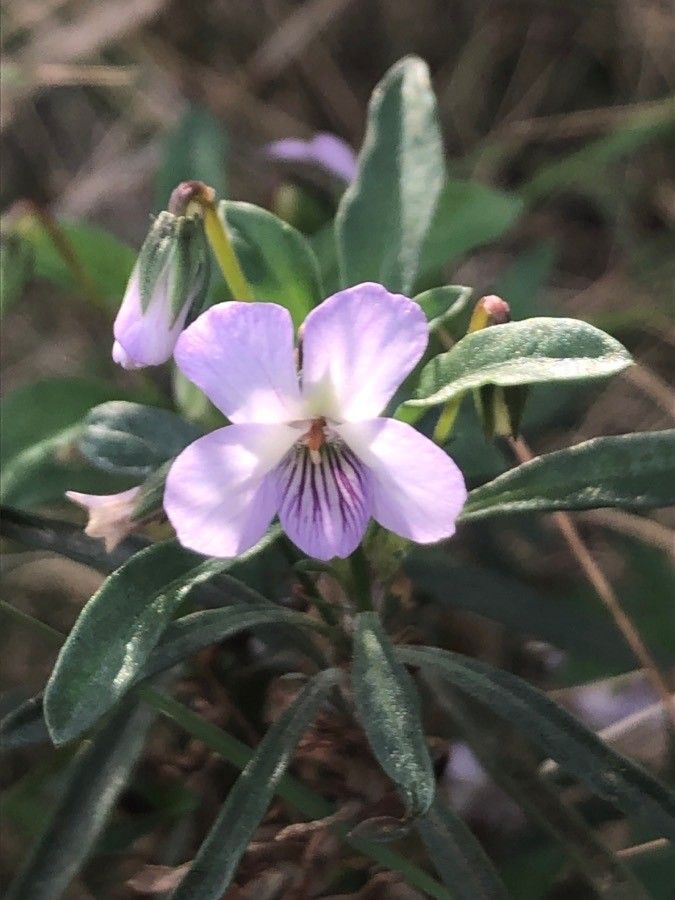
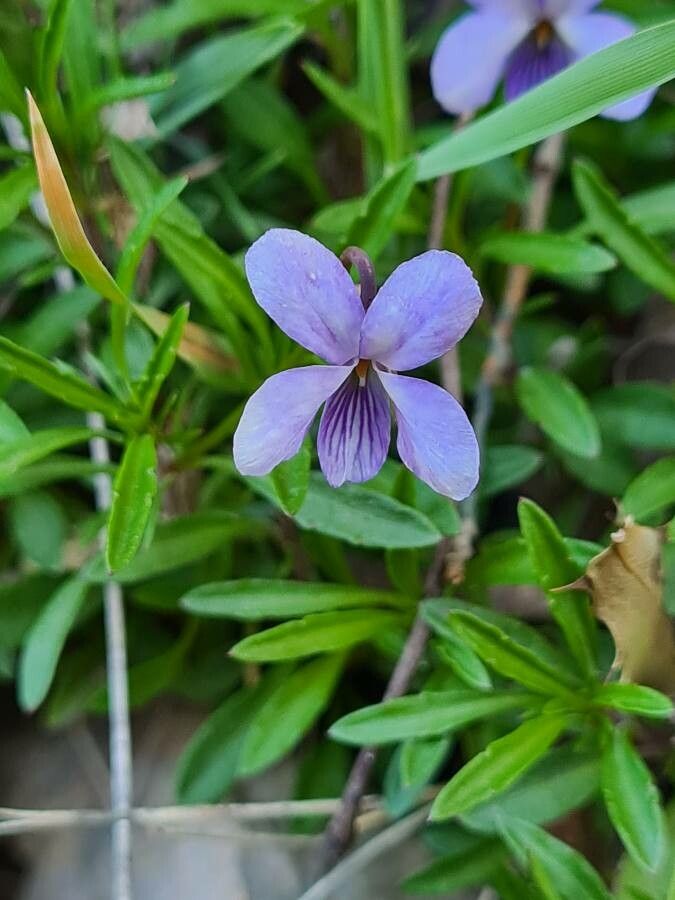
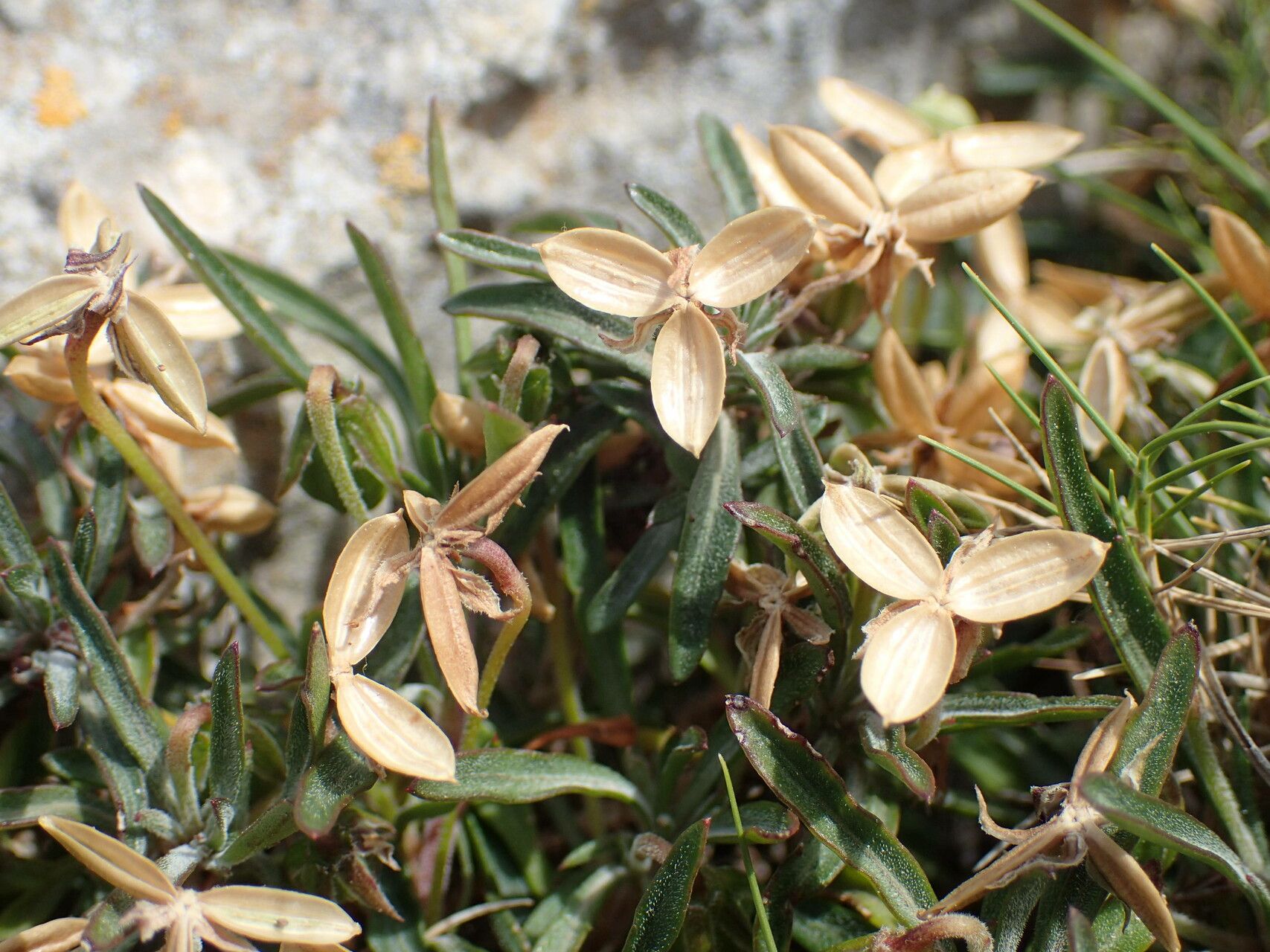
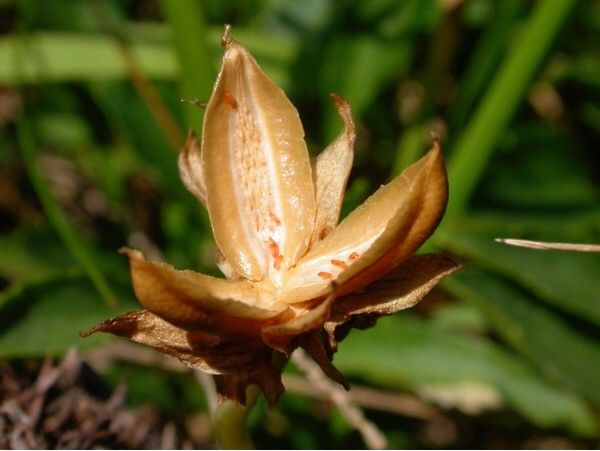
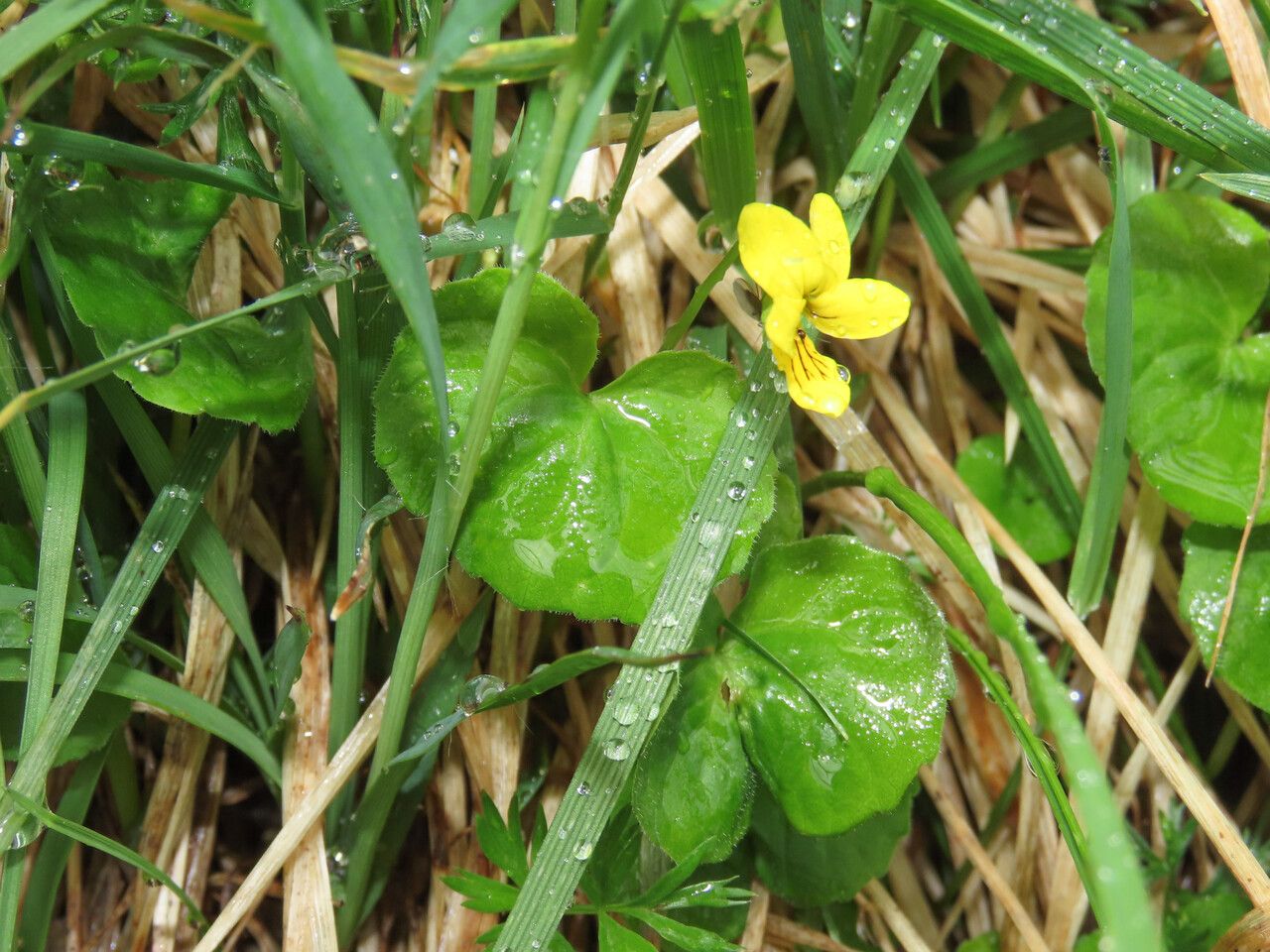
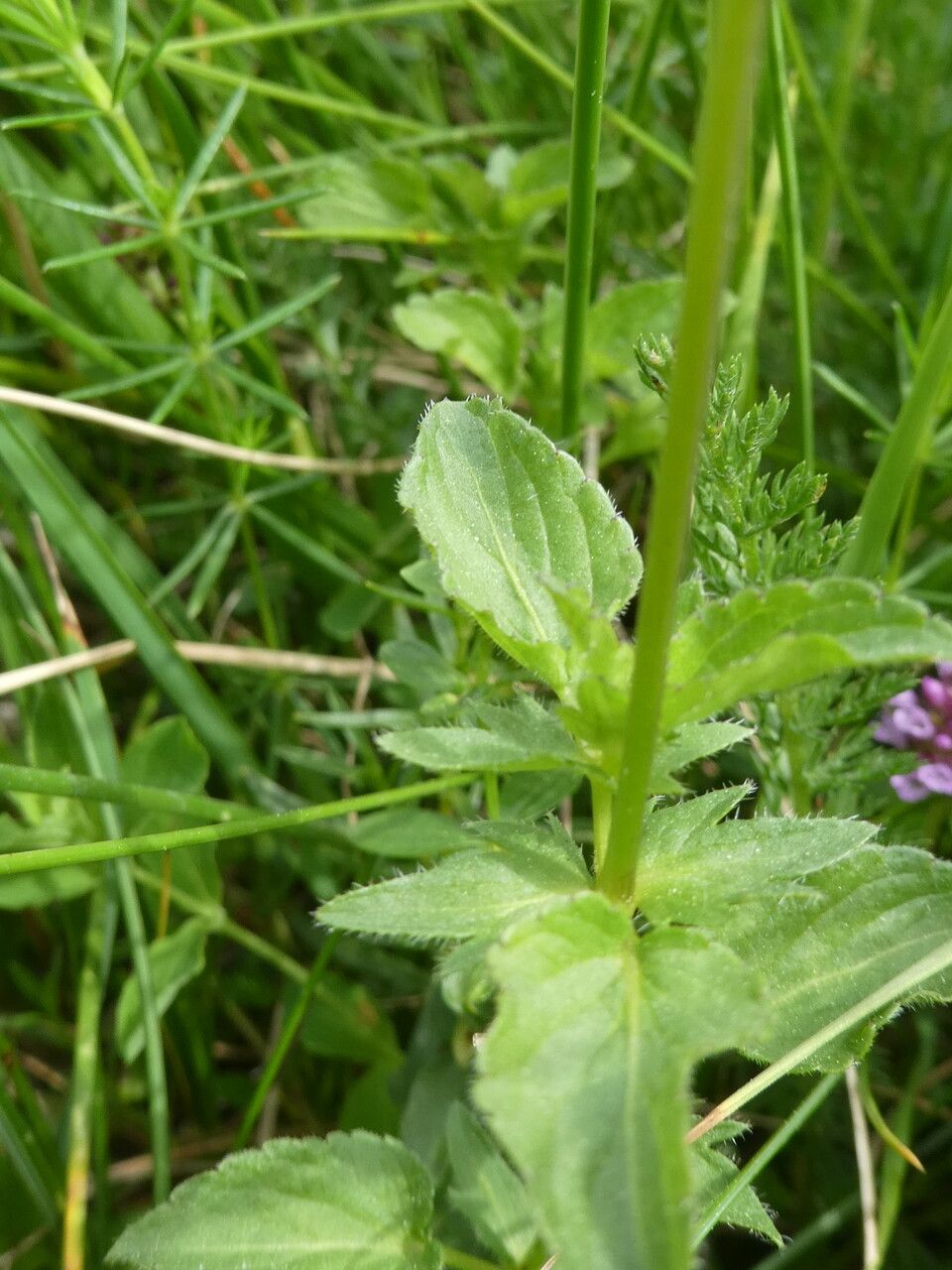
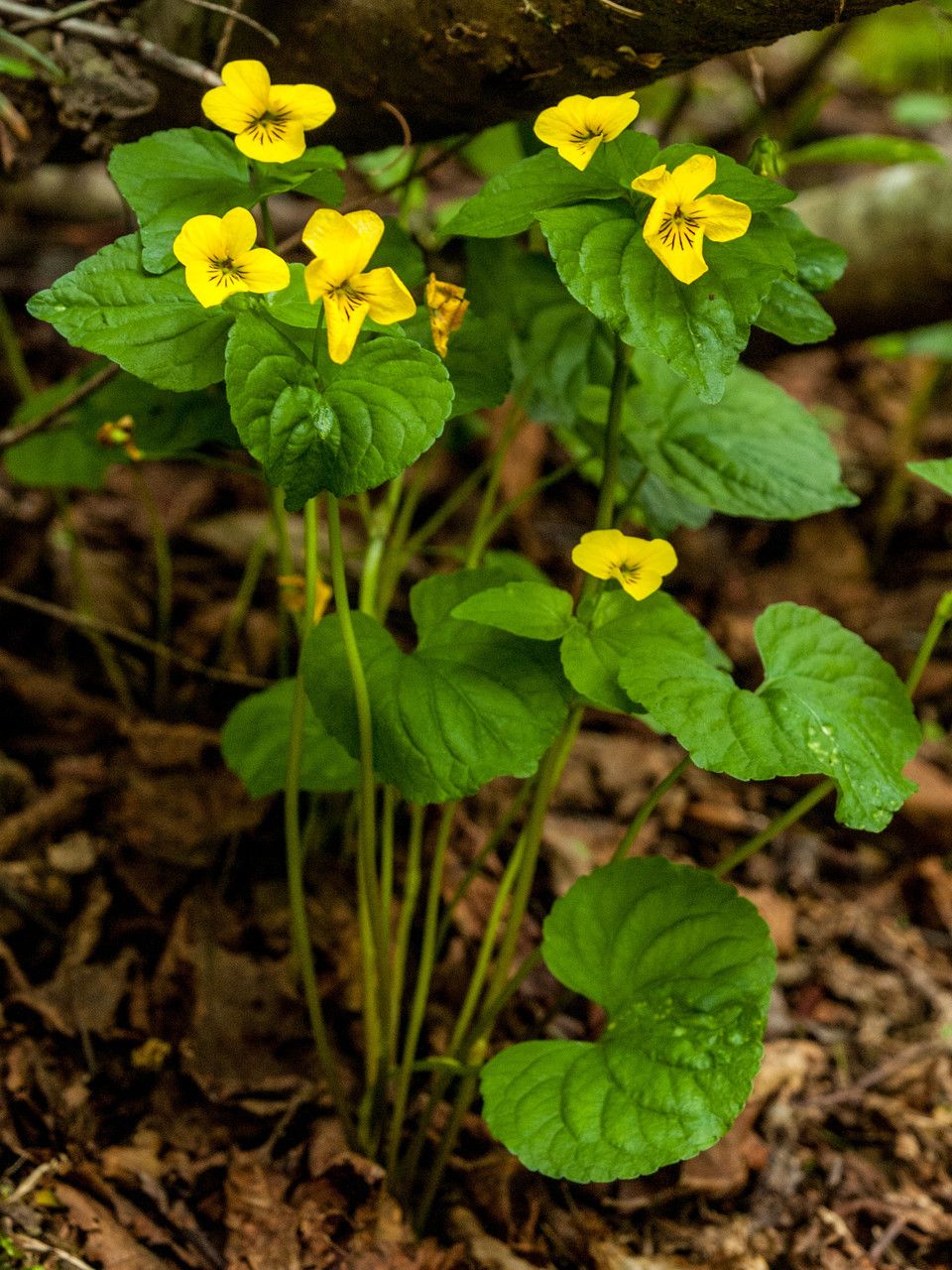
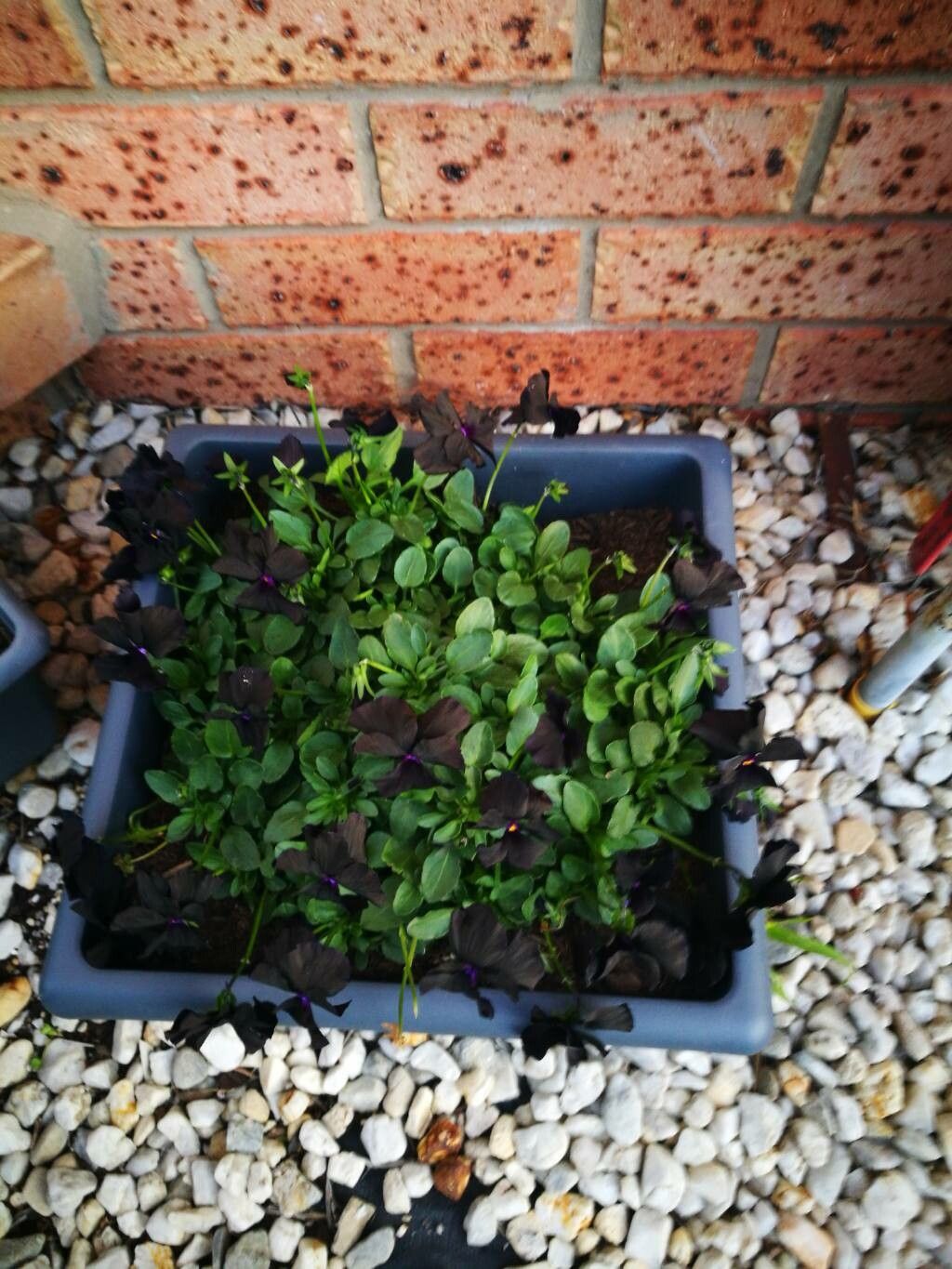
Viola arborescens, commonly known as the tree violet, is a small evergreen shrub belonging to the Violaceae family. Native to South America, it can be found in Argentina, Chile, and Uruguay. Typically, the plant grows up to 1 meter in height and exhibits a dense branching habit with dark green, oval-shaped leaves.
The tree violet produces beautiful purple flowers with yellow centers, which bloom from late winter through early spring. These fragrant flowers attract bees, butterflies, and other pollinators. The plant prefers well-drained soil with moderate moisture levels but can tolerate some drought conditions.
Due to its attractive foliage and vibrant blooms, Viola arborescens is commonly used as an ornamental plant. It can be grown in containers or planted directly in the ground, serving as a border or accent plant in gardens and landscapes.
Beyond its aesthetic appeal, Viola arborescens has been used for medicinal purposes by indigenous South American people for centuries, thanks to its anti-inflammatory properties. Traditionally, its leaves have been used to treat respiratory ailments such as asthma.
Overall, Viola arborescens is an attractive evergreen shrub that offers both ornamental beauty and potential medicinal benefits, making it a popular choice among gardeners worldwide.
Tree violet shows good resistance to disease and is generally unlikely to suffer from illnesses. Still, it can be affected by pests and diseases present in its environment. Such infections are typically not severe. Regarding care, the plant needs moderate maintenance. It should be pruned regularly to preserve its appearance and healthy growth. Applying fertilizer can also help encourage flowering. Tree violet is appropriate for anyone with outdoor space, like a garden or patio, and does not demand extensive care experience. It may need more attention if grown indoors.
How to keep Viola Arborescens.
Light
Tree violet does best in settings that receive plenty of sunlight throughout the day. Sufficient light enables the plant to develop healthily, and even very intense sun is not harmful. Its natural habitat is composed of sunlit areas. Neither excessive nor insufficient exposure negatively affects the plant's growth, health, or vitality.
Water
Tree violet flourishes in environments with ample moisture and consistent humidity. Although it can tolerate moderate drought, it performs best when the soil remains evenly moist, necessitating weekly watering. In temperate regions, when grown outdoors, it requires careful watering during its active growing season to ensure optimal foliage and flowering.
Temperature
Tree violet originates in temperature-controlled environments and prefers temperatures between 59 and 95 °F (15 to 35 ℃). Being a temperate species, it can tolerate cooler nighttime temperatures, but large drops can be damaging. Adjusting temperatures seasonally may be required for optimal growth.
Fertilizer
The best time to fertilize a Tree violet is in early spring, as it emerges from dormancy and begins active growth. Fertilization supplies essential nutrients for healthy growth. Although Tree violet has relatively low fertilizer needs, an annual application can improve its survival and encourage better, longer-lasting flowers.
Pruning
The tree violet produces fragrant flowers and has woody stems, which benefit from pruning between early and late spring. Key pruning techniques include removing dead wood and thinning out dense areas to improve air circulation. This promotes healthy blooms and vitality, ensuring the plant's ornamental appeal and overall health.
Botanical profile.
- Plant Type
- Herb
- Life Cycle
- Perennial
- Genus
- Viola
- Family
- Violaceae
- Hardiness Zone
- 8-10
- Mature Height
- 30 cm to 49 cm
- Mature Spread
- 20 cm to 30 cm
- Leaf Color
- Green, Dark Green
- Leaf Type
- Semi-evergreen
- Flower Color
- White, Purple
- Flower Size
- 1.52 cm to 2.54 cm
- Bloom Time
- Late summer, Early fall, Mid fall
- Planting Time
- Spring, Summer
- Harvest Time
- Mid fall, Late fall, Early winter
- Native Area
- Italy, Spain, France, Algeria, Morocco, Portugal
Other names.
Reader questions.
How should I water my Tree violet?
To properly water the Tree violet plant, it is best to use filtered water at room temperature. Tap water may contain harmful particles. The water should be at room temperature or slightly warmer since the Tree violet thrives in warm environments and cold water can be a shock. Avoid overhead watering to prevent issues with the foliage. Instead, thoroughly moisten the soil with the filtered room temperature water until it is completely soaked. Soaking the soil helps the roots absorb nutrients and spread throughout the soil.
What are the sunlight requirements for Tree Violet (Viola arborescens)?
Tree Violet thrives in an environment that receives a robust amount of sunlight throughout the day. This plant is well adapted to full sun conditions, defined as areas receiving more than 6 hours of sunlight daily, and can also flourish in partial sun, which pertains to about 3-6 hours of sunlight each day. Its natural habitat is characterized by sun-soaked regions, indicating that it is capable of healthy growth even in conditions of extreme light intensity without adverse effects. Observing how sunlight moves through your garden is crucial, enabling you to select locations that provide an ideal balance of light and shade, thus ensuring the well-being of your plants.
What is the native environment of Tree Violet?
Tree violet, botanically known as Viola arborescens, is native to temperature-controlled environments and prefers a temperature range of 59 to 95 °F (15 to 35 °C). As a temperate plant, it thrives in conditions where it can adapt to cooler overnight temperatures, although significant temperature drops can be harmful. It’s important to adjust the surrounding temperature seasonally to ensure optimal growth of the Tree violet.
If I give my Tree violet too much water or too little water, what should I do?
Overwatering is a common issue that can harm your Tree violet. When this happens, the stems and leaves may wilt and turn yellow. Over time, it can also cause diseases like root rot, mold, and mildew, which can kill the plant. Underwatering is less likely but still possible. In this case, the leaves may become brittle and brown. It's crucial to notice the signs of overwatering early. If you see them, reduce your watering schedule and check the soil drainage. If it's poor, replace it with a well-draining potting mix. If your Tree violet appears to be getting too little water, increase the watering frequency until the signs improve.
How can artificial lighting be used for Tree Violet's growth?
Artificial lighting serves as a vital solution for indoor Tree Violet plants, especially when natural sunlight is inadequate, such as during winter or in areas of your home with less sunlight. Achieving optimal growth indoors requires the following considerations: Choose LED lights as they can be customized to meet your plants' specific light wavelength needs. For full sun plants, 30-50W per square foot is necessary; partial sun plants require 20-30W per square foot, and full shade plants need 10-20W per square foot. The light source should be placed 12-36 inches above the plant, mimicking natural sunlight as closely as possible. Furthermore, simulating natural daylight hours, most plants will thrive with 8-12 hours of artificial light per day.
How does Tree Violet respond to cold temperatures?
Tree violet exhibits some degree of cold tolerance and generally does not require special measures when temperatures are above -5°C. However, if temperatures are expected to drop below -5°C, it's necessary to protect the plant temporarily. This can be done by wrapping the plant with plastic film, fabric, or other suitable materials for cold protection. Once the temperature rises again, these protective measures should be removed to avoid any potential damage to the plant.
How often do I need to water my Tree violet?
If your Tree violet is in a pot, the most precise way to determine if it needs water is by checking the soil. Stick your finger into the soil and if the top two to three inches are dry, it's time to water. If you have planted the Tree violet outdoors in the ground, you can use a similar method. Once again, if you find that the top few inches of soil are dry, it's time to water. During spring and early fall, you will typically need to water this plant once a week using this method. However, in extremely hot weather, you may need to water it twice or more per week. Despite this, mature and well-established Tree violets have an impressive ability to withstand drought.
What are the signs of inadequate light exposure in Tree Violet?
Tree Violet shows several signs when exposed to inadequate lighting. New leaves might grow smaller, the plant may exhibit leggy or sparse growth, and there could be faster leaf drop as the plant conserves resources for new leaves. Growth might slow down or halt entirely as the plant enters survival mode. Leaves could develop lighter colors or exhibit chlorosis, where they lose their green color and become yellow. Sunscald, leaf curling, wilting, and leaf scorching are symptoms that can also occur either due to inadequate light or excessive direct sunlight exposure. These signs indicate the plant is struggling with the current light conditions.
What are the symptoms and solutions for Tree Violet exposed to low temperatures?
When exposed to low temperatures, particularly below -10°C, Tree violet's leaves may start to droop, which is a sign of moderate cold tolerance. In mild cases, the plant can recover, but in severe instances, the leaves will wilt and eventually fall off. The solution for frost damage includes trimming off frost-damaged parts of the plant. To prepare for future low temperatures, it's advisable to wrap the plant with materials like non-woven fabric or cloth and construct a wind barrier to shield it from cold winds.
How much water does my Tree violet require?
To ensure your Tree violet is properly watered, don't hold back on the amount of water you give it. When the top two to three inches of soil are dry, give the plant a thorough soaking. Make sure to add enough water to fully saturate the soil, causing excess water to flow out through the drainage holes at the bottom of the pot. If you don't see any excess water draining, it's likely that you haven't watered enough. However, be careful not to let water accumulate inside the soil, as this can harm the plant. On the other hand, if water is not draining well through the pot, it may indicate that the soil doesn't drain properly. This can negatively impact the health of the plant and should be avoided. If the plant is outside, receiving 1 inch of rain per week should be enough.
What are some solutions for addressing Tree Violet's light exposure issues?
To address light exposure issues in Tree Violet, gradually acclimate the plant to its optimal light conditions. For indoor care, move the plant to a sunnier spot each week until it receives at least 6 hours of direct sunlight daily, utilizing a south-facing window if possible. An alternative is to use artificial lighting, such as desk lamps or professional grow lights, for at least 8 hours a day. Outdoors, it's key to transition plants to brighter areas gradually to prevent sunburn, beginning by relocating them to increasingly sunnier locations each week. Lastly, to enhance light exposure for ground-planted Tree Violets, reduce obstructions by pruning nearby trees or transplanting the plant to a location with ample sunlight and good drainage during its dormant period. It's important to note that while parts of the plant affected by inadequate light may not recover, new growth should reflect the improved conditions.
How should Tree Violet be cared for in high temperatures?
During the summer, it's crucial to ensure that the Tree violet’s environment doesn't exceed 35°C, as high temperatures above 41°C can cause the leaves to lose their color, dry out at the tips, curl, and increase susceptibility to sunburn. Care for Tree Violet in high temperatures involves trimming away sunburned and dried parts, relocating the plant to a shaded area or using a shade cloth to protect it from intense sun. Additionally, watering the plant in the morning and evening helps keep the soil moist, reducing stress on the plant.