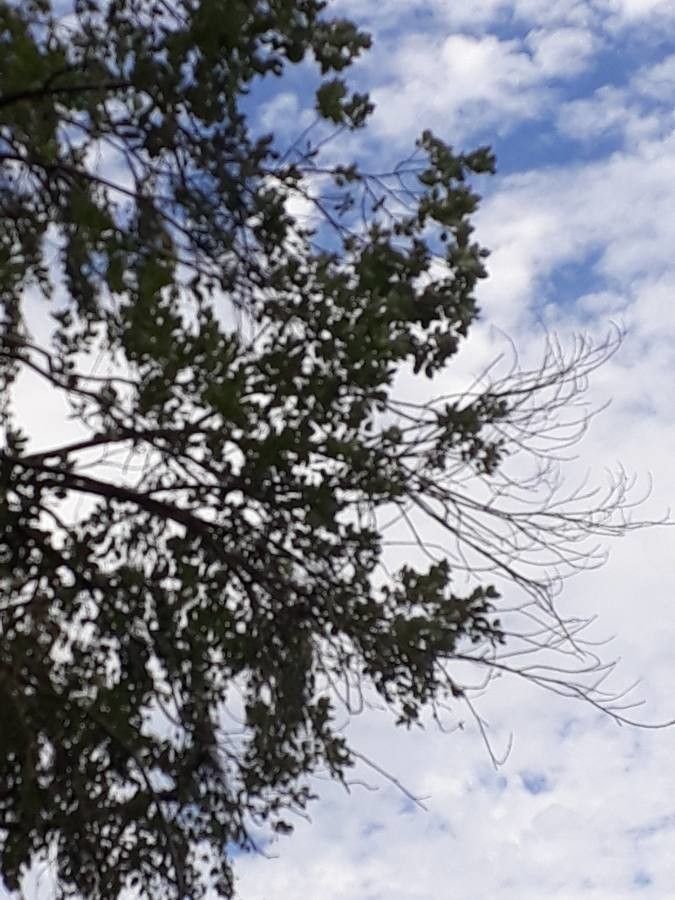
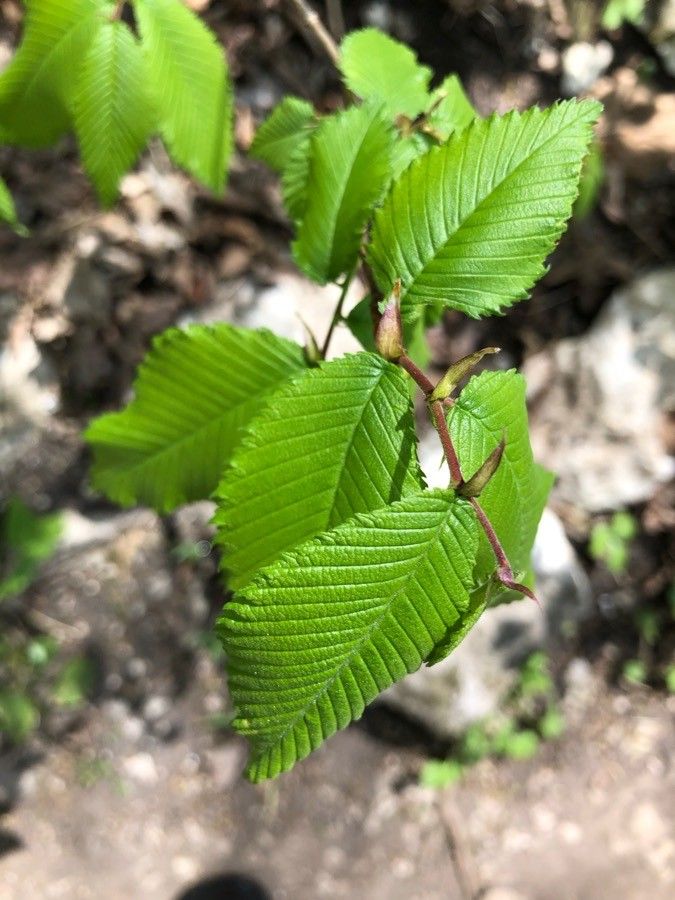
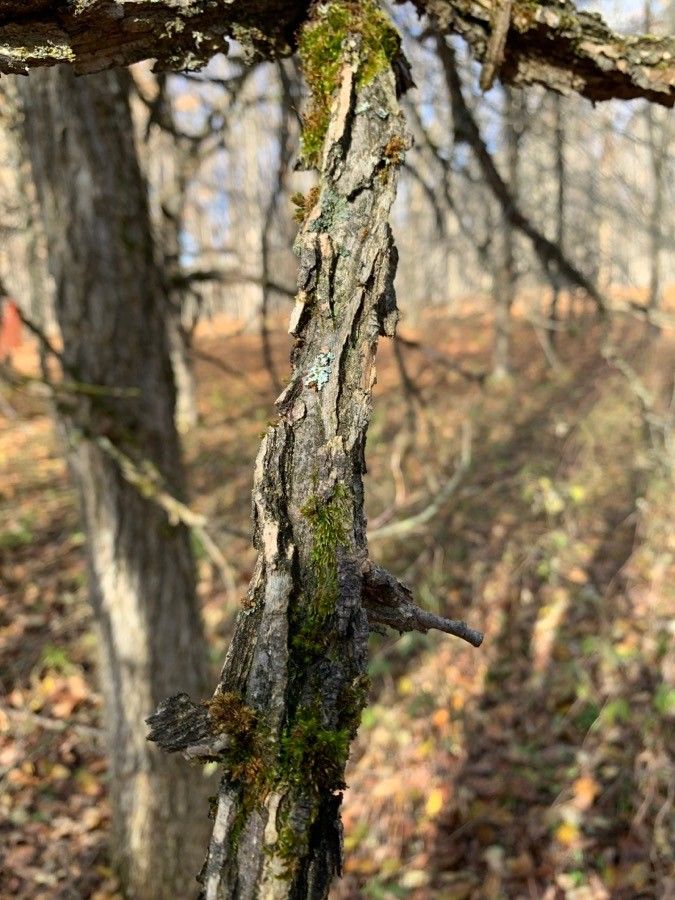
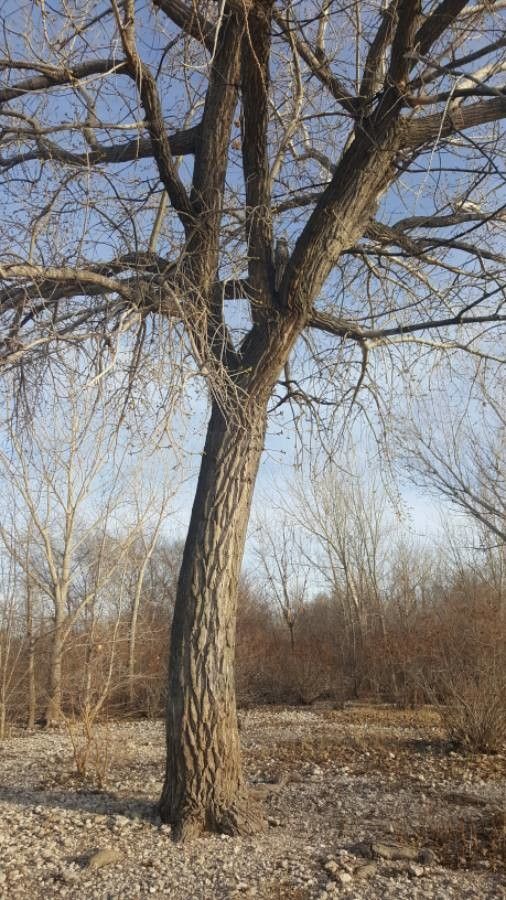
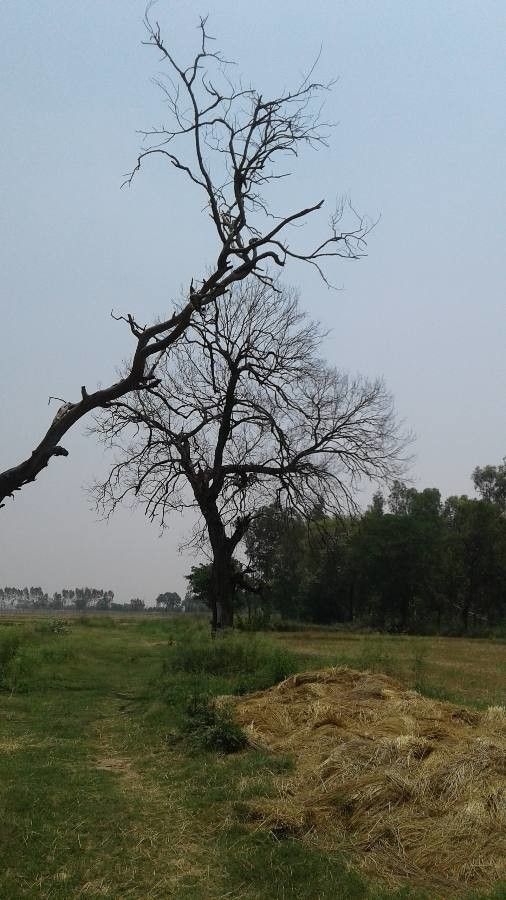
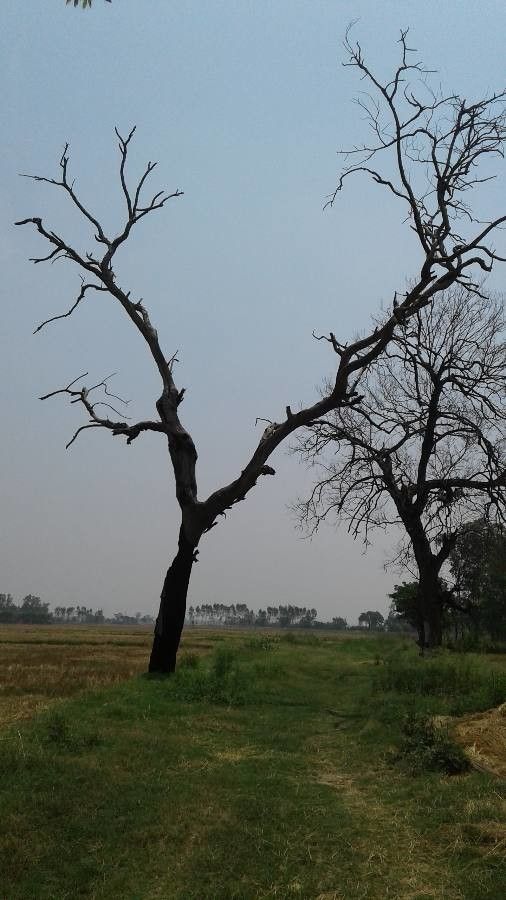
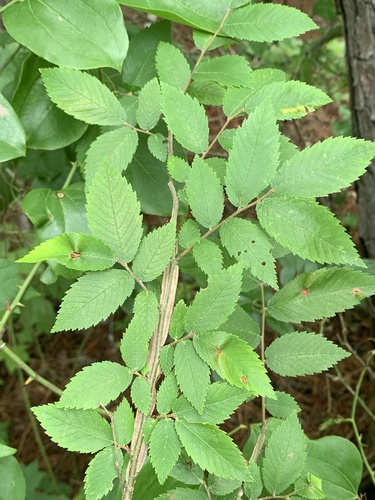
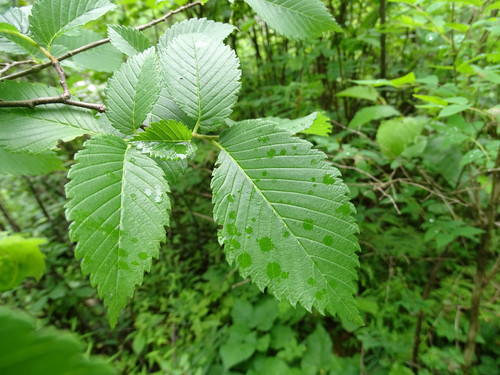
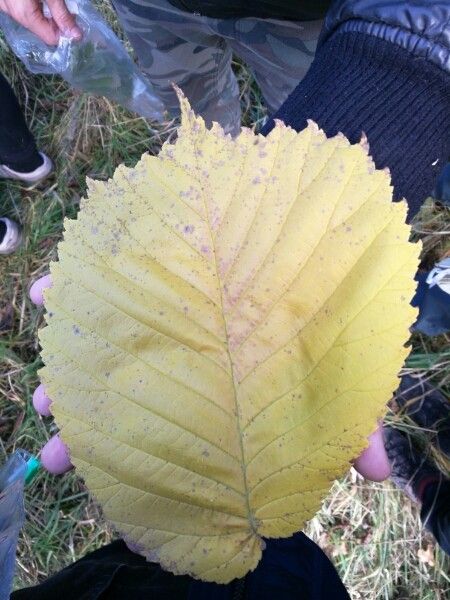
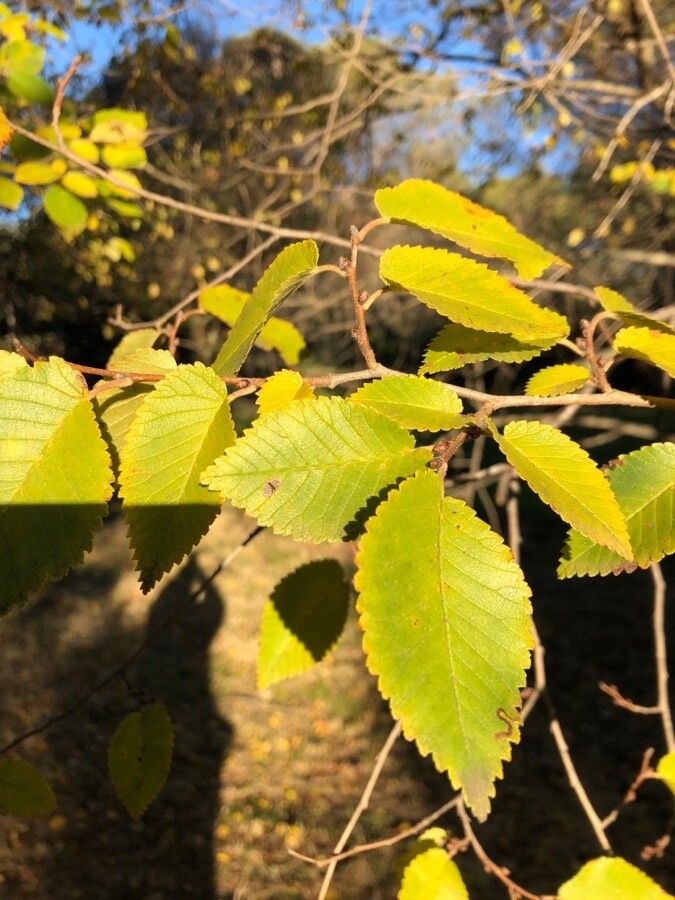
Ulmus thomasii, commonly known as the rock elm or cork elm, is a deciduous tree species native to North America. It is a medium-sized tree that can reach heights of 20 to 30 meters and features a broad, rounded crown. The bark of the rock elm is grayish-brown, deeply furrowed, and characterized by irregular ridges. The leaves of Ulmus thomasii are simple, alternate, and ovate with serrated edges. They are dark green during the growing season and turn yellow in the fall before dropping for the winter. The rock elm produces small flowers that appear before the leaves in early spring. These flowers are wind-pollinated and give way to small, winged fruits called samaras, which ripen in late spring or early summer. Ulmus thomasii prefers moist soils but can tolerate drought conditions once established. It grows best in full sun but can also thrive in partial shade. The wood of this species is widely used due to its strength, durability, and resistance to splitting, making it ideal for furniture making and construction purposes such as flooring and paneling. Unfortunately, populations of Ulmus thomasii have been declining due to Dutch Elm Disease, which has devastated many North American elm species. Conservation efforts are underway, including breeding programs aimed at developing disease-resistant varieties of this important tree species.
Rock elm is resistant to disease and typically does not suffer from illnesses. Regarding care, this species is fairly low maintenance. Planted outdoors it needs only light watering, and mature specimens usually do not require pruning. Younger or smaller plants, however, should be trimmed after they finish blooming. Rock elm is appropriate for anyone who has an outdoor area, like a garden or a deck, and it does not demand extensive care experience.
How to keep Ulmus Thomasii.
Light
Rock elm grows best in locations that receive plentiful sunlight for most of the day. It can also tolerate partly shaded conditions without negatively affecting its growth. However, limited sunlight may reduce its overall health. In its native habitat it is accustomed to substantial sun exposure.
Water
Rock elm thrives in temperate forests where moisture levels are moderate, but it also tolerates slight dryness. For healthy roots, water the plant every three weeks, allowing the soil to partially dry out between waterings. It is best to grow rock elm outdoors in well-draining soil to avoid waterlogging, especially in wetter climates.
Temperature
Rock elm grows best in temperatures between 41 and 95 ℉ (5 and 35 ℃). It is native to temperate regions where summers are warm and winters are cool. In hot summers it needs moderate watering, and in winter, once well-established, it can withstand temperatures as low as 0 ℉ (-18 ℃).
Fertilizer
Fertilize your Rock elm in early spring to encourage healthy growth. Routine fertilization boosts overall health, producing vigorous growth, greater resilience to challenging conditions, and enhanced resistance to pests and diseases. Follow a specific fertilization schedule for your Rock elm to keep its foliage vibrant, richly colored, and lush.
Pruning
The rock elm is known for its strong structure and durable wood. For optimal health, prune it in early spring, concentrating on removing dead or diseased branches to promote healthy growth. Minimal pruning helps maintain its natural shape. Regular evaluations can increase its longevity and boost its resistance to pests and diseases.
Botanical profile.
- Plant Type
- Tree
- Life Cycle
- Perennial
- Genus
- Ulmus
- Family
- Ulmaceae
- Hardiness Zone
- 5-9
- Mature Height
- 15.24 m to 30.48 m
- Mature Spread
- 7.62 m to 11.89 m
- Leaf Color
- Green, Yellow
- Leaf Type
- Deciduous
- Flower Color
- Green
- Flower Size
- 0.25 cm to 0.51 cm
- Bloom Time
- Early spring, Mid spring
- Planting Time
- Spring, Summer
- Harvest Time
- Mid spring, Late spring
Other names.
Reader questions.
What's the best way to water my Rock elm tree?
To ensure excellent root development, place a garden hose at the base of the plant. Avoid spraying the leaves directly, especially if the plants are outdoors in direct sunlight, as the leaves will need more water. Additionally, you can use bubblers to moisten the roots of each plant and soaker hoses to cover the entire garden or bed when adding or removing plants. Make sure to drain any excess water and allow the soil to dry before watering again. Water at ground level to prevent diseases. On sunny days, consider spraying the entire bush with water. Whether your Rock elm is potted or in-ground, remember that it prefers deep watering rather than light sprinkling.
Why should I put fertilizer on my Rock elm tree?
Regardless of the type of Rock elm you own, regular fertilization is essential for maintaining overall plant health. Providing the proper nutrients promotes stronger growth and enhances the tree's ability to withstand difficult growing conditions and combat diseases and pests. The foliage of Rock elms is particularly striking, so it is important to ensure its preservation. This involves establishing and following a consistent fertilization schedule tailored to your specific Rock elm variety. By doing so, you can encourage the tree to produce vibrant, lush leaves with rich coloration.
What are the sunlight requirements for Rock Elm?
Rock Elm (Ulmus thomasii) thrives best under full sun conditions, requiring more than 6 hours of direct sunlight daily to flourish. It can also tolerate partial sun, which is about 3-6 hours of sunlight. Semi-shaded environments are acceptable; however, limited sunlight may affect its health adversely. The plant is adapted to environments with a substantial solar footprint. It's important to observe the movement of sunlight in your garden to ensure the spots you choose provide the right balance of light and shade.
What temperature range is ideal for growing Rock Elm?
Rock elm thrives in temperatures between 41 to 95°F (5 to 35°C), native to temperate climates featuring warm summers and cool winters. It is well-equipped to handle moderate watering during the hotter months and can withstand low winter temperatures down to 0°F (-18°C) once well-established. Despite its robust cold resistance, protection from temperatures dropping below -25°C is advisable through measures like wrapping the trunk and branches with fabric or cloth. Additionally, abundant watering before the first autumn freeze to maintain soil moisture can be beneficial in preventing winter and early spring drought.
What do I need to do if I give Rock elm too much or too little water?
An overwatered Rock elm can show signs of yellowing, dropping and wilting leaves, as well as a dull and unhealthy appearance with mushy stems. It's important to adjust your watering schedule when these signs begin to appear. Wilting can also be a sign of under watering, indicated by crispy and dry leaves. In such cases, check the soil for dryness and provide a thorough watering when necessary. Although sufficient water will help the Rock elm recover, it may still have dry and yellow leaves for a few days due to damage to the root system. Once the plant returns to normal, the yellowing leaves will stop. When growing Rock elms indoors, always check the moisture levels in the pot and avoid overwatering. If you notice black spots, allow the soil to dry out by withholding water for a few days. Overwatering can lead to root rot, so if you observe discolored and slimy roots, consider transferring the plant to a different pot and be careful not to make the soil too soggy. When planting Rock elms outdoors, dig a little deeper and if the soil feels too dry when checked with your fingers, this could indicate underwatering. Adequate watering is necessary to help the plant recover.
When should I fertilize my Rock elm tree?
To ensure healthy growth, it is recommended to fertilize your Rock elm for the first time in late winter or early spring. This will provide the necessary nutrients for the tree to grow well once the weather warms up. Additionally, if you live in a warm climate region, it is beneficial to give your Rock elm another round of fertilizer in early fall. This not only adds nutrients for the upcoming growing season, but also helps the tree withstand the cold winter without foliage damage. Fertilizing earlier in the fall will allow the new branches to have sufficient time to grow and withstand the winter cold.
How does artificial lighting support Rock Elm's growth indoors?
When natural sunlight is insufficient, especially during winter or in less sunny spaces, artificial lighting becomes crucial for Rock Elm's growth indoors. Adequate artificial lighting promotes faster and healthier growth. LED lights, being customizable to specific wavelengths needed by plants, are highly recommended. The intensity of light required varies by plant type: full sun plants need 30-50W/sq ft, partial sun plants need 20-30W/sq ft, and full shade plants need 10-20W/sq ft. The artificial light source should be placed 12-36 inches above the plant to mimic natural sunlight conditions, and plants typically require 8-12 hours of light per day.
How can I protect Rock Elm from winter and early spring drought?
To protect rock elm from winter and early spring drought, it's recommended to water the plant abundantly before the first freeze in autumn. This ensures that the soil stays moist and enters a frozen state, which helps prevent drought and water scarcity for the plant during the colder months.
How much water does my Rock elm tree need?
The Rock elm prefers deep, infrequent watering. If they are planted in pots, be sure to soak them in a gallon of water each time since pots have limited water storage and the soil dries out faster. In colder regions, water every 3 to 5 days. Water them in the morning when the soil is dry, both indoors and outdoors. Check the soil inside to determine if watering is needed; if the top 2-3 inches of soil are dry, it's time for a full watering. On hot days, monitor the moisture daily as the heat can quickly dry out the pot's soil. If you have a garden, you'll also need to irrigate the soil. In hot climates, water once a week when you notice about 2 to 3 inches of soil becoming too dry. However, be mindful of rainfall and avoid overwatering, which can lead to root rot. Rock elm typically grows during the spring and fall. Add mulch about 3 to 4 inches deep when they are outdoors to conserve water. Sandy soil drains faster, so water plants in sandy soil more frequently. On the other hand, clay soil requires less frequent watering, allowing the plant to dry out for 2-3 days without developing root rot. To stay on track, mark the watering dates on a calendar and pay attention to any drooping leaves, which may indicate that you're a day late in watering.
When is the best time to not add fertilizer to my Rock elm?
There are a few times during the year when you should avoid fertilizing your Rock elm. The first time is in the early and mid-winter months when the tree is dormant and doesn't require feeding. It's also not advisable to fertilize the tree in late spring and throughout the summer as the weather is usually hotter and drier, which can negatively affect the tree's response to fertilization. To prevent any problems, it's best to stick to a fertilization schedule that involves feeding only in early spring and early fall.
What are key symptoms of insufficient sunlight in Rock Elm?
Rock Elm may exhibit several symptoms when it doesn't receive adequate sunlight. These include smaller new leaves compared to mature ones, leggy or sparse growth indicating a stretched-out appearance, faster leaf drop as the plant tries to conserve resources, slower or halted new growth due to poor light conditions, lighter-colored new leaves signifying a lack of chlorophyll, and conditions such as chlorosis (yellowing leaves), sunscald, leaf curling, wilting, and leaf scorching. These symptoms reflect the plant's struggle to adapt to suboptimal lighting conditions.
What should I do if the temperature falls below -25°C for my Rock Elm?
Rock elm can typically tolerate cold temperatures well, but when temperatures fall below -25°C, branches may become brittle and dry, and no new shoots will emerge in spring. In such situations, pruning dead branches that fail to produce new leaves in spring is recommended to maintain the health of the plant.