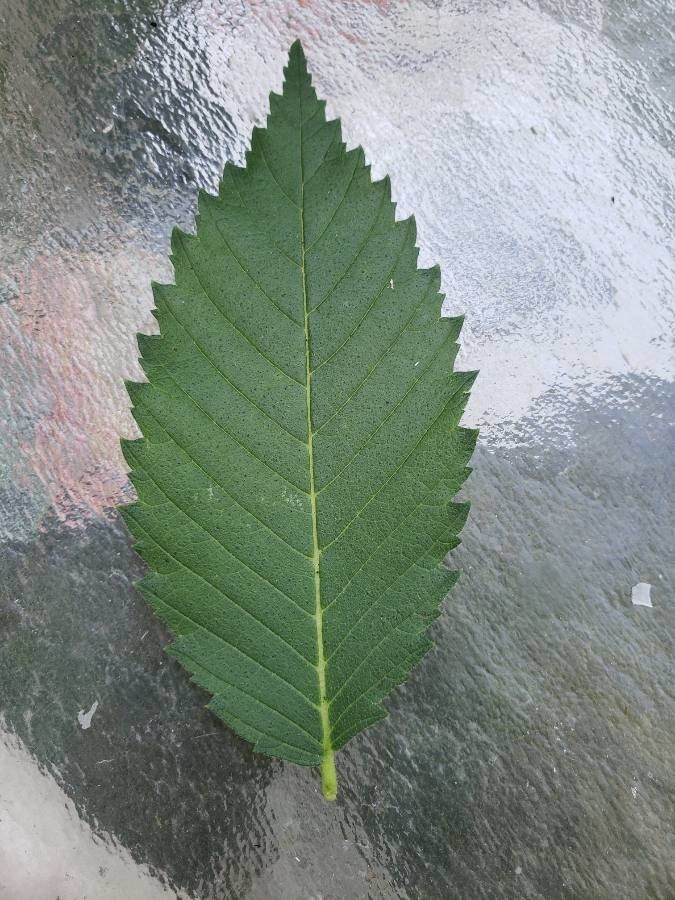
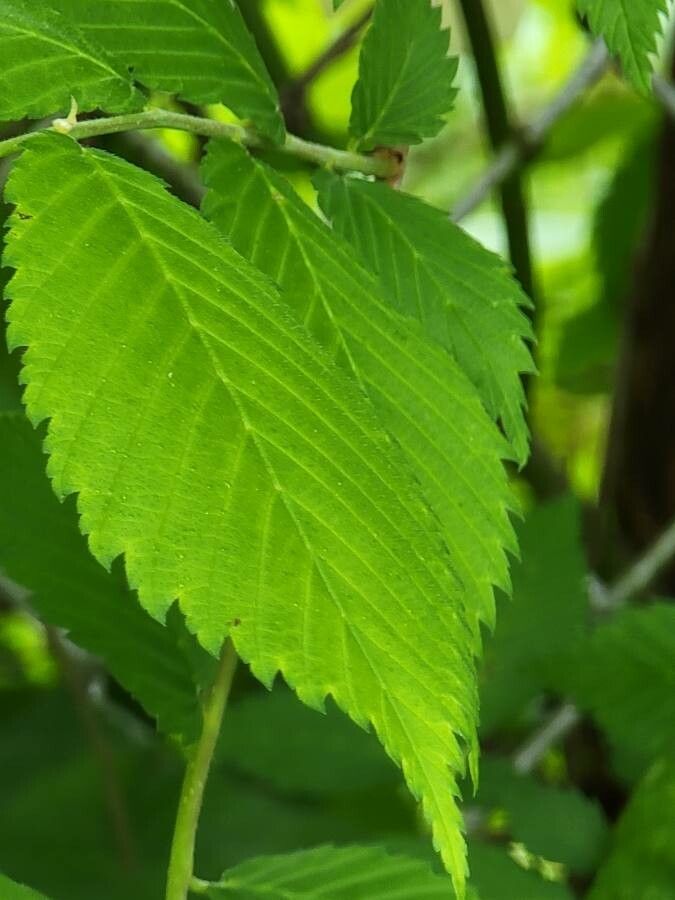
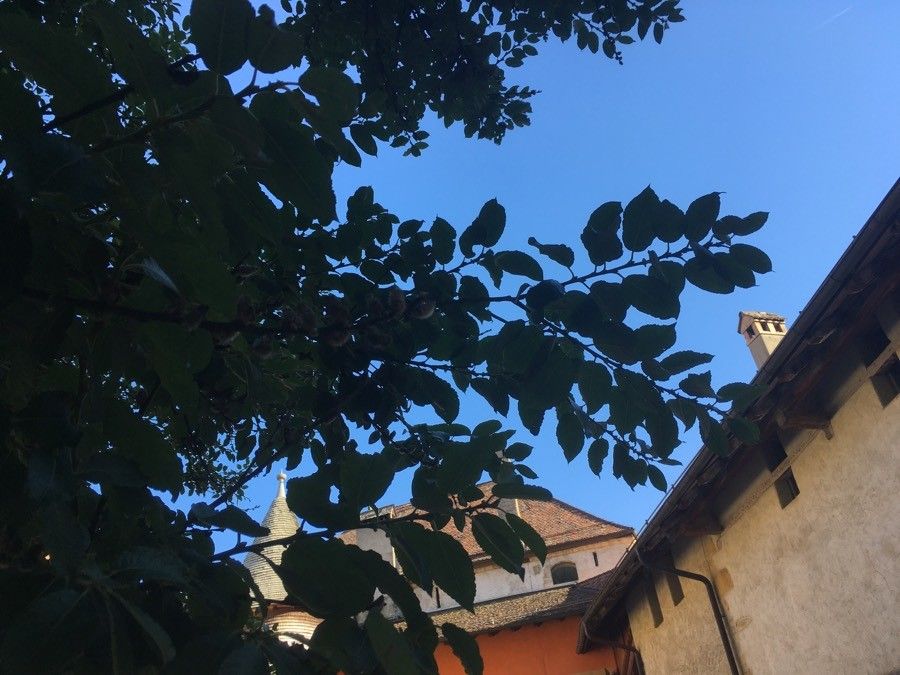
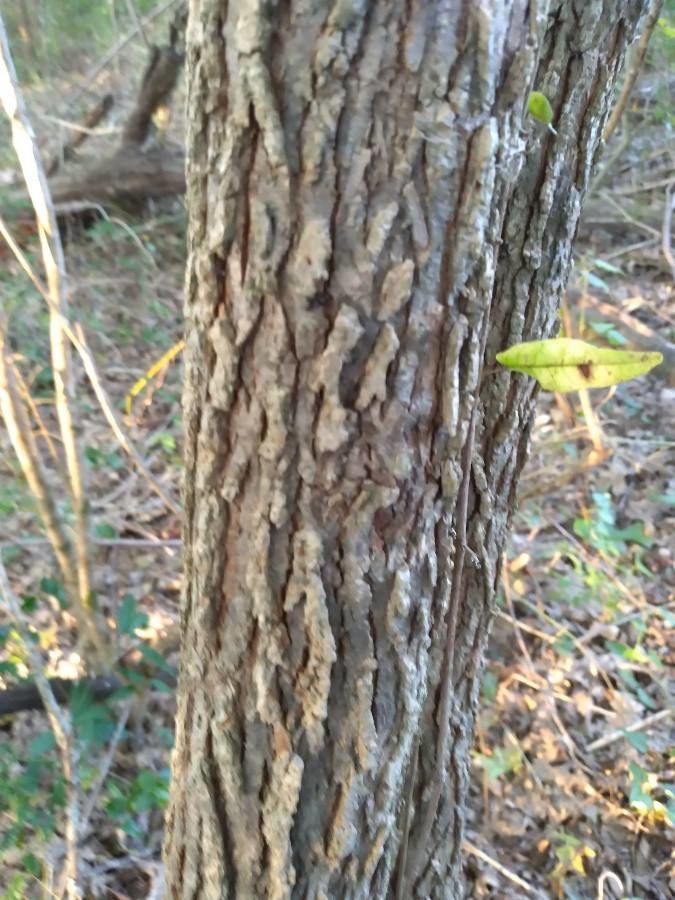
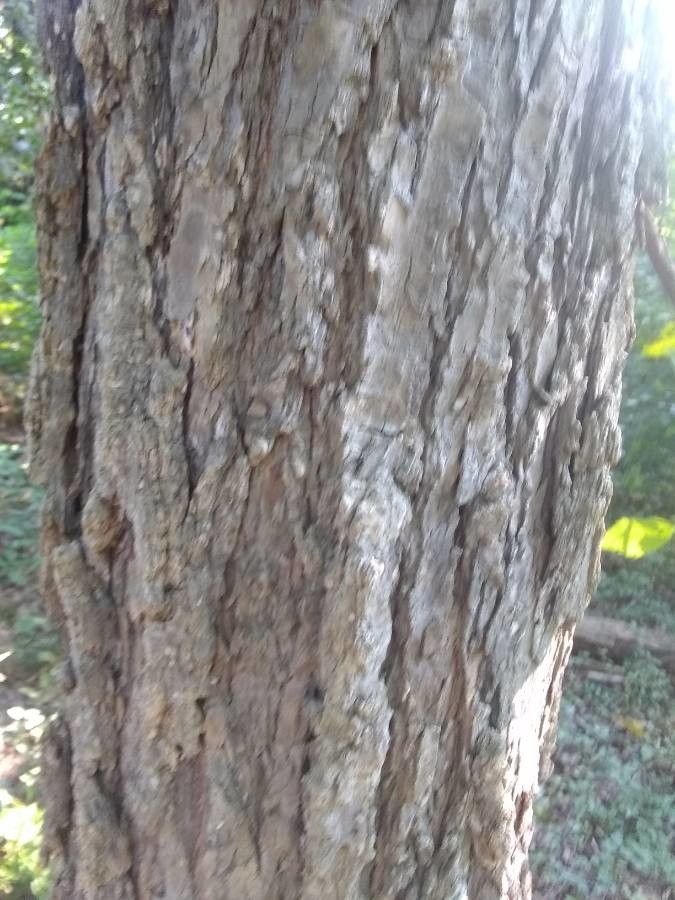
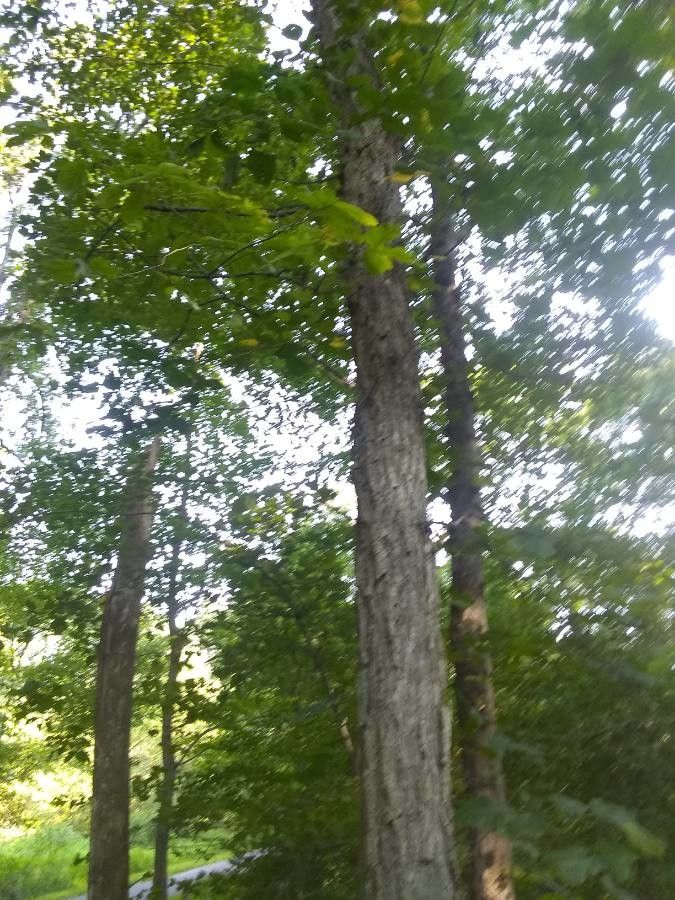
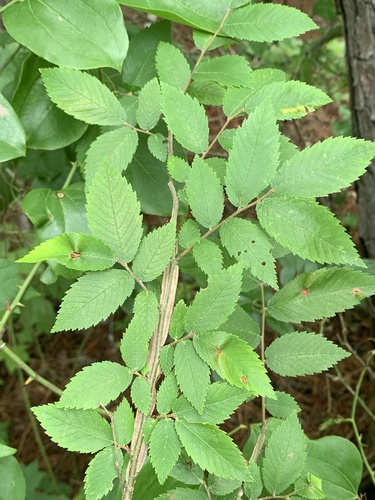
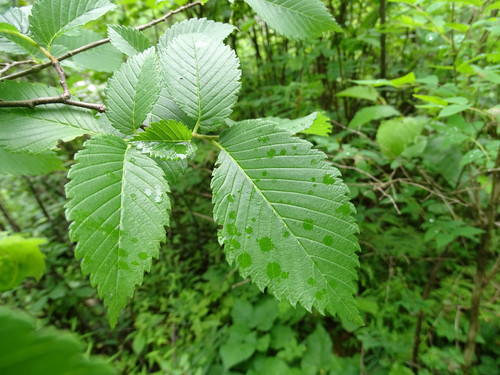
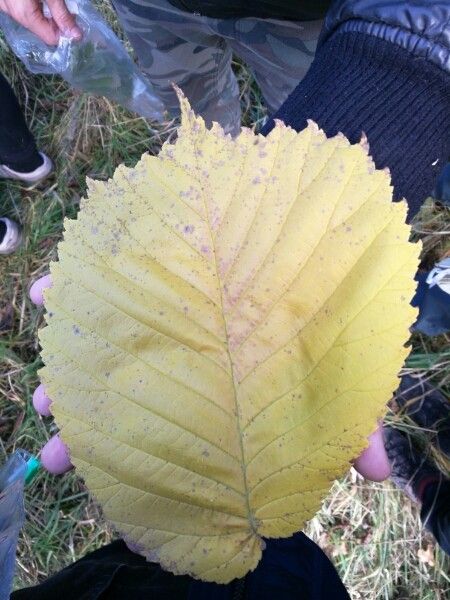
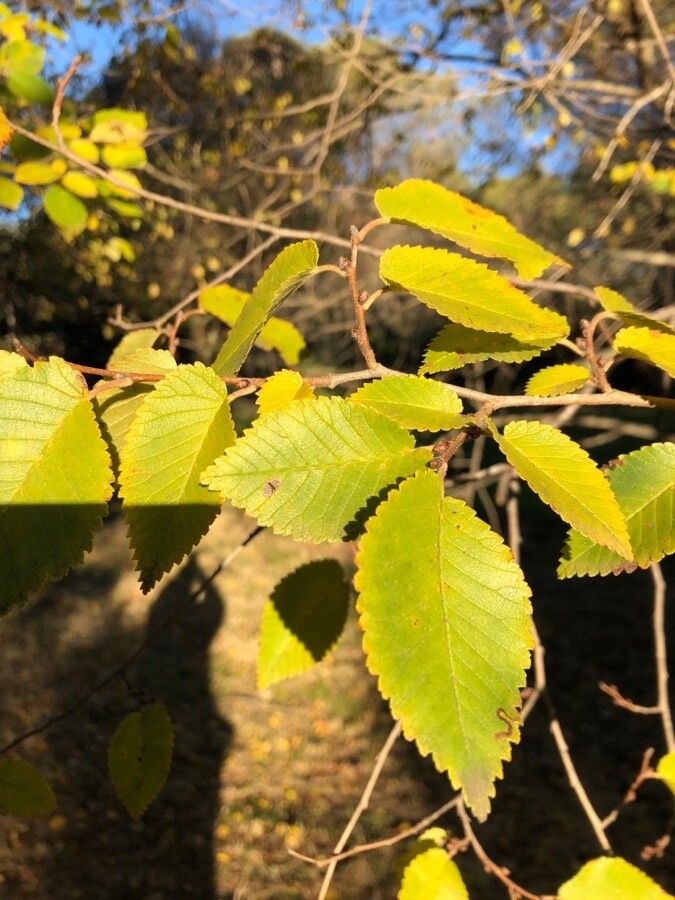
Ulmus rubra, the slippery elm, is a species of elm native to eastern North America. Other common names include red elm, gray elm, soft elm, moose elm, and Indian elm.
Slippery elm is resistant to disease and is generally not susceptible to illnesses. With regard to care, this plant is fairly low-maintenance. When grown outdoors it needs little watering, and larger specimens typically do not require pruning. Smaller plants, however, should be pruned after they finish blooming. Slippery elm is suitable for anyone who has an outdoor area, such as a garden or deck, and it does not call for a lot of gardening experience.
How to keep Ulmus Rubra.
Light
Slippery elm thrives with uninterrupted sunlight throughout the day, though it can tolerate conditions where sunlight is only sporadic. Excessive shade can impede its robust growth. Its native habitats were typically areas with ample sun exposure.
Water
Slippery elm thrives in environments with moderate moisture and can tolerate drought conditions once it is well-established. Water the plant every 1-2 weeks to keep it hydrated, but be careful not to overwater and cause waterlogging. Slippery elm adapts well to natural rainfall, making it ideal for outdoor settings. To ensure healthy foliage development, provide adequate moisture during the growing season.
Temperature
Slippery elm favors temperatures ranging from 32 to 95 ℉ (0 to 35 ℃) and occurs naturally in temperate regions. During colder months, the tree can acclimate to temperature shifts and enter a dormant state to survive the winter. In summer months, it can lessen water loss from transpiration thanks to its thick bark and endure prolonged periods of heat.
Fertilizer
To encourage healthy development, apply fertilizer to your Slippery elm in early spring. Consistent fertilization improves its overall health, leading to robust growth, greater tolerance of harsh conditions, and enhanced resistance to diseases and pests. Follow a set fertilization schedule for your Slippery elm to maintain vibrant, deeply colored foliage and a lush appearance.
Pruning
Slippery elm, known for its dense canopy and rough bark, benefits from pruning in early spring. Removing dead branches during this time enhances airflow, which helps minimize sap loss and reduces the risk of disease. Regular pruning also promotes structural strength and overall health. To prevent bark damage and ensure precise cuts, always use clean, sharp tools.
Botanical profile.
- Plant Type
- Tree
- Life Cycle
- Perennial
- Genus
- Ulmus
- Family
- Ulmaceae
- Hardiness Zone
- 3-9
- Mature Height
- 12.19 m to 18.29 m
- Mature Spread
- 9.14 m to 17.98 m
- Leaf Color
- Green
- Leaf Type
- Deciduous
- Flower Color
- Brown, Green
- Flower Size
- 2.54 cm
- Bloom Time
- Early spring, Mid spring
- Planting Time
- Summer
- Harvest Time
- Late spring, Early summer, Mid summer
Other names.
Reader questions.
How should I water my Slippery elm tree?
To promote excellent root development, consider placing a garden hose at the base of your plants. It's important to avoid spraying the leaves directly, as this can be detrimental. If your plants are outdoors and exposed to direct sunlight, the leaves may require more frequent watering. To moisten the roots, consider using bubblers or soaker hoses that can be attached to each plant. When adding or removing plants, using soaker hoses that cover the entire garden or bed can help ensure deep root penetration. After watering, make sure to drain any excess water and allow the soil to dry before watering again. Watering at ground level is recommended to prevent the onset of diseases. On a sunny day, you may also want to consider spraying the entire bush with water. It's important to note that whether your plants are potted or in the ground, Slippery elm particularly benefits from deep watering rather than light sprinkling.
Why should I put fertilizer on my Slippery elm tree?
No matter what kind of Slippery elm you have, regular fertilization will support its overall health. Supplying the right nutrients promotes stronger growth and helps the tree withstand challenging growing conditions, as well as fight off diseases and pests. Since the foliage is a key aesthetic feature of the Slippery elm, it's important to maintain it. This involves following a specific fertilization schedule to encourage the development of vibrant, lush leaves.
What are the sunlight requirements for plants?
Plants have varying needs when it comes to sunlight, ranging from full sun to partial sun exposure. Full sun means the plant requires more than 6 hours of direct sunlight daily, while partial sun refers to needing about 3-6 hours of sunlight. It's crucial to observe how sunlight moves in your garden to find the ideal spots that offer the right balance of light and shade, ensuring your plants thrive.
What are the essential growing conditions for Slippery Elm?
Slippery elm (Ulmus rubra) thrives in temperatures between 32°F to 95°F (0°C to 35°C) and prefers temperate regions for natural growth. This species is well-adapted to withstand the seasonal temperature changes, entering a dormancy state during colder months to survive the winter. Additionally, its thick bark helps reduce water loss through transpiration, enabling it to tolerate heat during summer months. Slippery elm demonstrates strong resistance to cold, and special frost protection measures are usually not necessary. However, when winter temperatures are expected to fall below -35°C, it's important to wrap the trunk and branches with protective materials like non-woven fabric or cloth. Also, watering the plant abundantly before the first autumn freeze to maintain moist soil can help prevent drought and water shortage during winter and early spring.
What should I do if I give Slippery elm too much or too little water?
An overwatered Slippery elm may exhibit symptoms such as yellowing, wilting, and leaf drop. The plant may also appear dull and unhealthy, with mushy stems. If these signs appear, it's recommended to adjust your watering schedule accordingly. Wilting can also indicate under watering, with leaves becoming crispy and dry. In such cases, checking the soil moisture is important. If the soil is dry and simply watering is not sufficient, a thorough watering should be given. Though enough water will help the Slippery elm recover, the plant may continue to have dry, yellow leaves for a few days due to damage to the root system. Once the plant returns to normal, the yellowing of leaves will cease. When keeping the Slippery elm indoors, it's important to regularly check the moisture levels in the pot. Avoid overwatering and be vigilant for signs of black spots. If present, allow the soil to dry out by refraining from watering for a few days. Overwatering can lead to root rot, indicated by discolored and slimy roots. If root rot is present, consider transferring the plant to a different pot. It's essential to prevent root rot by avoiding excessively soggy soil. When planting the Slippery elm outdoors, it's advisable to dig slightly deeper. If the soil feels overly dry when checked with your fingers, it may indicate underwatering. Adequate watering is necessary for the plant's recovery.
When should I fertilize my Slippery elm tree?
To properly fertilize your Slippery elm, start by doing so in late winter or early spring. This will give your tree the necessary nutrients for healthy growth when the weather warms up. If you live in a warm climate, it's also recommended to provide an extra round of fertilization in early fall. This not only adds nutrients for the next growing season but also increases the elm's resilience to winter cold and helps avoid foliage damage. By fertilizing earlier, you'll ensure that new branches have enough time to grow and withstand the cold winter.
How does slippery elm react to sun exposure?
Slippery elm does best when it receives constant sun throughout the day, although it can tolerate some light shade. Excessive shade, however, can hinder its growth. Originally from regions with significant sun exposure, this plant needs a good amount of sunlight to grow healthily. In low sun conditions, artificial lighting can supplement the light needed, with different wattages required based on the plant's sunlight needs.
How does Slippery Elm respond to low temperatures?
Slippery elm is cold-tolerant and fares best in temperatures above 0°C. Throughout the winter, it is advisable to keep the temperature above -30°C. In cases where the temperature dips below -35°C, the tree may not exhibit noticeable changes during winter itself. However, come spring, the branches might turn brittle and dry, and new shoots might fail to emerge. A recommended solution for this is to prune away any dead branches in the spring to encourage healthy growth and eliminate sections that failed to produce new leaves.
How often do I need to water my Slippery elm tree?
The Slippery elm thrives with deep and infrequent watering. If planted in pots, be sure to soak them in a gallon of water each time, as pots have limited water storage and the soil dries out faster. In cold regions, water the plant every 3 to 5 days, preferably in the morning when the soil is dry. Check the soil regularly, and when the top 2-3 inches are dry, water the plant thoroughly. During hot days, check the soil daily as it dries out quickly. For garden plants in hot climates, water them once a week when the top 2-3 inches of soil become too dry. Take into account rainfall and avoid overwatering to prevent root rot. Add mulch around outdoor plants to retain moisture. Sandy soil requires more frequent watering, while clay soil can be watered less often to avoid root rot. Keep track of watering dates and observe any drooping leaves as a signal to water the plant.
When is the best time to not use fertilizer on my Slippery elm tree?
There are certain times of the year when it is not recommended to fertilize your Slippery elm. One of these times is during the early and mid-winter months when the tree is in its dormant phase and does not require any nutrients. Additionally, it is also not advisable to fertilize the plant during late spring and throughout the summer. This is because the weather is usually hotter and drier during this period, which can have a detrimental effect on the tree if it is fertilized. To avoid any potential problems, it is best to stick to a fertilization schedule that involves feeding the tree only in early spring and early fall.
How can artificial lighting aid in plant growth?
Artificial lighting becomes essential when natural sunlight is insufficient, especially during winter or in areas that don't get much sunlight. LED lights are popular for indoor plants as they can be tuned to specific wavelengths needed for growth. For full sun plants, 30-50W per square foot is recommended; partial sun plants require 20-30W per square foot, and full shade plants need 10-20W per square foot. The correct distance (12-36 inches above the plant) and duration (8-12 hours a day) of light exposure are crucial for mimicking natural sunlight effectively.
How should you care for Slippery Elm during high temperatures?
During the summer months, keeping Slippery elm below 35°C is ideal for its health. If temperatures rise above 38°C, the plant's leaves may lighten in color, and the tips could dry out and become withered, indicating susceptibility to sunburn. To mitigate this, it's advised to trim away the sunburned and dried-up parts of the plant. Moving the plant to a shaded location, especially away from the harsh midday and afternoon sun, or utilizing a shade cloth, can help protect it. Additionally, watering the Slippery elm in the morning and evening to ensure the soil remains moist can further support its wellbeing in higher temperatures.