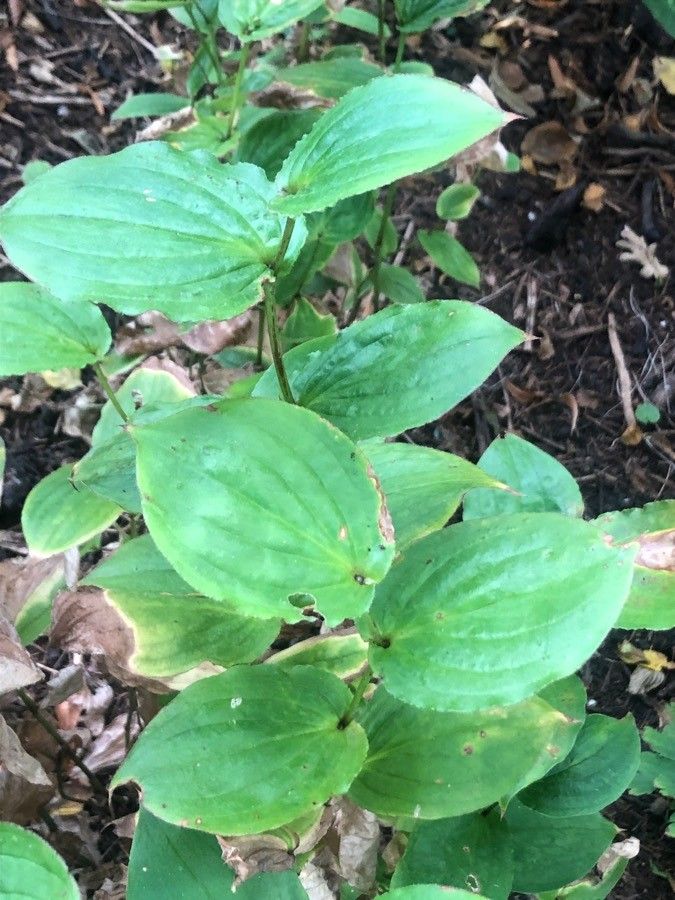
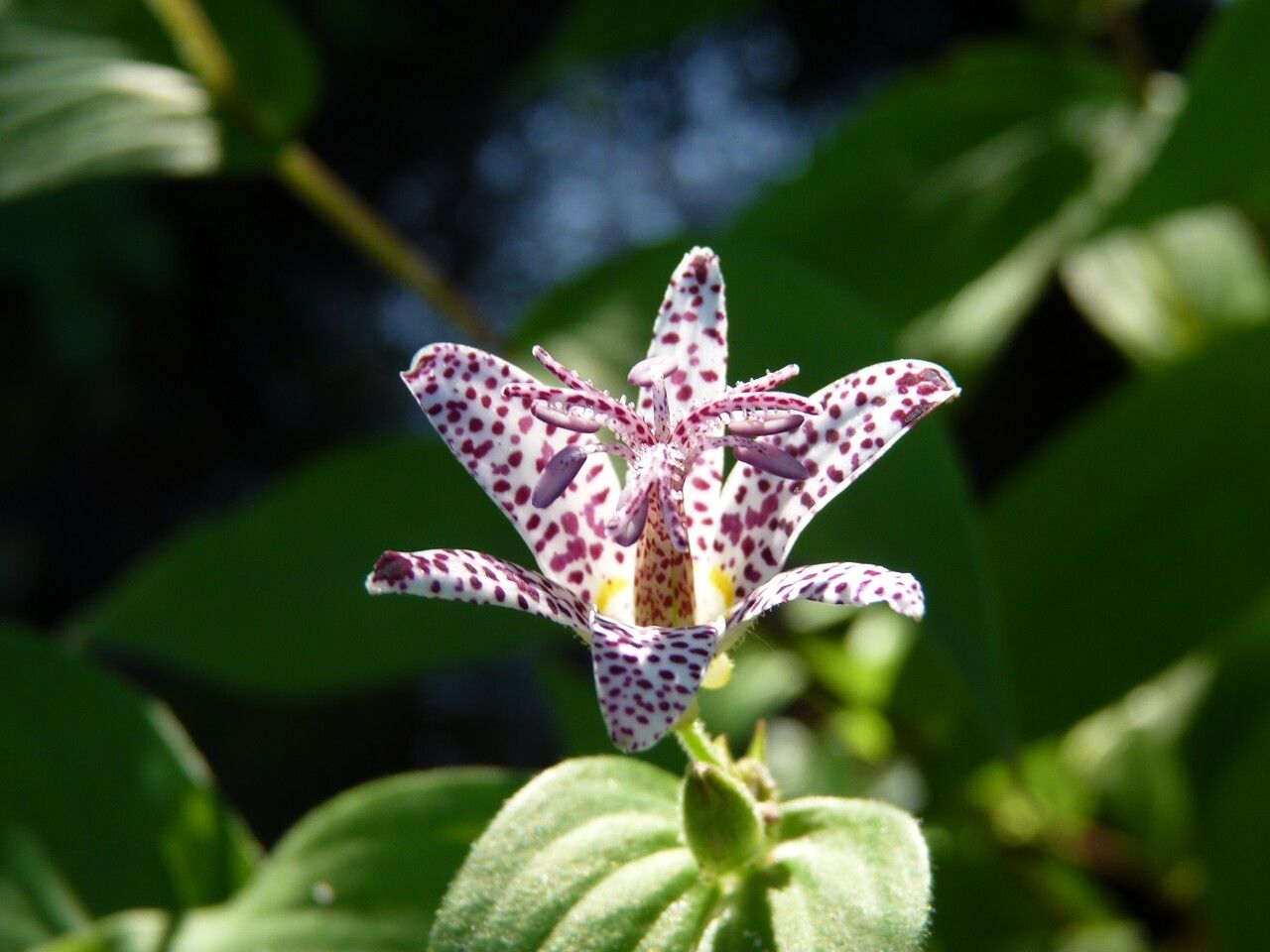
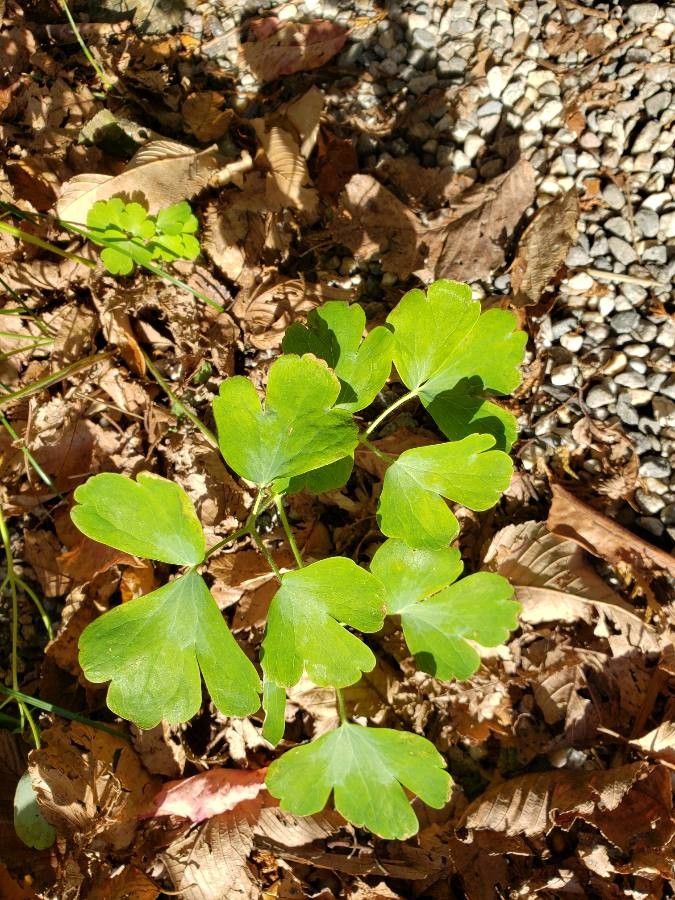
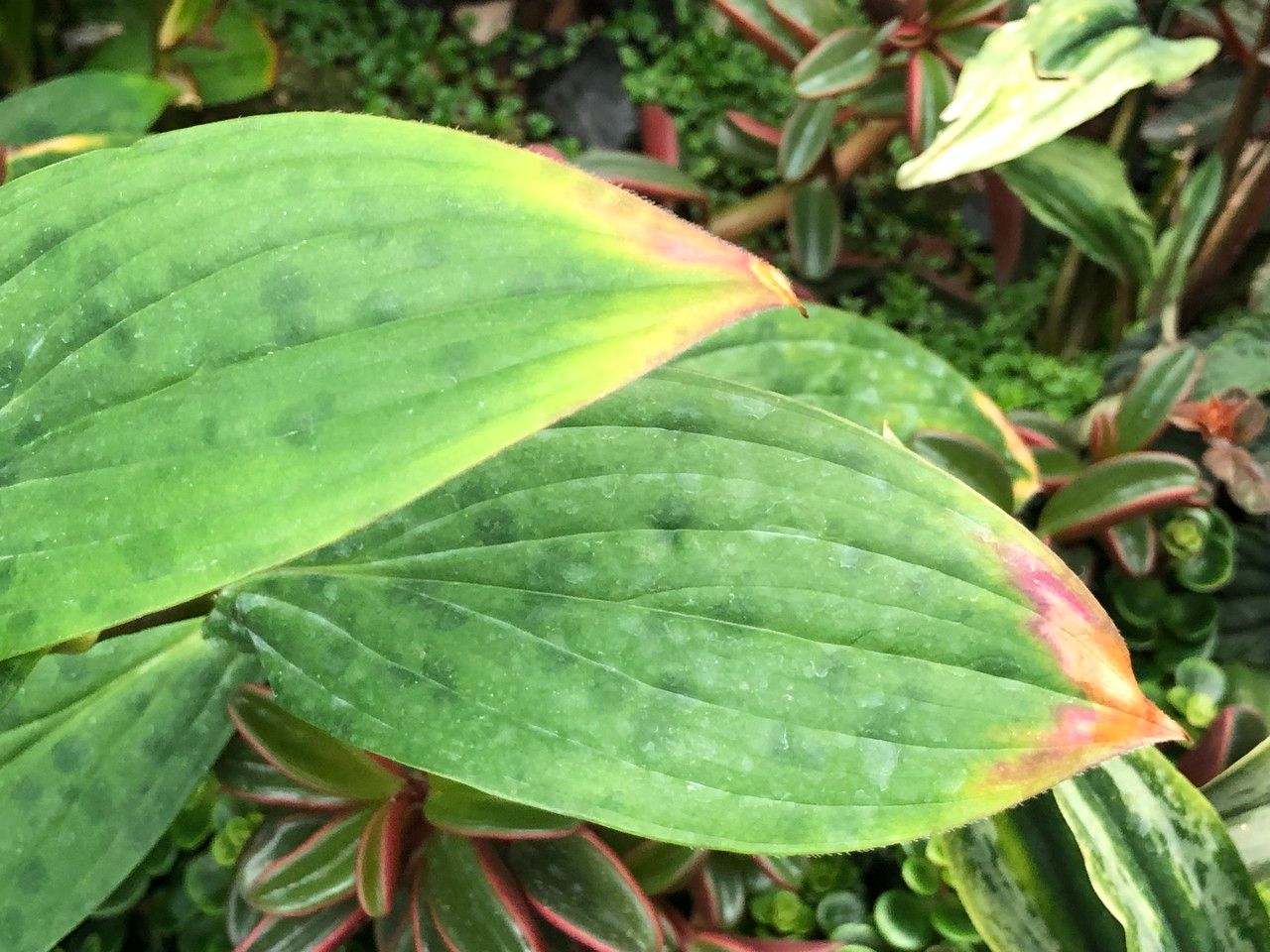
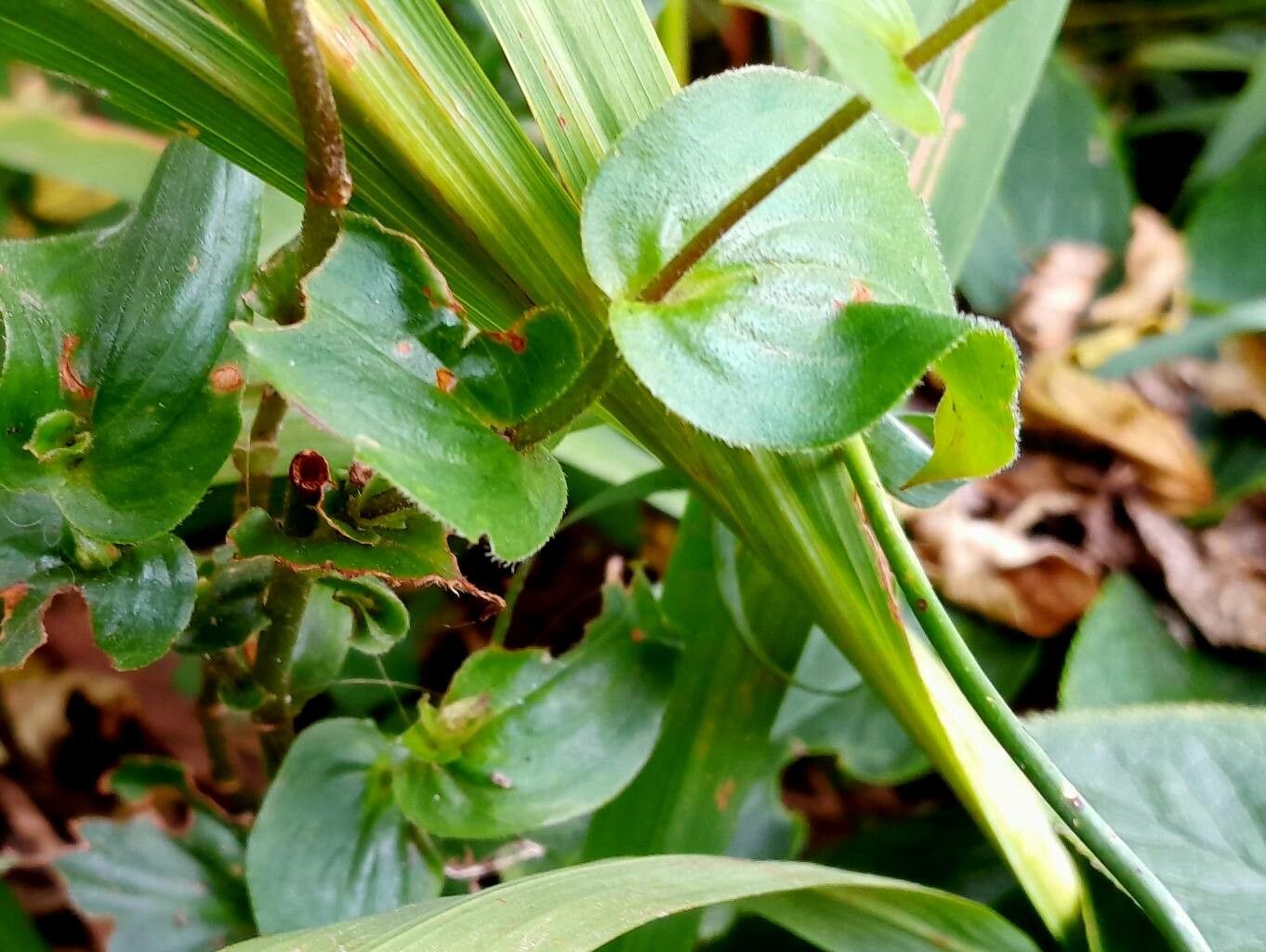
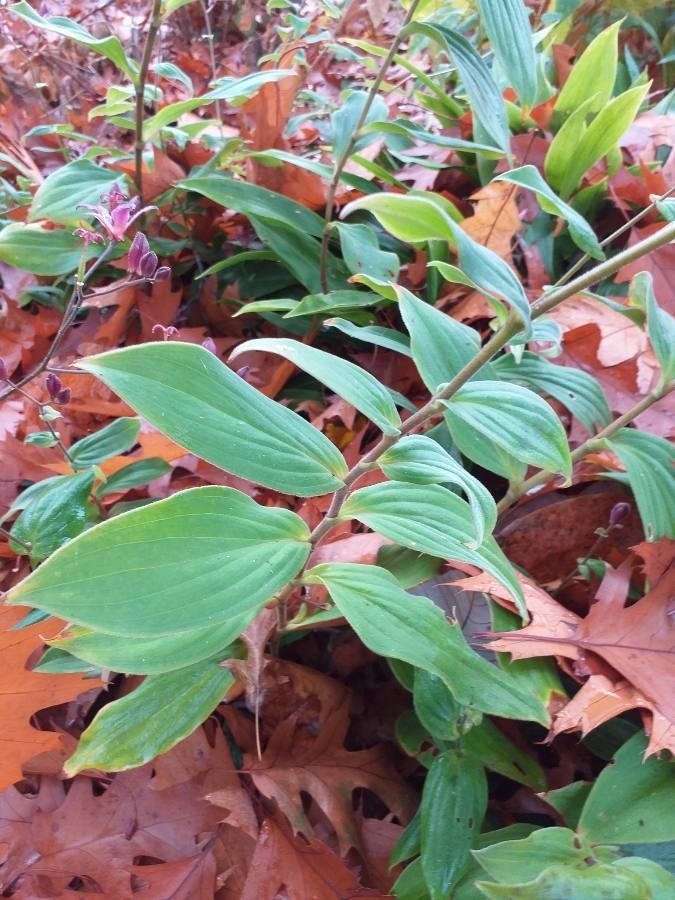
Tricyrtis macropoda is an East Asian plant species in the lily family native to China, Korea, and Japan.
Speckled toad lily is fairly disease-resistant and generally not prone to illness. However, it can be vulnerable to pests and diseases present in its surroundings. These issues are usually not severe. For care, the plant needs moderate maintenance. Regular pruning is required to keep a neat appearance and support healthy growth. Fertilizing can also help encourage flowering. Speckled toad lily is appropriate for anyone with outdoor space, such as a garden or patio, and does not demand much horticultural experience. It may require more attention when grown indoors.
How to keep Tricyrtis Macropoda.
Light
The speckled toad lily does best in areas with moderate sunlight. Too much light can damage its foliage, though it can still grow well in lower light. The plant is native to regions with similar light patterns, which favor its optimal healthy growth.
Temperature
Speckled toad lily can tolerate a wide range of temperatures, but its distribution may still be limited by particular combinations of moisture and heat. It performs best in warm summers with sufficient rainfall or regular watering. Extended stretches of cloudy, rainy weather, as well as prolonged high temperatures, can raise the chance of the Speckled toad lily dying. In winter, shielding the plant from cold can increase its survival rate.
Fertilizer
The best time to fertilize a Speckled toad lily is in early spring, as it comes out of dormancy and begins active growth. Fertilizing supplies the essential nutrients needed for healthy development. Although the Speckled toad lily has relatively low fertilizer requirements, giving it fertilizer once a year can improve its survival and encourage better, longer-lasting blooms.
Pruning
The speckled toad lily is known for its eye-catching, speckled flowers and its ability to thrive in shady areas. To maintain the health and appearance of this plant, it is important to perform light pruning between early and late spring. Remove any dead stems and trim back to a healthy bud. Avoid heavy pruning, as it can hinder flowering. Proper pruning supports vigorous growth and helps prevent disease.
Botanical profile.
- Plant Type
- Herb
- Life Cycle
- Perennial
- Genus
- Tricyrtis
- Family
- Liliaceae
- Hardiness Zone
- 4-8
- Mature Height
- 61 cm to 76 cm
- Mature Spread
- 76 cm
- Leaf Color
- Dark Green, Forest Green
- Leaf Type
- Semi-evergreen
- Flower Color
- White, Purple
- Flower Size
- 2.54 cm
- Bloom Time
- Late summer, Early fall, Mid fall
- Planting Time
- Autumn
- Harvest Time
- Mid fall, Late fall, Early winter
- Native Area
- South Korea, Japan, China
Other names.
Reader questions.
What kind of sun exposure is required for a Speckled toad lily?
A Speckled toad lily requires specific sunlight conditions for optimal growth. It thrives in partial sun, which means about 3-6 hours of sunlight per day. However, it can also grow in full shade, receiving less than 3 hours of sunlight. It's crucial to observe the movement of sunlight in your garden to find spots that offer a balance of light and shade, ensuring the plant's well-being. This careful observation will help to mimic the plant's native environment, which is essential for its health and growth.
What is the Speckled toad lily?
The Speckled toad lily, known botanically as Tricyrtis macropoda, does not have detailed information available in this entry regarding its essentials or symptoms.
How essential is lighting for indoor Speckled toad lilies and how should it be managed?
For indoor Speckled toad lilies, proper lighting is crucial, especially when natural sunlight is inadequate, like in winter or less sunny spaces. Artificial lighting can significantly benefit the plant's growth by promoting healthier and faster development. LED lights are ideal as they can be customized to provide the necessary wavelengths of light. The amount of artificial light needed varies based on the plant's requirements: full sun plants need 30-50W/sq ft, partial sun plants 20-30W/sq ft, and full shade plants 10-20W/sq ft. The light source should be placed 12-36 inches above the plant, and it's important to mimic natural daylight hours, with most plants needing 8-12 hours of light daily. Adjusting these factors accordingly will support optimal growth indoors.
What are the signs of insufficient light for Speckled toad lilies?
When Speckled toad lilies receive insufficient light, several symptoms may appear, indicating the need for better lighting conditions. These include smaller new leaves, leggy or sparse growth, faster leaf drop, slower or halted growth, paler new leaves, and symptoms of overexposure such as chlorosis, sunscald, leaf curling, wilting, and leaf scorching. These signs show the plant's struggle to adapt to its environment, reflecting both the deficiency and the effects of excessive sunlight.
How can you address light-related issues for Speckled toad lilies, both indoors and outdoors?
To address light-related issues for Speckled toad lilies, gradual adaptation to changing light conditions is key. Indoors, move the plant progressively to sunnier spots until it receives 3-6 hours of direct sunlight daily. If moving the plant isn't feasible, consider artificial lighting solutions like desk or ceiling lamps for at least 8 hours a day or invest in professional grow lights. Outdoors, similarly, transition the plants to sunnier locations each week to avoid sudden changes that could cause sunburn. For ground-planted specimens, reducing obstructions like overhanging branches can improve sunlight access, or consider transplanting to a better-lit location during the plant's dormancy. It's important to note that parts of the plant damaged by poor light may not recover, but new growth will be healthy following these adjustments.