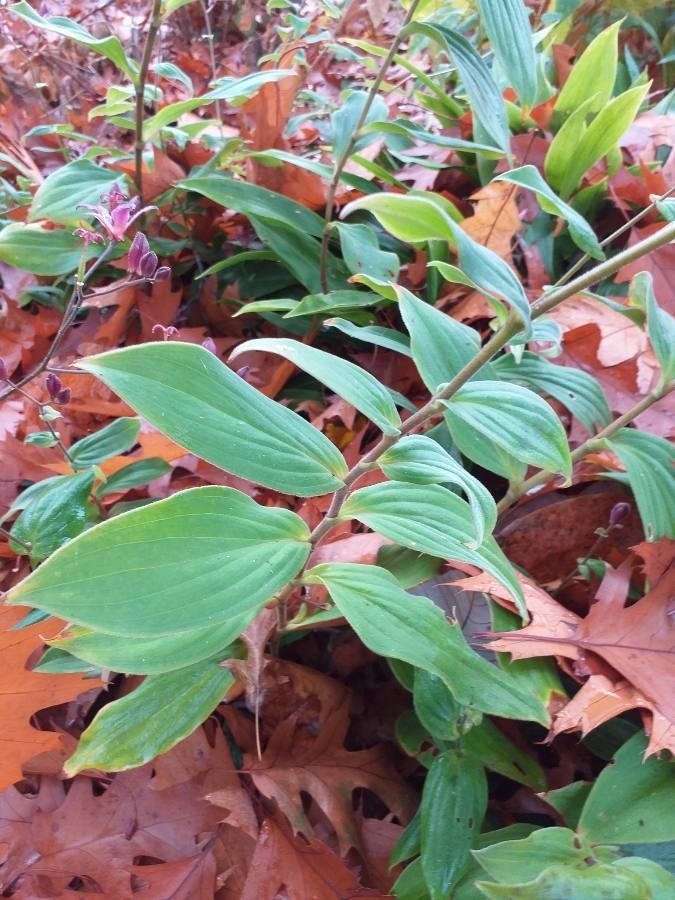
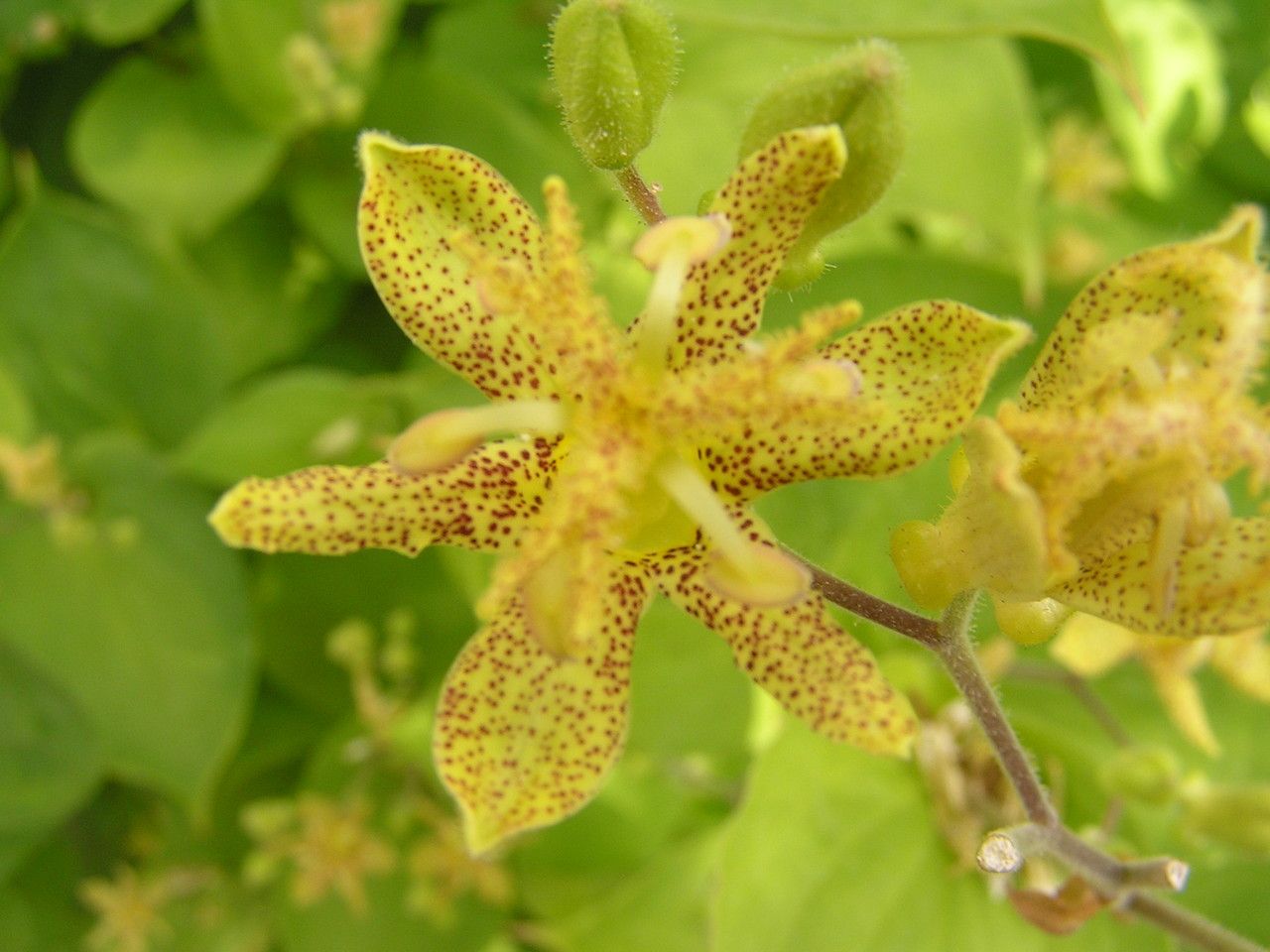
Tricyrtis affinis has strong resistance to disease and is generally not vulnerable to illnesses. Still, it can be affected by pests and diseases present in its environment, though such infections are typically mild. Regarding care, this plant demands moderate maintenance. It should be pruned regularly to keep a neat appearance and encourage healthy growth. Fertilizing can also assist in stimulating flowering. Tricyrtis affinis is appropriate for anyone with outdoor space, like a garden or patio, and does not require extensive care experience. It may need extra attention if grown indoors.
How to keep Tricyrtis Affinis.
Light
Tricyrtis affinis occurs naturally in habitats such as forest understories or rocky sites where natural shade is present. It prefers partial sun but can tolerate full sun or full shade, illustrating its adaptable and hardy character.
Water
Tricyrtis affinis flourishes in the high humidity typical of tropical rainforests, needing to be watered weekly. This evergreen plant maintains a balanced relationship with water; it is neither drought-tolerant nor overly fond of moisture. Often grown indoors, it benefits from a humid environment, which can be achieved by placing its pot on a tray filled with pebbles and water.
Temperature
Tricyrtis affinis can tolerate a wide range of temperatures, but its distribution may still be restricted by different combinations of moisture and heat. It does best in warm summer conditions with enough rain or supplemental watering. Extended periods of cloudy, rainy weather or prolonged high temperatures increase the risk of Tricyrtis affinis dying. In winter, adequate protection from cold can enhance the plant’s survival odds.
Fertilizer
The best time to fertilize Tricyrtis affinis is in early spring, as it emerges from dormancy and starts active growth. Fertilization supplies essential nutrients for healthy development. Although Tricyrtis affinis has fairly low fertilizer requirements, applying it annually can improve its survival and encourage better, longer-lasting flowers.
Pruning
To help Tricyrtis affinis flourish, begin pruning in early spring. Focus on cutting away dead stems and thinning overcrowded areas to improve air circulation. Prune just above healthy buds to promote branching, enhance flowering, and prevent disease. Always use clean, sharp tools to minimize damage and reduce the risk of infection.
Botanical profile.
- Plant Type
- Herb
- Life Cycle
- Perennial
- Genus
- Tricyrtis
- Family
- Liliaceae
- Hardiness Zone
- 5-9
- Mature Height
- 49 cm to 76 cm
- Mature Spread
- 30 cm to 49 cm
- Leaf Color
- Dark Green
- Leaf Type
- Deciduous
- Flower Color
- Purple, White
- Flower Size
- 3.05 cm to 5.08 cm
- Bloom Time
- Late summer, Early fall, Mid fall
- Planting Time
- Spring, Autumn
- Harvest Time
- Mid fall, Late fall, Early winter
- Native Area
- Japan