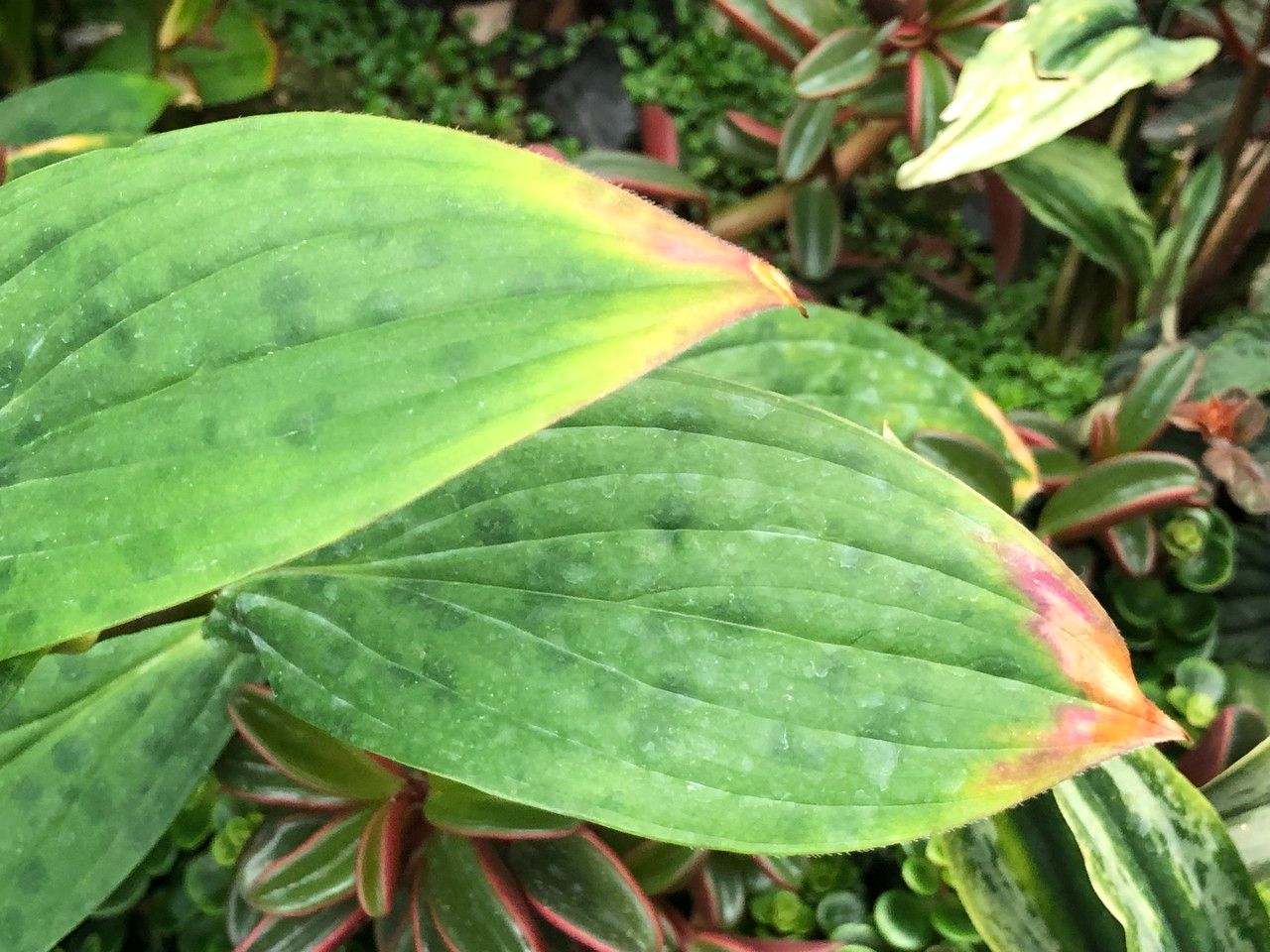
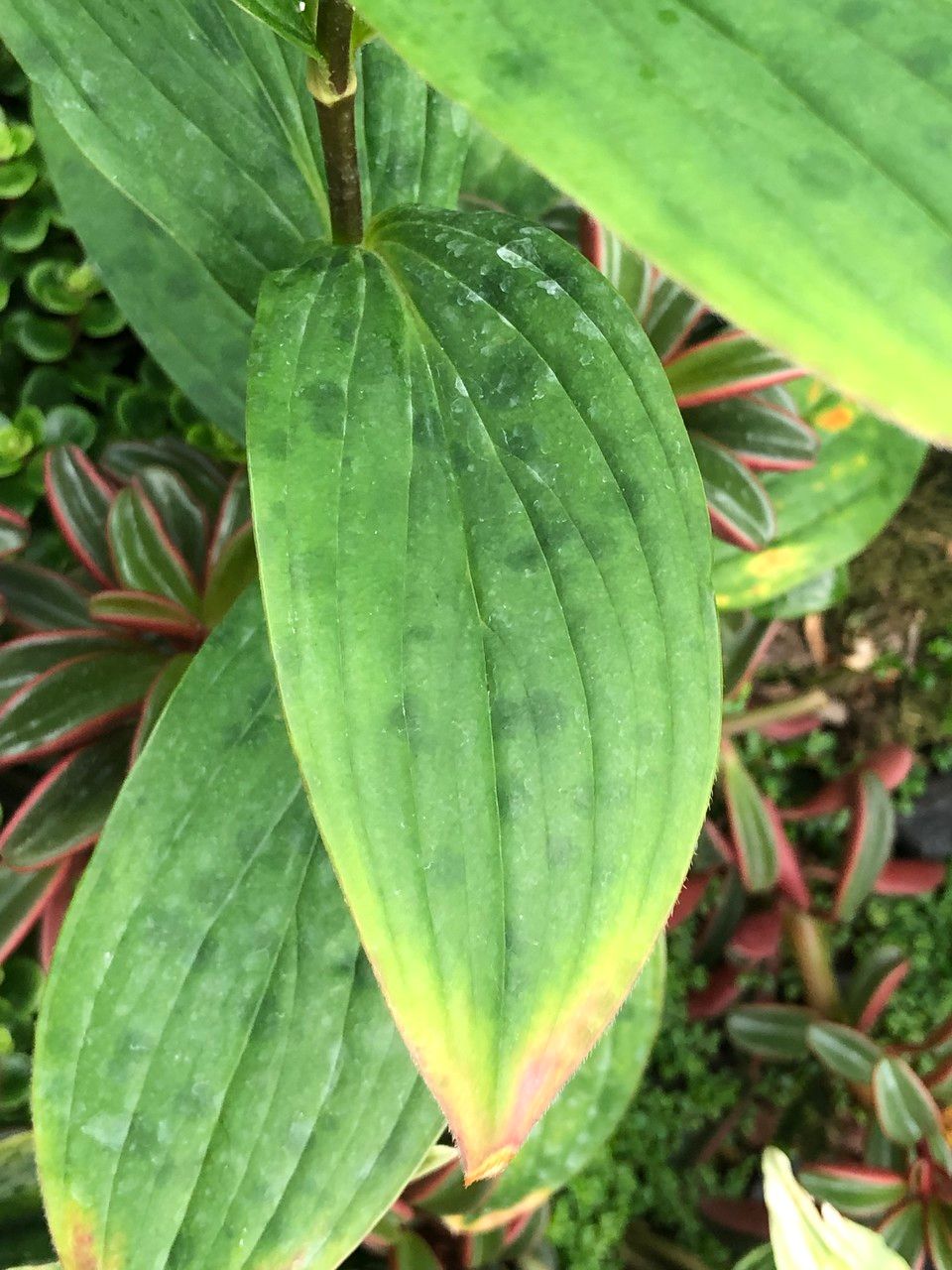
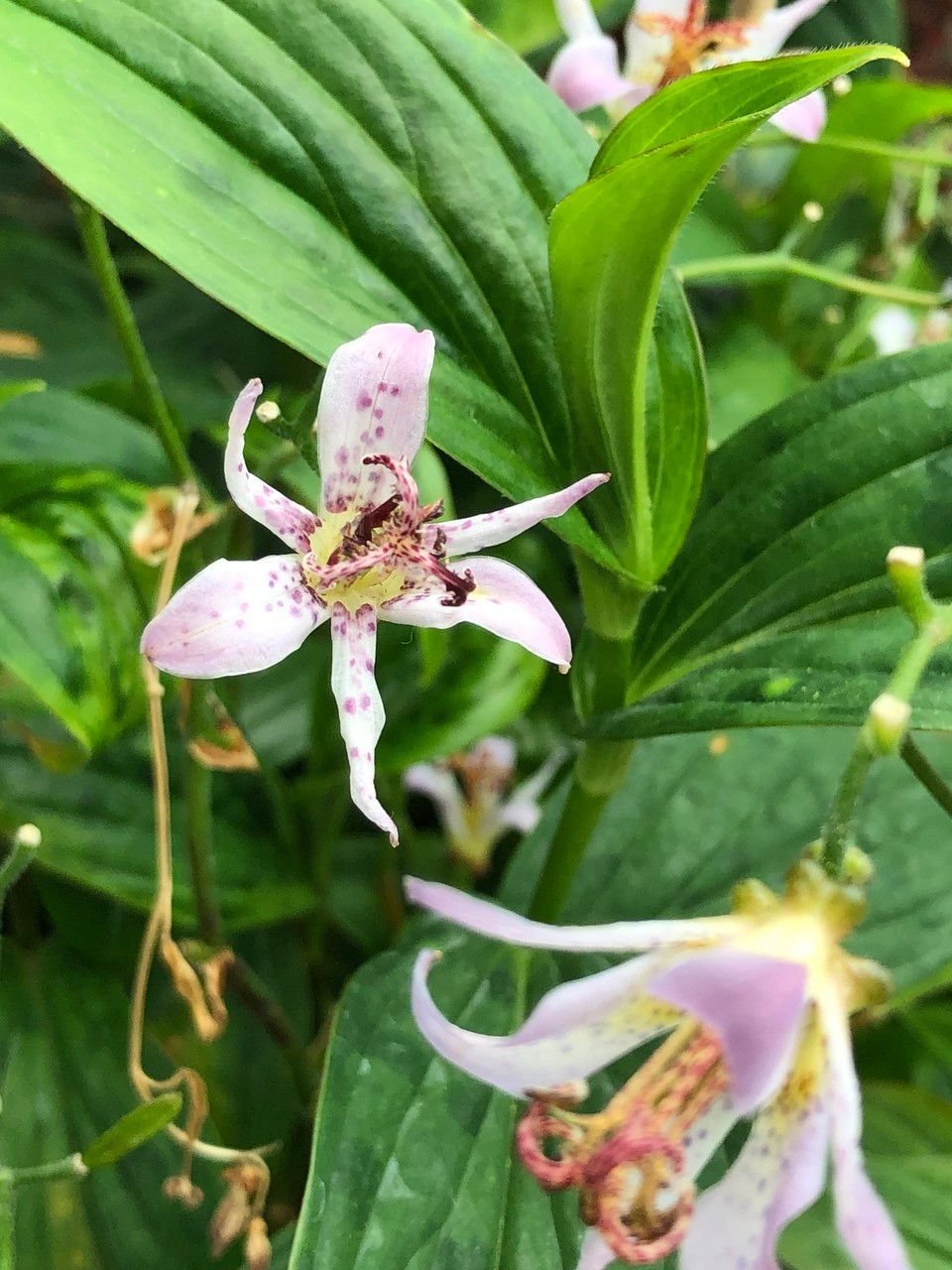
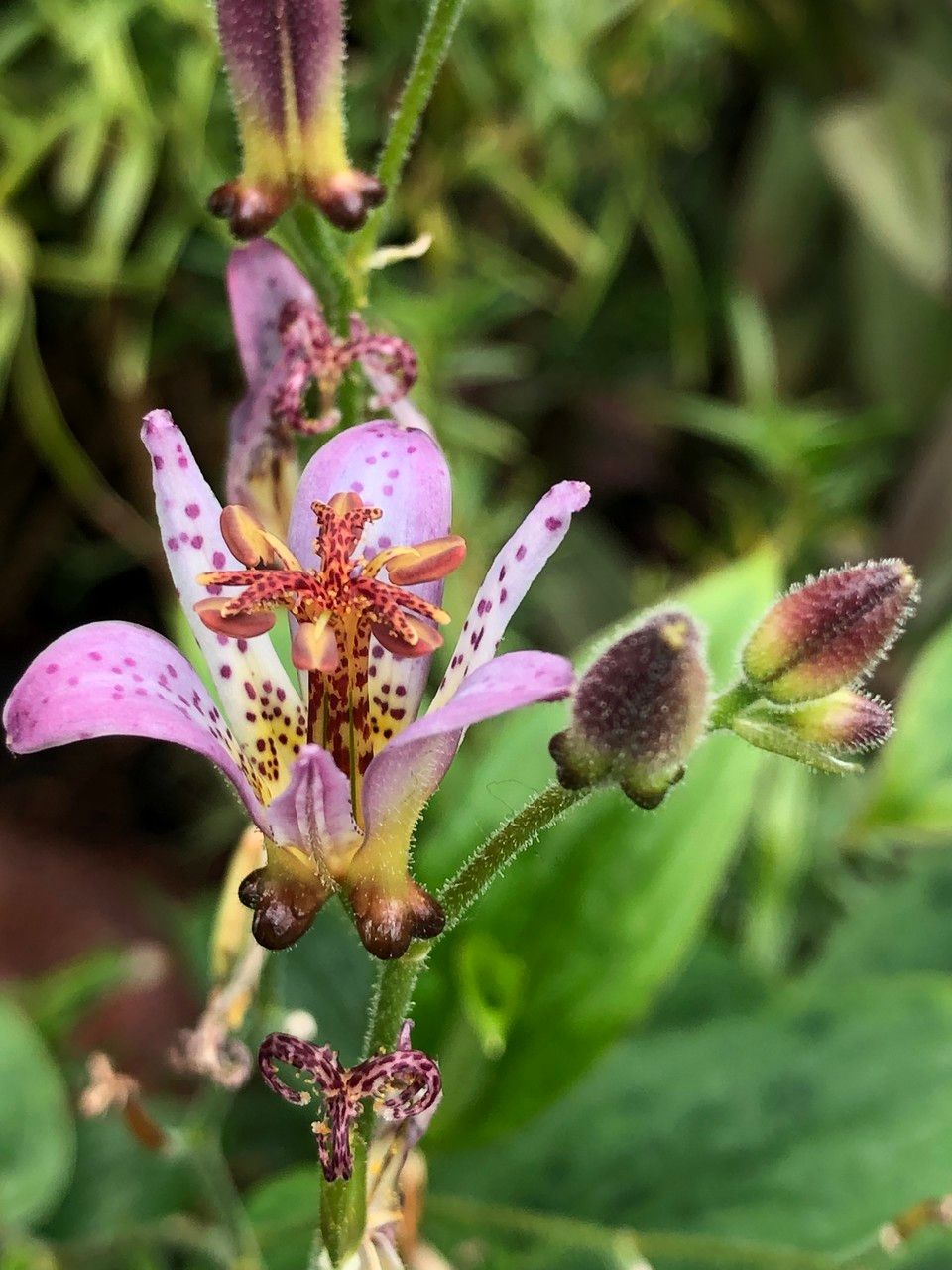
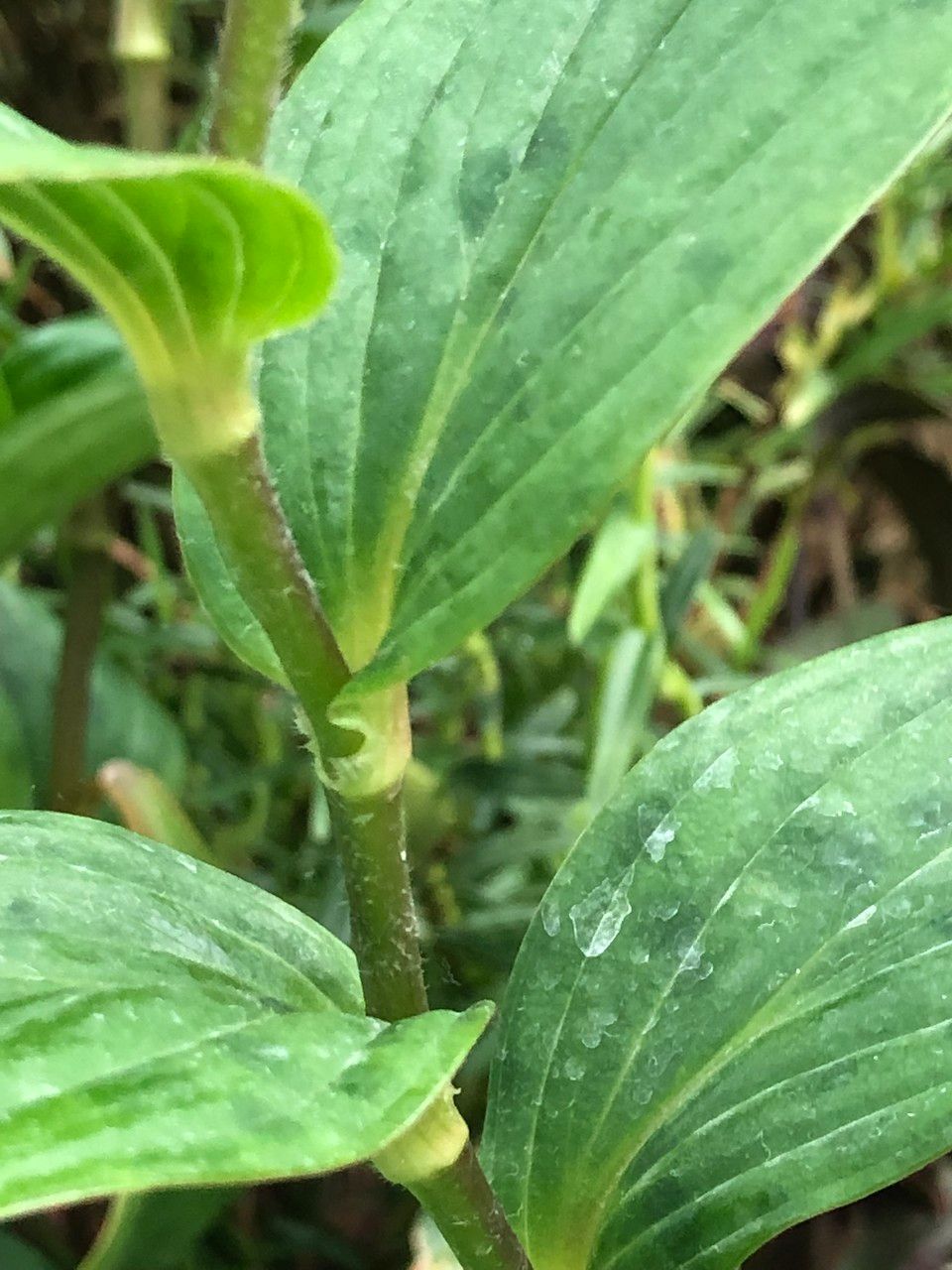
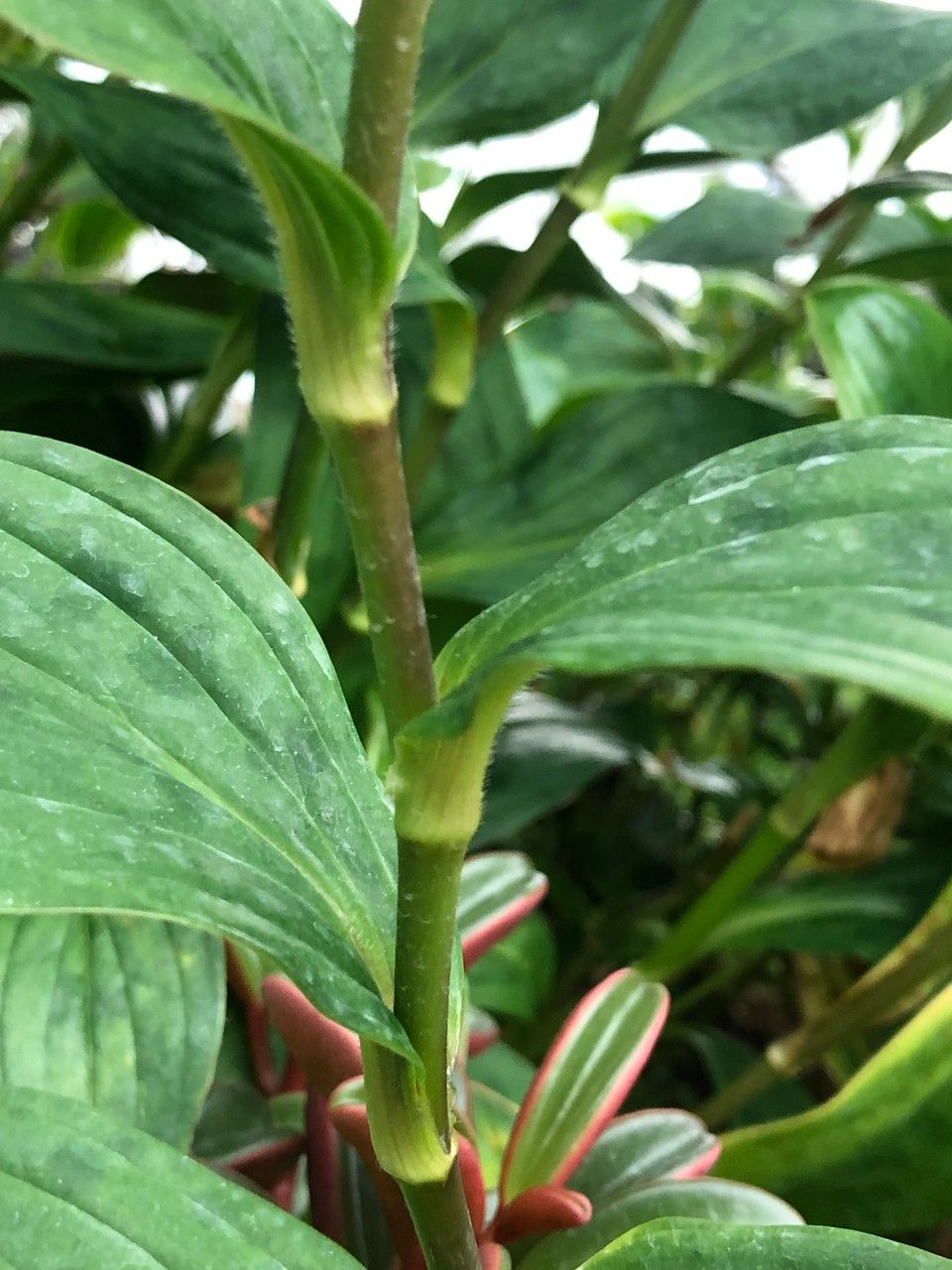
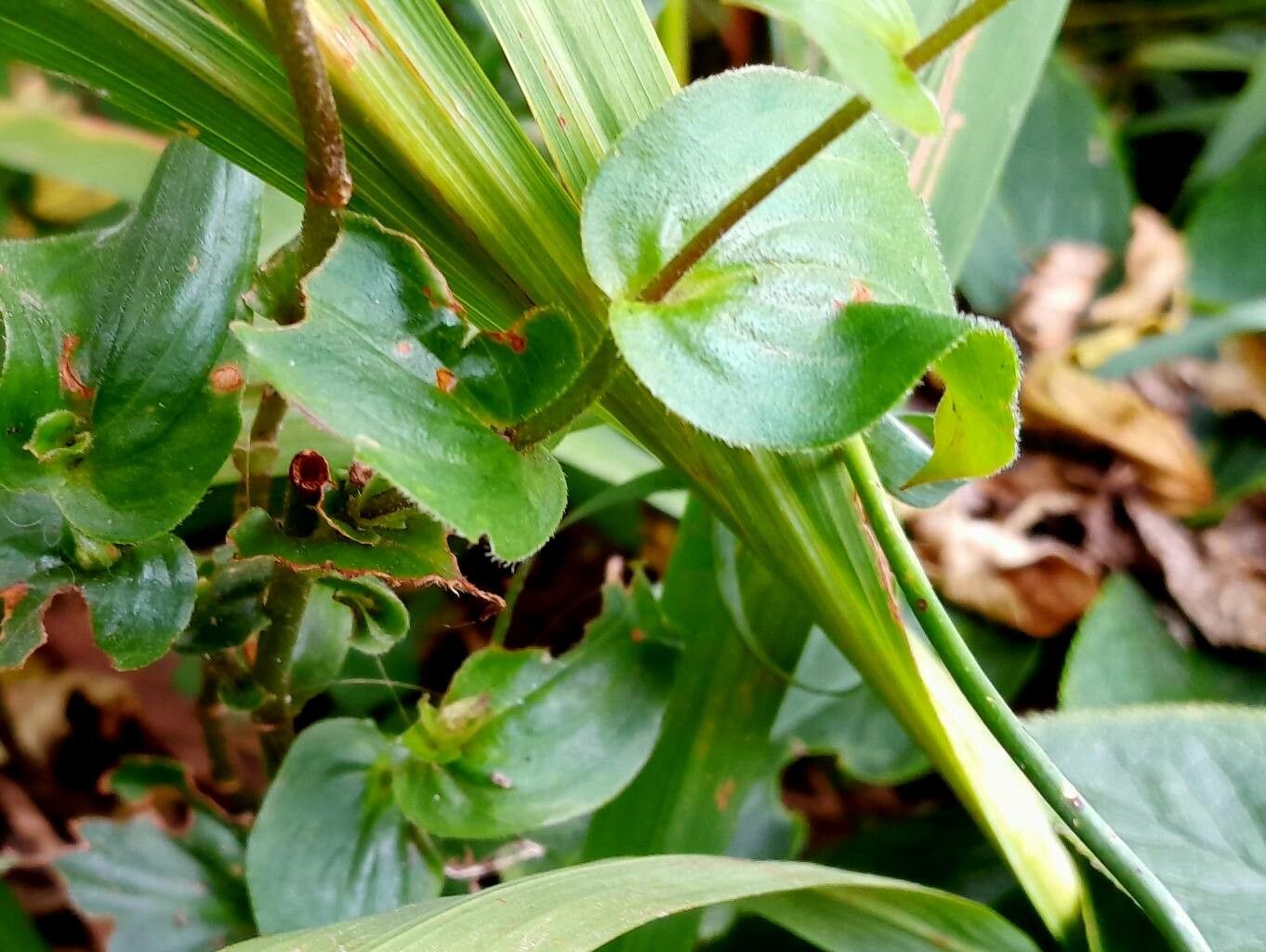
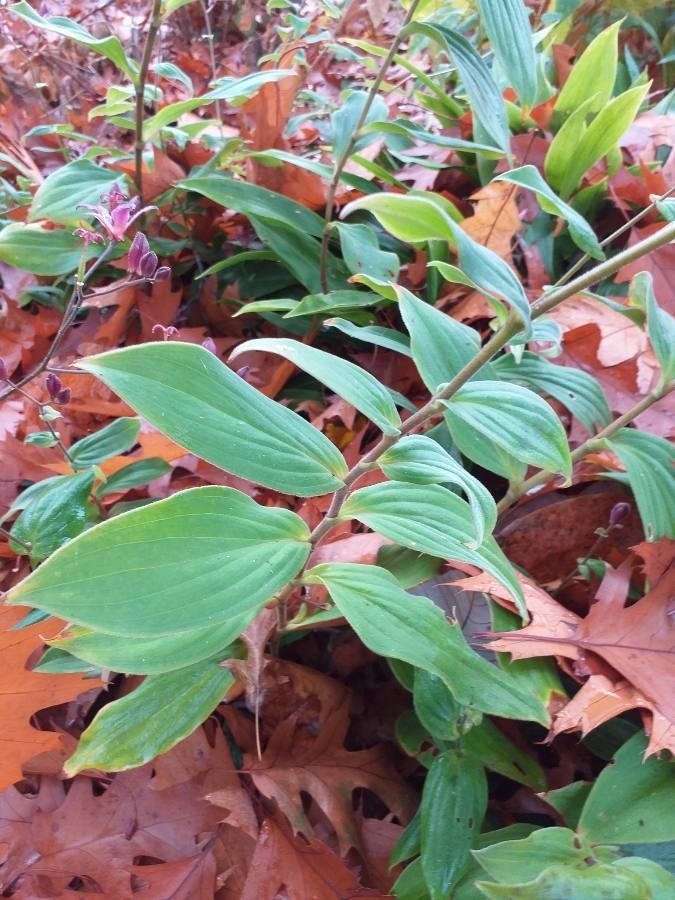
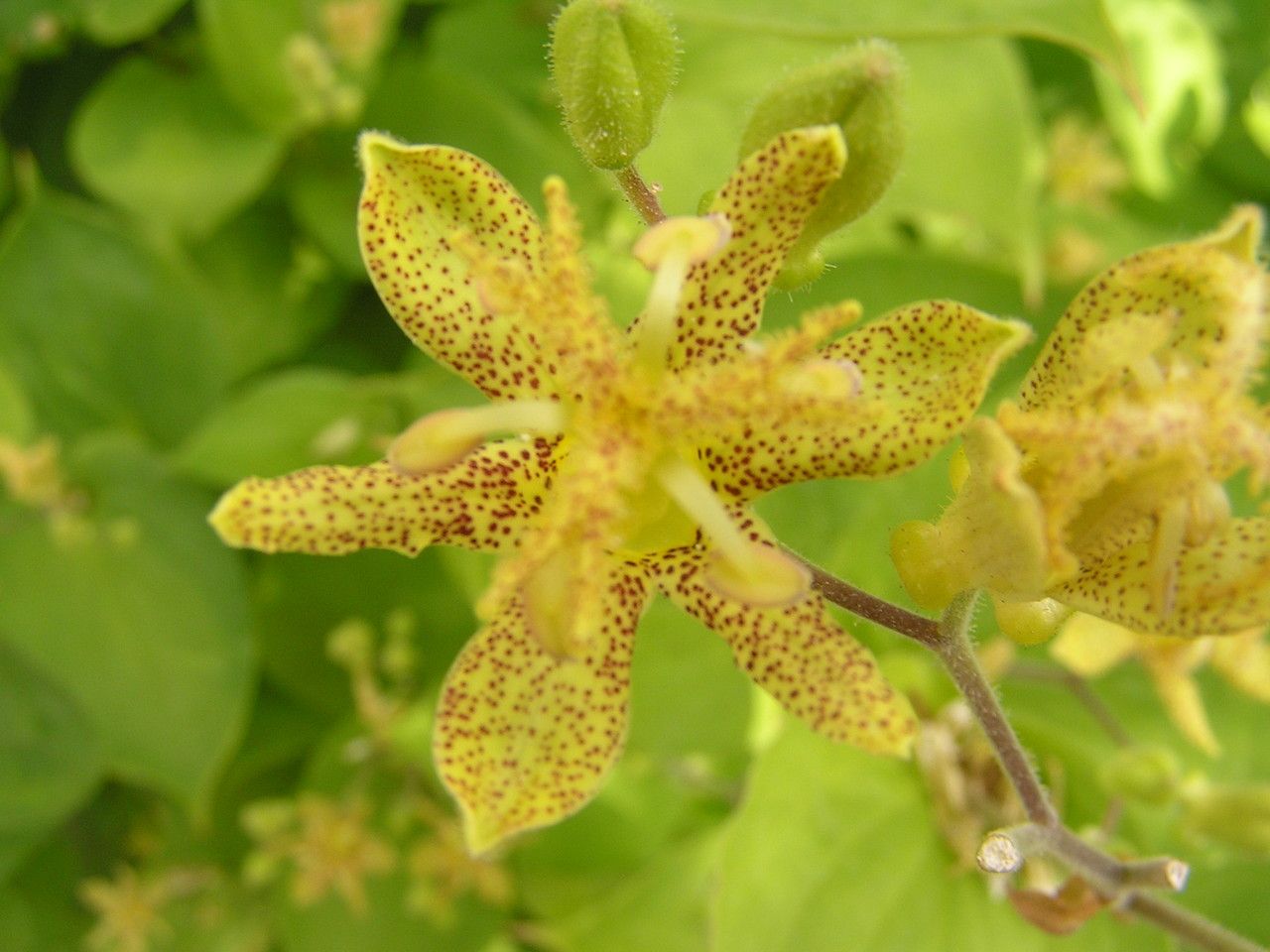
Tricyrtis formosana is an East Asian species of herbaceous plant in the lily family. It is native to Taiwan and to Nansei-shoto (also known as the Ryukyu Islands, part of Japan).
Toad lily has good resistance to disease and is generally not likely to get sick. Still, it can be affected by pests and diseases present in its surroundings. Such infections are ordinarily not serious. In terms of care, this plant requires moderate maintenance. It should be pruned regularly to preserve a tidy appearance and support healthy growth. Applying fertilizer can also help encourage flowering. Toad lily is appropriate for anyone with outdoor space, such as a garden or patio, and does not demand extensive care experience. It may need more attention when cultivated indoors.
How to keep Tricyrtis Formosana.
Light
The toad lily's natural, unaltered habitat is woodlands beneath the canopy's shade. It does best with gentle, not intense sunlight alternating with periods of shade. Exposure to strong or continuous sun can harm its health and growth, while too little light can hinder its optimal development.
Water
Toad lilies originate from the moist, shaded environments of Asia and thrive in conditions of high humidity and consistent moisture. For optimal health, water them weekly, though they are moderately tolerant of drought. Toad lilies are typically grown outdoors, where they benefit from natural rainfall during their active growing season, which supports lush flowering.
Temperature
Toad lily naturally occurs in habitats where the typical temperature is about 68 to 95 °F (20 to 35 ℃). During colder months, be sure to slightly increase the ambient temperature around the plant to suit its preferences.
Fertilizer
The best time to fertilize a toad lily is in early spring, as it comes out of dormancy and begins active growth. Fertilizing supplies essential nutrients for healthy development. Although toad lilies require relatively little fertilizer, feeding them once a year can improve their survival and encourage better, longer-lasting flowers.
Pruning
The toad lily is known for its delicate flowers and spotted leaves. To promote healthy growth and better air circulation, it's best to prune the plant in early to late spring by removing any dead stems. Additionally, cutting back faded stalks encourages more blooms, improves the plant's appearance, and lowers the risk of disease. Regular pruning also helps manage the plant's size and shape, ensuring it fits well within your garden.
Pot & Repot
To nurture the toad lily, a bushy, shade-loving perennial that can grow up to 3 feet tall, follow these steps: Repot the plant every 2 to 3 years in early spring, choosing a slightly larger pot each time. Keep the soil moist, but be careful not to let it become waterlogged. Place the plant in a location with dappled light to ensure it thrives and produces vibrant, exotic blooms.
Botanical profile.
- Plant Type
- Herb
- Life Cycle
- Perennial, Annual
- Genus
- Tricyrtis
- Family
- Liliaceae
- Hardiness Zone
- 4-9
- Mature Height
- 61 cm to 91 cm
- Mature Spread
- 30 cm
- Leaf Color
- Green, Yellow
- Leaf Type
- Deciduous
- Flower Color
- White, Purple
- Flower Size
- 2.54 cm to 7.62 cm
- Bloom Time
- Mid summer, Late summer
- Planting Time
- Spring
- Harvest Time
- Late summer, Early fall
- Native Area
- China
Other names.
Reader questions.
What are the sunlight requirements for a Toad Lily?
Toad Lily thrives in conditions that replicate its natural woodland habitat, beneath the shade of a canopy. It prefers a balance of gentle sunlight and shade, with partial sun exposure of about 3-6 hours being ideal, and less than 3 hours of sunlight categorizing as full shade. Continuous harsh sunlight or insufficient light can adversely affect its health and growth. Observing the movement of sunlight through your garden to choose the perfect spots that offer this balance is crucial for the plant's happiness.
What are the ideal temperature conditions for a Toad lily?
The Toad lily thrives in environments where the average temperature is between 68 to 95 °F (20 to 35 °C). It has strong cold resistance, tolerating colder climates relatively well. However, during winter, it's advisable to take steps to ensure the temperature around the plant does not drop significantly below its comfort range. Specifically, if winter temperatures are expected to fall below -30°C, protective measures against the cold are necessary. Even without special frost protection in regular winter conditions, it's recommended to water the Toad lily abundantly before the first freeze of autumn to keep the soil moist, aiding in the plant's resistance to drought and water scarcity during the colder months.
How can artificial lighting be used for indoor Toad Lilies?
For indoor Toad Lilies, artificial lighting is essential when natural sunlight is insufficient, especially during winter or in less sunny spaces. LED lights are recommended as they can be customized to provide the specific wavelengths of light plants need. The intensity of artificial light should be 30-50W/sq ft for full sun plants, 20-30W/sq ft for partial sun plants, and 10-20W/sq ft for full shade plants. The light source should be placed 12-36 inches above the plant to replicate natural sunlight, and the duration should mimic natural daylight hours, generally 8-12 hours per day.
How should you care for a Toad lily in low temperatures?
The Toad lily is cold-tolerant and performs best when the temperature remains above 20°C. During winter, efforts should be made to keep it above 0°C. While the plant may not show visible distress when temperatures plummet below -30°C, such conditions can lead to a decrease in sprouting or even prevent sprouting altogether come spring. To address this, any parts of the Toad lily that fail to sprout in spring should be removed to encourage new growth and maintain the plant's health.
What are the symptoms of insufficient light in Toad Lilies?
Symptoms of insufficient light in Toad Lilies include smaller new leaves, leggy or sparse growth, faster leaf drop, slower or no new growth, and lighter-colored new leaves. Chlorosis, sunscald, leaf curling, wilting, and leaf scorching are also symptoms that either insufficient light or excessive sunlight can cause. These symptoms arise from the plant's inability to perform photosynthesis effectively under poor lighting conditions or from damage due to overexposure to sunlight.
What precautions are necessary for a Toad lily in high temperatures?
During the warmer months, it's essential to keep the Toad lily's surrounding temperature below 35°C to prevent heat stress. Should temperatures rise above 38°C, the Toad lily may exhibit signs of heat stress, such as lighter leaf color, leaf curling, susceptibility to sunburn, and in extreme cases, wilting and drying out. To mitigate these symptoms, sunburned and dried portions of the plant should be trimmed away. If possible, the plant should be moved to a shaded location or provided with artificial shade during the midday and afternoon sun. Additionally, watering the plant in the morning and evening will help maintain soil moisture and reduce the risk of heat-related damage.
What solutions are available for Toad Lilies with insufficient light?
For insufficient light solutions, gradually moving the plant to sunnier spots each week can help, ensuring it receives 3-6 hours of direct sunlight daily. This gradual adaptation prevents sunburn. If moving the plant is not feasible, use artificial light like desk or ceiling lamps for at least 8 hours daily, or invest in professional plant grow lights. For outdoor plants, minimizing obstructions like pruning trees can help increase sunlight exposure. If necessary, transplant smaller plants during their dormant period to a location with ample sunlight and good drainage. It is important to note that while parts of the plant affected by insufficient sunlight may not recover, new growth should be healthy with improved lighting conditions.