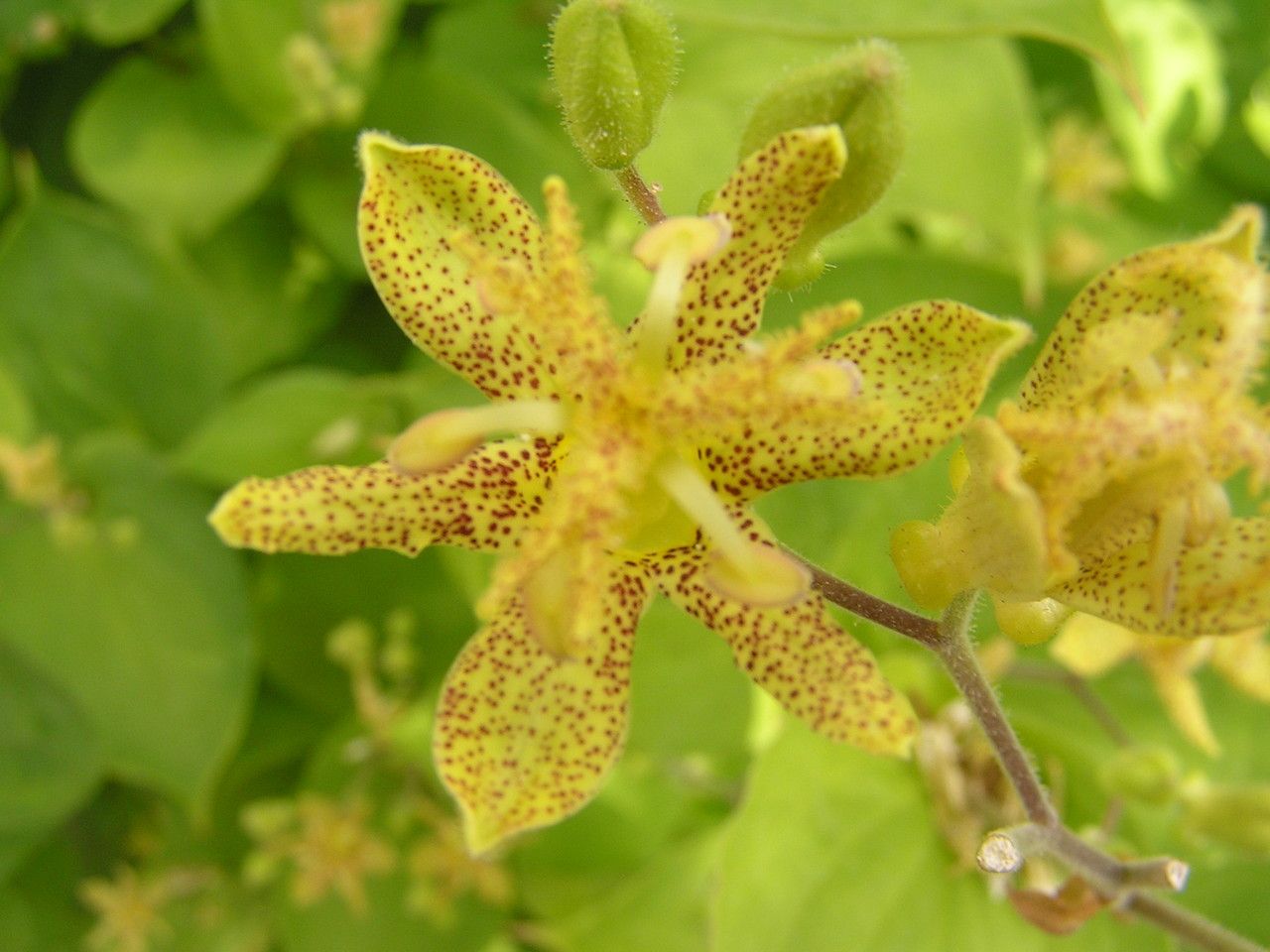
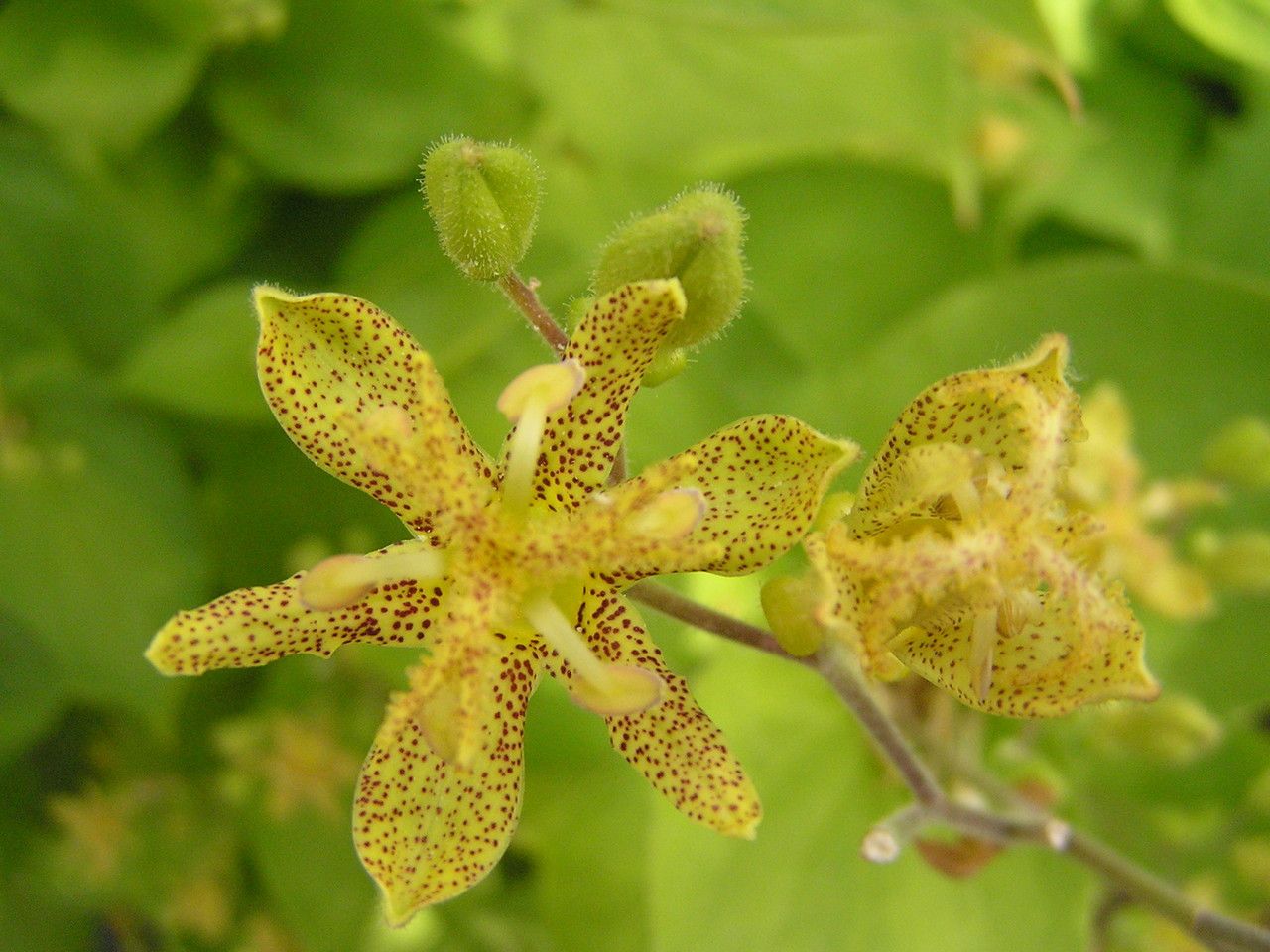
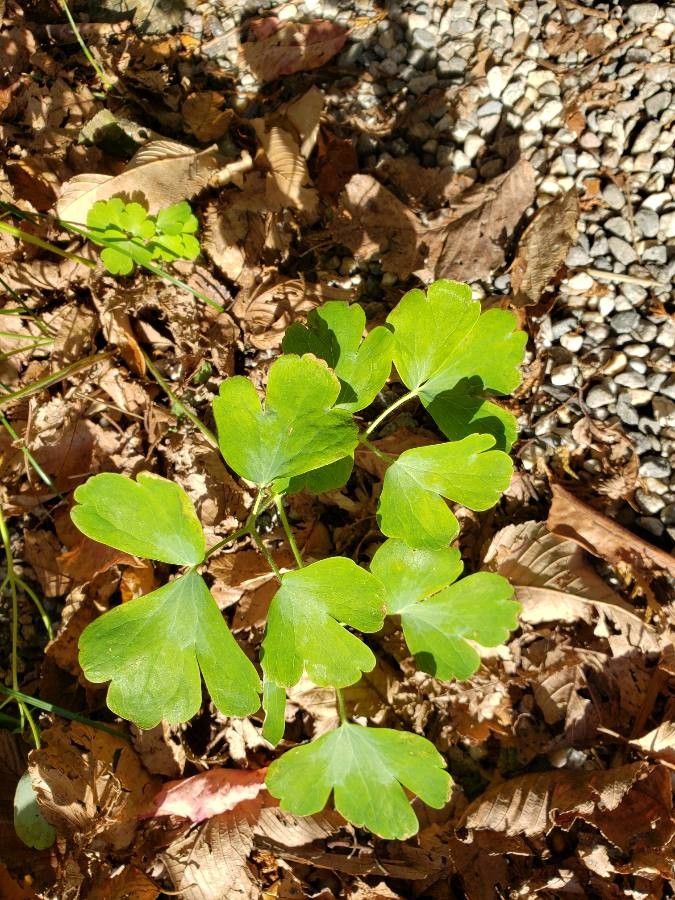
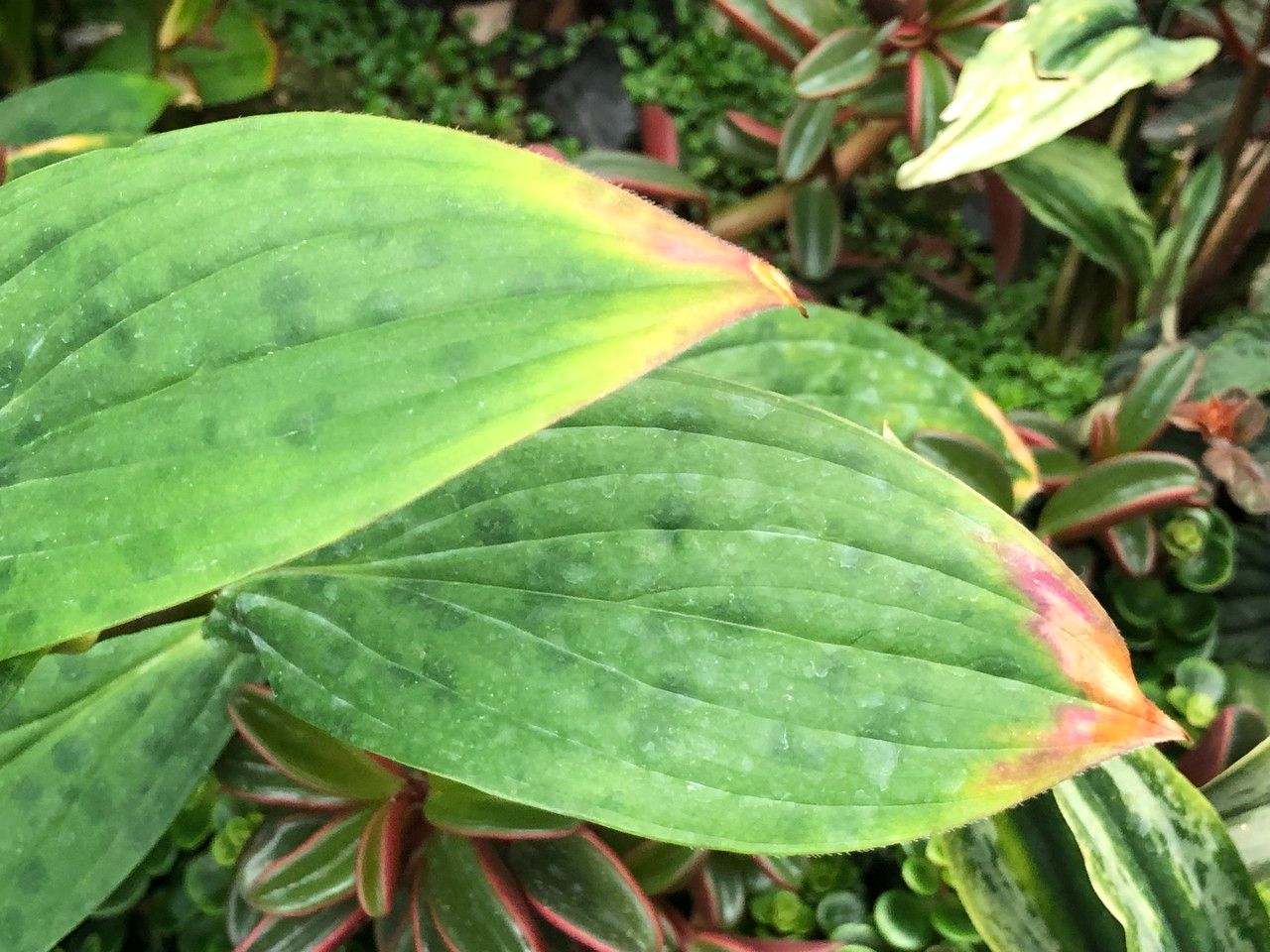
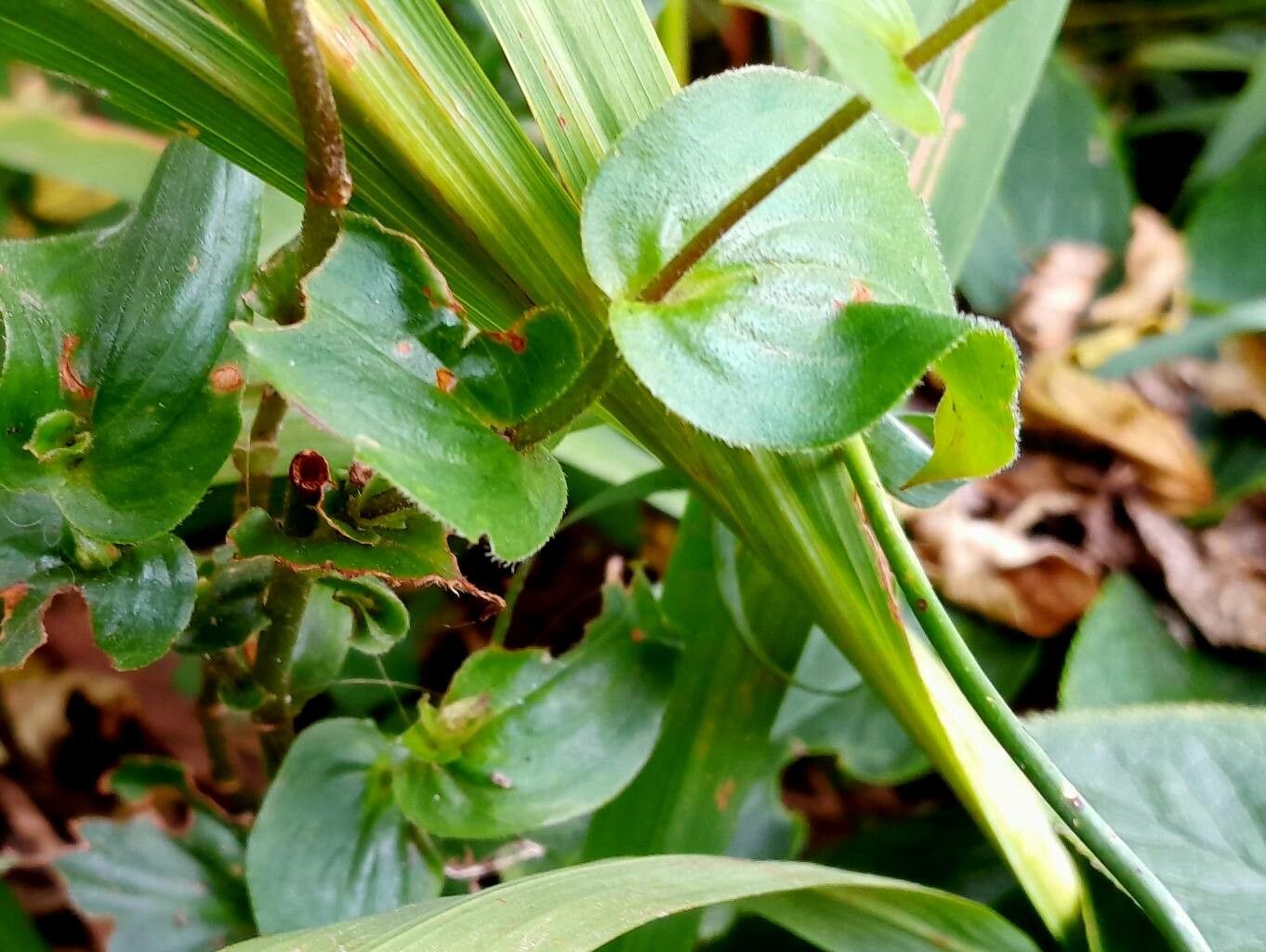
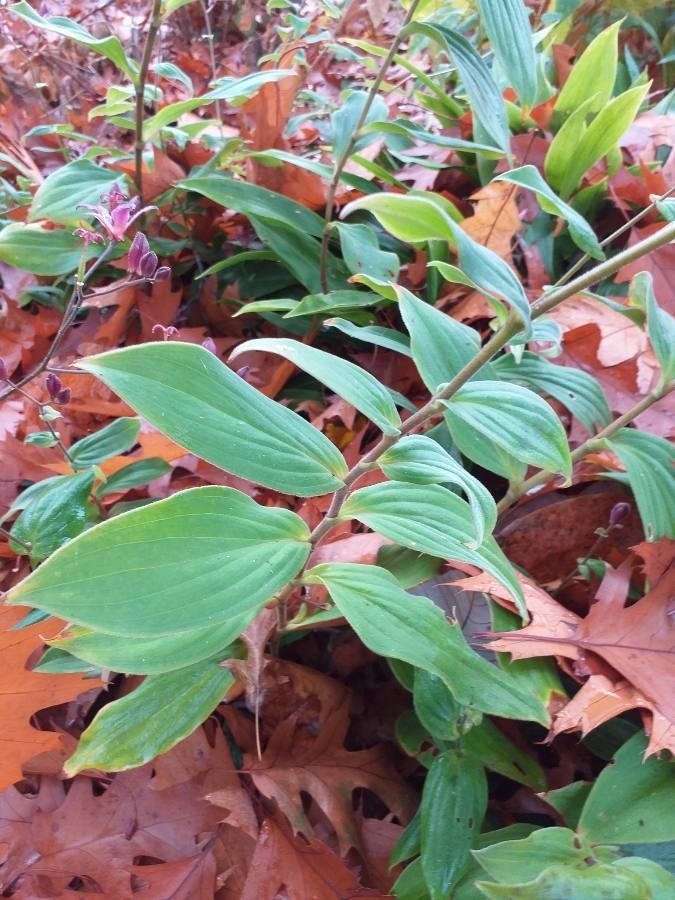
Tricyrtis latifolia, the toad lily, is an East Asian species of plants in the lily family.As recognized by the World Checklist maintained by Kew Botanic Garden in London, T. latifolia is found only in Japan. Some authors maintain the some Chinese material also belongs to this species, but the World Checklist regards the Chinese populations as a distinct species, T. puberula. Further investigation seems warranted.
Toad lily has good resistance to disease and is generally not likely to get sick. Still, it can be affected by pests and diseases present in its surroundings. Such infections are ordinarily not serious. In terms of care, this plant requires moderate maintenance. It should be pruned regularly to preserve a tidy appearance and support healthy growth. Applying fertilizer can also help encourage flowering. Toad lily is appropriate for anyone with outdoor space, such as a garden or patio, and does not demand extensive care experience. It may need more attention when cultivated indoors.
How to keep Tricyrtis Latifolia.
Light
Toad lilies do well with moderate sunlight but can tolerate lower light conditions. Native to environments with variable lighting, they photosynthesize best in dappled light. Too much or too little light can result in poor plant health and inhibit growth.
Water
Toad lily, a plant native to the understories of Asian forests, thrives best in consistently moist soil and high humidity, making it sensitive to drought conditions. To keep it lush and healthy, it's ideal to water it weekly. Toad lily flourishes in shaded gardens and benefits from mulching, which helps retain moisture during its active growing season.
Temperature
The toad lily is native to climates with temperatures between 41 and 89.6 °F (5 to 32 °C). It does best within that range. Adjust its exposure to heat or cold appropriately as temperatures change with the seasons.
Fertilizer
For the Toad lily, the best time to apply fertilizer is in early spring as the flowers begin to form. Using an appropriate fertilizer promotes better blooms and helps the Toad lily develop attractive flowers. Fertilizing in early spring helps ensure strong flowering during the season and provides energy for dormant growth phases.
Pruning
The toad lily boasts beautiful, spotted flowers and lush foliage. To keep the plant healthy and vigorous, prune it from early to late spring, beginning with the removal of any dead or damaged stems. Thinning out overcrowded areas can improve air circulation. Proper pruning enhances blooming and helps maintain the plant’s shape.
Botanical profile.
- Plant Type
- Herb
- Life Cycle
- Perennial
- Genus
- Tricyrtis
- Family
- Liliaceae
- Hardiness Zone
- 4-8
- Mature Height
- 61 cm
- Mature Spread
- 40 cm
- Leaf Color
- Red, Brown
- Leaf Type
- Deciduous
- Flower Color
- White, Purple
- Flower Size
- 3.05 cm to 5.08 cm
- Bloom Time
- Late summer, Early fall, Mid fall
- Planting Time
- Autumn, Winter, Spring
- Harvest Time
- Mid fall, Late fall, Early winter
- Native Area
- Japan, China
Reader questions.
What are the sunlight requirements for a Toad Lily?
The Toad Lily, or Tricyrtis latifolia, is versatile in its sunlight needs. It thrives in partial sun, requiring about 3-6 hours of sunlight daily, and can also grow in full shade, which is less than 3 hours of sunlight a day. Given its adaptability, the Toad Lily flourishes under moderate sunlight exposure but can also sustain itself in a less sunny atmosphere due to its origin in a habitat with varied lighting. It achieves optimal photosynthesis in mottled sunlight. However, both too much and too little light exposure can negatively affect the plant's health and growth. Observing the movement of sunlight through your garden and selecting spots that offer a harmonious balance of light and shade will ensure the happiness and well-being of your plants.
What is the indigenous climate for Toad lily?
Toad lily, known botanically as Tricyrtis latifolia, is indigenous to climates where temperatures range from 41°F to 89.6°F (5°C to 32°C). It thrives best within this temperature range, adjusting its exposure to suitably accommodate the fluctuating temperatures across the seasons.
How do artificial lighting conditions affect the growth of Toad Lilies?
Indoor Toad Lilies require sufficient lighting to grow well, especially when natural sunlight is inadequate, such as in winter or in less sunny spaces. Artificial lighting is a critical solution in these scenarios, encouraging faster and healthier growth by mimicking natural sunlight conditions. LED lights are recommended for indoor plant lighting because they can be tailored to provide the exact wavelengths needed by plants. The intensity of artificial light required varies with the plant's natural sunlight needs: full sun plants need 30-50W/sq ft, partial sun plants 20-30W/sq ft, and full shade plants 10-20W/sq ft of artificial light. Positioning the artificial light source 12-36 inches above the plant simulates natural sunlight, and mimicking the natural daylight hours—generally 8-12 hours per day—will benefit the plants' growth patterns.
How does Toad lily tolerate cold?
Toad lily exhibits strong resistance to cold, typically not requiring special frost protection measures during winter. However, in regions where winter temperatures are expected to plummet below -30°C, it is crucial to provide the plant with cold protection by covering it with insulating materials like soil or straw. To further aid its cold tolerance, it's recommended to water the plant abundantly before the first freeze of autumn, ensuring the soil remains moist and enters a frozen state. This preparation helps to prevent drought and water scarcity for the plant during the colder months and into early spring.
What are common symptoms of insufficient light in Toad Lilies, and how can they be addressed?
When Toad Lilies are grown indoors and suffer from insufficient light, they exhibit several symptoms, including small new leaves, leggy or sparse growth, faster leaf drop, slower or no new growth, lighter-colored new leaves, chlorosis, sunscald, leaf curling, wilting, and leaf scorching. To combat inadequate light, it's recommended to gradually shift plants to sunnier locations each week until they get 3-6 hours of direct sunlight daily, allowing them to adapt incrementally. If moving the plant isn't feasible, supplementing with artificial lighting, such as desk, ceiling lamp, or professional plant grow lights for at least 8 hours daily, can also help. For outdoor plants, it's crucial to avoid abrupt exposure to stronger light to prevent sunburn. Strategies such as reducing obstructions (e.g., pruning trees) and transplanting smaller plants during their dormant period to sunnier locations can significantly improve light access.
What are the symptoms and solutions for Toad lily in low temperatures?
Toad lily is cold tolerant and shows optimal growth when temperatures are above 5°C, with a requirement to keep the environment above -25°C during winter. Exposing Toad lily to temperatures below -30°C might not show immediate effects during the winter, but it can lead to a decrease in sprouting or even absence of sprouting during spring. In cases where parts of the plant fail to sprout in spring, the recommendation is to remove these non-sprouting parts.
What are the effects of high temperature on Toad lily and how can they be mitigated?
During the summer, Toad lily should ideally be kept below 32°C. Temperatures exceeding 35°C can result in the plant's leaves becoming lighter in color, curling, and in severe cases, susceptibly to sunburn, leading the entire plant to wilt and dry out. To mitigate these effects, it's advised to trim away the sunburned and dried-up parts of the plant. Relocating the plant to a shade or using a shade cloth to protect it from the midday and afternoon sun is beneficial. Additionally, watering the plant in the morning and evening to maintain soil moisture can help the plant cope with high temperatures.