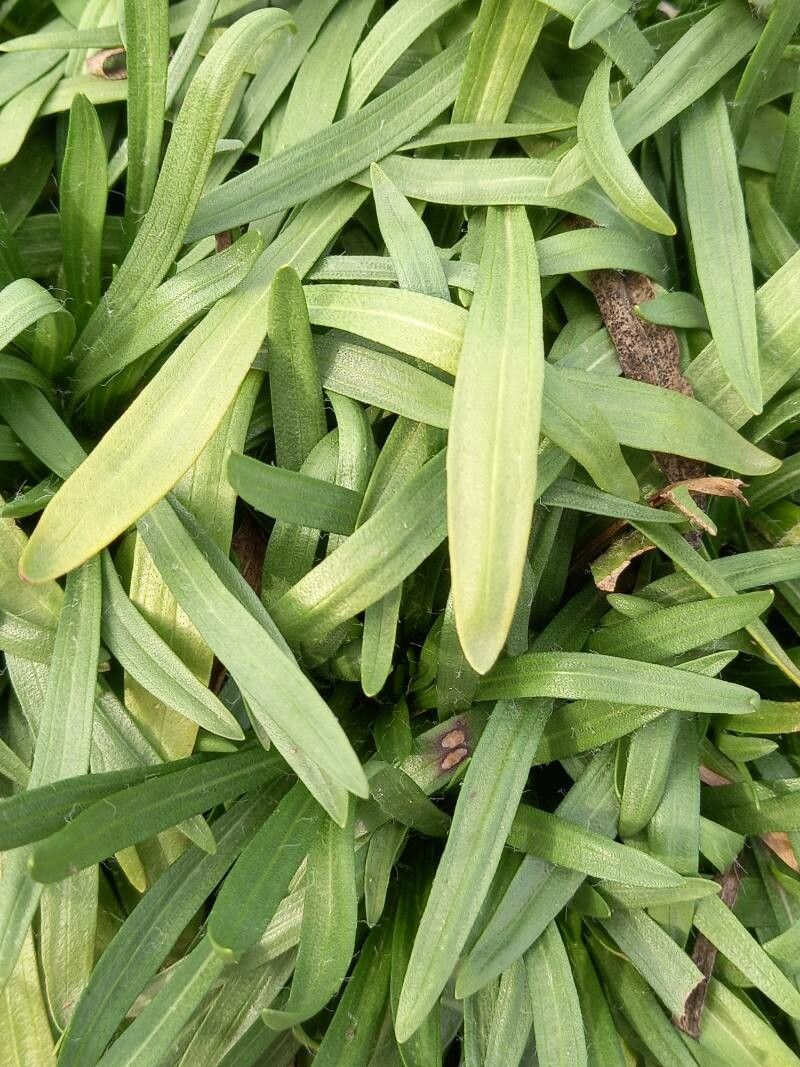
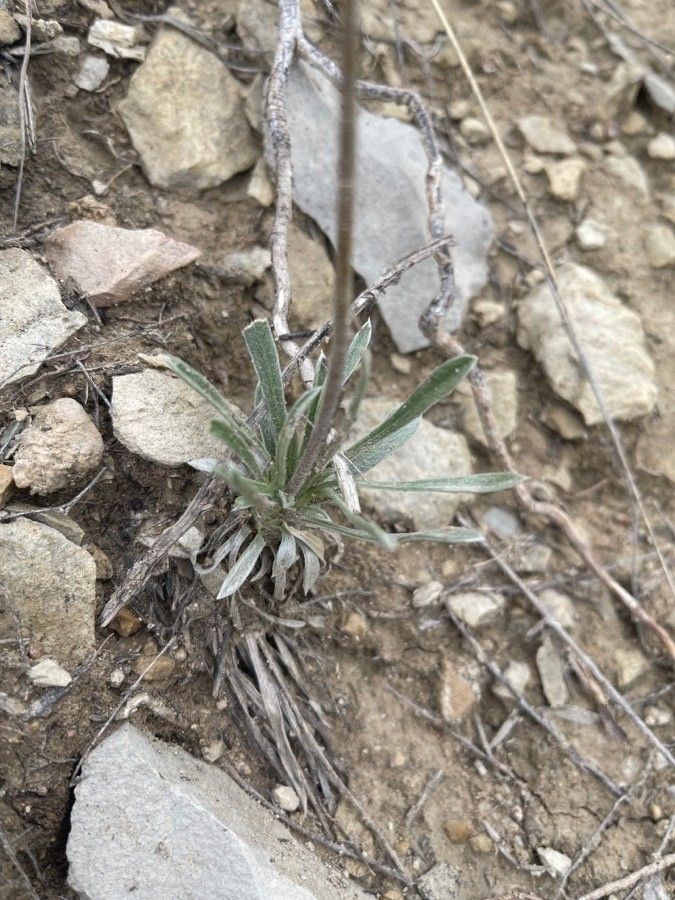
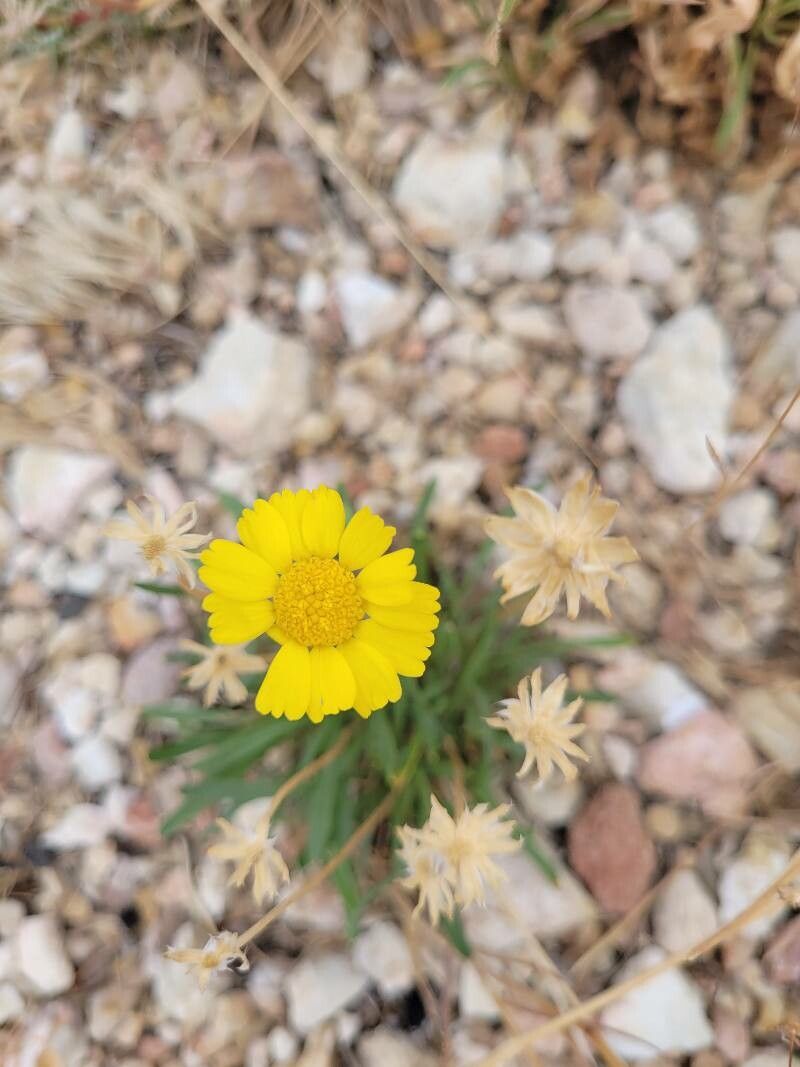
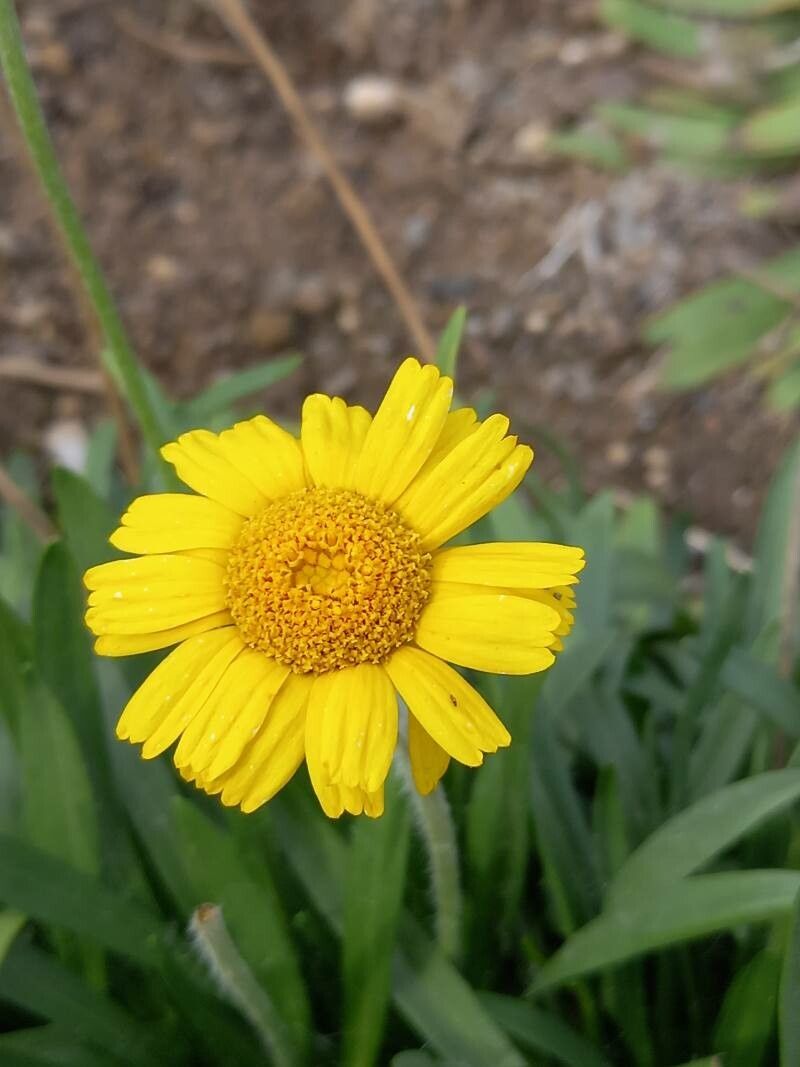
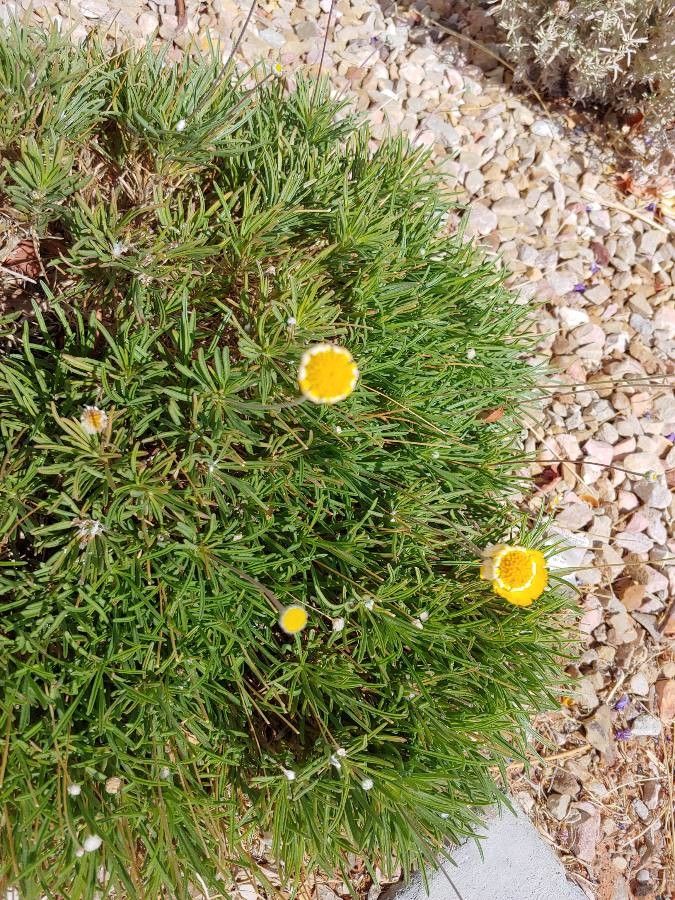
Tetraneuris scaposa, commonly known as the stemless four-nerve daisy or yellow daisy, is a perennial herbaceous plant belonging to the Asteraceae family. Native to North America, it thrives in various habitats such as prairies, meadows, and rocky slopes.
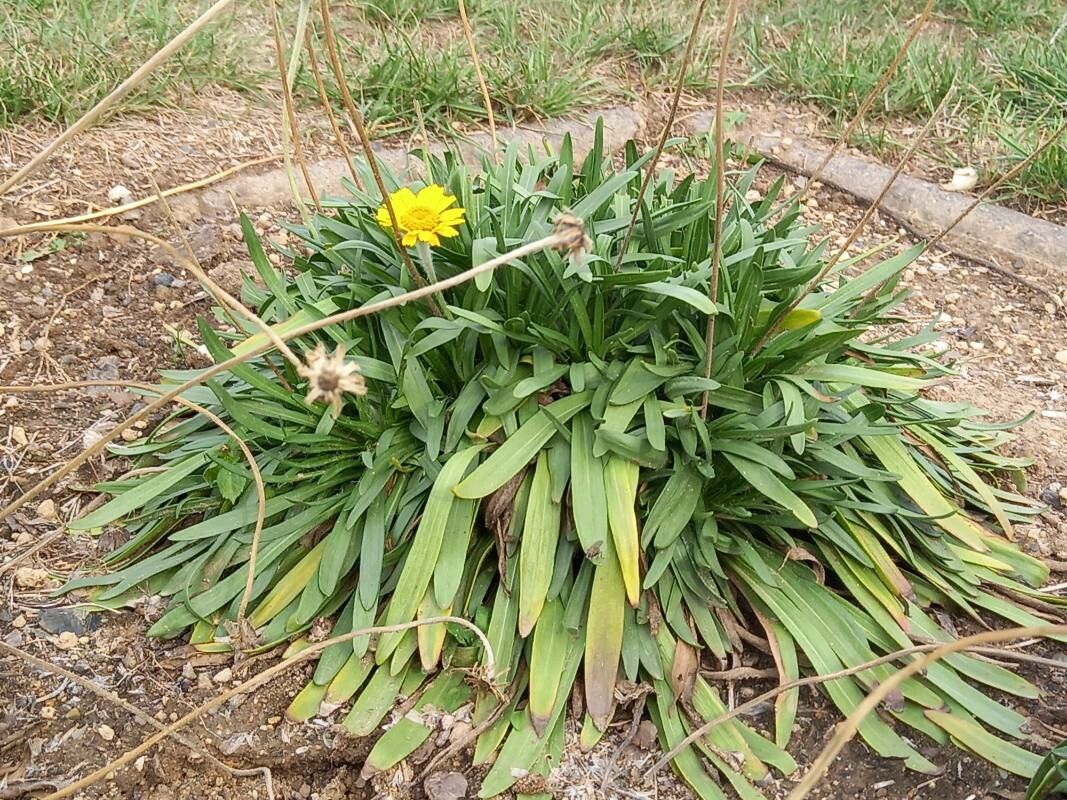
The plant features a basal rosette of linear or lanceolate leaves that can grow up to 20 cm long. Its stemless growth habit gives it a low-growing appearance, with flowers emerging directly from the base of the leaves.
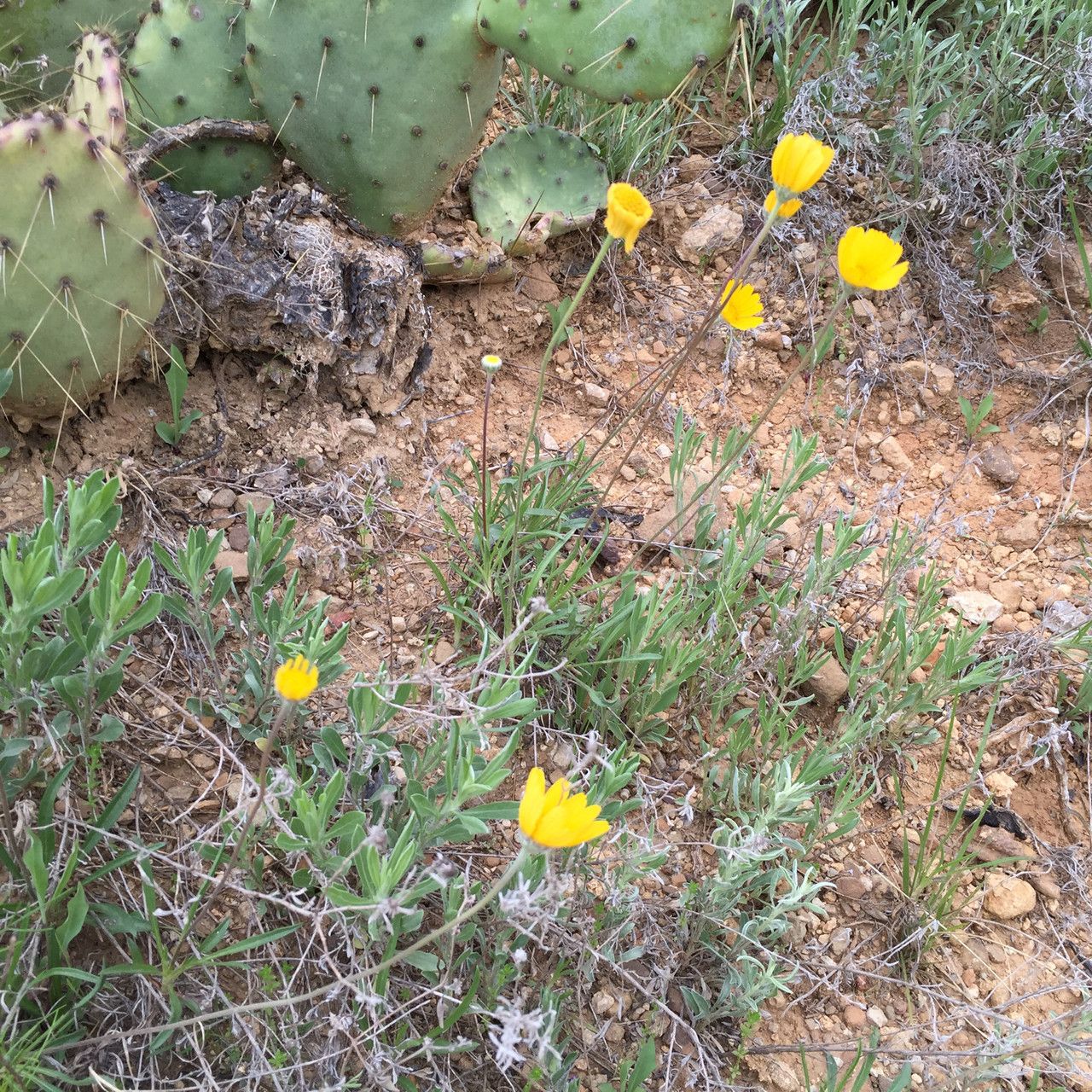
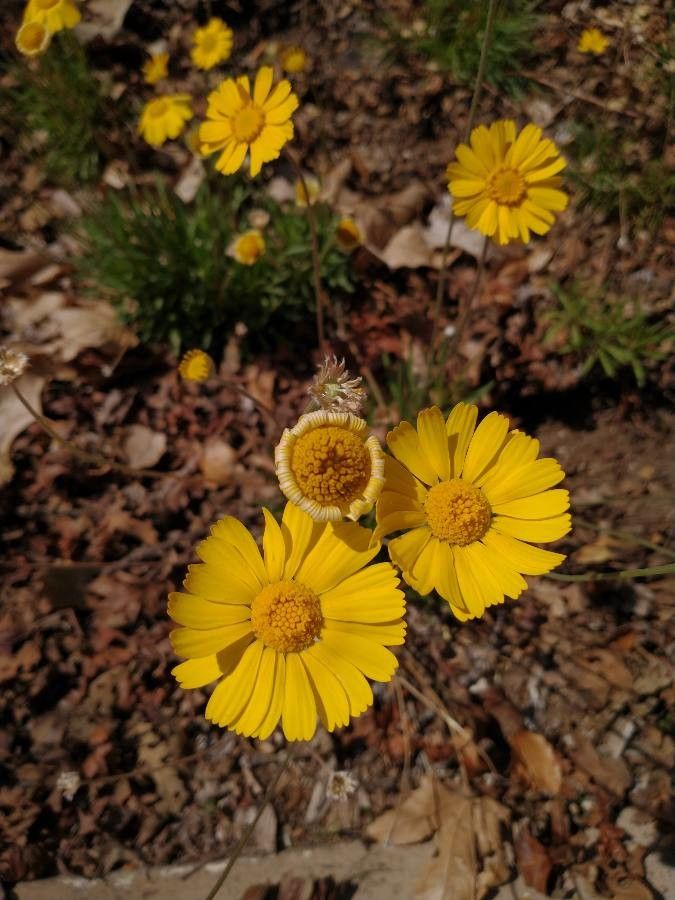
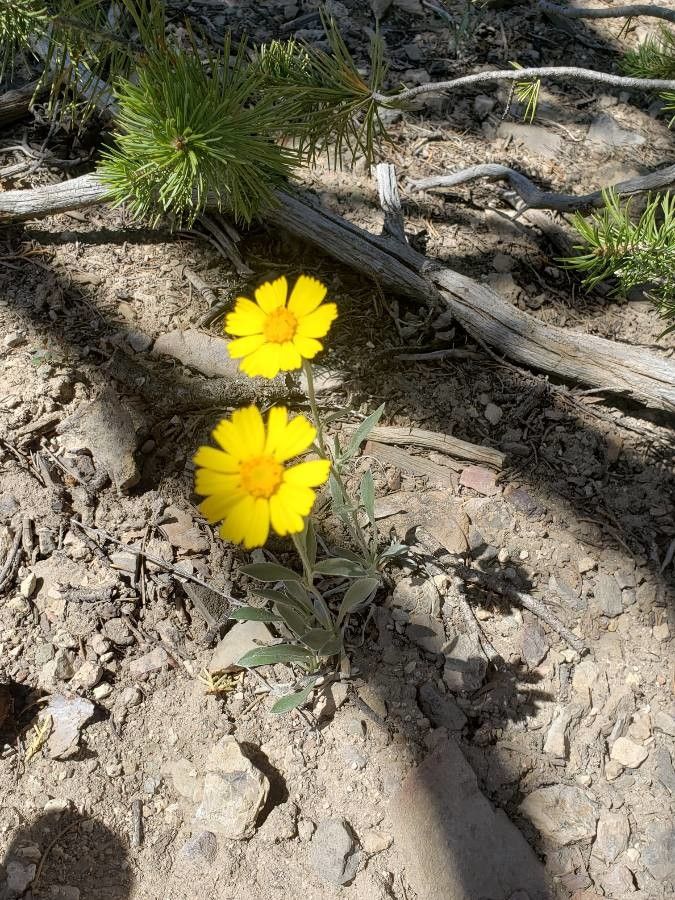
The flowers are bright yellow and consist of 8-15 ray florets surrounding numerous disk florets. Blooming from March through June, they attract pollinators such as bees and butterflies.
Tetraneuris scaposa is drought-tolerant and prefers well-drained soils in full sun or partial shade. Native Americans have used it for medicinal purposes to treat various ailments including stomachaches, headaches, fever, and coughs.
This plant is popular in landscaping due to its vibrant yellow flowers, which add a splash of color to gardens in the spring. Additionally, it serves as an important food source for wildlife, with deer feeding on its foliage during winter months when other food sources are scarce.
Stemmy Four-Nerve Daisy is fairly resistant to disease and typically not prone to illnesses. However, it can be affected by pests and diseases present in its surroundings, and those issues are usually mild. Regarding care, the plant requires a moderate level of maintenance. It should be pruned regularly to maintain appearance and healthy growth. Fertilizing can also help encourage flowering. Stemmy Four-Nerve Daisy is suitable for anyone with outdoor space, such as a garden or patio, and does not need extensive care experience. It may demand more attention when grown indoors.
How to keep Tetraneuris Scaposa.
Light
The stemmy Four‑Nerve Daisy strongly prefers locations with abundant sunlight, though it can tolerate sites that do not receive full sun. Native to open, sunlit habitats, too much exposure can cause leaf burn, while too little light may restrict its growth.
Water
The Stemmy Four-Nerve Daisy is well-suited for arid environments due to its high drought tolerance. It requires moderate watering every one to two weeks. To take advantage of natural rainfall, it is best to grow this plant outdoors. Ensure the soil is well-draining to prevent root rot and to mimic its natural dry habitat.
Humidity
This plant prefers dry conditions, so don't mist it. However, watering it less often can also thrive in higher humidity.
Temperature
Stemmy Four-Nerve Daisy naturally occurs in areas where temperatures fall between 41 and 95°F (5 to 35℃). It prefers the same temperature span and does well within those limits. Adjustments might be necessary during hotter summers or colder winters.
Fertilizer
The best time to fertilize a Stemmy Four-Nerve Daisy is in early spring, as it comes out of dormancy and begins active growth. Fertilization supplies essential nutrients for healthy growth. Although the plant has relatively low fertilizer needs, applying fertilizer annually can improve its survival and encourage better, longer-lasting flowers.
Pruning
The Stemmy Four-Nerve Daisy is known for its vibrant yellow blooms. To keep it thriving, consider pruning in early spring or late winter. Removing spent flowers and dead stems encourages new growth, helps maintain the plant's shape, and reduces the risk of disease. By following these practices, you'll enjoy a healthier and more attractive garden display.
Pot & Repot
Every 2-3 years in the spring, repot the stemmy Four-Nerve Daisy into a slightly larger pot that offers good drainage. After repotting, water the plant consistently, taking care not to overwater. Make sure it receives full sun exposure. With this attentive care, you can enhance the robustness of this resilient and easygoing plant.
Botanical profile.
- Plant Type
- Herb
- Life Cycle
- Perennial
- Genus
- Tetraneuris
- Family
- Asteraceae
- Hardiness Zone
- 4-9
- Mature Height
- 30 cm to 91 cm
- Mature Spread
- 30 cm
- Leaf Color
- Green, Blue
- Leaf Type
- Evergreen
- Flower Color
- Yellow
- Flower Size
- 2.54 cm to 5.08 cm
- Bloom Time
- Mid spring, Late spring, Early summer
- Planting Time
- Spring, Summer, Autumn
- Harvest Time
- Late spring, Early summer, Mid summer
- Native Area
- Mexico
Other names.
Reader questions.
How should I water my Stemmy Four-Nerve Daisy?
To properly water the Stemmy Four-Nerve Daisy, it is recommended to use filtered water at room temperature. Tap water may contain harmful particles for the plant's health, which is why filtered water is preferable. Considering the plant's origin in a warm environment, it is important to avoid using cold water as it can be disruptive to its system. Additionally, overhead watering should be avoided to prevent any issues with the foliage. Instead, simply apply the filtered room temperature water directly to the soil until it is completely soaked. This method benefits the plant by moistening the roots and facilitating their spread through the soil to gather essential nutrients.
Why should I give nutrients to my Stemmy Four-Nerve Daisy?
Fertilization plays a crucial role for the Stemmy Four-Nerve Daisy and other plants by providing essential nutrients for both above and below ground growth. However, the overall fertilization needs for this plant are relatively low. While it is possible for a Stemmy Four-Nerve Daisy to survive without fertilization, annual fertilization can greatly benefit the plant, promoting its overall health and potentially improving the quality and longevity of its flowers. Therefore, those seeking to enhance the appearance of their Stemmy Four-Nerve Daisy should prioritize annual fertilization.
What are the sunlight requirements for plants?
Plants have varying sunlight requirements to thrive. Full sun-loving plants need more than 6 hours of direct sunlight each day, while those preferring partial sun require about 3-6 hours of sunlight. It's crucial to observe how sunlight moves through your garden to ensure plants receive the optimal balance of light and shade, promoting their well-being.
What is the ideal temperature range for growing a Stemmy Four-Nerve Daisy?
The Stemmy Four-Nerve Daisy, botanically known as Tetraneuris scaposa, thrives in temperatures ranging from 41°F (5°C) to 95°F (35°C). This range is where the plant naturally flourishes, requiring potential adjustments for care outside of these temperatures, particularly in hotter summers or colder winters. Although the plant possesses strong cold resistance, additional protection is advised when winter temperatures are expected to drop below -30°C. Protection can include covering the plant with soil or straw. Moreover, abundant watering before the first winter freeze is recommended to keep the soil moist, preventing drought and ensuring the plant remains hydrated during the cold season.
What should I do if I give too much or too little water to my Stemmy Four-Nerve Daisy?
Both overwatering and underwatering can harm the health of your Stemmy Four-Nerve Daisy, but overwatering is more common. When this plant receives excessive water, its stems and leaves may wilt and change color from green to yellow. Overwatering for a long time can also cause diseases like root rot, mold, and mildew, which can kill your plant. Underwatering is less common because the Stemmy Four-Nerve Daisy is somewhat drought-tolerant. However, underwatering can still occur, and you may notice that the leaves become brittle and brown. It is important to recognize signs of overwatering early when caring for your plant. Some diseases resulting from overwatering, such as root rot, may be irreversible if not addressed promptly. If you see early signs of overwatering, reduce the watering schedule immediately. Evaluate the soil quality where your plant grows. If it drains poorly, replace it with a loose, well-draining potting mix. Conversely, if you notice signs of underwatering, simply water the plant more regularly until the signs improve.
When should I fertilize my Stemmy Four-Nerve Daisy?
The best time to fertilize a Stemmy Four-Nerve Daisy is in late winter to early spring when the plant is transitioning from dormancy to active growth. Fertilizing during this time promotes healthy growth for the season. Although early spring is generally the most beneficial, fertilizing in the fall is also acceptable. However, it is not recommended to fertilize during summer or winter.
What are the essential conditions for the Stemmy Four-Nerve Daisy?
The Stemmy Four-Nerve Daisy thrives in environments with abundant sunlight, being native to open, brightly lit habitats. Although it prefers plenty of suns, it can also survive in less sunny spots. However, excessive sun exposure could cause foliage burn, whereas too little light may impede its growth. Indoor plants, in particular, may require artificial lighting to compensate for inadequate natural sunlight, with LED lights being a popular choice due to their customizable light wavelength output. Full sun plants need 30-50W/sq ft of artificial light, partial sun plants 20-30W/sq ft, and full shade plants 10-20W/sq ft.
How should I care for a Stemmy Four-Nerve Daisy during low temperatures?
The Stemmy Four-Nerve Daisy is notably cold-tolerant, but it is best kept at temperatures above 5°C during winter months, ensuring it does not drop below -25°C. When temperatures fall below -30°C, the plant may not show immediate distress; however, it can experience a reduced capacity to sprout or may not sprout at all come spring. To manage this, any parts of the plant that have not sprouted in the spring should be removed to promote new growth and health of the plant.
How often should I give water to my Stemmy Four-Nerve Daisy?
If your Stemmy Four-Nerve Daisy is in a pot, the most accurate way to determine if it needs water is to stick your finger in the soil. If the top two to three inches of soil are dry, it's time to water it. If your Stemmy Four-Nerve Daisy is planted outdoors in the ground, you can use a similar method to test the soil. Once the top few inches of soil have dried out, it's time to water it. Usually, during the spring and early fall, watering once a week will suffice. However, during extremely hot weather, you may need to water it two or more times a week. It's worth mentioning that mature, well-established Stemmy Four-Nerve Daisies can tolerate drought well.
When is it best to not fertilize my Stemmy Four-Nerve Daisy?
For optimal care of your Stemmy Four-Nerve Daisy, fertilize only in late winter and early spring. This plant has low fertilization needs, so a single annual feeding is sufficient. Avoid fertilizing during spring, summer, and fall to prevent overfertilization and its complications. However, if you missed fertilizing in spring, it is acceptable to feed the plant in fall. Additionally, there is no need to fertilize during winter when the plant is in a dormant growth phase, as it will not produce new growth.
What symptoms indicate a Stemmy Four-Nerve Daisy is receiving inadequate sunlight?
Symptoms of inadequate light in a Stemmy Four-Nerve Daisy include smaller new leaves, leggy or sparse growth, faster leaf drop, slower or no new growth, and lighter-colored new leaves. These symptoms suggest the plant is struggling due to insufficient sunlight, affecting its growth and health. Conversely, symptoms of overexposure to sunlight are chlorosis, sunscald, leaf curling, wilting, and leaf scorching, indicating that the plant is receiving too much sunlight.
What should I do if my Stemmy Four-Nerve Daisy experiences high temperatures?
During summer, it is crucial to ensure that the temperature around the Stemmy Four-Nerve Daisy does not exceed 35°C. Exposure to temperatures above 38°C can cause the leaves to lighten in color, become prone to curling, suffer from sunburn, and in extreme cases, lead to the wilting and drying of the entire plant. To mitigate these risks, trim away any sunburned or dried-up parts of the plant. Relocate the plant to an area with shade during the midday and afternoon sun or use a shade cloth for protection. Additionally, maintain soil moisture by watering the plant in the morning and evening.