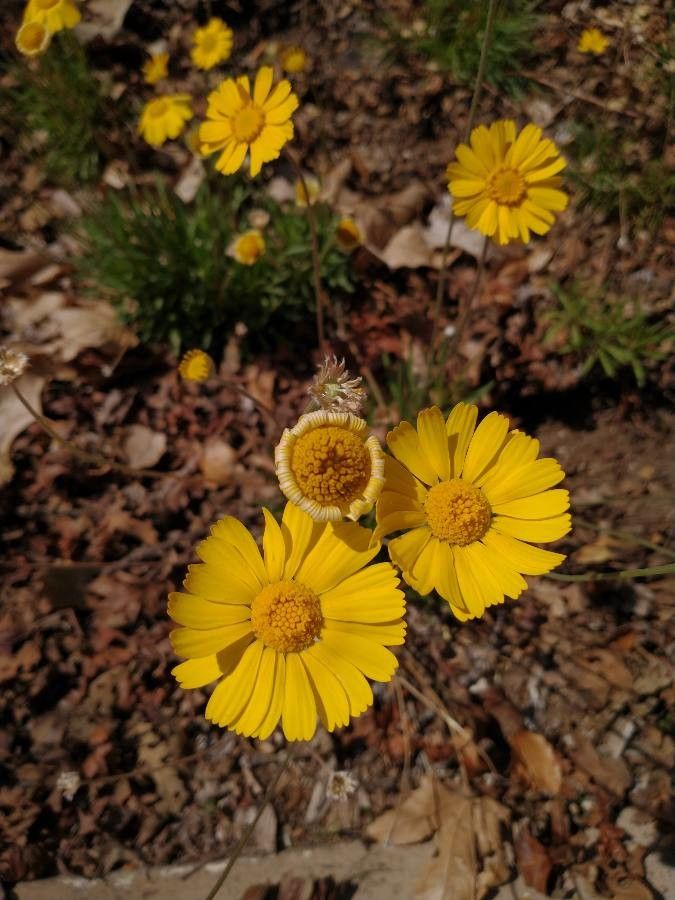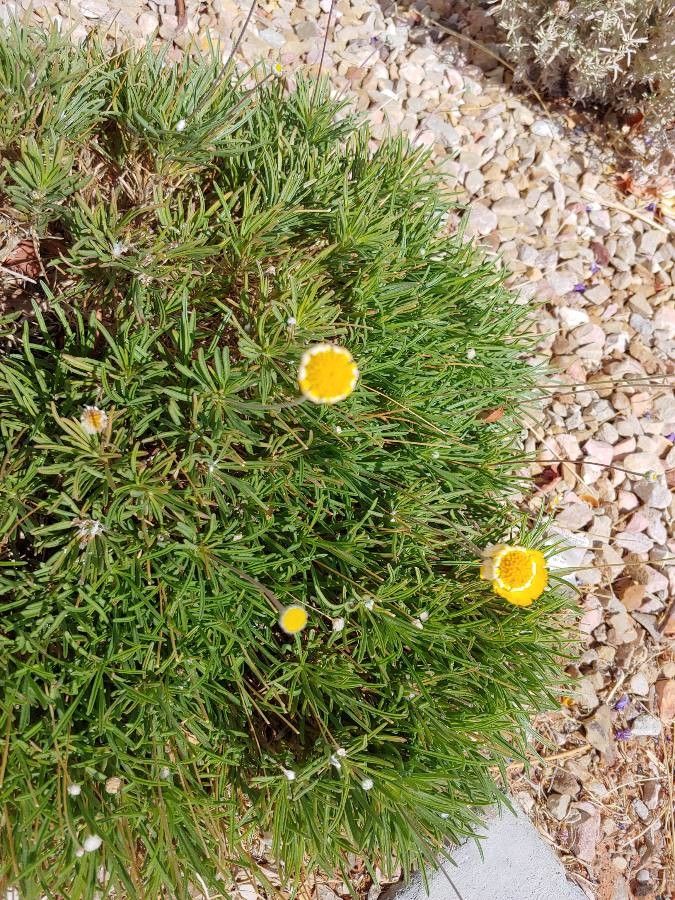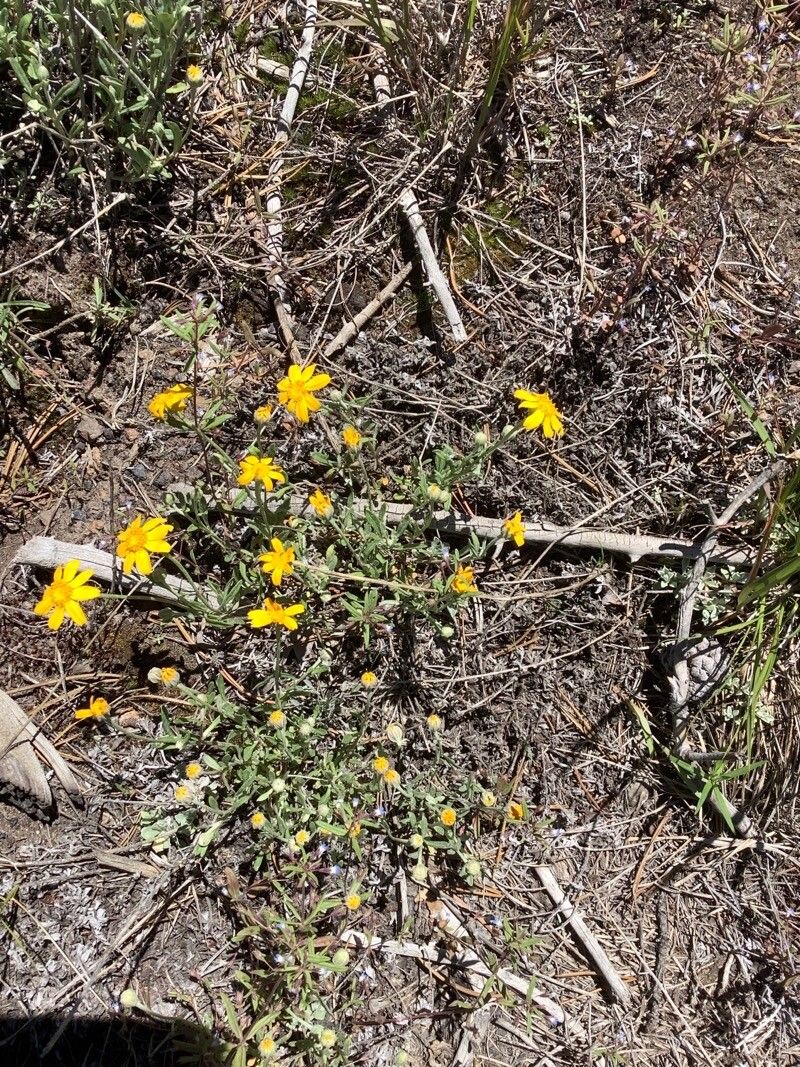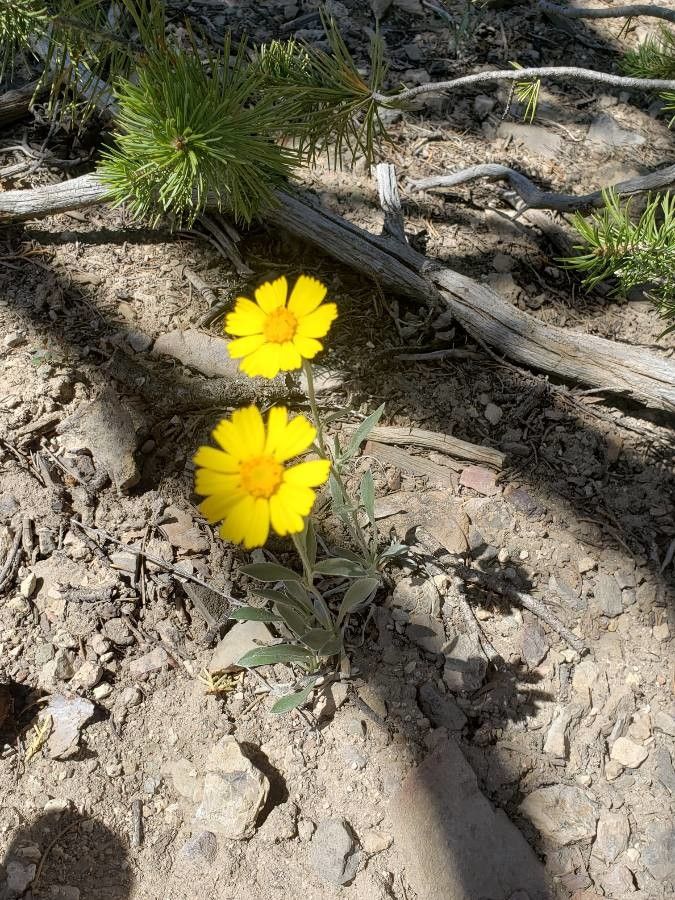
Tetraneuris argentea, the perkysue, is a North American species of plants in the sunflower family. It grows in the southwestern United States, primarily in Arizona and New Mexico with additional populations in Utah, Colorado, and the Texas Panhandle.
Perkysue is fairly resistant to diseases and typically does not suffer from them. Still, it can be affected by pests and diseases present in its environment. Such infestations are generally mild. Regarding care, this plant is of moderate maintenance. It should be pruned on a regular basis to preserve a neat appearance and encourage healthy growth. Applying fertilizer can also support blooming. Perkysue is appropriate for anyone who has outdoor space, like a garden or patio, and it does not demand extensive gardening experience. It might need extra attention if kept indoors.
How to keep Tetraneuris Argentea.
Light
Perkysue is a perennial herbaceous plant that loves the sun and is indigenous to open environments, frequently flourishing in meadows and grasslands. While it favors full sunlight, it can also endure conditions with partial sunlight.
Water
Perkysue, a plant that thrives in arid regions with little moisture, is highly drought-tolerant. To replicate its natural conditions, it should be watered once a week. Although it can be grown indoors, perkysue is better suited for outdoor environments where it benefits from natural rain cycles and seasonal temperature changes.
Temperature
Perkysue possesses the capacity to adjust to an extensive variety of temperature conditions, however, varying combinations of water and heat situations might still restrict its spread. It flourishes ideally in hot climates in the summertime with sufficient precipitation or irrigation. Extended durations of overcast and wet weather, along with periods of sustained high temperatures, may heighten the risk of Perkysue perishing. During the winter season, adequate safeguard against the cold can enhance the survivability of the plant.
Fertilizer
The optimal period to add fertilizer to a Perkysue is at the beginning of spring, when it is moving out of dormancy and starting to actively grow. Fertilizing supplies vital nutrients required for robust growth. Even though Perkysue doesn't require intense fertilization, administering it annually can improve its lifespan and encourage superior, more durable blossoms.
Pruning
Perkysue is a drought-tolerant perennial featuring silver-green leaves and yellow flowers. To keep it healthy and attractive, prune it from early to late spring. During this time, remove any dead stems and deadhead the flowers to encourage more blooms. Regular pruning improves air circulation, helps prevent disease, and promotes a compact growth that enhances its overall appearance.
Botanical profile.
- Plant Type
- Herb
- Life Cycle
- Perennial
- Genus
- Tetraneuris
- Family
- Asteraceae
- Hardiness Zone
- 4-9
- Mature Height
- 15 cm to 30 cm
- Mature Spread
- 20 cm to 30 cm
- Leaf Color
- Silver, Gray
- Leaf Type
- Semi-evergreen
- Flower Color
- Yellow
- Flower Size
- 3.05 cm to 5.08 cm
- Bloom Time
- Mid spring, Late spring, Early summer, Mid summer
- Planting Time
- Spring, Summer
- Harvest Time
- Summer, Early fall