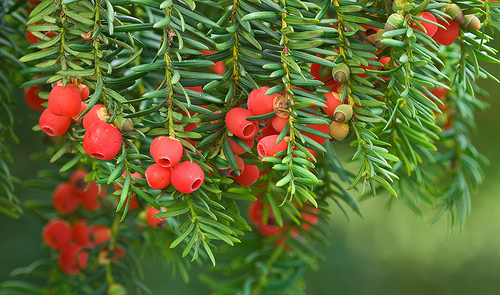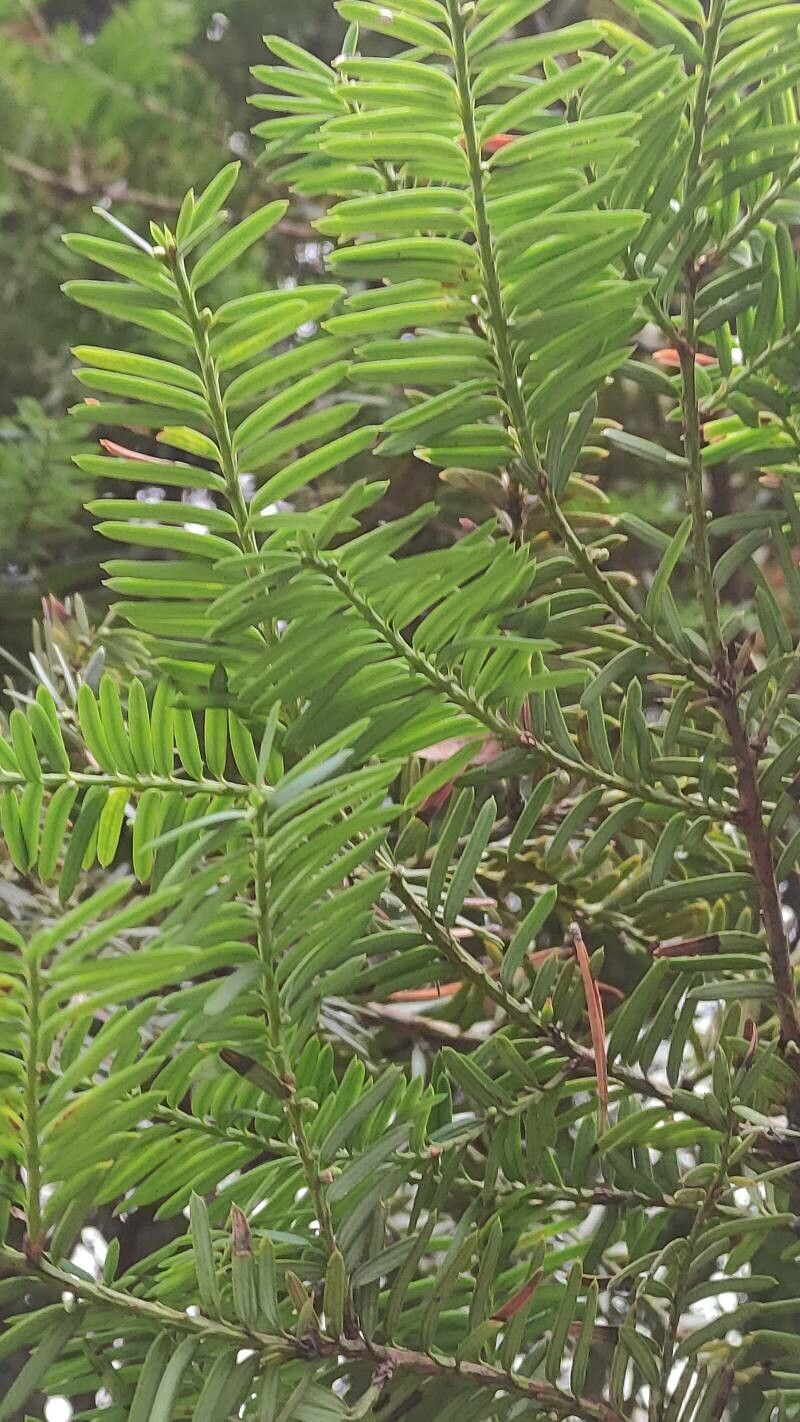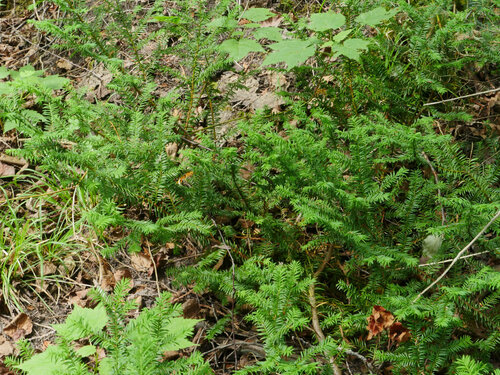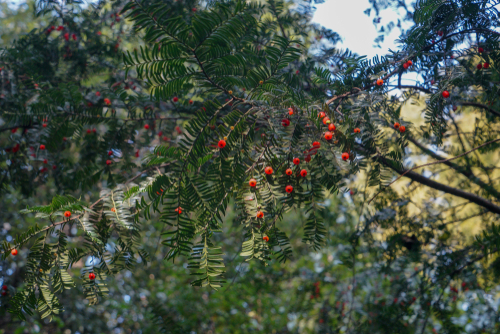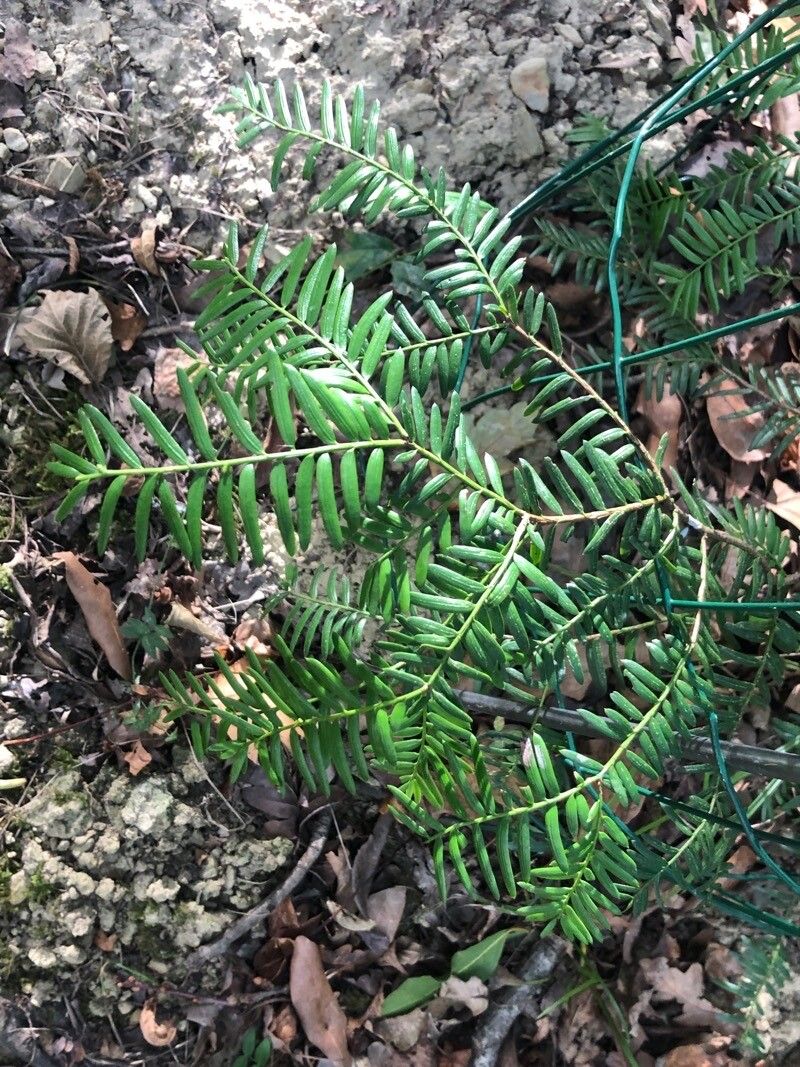
Taxus wallichiana, the Himalayan yew, is a species of yew, native to the Himalaya and parts of south-east Asia. The species has a variety of uses in traditional medicine. It is currently classified as endangered by the IUCN.
Chinese yew has strong resistance to disease and is generally not susceptible to illnesses. In terms of care, this plant is fairly low-maintenance. When planted outdoors it needs little watering, and larger specimens typically do not require pruning. Smaller plants, however, should be pruned after they have finished blooming. Chinese yew is suitable for anyone with an outdoor area, such as a garden or a deck, and does not require extensive plant-care experience.
How to keep Taxus Wallichiana.
Light
The chinese yew thrives in areas with plenty of sunlight, though it can tolerate spots with reduced light as well. Coming from a habitat where the sun is frequently present, the chinese yew is adapted to those conditions. Insufficient sunlight can limit its growth, while excessive light may potentially damage its foliage.
Water
The Chinese yew flourishes in environments where there is consistent moisture and filtered sunlight. It prefers soil that is slightly damp but not waterlogged. To ensure proper root aeration, water the plant every 2 to 3 weeks. Although typically grown outdoors, it requires careful watering during its active growth period to maintain healthy foliage.
Temperature
Chinese yew comes from habitats where temperatures generally range from 59 to 89.6 °F (15 to 32 °C). It prefers a temperate climate. Seasonal adjustments may be needed to recreate these conditions, especially in locations that face extreme heat or cold.
Fertilizer
Chinese yew has specific nutrient needs and does not require heavy fertilization. Spring is the best time to apply fertilizer for optimal growth. Providing nutrients improves its health, increases its resistance to pests and diseases, and helps sustain its long lifespan.
Pruning
The Chinese yew is an evergreen shrub known for its dense, needle-like foliage, making it ideal for landscape design. To maintain its health and shape, prune the plant in winter using sterilized tools. This helps remove unhealthy branches and properly shape the shrub. Avoid heavy pruning during warmer months, as it can stress the plant. Proper pruning also enhances air circulation and improves the shrub's visual appeal.
Botanical profile.
- Plant Type
- Tree
- Life Cycle
- Perennial
- Genus
- Taxus
- Family
- Taxaceae
- Hardiness Zone
- 8
- Mature Height
- 10.06 m
- Mature Spread
- 1.52 m
- Leaf Color
- Green
- Leaf Type
- Evergreen
- Flower Color
- Yellow, Green
- Bloom Time
- Early spring, Mid spring
- Planting Time
- Spring, Summer, Autumn
- Harvest Time
- Late summer, Early fall, Mid fall
- Native Area
- Nepal, Afghanistan, India, Indonesia, Vietnam, Myanmar, Philippines, Bhutan, Pakistan, Laos, Thailand, China
Other names.
Reader questions.
How should I water my Chinese yew properly?
Watering your Chinese yew plant is not difficult, and you can use various tools to do so. Whether you prefer a watering can, hose, or even a cup, it will work just fine. The important thing is to apply the water directly to the soil, making sure to moisten all areas evenly. Filtering the water is a good idea, as tap water may contain harmful particles for the plant. Additionally, it's best to use water at or slightly above room temperature to avoid shocking the Chinese yew. However, this plant usually responds well to any type of water you provide.
What are the sunlight requirements for Chinese yew?
Chinese yew thrives best in full sun, requiring more than 6 hours of sunlight daily, but it can also tolerate partial sun, which means about 3-6 hours of sunlight. It's important to observe the movement of sunlight through your garden to find spots that offer a good balance of light and shade, ensuring the plant's health. However, inadequate sunlight may stunt its growth, while excessive sunlight may damage its foliage.
What is the native climate for Chinese yew?
The Chinese yew, known botanically as Taxus wallichiana, is native to environments where temperatures typically range from 59 to 89.6 °F (15 to 32 °C). It thrives in a temperate climate and requires seasonal adjustments to mimic this environment, especially in areas that experience extreme temperatures. Although Chinese yew has strong cold resistance and usually does not need special frost protection measures in winter, in areas where temperatures fall below -10°C, it is important to provide cold protection by wrapping the trunk and branches with materials such as non-woven fabric or cloth. Additionally, it is recommended to water the plant abundantly before the first freeze in autumn to ensure the soil remains moist and can help prevent drought and water scarcity during the colder months.
What should I do if I give too much or too little water to my Chinese yew?
When caring for outdoor plants, especially newly planted ones or seedlings, it is important to be mindful of watering. Make sure to water them adequately for the first few months, as small or recently planted trees require consistent watering until their roots are established. Once this happens, Chinese yew plants can mostly rely on rain for moisture. When it comes to Chinese yew plants in pots, overwatering is a common issue. If you unintentionally overwater your Chinese yew, take immediate action to rectify the situation. Stop watering the plant immediately to minimize the impact of overwatering. Then, remove the Chinese yew from its pot to inspect the roots. If no root rot is present, you can safely return the plant to its container. However, if you notice signs of root rot, trim away any affected roots and consider applying a fungicide to prevent further damage. Finally, repot the Chinese yew in well-draining soil. On the other hand, if your Chinese yew is underwatered, simply increase the frequency of watering. Underwatering is usually an easy problem to address. The plant's leaves may droop, dry out, and fall off when underwatered, but they should regain their fullness once adequately watered. Promptly adjust your watering schedule if you notice signs of underwatering.
Can Chinese yew adapt to indoor environments concerning sunlight?
Yes, Chinese yew can adapt to indoor environments with the help of artificial lighting when natural sunlight is insufficient, especially during winter or in less sunny spaces. LED lights are recommended due to their ability to provide specific wavelengths needed by plants. For optimal growth, full sun plants should receive 30-50W/sq ft of artificial light, partial sun plants 20-30W/sq ft, and full shade plants 10-20W/sq ft. The light source should be placed 12-36 inches above the plant, mimicking natural sunlight for 8-12 hours per day.
How does Chinese yew respond to low temperatures?
Chinese yew is cold-tolerant and prefers temperatures to be above 15°C. During winter, it is advised to keep it above -5°C. If temperatures fall below -10°C, there might not be any noticeable changes during the winter; however, the branches may become brittle and dry by spring, with no new shoots emerging. To address this, any dead branches that have failed to produce new leaves in spring should be pruned away.
How frequently do I need to water my Chinese yew?
If your area receives natural rainfall, most outdoor plants can grow normally without additional watering. However, if your area experiences a lack of rainfall, it is important to provide adequate watering for your plants. During the spring and fall, watering every 2 weeks should be sufficient. In the summer, more frequent watering is needed due to increased water needs. In the winter, when plant growth is slower and water needs are decreased, it is recommended to water sparingly or not at all. If you have a young or newly planted Chinese yew, it is important to water more frequently to help it establish and promote healthy growth. Additionally, mature plants that receive regular watering will become more adaptable and drought tolerant. For potted plants, there are two main methods to determine watering frequency for your Chinese yew. One approach is to follow a predetermined watering schedule, such as watering once a week or every other week. However, this method may not consider the specific growing conditions of your Chinese yew. Another approach is to gauge soil moisture. It is recommended to wait until the top two to four inches of soil have completely dried out before giving more water, typically about one-third to half the depth of the pots. It is important to consider seasonality, as watering needs may be highest during the summer, requiring adjustments to the predetermined watering schedule.
What are the symptoms of inappropriate sunlight exposure in Chinese yew?
Symptoms of insufficient sunlight in Chinese yew include small leaves, leggy or sparse growth, faster leaf drop, slower or no new growth, and lighter-colored new leaves. Overexposure to sunlight can cause chlorosis, sunscald, leaf curling, wilting, and leaf scorching. These symptoms reflect the plant's struggle with either inadequate or excessive sunlight, affecting its health and growth.
What should be done if Chinese yew experiences high temperatures?
During the summer, it is important to ensure the Chinese yew is kept below 32°C to avoid overheating. If the temperature exceeds 35°C, the leaves may lighten in color, tips may dry out and wither, and the plant becomes more susceptible to sunburn. To mitigate these effects, sunburned and dried-up parts should be trimmed away, and the plant should be moved to a shadier location or covered with shade cloth to protect it from midday and afternoon sun. It is also beneficial to water the plant in the morning and evening to keep the soil moist and reduce stress.
How much water does my Chinese yew tree need?
When watering your Chinese yew, keep in mind that it doesn't always require a large amount of water. Just a few inches of dry soil since the last watering is enough to support healthy growth. You can determine the right amount of water based on the moisture of the soil. If more than half of the soil is dry, give extra water until you see drainage from the pot's holes. If the plant is exposed to rain outdoors, it may not need additional watering. For young Chinese yews, provide 1-2 inches of rain per week until they are established. Once established, they can rely solely on rainwater. Only during hot weather with no rain for 2-3 weeks should you give them a full watering to prevent stress.
What solutions can help manage sunlight exposure for Chinese yew?
To manage sunlight exposure for Chinese yew effectively, gradually move the plant to enhance sunlight reception, utilizing a south-facing window for indoor plants or transitioning outdoor plants to sunnier locations weekly. Artificial lighting can supplement natural light for indoor plants. For outdoor adjustment, ensure gradual exposure to prevent sunburn. Reducing obstructions, like pruning blocking trees, or transplanting smaller plants during their dormant period to sunnier spots with good drainage, are practical steps for ground plants.
How can I know if I am giving enough water to my Chinese yew?
The Chinese yew is prone to overwatering, which can be identified by yellowing leaves, leaf drop, shriveling, and root rot. On the other hand, underwatering can cause wilting, brown leaves, and brittleness. Regardless of the signs, it is important to take action and restore the health of your Chinese yew.