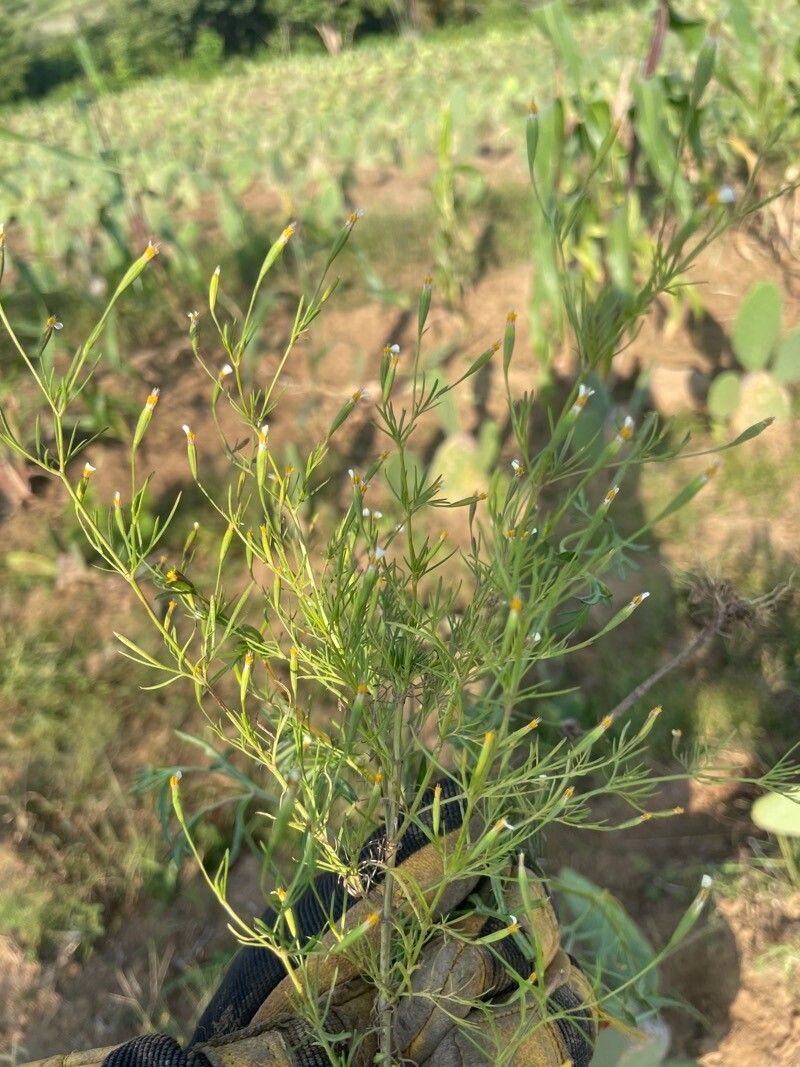
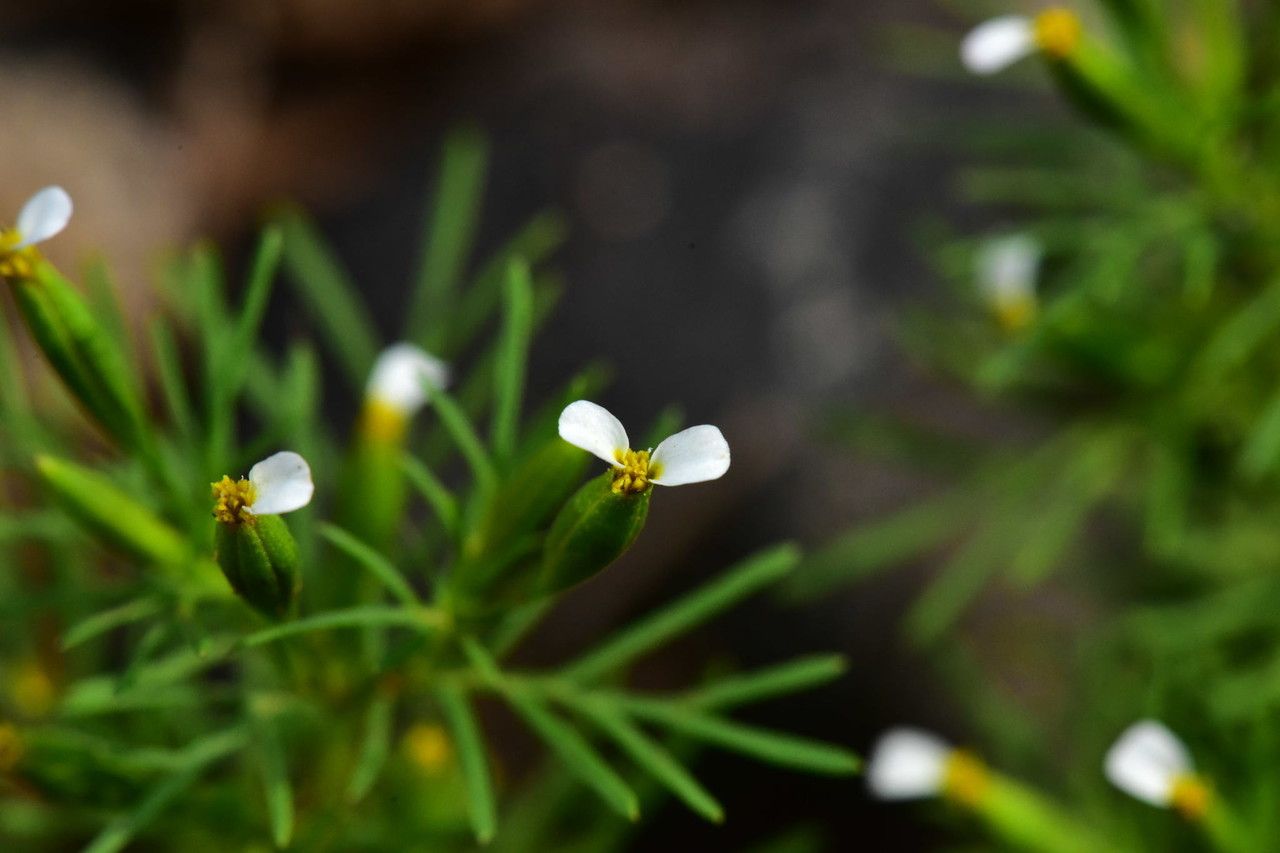
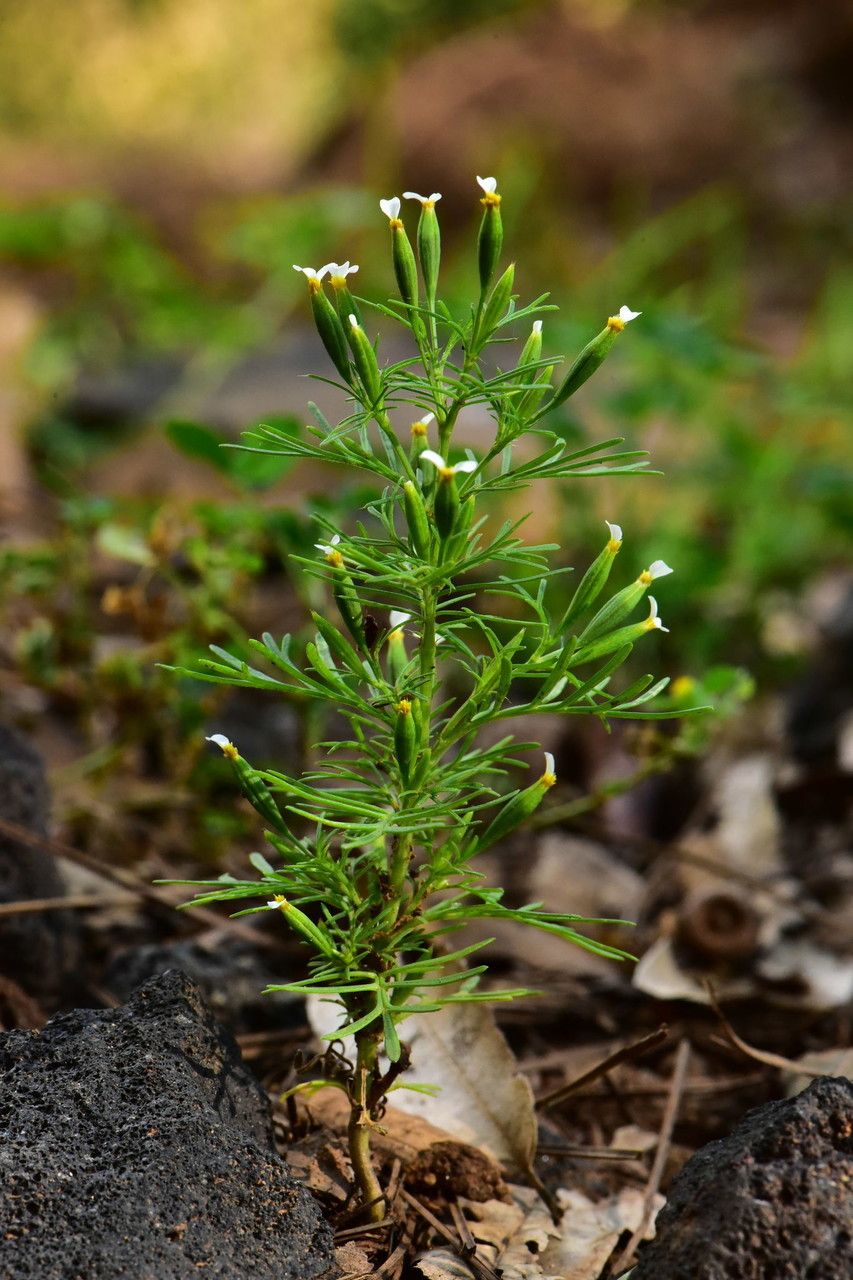
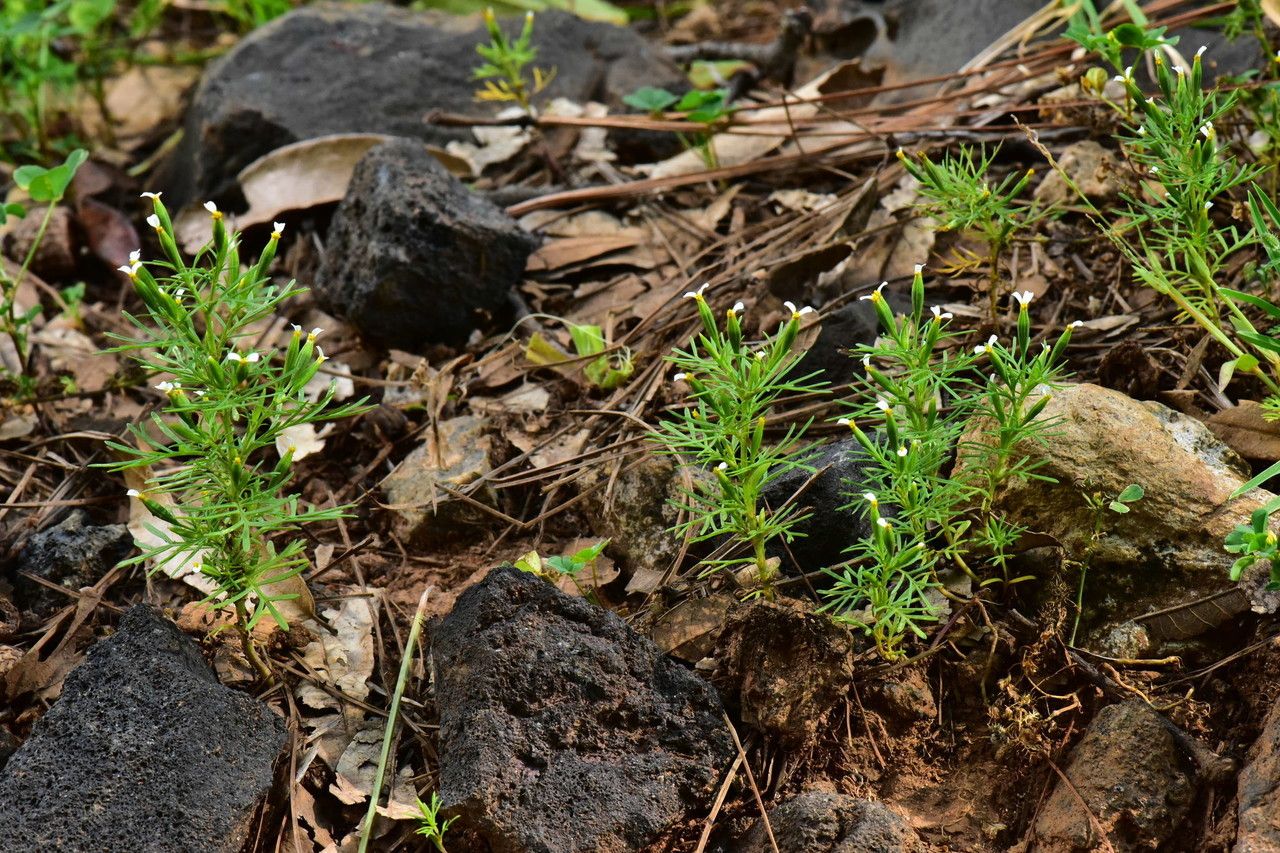
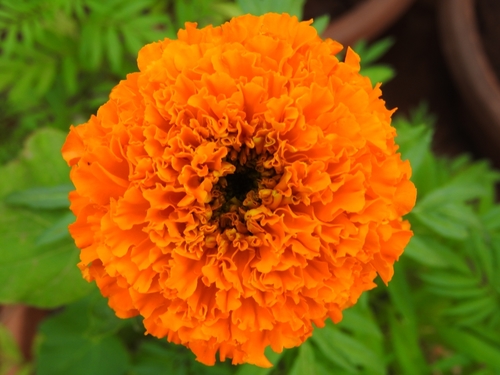
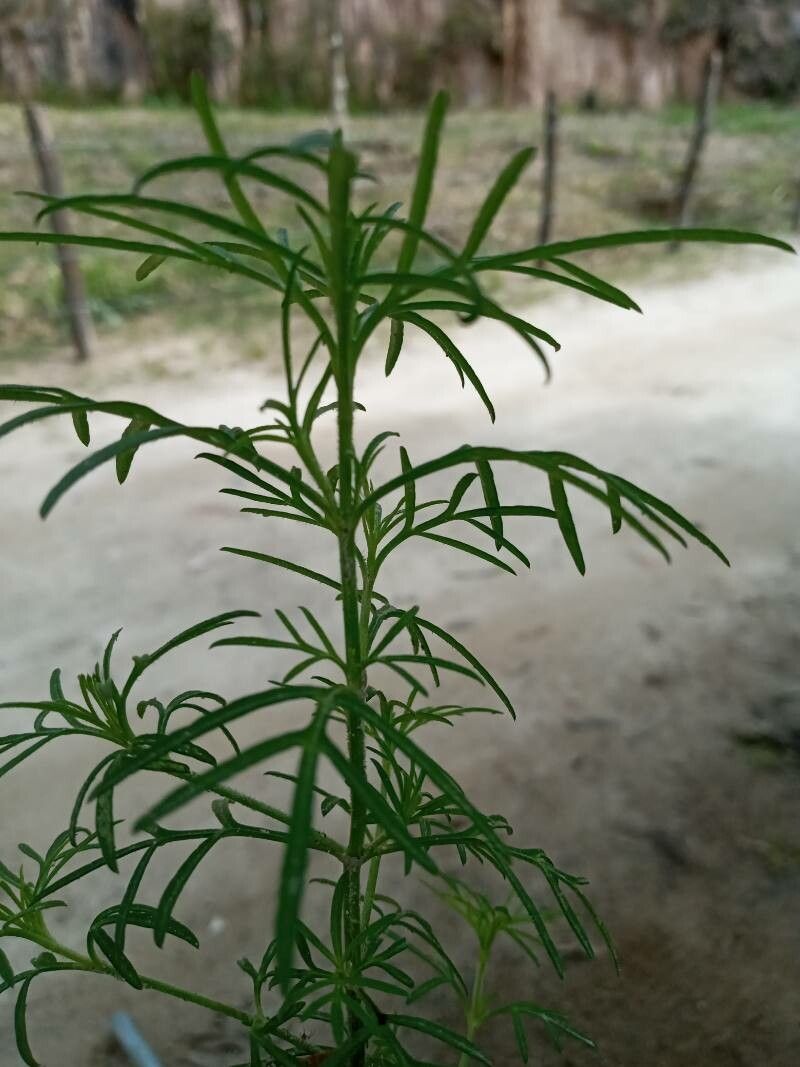
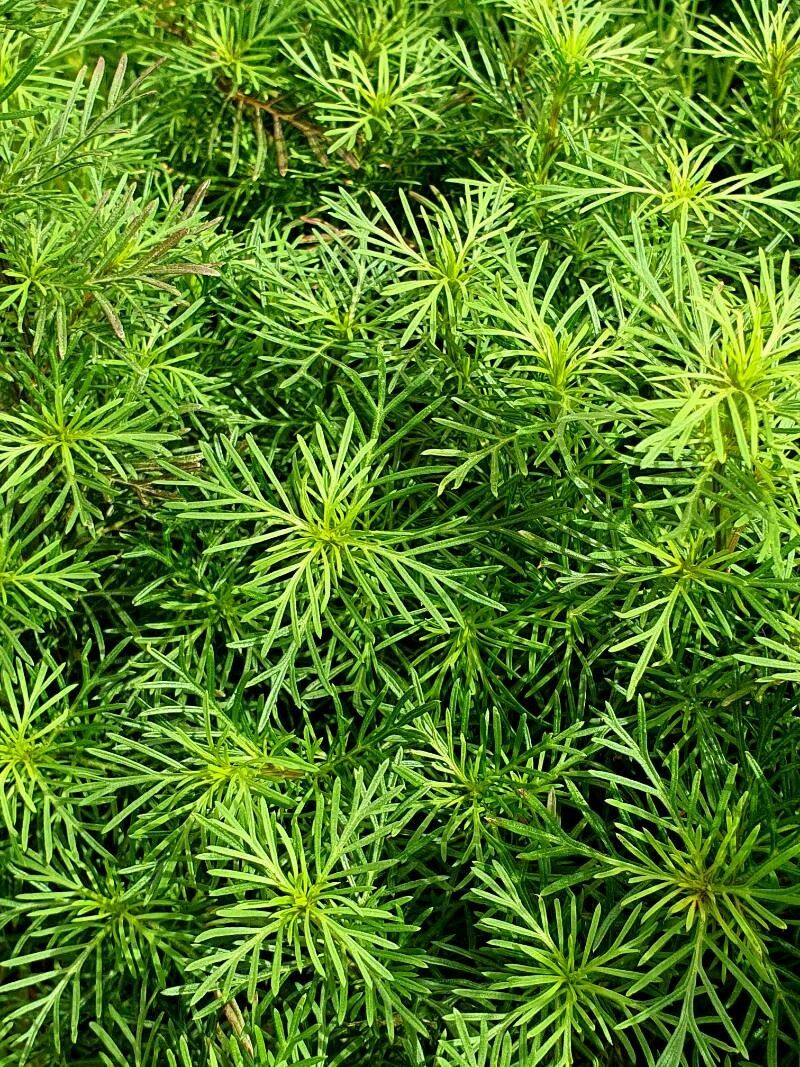
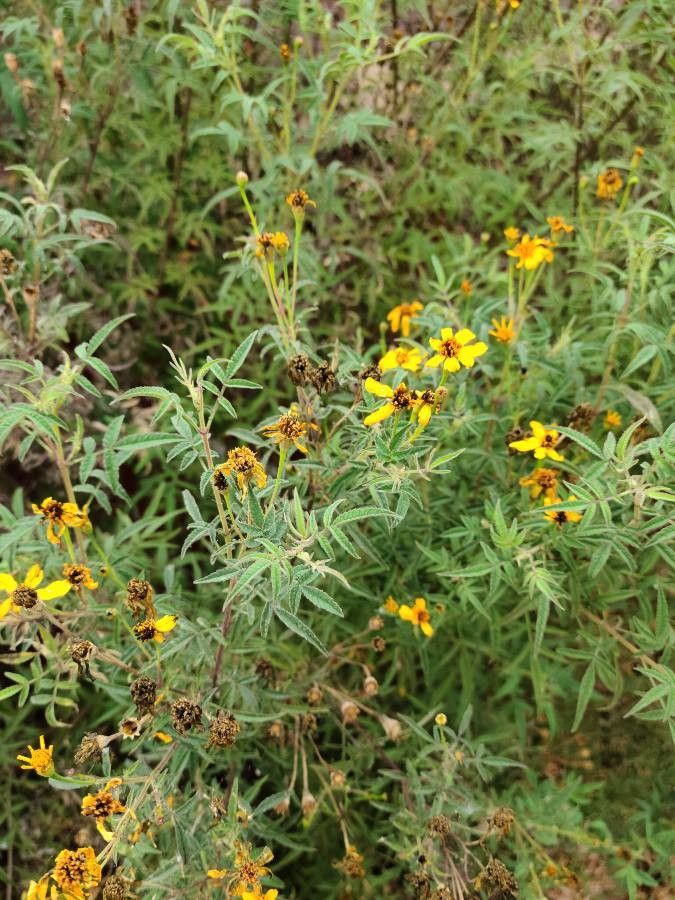
Tagetes micrantha is a North American species of wild marigold within the family Asteraceae, common name licorice marigold. It is widespread across much of Mexico from Chihuahua to Oaxaca, and found also in the southwestern United States (Arizona, New Mexico, western Texas).Tagetes micrantha is an annual herb sometimes reaching as much as 35 cm (14 inches) tall. Leaves are up to 35 mm (1.4 inches) long, pinnately compound very narrow leaflets. The plant generally produces only one flower head per stem, each head usually with no ray florets but occasionally 1 or 2, along with 5-6 disc florets. Flowers bloom August to September. The plant is found in disturbed sites as well as in open woodlands with scattered pines and junipers.
Licorice marigold is fairly disease-resistant and usually does not suffer from many illnesses. However, it can be vulnerable to pests and diseases present in its environment. These problems are typically not serious. For care, this plant requires moderate attention. It should be pruned regularly to keep a neat appearance and encourage healthy growth. Fertilizing can also help stimulate flowering. Licorice marigold is appropriate for anyone with outdoor space, like a garden or patio, and does not demand extensive gardening experience. It may need more care when cultivated indoors.
How to keep Tagetes Micrantha.
Light
Licorice marigold comes from bright, open environments where it flourishes in full sun. It can handle partial sun but favors direct sunlight for the best growth. This plant, which can be annual or biennial, is noted for its sun-loving nature.
Temperature
Licorice marigold comes from tropical areas where the weather is usually warm and humid. Therefore it is adapted to high temperatures and humidity. It does not tolerate sudden temperature changes and prefers a steady temperature, so avoiding indoor temperature fluctuations is important. It typically cannot withstand cold and needs higher temperatures to grow. If the ambient temperature drops too much, the plant may stop growing or even die.
Fertilizer
When most of the Licorice marigold's blooms have opened to full size, resume fertilizing. At the peak of bloom production, apply fertilizer once every three to four weeks, as the weather allows. Then, when the Licorice marigold begins producing fewer new blooms, stop fertilizing; there's no need to feed it when it can no longer produce more blooms.
Pruning
Licorice marigolds flourish with regular pruning, especially by deadheading and removing long, unwieldy stems. This practice enhances both the duration and shape of the blooms. The best time for pruning is from early to late spring, which improves air circulation and overall plant health. For optimal results, make cuts just above a node to encourage new growth.
Botanical profile.
- Plant Type
- Herb
- Life Cycle
- Annual
- Genus
- Tagetes
- Family
- Asteraceae
- Hardiness Zone
- 9-11
- Mature Height
- 20 cm to 40 cm
- Mature Spread
- 15 cm to 30 cm
- Leaf Color
- Green, Dark Green
- Leaf Type
- Deciduous
- Flower Color
- Yellow, Orange
- Flower Size
- 1.02 cm to 2.03 cm
- Bloom Time
- Summer, Fall
- Planting Time
- Spring, Summer, Autumn
- Harvest Time
- Late summer, Fall, Early winter
- Native Area
- Colombia, Mexico, Bolivia
Other names.
Reader questions.
What are the sunlight requirements for Licorice marigold (Tagetes micrantha)?
Licorice marigold, known botanically as Tagetes micrantha, thrives in conditions where it receives specific amounts of sunlight. For optimal growth, it requires full sun, meaning it should be exposed to more than 6 hours of sunlight daily. However, it can also tolerate partial sun, which equates to about 3-6 hours of sunlight. It's important to observe the way sunlight moves through your garden throughout the day. By doing so, you can find the ideal locations that provide the perfect balance of light and shade, ensuring your Licorice marigold plants are happy and healthy.
What is Licorice Marigold?
Licorice Marigold, known botanically as Tagetes micrantha, is a plant recognized by its unique name but does not have specified essentials or symptoms associated with its details in this context.