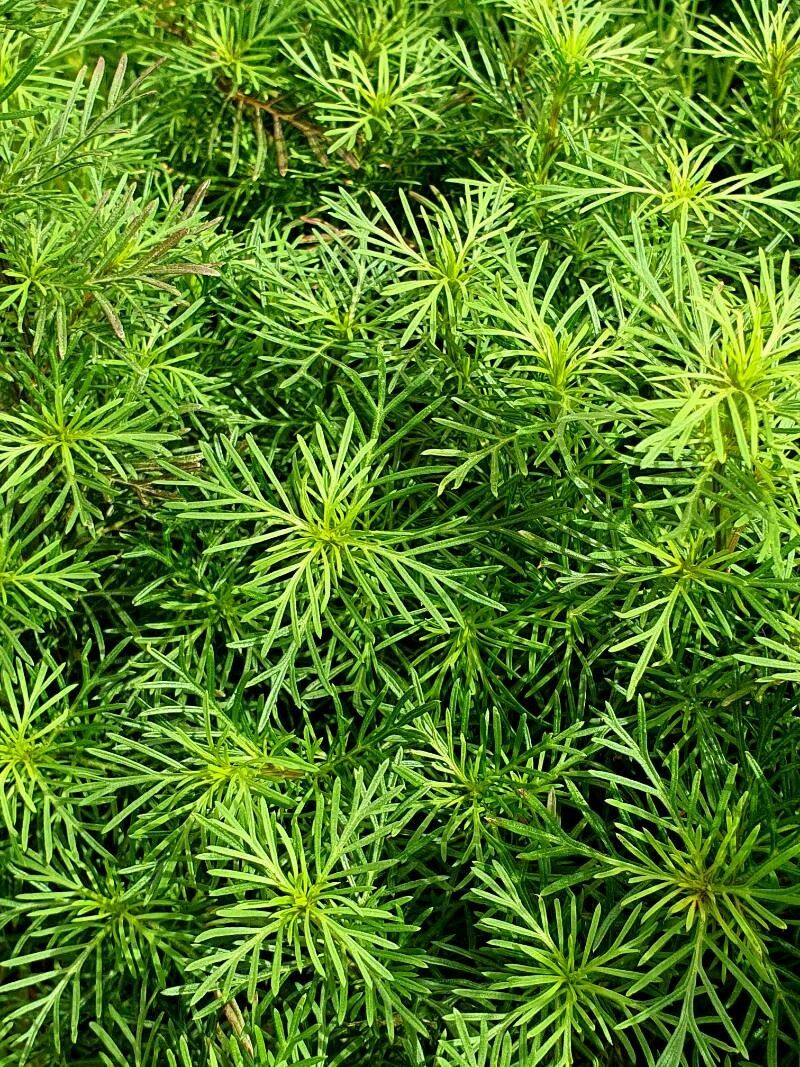
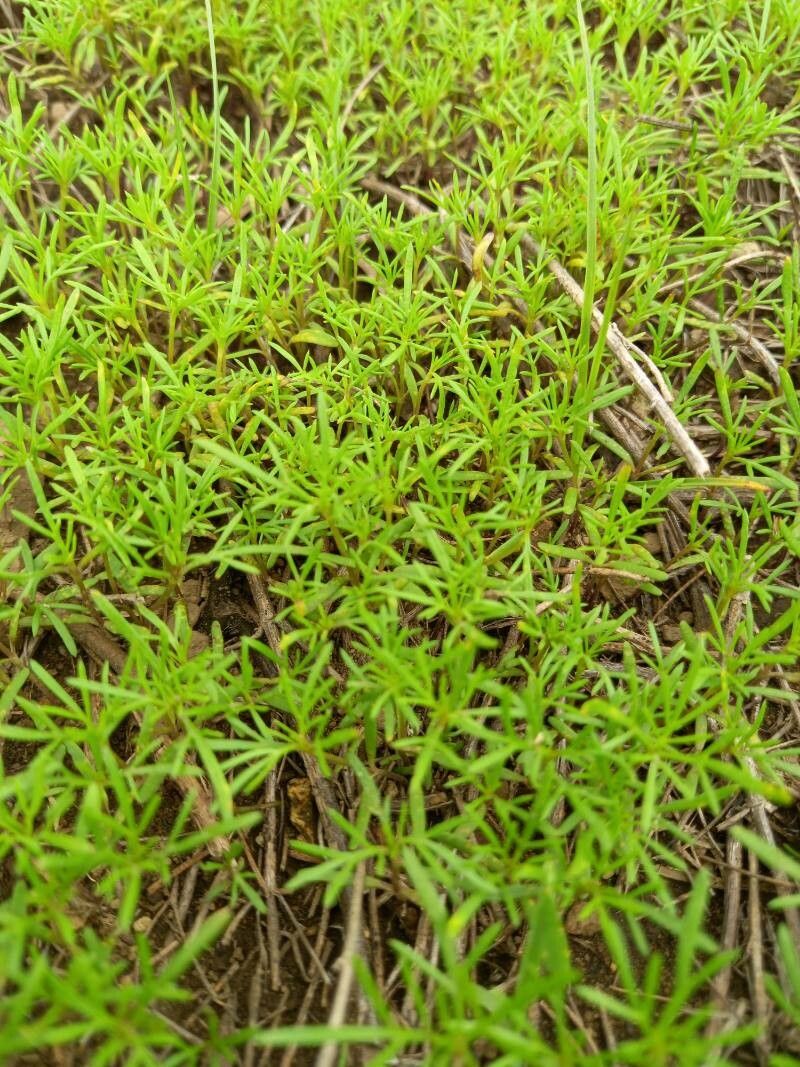
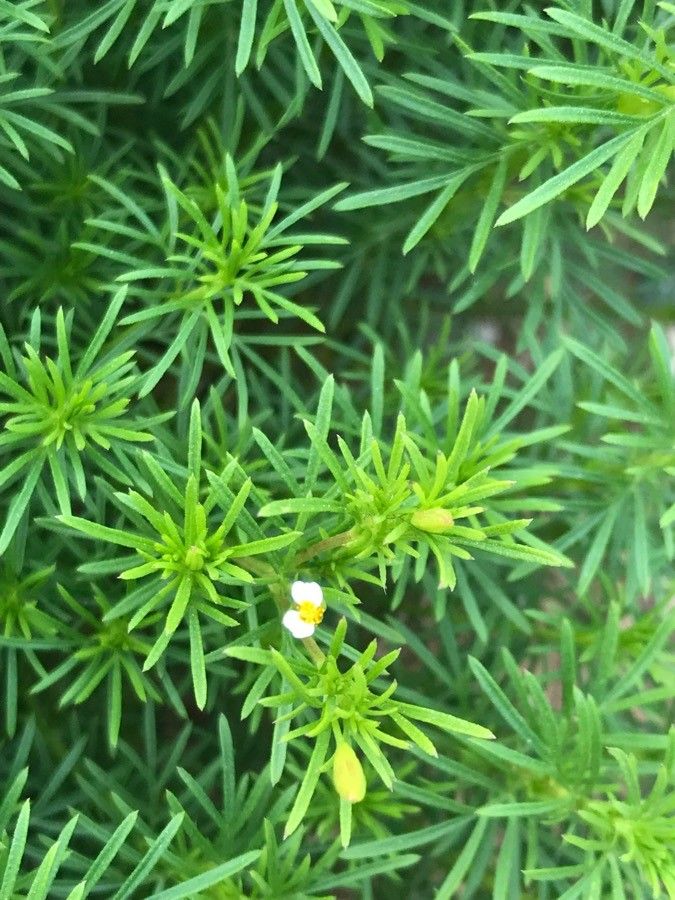
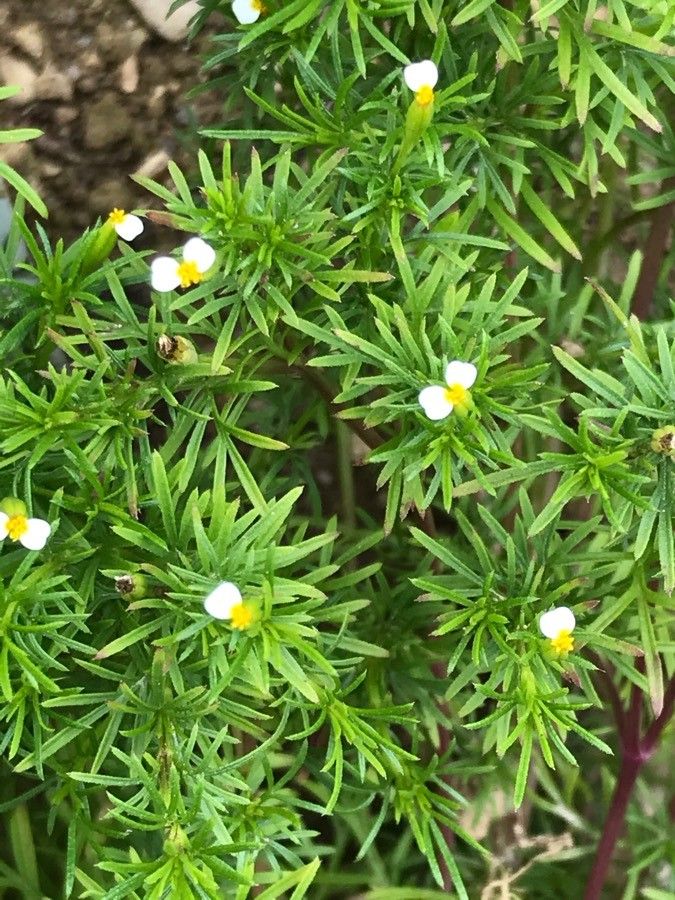
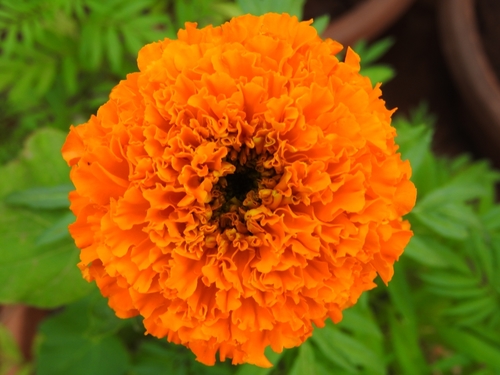
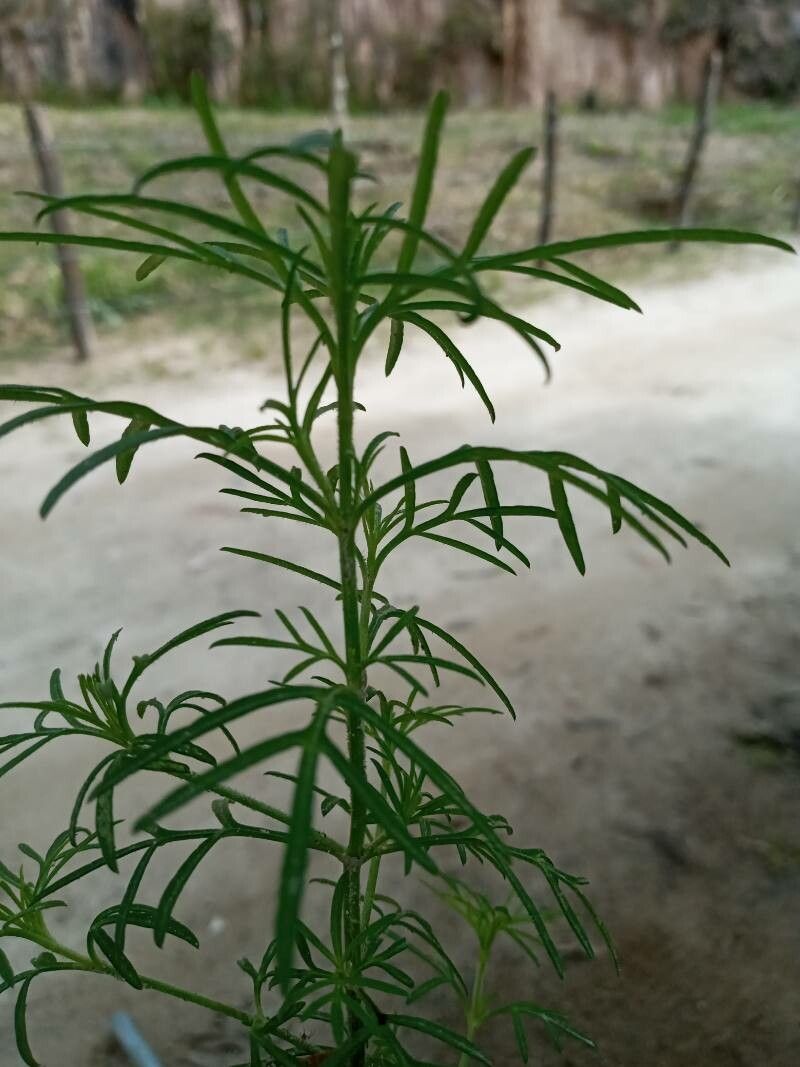
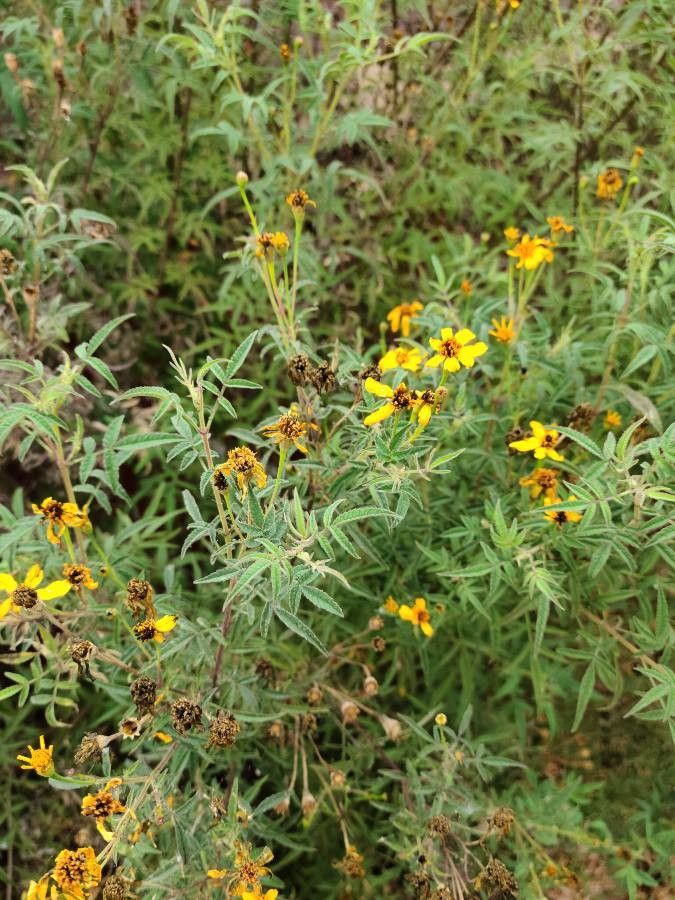
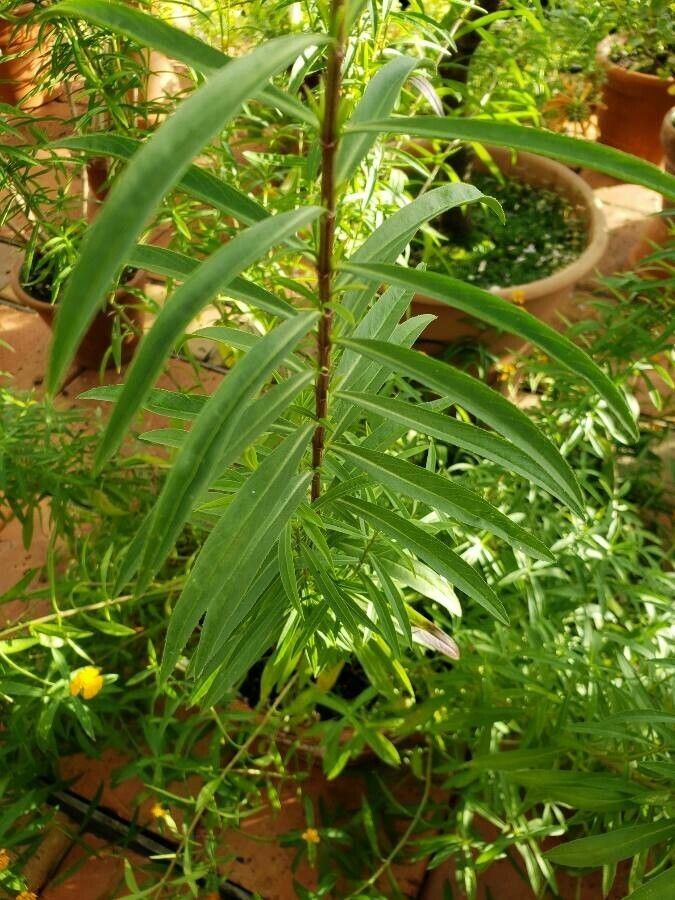
Tagetes coronopifolia has strong resistance to disease and is usually not affected by illnesses. Still, it can be vulnerable to pests and diseases found in its environment, though these problems are generally mild. Care-wise, the plant needs a moderate level of attention. Regular pruning is necessary to keep a neat appearance and support healthy growth, and fertilizing can encourage it to bloom. This species is well suited to people with outdoor spaces like a garden or patio and does not demand extensive gardening experience. It may require increased care if grown indoors.
How to keep Tagetes Foeniculacea.
Light
Tagetes coronopifolia comes from bright, open habitats where it does best in full sun. It can tolerate partial sun but prefers direct sunlight for optimal growth. This annual and biennial plant is noted for its sun-loving nature.
Temperature
Tagetes coronopifolia comes from tropical areas, where the weather is usually warm and humid. Therefore, it is adapted to high temperatures and moisture. It does not tolerate abrupt temperature changes and prefers a consistent temperature, so avoiding indoor temperature swings is important. It typically cannot endure cold conditions and requires warmer temperatures to develop. If the surrounding temperature becomes too low, the plant may stop growing or even die.
Fertilizer
When most of Tagetes coronopifolia's blooms have fully opened, resume fertilizing. During the peak flowering period, apply fertilizer every three to four weeks as weather allows. Once Tagetes coronopifolia begins producing fewer new blooms, stop fertilizing; there is no need to feed the plant when it can no longer generate more flowers.
Botanical profile.
- Plant Type
- Herb
- Life Cycle
- Annual
- Genus
- Tagetes
- Family
- Compositae
- Hardiness Zone
- 9-11
- Mature Height
- 30 cm to 61 cm
- Mature Spread
- 20 cm to 30 cm
- Leaf Color
- Dark Green
- Leaf Type
- Deciduous
- Flower Color
- Yellow, Orange
- Flower Size
- 2.03 cm to 3.05 cm
- Bloom Time
- Summer, Fall
- Planting Time
- Spring, Summer, Autumn
- Harvest Time
- Late summer, Fall, Early winter
- Native Area
- Mexico