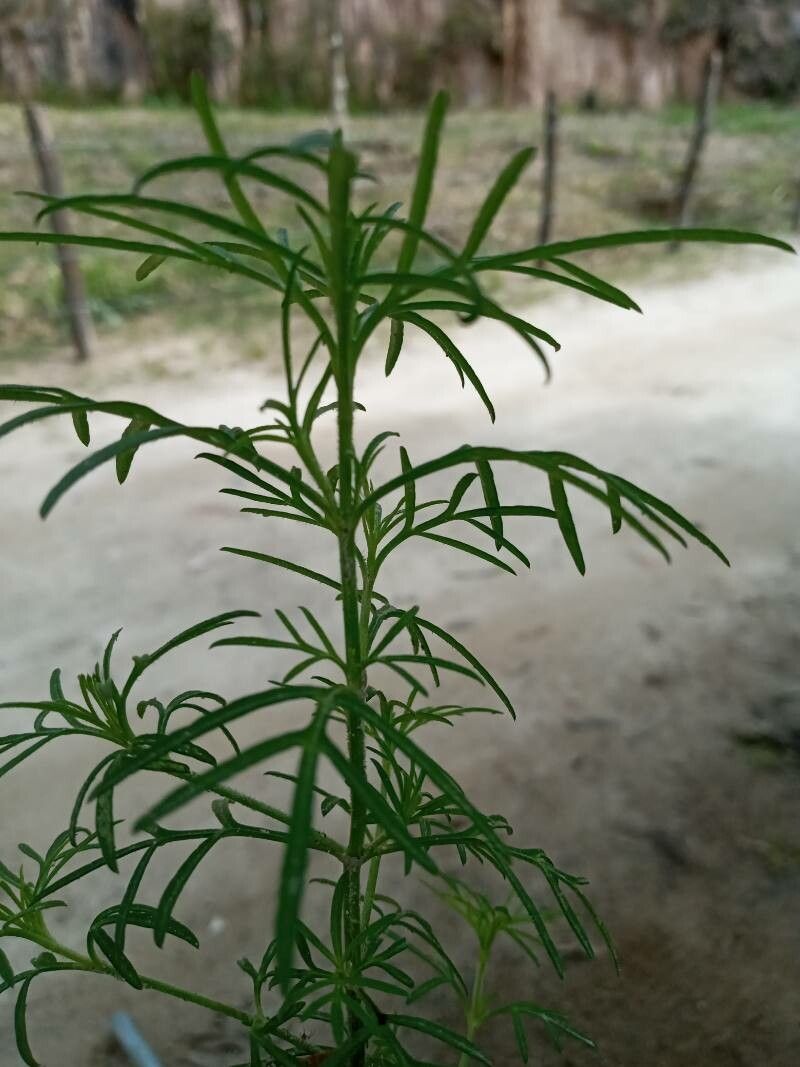
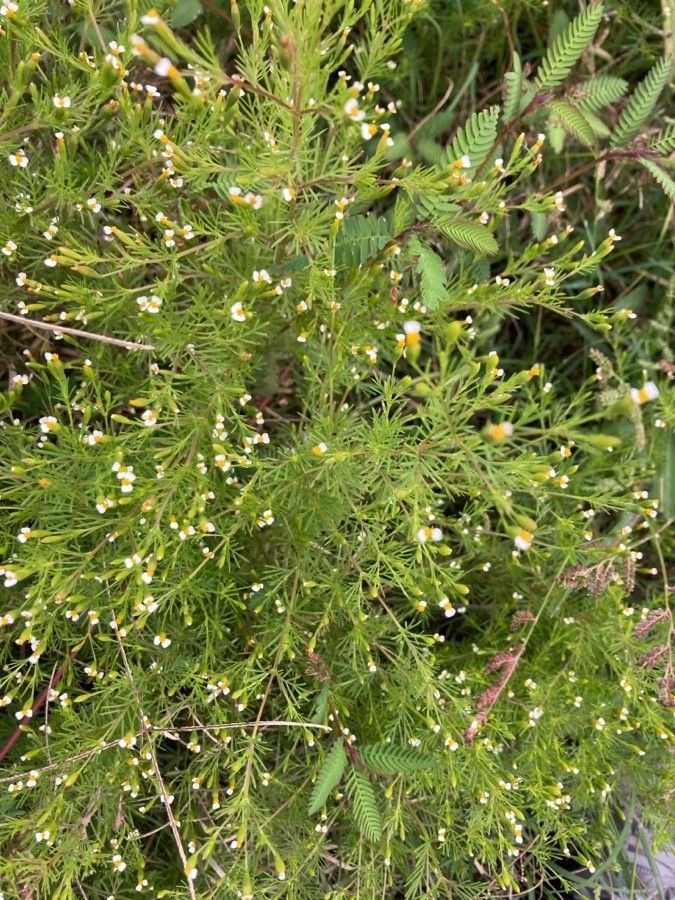
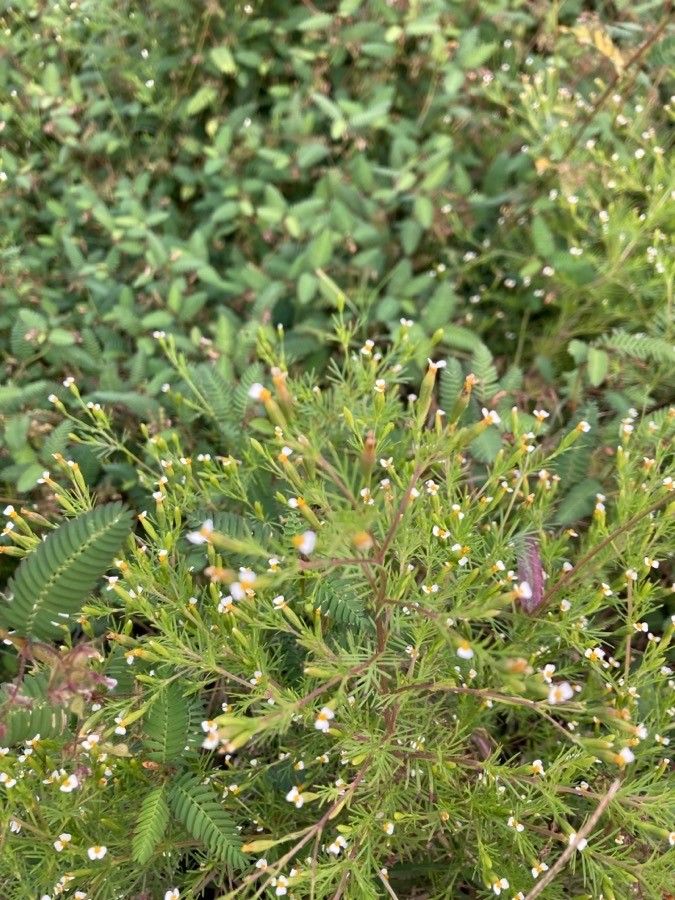
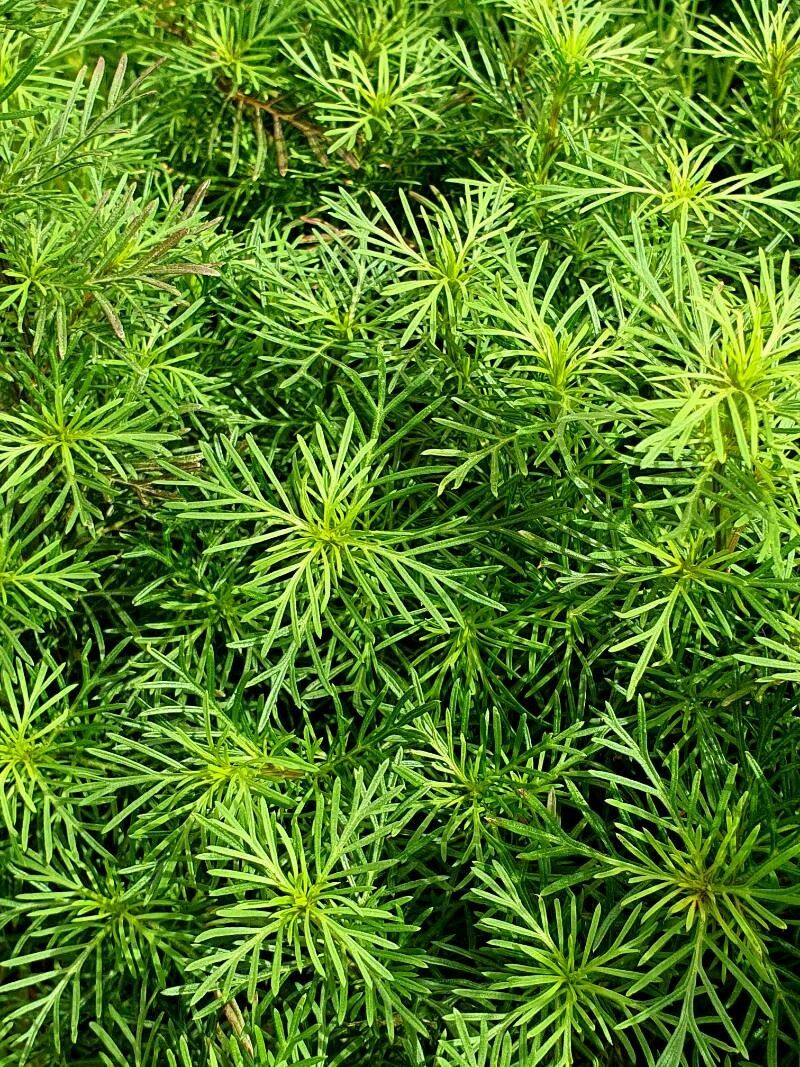
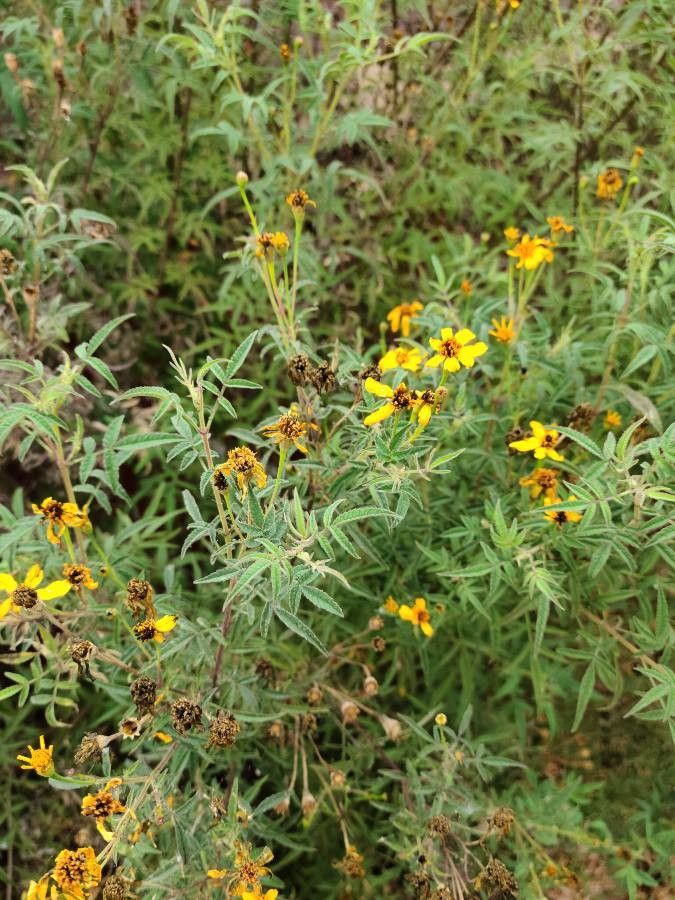
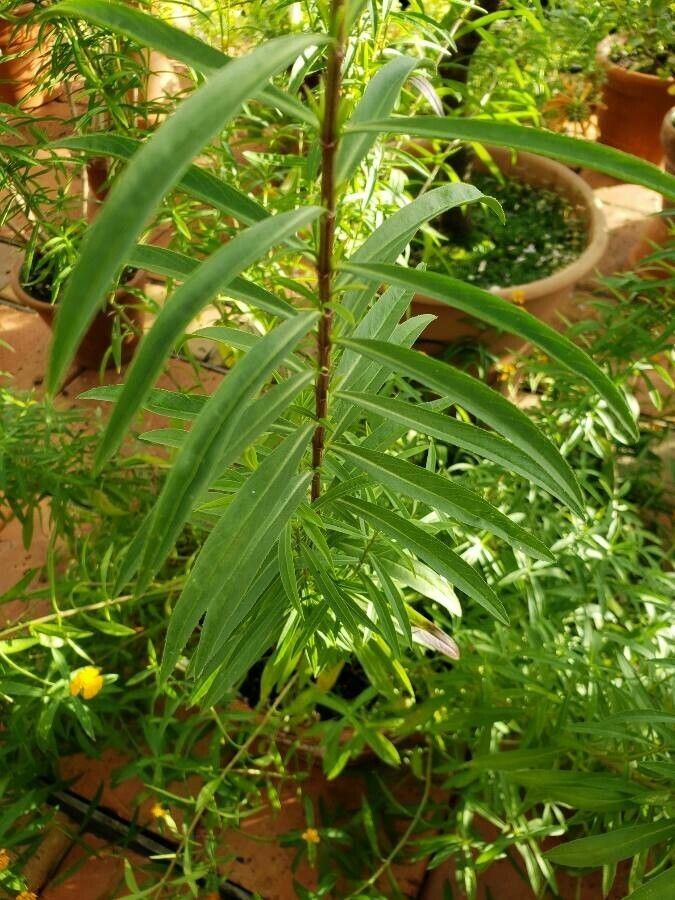
Tagetes filifolia is a New World species of marigolds in the family Asteraceae. It is widespread across much of Latin America from northern Mexico to Argentina. Common name is Irish lace despite the fact that the plant does not grow in Ireland.Tagetes filifolia is a branching annual herb up to 50 cm (20 inches) tall. It has a strong aroma similar to that of anise or liquorice. Leaves resemble small branching, feathery threads.People of the native range of the species use it as a food flavoring, a tea, and a diuretic.
Tagetes filifolia has strong resistance to diseases and is generally not prone to them. Nevertheless, it can be vulnerable to pests and diseases present in its environment. Such infections are typically mild. Regarding care, this plant needs a moderate level of maintenance. It should be pruned regularly to preserve a neat appearance and support healthy growth. Applying fertilizer can also encourage flowering. Tagetes filifolia is appropriate for anyone with an outdoor area, like a garden or patio, and does not demand extensive gardening experience. It may need additional attention if kept indoors.
How to keep Tagetes Filifolia.
Light
Tagetes filifolia hails from bright, open habitats and flourishes in full sun. It tolerates partial sun but favors direct sunlight for optimal growth. This plant, which may be annual or biennial, is noted for its sun-loving nature.
Water
Tagetes filifolia, native to temperate regions, thrives in moderately moist soil and can withstand short periods of dryness. To care for this plant, water it twice a week, making sure not to over-saturate the soil. While typically grown outdoors, tagetes filifolia benefits from rainwater during the growing season, which helps support its vigorous growth.
Temperature
Tagetes filifolia comes from tropical areas where the climate is generally warm and humid. Because of this, it is well suited to high temperatures and humidity. It is sensitive to sudden temperature shifts and favors a stable temperature environment, so indoor temperature fluctuations should be avoided. It typically cannot withstand cold and needs warmer conditions to grow. If the surrounding temperature falls too low, growth may stop or the plant could die.
Fertilizer
When Tagetes filifolia has opened most of its flowers to full size, resume fertilizing. At peak bloom, apply fertilizer every three to four weeks, weather permitting. Then, once the plant begins producing fewer new blooms, stop fertilizing; there's no need to feed it when it can no longer produce more flowers.
Pruning
Pruning Tagetes filifolia from early to late spring can greatly benefit the plant by removing dead stems and improving its shape. Thinning out dense areas enhances air circulation, which helps prevent disease. Regularly pinching the tips of the plant encourages bushier growth, leading to healthier development and more abundant flowering. This practice also enhances the plant's visual appeal.
Botanical profile.
- Plant Type
- Herb
- Life Cycle
- Annual
- Genus
- Tagetes
- Family
- Asteraceae
- Hardiness Zone
- 9-11
- Mature Height
- 15 cm to 30 cm
- Mature Spread
- 20 cm to 30 cm
- Leaf Color
- Green
- Leaf Type
- Deciduous
- Flower Color
- White, Yellow
- Flower Size
- 0.51 cm to 0.76 cm
- Bloom Time
- Summer, Early fall, Mid fall
- Planting Time
- Spring, Summer, Autumn
- Harvest Time
- Late summer, Fall, Early winter
- Native Area
- Colombia, Honduras, Mexico, Guatemala, Bolivia, Venezuela, Peru, El Salvador, Nicaragua, Ecuador, Costa Rica, Panama
Other names.
Reader questions.
What are the sunlight requirements for Tagetes filifolia?
Tagetes filifolia, also known by its botanical name Tagetes filifolia, thrives best under specific sunlight conditions. For optimal growth, the plant requires 'Full sun,' which means it should receive above 6 hours of sunlight daily. Alternatively, it can also flourish in 'Partial sun,' requiring about 3-6 hours of sunlight. It's important to observe how sunlight moves through your garden throughout the day. Selecting locations that ensure a healthy balance of light and shade will contribute significantly to the happiness and well-being of your Tagetes filifolia.