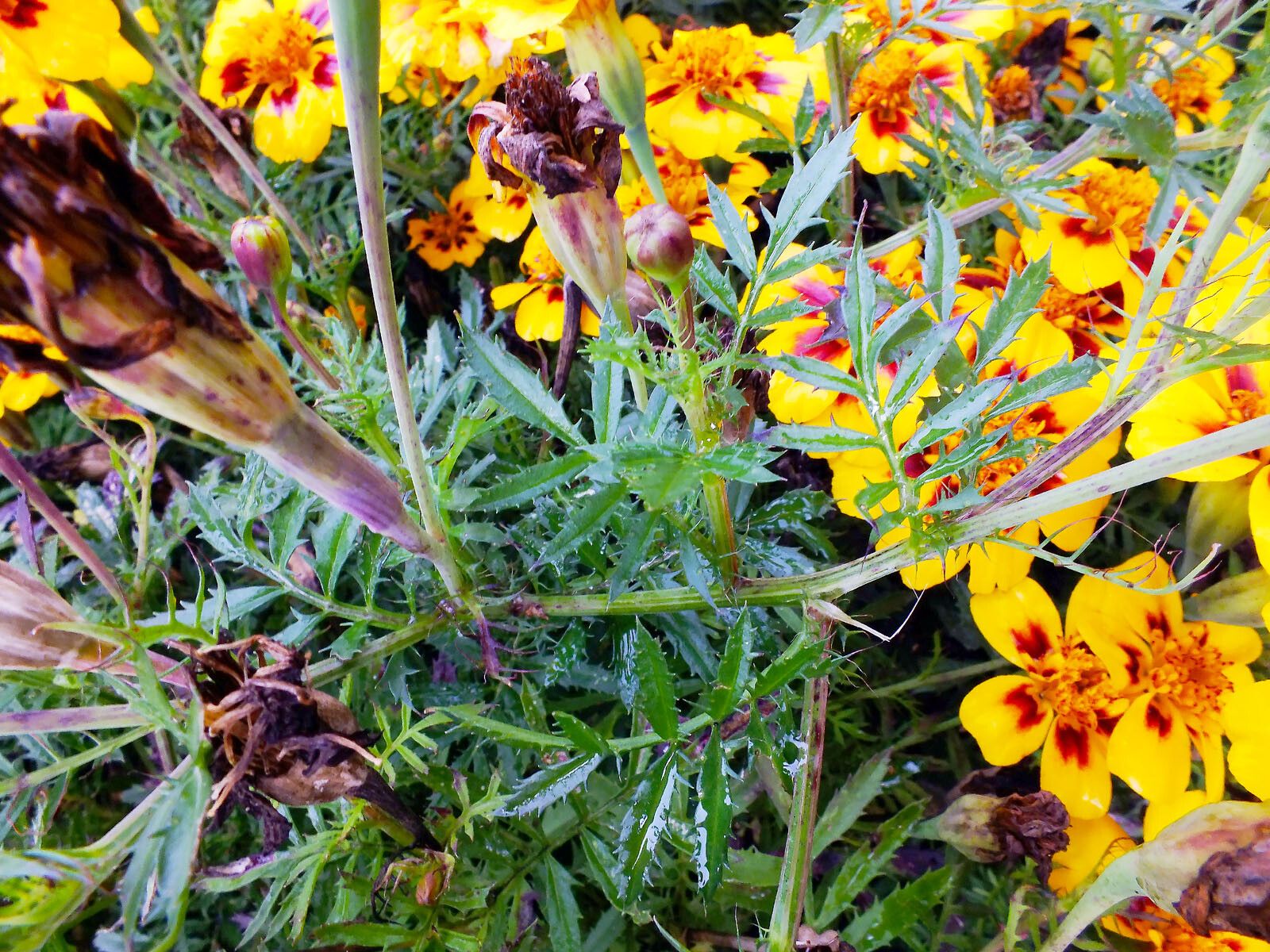
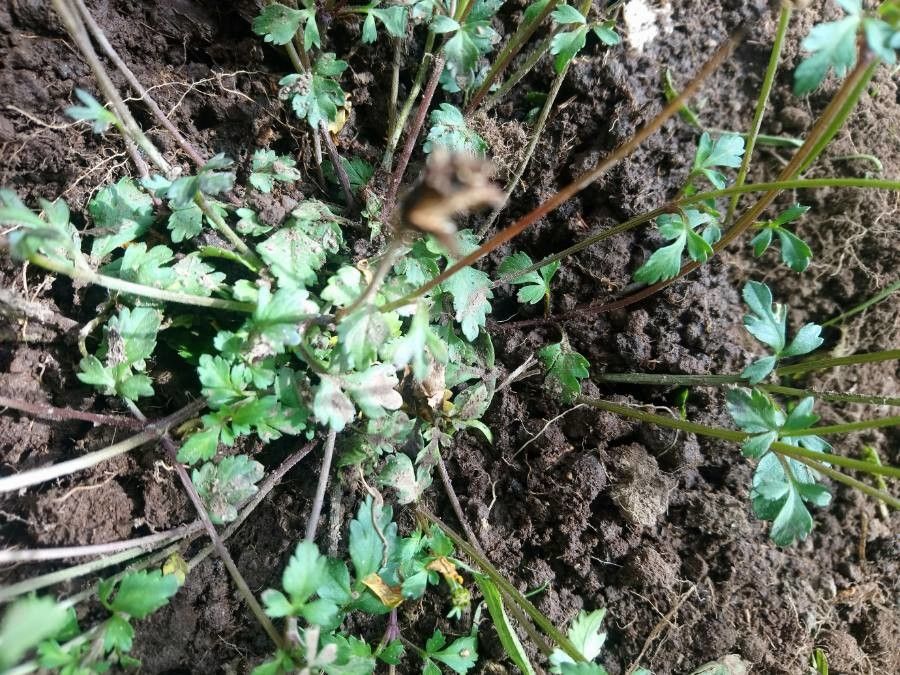
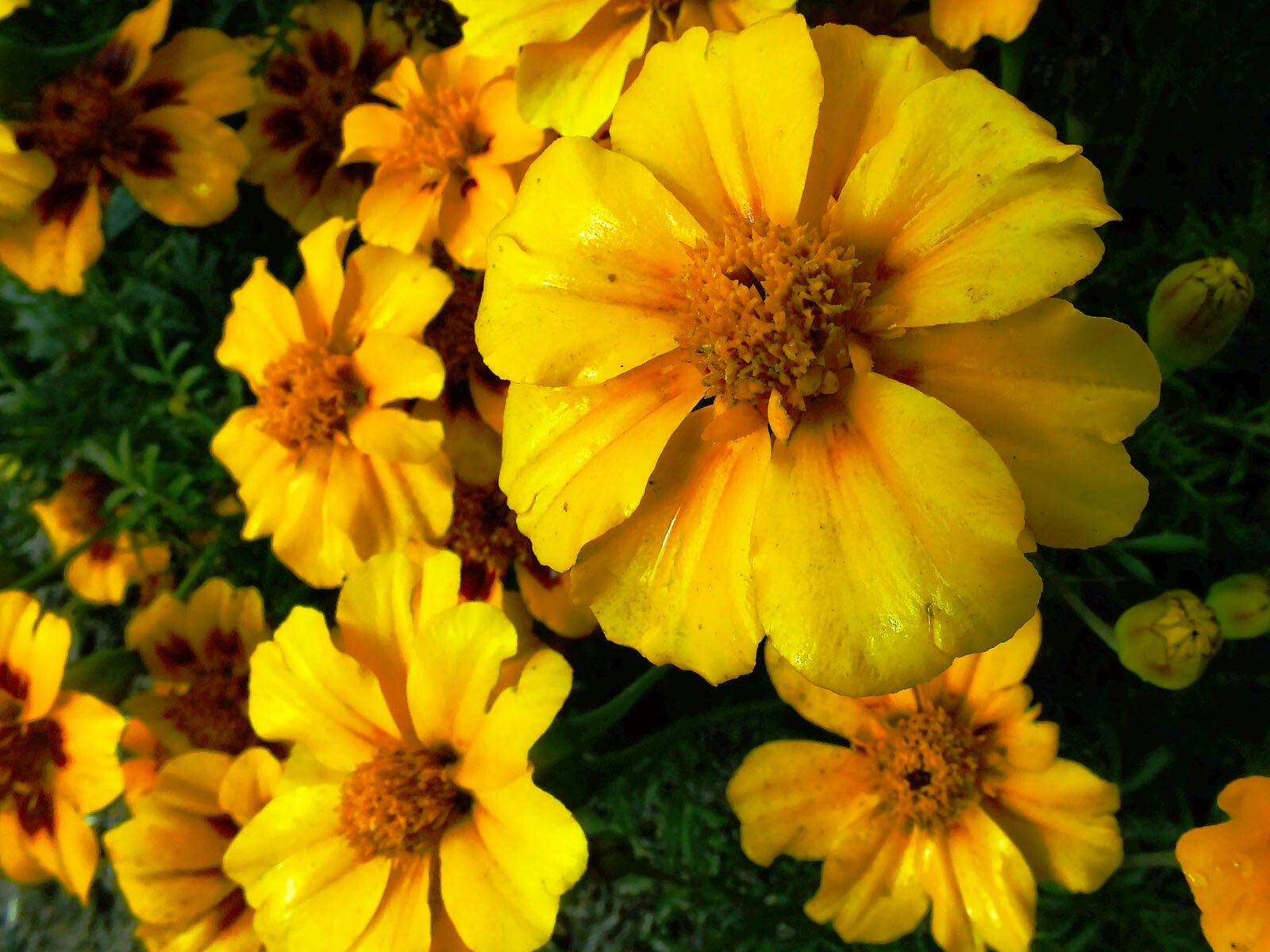
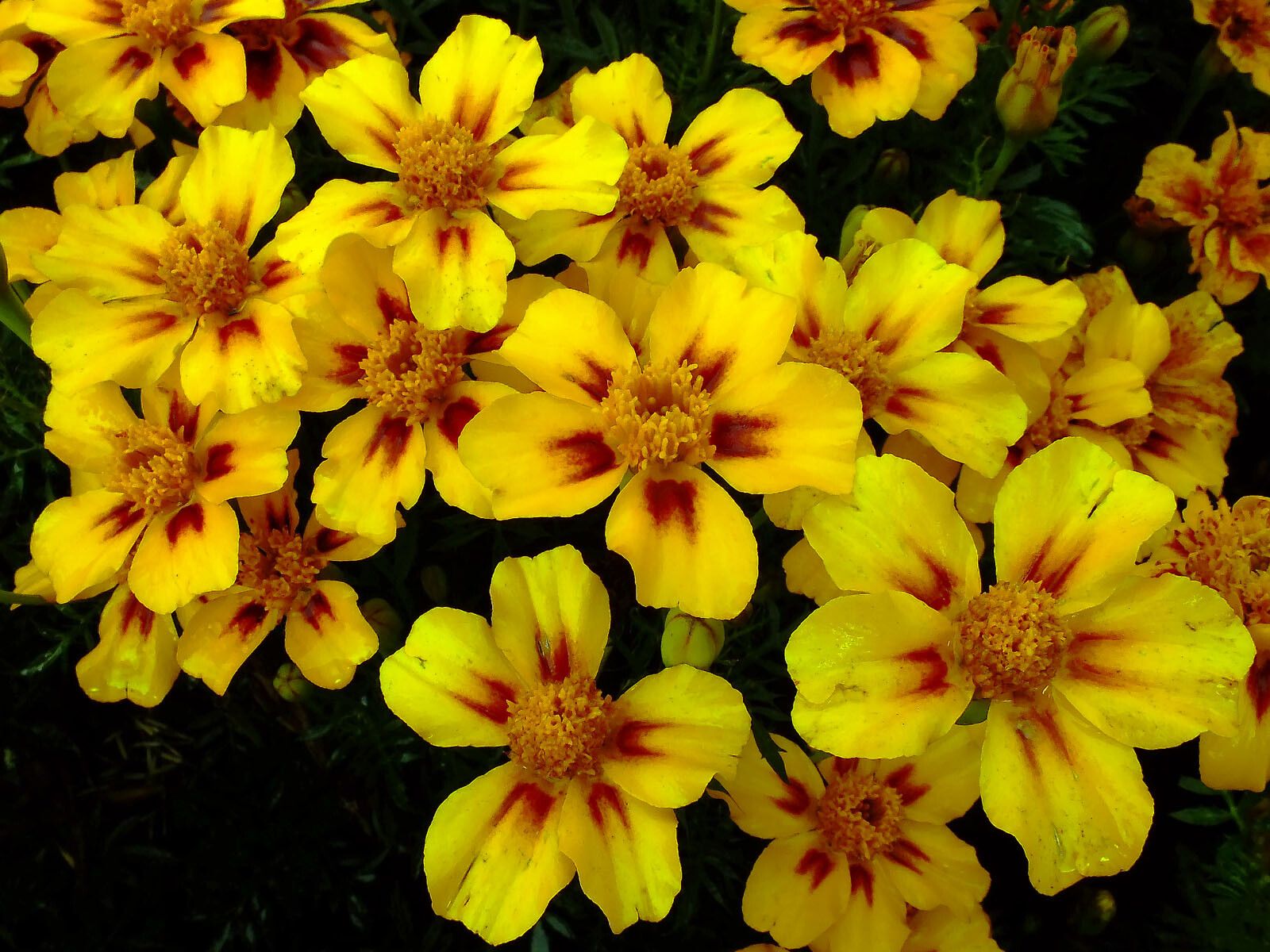
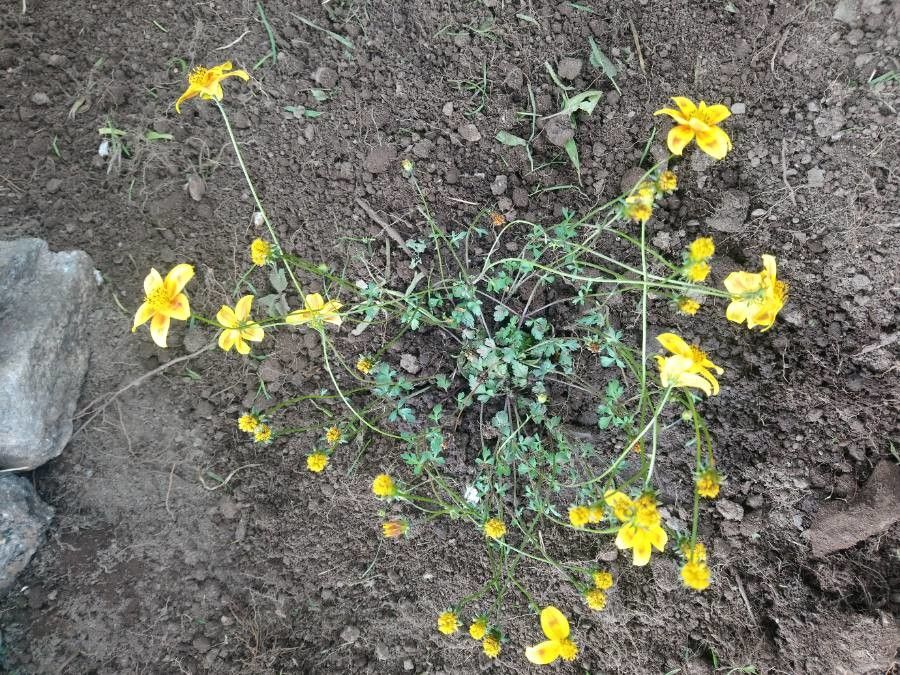
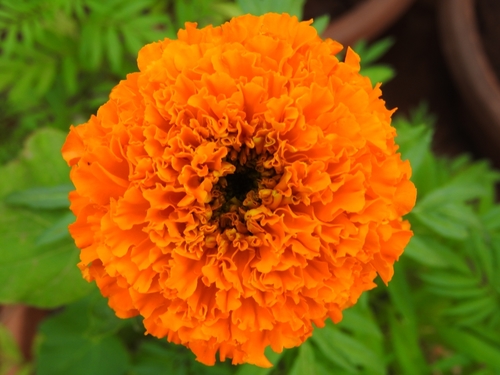
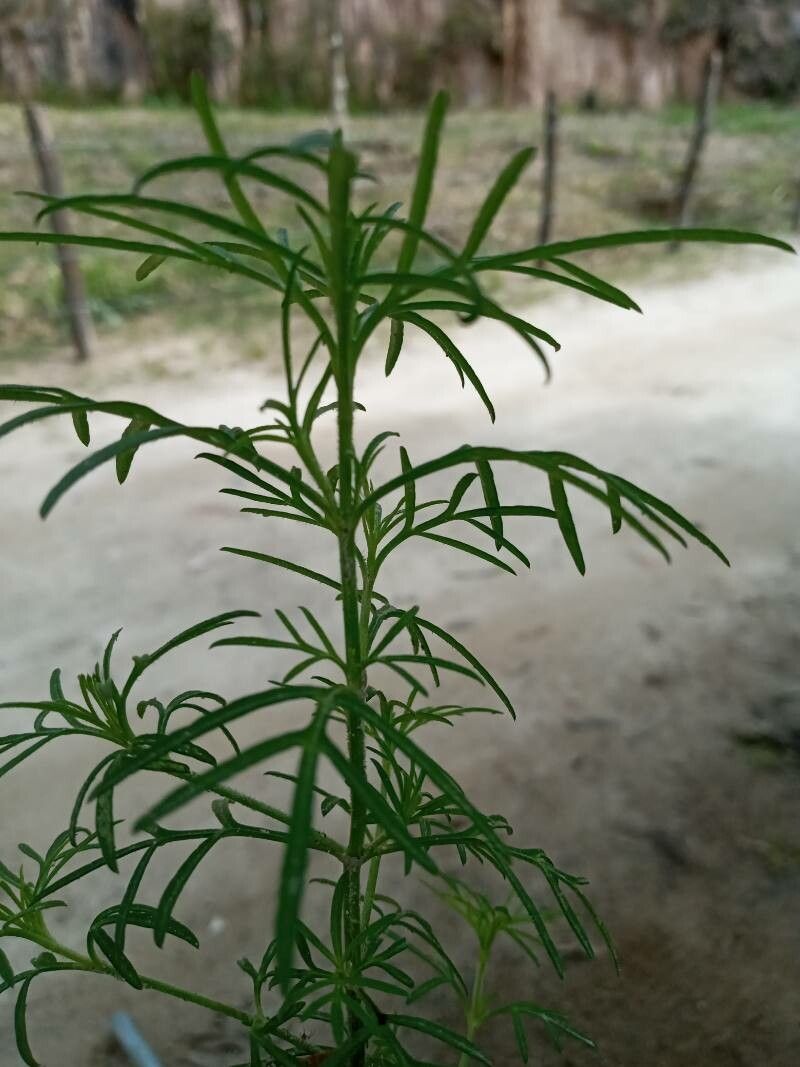
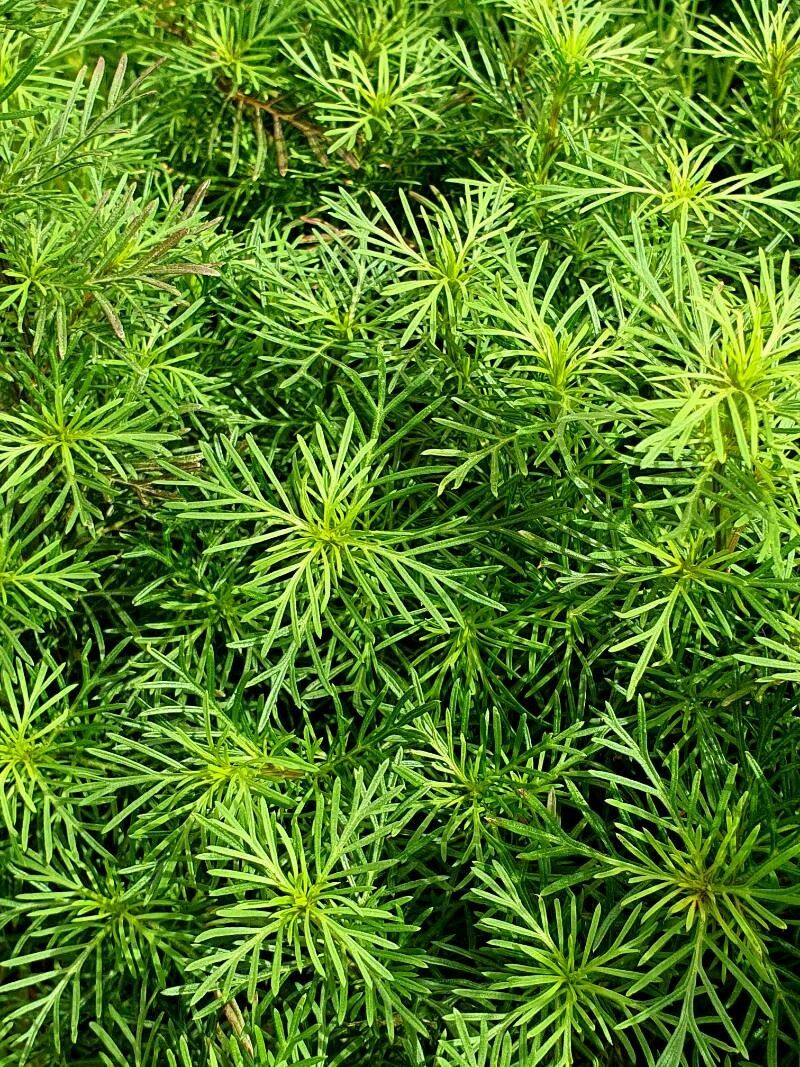
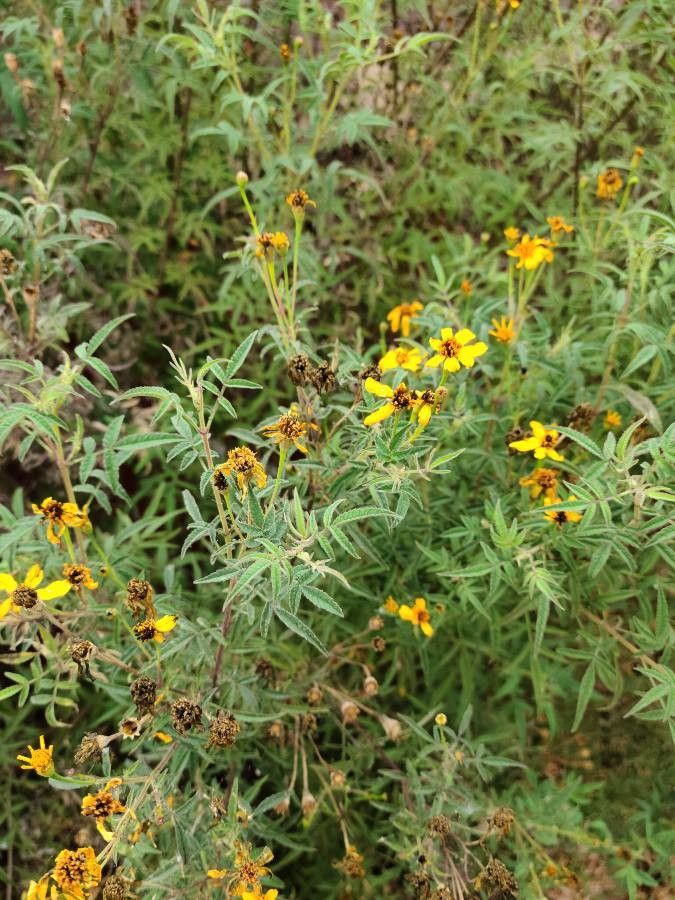
Tagetes () is a genus of annual or perennial, mostly herbaceous plants in the family Asteraceae. They are among several groups of plants known in English as marigolds. The genus Tagetes was described by Carl Linnaeus in 1753.These plants are native to Mexico, growing naturally since Mexico's valley down to the south and even reaching several other Latinamerican countries, but some species have become naturalized around the world. One species, T. minuta, is considered a noxious invasive plant in some areas.
Red-crescent marigold is fairly disease-resistant and typically not prone to illnesses. Still, it can be affected by pests and diseases present in its environment. Such infections are generally mild. Regarding care, this plant requires moderate maintenance. Regular pruning is necessary to keep a good appearance and support healthy growth. Applying fertilizer can also encourage flowering. Red-crescent marigold is appropriate for anyone with an outdoor area, like a garden or patio, and does not demand much gardening experience. It may need more attention if grown indoors.
How to keep Tagetes Lunulata.
Light
Red-crescent marigold comes from bright, open habitats and flourishes in full sun. It can tolerate partial sun but prefers direct sunlight for optimal growth. This annual and biennial plant is known for its sun-loving character.
Water
To ensure the healthy growth of red-crescent marigolds, consistent watering is crucial during the planting phase. It's important to keep the soil from drying out completely. In particularly sunny conditions, water the plants daily until they are well-established. After the roots have developed, switch to watering them weekly to encourage vibrant blooms. Be sure to adjust your watering routine according to the surrounding environmental conditions and avoid overwatering, as standing water can lead to root rot. During hot weather, mist the seedlings to help maintain their moisture levels.
Temperature
The Red-crescent marigold comes from tropical areas, where the climate is generally warm and humid. For that reason, it is well adapted to high temperatures and moisture. It does not tolerate sudden temperature shifts and prefers a steady temperature, so avoiding temperature fluctuations indoors is important. It usually cannot withstand cold and needs warmer conditions to grow. If the surrounding temperature falls too low, the plant may stop growing or even die.
Fertilizer
When most of the Red-crescent marigold's blooms have opened to full size, resume fertilizing. Around the plant's peak bloom period, apply fertilizer once every three to four weeks, weather permitting. Then, when the Red-crescent marigold begins to produce fewer new blooms, stop fertilizing; there is no need to feed it once it can no longer produce more flowers.
Pruning
To enhance lush growth and vibrant blooms of the red-crescent marigold, it is important to prune regularly from early to late spring. Begin by removing dead stems and spent flowers, and lightly trim overgrown areas to encourage fuller foliage. This practice helps improve air circulation, prevents pests, and promotes overall plant health, boosting both the aesthetics and vigor of the marigold.
Botanical profile.
- Plant Type
- Herb
- Life Cycle
- Annual
- Genus
- Tagetes
- Family
- Asteraceae
- Hardiness Zone
- 9-11
- Mature Height
- 30 cm to 61 cm
- Mature Spread
- 20 cm to 40 cm
- Leaf Color
- Dark Green
- Leaf Type
- Deciduous
- Flower Color
- Orange, Yellow
- Flower Size
- 2.03 cm to 4.06 cm
- Bloom Time
- Summer, Fall
- Planting Time
- Summer
- Harvest Time
- Late summer, Fall, Early winter
- Native Area
- Mexico
Other names.
Reader questions.
What are the sunlight requirements for Red-crescent marigold (Tagetes lunulata)?
The Red-crescent marigold (Tagetes lunulata) thrives best under specific sunlight conditions. For optimal growth, it requires 'Full sun,' which means it should receive more than 6 hours of sunlight daily. Alternatively, it can also grow well under 'Partial sun,' with exposure to about 3-6 hours of sunlight each day. When planning where to plant your Red-crescent marigold, it's crucial to observe the patterns of sunlight in your garden. Choosing spots that offer a harmonious balance of light and shade will ensure your plants grow happily and healthily.
What is the Red-crescent marigold?
The Red-crescent marigold, known scientifically as Tagetes lunulata, is a species of marigold distinguished by its specific characteristics. Unfortunately, the essentials, symptoms, and additional information about Red-crescent marigold have not been provided in the data.