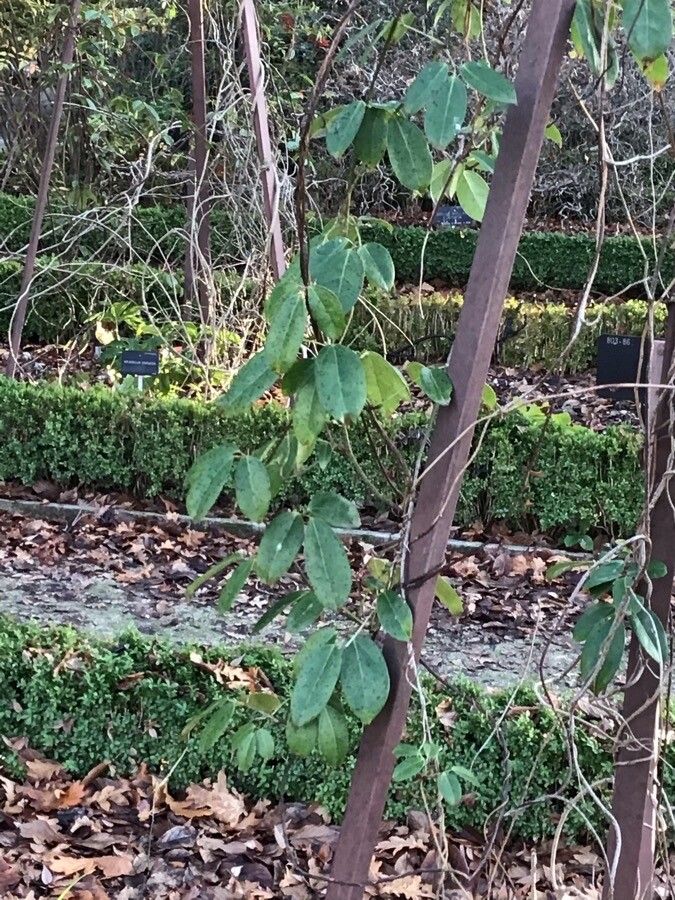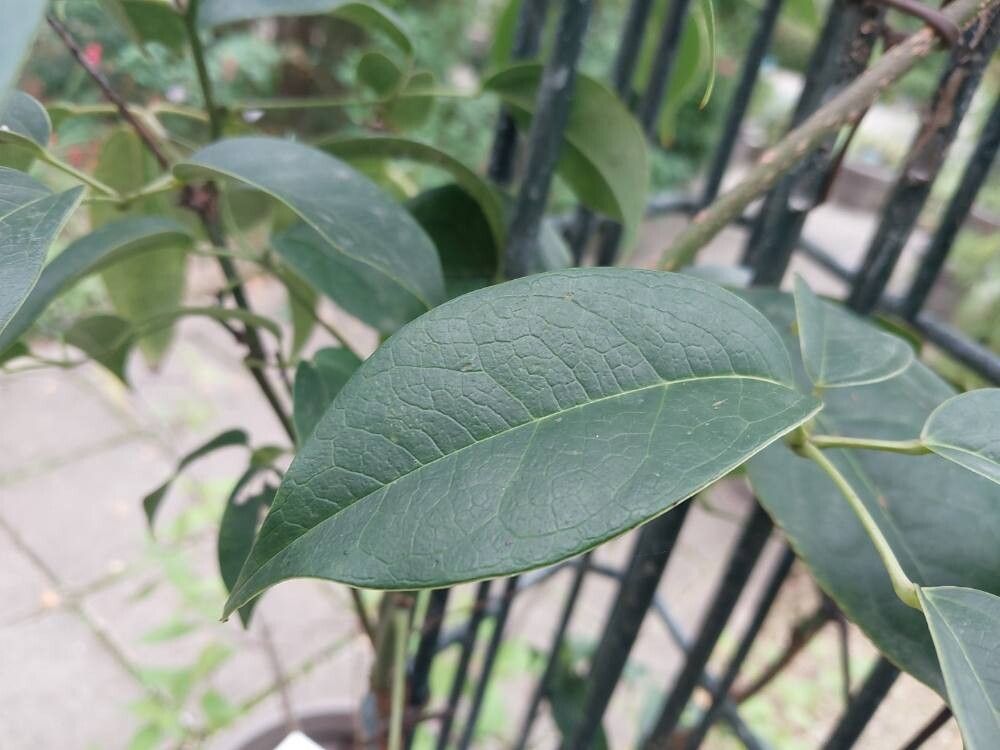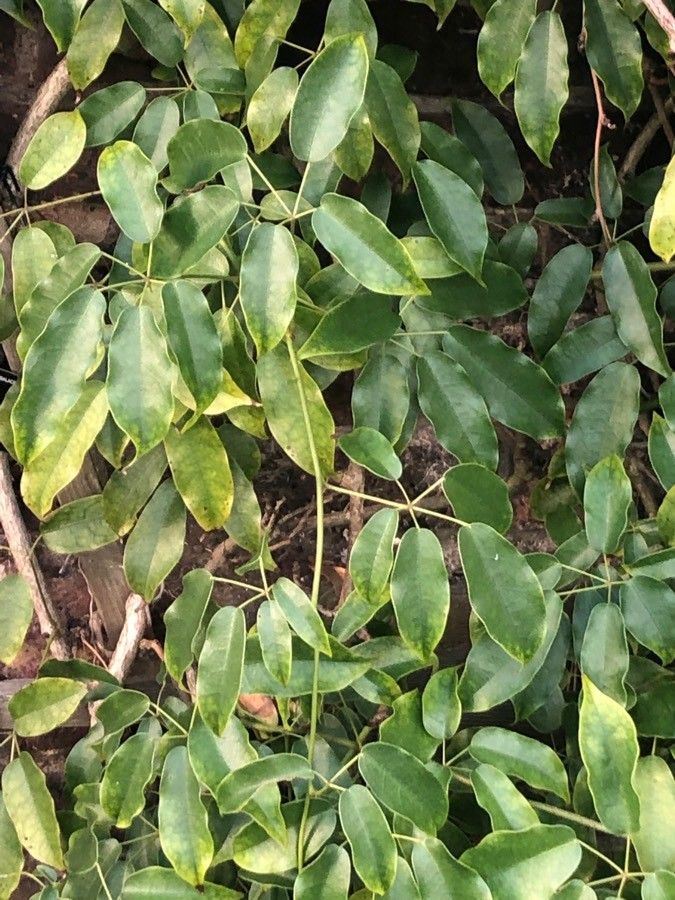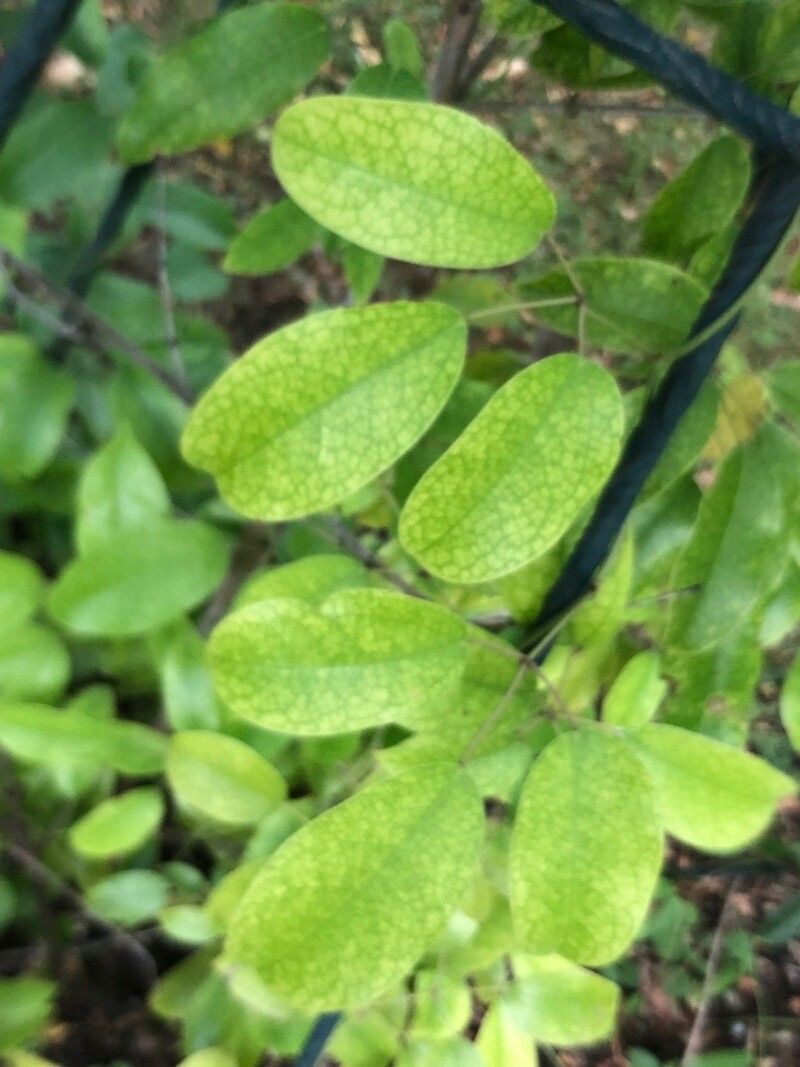
Stauntonia hexaphylla or Stauntonia vine is a plant in the family Lardizabalaceae.
Japanese staunton vine has strong resistance to disease and is generally not susceptible to illnesses. Regarding care, this plant is fairly low-maintenance. When grown outdoors it needs little watering, and larger plants usually do not require pruning; however, smaller plants should be pruned after they have finished blooming. Japanese staunton vine is appropriate for anyone with outdoor space, such as a garden or deck, and does not demand much gardening experience.
How to keep Stauntonia Hexaphylla.
Light
The Japanese staunton vine naturally occurs in habitats such as forest understories or rocky areas, where it is subject to natural shade. It prefers partial sun but can adjust to full sun or full shade, showing its hardy and versatile nature.
Water
The Japanese Staunton vine, native to the forest understories of East Asia, thrives in moist conditions but can withstand short periods of dryness. It is best to water it every two weeks and use mulch to help retain moisture, particularly during the growing season. This climbing plant is usually cultivated outdoors.
Temperature
Japanese staunton vine is fairly adaptable to temperature, able to endure higher heat and significant temperature swings. In hot conditions, care should be taken with watering and providing adequate shade to prevent sunburn. On the other hand, the vine has limited cold tolerance. It can handle some cold, but very low temperatures can cause frost damage.
Fertilizer
The Japanese staunton vine plant needs sufficient nutrients to achieve optimal fruit production. Fertilize in early spring to encourage new growth and bloom development. Regular fertilization keeps the plant healthy, yields more delicious fruit, and prevents nutrient-deficiency issues such as yellow leaves and poor fruit production.
Pruning
Regularly pruning the Japanese Staunton vine in early spring helps promote healthy growth and maintain its shape. Remove any dead or weak stems, and trim any unruly vines to manage their size. This practice also improves light and air circulation, which reduces the risk of disease. Make sure to use sharp, clean tools for effective pruning.
Pot & Repot
Repotting a Japanese Staunton vine every 2-3 years is ideal in spring, allowing its roots to expand into a deeper container. After repotting, provide bright, indirect light and keep the soil consistently moist, being careful not to overwater. This care will encourage the vine's vigorous growth and lush foliage.
Botanical profile.
- Plant Type
- Vine
- Life Cycle
- Perennial
- Genus
- Stauntonia
- Family
- Lardizabalaceae
- Hardiness Zone
- 8-11
- Mature Height
- 11.89 m
- Mature Spread
- 2.44 m
- Leaf Color
- Green
- Leaf Type
- Semi-evergreen
- Flower Color
- White, Lavender
- Flower Size
- 1.02 cm to 2.03 cm
- Bloom Time
- Mid spring, Late spring
- Planting Time
- Spring, Summer, Autumn
- Harvest Time
- Late summer, Early fall, Mid fall
- Native Area
- South Korea, Japan, China