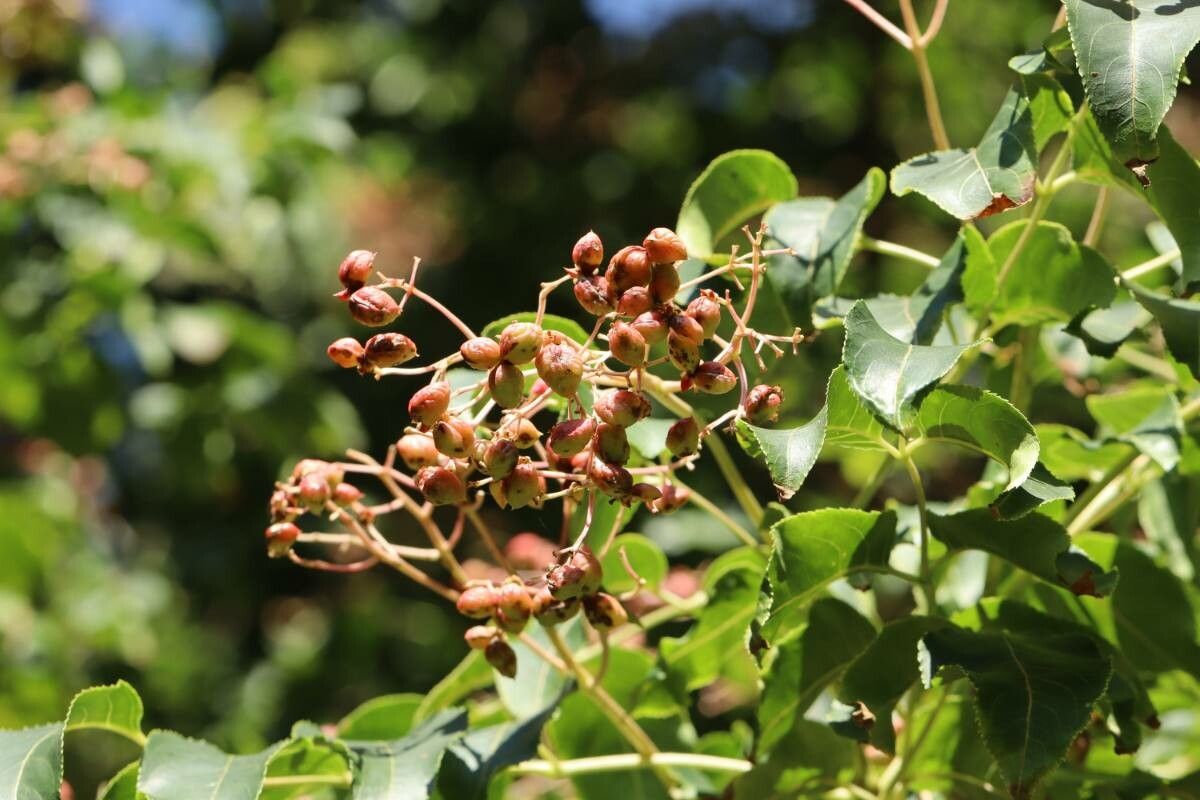
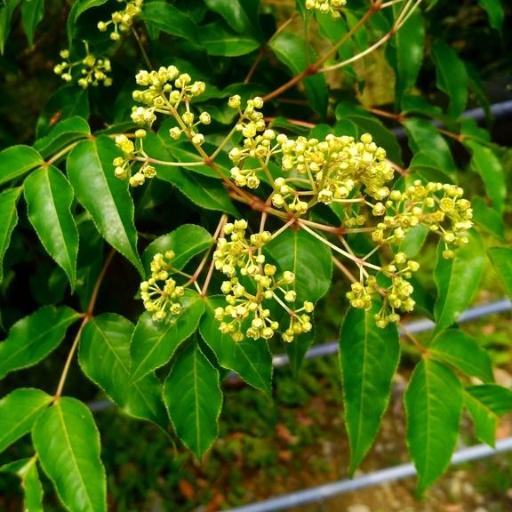
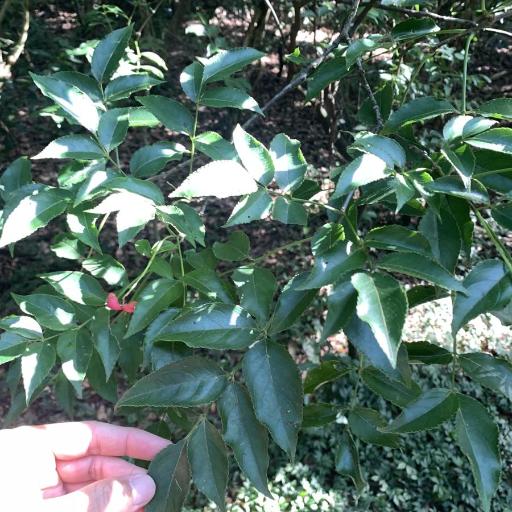
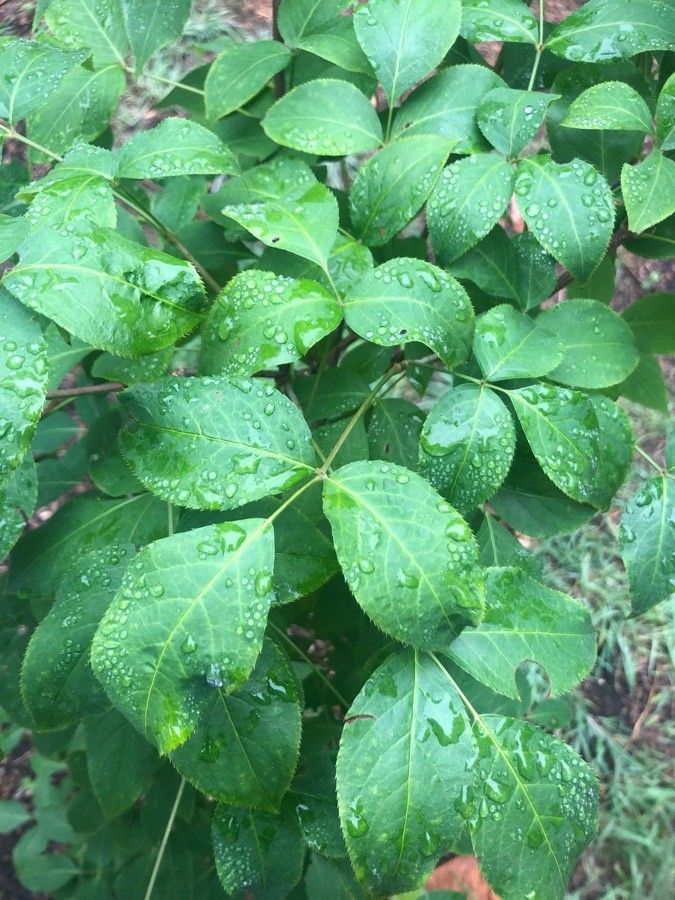
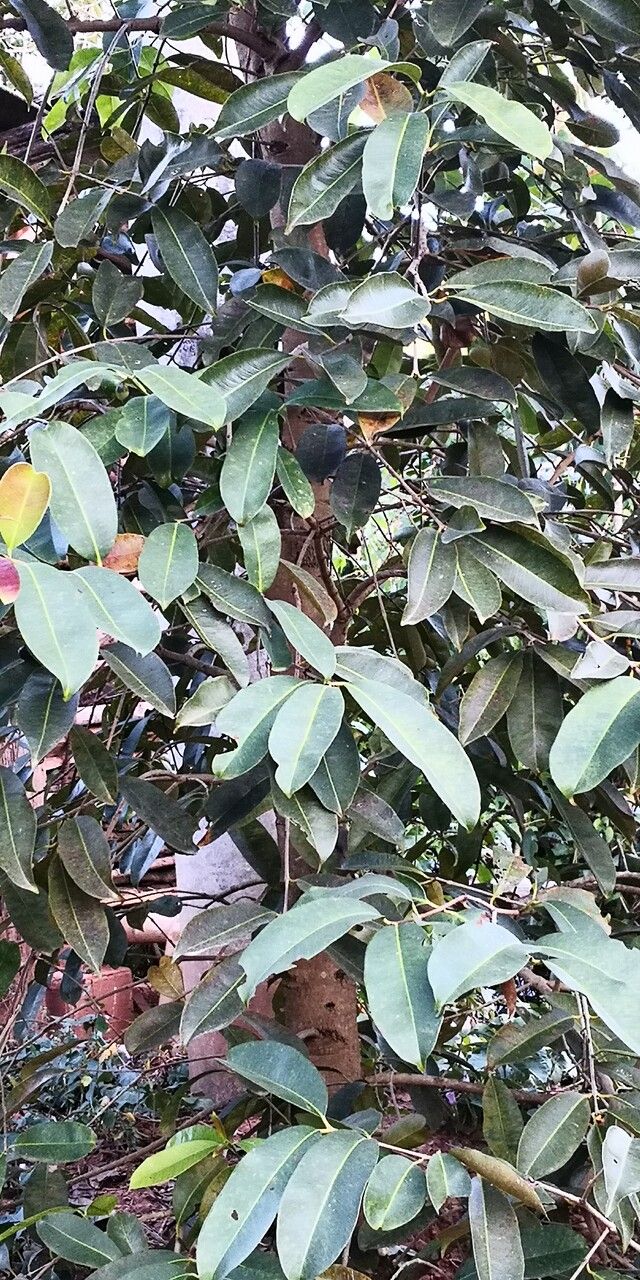
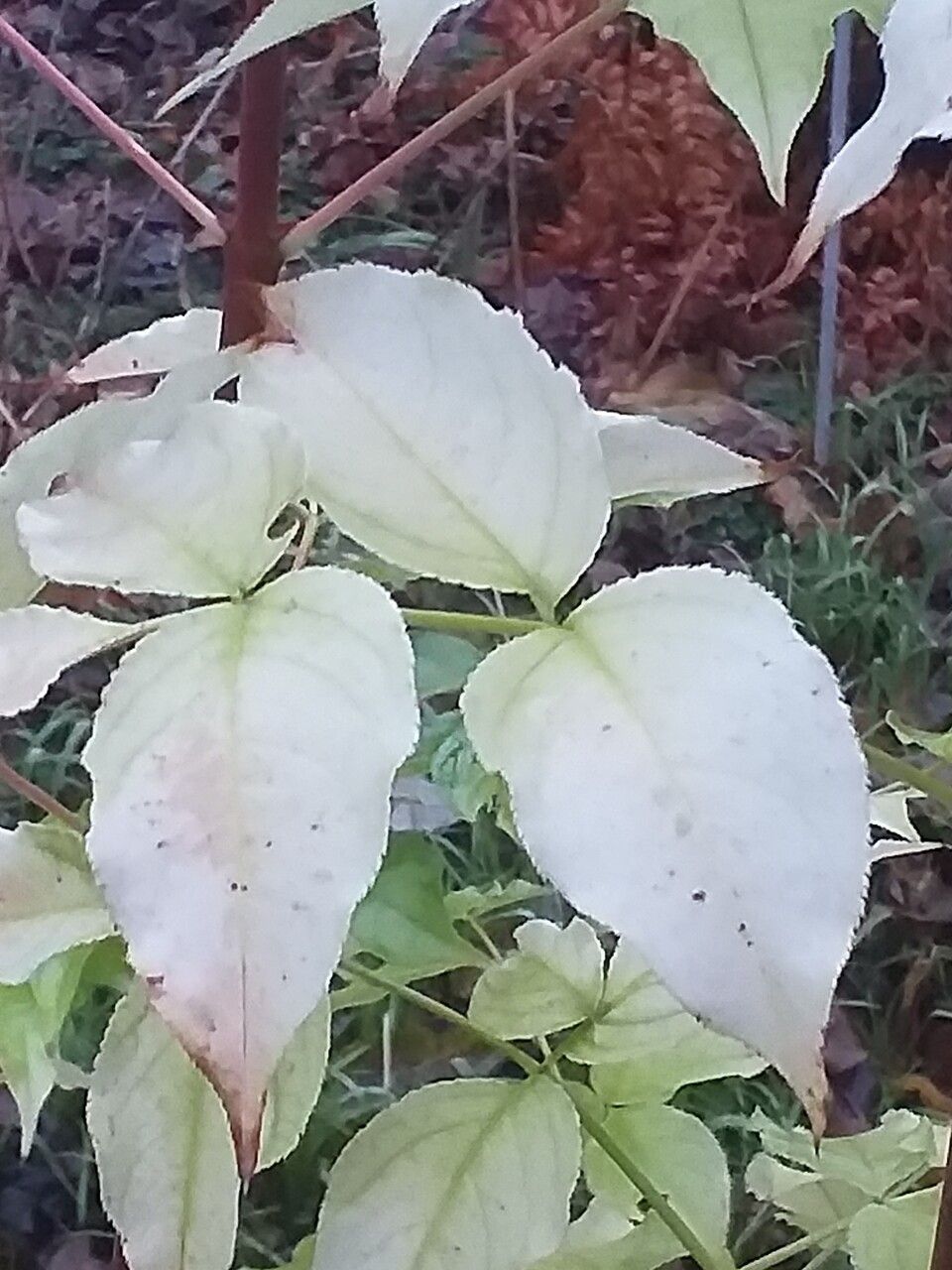
Common euscaphis is resistant to disease and typically does not suffer from illnesses. In terms of care, this plant is fairly low-maintenance. When grown outdoors it needs only minimal watering, and larger plants usually do not require pruning. Smaller plants, however, should be pruned after they finish blooming. Common euscaphist is suitable for anyone with an outdoor area, such as a garden or deck, and does not need extensive plant-care experience.
How to keep Staphylea Japonica.
Light
Euscaphis, commonly known as the Korean sweetheart tree, naturally grows in shaded settings like forest understories or rocky terrains. It is most at home in partially sunny conditions, yet it is adaptable enough to thrive in both full sun and complete shade conditions, showing its robust and flexible characteristics.
Water
The common euscaphis flourishes in moderate humidity and prefers consistent moisture. It should be watered every 2-3 weeks. As a deciduous plant, it sheds its leaves during dormancy to minimize water loss and adapt to dry conditions.
Temperature
The common euscaphis shows impressive versatility in adapting to a range of weather conditions, from hot summers to cold winters. Nonetheless, there is a preferred temperature range for its development. The plant tends to suffer from heat and humidity stress when temperatures rise excessively, potentially leading to its death. In areas where the cold could get extreme, protection of the plant through insulating efforts is crucial.
Fertilizer
Proper timing matters when feeding Common euscaphis. Apply fertilizer in early spring and continue on a monthly schedule until early summer. Fertilizer promotes attractive blooms and supplies energy both during dormancy and in active growth periods.
Pruning
Prune common Euscaphis in early spring to achieve several goals: remove dead wood, thin out crowded branches for better air circulation, and shape the plant for optimal growth. Pruning at this time minimizes stress on the plant, encourages vigorous growth, enhances flowering, and helps prevent disease. Be sure to use clean, sharp tools to avoid damaging the plant.
Botanical profile.
- Plant Type
- Shrub
- Life Cycle
- Perennial
- Genus
- Staphylea
- Family
- Staphyleaceae
- Hardiness Zone
- 6-8
- Mature Height
- 3.96 m
- Mature Spread
- 3.05 m to 4.57 m
- Leaf Color
- Green, Dark Green
- Leaf Type
- Deciduous
- Flower Color
- White, Pink
- Flower Size
- 15.24 cm
- Bloom Time
- Mid spring, Late spring
- Planting Time
- Spring, Autumn
- Harvest Time
- Late summer, Early fall, Mid fall
- Native Area
- South Korea, Vietnam, Japan, China