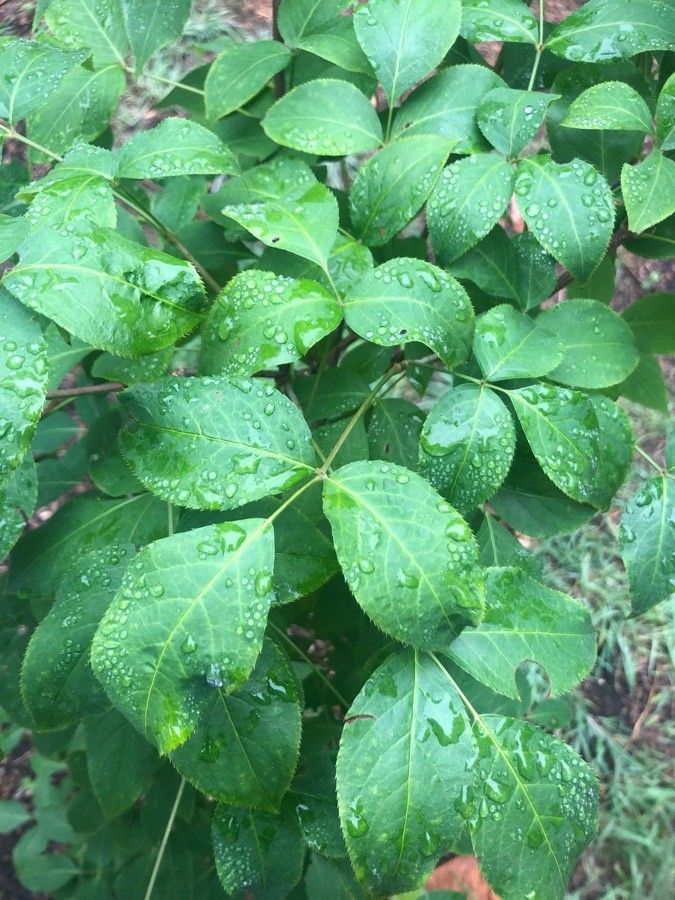
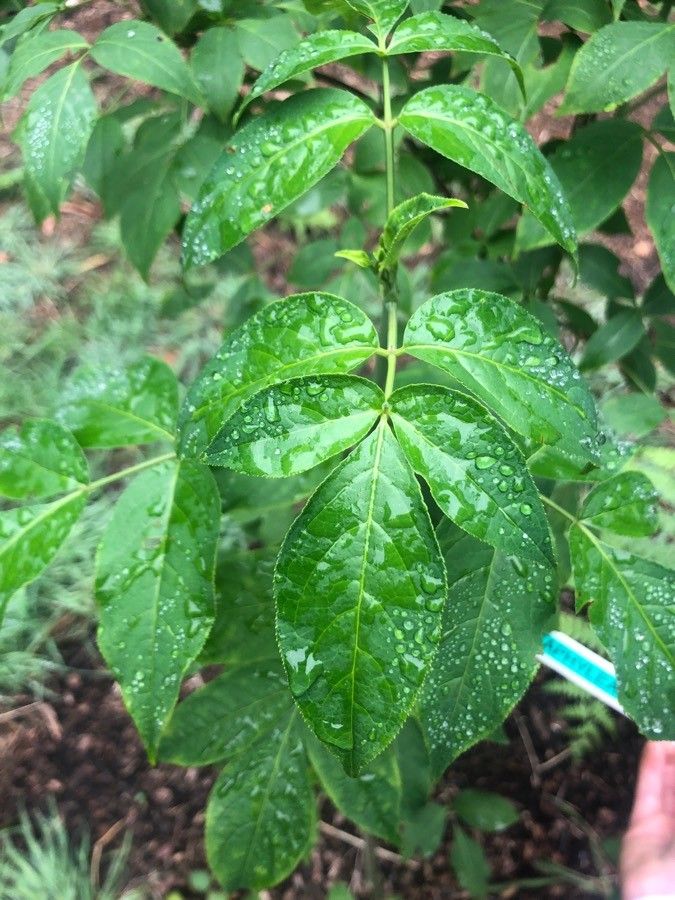
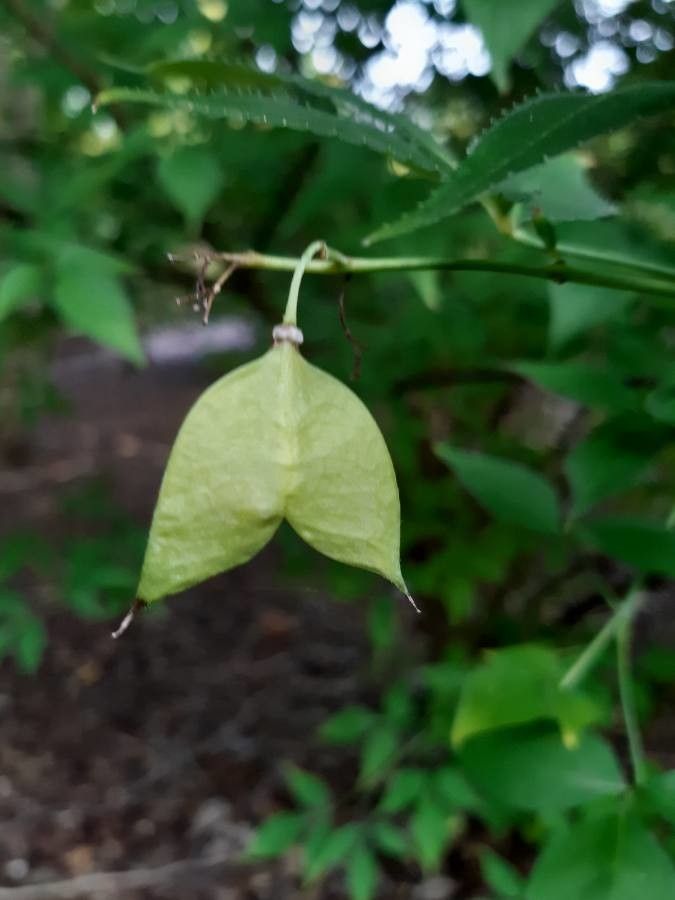
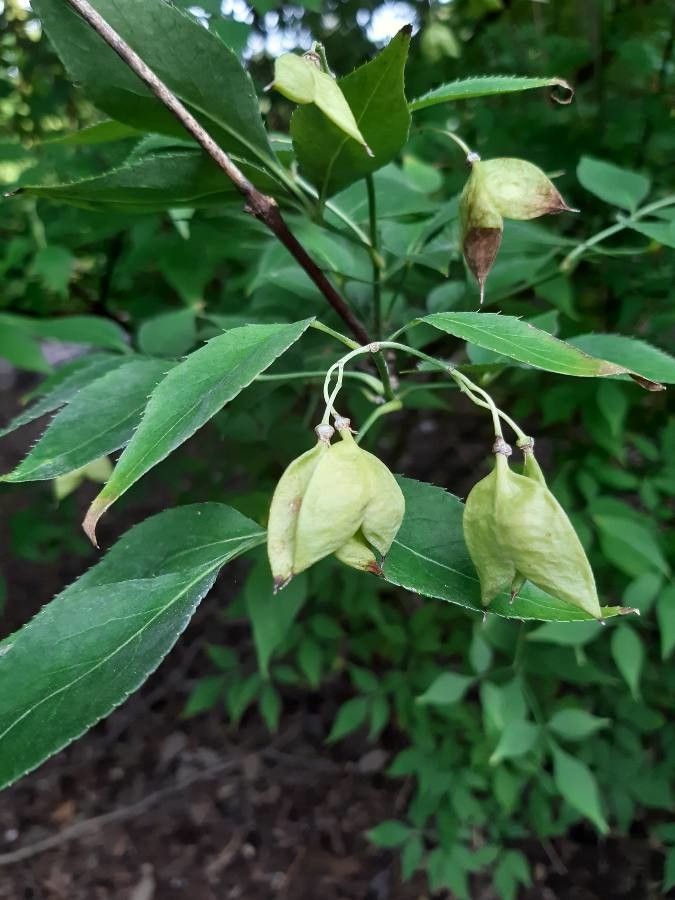
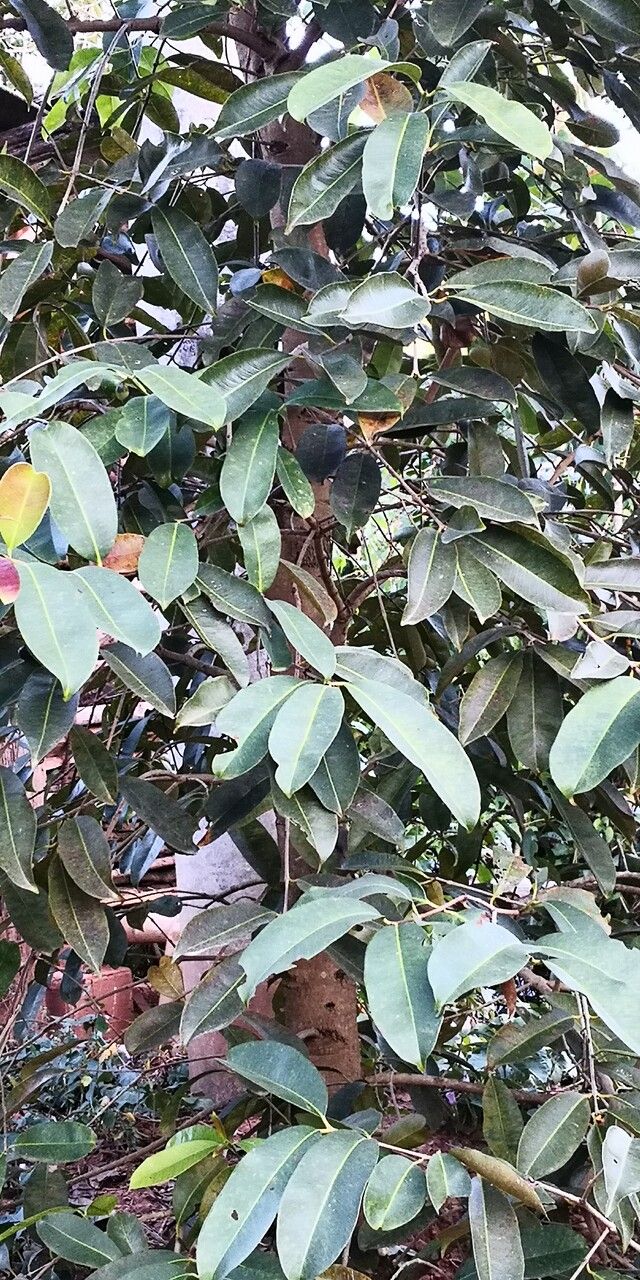
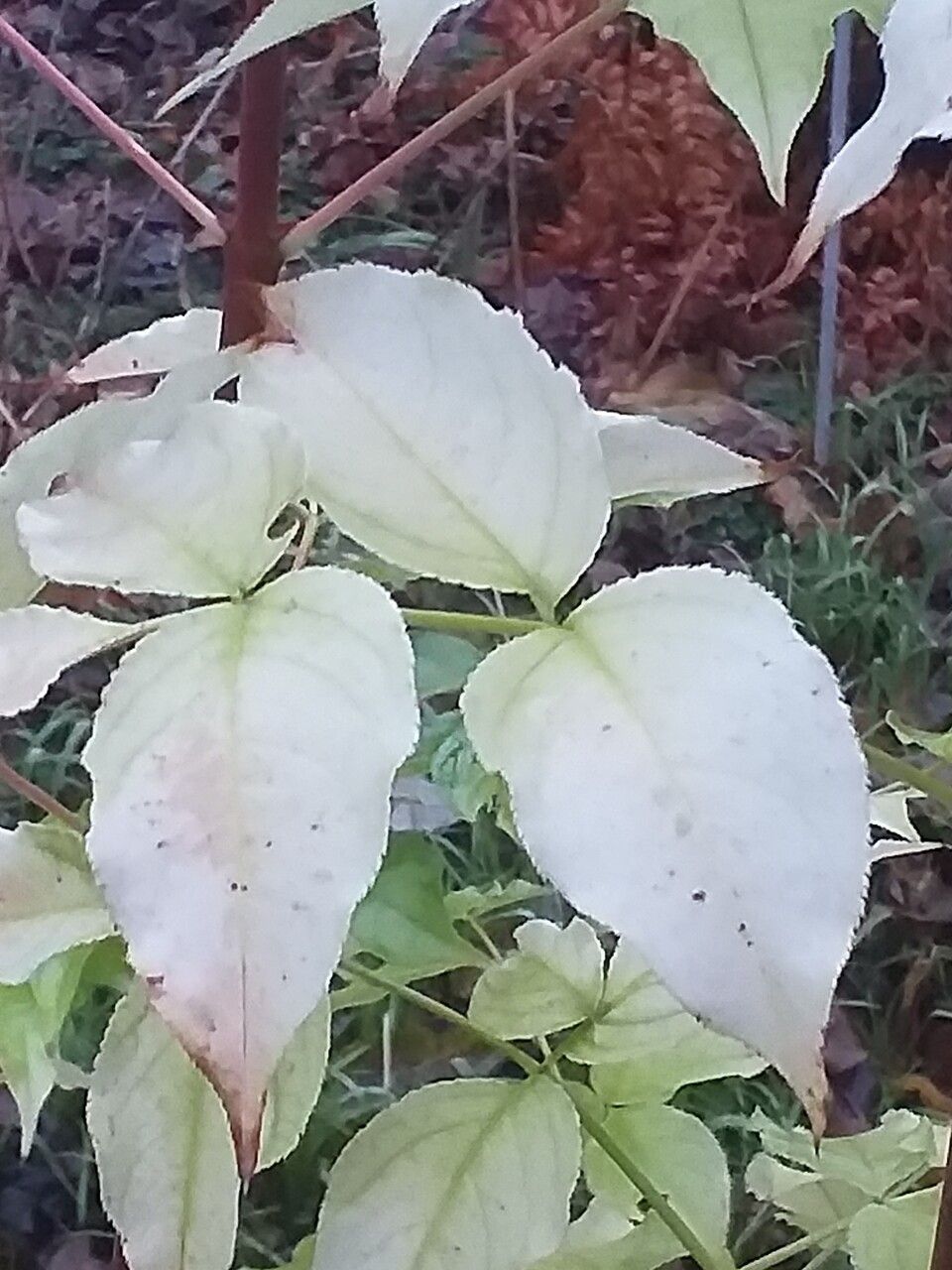
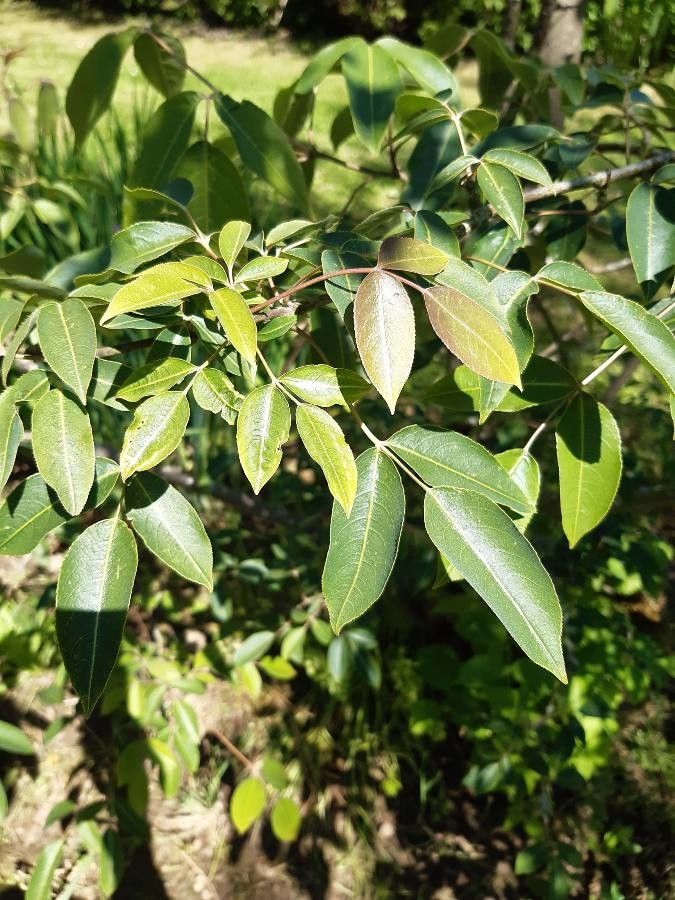
Bumald bladdernut shows strong resistance to disease and is generally not prone to illnesses. Care-wise, this plant is fairly low maintenance. When grown outdoors it needs only minimal watering, and larger plants typically do not need pruning. Smaller plants, however, should be pruned after they have finished blooming. Bumald bladdernutt is appropriate for anyone with an outdoor space, such as a garden or deck, and does not require a lot of care experience.
How to keep Staphylea Bumalda.
Light
Bumald bladdernut prefers abundant sunlight, which promotes healthy growth, but it is also tolerant of moderate light. Native to regions with plentiful sun, it can adapt to lower light when necessary. Excessive exposure can cause scorching, while insufficient light may stunt its growth.
Water
The Bumald bladdernut, native to areas with varying moisture levels, can tolerate different water conditions and has moderate resistance to drought. For optimal health, water the plant every 1-2 weeks, especially during the growing season, to ensure it receives adequate hydration during its active growth phase.
Temperature
Bumald bladdernut tolerates a wide variety of climate conditions, from blazing summers to frigid winters. Nevertheless, it has an ideal temperature range for growth. When temperatures become too high, the plant is susceptible to heat and humidity stress that can lead to its death. In areas where temperatures approach the lower boundary of its cold tolerance, it is important to provide insulation to protect the plant.
Fertilizer
The timing is important for fertilizing Bumald bladdernut. Apply fertilizer in early spring and then once a month through early summer. Fertilizer promotes attractive blooms and supplies energy during both dormant and active growth periods.
Pruning
Bumald bladdernut benefits from pruning in late spring, which helps remove dead branches and encourages healthy growth. Thinning out older branches improves air circulation and helps prevent disease. Use light trimming to maintain a natural shape, as strategic pruning enhances both the plant's vigor and appearance, according to horticultural experts.
Botanical profile.
- Plant Type
- Shrub
- Life Cycle
- Perennial
- Genus
- Staphylea
- Family
- Staphyleaceae
- Hardiness Zone
- 5-8
- Mature Height
- 1.83 m to 2.44 m
- Mature Spread
- 1.22 m to 1.83 m
- Leaf Color
- Green
- Leaf Type
- Deciduous
- Flower Color
- White
- Flower Size
- 0.51 cm to 1.02 cm
- Bloom Time
- Mid spring, Late spring
- Planting Time
- Spring, Autumn, Winter
- Harvest Time
- Late summer, Early fall, Mid fall
- Native Area
- Koppen, Japan, South Korea, China
Other names.
Reader questions.
What are the sunlight requirements for Bumald Bladdernut?
Bumald bladdernut requires full sun, which means it needs above 6 hours of sunlight daily, but can also grow in partial sun, approximately 3-6 hours of sunlight. Observing how sunlight moves through your garden will help you choose the best spots that provide a balance of light and shade, ensuring the plants' happiness.
How does Bumald Bladdernut adapt to different lighting conditions?
Bumald bladdernut prefers abundant solar exposure to foster its growth, being native to areas with plentiful sunlight. However, it shows resilience towards moderate light conditions as well. While it can adapt to lower light conditions if necessary, overexposure to sun may cause scorching, and insufficient light might stunt its growth.
What should I know about artificial lighting for indoor plants?
Indoor plants require adequate lighting for optimal growth, especially when natural sunlight is insufficient. Artificial lights, particularly LED lights, are essential as they can be customized to provide the specific wavelengths of light that plants need. For full sun plants, 30-50W/sq ft of artificial light is recommended, for partial sun plants 20-30W/sq ft, and for full shade plants 10-20W/sq ft. The light source should be placed 12-36 inches above the plant, mimicking natural sunlight, and most plants need 8-12 hours of light per day.
What are the important symptoms of light deficiency in Bumald Bladdernut?
Bumald bladdernut may exhibit several symptoms when experiencing light deficiency, including smaller new leaves, leggy or sparse growth, faster leaf drop, slower or no new growth, lighter-colored new leaves, chlorosis, sunscald, leaf curling, wilting, and leaf scorching. These symptoms highlight the sensitivity of the plant to both overexposure and insufficient lighting.
How can I manage light exposure for Bumald Bladdernut to ensure healthy growth?
To ensure healthy growth of Bumald bladdernut, gradually move plants to sunnier locations each week until they receive at least 6 hours of direct sunlight daily, using south-facing windows and keeping curtains open for maximum exposure. If the plant is too large or not easily movable, consider using artificial lighting. Gradually move outdoor plants to sunnier spots to avoid sunburn. Minimize obstructions like branches from trees and consider transplanting smaller plants during their dormant period to locations with ample sunlight and good drainage.