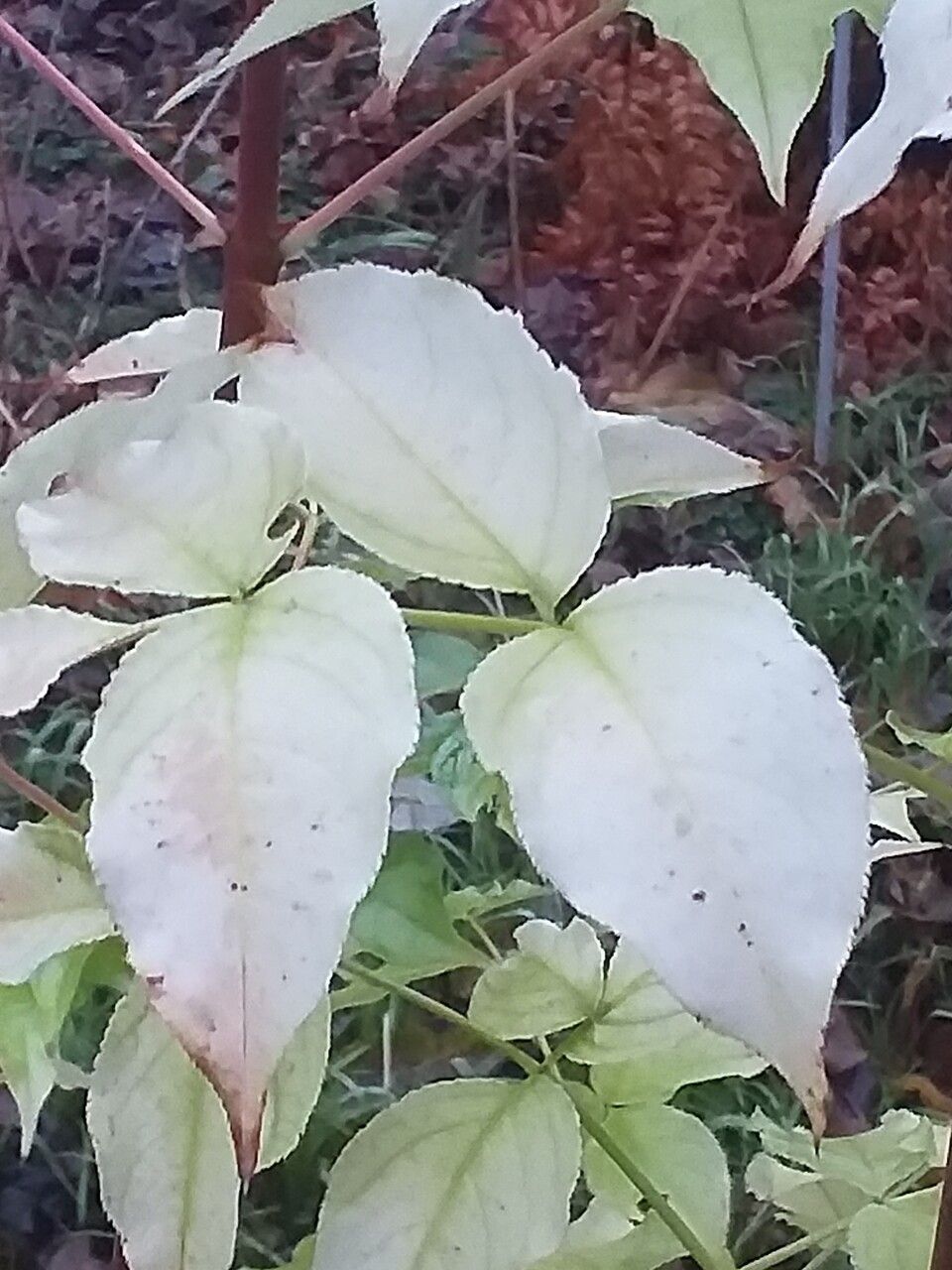
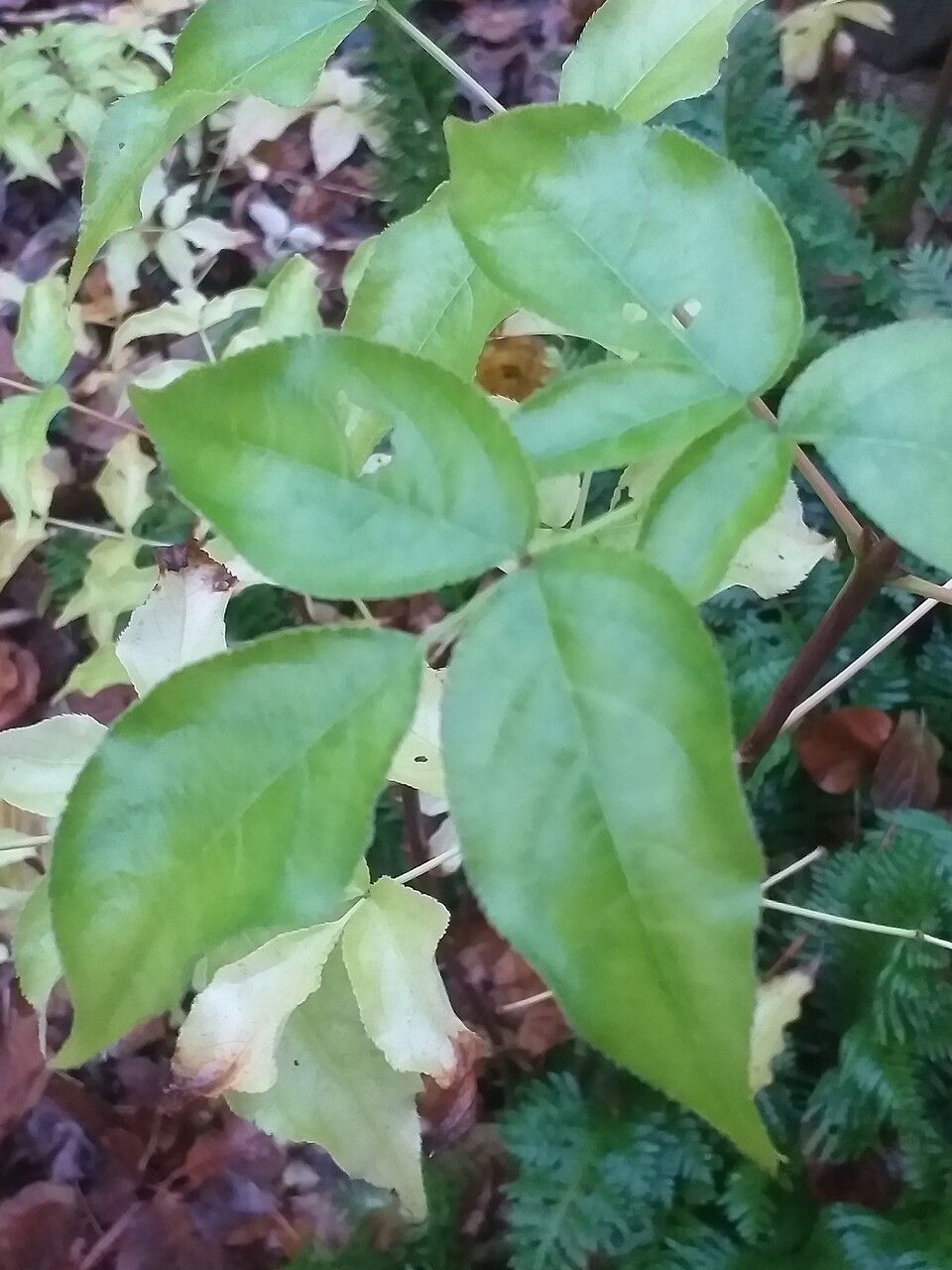
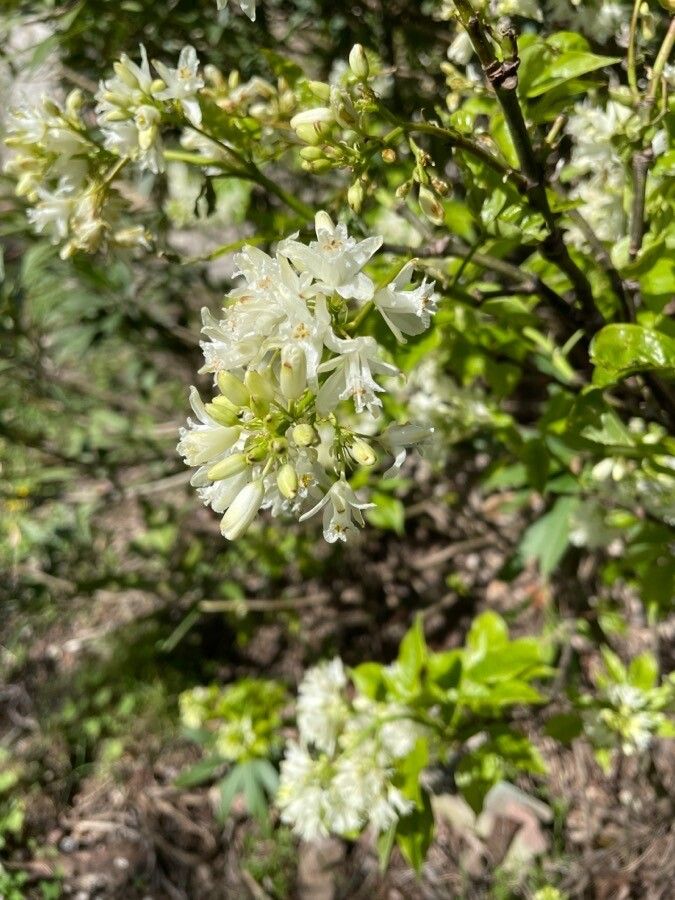
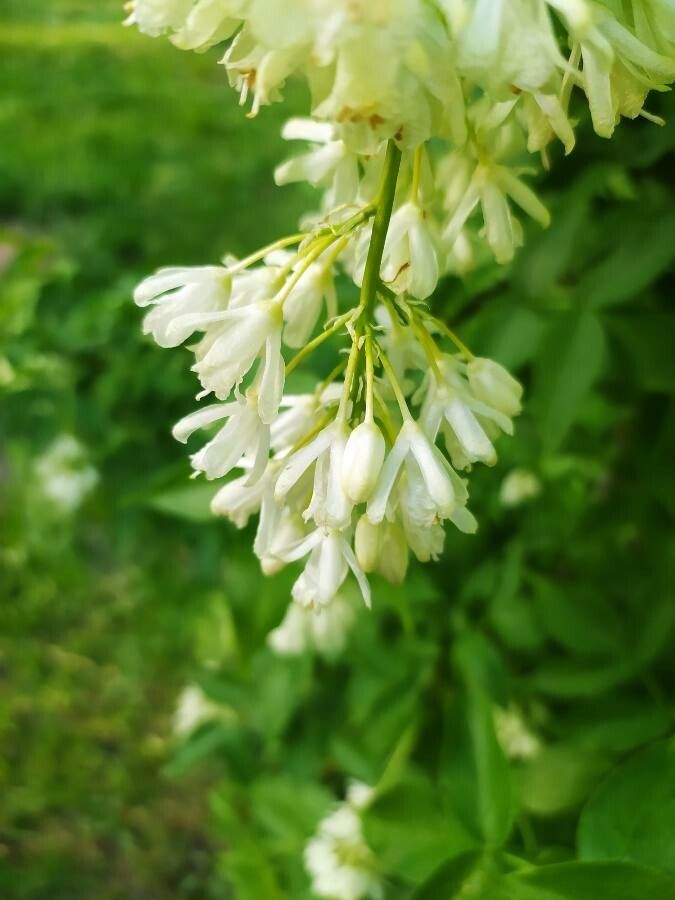
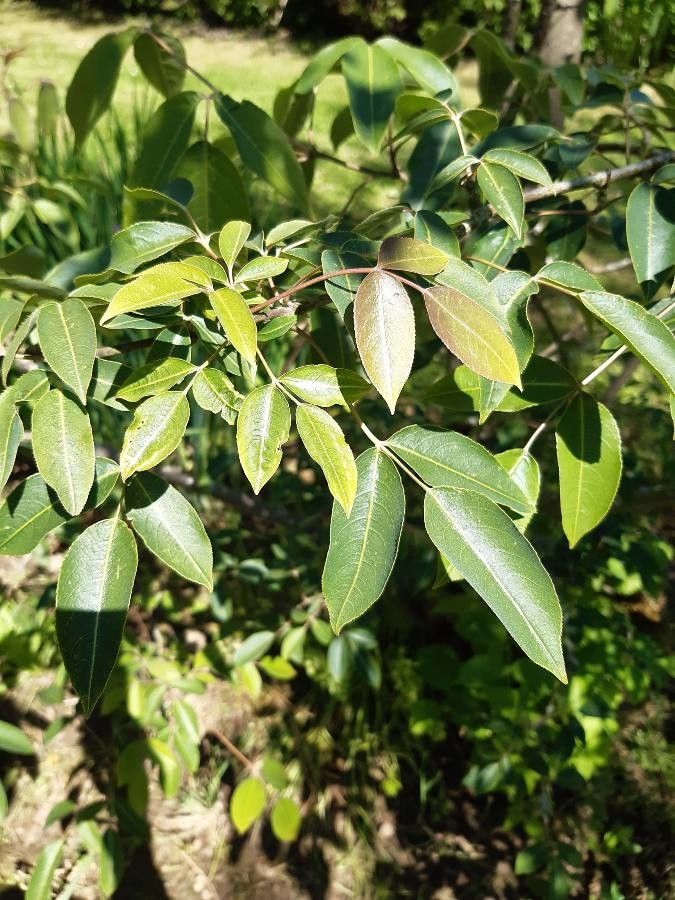
Staphylea colchica, commonly known as the Caucasian Bladdernut, is a deciduous shrub or small tree belonging to the Staphyleaceae family. Native to the Caucasus region of Eurasia, it typically thrives in moist woodlands and along riverbanks.
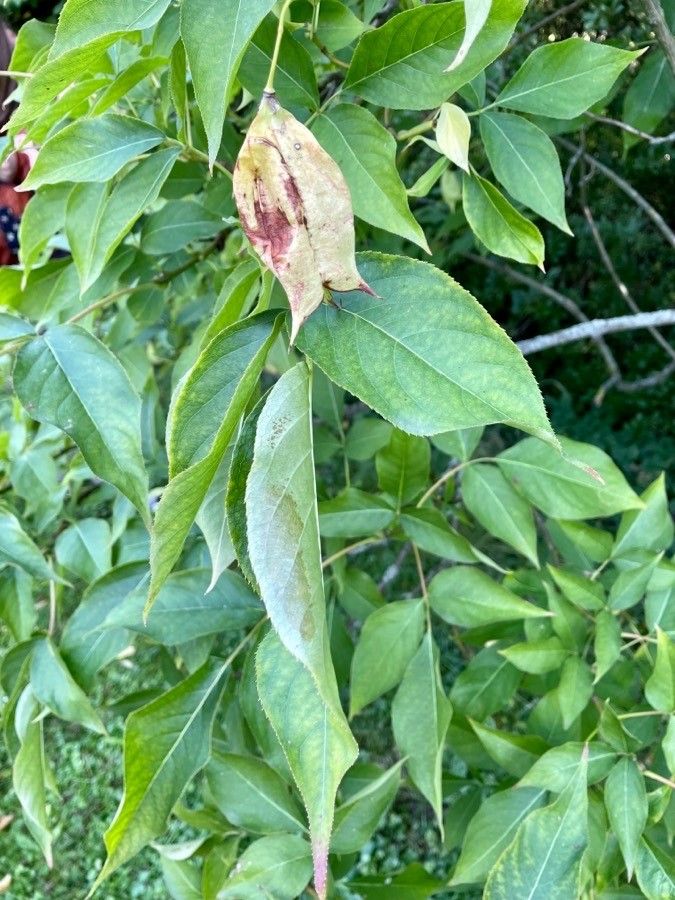
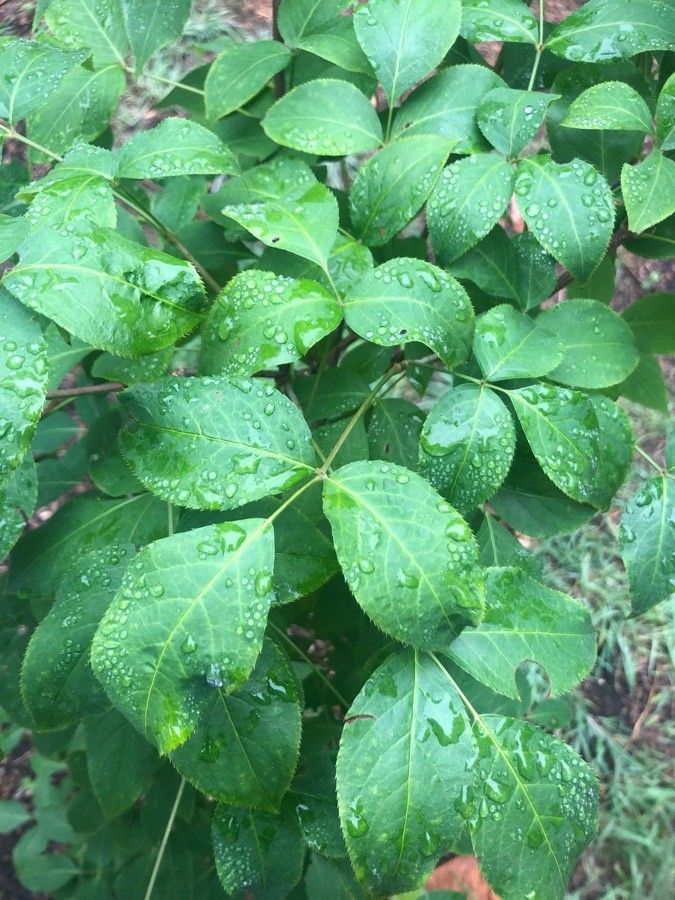
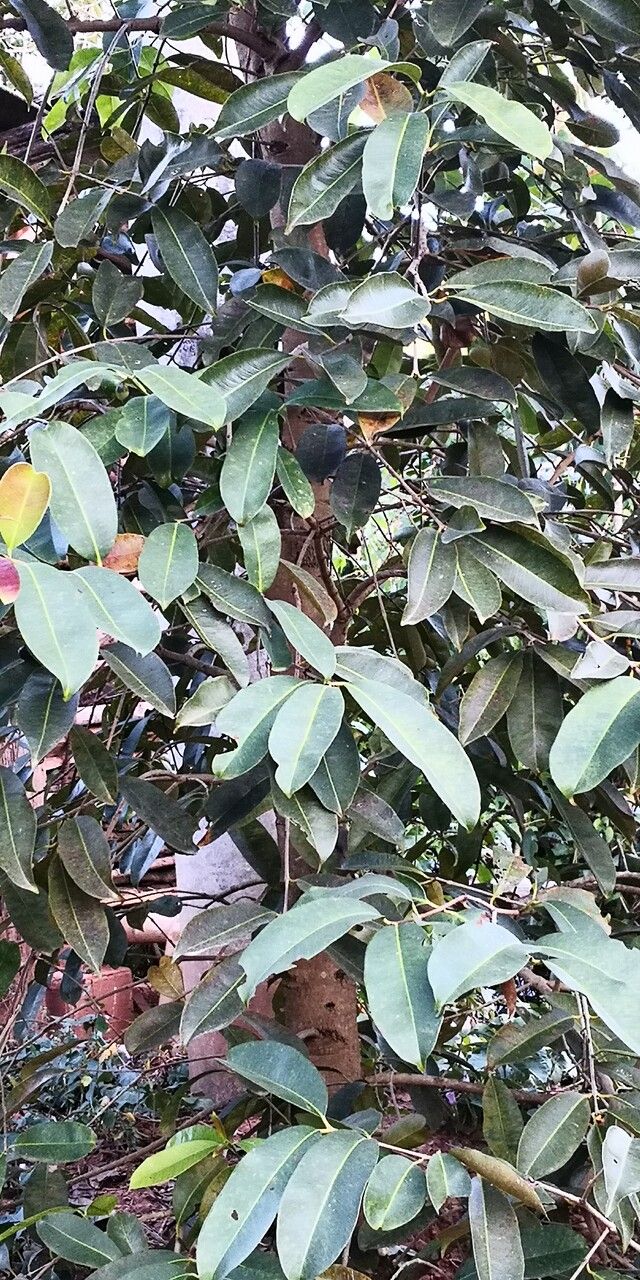
This plant usually reaches up to 6 meters in height with a spreading habit. It features smooth gray bark and alternate leaves that are ovate or elliptic with serrated margins. During April and May, clusters of fragrant white flowers adorn the shrub, adding to its visual appeal.
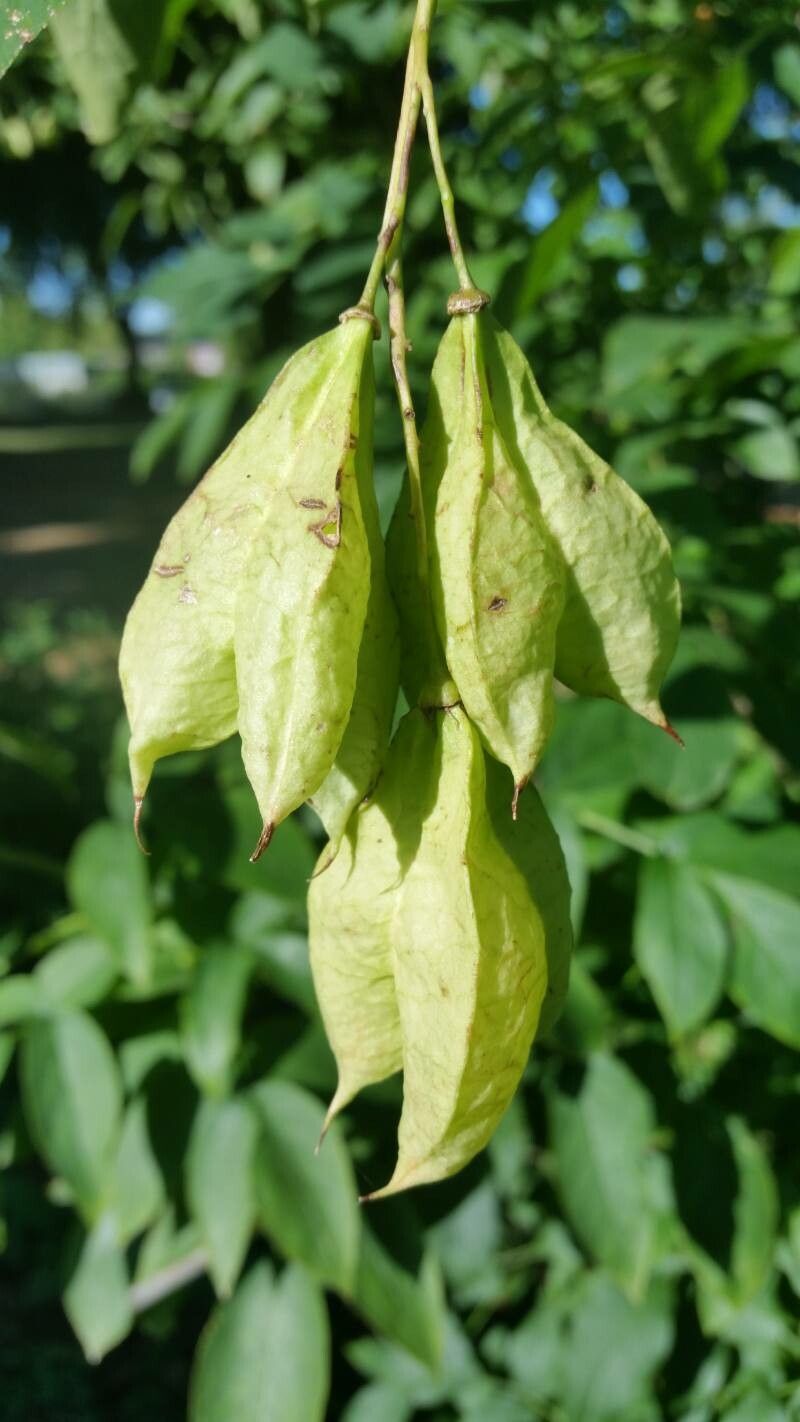
The distinctive fruit of Staphylea colchica is a bladder-like capsule containing three seeds. As the capsules mature, they transition from green to brown and eventually split open when ripe.
Staphylea colchica is often grown as an ornamental plant due to its attractive foliage, showy flowers, and unique fruit capsules. It thrives in moist soil conditions but can tolerate some drought once established. Additionally, its fragrant flowers attract pollinators such as bees.
In traditional medicine, various parts of Staphylea colchica have been used for their medicinal properties, particularly in treating respiratory ailments like asthma and bronchitis, owing to their anti-inflammatory properties.
Overall, this unique shrub or tree offers significant ornamental value for gardens and medicinal benefits, making it an intriguing addition for those interested in both horticulture and traditional medicine practices.
Caucasian bladdernut shows strong resistance to disease and is generally not susceptible to illnesses. Regarding care, the plant is fairly low-maintenance. When grown outdoors it needs little watering, and larger specimens typically do not require pruning. Smaller plants, however, should be trimmed after they have finished blooming. Caucasian bladdernutt is well suited to anyone with outdoor space, such as a garden or deck, and does not demand much gardening experience.
How to keep Staphylea Colchica.
Light
The caucasian bladdernut generally does best with abundant sunlight, achieving peak growth and vigor in such conditions. It is also tolerant of less sunny situations. Its native habitats are mostly characterized by plentiful sun, yet it can stay healthy with somewhat reduced light. Excessive or insufficient sunlight can adversely affect the plant's health.
Water
The Caucasian bladdernut thrives in moderate moisture and consistent humidity. For optimal growth, it should be watered every three weeks, which helps balance its drought tolerance with the need for moist soil. This plant is best suited for outdoor cultivation, where seasonal rainfall can also contribute to meeting its water requirements.
Temperature
Caucasian bladdernut is highly adaptable to a wide range of climatic conditions, whether facing very hot summers or cold winters. It nevertheless has an optimal temperature range for growth. When temperatures become excessively high, the plant is susceptible to heat and humidity stress, which can cause it to die. In areas where temperatures approach the lower limit of its cold tolerance, it is necessary to provide insulation to protect the plant.
Fertilizer
The timing of fertilization is important for Caucasian bladdernut. Apply fertilizer in early spring and continue monthly until early summer. Fertilizer encourages lovely blooms and supplies energy during both dormant and active growth phases.
Pruning
The Caucasian bladdernut is appreciated for its ornamental beauty and distinctive seed pods. To maintain its shape and remove dead branches, prune the plant in late spring after it has finished flowering. This encourages healthy growth and abundant blooms. Regular light pruning can enhance the plant's density, improve air circulation, and reduce the risk of disease. Be sure to use clean tools for pruning.
Botanical profile.
- Plant Type
- Shrub
- Life Cycle
- Perennial
- Genus
- Staphylea
- Family
- Staphyleaceae
- Hardiness Zone
- 5-8
- Mature Height
- 3.05 m to 4.57 m
- Mature Spread
- 3.05 m to 4.57 m
- Leaf Color
- Green
- Leaf Type
- Deciduous
- Flower Color
- White
- Flower Size
- 7.62 cm to 15.24 cm
- Bloom Time
- Mid spring, Late spring
- Planting Time
- Spring, Autumn
- Harvest Time
- Late summer, Early fall, Mid fall
Other names.
Reader questions.
What's the best way to water my Caucasian bladdernut tree?
To ensure excellent root development, place a garden hose at the base of the plant rather than directly spraying the leaves. If the leaves are outdoors and exposed to direct sunlight, they will need more watering. You can use bubblers or soaker hoses to moisten the roots. When adding or removing plants, use soaker hoses that cover the entire garden or bed to encourage deep root growth. Remember to drain any excess water and allow the soil to dry before watering again. To prevent diseases, water at ground level instead of spraying the leaves. On a sunny day, consider spraying the entire bush with water. Whether potted or in-ground, the Caucasian bladdernut prefers deep watering rather than light sprinkling.
Why do I need to add fertilizer to my Caucasian bladdernut plant?
Fertilizing a Caucasian bladdernut is important for several reasons. One of the most obvious reasons is that it helps the plant produce beautiful blooms. To ensure excellent flowers during the spring season, it is recommended to fertilize in early spring. Additionally, fertilizer provides the plant with energy to store in the ground during its dormant growth phases. By giving the bladdernut extra nutrients during fall planting or late spring, it can store more energy to use once active growth resumes.
What are the sunlight requirements for the Caucasian Bladdernut?
The Caucasian Bladdernut thrives best in full sunlight, requiring above 6 hours of sunlight daily. It can also tolerate partial sun, needing about 3-6 hours of sunlight. It's essential to watch how sunlight moves through your garden to choose spots that provide a balance of light and shade, ensuring the plants' well-being. Typically, the plant achieves optimal growth and health with plenty of sun exposure but shows resilience in less sunny conditions. Its native habitats include conditions with abundant sunlight, although it manages to stay healthy even with somewhat reduced light. However, both overexposure and insufficient sunlight might negatively affect the plant's health.
What should I do if I give too much or too little water to the Caucasian bladdernut plant?
If a Caucasian bladdernut is overwatered, its leaves may turn yellow, drop off, and wilt. The plant can also look unhealthy with mushy stems. To address this, try adjusting your watering schedule. Wilting can also be a sign of under watering. In this case, the leaves may become crispy and dry. Check the soil moisture level and if it's dry, water the plant thoroughly. However, keep in mind that even with enough water, the damaged root system may still cause the plant to have dry leaves and appear yellow for a few days. Once the plant recovers, the yellowing leaves should stop. When growing a Caucasian bladdernut indoors, always check the moisture levels in the pot. Avoid overwatering and look for signs of black spots. If you notice any, let the soil dry out for a few days before watering again. Overwatering can lead to root rot, so if you see discolored and slimy roots, consider transferring the plant to a different pot. It's important to prevent root rot by not keeping the soil too soggy. When planting the Caucasian bladdernut outdoors, make sure to dig a little deeper. If the soil feels too dry when checking with your fingers, it may indicate underwatering. Proper watering is essential for helping the plant recover.
When should I put fertilizer on my Caucasian bladdernut tree?
When fertilizing Caucasian bladdernut, timing is crucial. If fertilizer is applied too early while it is still dormant, it will not be effective and will be washed away by rainwater, leading to waste and pollution. To ensure proper usage, the first application of fertilizer should be done in early spring, followed by monthly fertilization until early summer.
How does artificial lighting support indoor Caucasian Bladdernut plants?
Indoor Caucasian Bladdernut plants require adequate lighting for optimal growth, especially when natural sunlight is insufficient, such as in winter or less sunny spaces. Artificial lights, particularly LED lights, offer a crucial solution by providing specific wavelengths of light needed by the plants. For full sun plants, 30-50 watts per square foot of artificial light is necessary, partial sun plants need 20-30 watts per square foot, and full shade plants require 10-20 watts per square foot. The light source should be placed 12-36 inches above the plant to mimic natural sunlight, with most plants needing 8-12 hours of light per day.
How often do I need to water my Caucasian bladdernut?
The Caucasian bladdernut prefers deep and infrequent watering, especially when planted in pots. To ensure proper watering, soak them in a gallon of water each time. Pots have limited water storage, so the soil dries out faster and requires watering every 3 to 5 days in cold regions. Water the plant early in the morning when the soil is dry, both indoors and outdoors. You can also check the soil moisture by examining the top 2-3 inches. If dry, it's time for a full watering. During hot days, monitor the soil moisture daily, as heat quickly dries out pot soil. If you have a garden, irrigation is necessary. In hot climates, water the plant once a week when the top 2-3 inches of soil are dry, both indoors and outdoors. However, avoid adding water if there's already sufficient rainfall to prevent root rot. Mulching outdoors helps conserve water by adding a 3-4 inch layer. Sandy soil drains faster, requiring more frequent watering, while clay soil needs less frequent watering to avoid root rot. Mark the watering dates on the calendar and observe if the leaves start drooping, which may indicate the need for earlier watering.
When should I not put fertilizer on my Caucasian bladdernut plant?
To ensure the healthy growth of Caucasian bladdernut, it's important to be mindful of the amount of nitrogen in the fertilizer. Too much nitrogen can result in an abundance of leaves but few blooms. Look for fertilizers with lower nitrogen levels compared to other nutrients. Avoid fertilizing the plant in late autumn as excessive growth before winter can be detrimental. It is also not recommended to fertilize the plant during hot and dry periods, as dry soil does not effectively deliver nutrients. Fertilizing at this time may also encourage growth that requires more water, which may not be readily available. It is preferable to apply fertilizer earlier in the season when temperatures are cooler. Lastly, be cautious about unintentionally providing the plant with an excess of fertilizer by considering the absorption of nearby plant or lawn fertilizers.
What are the symptoms of light deficiency or overexposure in Caucasian Bladdernut?
Caucasian Bladdernut may show various symptoms under suboptimal lighting conditions, including smaller new leaves, leggy or sparse growth, faster leaf drop, and slower or no new growth, indicating light deficiency. Overexposure symptoms might include chlorosis, sunscald, leaf curling, wilting, and leaf scorching, indicating the plant's struggle with excessive sunlight. These symptoms suggest a need for adjusting the plant's exposure to sunlight to prevent further stress and maintain health.
How much water does my Caucasian bladdernut plant need?
The Caucasian bladdernut plant has specific watering needs. For potted plants, water them deeply until water starts to drip from the bottom of the pot, then allow the soil to dry before watering again. You can use a water calculator or moisture meter to keep track of how much water your plant is receiving each week. During the flowering period, provide plenty of water, but allow the moisture to evaporate afterwards to prevent root rot. If the Caucasian bladdernut is planted outdoors and receives adequate rainfall, it may not need additional watering. However, when the plant is young or newly planted, it should receive 1-2 inches of rain per week. As the plant continues to grow, it can rely solely on rainfall. Only in very hot weather or during extended periods without rainfall should you consider giving the plant a full watering, preferably during cooler times of the day, to prevent heat damage. Additional watering may be necessary during persistent dry spells.
What kind of plant food does my Caucasian bladdernut need for healthy growth?
To optimize the growth of a Caucasian bladdernut, the recommended fertilizer should have a balanced mix of the three main plant nutrients, with a slightly higher proportion of phosphorus. An alternative method is to enrich the soil by incorporating organic materials like compost, worm castings, and manure. Experienced gardeners may choose to supplement the plant with water-soluble fertilizers containing phosphorus when the flower buds start to appear. This practice enhances flower development, resulting in larger and longer-lasting blooms. There are various fertilizer options available, with liquid or powdered forms being particularly beneficial for Caucasian bladdernut. Regardless of the chosen type, it is essential to dilute the fertilizer and apply it while watering the plant.
What are the recommended solutions for light-related issues in Caucasian Bladdernut?
To address light-related issues in Caucasian Bladdernut, here are some solutions: Indoors, gradually move the plants to a sunnier spot until they receive at least 6 hours of direct sunlight daily, using a south-facing window and keeping curtains open. For plants that are large or not easily movable, consider using artificial light, such as a desk or ceiling lamp for at least 8 hours daily or invest in professional plant grow lights. Outdoors, gradually adapt plants to sunlight by moving them to a sunnier location each week, avoiding sudden changes in light. For ground plants, observe the environment to identify obstructions blocking sunlight and consider pruning or transplanting to a location with ample sunlight and good drainage. Note that parts of the plant affected by insufficient sunlight may not recover, but new growth should be healthy with adequate light exposure.