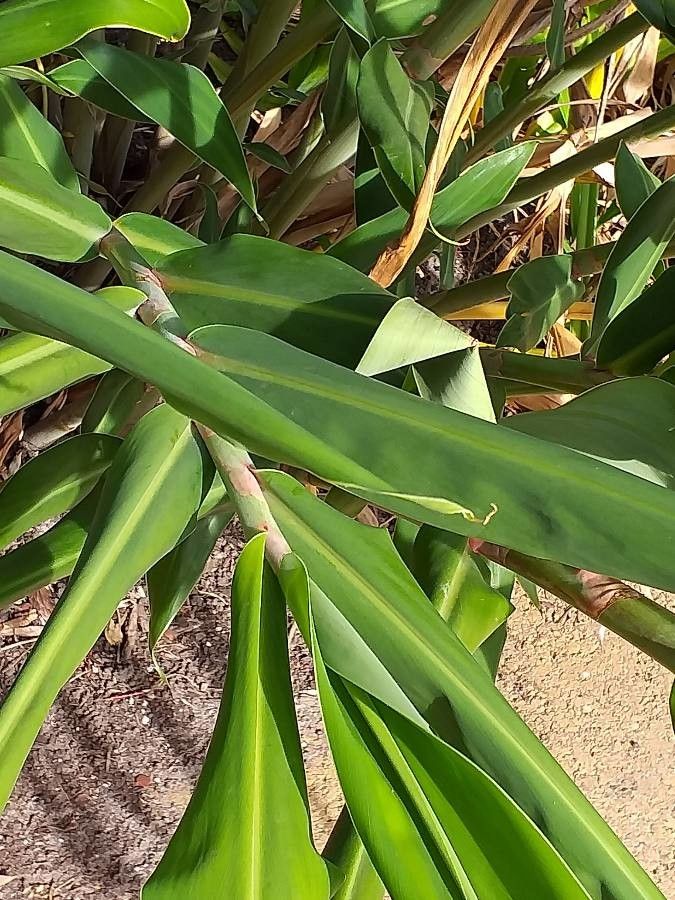
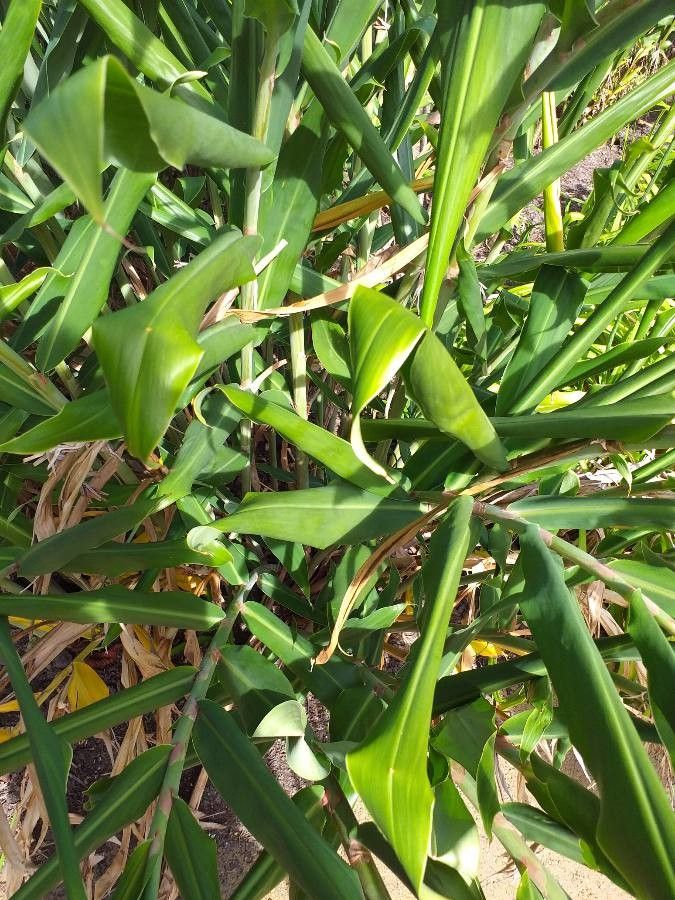
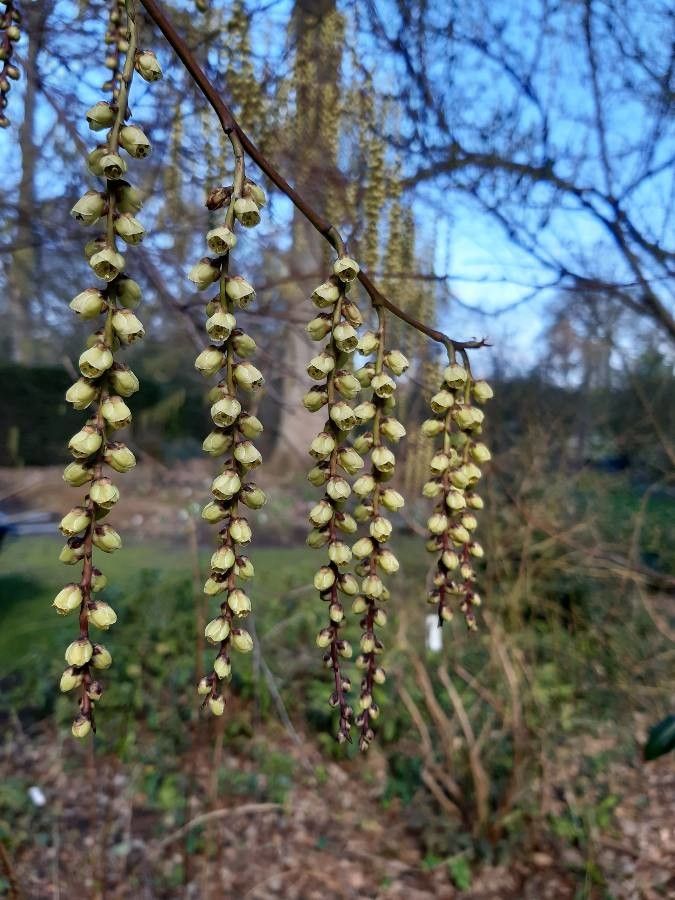
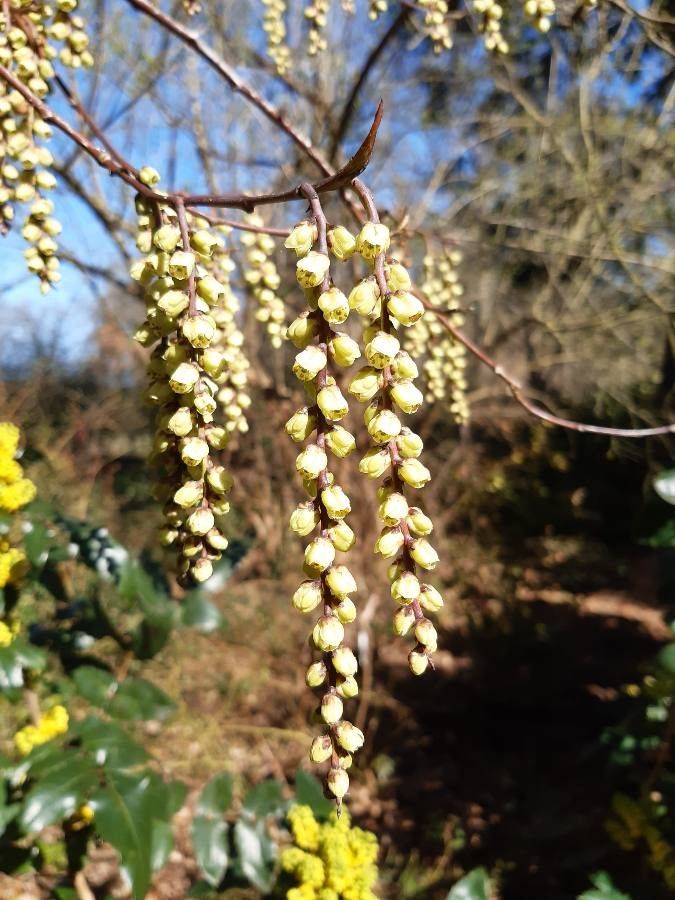
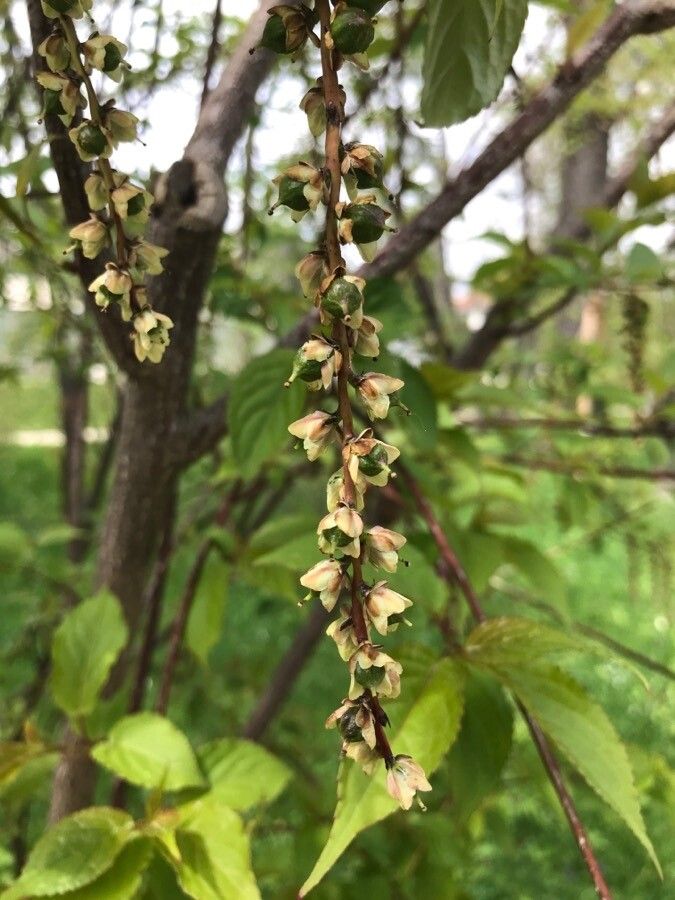
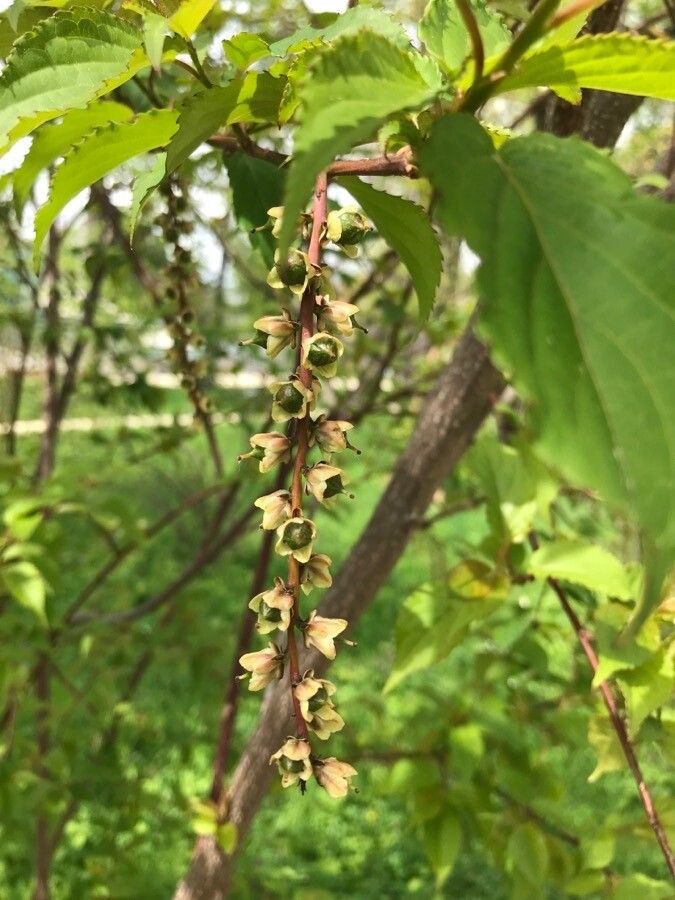
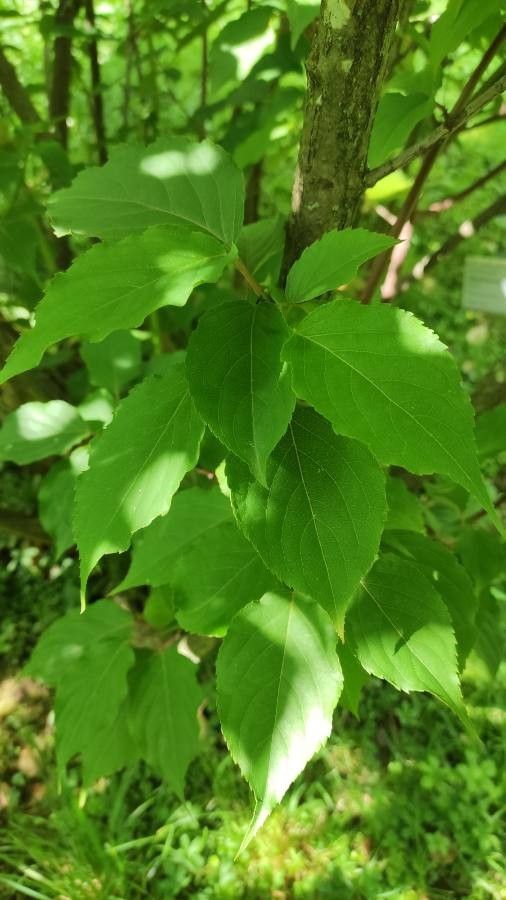
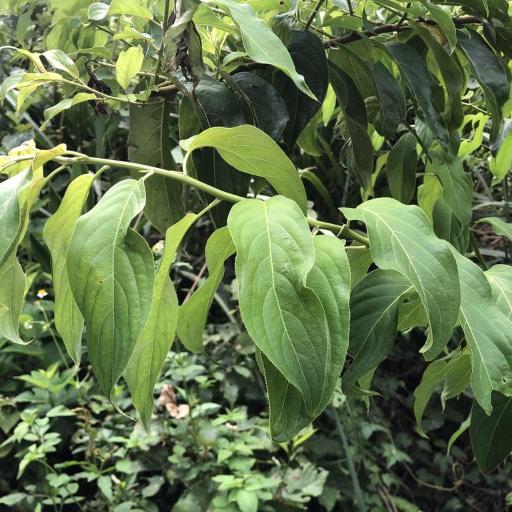
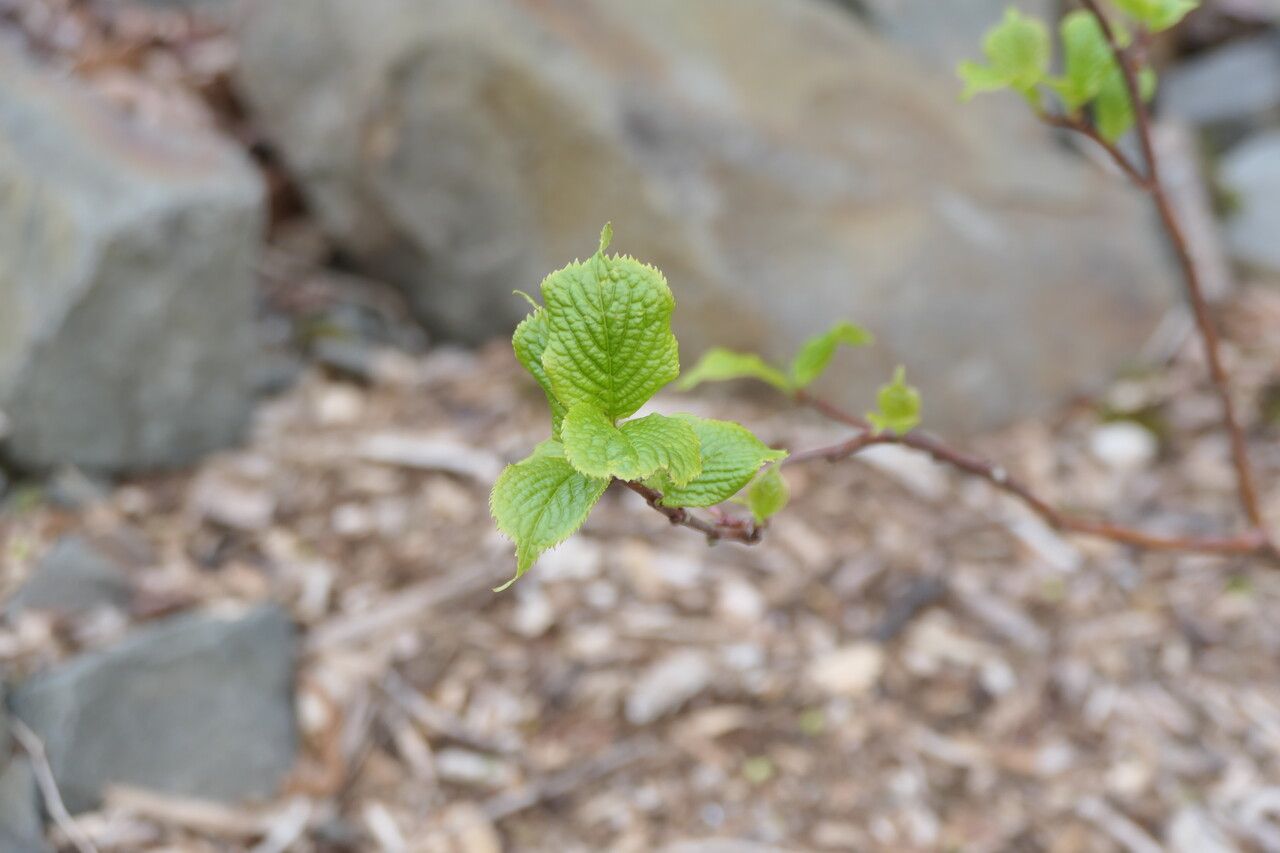
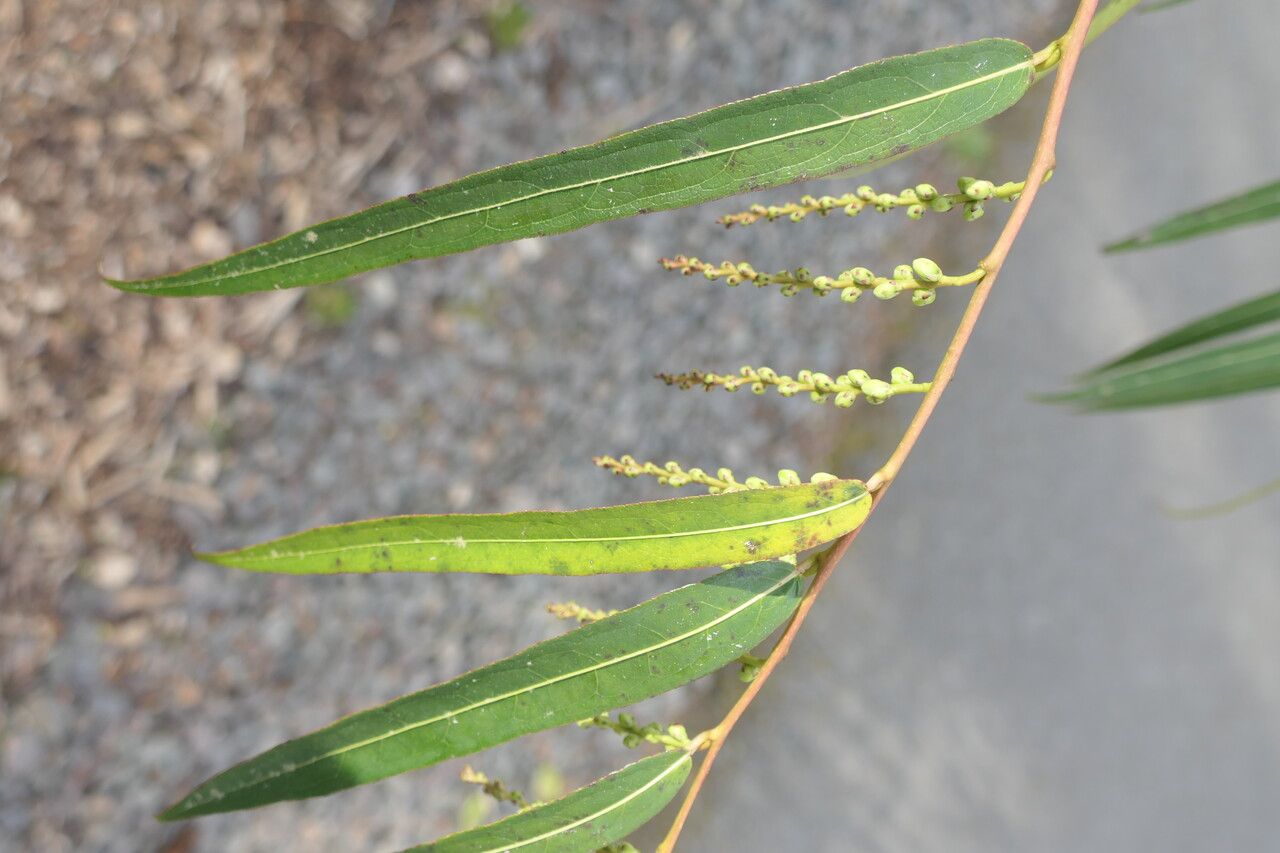
Stachyurus praecox is a deciduous shrub from the Stachyuraceae family, native to Japan and Korea, and it can grow up to 3 meters tall. The plant features an upright growth habit with arching branches covered in glossy, dark green leaves. In early spring, it produces clusters of pendulous, bell-shaped flowers that are pale yellow-green and sweetly fragrant.
This shrub prefers moist, well-drained soil and partial shade, although it can tolerate full sun if the soil stays consistently moist. It is low-maintenance, requiring minimal pruning, but benefits from regular watering during dry periods.
The distinctive flowers of Stachyurus praecox make it an attractive addition to any garden or landscape design. Its early blooming period adds a splash of color to gardens in late winter or early spring when few other plants are in flower.
Overall, Stachyurus praecox is a beautiful shrub that stands out due to its unique features. Its ease of care makes it an excellent choice for gardeners seeking low-maintenance, visually appealing plants for their gardens or landscapes.
Early stachyurus is resistant to disease and generally not susceptible to illnesses. In terms of care, this plant is fairly low-maintenance. When grown outdoors it needs little watering, and larger specimens typically do not require pruning. Smaller plants, however, should be pruned after they finish blooming. Early stachyurus is suitable for anyone with an outdoor space, such as a garden or deck, and does not demand a lot of care experience.
How to keep Stachyurus Praecox.
Light
Early stachyurus thrives when given continuous light throughout the day and also tolerates partial illumination. As a species rooted in open habitats, it is used to plentiful daylight, which promotes its health and growth. Both excessive and insufficient light can damage the plant, causing weak growth or burnt foliage.
Water
The early stachyurus thrives best in temperate, woodland-like environments with moderate moisture levels. To maintain consistent soil moisture without causing waterlogging, water the plant every two weeks. Although this plant is usually grown outdoors where it relies on natural rainfall, additional watering is crucial during drier conditions to ensure optimal growth.
Temperature
Early stachyurus is native to temperate regions and grows best in temperatures from 50 to 89.6 °F (10 to 32 ℃). In colder months, place it in a warmer indoor spot or cover it with frost protection, since it does not tolerate freezing conditions well.
Fertilizer
Applying fertilizer at the correct time is important for Early stachyurus. Start feeding in early spring and continue monthly until early summer. Fertilizer encourages attractive blooms and gives the plant energy during both dormant and active growth stages.
Pruning
The early stachyurus plant is known for its delicate, drooping yellow flowers. To keep it healthy and attractive, it's important to prune it at the right time. The best time to prune is in late spring, right after it finishes flowering. At this time, you should remove any dead branches and thin out crowded areas to improve air circulation. Be careful not to prune too heavily, as this may reduce the number of blooms. Instead, use regular, light pruning to maintain its size and encourage vibrant displays of flowers.
Botanical profile.
- Plant Type
- Shrub
- Life Cycle
- Perennial
- Genus
- Stachyurus
- Family
- Stachyuraceae
- Hardiness Zone
- 6-8
- Mature Height
- 3.96 m
- Mature Spread
- 3.05 m
- Leaf Color
- Green
- Leaf Type
- Deciduous
- Flower Color
- Yellow
- Flower Size
- 1.02 cm
- Bloom Time
- Late winter, Early spring, Mid spring
- Planting Time
- Spring
- Harvest Time
- Summer
- Native Area
- Japan
Other names.
Reader questions.
What is the most effective way to water my Early stachyurus plant?
To ensure excellent root development, place a garden hose at the base of the plant instead of directly spraying the leaves. Keep in mind that outdoor plants in direct sunlight will need more water for their leaves. For effective root moisture, consider using bubblers or soaker hoses. When adding or removing plants, use soaker hoses that cover the entire garden or bed to encourage deep root growth. After watering, drain any excess water and allow the soil to dry before watering again. To prevent diseases, water at ground level. On sunny days, it's beneficial to spray the entire bush with water. Whether in a pot or in the ground, remember that Early stachyurus plants prefer deep watering rather than light sprinkling.
Why do I need to add plant food to my Early stachyurus plant?
There are a few important reasons why you should fertilize an Early stachyurus. Firstly, fertilizing will help promote beautiful blooms on your Early stachyurus. It is recommended to fertilize in early spring to ensure excellent flowers during that season. Secondly, fertilizer provides the plant with energy that it can store in the ground during its dormant growth phases. By giving your Early stachyurus extra nutrients during fall planting or in late spring, you can help it store more energy to use when active growth resumes.
What are the sunlight requirements for Early Stachyurus?
Early Stachyurus requires full sun, which means it needs above 6 hours of sunlight daily, but it can also tolerate partial sun, defined as about 3-6 hours of sunlight. It's essential to observe the movement of sunlight through your garden to find spots that offer a perfect balance of light and shade, ensuring the plant's health and happiness.
What is the native climate for Early Stachyurus?
Early Stachyurus, with its botanic name Stachyurus praecox, thrives in temperate climates. It performs best in temperatures ranging from 50 to 89.6 °F (10 to 32 °C). However, it's crucial to provide it with warmer shelter indoors or protect it with frost covers during colder seasons, as it does not tolerate freezing conditions well.
What should I do if I give Early stachyurus too much or too little water?
Early stachyurus plants can exhibit various signs of overwatering, such as yellowing, dropping, and wilting leaves, as well as a dull and unhealthy appearance with mushy stems. If these signs are observed, it's important to adjust your watering schedule. Conversely, wilting can also indicate under watering, with crispy and dry leaves being a potential sign. In such cases, checking the soil moisture and providing a thorough watering may be necessary. However, even with proper watering, the damaged root system may cause the plant to still appear dry with yellow leaves for a few days. Once the plant returns to normal, the yellowing of leaves should cease. When growing Early stachyurus indoors, always check the moisture levels in the pot and avoid overwatering, paying attention to any signs of black spots. If such signs are present, allowing the soil to dry out for a few days can help. Overwatering can lead to root rot, so it's important to prevent this by not allowing the soil to become too soggy. When planting Early stachyurus outdoors, make sure to dig deeper and check for excessively dry soil, as this could indicate underwatering. Adequate watering is necessary for the plant's recovery.
When should I fertilize my Early stachyurus plant?
To effectively fertilize Early stachyurus, timing is crucial. Avoid using fertilizer too early when the plant is dormant, as it will be ineffective and prone to being washed away by rainwater, causing waste and pollution. Instead, start applying the first round of fertilizer in early spring, and continue doing so once a month until early summer.
How does sunlight affect the growth of Early Stachyurus?
Sunlight significantly impacts the health and growth of Early Stachyurus, a plant that thrives when exposed to continuous light throughout the day and can also adapt to partial illumination. Originating from open habitats, it's accustomed to receiving substantial daylight. Either too much or too little sunlight can harm the plant, leading to weak growth or burnt foliage. Artificial lighting can supplement natural sunlight, especially for indoor plants in less sunny locations or during winter. The right type of artificial light, distance from the plant, and duration of exposure are crucial factors for promoting healthy growth.
How can Early Stachyurus be protected from cold conditions?
Despite Early Stachyurus's strong cold resistance, special frost protection measures become necessary when winter temperatures drop below -25°C. To guard against cold, you can wrap the plant's trunk and branches with materials such as non-woven fabric or cloth. Before the first freeze in autumn, it's recommended to water the plant abundantly so the soil remains moist and enters a frozen state, which helps prevent drought and water scarcity during winter and early spring.
How frequently should I water my Early stachyurus?
The Early stachyurus prefers deep and infrequent watering, particularly if they are planted in pots. Soak them with a gallon of water each time to compensate for the limited water storage in flower pots, as the soil dries out more quickly. In cold regions, water every 3 to 5 days, preferably in the morning when the soil is dry. You can check the soil moisture by feeling the top 2-3 inches; if it's dry, give the plant a thorough watering. On hot days, monitor the soil moisture daily, as heat can rapidly dry out the pot's soil. If you have a garden, irrigation is necessary. In hot climates, watering once a week is sufficient, when you observe the top 2-3 inches of soil becoming too dry. Take into account natural rainfall when deciding whether to add additional water and avoid causing root rot. Early stachyurus mainly grows in spring and fall, so adding 3-4 inches of mulch outdoors helps conserve water. Sandy soil requires more frequent watering due to faster drainage, while clay soil needs less frequent watering to avoid root rot. Keeping track of watering dates and noticing drooping leaves as a sign of dehydration can help you stay on schedule.
When is the best time to not use fertilizer on my Early stachyurus?
To maximize the blooming of Early stachyurus, avoid using fertilizer with excessive nitrogen. A fertilizer with a lower nitrogen content compared to other nutrients is recommended. It is important to refrain from fertilizing in late autumn, as this can cause excessive growth before winter. Similarly, during hot and dry periods, fertilizing should be avoided due to reduced efficiency of dry soil and increased water requirements for stimulated growth. It is best to apply fertilizer earlier in the season when temperatures are cooler. Lastly, be mindful that neighboring plants or lawns may inadvertently provide additional fertilizer, so take caution to prevent over-fertilization.
What are the signs of light deficiency in Early Stachyurus?
Signs of light deficiency in Early Stachyurus include smaller new leaves, leggy or sparse growth, faster leaf drop, slower or stopped new growth, and leaves that are lighter-colored or exhibit chlorosis, indicating a lack of chlorophyll. Excessive sunlight can cause symptoms such as sunscald, leaf curling, wilting, leaf scorching, and chlorosis, affecting the plant's overall health and ability to photosynthesize.
What are the effects of low temperatures on Early Stachyurus?
Early Stachyurus is cold-tolerant and thrives best when the temperature is above 10°C. However, during winter, it should be kept above -15°C. Exposure to temperatures below -25°C may not show immediate effects, but come spring, the branches might become brittle, dry, and fail to produce new shoots. To combat this, you should prune away any dead branches in spring.